Buying the Right Car for a College Student

What Collision Repair Challenges Do Hybrid Vehicles Present?

Your Toyota Prius was just involved in an accident and has been taken to the local auto body shop for some collision repairs. Given that it’s a hybrid, you’re wondering if the shop’s employees will have to take any special precautions while repairing the damage. Because of their electrical systems, restoring a damaged hybrid vehicle does present unique challenges. What follows are some of the precautionary steps that body shops take to protect their employees and your vehicle.

What’s a “Hybrid” Vehicle?

First introduced in the U.S. 20 years ago, hybrid vehicles (HVs) use both a conventional gas or diesel engine and an electric motor. This helps an HV consume less fuel, and emit less CO2, compared to an automobile that’s only powered by a fossil-fueled engine.

There are two types of hybrids, “conventional” or “plug-in”:

  • Conventional Hybrids. Offered by virtually all automobile manufacturers, these HVs use a gasoline engine to keep a modestly sized battery charged while driving. Available in various makes and models, conventional hybrids cannot be plugged in to recharge their batteries, and therefore only drive sporadically solely on electric power.
  • Plug-In Hybrids. Available through some auto makers, a plug-in hybrid has a large battery that can be recharged by plugging the vehicle into a standard wall outlet or recharging station. Once charged, the car runs purely on electricity without burning any fossil fuel. However, a plug-in HV can still run without ever being plugged in and will continue operating in normal hybrid mode (using the gas engine + electric motor) for as long as there’s gas in the tank.

I-CAR HV Repair Recommendations  

To protect insurance adjusters, auto body shop estimators, technicians and your vehicle, the Inter-Industry Conference on Auto Collision Repair (I-CAR) has established safety protocols (1) for working on both types of HVs. Here are some of their recommendations:

Before Repairs Begin

  • The vehicle cannot be towed or moved on its road wheels to prevent possible HV system damage and to reduce the potential shock hazard.
  • All HV system components must be initially located and inspected for signs of damage.
  • All service requirements for the various systems must first be fully understood, for example the engine cooling system.
  • Damaged body panel(s) must be checked behind for any HV system wires, connectors, modules or batteries that might have also sustained damage.
  • The proper air conditioning system service equipment and oils must be used to exclude the system from getting contaminated.  

Wearing Protective Gloves

  • Although an HV’s electrical system is designed with several built-in safety interlocks and circuit monitoring systems that initiate a shutdown if compromises are detected, protective electrical lineman’s gloves (Class 0) are highly recommended.
  • Those gloves will protect technicians when working on or near high-voltage vehicle components like the battery, system main relay, service plug receptacle and fuse, any orange-colored cables, inverter assembly, electric drive motors, PHEV charge port, etc.   

During the Teardown and Reassembly Phases

  • The HV’s electrical propulsion system must be disabled before touching or prying on any other system components.
  • If there’s anybody or engine damage in the vicinity of the HV system, the HV system must be totally disabled before proceeding.
  • Confirming that the HV system is shut down should be done by using a high-quality digital volt-ohm meter.
  • Technicians should never put their fingers in, or directly on, any connectors or HV system parts.
  • All disconnected connectors must be kept free of dirt, fluid or contamination.
  • If the HV system seems intact with no compromises and appears to be safe to power up, the technician must first scan the vehicle to identify any HV system issues. Those will show up as an HV system error message or if MIL or DTCs are present.  

Find a Local Body Shop in Seconds Through Carwise  

No matter what kind of vehicle you drive, when it’s been involved in a collision you can find a good body shop in seconds through the nationwide Carwise referral network. Shops featured in the Carwise network have the I-CAR and ASE-certified technicians, equipment and services to restore your ride like new again promptly and reliably. Most speak directly to insurance companies, so you don’t have to, and warranty their work to put your mind at ease.

Search your zip code now for a customer-reviewed auto body or glass repair shop nearby: www.carwise.com.

Read More
Checking your car before school

What Do Women Really Want in an Auto Body Shop?

If you’re a woman who’s reading this right now, have you ever felt neglected or disrespected when taking your car to a local body shop? If you own a collision repair business, are your employees treating customers of all genders the same? Based on information from collision repair industry insiders, women are becoming increasingly more influential when it comes to making collision repair decisions within a household. As a result, many auto body shops are addressing the needs of women with updated amenities and marketing strategies.  

Treating Women as Equals

According to a recent article from Auto Body Review (1), although men are involved in more car accidents than women, women are now oftentimes the ones bringing the family vehicle in for repairs. Quoted in the article is Nancy Friedman, President of Telephone Doctor Customer Service, who consults with body shops on how to improve their customer service. What Friedman has found over the years is that women want to be treated with the same level of customer service and professionalism that men are.

Furthermore, Friedman relates that women desire to be clearly heard while having their questions answered promptly and respectfully. Here are some additional observations about what women want from a collision repair shop based on Friedman’s research:

  • Make eye contact and smile
  • Don’t rush or ignore them
  • Shake their hand the same way you would a man’s without breaking it
  • Put a hook in the women’s bathroom so they can hang up their bags  

And although all these might seem trivial when you’re a shop owner, it’s the little things that add up in the end.   

A Welcoming Shop Setting

Another recent article from Body Shop Business (2) also looked at what makes a woman feel more comfortable while at a body shop. The article’s author made it clear that because over half the customers who walk into the average shop are women, meeting their expectations is essential for success. Here are some of the key areas they identified around the shop that can be difference-makers for women:   

Parking and Entrance

A woman’s brain tends to notice organization and neatness. As a result, when a shop’s parking area and front office are clearly marked, it makes them feel more comfortable and welcomed once they’ve arrived.  

Kid-Friendly Waiting Area

Mothers who bring small children with them to a shop don’t want dust from the service bays floating around on their kids’ snacks while filling out paperwork. Women prefer waiting areas that are clean and inviting and usually equate a lack of office cleanliness with the quality of repairs that would be done on their vehicle. If mom has a small child in tow, nothing is more frustrating than trying to do paperwork with junior acting up. Women like shops with kid-friendly areas featuring toys, a play table and maybe even some coloring books and crayons.

Shop Décor

Again, this ties into a woman’s comfort zone. Old calendars with crumpled pictures of antique cars hanging on the wall probably won’t impress, but some nice artwork, fresh paint and thriving green houseplants will.

Explaining Estimates

Most people are confused about how repair estimates and insurance companies work, so they rely on the explanation provided by the shop manager to put their minds at ease. Women want someone at the shop to patiently and respectfully describe the repair process, how long it might take, and what their out-of-pocket costs will be.

Bathroom

Nothing turns a woman off quite like a dirty, smelly bathroom. On the other hand, sparkling toilets and sinks, a diaper changing table, bright vanity lighting and clean walls go a long way in keeping her happy. Adding some air freshener, scented hand soap and toilet seat covers are game-changers when it comes to earning a woman’s trust and repeat business.   

Body Shops Nearby that Treat All Customers Equally

Whether you’re a man or woman, car accidents happen. When you need some high-quality collision repairs, trust in one of the customer-reviewed auto body or glass repair shops featured in the nationwide Carwise referral network. Not only will you be treated with respect, but ICAR and ASE-certified technicians there will have the experience, equipment and training to restore your ride like new again, promptly and reliably.

Search your zip code now for a customer-reviewed auto body or glass repair shop nearby: www.carwise.com.

Read More

What are the Most Common Repairs that Auto Body Shops Do?

If you’re like most drivers, at some point you’ll have to take your vehicle to a local collision repair shop after an accident. Most shops, like those featured in the nationwide Carwise referral network, offer a full menu of auto body repair and restoration services, from paintless dent removal to professional detailing. And, although most services are provided to repair damage resulting from a recent collision, that’s not always the case. In general, these are the most common types of repairs that body shops perform.      

Paintless Dent Removal (PDR)

Stray grocery carts, hail and flying rocks can all leave noticeable dents in body panels and doors. Left untreated, even minor dents can cause more expensive paint damage later. To ensure that doesn’t happen, body shops use a process called “paintless dent removal” (PDR).

PDR requires no fillers or sanding, as a trained technician uses a variety of special tools to gently and slowly push dents back into place without harming the factory paint job. Overall, PDR is a very cost-effective and long-lasting way to get your ride looking great again.  

Auto Body Painting

A new paint job might be necessary after an accident, to protect an older car’s exterior from the elements, or simply to improve esthetics. Body shops routinely do paint jobs on vehicles with bodies that are marred by scratches, rock chips, rust, paint swirling or other damage. When doing so, these are the steps that trained technicians use:

  1. Surface is sanded down to the bare metal and cleaned
  2. Corrosion-resistant primer is applied and allowed to cure
  3. Cured primer is sanded down and the surface carefully cleaned
  4. Several layers of paint are applied with a sprayer and allowed to dry for up to 7 days
  5. Clearcoat is then applied that gives the finish a high-gloss appearance
  6. The exterior is then buffed and polished

Window Repairs and Replacements

Auto glass damage comes in many forms, including chips, cracks and breaks. Sometimes the damage can be repaired, and other times a total windshield or window replacement is necessary. If your vehicle is being repaired a local body shop due to an accident, they may have a full-time glass repair technician on their payroll. Those that don’t partner with glass repair shops in the area that can send out a technician to perform the necessary window repairs or replacement before the vehicle is picked up.

Frame Testing and Straightening

Studies have found that roughly 50% of all vehicles sustain frame damage after an accident,

including minor fender benders. A frame that’s unknowingly weakened or bent can place a vehicle’s occupants unnecessarily at risk during a subsequent accident. And, a vehicle with a bent frame will also track unevenly down the road, handle poorly and probably cause your tires and steering components to wear out prematurely.

To help ensure that your frame is safe after an accident, these are the steps body shop technicians take:

  • The frame is first visually inspected for signs of damage.
  • If any damage is present, the vehicle is then placed on a frame alignment machine.
  • The machine then straightens the frame using hydraulic force and torque until it’s back to its original factory specifications.

Once the frame is straightened, your vehicle will track normally and be safer to drive.

How Can I Find Good Auto Body Shops Near Me?  

Finding a good auto body shop that offers all these repair services can be challenging, especially when you’re new to an area. When you need some help, use the nationwide Carwise referral network. All collision and glass repair shops featured in the Carwise network are I-CAR and ASE-certified, which means they have the highly trained technicians, equipment and services you need to restore your ride like-new again promptly and reliably.

Search your zip code now for a customer-reviewed auto body or glass repair shop nearby: www.carwise.com

Read More
Collision Repair Shops Nearby are Myth-Busters

How WIN Promotes Diversity in the Collision Repair Industry

Collision repair has historically been an industry that’s mostly employed men, but one organization has been working diligently behind the scenes to change all that. Thanks to the ongoing efforts of the Women’s Industry Network (WIN), an increasing number of women are now enjoying rewarding careers at all levels in the collision repair process. And fortunately, these transformative changes within what once was a male-dominated industry are coming at a critical time when many shops are now facing technician shortages.

What is the Women’s Industry Network?

Founded in 2006, the Women’s Industry Network, or “WIN”, is a not-for-profit organization that attracts, develops, and helps promote talented women within all segments of the collision repair industry. Started initially by a handful of passionate individuals, WIN today boasts a dedicated membership of over 500 men and women across the U.S. and Canada, including Mary Bara, the first ever female CEO of General Motors. Overseeing WIN’s many initiatives are a 12-member, all-volunteer board, and an Executive Committee made up of five individuals.

How WIN is Reshaping the Future  

A handful of women have historically served within the collision repair industry in positions ranging from front office help to shop co-ownership. Today, WIN’s membership roster reflects the expanding roles of women within this $236 billion per year market who work for:

  •         Collision repair shops
  •         Distributors
  •         Suppliers
  •         Consultants
  •         Paint manufacturers
  •         Recyclers
  •         Insurance companies

As the industry continues to change, more and more women are now serving in important positions to help ensure a brighter tomorrow. WIN’s impact starts with the fact women influence a majority of buying decisions in households, including ones related to collision repairs. According to their website (thewomensindustrynetwork.site-ym.com), the group is also reshaping the future of the industry by:

  •         Helping to identify what the “face” of a business or organization should look like
  •         Ensuring industry sustainability
  •         Better positioning organizations and businesses for growth opportunities
  •         Addressing technician shortages and the shrinking traditional labor pool

WIN Supports Diversity in These Ways   

So how exactly does WIN directly promote diversity in the collision repair industry? First, the group financially supports qualified applicants who demonstrate a strong desire to excel in the field of collision repair by offering several scholarships and financial awards that cover:

  •         Trade school tuition assistance up to $1,000
  •         Continuing education programs
  •         Attending career enrichment events, like the annual WIN Educational Conferences
  •         Free, one-year memberships to WIN

Secondly, WIN presents annual Most Influential Women (MIW) awards to exceptional candidates who have enriched the collision repair industry with their vision, leadership and commitment to excellence. To date, over 80 MIW recipients have been honored for their professional achievements and continuing efforts to go above and beyond while giving back to their respective communities.

MIW candidates are nominated by their peers each year, and then the winners chosen by WIN’s Board and Executive Committee members. Past MIW recipients include shop owners, body and paint technicians, managers, suppliers, lobbyists, wholesalers, insurance adjusters, educators, editors, writers, and industry association directors. The women who earned MIW distinctions in 2018 were Shelly Bickett, Mary Mahoney, Marie Peevy and Petra Schroeder.  

And finally, WIN hosts an Educational Conference every year that offers numerous training, networking and socializing opportunities for participants. This year’s conference is being held in Ft. Lauderdale, FL, May 6th through 8th.   

Find Auto Body Shops Nearby that Also Promote Diversity

Thanks in part to the efforts of WIN, the future of the collision repair industry remains bright. When your ride’s been in an accident, take it to an ASE-certified auto body shop nearby featured in the nationwide Carwise referral network. Highly-qualified men and women there will have the training, equipment and know-how to restore your vehicle like new again promptly and reliably.

Search your zip code now for a customer-reviewed auto body or glass repair shop nearby: www.carwise.com.
Read More

Why ASE and I-CAR Certifications Matter

Your car was just involved in an accident requiring auto body and engine repairs. Being unfamiliar with repair shops in your area, you searched online for options. The search results reveal that there are only a few shops that feature both “I-CAR” and “ASE” Certifications on their websites. Does that really matter? When it comes to your safety, a low-quality repair job using inferior parts could put you, and others, in a potentially life-threatening situation. Here’s why choosing an I-CAR and ASE-certified shop can make a world of difference.

Earning an I-CAR Certification

Started in 1979, the Inter-Industry Conference on Auto Collision Repairs, or “I-CAR”, is a global nonprofit training and certification entity dedicated to improving the quality, safety and efficiency of auto body and glass repairs. With today’s highly sophisticated vehicles, repair technicians need to stay constantly updated on every aspect of the repair job, including new technologies, equipment and methods. I-CAR not only provides that essential training for technicians, but also for insurance providers, shop estimators, shop managers, and even their front office staff.

Once a shop’s certified through I-CAR, it’s an ongoing process. To continue displaying the I-CAR shield of excellence, employees there must pass annual training courses on numerous topics related to the newest repair techniques. Because I-CAR is mostly funded through student tuition, their courses and services on an industry-wide scale remain unbiased. They also manage an open collision repair communication forum for anyone who’s interested. The training programs I-CAR offers to those in the collision repair industry fall within these categories:  

  • Hands-On Skills Development
  • Industry Training Alliance
  • Introduction to Collision Repair Services
  • Professional Development Program (PDP)
  • Repairability Technical Support
  • Vehicle and Technology Specific Training
  • Welding Training and Certification

As you can see, when you take your vehicle to a repair shop that proudly displays the I-CAR logo in its waiting area and on its website, you can rest assured that they have the expertise to keep your ride looking and performing optimally for many years to come!  

How Technicians Become ASE-Certified

Up until the early 1970s, drivers were oftentimes caught up in a nail-biting guessing game when it came time to find a reliable technician to work on their vehicle’s mechanical parts. In 1972 the independent, non-profit National Institute for Automotive Service Excellence (ASE) was formed to eliminate much of that frustrating, and sometimes costly, guesswork. ASE exists to promote excellence for vehicle repair, service and parts distribution that ultimately protects consumers, shop owners and technicians.

To become ASE-certified, a technician must first have two years of on-the-job training, or one year of on-the-job training plus a two-year degree in automotive repair. Then, and only then, can they apply to take an ASE Certification test. But passing those tests is not easy, as one-third of the participants fail on their first attempt. Those challenging exams are written during annual workshops attended by seasoned automotive industry professionals and executives with relevant expertise as:

  • Actively-employed technicians
  • Automobile manufacturers
  • Aftermarket manufacturers
  • Educators

None of the test developers work directly for ASE, which helps ensure that the exam material is non-biased while also reflecting changes in auto repair technology, methods and needs. ASE’s more than 40 exams are categorized based on these repair sub-specialties:

  • Collision-related repairs
  • Automobiles
  • Medium/heavy trucks
  • Truck equipment
  • School buses  

At present, there are roughly 300,000 professionals employed in the auto repair industry that are ASE-certified. For shop owners, knowing that a technician has earned their ASE Certification allows them to better gauge their expertise and knowledge before hiring them. For drivers, it gives them peace-of-mind knowing that the care of their vehicle is being entrusted to a pro who proudly wears the blue ASE patch on their sleeve!

Promptly Find Certified Auto Body and Glass Repairs Here

As has been pointed out, ASE and I-CAR Certifications really do make a difference when searching for an auto body or glass repair shop to restore your vehicle. At Carwise, we’ve simplified that search process by quickly linking consumers with over 19,000 I-CAR and ASE-certified collision and auto glass repair shops nationwide. By conveniently visiting our website, or downloading the Carwise app, you’ll be quickly connected to dependable shops in your area.

Search your zip code now for a customer-reviewed auto body or glass repair shop nearby: www.carwise.com.
Read More
4 Hidden Problems Caused by Rear-End Collisions - Carwise Blog

4 Hidden Problems Caused by Rear-End Collisions

Have you ever had your car rear-ended while stopped at an intersection, or know someone who has?  Is so, take heart in the fact you’re not alone.  According to the National Transportation Safety Board (NTSB), of the over 6 million traffic accidents each year in the U.S., 40% involve rear-end collisions.  Most are not serious, and the resulting damage to the rear-ended vehicle is usually superficial, like a broken tail light or cracked bumper.  But unfortunately, even minor rear-end fender benders can cause more serious, underlying problems to your car that may not show up for a while- ones that could place your safety, and that of your passengers, in jeopardy.  With that said, here are 4 common hidden complications caused by rear-end collisions.


Trunk Malfunctions

There are several trunk-related glitches that can arise after a rear-end accident, even when your car looks fine, such as:

Lid pops open unexpectedly

You could be driving briskly down the highway one day and the trunk lid flies open, obstructing your rearview mirror’s field-of-vision.


Doesn’t stay locked

This isn’t good when your car’s left unattended for several hours in a strange area where there might be potential thieves around.


Water Seepage

Rear-end collisions can compromise the trunk lid’s seal, allowing potentially-harmful moisture to enter the compartment.


Opening difficulties

It’s no fun if you’re standing in the pouring rain and can’t get the trunk to open with your key fob or the trunk release inside the vehicle.


Unrepaired trunk malfunctions can also reduce your car’s resale value, so after an accident promptly take it to a reliable body shop to have the problem diagnosed and fixed.

Misaligned Wheels

When your wheels are out-of-alignment, you’ll notice these driving abnormalities:


Car tracks unevenly down the road

This makes driving down winding roads trickier.


Steering wheel seems wobbly

Could interfere with your ability to swerve, if needed.


Unusual vibrations

This causes reduced ride comfort for you and your passengers.


In addition to not being safe, a vehicle that’s misaligned causes premature, uneven tire wear

requiring costly replacements.

Electrical Problems

Even a low-impact collision can loosen wires that comprise the various electrical systems that keep your car operating.  Over time, loose wire connections can affect your vehicle’s:

Sound system speakers

No driver likes to be without their tunes.


Brake and tail lights

Drivers behind your car won’t see your tail lights when you’re coming to a stop or traveling in front of them during poor visibility conditions.


An unexpectedly-dead battery

This could leave you stranded alongside the road.

All these potential unseen electrical problems are good reasons to have the wiring checked out at a collision repair shop whenever your car gets rear-ended.

Frame Bending

Your car’s bumpers are plastic that’s been painted to match the rest of your vehicle.  When the bumper gets dented or cracked during an accident, that means the impact’s force may have reached the frame beneath.  Even minor accidents can slightly bend your frame.  Unaddressed frame damage can lead to future safety problems like:


Warning system sensor misalignment

Bent frames can cause cameras and sensors that make up your onboard driver warning and safety systems to be out of alignment, including your air bags.


Reduced frame strength

In the event of a subsequent, high-impact collision, a previously-weakened frame could give way and not protect you as it was designed to.


Whenever your car has sustained any type of damage from a rear-end impact, get the frame inspected promptly at an auto body shop in your area.

Don’t Take Chances After a Rear-End Collision

When your car has been involved in any type of rear-end collision, even when the damage seems superficial, don’t take chances with hidden problems that can jeopardize your safety later.  Instead, bring it to a dependable auto body shop to have the damage inspected, inside and out.  Body shop technicians have the training, experience and equipment to locate and repair underlying issues and get you back on the road promptly and safely again.  Most collision repair shops work directly with insurance companies so you don’t have to, and warranty their work to ensure your peace-of-mind for countless miles after the repairs are done.  To search your zip code now for a better auto body shop in your area, visit: www.carwise.com.  


Read More
How Body Shops Protect their Workers’ Health and Safety

How Body Shops Protect their Workers’ Health and Safety


There are over 180,000 auto body and glass repair technicians in the U.S., and most find their profession to be highly rewarding.  But due to the nature of their work, collision repair professionals are oftentimes exposed to potentially unhealthy and dangerous workplace conditions.  As customers, we only see the transformative outcomes produced by body shop technicians and not the behind-the-scenes, daily physical hazards they face.  In an effort to safeguard their workers, reputable body shops create safer work environments using numerous health and safety measures.  Most are mandated by the Federal Government’s Occupational Safety and Health Administration (OSHA), while others are just plain common sense.

Although driving a car can be dangerous, it is not as dangerous as it once was compared to the peak of over 54,000 motor vehicle fatalities in the early 70s. Much of this decline is a result of improved automobile designs and federal regulation requiring special design components and safety features such as seat-belts, airbags, and sensing devices.

Cars have become less dangerous for vehicle owners over the years, but what about the safety risks faced by the auto body workers who repair these vehicles?

While workers in many industries face safety hazards, the auto body repair industry has more risks than average. Fortunately, there are agencies like the Occupational Safety and Health Administration (OSHA), a division of the US Department of Labor, who are tasked with ensuring the safety of U.S. auto body workers.

Physical hazards threatening auto body worker safety include repetitive stress, overexertion, and other ergonomic injuries, high-volume noise, oil and grease on walking surfaces, and cuts and lacerations from working with machinery. Workers in auto body shops are potentially exposed to a variety of chemical hazards that include volatile organics from paints, fillers, and solvents.

Auto body shop workers have the right to a safe workplace. The law requires employers to provide their employees with working conditions that are free of known dangers. The OSHA law also prohibits employers from retaliating against employees for exercising their rights under the law if the auto body worker wants to file a complaint, raise a health and safety concern, or report an injury. Agencies like OSHA are responsible for protecting the safety of auto body workers and have implemented numerous standards over the years to protect those workers.

Your car is much safer today than it was a few decades ago, and you can be assured that auto body workers are safer as well.

Here are a few of the more important safety precautions auto body shops use to protect their technicians.

Auto Body Painting Safeguards

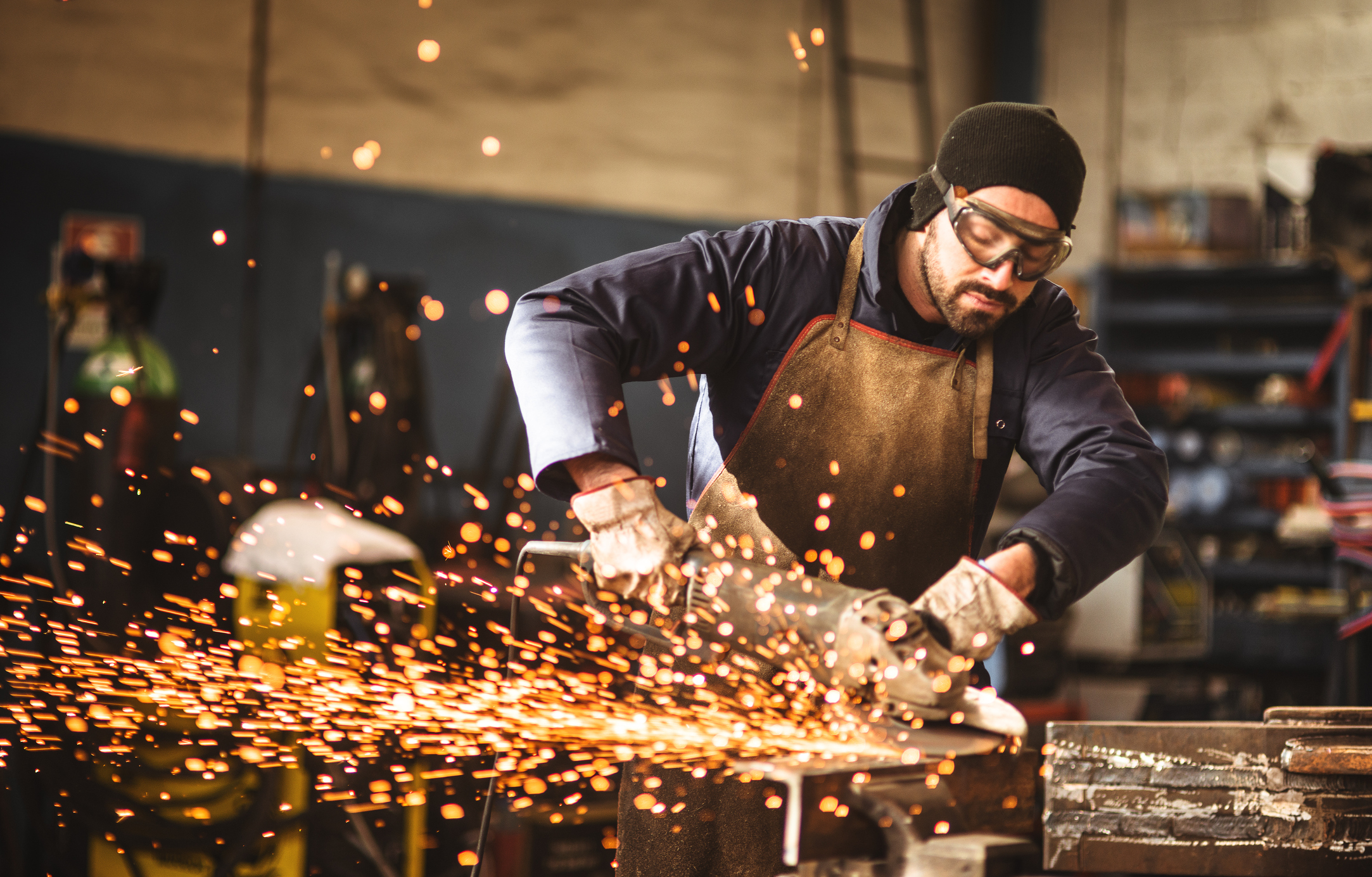
Body shop professionals routinely work with fillers, solvents, paints, primers, and polishes while prepping and painting a car’s exterior.  Repair jobs also require a lot of sanding and metal grinding.  All these processes produce dust, vapors, and fumes that contain harmful chemicals, including volatile organic compounds (VOCs), that can damage a technician’s lungs, skin and eyes.   As a result, the painting and finishing are done in special spray booths that meet strict ventilation standards.  Technicians also wear protective clothing to shield their eyes and skin and use oxygen-supplied respirators so they won’t breathe the airborne chemicals produced during surface preparation and painting.  If a paint spill occurs, technicians are directed to promptly wipe it up to avoid accidents.

Workplace Noise Exposure Precautions

If you’ve ever been around a body shop, you know how loud the mechanical sounds can be.  Now picture a technician who works in that noise level every day.  Grinders, sanders, lifts, sprayers, compressors and other tools of the trade are constantly in use, generating loud noises that put auto body professionals at risk for hearing loss.  To protect their ears technicians are required to don earplugs or earmuffs while out in the shop area.

Slip and Fall Prevention

According to OSHA, roughly 30 percent of all workplace accidents in the U.S. are related to slips and falls.  Within a body shop setting, spilled grease, paint and other liquids on the floor create potential hazards, along with tools that were not properly put away after use.   Technicians know that a tidy work area is a safer one, and are instructed to clean up spills immediately, stow away their tools when not in use, and to also wear shoes with non-slip soles for added traction.

Avoiding Mechanical Injuries

Auto body and glass technicians routinely work with compressors, sprayers, winches, pulling chains, lifts and other types of heavy equipment.  Most contain movable parts like gears, sprockets, and belts which can result in bodily harm if the proper safety precautions are not followed.  When accidents strike it’s easy for a collision repair professional to sustain cuts, crushed hands and feet, broken digits, burns and other injuries from the mechanical tools they’re using.  As a precaution, prudent shops require their technicians to wear protective clothing, shoes, gloves, and headgear to safeguard their bodies from mechanical injuries.


Auto Body Shops Near You Value Safety

Reputable auto body and glass repair shop owners and managers understand the potential workplace risks posed to their technicians and have implemented health and safety precautions to protect them.  They’ve put in place safeguards, whether OSHA-mandated or not, to ensure that their workers enjoy safer, healthier and happier careers while getting your vehicle restored like new again.  Lower on-the-job injury rates also lead to higher shop productivity.   And from a customer’s perspective, a cleaner and tidier shop just simply looks more professional and efficient.  To search your zip code for a reliable collision repair shop in your area that also values a safe and healthy working environment, visit: www.carwise.com now.

Sources

NSC.org
OSHA.org


Read More
Can Minor Fender Benders Conceal Serious Problems?

Can Minor Fender Benders Conceal Serious Problems?

Your car was recently involved in a low impact fender bender which dented the bumper and scratched some paint.  Because the accident was so minor, you’ve decided to skip taking it to an auto body shop.  But is that wise?  Even minor fender benders can cause more serious underlying problems to your car that may not show up until later.  And when those issues finally present themselves, repairs can be costly.  Whenever your vehicle sustains body damage that’s more than paint scratches it’s wise to have it inspected at a collision repair shop.  Here’s why.

Potential Electrical System Failure 

Your car’s electrical wiring is delicate, and even a minor jolt could have loosened wires.  Those won’t be noticeable at first, but could potentially cause a short.  Shorts can lead to power windows and door locks that malfunction, along with your vehicle’s antitheft system.  In the event of a front-end fender bender, a battery connector could get knocked loose, meaning that the battery may not recharge properly and/or the aforementioned electrical components on your car may start acting up.  A body shop technician can inspect your wiring after removing the damaged body panel or bumper cover.

The Alignment May Be Off

This occurs more frequently in front-end fender benders, as they commonly will cause misaligned tires.  As a result, your car could begin pulling to one side or the other, or the ride will seem rough and uncomfortable.  This could lead to uneven tire tread wear and vehicle handling difficulties.  And, replacing a set of tires is an expensive undertaking.  After a fender bender of any kind, your alignment should be professionally checked.

Your Car’s Frame Could Be Bent

If your auto is involved in even a low speed accident, the frame could sustain damage.  Although unnoticeable by you, a slightly bent frame can cause your vehicle’s structural integrity to be compromised.  When that happens, it can adversely alter how effectively your air bag deploys in an accident.  Additionally, your car’s ability to absorb an impact, especially a more serious one, is jeopardized.  Collision repair shops have equipment that can measure how straight your car’s frame is, and whether it matches OEM factory specifications.

Other Lingering Fender Bender Issues

In addition to the fender bender issues mentioned above, there are other lingering and potentially expensive problems that may be concealed from your view.  Those include:

  • Transmission problems- All-wheel drive (AWD) autos are especially susceptible to these even when rear-ended slightly. AWD cars have drive shafts that can easily get pushed into the vehicle’s transmission, creating the potential for expensive repairs.
  • Rust opportunities- Even minor scratches or dings may expose underlying metal, as paint serves to protect the body from water. When it comes in contact with water or road salt, your car’s metal structural materials can rust.
  • Wheel well rubbing- If your car’s body panel gets manipulated at all during a fender bender, metal or plastic material could possibly start rubbing a spinning tire and cause damage to it.
  • Suspension & steering problems- On most vehicles these are very delicate and even low speed impacts can knock them out of whack. That will negatively affect how your car handles or rides.  Hitting a pothole can also cause damage to your suspension and/or steering systems.
  • Engine mechanical performance- If you are involved in even a low speed front end accident, modern engine components are complex and intricate. Minor damage to any of those systems can cause more serious mechanical issues later.

Get Your Fender Bender Damage Checked by a Pro

Even low impact fender benders can disrupt your car’s mechanical performance and compromise safety.  And, any required future repairs can be costly as opposed to getting your car immediately inspected.   When a fender bender strikes have your car checked out by a professional auto body technician right away.  To search your zip code for a reliable collision repair shop nearby, visit www.carwise.com now.


Read More
Computer Aided Auto Body Repair

Computer-Aided Auto Body Repair Enhancements

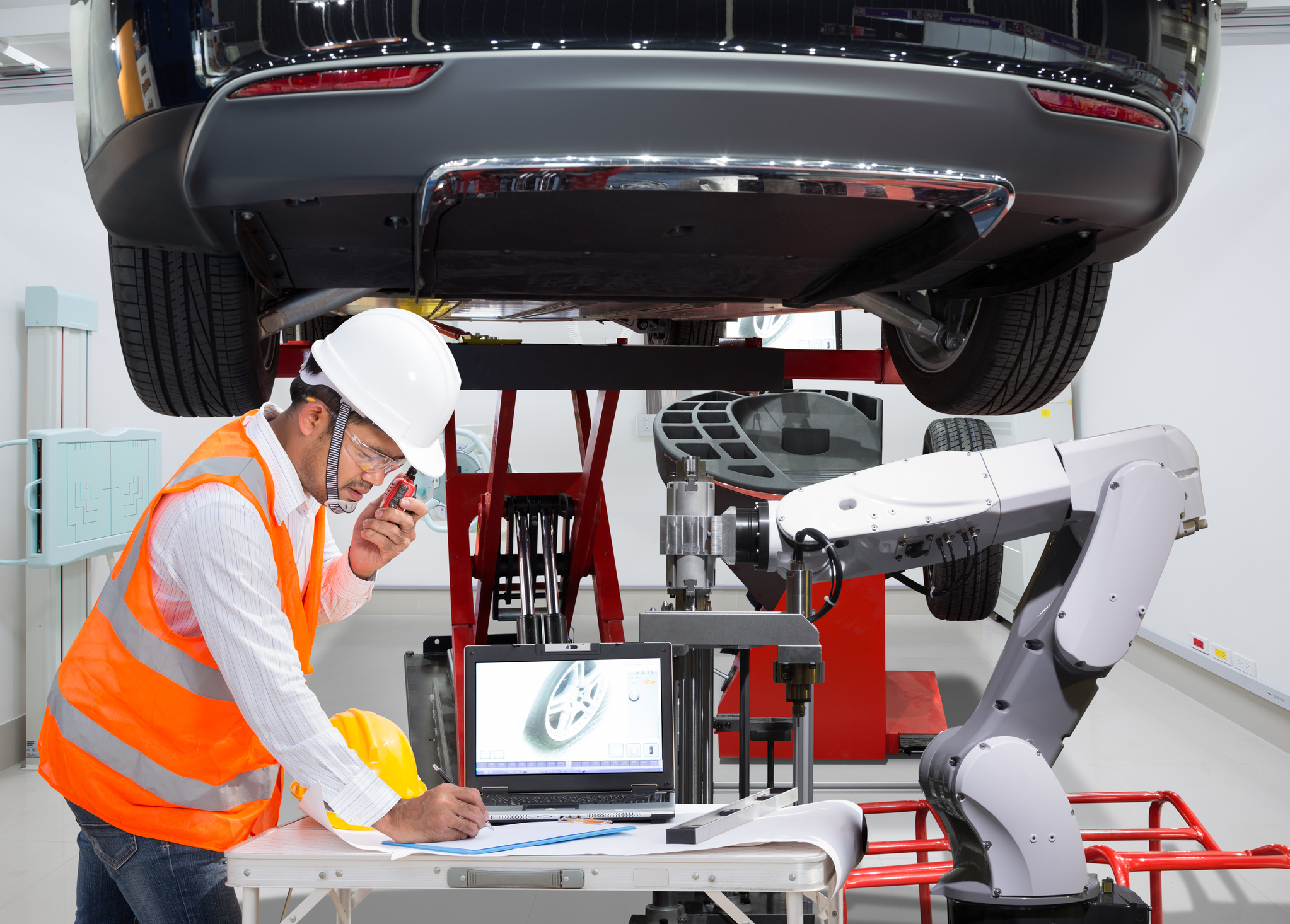
As Computer-Aided Design (CAD) has made automobiles more innovative, collision repair shops have also embraced computerized auto body repair techniques that result in higher-quality outcomes for your vehicle.  From minor dent removals to major auto repair jobs like paint matching, frame straightening and alignments, computer-enhanced auto body improvements are leading the way.  Here are some computerized repair approaches to expect when you take your car into a local collision repair shop.

Computerized Collision Repair Estimates

The first step in any auto body repair process is to have your vehicle inspected for damage, and an estimate generated.  Computers have streamlined that entire process.  Computer-aided estimates save time, as the auto body shop estimator can quickly determine replacement part availability, communicate with insurance adjusters and calculate the total repair costs involved.  Remote estimates at your home or business can now be conducted using mobile computer technology, saving you time.  In the end, estimate processes that used to take hours now can be more accurately completed in minutes.

Computerized Auto Body Paint Matching

In the past, it was nearly impossible for technicians at an auto body shop to exactly match your car’s factory paint.  Not any longer, as computer-aided paint matching technology has changed collision repair for the better.  These computer-directed advancements now allow body shops to perfectly match the exact shade, flake, tint and finish of your vehicle’s original paint job.  As a result, it’s now very hard to notice where your car was damaged in the first place.

Computerized Vehicle Frame Straightening

When you’re involved in a more serious accident, there will probably be structural damage incurred to the suspension and vehicle’s frame.  Frame straightening is another area where computers are now being employed by technicians to ensure precision and safety in the end.  Restoring bent frames to the original manufacturing specifications was nearly unthinkable in the past, but thanks to computerized frame straightening advancements this has become a reality.

Computerized Auto Alignments

If your vehicle’s frame and/or suspension have been damaged in a collision, it will be improperly

aligned afterwards.  This will cause problems when you’re driving your car, while negatively affecting handling, lead to uneven tire wear and reduce ride comfort.  New computerized vehicle alignment technologies allow the technicians to precisely align your auto to a state of perfect balance.  In the end, this will provide you with a safer and more comfortable driving experience.

Computerized Auto Body Repair Improves Results

When your vehicle needs reliable collision repairs, it’s good to know that computerized auto body innovations are improving outcomes while also saving time and money.  Visit www.carwise.com today to locate a collision repair shop near you that utilizes the latest computer-aided auto body repair methods.

Read More