5 Safe Driving New Year’s Resolutions for 2019

As 2019 dawns, countless Americans will make New Year’s resolutions to lose weight, exercise more, and abolish bad habits. However, one of the areas we all could improve in is our driving. According to the National Safety Council (NSC; www.nsc.org), over 40,000 Americans perished in motor vehicle accidents during 2017 (2018 figures aren’t available at this time).

Additionally, 4.6 million were injured seriously enough to require medical attention, and societal losses from 2017 accidents exceeded $413 billion. With that said, what if we all made New Year’s resolutions to drive more safely next year? If you agree, here are 5 ways to make it happen as 2019 unfolds.

Stop Driving While Distracted

Ask any auto insurance adjuster, and they’ll tell you that distracted driving is a major problem; especially for younger drivers. Here are some ways that you can safely stay focused on the road:  

  • Don’t eat and drive. That burger or taco will still taste good later.
  • Set aside your cell phone and other electronic devices. That text message from your friend won’t disappear just because you’re driving.
  • Turn down the radio. How can you hear emergency vehicles when your radio’s blaring?
  • Don’t reach for dropped items. Again, the world won’t end when you drop your cell phone on the floor.
  • Secure pets in the back seat. Put Fido in a car carrier, or use a pet gate to keep them in the back. Also, never drive with a pet on your lap!  

Don’t Drive When Impaired

Nearly all of us know someone who was seriously injured in a car accident caused by an impaired driver, usually one under the influence of alcohol or illegal drugs. Prescription opioid and legal marijuana-related vehicle crashes are on the rise, and with all the ride-sharing services available today, like Uber and Lyft, why would anyone risk a wreck when under the influence of these substances?

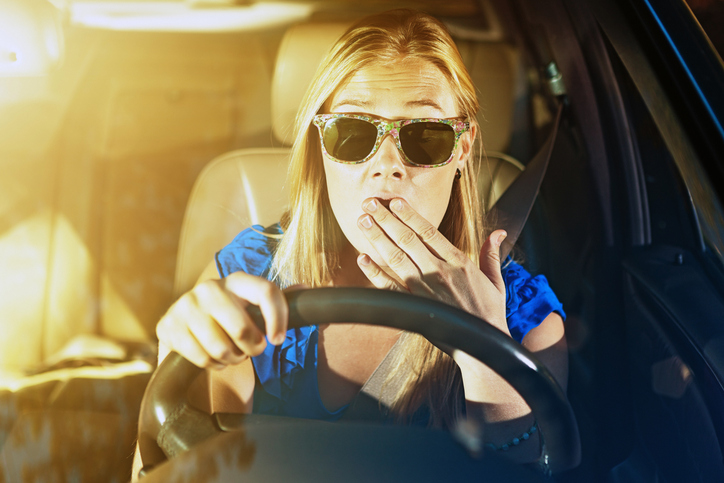
In addition, another form of impaired driving is being too tired while behind the wheel, like when you’re on a long trip. Stop along the way at a rest area or hotel, grab a few hours of shut-eye, and then hit the road again refreshed and awake!  

Drive More Defensively

Because of the increase in distracted and impaired drivers, it’s doubly important to drive defensively in order to avoid an accident. To do so, use these tips:

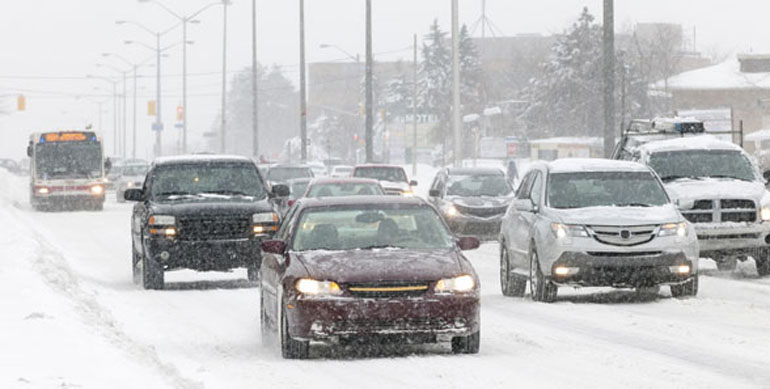
  • Slow down. Based on road conditions, like snow and ice in winter, or construction zones in summer, adjust your speed accordingly. You should keep a 2-second cushion between you and the car in front of you at-all-times, and double that interval if weather conditions are poor.   
  • Anticipate hazards. Always anticipate that other motorists, or pedestrians, will do something careless.
  • Utilize vehicle safety features. Newer cars and trucks have built-in safety features like backup cameras, blind spot sensors, and cross traffic alert sensors. Learn how to use yours effectively.

Adjust to Weather Conditions

As was mentioned earlier, the number one rule when driving in poor weather conditions is slow down. In addition, here are some other weather-related precautions you should take to help keep you and your occupants safer.

  • Clean off your windows. If your windows are covered by a film in warm months, or snow during winter, you can’t see other vehicles properly. Take a few minutes to clean off all your windows.
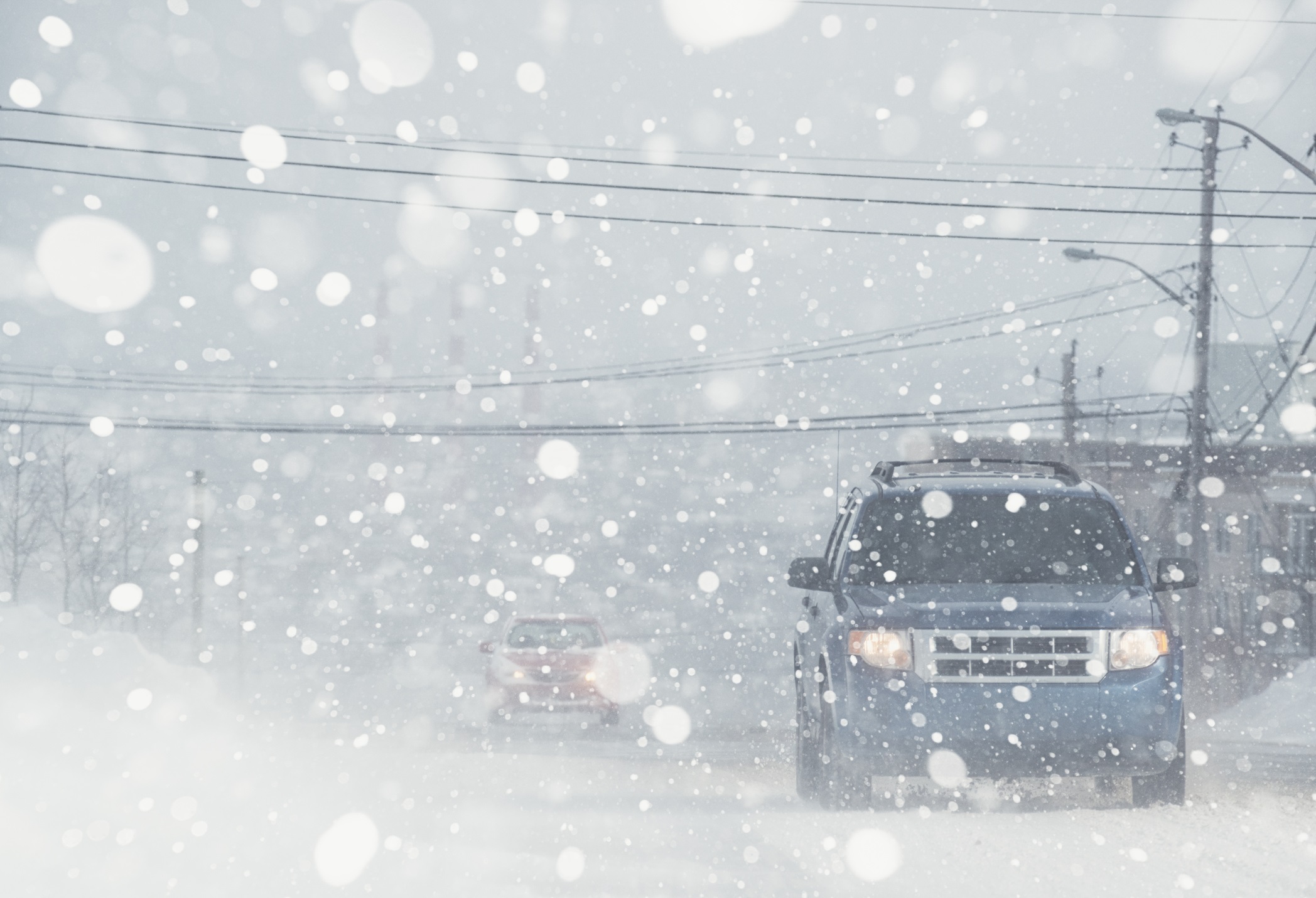
  • Use headlights. When any form of precipitation is falling, it’s foggy, or the sun’s not out, turn on your headlights so others can see you, and you can see them.
  • Fit your vehicle with reliable tires. Make sure that your tires are up to the task by having them inspected by a pro, notably before a long trip. In addition to tire tread, also check the pressure routinely.

Maintain Your Vehicle

You need to make sure that your vehicle is always in safe operating condition, and that means routine inspections and maintenance by a trusted mechanic. Have them check these systems based upon manufacturer-recommended intervals found in your owner’s manual:

  • Brakes and brake lights
  • Oil and oil filter
  • Suspension, steering and alignment
  • Wiper blades
  • Fluid levels, hoses and belts
  • Transmission and transmission fluid
  • Radiator, coolant and hoses

When Accidents in 2019 Happen, We’ll Be Ready  

Even when making a resolution to drive more safely in 2019, accidents will happen. If one happens to you, take your vehicle to a reliable collision repair shop within the nationwide Carwise referral network. Technicians there have the equipment, training, and experience to restore your vehicle like-new again promptly and reliably.

Search your zip code now for a customer-reviewed auto body or glass repair shop nearby: www.carwise.com.

Read More

Safe Driving Tips on Ice and Snow

As fall transitions into winter across our nation, most Americans will be faced with the added challenge of driving their vehicles on ice and snow.  According to the Federal Highway Administration (FHWA), 70% of U.S. roads are located within cold-weather zones that receive 5 or more inches of snow every winter and that most accidental deaths during those months are attributable to auto accidents.  Statistics compiled at SafeWinterRoads.com indicate that over 900 Americans are killed, and an additional 76,000 injured, every year while driving on treacherous wintertime roads. In other words, driving on ice and snow is a concern for most of us. To help you stay safer this winter, use these precautions.  

Check Your Tires

The contact that your tire tread makes with the pavement is what allows you to control your vehicle as it “tracks” down the road.  Ice and snow reduce traction, which can sometimes cause your tires to lose contact with the road. Tire experts recommend at least 6/32 of-an-inch tire tread at-all-times so that they can grip the pavement effectively.  In areas prone to heavy snowfall, it’s advisable to install winter tires specifically designed for cold-weather conditions. At the very least, have reliable all-season tires on your car that are inspected by a pro before winter sets in.  

Slow Down

The biggest mistake most drivers make on icy roads is driving too fast.  The faster you’re going, the less contact your tires make with the pavement, and the longer it takes you to stop.  And, just because you have a car or truck that’s 4-wheel or all-wheel drive (AWD) doesn’t mean it won’t skid out of control.  Wintertime bridges and overpasses can be especially hazardous first thing in the morning when most of us are commuting to work or school.  When you see ice and snow, slow down.

Practice Skid Countermeasures   

Many drivers have-a-tendency to slam on their brakes when they start skidding on ice, and that tends to make their vehicle spin more out of control.  Instead, practice in an empty snow-covered parking lot how to counter a skid by using these methods:

  • Front-wheel skid.  This is the easiest of the two, and to counteract a front-wheel skid smoothly release the accelerator, leave your hands where they are on the wheel, and let the vehicle slow down on its own.  Stomping on the brake pedal or turning the wheel will make the situation worse. If you end up coming to rest against a guardrail, that’s much safer than spinning into oncoming traffic and getting slammed by a heavy truck.  
  • Rear-wheel skid.  Also known as “fishtailing”, this occurs when your vehicle’s back end veers to the right or left.  If the right side skids out, slightly turn your steering wheel to the right. Avoid doing so sharply, as that could cause a more serious spin.  You’ll just need to correct the skid slightly to straighten your vehicle. Also, don’t brake sharply, but instead slowly back off the accelerator.  

If your vehicle has antilock brakes (ABS) or electronic stability control (ESC), don’t get lulled into a false sense of security.  Although they do keep drivers safer, those features lose their effectiveness when your tires are worn, or if you corner or drive too fast on icy pavement.  

See and Be Seen  

When it’s snowing or sleeting, turn on your lights so other drivers can see you.  In addition, make sure you can “see and be seen” by:

  • Replacing worn windshield and tail hatch wiper blades with new ones
  • Cleaning all snow and ice from your vehicle windows before embarking
  • Use wiper fluid designed for sub-freezing temperatures  

Stay Home

When winter driving conditions are exceptionally bad, the best advice is to simply stay home whenever possible until the roads have been plowed and salted.  This is especially important if you are an inexperienced driver, or when your vehicle’s tires aren’t up to the task.

Weather-Related Accident Repairs Nearby   

Even when taking all these winter driving precautions, snow and ice-related accidents happen.  When your vehicle gets damaged, bring it to a nearby auto body repair shop and they’ll take it from there.  Their experienced collision repair technicians have the training, equipment and know-how to restore your vehicle like-new again promptly and reliably. 

Search your zip code now for a customer-reviewed auto body or glass repair shop nearby: www.carwise.com.

Read More
How to Reduce Lower Back Pain on Road Trips blog header

How to Reduce Lower Back Pain on Road Trips

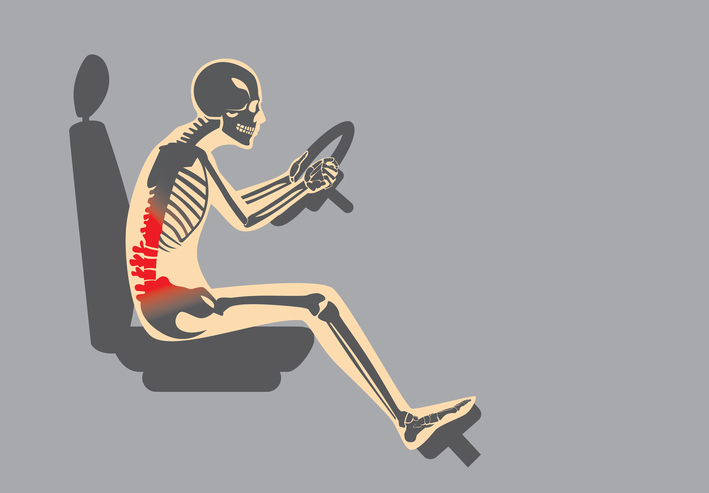
Road trips are intended to be fun, as you excitedly drive across the vast expanses of America with your family and friends in tow.  But for many of us riding in the car can quickly become painful when the uninvited travel partner known as lower back pain shows up.  Many travelers use poor posture when slouched behind the wheel or scrunched down in the passenger’s seat, which leads to lower back pain flare-ups.  Driving countless hours on congested roads also causes stress, which can trigger or exacerbate back pain. The good news is that there are several proven ways to help ward off lower back pain while on the road, or at the very least relieve the symptoms.

Get Positioned Comfortably

Before embarking on your trip, carefully adjust the seats to maximize support for your body’s contours, especially your lower back (lumbar).  If you’re driving, sit close to the wheel because prolonged arm extending places undo stress on your back muscles and spine.  Remove objects from your back pockets like Smartphones, wallets or keys, as they also place pressure on your posterior spine.  Sit up straight with your chin up and out, and shoulders back.  If your body feels uncomfortable while seated, listen to what it’s telling you.

Smooth Out Your Ride

Okay, it’s impossible to totally avoid potholes or rough patches of road.  But to create a smoother overall ride that will reduce the likelihood for lower back problems, there are steps you can take prior to embarking, such as:

  • Take a newer passenger car instead of a rickety older one, even if it means renting. For example, riding in an old pickup truck for many miles is just asking for back trouble.
  • Have the vehicle’s shocks, struts and tires checked out by a mechanic
  • Sit upon a back-supporting seat cushion or use a lumbar support seat pillow

Especially on longer trips, using these measures will go a long way in preventing lower back pain as the miles add up.

Take Frequent Stretch Breaks

Our bodies were designed to walk upright, so forcing yours into a seated position for untold hours is simply asking for lower back muscle tightening, aches and spasms.  If you suffer from back pain, plan breaks in advance for every hour or two.  Use these outside-the-car “timeouts” to walk and stretch out the stiffness, and make sure to stand up straight while doing so.  These timeouts are also a great way to reduce driving-related stress.   Beforehand, give your travel companion(s) a heads-up regarding your pain-reducing regimen, how often you’ll need to break, and encourage them to join you so that their backs will be happier and healthier too!

Don’t Forget to Pack Heat (and Cold)!

If lower back pain has already “crashed” your road trip party, apply heat or cold to the afflicted area to alleviate discomfort.  On most road trips you’ll have a cooler in the car, so try rotating two or more ice packs in there while using one of them on your pain area while seated.  Back pain experts also recommend heat to soothe an inflamed lower back when pain persists.  To do so, bring along a heating pad with a power converter that can be inserted into an onboard 12-volt port.  Then, place the pad between the seat back and your lower back while sitting.  Note: Always wear your seatbelt and shoulder harness while using a cold pack or heating pad!

We Take the Pain Out of Collision Repairs!   

Collision repair shops in your area don’t know much about lower back issues, but they are experts in reducing your emotional pain after an accident.  Body shop pros have the training, experience and equipment to restore your vehicle like new again while promptly getting you back on the road.  They’ll work directly with your insurance company so you don’t have to, and will make the entire repair process as seamless and stress-free as possible to put your mind at-ease.  If you were involved in an accident on your last road trip, or just need some expert advice about collision repairs, search your zip code now for a better body shop in your area at: www.carwise.com.

Read More
5 Steps to Take After Witnessing a Car Accident

5 Steps to Take After Witnessing a Car Accident

You’re driving home on a busy road after work one day approaching a traffic light.  Just before you reach the intersection you see an auto accident unfold right before your eyes.  What should you do?  It’s been a long day and your first instinct is to drive away and ignore what you saw.  But then you consider how you’d feel if the tables were turned and you were one of the shaken drivers still strapped inside your freshly-damaged vehicle.  So as a good citizen you decide to stop your car and lend assistance.  But doing the wrong thing when you’re at a crash scene can actually make the situation worse for all parties involved, and even endanger you.  On the positive side, there are some actions you can take that will help ensure the victims’ safety, and that the authorities have the information they need.  Based upon the advice of insurance industry experts, here are some key steps to take after witnessing a car accident.

  1. Get Yourself out of Harm’s Way

All around the damaged vehicles could be broken glass, coolant, metal debris and leaking fuel.  There will also be passing cars to contend with.  To protect yourself from danger, pull your car to the side of the road at least 100 feet from the accident scene, and turn on your hazard lights.  Make sure that your vehicle is well away from moving traffic.

  1. Dial 911 and Provide Details

Never assume that another party called 911, and especially if one or more vehicles is on fire.  Call 911 immediately and tell the operator you’ve witness an accident, the location, number of vehicles and persons involved, possible injuries, and any other useful information.

  1. Calmly Check the Victims

Remaining calm, walk over to the vehicles and check on the victims.  Look for small children and infants in the back seat.  Calmly ask the drivers to place their cars in “park” and to turn off the ignition.  Don’t play judge regarding who’s at fault, but rather focus on the initial safety of all parties involved.  If there’s an immediate fire risk try to get the victims out of harm’s way.  Otherwise, never attempt to move an injured person, but instead comfort and reassure them until trained medical personnel arrive.

  1. Talk to the Police

Once the police arrive at the scene, let them know you are a witness and provide them with honest, relevant details about what you observed leading up to the accident.  Do not mention anything about who might have been at-fault to the involved drivers, as there could be backlash directed towards you later.  Instead, give the police those details so that they can conduct an accurate investigation.  They will also want your name and contact information.  If you have specifics that would benefit the medical personnel at the scene, let them know as well.  Always remember to tell the truth based upon what you saw.

  1. Make Yourself Available Later

Even after your leave the accident scene, you could be contacted later for a statement by medical authorities, insurance adjusters or police officers.  Always honestly and factually relate what you observed to the best of your ability.  In the end, rest assured that you did the right thing as a responsible witness, and that someday someone might repay the favor for you!

Body Shops Nearby Repair Accident Damage

When you’re involved in a car accident it’s stressful.  The first step is to ensure that you and your passengers get the medical attention you need.  After that’s done, bring your vehicle to a reliable auto body shop in your area and they’ll fix the collision damage expertly and promptly, while restoring your peace-of-mind.  Body shop technicians have the experience, know-how and training to get your car looking and performing like new again, and quickly get you safely back on the road.  To search your zip code now for a better collision repair shop in your area, visit: www.carwise.com.

Read More
Driving with Dogs - Car Safety

Safe Driving Tips when Traveling with a Dog

Many dog owners enjoy bringing their pets along in the car when they travel, whether it’s a short trip to the store or a cross-country adventure.  But driving around with your dog can sometimes be dangerous for both of you.   A loose animal inside the passenger compartment can distract your eyes from the road, causing an accident.  Small dogs roaming around on the floor can disrupt your ability to operate the foot pedals, and larger animals can inadvertently knock your shifter out of gear or interfere with your steering.  And then you have the issue of keeping your loveable pet safe when the vehicle’s moving, or if you need to leave them unattended for a while when it’s not.  Traveling with a dog in your car can be complicated at times- especially on longer trips- and the key is careful planning before you hit the road.  In an effort to make it a safer experience for you both, here are some reliable driving tips to use when traveling with a dog.

Use Restraint

Before heading out, the first thing you should do is ensure that your furry friend has a safe and comfortable area to ride in which will also keep them from interfering with your driving, and protect your dog in an accident.  Here are some pet restraining methods to use:

Place them in a well-ventilated crate or carrier

Make sure it has enough room for your pet to stand, sit, lie down and turn around.  Secure the crate itself so that it won’t slide around if you turn sharply or stop abruptly.  Crates also work well for cats.


Secure them in a harness

These are basically seat belts for dogs, and are designed to attach to the ones in your car.  Always harness your pooch to a back seat, as air bag deployments can cause serious injury- or even worse- to an animal.


Set up a doggie barrier

These can be purchased at pet stores or online, and are adjustable gates that fit most all vehicle types.  Commercially-sold pet barriers also allow your dog to still see you so that they won’t panic.  

Ensure Your Pet’s Wellbeing

Now that you’ve figured out how to transport your dog safely so that you can focus your attention on the road, it’s time to consider their wellbeing throughout the trip.  To keep your pet safer, remember to follow these tips:

Keep their heads inside the car

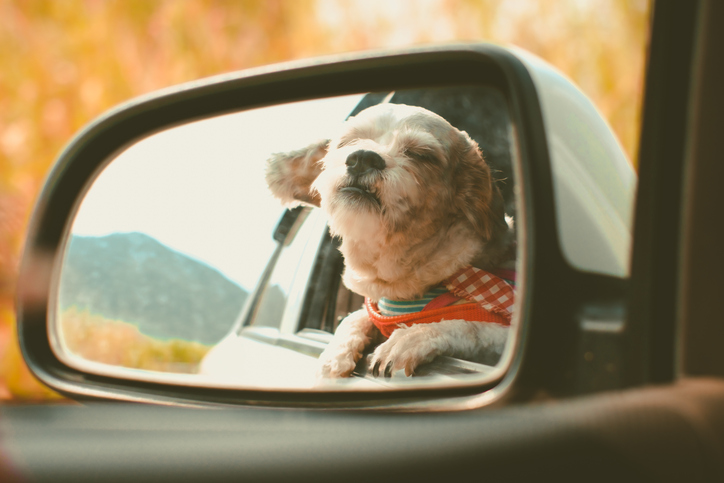
 We’ve all seen a dog with its head sticking out of a moving vehicle, ears and tongue flapping in the wind.  But that’s simply not safe for them, as their face could violently impact a solid object.  Riding in a pickup truck bed is also not safe, and thousands of dogs are injured annually from falls when doing so.


Pack a travel kit for your pet

Especially on longer road trips, bring along a bowl, leash, food, pooper scooper, disposal bags, bottled water, their medications, grooming supplies, and any vaccination records if traveling across state lines.  Having your dog’s favorite toy, blanket or pillow along will also calm them down.  


Don’t leave your dog in the car very long

Summertime temperatures inside your car can exceed 120 degrees, and during the winter your vehicle’s interior can become an icebox within minutes.  Leaving your dog in these conditions can cause serious harm and even death.  If you have to leave your pet in the car for just a few minutes, keep it running and have someone you trust stay with them.  Unattended dogs are also targets for pet thieves and walk-by harassers.


Beware of “car phobia”

 Some dogs experience travel anxiety when in the car, so monitor your pet for symptoms including loud vocalizing, excessive panting, and pacing nervously.  Anxiety can lead to full-blown panic, so if your dog suffers from “car phobia” talk to your vet about a safe traveling sedative they can take prior to embarking on the trip.  A licensed dog trainer can also work with your pet to manage their travel anxiety.

In the end, using these proven methods should result in a safer, healthier and more enjoyable trip for you and your loveable companion!

When Accidents Happen Find a Body Shop Nearby

Even when using the safe driving tips mentioned above, accidents happen.  When they do, rest assured that a reliable auto body shop nearby can expertly repair the damage, and get you and your pet back on the road again in no time.  They have the know-how, training and equipment to restore your car’s appearance and performance like-new using a seamless process that’s prompt, dependable and stress-free.  Collision repair shop professionals will also work directly with your insurance company so that you don’t have to.  To quickly search your zip code for a better auto body shop in your area, visit: www.carwise.com now.


Read More
Human Error in Car Accidents

The Role Human Error Plays in Car Accidents 

According to the National Safety Council (NSC), over 40,000 Americans died in motor vehicle accidents last year.  Over two million others were injured, and the estimated economic impact from car crashes now exceeds $300 billion annually; not to mention the long-term pain, suffering and legal bills for all parties involved.  Insurance companies typically pick up the tab for most accidents, and that ultimately means higher insurance rates for everyone.  And according to insurance industry insiders, the common thread that’s found within most car wrecks each year is us.  That’s right- it seems that most accidents are due to human error, and are therefore quite preventable.  So in an effort to make us all into safer and more responsible drivers, here are some of the most common reasons for car accidents, along with the role that human error plays in each.

Distracted Driving

Diverting your attention away from the road while driving, also known as “distracted driving”, is the largest cause of car accidents annually.  That happens when we text, eat, read or apply makeup while operating our vehicles.  So please don’t do any of those, and remember to only talk on your cell phone when it’s hands-free.

Speeding

There’s an old saying that “speed kills”.  Many of us exceed the posted speed limits while driving, but keep in mind that speeding is the second most common cause of car accidents every year.  For one, the faster you’re traveling the harder it is to stop or swerve your vehicle to avoid a hazard.  So the next time you’re tempted to drive with a “lead foot”, think twice about the consequences.

Drunk and Drugged Driving

Causing an accident while driving under the influence of alcohol, prescription, or recreational drugs is not only common, it’s the number one reason for fatal wrecks on our nation’s roadways every year.  When you’re impaired by these substances, give your car keys to someone who’s not, or call a taxi or ride-sharing service before you climb behind the wheel.

Reckless Driving

Excessively exceeding the posted speed limit, tailgating, and weaving in and out of traffic are all types of reckless driving, and can cause horrific and oftentimes fatal crashes.  “Road rage” also quite commonly leads to reckless driving.  Don’t engage in these kinds of activities, and instead take your time and remain calm while driving to arrive safely at your destination.

Driving at Night

Nearly twice as many car wrecks happen at night than during daylight hours due to poorly lit roads combined with the fact a lot of drivers can’t see as well in the dark.  As a result, it’s harder to pick up potential road hazards, or for other drivers to see your vehicle.  Drive slower at night, use your headlights between sundown and sunrise, and don’t drive after dark if you have poor night vision.

Running Red Lights and Stop Signs

Red means “stop” when you are approaching an intersection.  But how many times have you seen a car run a red light or stop sign and nearly cause a serious wreck?  Disregarding traffic signals because of distracted driving or just being in too big of a hurry is a major cause of rollover and side impact car accidents every year.  Reduce your speed when approaching intersections, stay focused on the road ahead of you, and stop when you see red.

Wet Roads

Water on the road means slicker driving conditions and slower braking times, whether it’s rain, sleet, snow or ice.  Slow down when the pavement is wet, or avoid driving altogether when precipitation makes the road exceedingly unsafe.  And always drive with your headlights on when water is falling in any form.

Five Good Driving Habits to Prevent Accidents

There are many kinds of bad driving habits that can lead to auto accidents, including distracted driving. But there may be something less obvious that you are doing (or not doing) that can put you at risk. Here are five tips that will help keep you out of the auto body shop:

AVOID CELL PHONE USE WHILE DRIVING

Studies suggest that talking on a cell phone roughly quadruples a person’s risk of being involved in a crash. Other studies have shown that driving while using a cell phone, be it handheld or hands-free, may impair a driver’s reaction equally as a blood alcohol content of .08.

ADJUST YOUR CAR MIRRORS

Most of us think that the best way to position your car’s side mirrors is to angle them to display the flank of the car and the road behind it. However, safety experts say that side mirrors should be positioned so that no part of your car appears in them. They should slightly overlap the field of view of view in the center-mounted rearview mirror. Adjusting your mirrors this way can negate blind spots that require you to turn your head when changing lanes.

AVOID DRIVING IN A HOT CAR

The discomfort you feel when you get into a hot car that’s been parked in the sun can be a distraction while driving. A quick and simple way to cool down your car is to first roll down one of the windows all the way down, then walk to the other side of the car and open and close the door five to ten times. This creates a circulation of air flow that forces the trapped hot air out of the car and can actually help drop the inside temperature as much as 10 degrees.

KEEP YOUR KEYCHAIN LIGHT

Keyed ignitions are fragile, and when too much weight is put onto the key inside, it pulls downward and can wear out your ignition switch. The function of the ignition switch is not only to start the car but also to maintain the electrical circuit. If the switch fails while you are driving, your whole car can shut off and might cause an accident.

AVOID EATING OR DRINKING WHILE DRIVING

Eating and drinking can cause you to take your eyes off the road, your hands off the wheel, or distract your mind away from driving. You can become especially distracted if you spill or drop food, and one-handed driving means less control of the steering wheel.


When Accidents Happen Body Shops Stand Ready

No matter how careful you are on the road car accidents can still happen.  When you’re involved in one, take your vehicle into a reliable body shop nearby and they’ll promptly get you back on the road again.  Most collision repair shops work directly with insurance companies so that you don’t have to, and their technicians have the expertise and know-how to restore your car, and your peace-of-mind, like new again.  To search your zip code now for a better auto body shop in your area, visit: www.carwise.com.

Sources
AAA Foundation
stoptextsstopwrecks.org

Read More
Checking your car before school

5 Safe Driving Tips for Summer Vacations

For most Americans Memorial Day represents the de facto start to summer, a time of year chocked full of fun activities including highly-anticipated family vacations.  According to the National Highway Traffic Safety Administration (NHTSA), nearly 90% of us will take to the roads at least once during the summer months for a fun-filled family get-away.  On the downside, the NHTSA points out that more traffic accidents occur in summer than any other season, primarily due to the fact more people are driving.  In addition to congested roads, other summer driving challenges include construction zones, vehicle mechanical failures and nasty weather.  As a result, careful planning to ensure a safer and more enjoyable vacation journey is always important.  To assist your efforts, here are 5 summer vacation safe driving tips to use before hitting the road.

  1. Get Your Vehicle Road-Ready

Prior to embarking on your vacation have a mechanic inspect your vehicle’s brakes, tires, belts, hoses, fluid levels, A/C, transmission and oil.  In the summer heat it’s also important to make sure that your car stays hydrated just like your body.  That means inspecting the radiator, radiator hoses and coolant level.  Right before setting out on your trip also check the following:

  • Tire pressure including the spare
  • Wiper blades
  • Battery strength and cable connections
  • Oil level
  • Look for suspicious fluid leaks underneath the vehicle
  • Headlights, brake lights, turn signals and emergency signals

The last thing you need while transporting your family cross-country is to get stranded alongside the road in the blistering heat.  Instead, make sure that your car is as road-ready as possible.

  1. Plan for Roadside Emergencies

Planning in advance will still never totally eliminate the occasional travel emergency, but you can be ready for anything the road sends your way.  Make sure that your car is stocked with these items:

  • Jumper cables
  • Flashlight
  • Tire tools and a road-ready spare
  • First aid kit
  • Cell phone charger
  • Plenty of water
  • Hazard triangle or road flares

If you are going to be traveling many miles across sparsely-inhabited areas, like a desert, it’s also not a bad idea to pack some non-perishable food items and warm blankets.

  1. Safely Secure Kids and Pets

Any parent who’s gone on a summer car vacation with kids knows that Johnny and Susie oftentimes end up fighting in the back seat.  Insurance industry studies have found that kids and loose pets can be up to 12X more distracting to a driver than a cellphone.  To improve those odds, make sure that your family pets are secure in the vehicle before setting out, and that the kids are comfortably spaced about inside the interior.  Bring along plenty of entertainment items for them like books, games, IPads, movies and music.  And don’t forget to pack lots of healthy snacks and drinks for your family members, including the non-human ones!

  1. Pack Your Car Carefully

When the average family goes on a driving vacation their vehicle is usually stuffed full of personal items, and oftentimes cars get packed in a hurry.  Take time to make sure that the weight is distributed evenly, and that the driver has a clean line-of-sight all around the vehicle.  If you are placing bicycles, kayaks, or other “toys” on the roof rack, know how high those items stick up if you encounter low bridges or tree limbs, along with the weight limit of the rack itself.

  1. Take Regular Driving Breaks

It seems that most men are programmed with the notion that they have to do most of the vacation driving.  Unfortunately, they get fatigued like everyone else, and when that happens the likelihood of an accident goes way up as reaction times and concentration suffer.  On long trips when there’s only one driver in the vehicle, it’s advisable to stop at a rest area and allow them to take a stretch break every 2 to 3 hours.  If other drivers are available, everyone should take turns behind the wheel while others nap or simply relax for a while.  A fresh driver is a safer driver no matter how you slice it!

When You’re Involved in a Summer Accident…     

Even when you use the vacation safe driving tips mentioned above, accidents happen.  When they do, the good news is that a reliable collision repair shop nearby can get your car fixed and promptly back on the road again.  They have the know-how and experience to get the job done right, while restoring your peace-of-mind.  And if after the vacation your car’s interior and exterior could use some expert clean-up, dependable body shops also provide high-quality and affordable auto detailing services that’ll get your car looking like new again, inside and out.  To search your zip code for a better body shop in your area, visit www.carwise.com now.

Read More
Why are Electronic Safety System Recalibrations so Important? blog header

Why Are Electronic Safety System Recalibrations So Important?

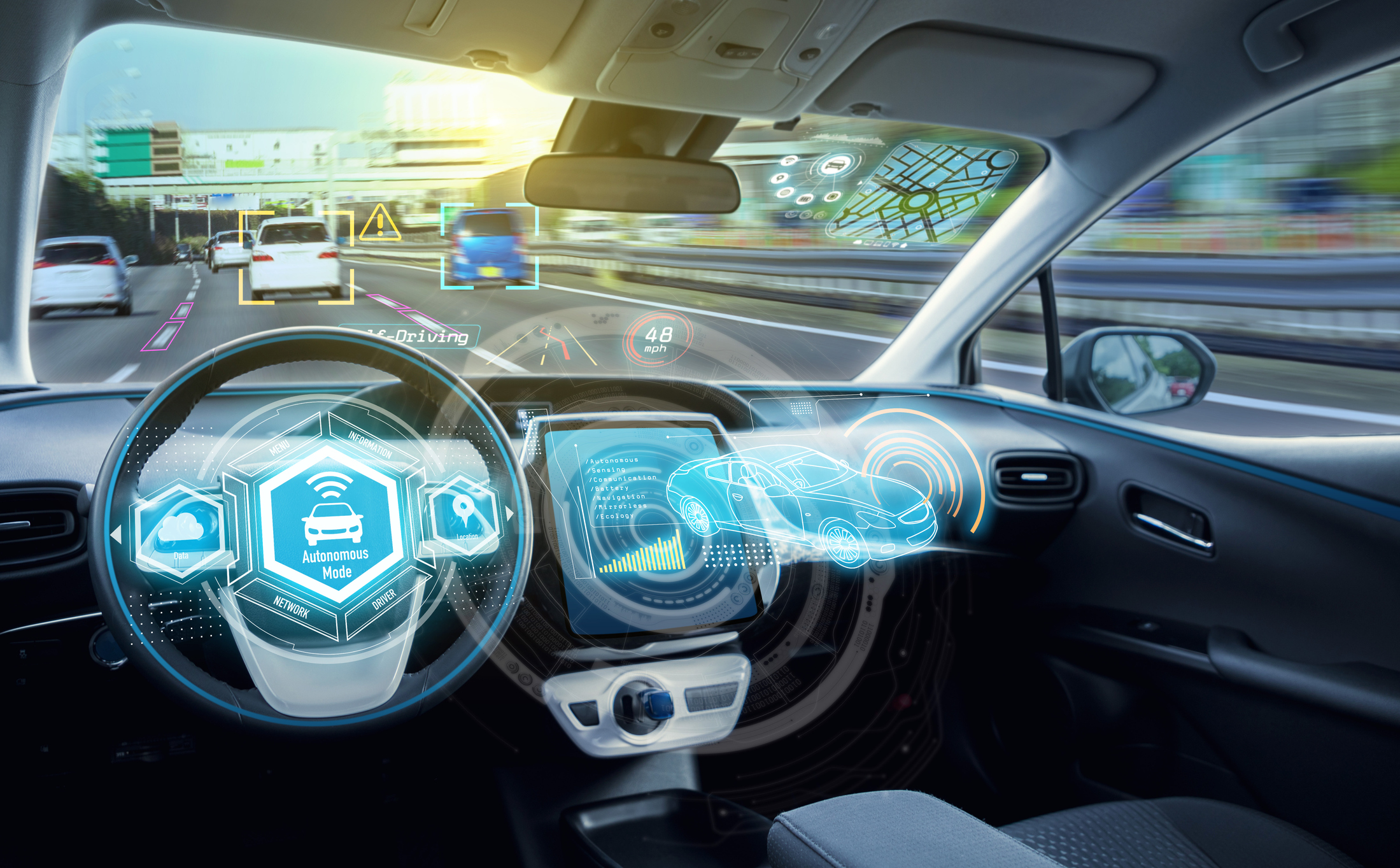
Many newer cars come with mandatory electronically-controlled safety systems like airbags, along with optional collision avoidance features like forward crash, lane departure and blind spot detection alerts.  The combined objective of those high-tech systems is to avoid accidents, save lives or, at a minimum, reduce impact severity.  But even with these innovations wrecks still occur that require auto body repairs.  And when a car with any of these newer safety features is involved in even a minor fender bender every driver alert system’s sensor alignment and overall performance must be tested and recalibrated before the collision repairs are completed.  The same holds true for the vehicle’s airbag system, whether it deployed or not.

Experienced technicians realize that failing to conduct a thorough recalibration on these ultra-sensitive electronic systems could jeopardize the safety of occupants later on.  To ensure that doesn’t happen, there are several recalibration steps involved using special diagnostic equipment once your vehicle arrives at the shop.  As a driver you also need to be educated on what should be done when your vehicle is undergoing repairs.  With that in mind here are some important points about electronic recalibrations that could someday save your life, or that of another.

Electronic System Recalibrations Require These Steps 

Electronic safety systems operate when a signal is sent from a sensor or camera to an onboard computer.  Like most electrical systems in your car, the airbag deployment and collision avoidance ones have dash warning lights to alert you when communication is interrupted.  But sometimes after an accident these lights don’t come on when they should.  And even when a system is not disconnected during repairs that doesn’t necessarily mean it will perform optimally.  Additionally, merely reading diagnostic test codes won’t always reveal that there’s a problem.  As a result, your car’s sensitive electronic safety systems need to be tested and recalibrated using these 3 vital steps:

  • Scanning the vehicle-specific codes for error messages through the OBD port
  • Clearing those diagnostic codes
  • Recalibrating or “resetting” the sensors according to the manufacturer’s specifications to ensure they are not misaligned or out of focus

A simple OBD port scan cannot determine if the system’s sensors, which typically use laser, radar or camera technology, are aimed correctly.  Special diagnostic and calibration equipment is needed in most cases, and not all body shops have that.  To assist in system recalibrations there exist outside specialty companies that will come to the shop, or sometimes the car is taken to a certified local dealership to get the reprogramming done.  When recalibrating your electronic systems, trained technicians use online websites like I-CAR, ALLDATA or OEM to access the correct reprogramming specifications set forth by the vehicle’s manufacturer.

Routine Collision Repairs Can Disrupt Electronic Signals

In addition to damage from the accident itself, there are several routinely-done collision repairs that can disrupt your vehicle’s sensitive onboard electronic systems including:

  • Windshield replacements
  • Disconnecting the battery wires and/or electrical rewiring
  • Bumper repairs and replacements
  • Grill assembly repairs and replacements
  • Painting plastic bumpers and other body panels

Most safety sensors are covertly located on the front or rear of your car.  If a bumper or grill assembly is not correctly reinstalled during repairs it can cause a sensor misalignment or even signal disruption interference.  Any freshly-painted surfaces that cover sensors, for example a plastic bumper, must have a specified maximum paint thickness, measured in “mils”, over those sensors to ensure they work properly.

Finding the Right Body Shop is Always Important

When your vehicle is involved in an accident and it has airbags or some of the newer accident avoidance technology, it’s important to ask the body shop manager about conducting scans and recalibrations on those electronic systems.  On the flipside, better collision repair shops usually follow these recalibration procedures anytime a car comes in with those safety features.  If they don’t the shop could be liable if one or more of those warning systems fails later on.  As a driver, it’s important for the continued safety of you and your passengers to take the lead on ensuring that the proper scans and recalibrations are done.  To locate an auto body shop in your area that will do the electronic recalibrations right, search your zip code now at: www.carwise.com.

Read More
Technician and customer standing next to car talking

What Should I Do Right After an Accident?

Bam!  Your car was just involved in a minor collision with another vehicle, and you can feel your adrenaline kicking in.  You’re a little shaken up but not seriously hurt, and as the initial shock wears off your mind begins to clear.  Now that you’ve been involved in an accident, what should you do next?  It’s important to stay calm and focused, and to never leave the scene prematurely or admit fault, even if you did cause the wreck.  Obviously, if someone in either vehicle sustained serious injuries you need to call 911 immediately.  If that’s not the case, then follow these important steps right after an accident occurs.

Clear the Vehicles and Call the Police

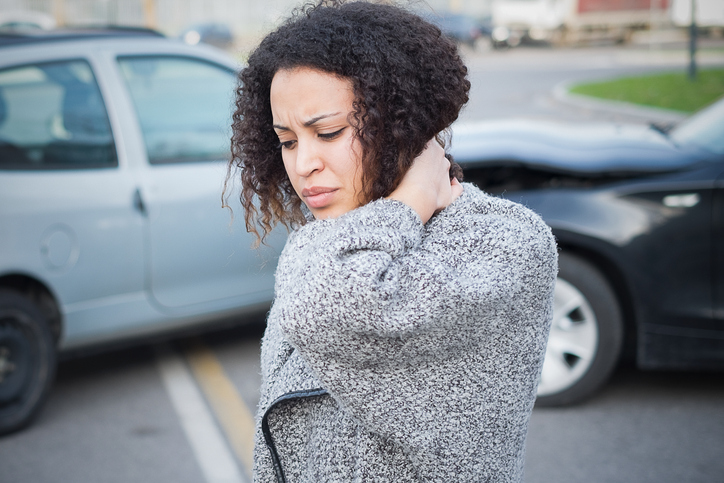
The safety of everyone at the scene is of the utmost importance.  If the damaged vehicles are drivable, move them out of traffic to the side of the road.  Shift them into park, turn the engines off and the hazard lights on.  If you have any safety items in your car like flares, cones or warning triangles, set those up around the vehicles.  Double check all people involved for injuries, and if someone is complaining of serious back or neck pain they need to stop moving around until qualified medical personnel arrives.  Call the police and ask for a unit to come out even if the accident is minor.  Police reports are very important in the insurance claim process when determining who’s at fault. Many state laws require that the driver of any vehicle involved in an accident resulting in injury, death, property damage in excess of $1500, or the towing of any vehicle, must file an official accident report with the state within 72 hours after the accident.

After the car accident, the other driver involved might not want to call the police and may want to settle things between just the two of you. Ignore their request and call the police, even if it’s just a minor car accident, because:

1) In most states, you are required to call the police by law after a car accident.
2) An official police report is one of the most credible documents the insurers will use to determine fault.
3) Officers are trained at detecting staged a car accident and can help protect you from fraud.
4) Emotions can run high after a car accident, and a police presence can be there to act as an impartial referee can make sure that things don’t get too heated.

Police officers are trained to handle various situations that might happen after a car accident. Even though you may not think are physically injured, you may be in shock, and your emotions may make it hard to think clearly. A police officer can assess the situation and determine if medical assistance is required.

Exchange Information at the Scene

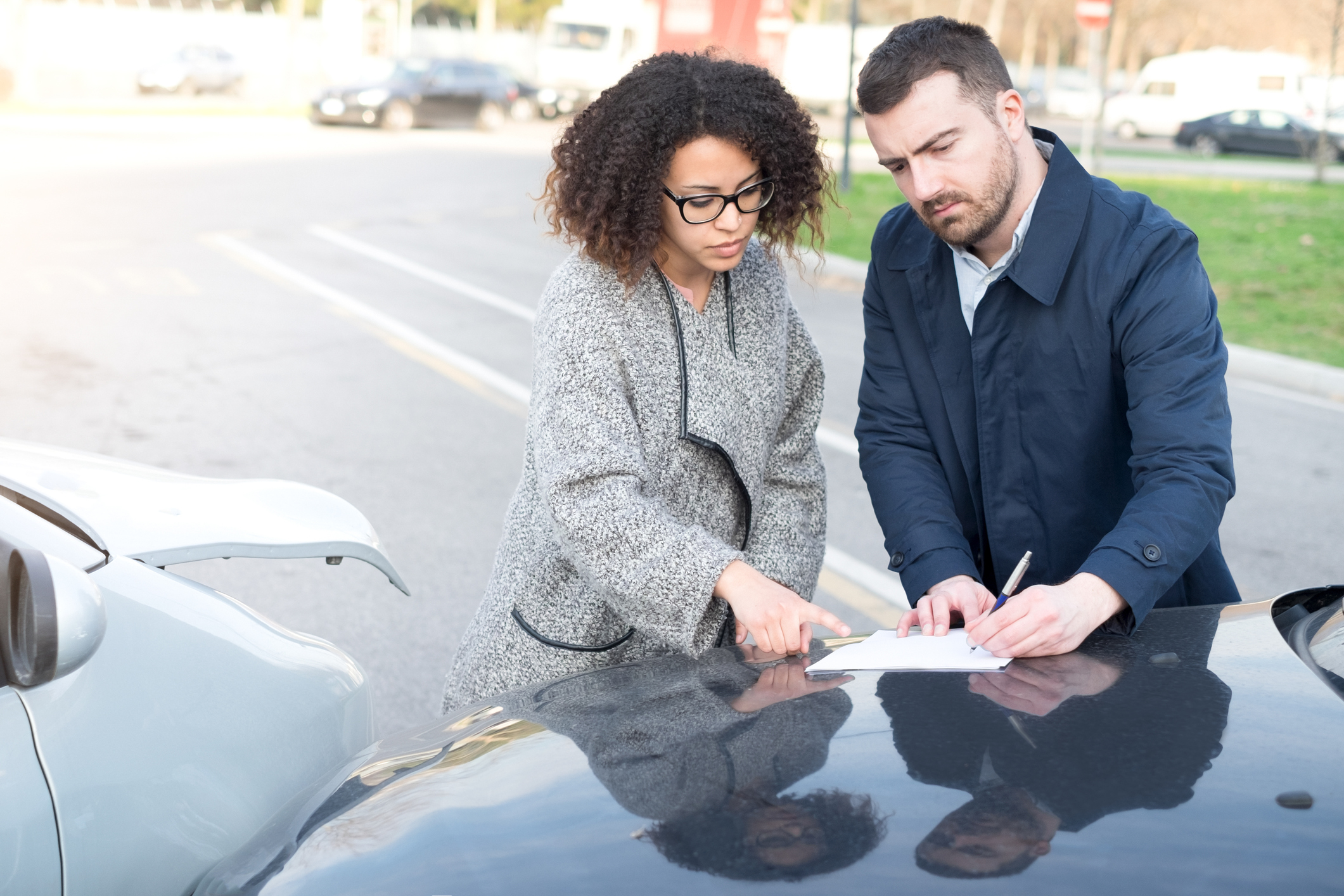
Oftentimes due to the initial post-collision shock drivers forget to obtain the crucial information they should.  Involved parties should exchange this information:

  • The names and contact information for all drivers and passengers
  • Vehicle descriptions including the make, model, year and color
  • Driver’s license and license plate numbers
  • Insurance company names and policy numbers
  • Accident scene location or address
  • The names and contact information for any eyewitnesses
  • The police officer’s name and badge number


Remain respectful and courteous at all times, and do not admit fault.  Take pictures of the vehicles involved including the damage, and the scene itself whenever it’s safe to do so.  Only sign a document if it’s for the police or your insurance company.

Things may be chaotic after a car accident, and it can be difficult to remember things later. Take written notes as soon as possible after the car accident, and be as specific as possible. Use your cell phone to take pictures and document the car accident. The more pictures, the better. If there are any witnesses, get their name and contact information. Ask for a brief summary of what they saw and take notes.

Notify Your Insurance Company

Before leaving the scene of the accident you should call your insurance agent or other representative and explain what happened.  Be as truthful as possible, because not doing so could result in some serious problems later including claim denial.  Is your car safe to drive?  If not, let them know.  The insurance company will direct you on the next action to take, including towing.  They may even inquire as to whether you have a preferred body shop, and will tell you immediately if they are in their approved network.

You will then be instructed to either drive the car home, or have it towed to an insurance claims center or collision repair shop nearby.  If a police citation was issued at the scene, the recipient will probably be deemed “at-fault” during the insurance review process.  Within a couple of days, a claims adjuster will be in touch with you to explain your repair options moving forward.  If you are found to be at-fault for the accident, you’ll have to pay your policy’s deductible when picking up the vehicle from the body shop.   Some other long-term things to consider:

  • If you seek follow-up medical care, keep accurate records.
  • Don’t agree to close out an insurance claim too soon, especially if the other driver was at-fault and you were injured.
  • Hire an attorney as a last resort if the other party was at-fault and their insurance company is non-responsive.

In the end, following these guidelines right after an accident occurs will help the entire process go more smoothly.


What to Do if You are Hit By an Uninsured Driver

If you are involved in a car accident, you should first make sure everyone is okay and, if possible, pull off the road or get to a safe place. Then, call 911 to let the police know your exact location. If the accident is minor and there are no injuries, you can check for car damages and check to see that all parties involved are insured drivers while you wait for law enforcement to arrive.

If you are hit by an uninsured driver, there are several things you should do while at the scene of the accident. Request to see the other driver’s identification or ask for their name. Use your mobile phone to take photos of the vehicles, vehicle damage, and the other driver’s license plate. Most people cannot remember all the details of the car accident after it happens, so carefully write down what happened while it is still fresh in your mind.

If the uninsured driver doesn’t want to give their identification or name to you, or you feel unsafe or uncomfortable gathering information in the presence of the uninsured driver, wait for law enforcement to arrive.

UNINSURED DRIVER STATISTICS

In the United States, approximately 1 in 7 drivers (PDF) are uninsured without even basic coverage, according to a 2011 study by the Insurance Research Council.

Uninsured drivers cost the car insurance industry and insured drivers billions of dollars each year. The Insurance Research Council estimates that almost 14% of all U.S. drivers are uninsured at any given time.

WHO IS RESPONSIBLE FOR DAMAGES WITH AN UNINSURED DRIVER?

At the scene of the accident, tell law enforcement what happened, and if there are any witnesses, have the police take down their testimonies as well. Let the police issue citations or determine who is at fault, and then ask for a copy of the police report.

If you are hit by an uninsured motorist, and it was determined that it was not your fault, your auto insurance should cover the damages as long as you have the extra under-insured or uninsured motorist coverage on your policy. If you don’t have the extra coverage on your policy, you may have to sue the uninsured driver to collect damages, and you will probably have to pay your auto insurance deductible out of pocket. If you’ve been hit by an uninsured driver and need your car damage repaired, your auto insurance company may also attempt to recover damages from the other driver. You may have to appear in court, as a witness and the victim, to testify about the accident.

Get Your Car to a Reliable Body Shop 

When an accident strikes, it’s stressful.  Locating a reliable collision repair shop to do the work can also be a challenge.  Your insurance company will provide input on which body shops are approved in their network.  From that list, you can then decide where you want to take it.  Most all collision repair shops work directly with insurance providers to ensure a more seamless and stress-free process for you.  They will update you on the status of your vehicle, and notify you when the repairs are done.  Taking the initial steps outlined in this article will go a long way in ensuring that you’ve done your part to get the process started.  To search your zip code for a list of auto body shops near you, visit www.carwise.com now.

WHAT YOU WILL NEED FOR YOUR WINTER CAR KIT

Just as you may have a tornado or severe storm kit in your basement, it’s a good idea to keep an emergency kit in your car in case of extreme conditions.  In the winter months especially, there are many items that could prove to be very useful in an unfortunate weather-related situation or accident that causes you to be exposed to extreme temperatures.

Start your kit with some basic essentials, such as non-perishable food items (i.e. canned goods or snacks), and bottled water.   Pack enough for all the people typically in your car.

Next, a few handy tools to add to your kit include:

  • A windshield ice scraper
  • A multi-purpose utility tool, such as a pocket knife
  • An LED flashlight with spare batteries
  • And a bag of cat litter

Yes, you read that right.  Cat litter is a great, lightweight alternative to salt or sand that can be used to free your car from snow banks or icy patches.

A classic first-aid kit may be in your car already, but it’s worth a second look to ensure it still has a full supply.  Lastly, tucking a warm blanket in your trunk is also a good idea in case your car won’t start, or you have to wait for assistance in cold temperatures.

Take a look at which of these items you already have in your car, and consider adding the ones you don’t.  You will be happy you did if you ever come across a situation when you need them.  Leave a comment below with any items you would add to our list!

WHAT YOU WILL NEED FOR YOUR WINTER CAR KIT

Just as you may have a tornado or severe storm kit in your basement, it’s a good idea to keep an emergency kit in your car in case of extreme conditions.  In the winter months especially, there are many items that could prove to be very useful in an unfortunate weather-related situation or accident that causes you to be exposed to extreme temperatures.

Start your kit with some basic essentials, such as non-perishable food items (i.e. canned goods or snacks), and bottled water.   Pack enough for all the people typically in your car.

Next, a few handy tools to add to your kit include:

  • A windshield ice scraper
  • A multi-purpose utility tool, such as a pocket knife
  • An LED flashlight with spare batteries
  • And a bag of cat litter

Yes, you read that right.  Cat litter is a great, lightweight alternative to salt or sand that can be used to free your car from snow banks or icy patches.

A classic first-aid kit may be in your car already, but it’s worth a second look to ensure it still has a full supply.  Lastly, tucking a warm blanket in your trunk is also a good idea in case your car won’t start, or you have to wait for assistance in cold temperatures.

Take a look at which of these items you already have in your car, and consider adding the ones you don’t.  You will be happy you did if you ever come across a situation when you need them.  Leave a comment below with any items you would add to our list!

Sources:
USSA.com
NAIC.org
OSBAR.org 

Esurance.com

Carsdirect.com

Read More
protect car from road salt

Winter Driving Tips to Keep You Safe

Driving can be dangerous when wintertime rolls around, starting with the bad weather and nasty road conditions.  Other danger factors include more hours of darkness, mechanical failures owing to cold and driver fatigue.  All can exacerbate your odds of experiencing an accident.  Motorists should know the safe winter driving rules for dealing with winter road emergencies. Winter driving presents a number of challenges to both you and your vehicle. Your vehicle’s mechanical abilities are tested by the cold weather, and dangerous winter driving conditions test your abilities as a driver.

Here are safety tips for winter driving:

Visibility Works Both Ways

In addition to there being fewer daylight hours in winter, other reduced visibility factors include snow, rain and sleet.  It’s also true that many drivers simply can’t see as well at night.  With those in mind, here are some actions you can take to make your journey safer:

  • Use your headlights at all times, not just for low light situations.
  • Double your normal vehicle following interval in poor visibility and on wet pavement.
  • Install new wiper blades.
  • Clean off your windows, head and taillights thoroughly when it snows.

A good rule of thumb is: If you can’t see the other driver they probably can’t see you!

Get a Vehicle Checkup

Before winter, have your car thoroughly inspected by a mechanic, especially if you live in regions prone to cold, snow and ice.  They should check the following on your vehicle:

  • Battery
  • Tires and tread wear
  • Antifreeze level, integrity and radiator hoses
  • Heating system
  • Exhaust system for leaks

Neglecting a preventative checkup leaves you open to mechanical failures, which could strand you by the roadside. If this occurs during bad winter weather conditions, your odds for a roadside crash increase.

When traveling for the holidays, whether it’s a drive across town or a road trip across multiple states, your car should be ready for winter weather with a good tune-up. Always make sure your vehicle is in peak operating condition by checking your tire pressure, wiper blades, windshield wiper fluid, batter and charging system, and cooling system.Keep at least half a tank of gasoline in your vehicle at all times, and get your car serviced to prepare for the winter driving season.

Stay Awake at the Wheel

Cold weather, illnesses and reduced sunlight means that many people are less active in the winter months.  Inactivity promotes drowsiness which, when combined with poor wintertime driving conditions, greatly increases your collision odds.

The holiday season can be a stressful time. Often, that stress contributes to slower reaction times behind the wheel, lack of concentration, or even nodding off.  In an effort to stay alert while on the road and especially on those long holiday trips, get plenty of sleep, increase your caffeine intake, and keep your mind stimulated with conversation and noise.  Crack the window a bit if it’s cold outside so that the frosty air can keep you alert and awake.

If you’re sleepy, distracted, or have been drinking it’s a wise decision not to get behind the wheel. If you plan on drinking, designate a sober driver. Aside from having to deal with possible winter driving conditions, it’s simply common sense. Our phones can be just as dangerous as drunk driving, so make sure you have a hands-free device should you need to make a call, and avoid texting completely.

These tips should help minimize stress while keeping you and your loved ones safe on the road. In addition, the National Safety Council has many general holiday safety tips.

Winter Weather and Traffic Reports

Watch weather reports prior to driving to anticipate the weather conditions expected. Traffic reports also help you prepare for your trip by notifying you of hazards, delays, and travel times. Traffic can be extremely heavy during the holidays. Plan on leaving early or staying later to avoid stressful traffic jams. Also, pay attention to traffic reports when you plan your trip to best avoid crowded highways and roads or roads that have yet to be cleared of snow and ice

Be Prepared if Stranded in a Winter Storm

In case you do get stranded, make sure you always have a cell phone, blankets, gloves, hats, food, water, and any medication you may need in your vehicle. Stay with your vehicle until help arrives, because it provides temporary shelter and makes it easier for rescuers to locate you. Don’t try to journey out on foot in a severe storm. It’s easy to walk away, lose sight of your vehicle in blowing snow and become lost.

Prepare a Vehicle Emergency Kit

Just as you may have a tornado or severe storm kit in your basement, it’s a good idea to keep an emergency kit in your car in case of extreme conditions.  In the winter months especially, there are many items that could prove to be very useful in an unfortunate weather-related situation or accident that causes you to be exposed to extreme temperatures.

Start your kit with some basic essentials, such as non-perishable food items (i.e. canned goods or snacks), and bottled water.   Pack enough for all the people typically in your car.

Next, a few handy tools to add to your kit include:

  • A windshield ice scraper
  • A multi-purpose utility tool, such as a pocket knife
  • An LED flashlight with spare batteries
  • And a bag of cat litter

Yes, you read that right.  Cat litter is a great, lightweight alternative to salt or sand that can be used to free your car from snow banks or icy patches.

A classic first-aid kit may be in your car already, but it’s worth a second look to ensure it still has a full supply.  Lastly, tucking a warm blanket in your trunk is also a good idea in case your car won’t start, or you have to wait for assistance in cold temperatures.

Take a look at which of these items you already have in your car, and consider adding the ones you don’t.  You will be happy you did if you ever come across a situation when you need them.  Leave a comment below with any items you would add to our list!

Brake Appropriately

When driving in winter conditions, accelerate and decelerate slowly. Applying the gas slowly to accelerate is the best way for regaining traction and avoiding skids. It takes longer to slow down on icy roads, so take time to brake sooner and slowly before coming to a stop light. Drive slowly. Everything takes longer on snow-covered roads. Accelerating, stopping, turning – nothing happens as quickly as on dry pavement. Give yourself time to maneuver by driving slowly. Know your brakes. Whether you have anti-lock brakes or not, the best way to stop is threshold breaking. Keep the heel of your foot on the floor and use the ball of your foot to apply firm, steady pressure on the brake pedal.

Don’t Take Risks During Winter Storms

Stay home. If you really don’t have to go out, don’t. Even if you can drive well in the snow, not everyone else can. Don’t tempt fate: If you don’t have somewhere you have to be, watch the snow from indoors.

If Winter Accidents Happen, Help is Nearby

These tips should help minimize stress while keeping you and your loved ones safe on the road. In addition, the National Safety Council has many general holiday safety tips. However, even if you implement these winter safe driving tips,  getting in an accident is still an unfortunate possibility.  If that happens, take heart in knowing that there are a number of top-quality auto body repair shops near you  that can get you back on the road quickly, reliably and affordably.  For a list of collision repair professionals in your area and consumer reviews, just enter your zip code here: https://www.carwise.com/auto-body-shops/ Visit AAA’s YouTube page for more videos on winter driving tips.

Read More