What Would Cause My Car to Start Vibrating?

You’ve had your car for several years now, and it just started vibrating whenever you drive it. There’s a little shimmy in the steering wheel, and your vehicle also seems to be riding more roughly. Now those annoying vibrations have got you worried that you’re going to get stranded along the roadside unless you can figure out what’s wrong. Whenever a vehicle starts shaking it’s not a good sign. In fact, there are several possible mechanical reasons why your car is vibrating, including these: 

Worn Car Motor Mounts

Motor mounts, or engine mounts, hold your vehicle’s engine to the chassis. Most motor mounts are made from a combination of rubber and metal, either of which can wear out over time. When that happens, there’s no longer a firm grip between the chassis and engine, and the rubber cushion stops absorbing vibrations like it should. As a driver, you’ll then start noticing vibrations. 

Bent Axle On Your Vehicle

Power from your engine travels through the driveshaft to the axle and wheels so you can cruise down the highway. If your axle gets bent for some reason, like hitting a pothole, it can cause noticeable shaking. 

Car Engine Trouble

Vehicle shuddering or jerking during acceleration, staccato shaking when you’ve reached a certain speed, or a car that starts up fine but then shakes later are all signs of possible engine trouble. Those problems could be from bad spark plugs, a clogged fuel or air filter, or worse. 

Vehicles Power Steering Leaks

If your car vibrates only when you’re turning, it’s probably related to the power steering system. Check the hoses for leaks and the fluid reservoir to make sure it’s topped off. 

Old Steering Components 

Have you ever noticed the firm and responsive steering of a brand new car? The steering components in your vehicle can wear out over time just like any other part. There are also a lot of moving parts in between your steering wheel and the 4 wheels that it controls, and when any of those components get worn out, you’ll start to feel steering wheel vibrations or excess play in the wheel. 

Bad Car Tires

Because they are the only part of your vehicle that makes contact with the pavement, one of the most common causes of unusual road vibrations are bald or worn-out tires. Old tires, tires with uneven tread wear or underinflated tires can also cause vibrating. And, the last thing you need is a blowout on the highway. 

Car Brake Issues

Do you notice the vibrations when you apply the brakes, or do they get worse when doing so? If that’s the case, you may be driving around with one or more warped brake rotors. A rotor can get bent out of shape from long-term use, which then keeps the brake pads from gripping properly. Not only could it place you at risk, but you’ll also feel vibrations when pressing the pedal. 

Car Has Unbalanced Wheels

Small wheel weights are used to keep your wheels balanced while they spin. If your wheel gets knocked out of balance it can start shaking. Hitting a pothole or speed bump too fast can also bend or otherwise damage your wheels. 

Were You in A Car Accident?

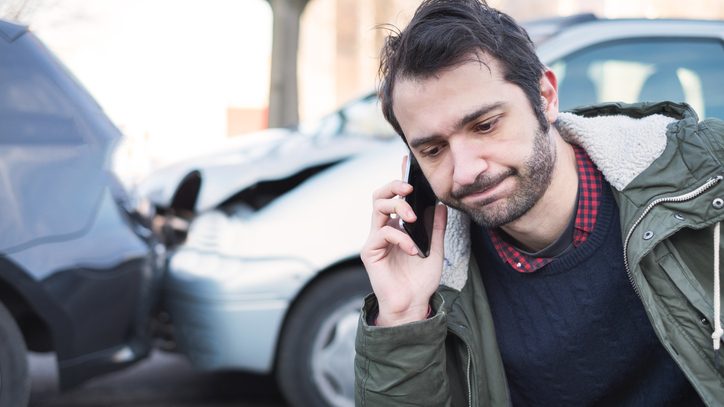
Being involved in even a minor fender bender can cause many of the vibration issues listed above by inflicting damage to your axle, suspension, power steering, wheels, motor mounts, tires or engine. When your car’s been in any type of accident it’s wise to have it promptly inspected at a nearby collision repair shop.  

Find Local Auto Body Repair Shops in Seconds 

Trying to find a reputable auto body or glass repair shop after a fender bender can be frustrating and stressful. At Carwise we’ve simplified the process by compiling profiles on over 19,000 nationwide collision repair shops and then placing that information right at your fingertips. Within seconds, you can find a list of local shops with I-CAR and ASE-certified professionals who are highly trained to use the latest technologies while restoring vehicles like new again.  

Search your zip code now for a customer-reviewed auto body or glass repair shop nearby: www.carwise.com

Read More

How Can I Safely Transport My Dog in the Car?

Over 40 million American households have a dog, and many drivers like to take their 4-legged friends along when traveling on vacation, to the store or local park. Unfortunately, most pet owners don’t take the necessary safety precautions when transporting their dogs, which sometimes leads to distracted driving accidents. Many of those crashes are avoidable, and some are even fatal. To keep you and your loveable pet safer when riding around in the car, use these safe driving tips from the experts.  

Distracted Driving Includes Pets  

Petting your puppy while operating a vehicle constitutes distracted driving, as does letting them sit on your lap. Although the National Highway Traffic Safety Administration (NHTSA) doesn’t compile specific pet-related distracted-driving crash statistics, they’ve been lumped in with these general distraction-affected accident figures from 2017:

  • Over 3,000 people were killed in motor vehicle crashes involving distracted drivers.
  • Nine percent of all traffic accident fatalities involve distracted drivers.
  • Six percent of all drivers involved in fatal accidents were reported as being distracted at the time of the accident.
  • Nearly 600 non-vehicle occupants (bicyclists, pedestrians, etc.) were killed by distracted drivers. 

Bad Driving Behaviors Dog Owners Use In Their Car 

According to dog owner surveys, many drivers openly admit that they practice these unsafe driving behaviors while transporting their pets around: 

  • Not using proper pet safety restraints (84%)
  • Getting distracted by their pet (60%)
  • Petting their dog while driving (52%)
  • Allowing their dog to sit on their lap (17%)
  • Giving their pet a treat while driving (13%)

Considering that millions of drivers own a dog, these statistics are quite concerning. 

How To Transport Your Dog Safely From Vehicle Stuffed Roads

So that your trip will be safer for all parties involved, including bicyclists, fellow motorists, and pedestrians, always use these tips when transporting your dog: 

Use Car Restraints

Before hitting the road, make sure that your pet has a safe, secure and comfortable place to ride in. Here are some ways to ‘use restraint’ while the vehicle is moving: 

  • Dog barrier. These resemble gates, are adjustable and available to fit most vehicle models. Even when using a dog barrier your pet can still see you for reassurance. 
  • Crate or carrier. Depending on the animal’s size, find a well-ventilated carrier or crate that gives them plenty of room to sit, stand, lie down or turn around in. Then secure the crate itself so it doesn’t move around, especially in you get rear-ended. 
  • Harness. These attach to your car’s seatbelts and are essentially safety restraints for dogs. Just like small children in car seats, make sure to harness your dog in the back seat for added safety and security. 

Heads Belong Inside Vehicles 

You wouldn’t allow a small child to ride with their head out the window, so why let your dog do it? That’s just asking for trouble if their loveable face smacks into a solid object at high speed. Thousands of dogs are also injured or killed every year when falling out of pickup truck beds, so don’t let your furry friend ride back there either.  

Pack a Travel Kit For Your Car

Never leave your pet unattended in the car for more than a few minutes, and on longer road trips always pack them a travel kit that includes:

  • Bowl, leash and bottled water
  • Their medications
  • Vaccination records (When crossing state lines) 
  • Food and doggie treats
  • Grooming supplies 

When Driving, Address ‘Travel Anxiety’ 

Signs of pet travel anxiety include loud barking, excessive panting and nervous pacing. If not addressed, travel anxiety can morph into full-blown panic, so talk to your vet about safe ways to manage travel anxiety. 

Customer-Reviewed Collision Repairs Are Only a Click Away

When your ride gets dinged up in an accident, promptly locate a local auto body or glass repair shop featured in the nationwide Carwise referral network. All shops listed on Carwise are I-CAR and ASE-certified, which means they have the well-trained technicians, high-tech equipment and innovative services necessary to restore your vehicle like new again promptly and reliably. Most speak directly with insurance adjusters, so you don’t have to, and warranty their repair outcomes to restore your peace of mind.

Search your zip code now for a customer-reviewed auto body or glass repair shop nearby: www.carwise.com

Read More

How Can New Year’s Driving Resolutions Help Save Lives?

Many Americans like to set personal goals every year when January rolls around. Those New Year’s resolutions typically include things like exercising more, losing weight and eliminating unhealthy habits. But it’s also important for all drivers who use the roadways to make some driving resolutions so they and fellow motorists will stay safer throughout the year. If you’re thinking about some personal goals for 2020, here are several safe driving resolutions to consider that may ultimately save lives. 

Most Driving Accidents Are Preventable 

According to the consumer safety website safer-america.com, over 140 million people travel on American roadways every day. It’s also a fact that most traffic accidents are preventable. To help motorists stay informed, Safer America has compiled crash data from the past 5 years from reliable sources like the Centers for Disease Control and Prevention (CDC), National Highway Traffic Safety Administration (NHTSA), and the Federal Motor Carrier Safety Administration (FMCSA).

According to those statistics, here are some of the more common causes of motor vehicle accidents every year:

  • Speeding
  • Distracted driving
  • Drowsy driving
  • Drug and alcohol-impaired driving
  • Failure to yield the right-of-way
  • Driving on wet pavement 

Based on historical trends, it’s a safe bet that far too many people were needlessly killed on U.S. roadways once again during 2019. 

Safe Driving Goals for 2020

No matter what you do, traffic accidents can still happen. However, you can lower the odds that you will become a statistic by implementing these safe driving resolutions:

Don’t Drink and Drive 

In today’s world of ride-sharing and public transportation services, why do people still feel the urge to get behind the wheel after downing too many adult beverages? That goes for operating a vehicle while under the influence of drugs, including some prescription medications and over-the-counter cold remedies.  

Stay Off Your Cell Phone While Driving

Is responding to that text message worth crashing head-on into an oncoming semi-truck? Studies have determined that texting while driving is just as dangerous as drunk driving. Don’t talk or text on your phone unless you have a hands-free device. Not only does it place you and your passengers at serious risk, most states now enforce strict distracted-driving laws. 

Keep Your Vehicle Maintained For Safe Driving

Worn out car parts and tires can also cause accidents, including ones while vehicles are stranded on the roadside. To prevent that from happening to you, get your ride checked out by a mechanic at least every 6 months so they can replace old components with new ones. 

Drive Courteously

Share the road courteously with motorists, bicyclists and pedestrians. That includes yielding the right of way to others and obeying posted speed limits in construction and school zones. Don’t tailgate, swerve in and out of traffic, or otherwise drive aggressively. Speeding is a contributing factor in up to one-third of all fatal crashes, and traffic safety experts also warn that proper turn signal usage could prevent up to 2 million accidents per year. 

Adjust for Weather Conditions When driving

If the roads are wet or icy, slow down and stay even further back from the vehicle in front of you. Always use your headlights from a half hour before sundown to half hour after sunrise, and anytime precipitation is falling. 

Buckle Up Before Driving

So many lives could be saved every year if vehicle occupants were simply wearing their seatbelts. Buckle up before hitting the road, while also making sure that your children are secured with age-appropriate safety restraints. All children under 12 should ride in the back seat and those under 8 should also be in a car seat. 

Your Accident-Repair Source for 2020 and Beyond 

If you’re involved in a car accident this year, promptly find the expert repairs you need by connecting with an auto body or glass repair shop featured in the nationwide Carwise referral network. All collision repair shops listed on Carwise are I-CAR and ASE certified, which means they have the advanced services, innovative equipment and highly trained technicians to restore your ride like new again promptly and reliably. 

Search your zip code now for a customer-reviewed auto body or glass repair shop nearby: www.carwise.com

Read More

How Should I Pack My Car for a Holiday Road Trip?

Packing your car for a holiday road trip can be even more frustrating than untangling those twisted strands of used Christmas lights. It might take some holiday magic to cram presents, luggage, a stroller and cooler all into that tight cargo space. But if you don’t pack your vehicle wisely, you’ll not only have to endure constant complaints from the backseat, you can also increase your risk for being involved in a traffic accident. To help ensure that your holiday road trip is “nice” rather than “naughty”, use these car-loading tips from your friends at Carwise.     

How to Pack Your Car Safely

It’s important to only pack essential items because the heavier your car is, the longer it takes for it to stop. And, driving on wet or icy pavement just makes stopping a loaded-down vehicle even more treacherous. Here are some other safety tips when packing your vehicle:

  • Starting towards the center of your cargo area, load heavier items like suitcases first. Use lighter items, including pillows and coats, as fillers around heavier ones.
  • Don’t stack items too high, as doing so could obstruct the driver’s ability to see other vehicles in the rear-view mirror. Improperly stacked items can also shift and injure back seat passengers if you have-to brake suddenly or swerve.  
  • Make sure that you distribute weight evenly because uneven weight distribution can cause handling problems on curvy roads or during windy conditions.
  • Carefully secure any items or carriers that are attached to the luggage rack or rooftop. And, don’t stack rooftop items too high, as passing under a low bridge might knock them off into the path of another motorist. It’s always a good idea to take your vehicle on a practice run first to make sure all rooftop items are safely secured.

Maximizing Cargo Space and Comfort

If you’re traveling with a child in the backseat who’s complaining because they don’t have enough arm and leg room, you’re going to hear about it for hours on end. Here are some ways to maximize cargo space and improve passenger comfort:  

  • Lay out all the items that need to be packed beforehand on the garage floor or driveway so that you can visualize how to more efficiently organize your car.
  • Pack items first that won’t be needed until you arrive at your destination, like luggage and gifts, and load coolers, coats and snacks last so that they are easily accessible once you’re stopped.
  • If you will be traveling through nasty weather, bring some tall kitchen trash bags along for wet, muddy shoes and clothing items. Use small plastic grocery bags as single-use trash receptacles that you can conveniently dispose of at the next rest area or hotel. 
  • Who wants to ride next to a smelly mess in a cramped car? Food spills and upset stomachs are going to happen, so also pack some clean-up supplies like handy wipes, paper towels, a stain remover stick and bottle of spray-on fabric refresher.
  • Whenever possible, combine suitcase contents to conserve room. Each child should carry a backpack with their essential road gear that they can keep at arm’s length. That will prevent you from having to dig through all the packed items in a blizzard because one of the kids can’t find their tech device.

Your Collision Repair Solution for Holiday Fender-Benders

Even when taking these car-packing precautions, holiday fender-benders happen. When your ride’s been involved in an accident, take it to one of the over 19,000 auto body and glass repair shops featured in the nationwide Carwise referral network. All collision repair shops listed on Carwise are I-CAR and ASE certified, which means they have the top-quality services, high-tech equipment and experienced technicians to restore your vehicle like new again promptly and reliably.

Search your zip code now for a customer-reviewed auto body or glass repair shop nearby: www.carwise.com

Read More

How Can I Avoid Roadside Collisions When My Car Stalls?

You’re driving home from work one day when your dashboard suddenly lights up like a Christmas tree and your car starts slowing down. You push the accelerator, but nothing happens. Your engine has died. Fortunately, you’re able to guide your car onto the shoulder as other motorists zoom precariously by. Now what do you do? Getting stranded in a stalled vehicle on the roadside is not only frustrating, it places you at serious risk for getting hit by other drivers. Here’s how to keep your vehicle’s occupants safer until help arrives. 

Why Do Car Engines Stall?

Cars are designed to run on the right mixture of air, fuel and spark. Newer vehicles have onboard computer modules and sensors that warn you when something’s wrong. But if you drive an older vehicle or one with a bad computer chip, there may be no advanced warning before the engine dies. These common mechanical problems can cause a car’s motor to stall:

  • Bad electrical wiring. Loose or corroded electrical connectors interfere with engine performance. Even a minor fender bender or pothole can knock connectors loose.
  • Dead battery. When your battery isn’t charging or holding a charge properly, your car’s engine may start but then conk out while you’re driving because too much stress is being placed on the alternator and engine. Cold weather makes this problem more likely.
  • Watered-down gas. If you buy gas with too much moisture in it, the fuel doesn’t burn properly in the engine, which then causes it to stop running.
  • Fuel pressure problems. If there’s not enough pressure in your engine’s fuel system, it can stall when going up or down hills. A faulty fuel pump or clogged filter is oftentimes the culprit.

What if My Car Dies?

When your car stops running remember that it can be replaced, but you cannot be. That’s what auto insurance is for, so don’t take chances. Instead, use these safety precautions:

Remain in Your Car

If you’re not wearing reflective clothing, other drivers can’t see you. Don’t exit your vehicle to flag down passing motorists or look under the hood. Instead, turn on the emergency flashers, call for roadside assistance and remain inside your vehicle. A passing police officer may even see your blinking lights and stop to investigate.

Put on a Seatbelt

Rear-end collisions are the most common type of accidents that stalled vehicles are involved in.

If your vehicle gets hit while you’re sitting in it and you’re not wearing a seatbelt, you could sustain serious injuries. To stay protected, make sure that you and your passengers wear your seatbelts until help arrives. When traveling with a small child, keep them restrained in their car seat if that’s possible.

Set Up Ground Reflectors

Even though most drivers don’t carry them, ground reflectors are an essential part of any roadside emergency travel kit. They are yellow or orange triangles that approaching motorists can easily see in all types of weather and light conditions. If you have some ground reflectors with you, get out of your vehicle just long enough to set them up around it. 

Resist the Urge to Push

When your vehicle quits in the middle of traffic or is partially protruding into a lane, it’s always tempting to get out and push it to the side of the road. But that puts you and anyone else who’s pushing in harm’s way. Instead, patiently wait inside your vehicle until roadside assistance arrives.  If any impatient motorists honk or yell at you, ignore them. Use this downtime to contact your insurance agent or concerned loved ones.

Local Collision Repair Shops are Only a Click Away

When your ride’s been damaged in an accident, promptly take it to one of the auto body or glass repair shops featured in the nationwide Carwise referral network. All shops listed on Carwise are I-CAR and ASE-certified, which means they have the high-tech equipment, driver-trusted services and highly trained technicians to restore your vehicle like new again promptly and reliably.

Search your zip code now for a customer-reviewed auto body or glass repair shop nearby: www.carwise.com

Read More

How Can Black Friday Shoppers Drive More Safely?

Since many shoppers view Black Friday as the kickoff to the holiday shopping season, millions of drivers will soon be heading-out to their local stores to compete with fellow bargain hunters. But with all those frenzied shoppers driving around at the same time, you’ve got the perfect recipe for traffic delays and fender benders. Toss in some nasty weather, and already stressed-out drivers can get pushed to the breaking point. If you’re going to be driving around on Black Friday, make road safety a priority by using these tips. 

Plan Your Route in Advance

Even if you’re an old hand when it comes to Black Friday shopping, it’s still a good idea to plan your day’s route in advance. Use the sales ads the night before to compile a list of targeted stores based on these shopping objectives:

  • Which items you want the most
  • Which retailer opens the earliest
  • Which stores you plan to visit

When planning your shopping route, try to avoid making several trips back and forth across town. Taking a more precise shopping approach should help make your day a safer and more productive one.    

Use a Navigation App

Most drivers use GPS navigation apps when traveling on vacation, so why not on Black Friday? Navigation apps like Google Maps can help you avoid traffic congestion by alerting you about recent accidents and other road delays. If you’ve not sure where a given store on your shopping list is located, a good navigation app will provide you with turn-by-turn directions so you can get there more quickly and safely.

Avoid Driving Distractions

The National Safety Council (www.nsc.org) warns that shoppers and pedestrians get even more distracted on Black Friday. That increases the potential for distracted driving accidents, so please drive carefully by taking these precautions:

  • Never text or talk on your cellphone while driving unless you have a hands-free device.
  • Turn the music down.
  • Obey all posted speed limits, especially in construction zones and parking lots.
  • Be aware of pedestrians when backing out of parking spaces.
  • Keep your eyes on the road at-all-times.
  • Safely secure small children and pets in the back seat.

Don’t Drive While Impaired

It’s tempting to take the edge off Black Friday shopping by having a couple cocktails in between stores. Don’t drink and drive. Instead, have a designated driver or use a ride-sharing service. Also avoid operating a motor vehicle when under the influence of drugs that could slow down your reaction time, including prescription medications and over the counter cold remedies.

Use Good Parking Lot Etiquette  

Speeding through a crowded parking lot to beat that other driver to an open spot isn’t smart with all the distracted pedestrians walking around, especially small children. Good parking lot etiquette will keep all shoppers safer, so try to:

  • Park far away. The farther you park away from a store or mall, the fewer cars that you’ll have to contend with. Walking a little farther is not only healthier, it may leave you with a quicker and easier route when it’s time to leave.
  • Back out slowly. Use your mirrors and back-up camera when backing out of a space, but don’t rely on them completely. Back out very slowly and carefully while constantly scanning side-to-side for pedestrians and other vehicles.
  • Respect others. The world isn’t going to end just because you couldn’t get a spot next to the store’s entrance. Don’t drive fast in parking lots, stay in your lane, allow enough space for other drivers to open their doors, and only park in designated spots.

Promptly Find Black Friday Accident Repairs Here  

Even when driving carefully on Black Friday, fender benders happen. When your ride’s been dinged up, promptly take it to one of the auto body or glass repair shops featured in the nationwide Carwise referral network. All collision repair shops listed on Carwise are I-CAR and ASE-certified, which means they have the reliable services, state-of-the-art equipment and highly trained technicians necessary to promptly restore your vehicle like new again.

Search your zip code now for a customer-reviewed auto body or glass repair shop nearby: www.carwise.com

Read More

How Can I Drive More Safely Over the Thanksgiving Holiday?

Another Thanksgiving is just around the corner, which means millions of travelers will be taking to the roads to enjoy some food and fellowship with family members and friends. But every year the National Highway Transportation Safety Administration (NHTSA; www.nhtsa.gov) warns motorists that Thanksgiving travel can be very dangerous. Unfortunately, thousands of people still get killed or injured on U.S. roadways during the 5-day Thanksgiving travel period. (1) To help ensure that your Turkey Day is more enjoyable, use these driving tips from the experts.  

Drive Sober

Even though alcohol-related motor vehicle fatalities have dropped appreciably during the past decade, traffic accidents caused by drunk drivers still killed over 10,800 Americans in 2017. (1) Unfortunately, accidents involving drug-impaired drivers are on the rise, so please don’t operate a motor vehicle while under the influence of drugs or alcohol. And, that includes prescription medications and over the counter cold remedies that make you drowsy.  

Plan Ahead

In anticipation of more traffic congestion and accidents, plan-ahead accordingly for your trip. Here are some ways to do so:  

  • Check the weather report for poor driving conditions you may encounter.
  • Get plenty of sleep before departing and take several rest breaks along the way.
  • Have an alternate route in mind if your primary one gets backed up.
  • Avoid peak road travel times, like the Wednesday before Thanksgiving and the Sunday after.

Wear a Seat Belt

“Click it or ticket” laws are in place because seatbelts save lives. The NHTSA estimates that in 2017 alone nearly 15,000 fatalities were prevented during motor vehicle crashes because occupants were wearing seatbelts. (1)  And, always make sure that your little one is properly buckled up in a child safety seat before hitting the road.

Don’t Drive Distracted

Distracted driving-related crashes are also becoming more common, so reduce your odds for becoming a statistic by taking these safety precautions:

  • Never text and drive, and never talk on your phone unless it’s with a hands-free device.
  • Keep your pets safely secured in the back of the vehicle.
  • Constantly scan the road ahead of you with your eyes while anticipating driving emergencies.
  • Don’t eat or apply makeup while driving.

Avoid Road Rage

With all the Holiday traffic it’s easy to get agitated. Don’t let your frustration carry over to your driving habits. That means obeying the posted speed limits, especially in construction zones, and giving the vehicle in front of you a one-second cushion for every 10 mph that you’re traveling. Also adjust your speed accordingly when driving in poor weather conditions, like on ice and snow. If you’re starting to feel stressed out, pull over at the next exit and let someone else take the wheel for a while.

Get Your Vehicle Road Ready    

Before embarking on your trip, get your vehicle checked out by a reliable mechanic to make sure it’s road ready. Prior to your trip, do your own maintenance inspection that includes:

  • Checking your tire pressure and tread depth
  • Replacing worn wiper blades with fresh ones
  • Testing your car battery and cable connections
  • Topping off your windshield washer and antifreeze fluid reservoirs

Pack an Emergency Kit

There’s always a chance that you’ll get stranded along the roadside on your trip, so pack your vehicle with an emergency kit that contains these items:

  • Extra gloves, hats and blankets
  • Bag of cat litter or sand for traction
  • Bottled water and non-perishable snacks
  • Small shovel
  • Flashlight with new batteries
  • Warning flares or safety triangles

Your Collision Repair Solution for Thanksgiving Accidents

The Carwise team wishes all Americans a safe and enjoyable Thanksgiving Holiday. If you’re involved in an accident, you can promptly find expert auto body or glass repairs by using the nationwide Carwise referral network. All collision repair shops listed on Carwise are I-CAR and ASE-certified, which means they have the services, state-of-the-art equipment and highly trained technicians necessary to restore your ride like new again promptly and reliably.

Search your zip code now for a customer-reviewed auto body or glass repair shop nearby: www.carwise.com

Reference:

  1. Press release from the NHTSA: Thanksgiving Travel Advisory: Drive Safely and Make It to the Table; November 16, 2018.
Read More

How Can Driving More Defensively Help Save Lives?

For one reason or another, American roadways seem to be getting progressively more dangerous for motorists. One of the ways you can help avoid being another crash-related statistic is by driving defensively. Defensive driving is defined as “driving to save lives, time and money, in spite of the conditions around you and the actions of others”. To help ensure that you keep yourself and your vehicle’s occupants safer, practice these defensive driving strategies courtesy of your friends at Carwise.

Keep Scanning the Road Ahead

Most drivers tend to stare at objects directly in front of them, including other vehicles. Because the human body wasn’t designed to travel at 60 mph, you need to be constantly scanning the road with your eyes at least a half-mile ahead. If a danger presents itself closer to your vehicle, your peripheral vision will alert you. That’s why your main line of visual focus should be outward so that you can scan the road for upcoming hazards like stalled vehicles or work zones.  

Were you taught to “aim high while steering”? That means don’t make steering adjustments based on what’s directly in front of you. Instead, keep your eyes constantly looking into the distance for something like a sharp curve or wandering deer. Depending on your speed, a good rule of thumb is scanning 12 to 15 seconds ahead of your car’s path. And, make sure to vary that distance if you’re driving on a city street versus the wide-open spaces of a country road.

Expect the Unexpected

It’s important to drive proactively as opposed to reactively. As a driver, you should constantly be anticipating unexpected hazards that could place you at risk given the road conditions and traffic patterns. For example, if that traffic light a quarter-mile ahead has been green for a while, it’s probably going to turn red soon. Back off the accelerator slightly and get ready to apply the brakes. Or, if you’re driving on a snow-covered road, anticipate your next action if that oncoming vehicle unexpectedly starts skidding out of control.

Many drivers make the common mistake of believing that a driving emergency will never happen to them. But when you least expect it, you’ll have to slam on the brakes because another driver pulled out right in front of you. Another defensive driving strategy is reading the body language of fellow motorists. If the driver next to you looks angry or impatient, they could swerve recklessly in front of your vehicle without warning. When they do, the difference between a near miss and actual collision will rest mostly in your hands. Be prepared at-all-times.

Always Have an Escape Plan

Based on your surroundings, constantly be visualizing an escape plan if an emergency were to suddenly occur. Keep checking your mirrors and allow a one-second cushion for every 10 mph you’re traveling between your vehicle and the one in front of you. In bad weather conditions, give yourself even more room. If a vehicle is driving right next to you at the same speed, slow down just enough to let them pass.

Never let yourself get boxed in by a group of semi-trucks because one of them could suddenly swerve into your lane and nudge your vehicle. If it feels like the traffic flow could come to an abrupt halt without warning because of road work, picture yourself pulling onto the shoulder quickly so that dump truck behind you doesn’t end up in your back seat. No matter where you are, always have an escape plan in mind for when the inevitable happens… because it probably will!

These Body Shops Won’t Put You on the Defensive  

Even when using these defensive driving tips, accidents happen. When a collision damages your ride, promptly take it to a better auto body or glass repair shop featured in the nationwide Carwise network. All shops listed through Carwise are I-CAR and ASE-certified, which means they have the driver-trusted technicians, services and equipment to restore your vehicle like new again promptly and reliably.

Search your zip code now for a customer-reviewed auto body or glass repair shop nearby: www.carwise.com

Read More

How Can Football Fans Stay Safer While Tailgating?

Another football season is in full swing, which means crisp fall afternoons filled with jersey-clad fans enjoying some tailgating activities with family and friends. Tailgating parties are known for their good food, cold beverages and other fun-filled, pre-game festivities. But when tailgaters get careless, unattended grills, too much alcohol and packed parking lots can all cause preventable accidents and unnecessary injuries. To ensure that your next tailgating adventure is a safer and more enjoyable one, use these tips from the Carwise team.

Grill Responsibly

Scores of hungry pigskin fans like to set up charcoal grills for cooking brats, burgers and ribs before the big game. Unfortunately, some people just leave their hot coals for the cool breeze to extinguish once they’re through. But an unattended grill may produce flying embers that can then set a nearby banner, tent or car or fire. That’s why it’s best to start your grill early on gameday and then make sure the coals are completely out before heading into the stadium.

As an added safety precaution, many stadium parking lots now have specially designed bins where fans can place hot coals. Even gas grills can cause explosions, so make sure to carefully read the instructions before lighting yours. Other tailgating grilling precautions include:

  • Carry a fire extinguisher and first-aid kit in your car.
  • Keep pets and small children away from hot grills.
  • Always store meat in your cooler to avoid food poisoning.

Pick Up Your Trash

In addition to being an eyesore, when you leave trash on the ground it creates a potential hazard for other vehicles as they’re exiting the parking lot. Pedestrians can also trip over larger items, so carry a big garbage bag with you and dispose of your trash before heading into the game. Doing so beforehand will help ensure you don’t leave anything important behind and reduce clean up afterwards.    

Respect the Sun’s Rays

While tailgating for hours in the warm sun, it’s easy to ignore its powerful UV rays. But even on cloudy days the sun can cause sunburn, dehydration and even sun poisoning. To protect yourself, drink plenty of water, apply sunscreen to exposed skin and wear a baseball cap. Small children and older adults have more sensitive skin, so if you have any in your party make their skin protection a priority.  

Don’t Drink and Drive

Football fans also like to drink, and if your tailgating party is going to include alcohol make sure

that you have a designated driver. Thank your DD by supplying them with plenty of non-alcoholic drinks before and during the game. And, encourage anyone who is consuming alcohol to also drink plenty of water and eat some food.  

Hide Your Valuables

While you’re watching your favorite team, criminals scouring the parking lot could also be watching for an opportune time to break into your vehicle. To protect it from smash-and-grab thieves, hide all valuables that are inside from view, lock the doors and activate your car alarm.

Drive Cautiously 

A lot of traffic accidents occur in parking lots, including those found at football stadiums. Be extra cautious when pulling in and out of your space, constantly look for pedestrians, and never drive fast just because you’re in a hurry to get home. Before departing, it’s also wise to walk around your vehicle and check for any debris that could damage your tires.

Auto Body Shops with the Cure for Gameday Accidents  

Even when taking these gameday precautions, you can still be involved in a traffic accident. When one damages your ride, make the right call by locating a fan-friendly auto body or glass repair shop featured in the nationwide Carwise referral network. All collision repair shops listed on Carwise are I-CAR and ASE-certified, which means their team members have the perfect game plan to restore your ride like new again promptly and reliably.

Search your zip code now for a customer-reviewed auto body or glass repair shop nearby: www.carwise.com

Read More

How Can You Drive More Safely in the Fall?

Most people eagerly anticipate the arrival of fall because of its colorful foliage, warm bonfires and cooler temperatures. But for many drivers across the country, autumn’s appearance also means more dangerous road conditions that they must face during their daily commutes. Leaf-covered roads, back-to-school traffic and fewer daylight hours all combine to make fall driving more challenging. Fortunately, there are several reliable ways to stay safer when driving during the autumn months, starting with these.

Why is Autumn Driving Dangerous?

For starters, weather conditions in the fall can be more unpredictable. A bright, sunny day can suddenly turn cold and rainy right before your evening commute. In addition to sudden weather changes, here are some other reasons why autumn driving can be dangerous:

Slippery leaves

Although autumn foliage is beautiful, falling leaves can cover the roads and hide pavement markers and potholes. Wet leaves are also slippery and can cause your car to start hydroplaning unexpectedly.  

Heavier traffic

When schools are back in session there’s more traffic on the roads. That means drivers must watch for small children who are walking to and from school, or waiting at the bus stop. Fall is also harvest time, which places busy farmers operating heavy machinery onto already dangerous country roads.

Active wildlife

Fall is also a busy time for deer and other wildlife to mate, migrate and forage for food. If you live near a wooded area, you already know that many animals like to cross the roads after dark.

Sun glare

As summer slowly fades away, the angle of the sun in the sky also changes, which oftentimes makes early morning and late afternoon glare more intense. If you’re not careful, sun “blindness” can keep you from seeing oncoming vehicles or pedestrians. 

Fog and frost

During autumn, nighttime temperatures tend to dip below freezing, which then leaves hazardous frost on bridges and overpasses during early morning commutes. Those cooler fall mornings can also bring fog that limits your visibility and distance perception.

Safe Driving Tips for Fall

Here are some proven ways to stay safer behind the wheel during the fall season:

Slow down

Reducing your speed whenever there’s fog, frost or leaves on the road is important. And, that also means obeying the posted speed limits, notably when passing through school zones or driving near school buses.

Check your tires

Make sure that your tires have adequate tread to help prevent skidding on wet pavement and slippery leaves. As temperatures drop, check your tire pressure weekly and keep them properly inflated based on the manufacturer’s guidelines.

Watch for wildlife

Hitting a deer or other large animal will seriously damage your vehicle and place you at risk. To avoid doing so, slow down while passing through wildlife areas while glancing quickly from side to side for moving animals.  

 Keep a safe distance

Always stay back one car length for every 10 mph from the vehicle in front of you. Increase that interval when it’s foggy or when there are leaves or frost on the pavement, as taking these precautions will give you more time to react if you need to stop. When passing slow-moving farm machinery, give them a wide berth.

Clear off your windshield

Keep your windshield clean without using products that accentuate the sun’s glare. Replace your old wiper blades with fresh ones to eliminate streaking, and always scrape off any frost in the morning before hitting the road.

Use your headlights

Make sure that your headlights work, and then turn them on whenever it’s foggy, raining, or while driving between dusk and dawn. And, when driving in fog only use low beam settings so you won’t blind oncoming drivers, or yourself.

Find Reliable Collision Repairs for Fall Accidents Here

Even when taking these fall driving precautions, accidents happen. When your ride gets dinged up, promptly take it to a nearby auto body or glass repair shop featured in the nationwide Carwise referral network. Once there, I-CAR and ASE-certified technicians will get started using the latest repair equipment and services to restore your vehicle like new again promptly and reliably.

Search your zip code now for a customer-reviewed auto body or glass repair shop nearby: www.carwise.com

Read More