What to Pack in Your Car’s Emergency Kit

No one wants to think about experiencing a car emergency, but it can happen to anyone. It’s always smart to be prepared with a car emergency kit just in case the unexpected happens and you’re stranded.

When packing a car emergency kit, you need to consider what you’d need if you were stranded for several hours, or even a day. You’ll need items that can help repair your car in a pinch, as well as things you would need to survive. Some of this will vary by climate. If you live in an area with snow or rain, you’ll need different items than if you live in a desert climate, for example.

When packing a bag, consider your specific needs, but the below list is a great place to start:

Car Repair Items

If you get a flat tire in the middle of nowhere or have another minor issue, some simple items can help you get back on the road even if you can’t contact a repair shop.

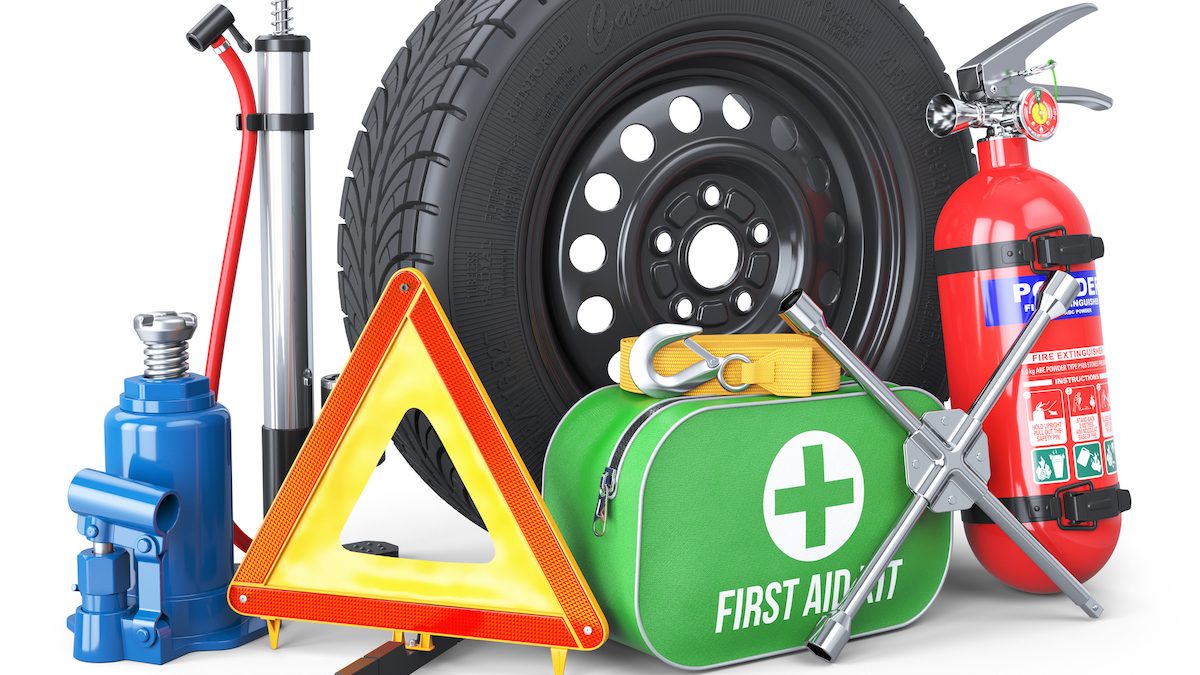
  • An inflated spare tire, wheel wrench and car jack
  • Jumper cables
  • A portable gas can
  • Tool kit or a multipurpose utility tool
  • Antifreeze
  • Windshield wiper fluid
  • Duct tape
  • Car battery tester
  • Portable car battery charger

Safety Items

For this category, consider what you might need if you’re stranded at night, or in a remote area and need to walk to find help.

  • Reflective triangles to make your vehicle more visible
  • A reflective vest for you to wear if you need to walk to help
  • First aid kit
  • Fire extinguisher
  • Flashlights and batteries
  • Car escape tool (to break car windows)
  • Instant hot and cold packs (for injuries)
  • Protective gloves for checking the engine when it’s overheated

Personal Items

These items will help you stay hydrated or nourished while stranded, and also include things you might need if you’re waiting a while for help.

  • High-energy, non-perishable food (some foods that are less likely to spoil in a car: trail mix, crackers and chips, or meat jerky)
  • Drinking water (ideally 2-3 gallons)
  • Cell phone charger for your car
  • Pen and paper (to make any notes)

Other Items

Any other items you might need could pertain to navigation or to the weather. Think about what you need in your specific area, or what you might need in an area you’re road tripping to.

  • Compass
  • Road maps
  • Weather related items, such as a rain poncho, umbrella, snow shovel, winter coat, gloves, car brush, cat litter or salt (for traction on ice), blankets

Find a Collision Repair Shop Near You

Even if you find yourself needing help after a car accident far from home, Carwise.com is here for help. Find a reputable collision repair shop near you by searching Carwise.com, where you’ll find shop contact information, hours and locations, as well as reviews from real customers, before and after photos, and certifications. With more than 21,000 shops to choose from nationwide, Carwise will help you find the right shop near you. Start your search from wherever you are: https://www.carwise.com/auto-body-shops/.

Read More

Eight Dashboard Light Indicators and What They Mean

You get in your car about to head to work and – ding! A dashboard light indicator turns on. When lights turn on, it can be confusing to know which ones to pay attention to immediately, and which ones can wait. As you’ll see below, some of the vehicle performance issues that prompt dashboard indicator lights can lead to you being stranded or getting into an accident, so it’s important to follow up with them promptly to protect your safety and the integrity of your vehicle.

Here are eight indicators that you should always pay attention to – what they might look like, what they might mean and what to do when you see them.

1 – Check engine light.

The check engine light appears as an engine icon and indicates that your engine may need maintenance. The check engine light can represent a whole host of issues and will likely require a scan tool to read the code indicating which part of the engine is in distress. You may be able to get a check engine scan at your local auto parts store or at your local mechanic shop.

2 – Engine temperature warning light.

This indicator often looks like a thermometer. When the engine temperature light this comes on, it indicates that your car’s engine is overheating. Pull over or turn off the vehicle as soon as possible and check the coolant level, fan, and radiator cap, and keep an eye out for leaks below the engine. Be careful touching anything with your bare hands; some engine parts could be very hot. You may want to keep protective gloves for this purpose in a vehicle safety kit along with other essentials in case you are ever stranded.

3 – Battery charge warning light.

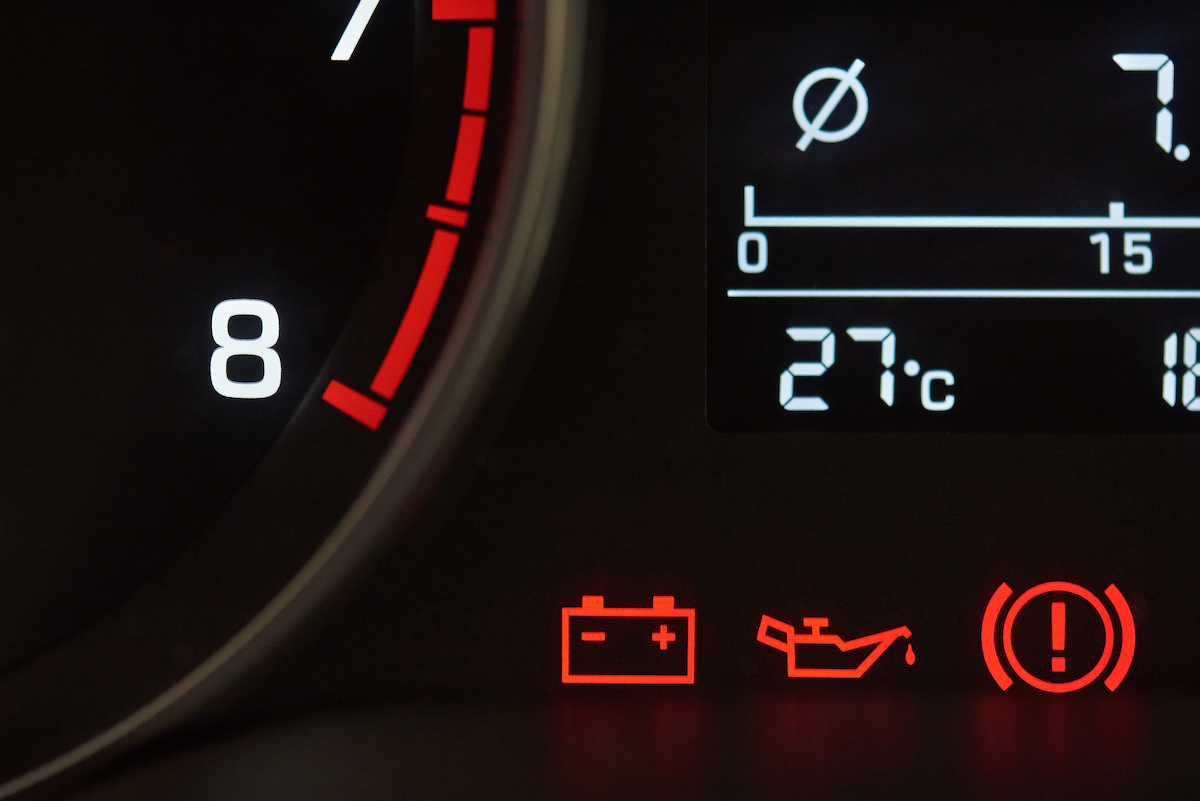
The battery charge warning light looks like a battery and indicates that your battery is either short on power or not functioning properly. Check the battery and alternator to see what the issue is. Car battery testers and portable battery chargers are widely available at auto supply stores and online; it’s always a good idea to store one or both of these items in your vehicle in case of a battery emergency.

4 – Oil pressure warning light.

The oil pressure warning light looks like an oil cannister and indicates that your vehicle is losing oil pressure – which in turn means that lubrication on your vehicle may be low or lost completely. If it is not addressed immediately, it could severely damage your vehicle’s engine and lead to an accident.

5 – Brake warning light.

The brake warning light often appears as an exclamation with a circle around it. Put simply, it means something is wrong with your brakes. You should investigate this immediately, as faulty brakes could make your car unsafe to drive.

6 – Tire pressure warning light.

The tire pressure warning light also often has an exclamation point but is usually placed inside a tire icon. This can indicate that pressure in one or more of your tires is too low or too high, and this is a safety concern. Many gas stations have areas where you can adjust tire pressure and check levels.

7 – Traction control warnings.

This indicator looks like a car slipping on a road, and can indicate just that – your car may be losing traction with the pavement as you drive. Traction control is activated when a vehicle detects that one wheel is spinning faster than another. It automatically applies brakes to help the car regain traction. If you see this indicator, you should drive very carefully to avoid losing control of the vehicle.

8 – Anti-lock brake (ABS) warning light.

This indicator icon appears with the letters ‘ABS’ inside of a circle. Most cars today use anti-lock brakes, and if the ABS warning light comes on, it indicates that something may be wrong with the system. This light may light up when you first turn your car on, but it should go away. If it remains on, that indicates a problem that needs prompt attention.

Neglecting Dashboard Signals Can Increase Risk of Accidents & Vehicle Damage

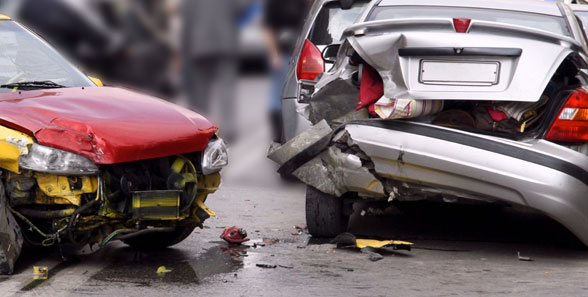
Seeing a dashboard signal appear is never fun and rarely convenient, but those signs are there to help you avoid danger and prevent damage to your vehicle as soon as possible. Still, accidents happen, whether it’s a minor fender bender after losing tire traction or something more severe.

If you’re ever in an accident, be sure to follow these post-accident safety tips for gathering information from other drivers at the scene, contacting your auto insurer, and finding a local auto body shop near you.

Find a Reputable Collision Repair Shop Near You

If you are in a crash as the result of an engine problem or other mechanical issue, Carwise can help. To find a reputable auto body shop near you, search Carwise.com and read reviews from real customers, find shop hours and locations, before and after photos, and certifications. With more than 21,000+ shops to choose from, Carwise.com will help you find your perfect fit. Get started today: https://www.carwise.com/auto-body-shops/.

Read More
top ways to avoid an auto collision

Six Signs Your Car May Need New Brakes

When it comes to safety on the road, one of the most important aspects of vehicle maintenance is the brakes. While just two percent of all accidents in the U.S. are caused by brake failure, it is still extremely dangerous and, in most cases, preventable with routine maintenance. Brake failure is often gradual, and cars show plenty of warning signs when brake maintenance is needed before your car’s brakes stop working completely. Industry experts recommend replacing the brake pads every 10 – 20,000 miles to keep wear to a minimum. Like with many car maintenance tasks, neglecting routine brake maintenance can incur further damage to your car’s mechanics or auto body, or it could lead to a serious accident. But if you’ve forgotten to take your car in for regular brake maintenance, or you’ve purchased a used car recently and aren’t sure what shape the brake pads are in, here are some telltale signs to look, listen, and sniff for.

1 – Squealing or clicking noises.

If you hear a squealing noise while driving your car that seems to stop when you brake, that is most likely a sign that your car’s brake pads need replacing. Brake pads make a very annoying sound when they’re worn down due to the wear indicators rubbing against the brake pad rotor.

Alternatively, if you hear a clicking noise when you press the brakes, that’s a sign that the brake pads could be loose. They should be inspected in this case as well.

2 – Take longer to break or being extra sensitive to braking.

If you notice that your car is taking longer to brake, that’s another sign that your brakes need to get checked out. Alternatively, brakes that are very sensitive or “sudden” could indicate a brake fluid level or other issue. Additionally, if you feel vibrations in the brakes when you use them, that can be another sign of a problem.

3 – Your car pulls to one side.

Keep note of how your car moves when you brake. If a vehicle tends to drift to one side when braking, this could mean that the brake pads are wearing unevenly. In that case, leaving the problem could cause damage to other parts of your car, like the ball joints or steering column. Be sure to replace both brake pads promptly to avoid further issues.

4 – Visible signs of wear.

Sometimes, knowing if your brakes need to be repaired is as easy as taking a look at the brake pads. You may have to remove the wheels to do this, but brake pads should be at least a quarter inch thick. If it’s thinner than that, it’s definitely time to have them inspected.

5 – Fluid leaks.

This sign may be more difficult to decipher because cars can leak fluid for all sorts of reasons, from the air conditioning to the transmission to the engine. Brake fluid is yellow or light brown, similar to vegetable oil. If you’re not sure, head to a mechanic.

6 – A burning smell.

The smell of burnt rubber after you hit the brakes is a strong indication that your brake system has overheated. Continuing to drive your vehicle when the brake system is overheating can damage the brake line and cause brake failure, which can be dangerous.

Neglecting Brake Maintenance Can Increase Risk of Accidents & Vehicle Damage

The bottom line? When in doubt, get your brakes checked out. While accidents due to brake failure are rare, and it is very rare for brakes to fail without warning, accidents can still happen, from minor fender-benders to severe collisions. The risks increase in inclement weather, especially on wet or icy roads.

If your brakes do fail while you’re driving, here are a few safety tips:

  • Try to remain calm and remove your foot from the gas.
  • Turn on your hazard lights to warn other drivers.
  • Keep your wheel straight; do not try to crash into anything to stop the car from moving.
  • If your car has an anti-lock braking system (ABS), press the brake pedal down as far as it can go.
  • If your car does not have ABS, pump the brake as hard and fast as possible.
  • Shift the car into a lower gear; this will help the engine slow the car down.
  • Steer your car to a clear spot on the shoulder of the road.
  • Once your car has slowed down significantly, apply the emergency brake. Do this as gently as possible to prevent your wheels from locking up, which can be dangerous.
  • Once the car has stopped moving, turn the engine off and call for roadside assistance. Do not try to turn the car on or drive it until the brakes have been repaired by a mechanic.

If your brakes fail and cause you to get into an accident, be sure to follow these post-accident safety tips for gathering information from other drivers at the scene, contacting your auto insurer, and finding a local auto body shop near you.

Find a Collision Repair Shop Near You

If you are in a crash as the result of a brake failure, Carwise can help. To find a reputable body shop near you, search Carwise.com and read reviews from real customers, find shop hours and locations, before and after photos, and certifications. With more than 21,000+ shops to choose from, Carwise.com will help you find your perfect fit. Get started today: https://www.carwise.com/auto-body-shops/.

Read More

Taking Your Car to College? Make Sure it’s Road-Ready with These Tips

Going to college is the first taste of true independence for most people – and bringing a car to college can provide even more freedom. But, before you hit the road, it’s important to prepare your car inside and out so that you don’t have to deal with car-related headaches throughout the semester, especially if your school is far away from home.

Use this checklist to make sure your car is ready to go before you set off.

1 – Get the Maintenance Done

Maintenance is key to keeping a car in shape for as long as possible. A few simple maintenance items include:

  • Get an oil change.
  • Get the brakes checked.
  • Check the head and taillights, as well as turn signals.
  • Check the tire pressure.
  • Check the car battery.
  • Windshield wiper replacements.
  • Replace or replenish the fluids, including transmission, break, coolant and windshield wiper fluid.

Although school semesters can get busy with classes, homework, jobs, and social events, remember to keep an eye on all of these things so that your vehicle stays road-ready. It takes less time and money for routine maintenance tasks than it would for a major repair because the oil wasn’t changed. 

2 – Complete Any Necessary Repairs

Some repairs are necessary for maintaining the safety of your vehicle. While accidents can happen, you may be able to avoid some dangerous situations by taking care of any needed repairs over the summer or winter break, before you head back to school. Repairs could include:

3 – Give Your Car a Good Cleaning

Who wants to worry about cleaning their car in the middle of a hectic semester? Cleaning may seem unnecessary, but in some cases can actually improve the safety of the vehicle, like cleaning the glass. Start each semester with a clean car and save yourself time by doing the following:

  • Clean the glass inside the car to reduce glares.
  • Clean out any trash and wipe down the steering wheel and center console.
  • Vacuum the seats and floors.
  • Have a bad odor in your car? Follow these tips for removing it.
  • Take your car through the car wash and get the undercarriage washed, particularly if you live in a cold climate with snow, to reduce the risk of rust.

4 – Take Preventative Measures

If something does happen while you’re away at school, it helps to be prepared. A few easy steps can help with this:

  • Get a AAA Membership or make sure you have tow services through your auto insurance provider. Make sure you have this information saved in a note on your phone, or that you have your provider’s mobile app downloaded. By doing this, you know that you’ll have roadside assistance wherever you are should something happen.
  • Update your insurance card if needed. Make sure it has the most up-to-date information and is stored in the glove compartment
  • Keep your car battery charged, and make sure the battery is holding a charge well.
  • Stock an emergency kit. This should include items like bottled water, shelf-stable food items, gloves and a warm blanket, flashlights, jumper cables, tire repair kit, basic tool kit, and even some cash. Think about the climate you’re in and what items you might need if you’re stranded for several hours.

Find an Auto Body or Auto Glass Shop Near You

Despite all of the above preparations, sometimes your car will still need work while you’re at school. You may not know the most reputable auto body or auto glass shop near your school, but Carwise.com can help you find a reputable auto body shop that fits your needs, even while you’re far from home. The Carwise shop search tool has details on more than 20,000 shops nationwide, from shop hours and location to real reviews from recent customers, before and after photos, shop certifications, and online appointment scheduling. Search more than 20,000 shops on Carwise.com to find your perfect fit: https://www.carwise.com/auto-body-shops/.

Read More

Five Signs of Hidden Damage After a Car Accident

More than six million car accidents happen each year in the U.S., and more than 30 percent of those are rear-end collisions. Most “fender-benders” are minor and happen at slow speeds, leaving little cosmetic damage, if any. However, vehicles can sustain other kinds of damage that can be hard to spot if you don’t know what you’re looking for. This is what the automotive industry calls “hidden damage,” or collision damage to the frame, mechanics, or electrical systems within a vehicle that is not visible from the outside. Here are five signs that you might have hidden damage:

1. Steering Issues

Problems with your car’s steering can be a sign that your vehicle’s frame is out of alignment after a collision. The frame of a vehicle is like its skeleton; even a slight misalignment can put stress on other parts of the vehicle and cause additional damage. Here are some common symptoms of alignment damage to your vehicle:

  • The steering wheel seems to gravitate one direction when you’re driving
  • The steering wheel is shaky or wobbly
  • Noisy steering
  • The vehicle vibrates or shudders when in gear

2. A Bumpy Ride

If you’ve been in a collision recently and your ride has suddenly gotten a lot bumpier, it could be another sign that your vehicle’s frame is out of alignment and is damaging your car’s suspension system. Your car’s suspension system regulates friction between the tires and the road to limit the impact of road conditions and help you maintain control of the car. As suspension parts like struts and shocks wear down, they’re unable to absorb the impact of potholes and grooves in the pavement, making your ride rougher. It may be annoying at first, but if left unattended, suspension issues can cause your car to bottom out when you hit a speed bump or steep driveway, which can damage the undercarriage and create mechanical issues.

3. Malfunctioning ADAS Features

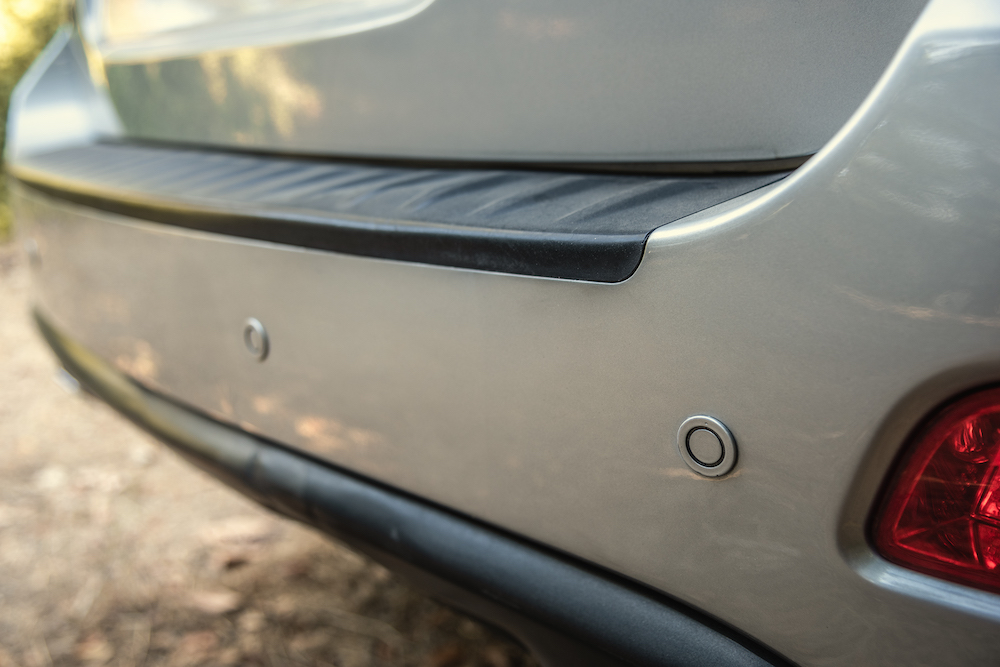
The newer your vehicle is, the more sensors it will likely have housed in the auto body. These sensors control Advanced Driver-Assistance Systems (ADAS) features like blind-spot monitoring, cruise control, and others. ADAS features are amazing innovations that can improve the driving experience, but the sensors are susceptible to damage in a collision because of where they’re located. For example, in a rear-end collision, the impact can damage sensors in the bumper, causing ADAS features to malfunction or fail. It is possible for a minor fender-bender to damage the sensors embedded in a car’s bumper without causing any visible cosmetic damage. If you’ve been in an accident recently and your blind-spot monitoring features malfunction or stop working, it may be a sign of hidden damage to the sensors in your bumper.

4. Leaking Fluid

If your car begins to leak fluid or have issues with acceleration or shifting gears after an accident, it could be a sign of transmission damage. Rear-wheel-drive (RWD) and all-wheel-drive (AWD) vehicles have transmission components near the rear of the car that can be susceptible damage in a rear-end collision.

5. Problems Opening and Closing Your Trunk, Hood, or Doors

After an accident, be sure to test all of the latches on your trunk, hood, and doors to make sure they can open and close properly. If they don’t, it could be another sign that your vehicle’s frame was damaged in the collision. A broken latch on a trunk, hood or door can cause them to pop open unexpectedly, even while driving. If a door gets stuck closed, this can be a risk to exiting your vehicle safely in the event of another collision.

After an Accident, Find a Certified Collision Repairer Near You

After you’ve been in an accident, a professional technician at a local collision repair shop will be able to repair hidden damage. Carwise.com makes it easy to find a reputable collision repair shop near you and request the inspection and estimate. From reviews by real customers to services and payment information, Carwise has details on nearly 22,000 repair shops. Use Carwise’s shop finder tool to search your zip code for a customer-reviewed auto body or glass repair shop nearby: https://www.carwise.com/auto-body-shops/.

Read More

Types of Hidden Damage Caused by Fender-Benders

Did you know that rear-end collisions are the most common type of car accident in the United States? According to the National Highway Traffic Safety Administration, rear-end collisions make up nearly 30 percent of collisions nationwide, or about 1.7 million accidents each year. Over 80 percent rear-end collisions happen when the lead vehicle is completely stopped or moving at a very slow speed, usually as the result of a driver following the car in front of them too closely. Unfortunately, even minor “fender-benders” can cause hidden damage in addition to cosmetic damage like dents or scratches.

What is Hidden Damage?

Hidden damage is damage to the frame, mechanics, or electrical systems within a vehicle that may not be visible or immediately apparent following an accident. Here are the most common types of hidden damage caused by rear-end collisions: 

Damage to the Vehicle Frame

Think of a vehicle frame as the skeleton of your car. A fender-bender can throw the vehicle frame out of alignment, just like it can to your own back or neck. If your car’s frame has been damaged, it can cause a litany of issues:

Alignment problems

One of the most common issues after your vehicle’s frame has been damaged is alignment problems. Here are some common symptoms of vehicle alignment problems:

  • The steering wheel seems to gravitate one direction
  • The steering wheel is shaky or wobbly
  • Noisy steering
  • Tires are showing uneven wear
  • The vehicle vibrates or shudders

Even slight misalignments can put unnecessary stress on other parts of the vehicle and exacerbate the damage.

Trunk, hood, and door damage

When your car’s frame has been damaged, it can impact latch mechanisms and seals on your trunk, hood, and doors. If a trunk, hood or door latch is broken it can cause them to pop open unexpectedly, even while driving. Damage to the seal around a door or trunk can allow moisture to get in, which can eventually cause rust around the car frame, or even mold and mildew in the interior.  After an accident, test all of the latches for the trunk, hood, and doors to make sure they latch properly.

Suspension issues

A damaged vehicle frame can cause extra wear and tear on the vehicle’s suspension. The suspension system regulates friction between a car’s tires and the road to limit the impact of road conditions and help drivers maintain control of the car. If you’ve been in a collision recently and your ride suddenly gets a lot bumpier, it could be a sign that your vehicle’s frame is out of alignment and is wearing down the struts, shocks, or other suspension parts. 

Damage to the Vehicle Electric System

Your car’s electrical system is a complex web of wires and sensors. Take your bumper, for example: the newer your vehicle is, the more sensors it will likely have housed in the bumper. These bumper sensors control Advanced Driver-Assistance Systems (ADAS) features like blind-spot monitoring, cruise control, and others. ADAS features can improve the driving experience, but they also make even minor accidents more complicated because of the sensors embedded in the body of your vehicle to make those systems run. In a rear-end collision, impact to the bumper can damage these sensors and cause the ADAS features to fail. A diagnostics test at a collision repair shop near you is one way to determine whether your car’s ADAS system has been damaged in a rear-end collision.

Fender-benders can also damage other electrical components, including airbag deployment, your car’s head, tail and brake lights, and battery connectivity. If you’ve recently been in a fender-bender and your car’s battery is suddenly dead, it’s likely that the battery’s wiring was knocked loose in the collision.

Damage to the Vehicle Mechanics

Rear-end collisions can not only cause damage to your car’s frame and electrical system; they can also cause mechanical damage. The most common type of mechanical damage after a fender-bender is transmission damage. Rear-wheel-drive (RWD) and all-wheel-drive (AWD) vehicles have transmission components near the rear of the car that can be susceptible damage in a rear-end collision. If your car begins to leak fluid or have issues with acceleration or shifting gears after an accident, transmission damage could be the culprit. 

It’s always a good idea to crouch down and inspect your vehicle’s undercarriage after a collision, but if you don’t know what you’re looking for, the damage may not be immediately obvious.

Steps to Take After a Fender-Bender

Here are the basics steps to take immediately following a car accident, whether it’s a serious rear-end collision or minor fender-bender:

  1. Pull your vehicle off to the side of the road. Once you’re safely out of the way of oncoming traffic:
  2. Document accident details. Using your smartphone, capture photos of all vehicles involved at the scene of the accident. Swap contact and auto insurance information with other drivers involved in the accident.
  3. Contact your auto insurance provider and share details from the accident. Ask how to submit photos from the scene of the accident. Some insurers may have a mobile app experience that makes documenting the accident easier, like uploading your photos.
  4. Even if your car seems drivable after the collision, be sure to check for hidden damage before driving away from the scene of the accident:
    • test your head, tail and brake lights
    • test your hood, trunk, and doors to make all of them open and close properly
    • crouch down to check for damage on the undercarriage, and watch for leaking fluid
    • watch for signs of vehicle misalignment mentioned above

Find a Collision Repairer Near You

A professional technician at a collision repair shop near you will be able to repair hidden damage after an accident, whether it’s a bent vehicle frame, stuck door, or something else.  

After you’ve been in a collision, Carwise.com makes it easy to find a reputable collision repair shop near you and request an inspection and estimate. From reviews by real customers to services and payment information, Carwise has details on over 22,000 repair shops. Use Carwise’s shop finder tool to search your zip code for a customer-reviewed auto body or glass repair shop nearby: https://www.carwise.com/auto-body-shops/.

Read More

5 Tips for Staying Safe and Social Distancing After an Auto Accident This Winter

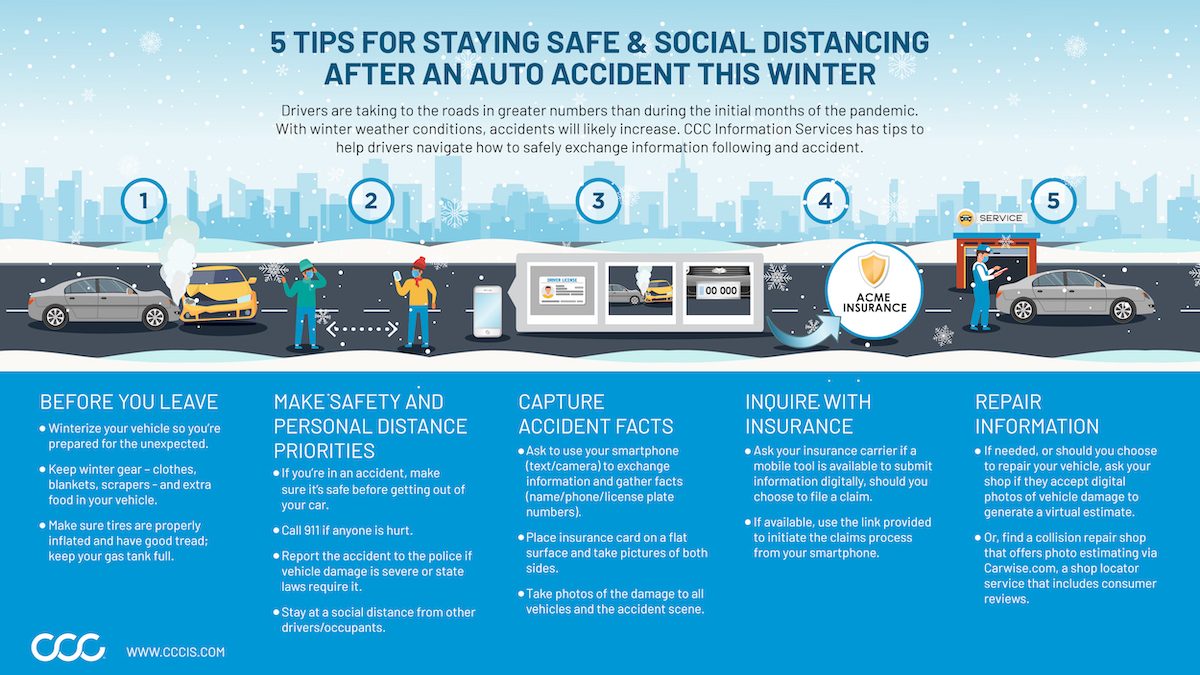
Drivers are taking to the roads in greater numbers than during the initial months of the pandemic. With winter weather conditions, accidents will likely increase. With elevated COVID-19 cases across the United States, this may increase the risk for drivers to contract the virus after an accident occurs. Here are some tips to help drivers navigate how to safely exchange information following an accident, as well as get a vehicle appraised and repaired.

Before You Leave

  • Winterize your vehicle so that you’re prepared for the unexpected.
  • Keep winter gear – clothes, blankets, ice scrapers – and extra food in your vehicle.
  • Make sure your vehicle’s tires are properly inflated and have good tread, and keep your gas tank full.

Make Safety And Personal Distance Priorities

  • Make sure the roadway is safe before getting out of your car.
  • Call 911 if anyone is hurt.
  • Report the accident to the police if vehicle damage is severe or state law requires it.
  • Maintain a social distance of six feet from other drivers, occupants, and any first responders.

Capture Accident Facts

  • Ask the other driver(s) to exchange information via text (names, phone numbers, license plate numbers, as well as vehicle descriptions, including make, color, and model).
  • Place insurance card and driver’s license on a flat surface and take pictures of both sides, and share with the other driver(s).
  • Take photos of the damage to all vehicles involved and the accident scene.

Inquire with Insurance

When you contact your insurance carrier to inform them of the accident, ask if they have a mobile tool available to submit information digitally, should you choose to file a claim. If available, use the link provided to initiate the claims process from your smartphone.

Repair Information

If your vehicle requires, or should you choose to repair your vehicle, ask your shop if they accept digital photos of vehicle damage to generate a virtual estimate. You can also search for a collision repair shop that offers photo estimating via Carwise.com.

When your vehicle has been involved in an accident, you can locate auto body or glass repair shops by searching on Carwise.com. Use Carwise’s shop finder tool to search your zip code for a customer-reviewed auto body or glass repair shop nearby: carwise.com/auto-body-shops/.
Read More

Vehicle Emergency Kits for Winter

What you will need for your winter car kit

Just as you may have a tornado or severe storm kit in your basement, it’s a good idea to keep an emergency kit in your car in case of extreme conditions.  In the winter months especially, there are many items that could prove to be very useful in an unfortunate weather-related situation or accident that causes you to be exposed to extreme temperatures.

Start your kit with some basic essentials, such as non-perishable food items (i.e. canned goods or snacks), and bottled water.   Pack enough for all the people typically in your car.

Next, a few handy tools to add to your kit include:

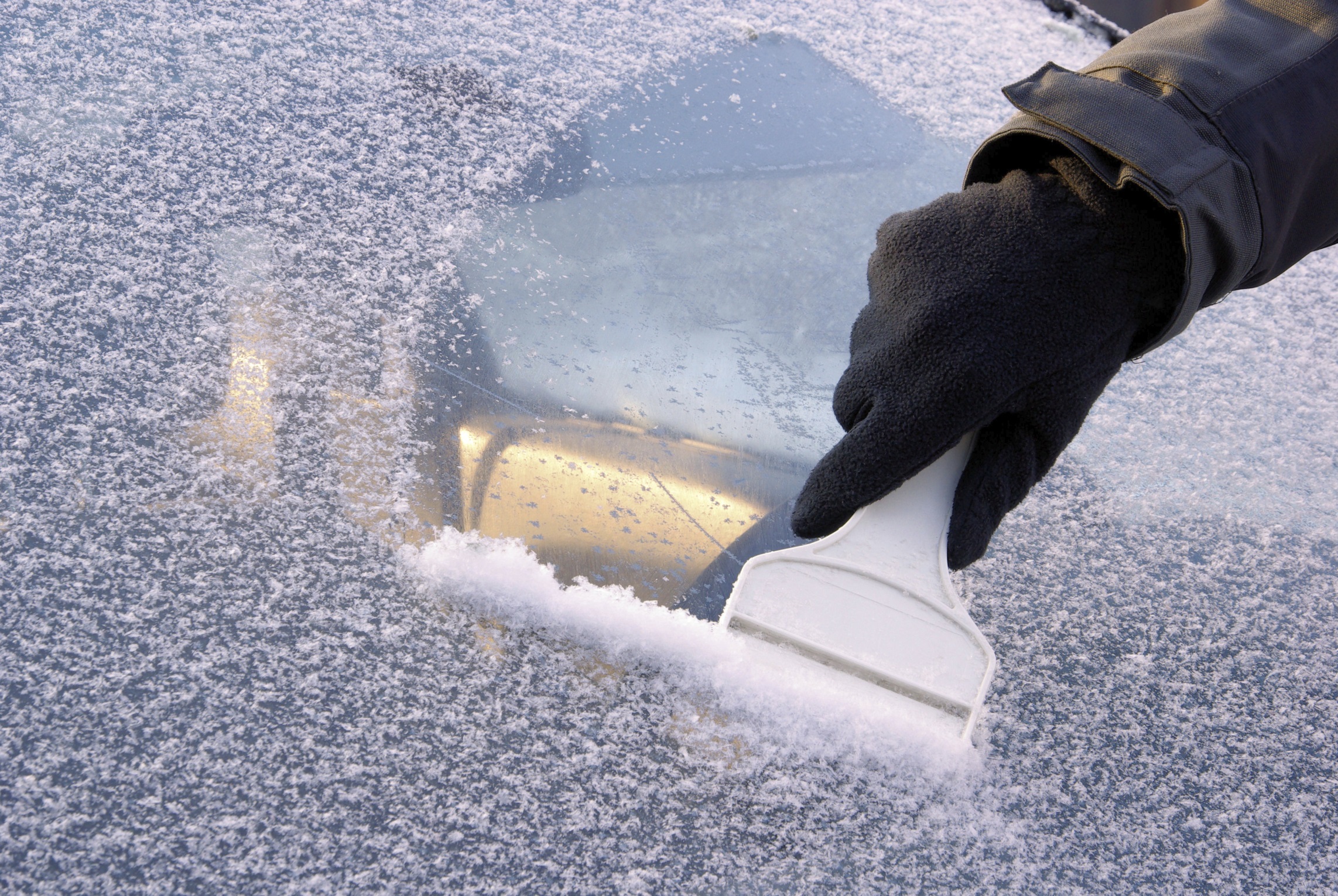
  • A windshield ice scraper
  • A multi-purpose utility tool, such as a pocket knife
  • An LED flashlight with spare batteries
  • And a bag of cat litter

Yes, you read that right.  Cat litter is a great, lightweight alternative to salt or sand that can be used to free your car from snow banks or icy patches.

A classic first-aid kit may be in your car already, but it’s worth a second look to ensure it still has a full supply.  Lastly, tucking a warm blanket in your trunk is also a good idea in case your car won’t start, or you have to wait for assistance in cold temperatures.

Take a look at which of these items you already have in your car, and consider adding the ones you don’t.  You will be happy you did if you ever come across a situation when you need them.  Leave a comment below with any items you would add to our list!

Read More
Accident Safety Infographic - large

5 Steps for Staying Safe – Social Distancing After an Auto Accident

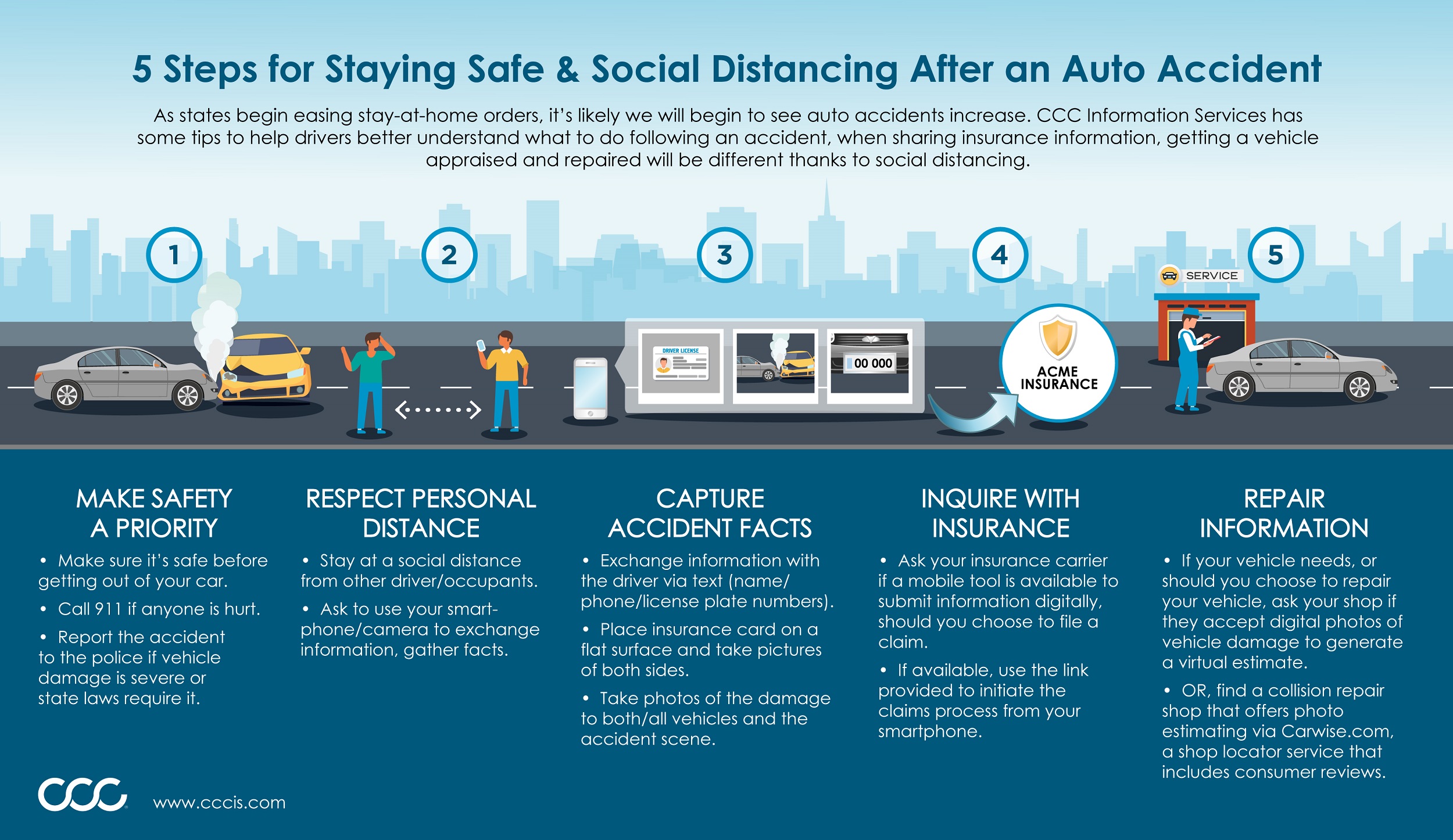
As some states begin easing stay-at-home orders, it’s likely that auto accidents may increase, yet COVID-19 cases are rising across the United States, which may also increase the risk for drivers to contract the virus after an accident occurs. Here are some tips to help drivers maintain social distancing measures following an accident during the pandemic as they share insurance information, get a vehicle appraised and repaired.

Make Safety a Priority

  • Make sure the roadway is safe before getting out of your car.
  • Call 911 if anyone is hurt.
  • Report the accident to the police if vehicle damage is severe or state law requires it.

Respect Personal Distance

  • Maintain a social distance of six feet from other drivers, occupants, and any first responders.
  • As an extra measure of precaution, consider wearing a mask when you interact with anyone at the scene of the accident.
  • Ask to use your smart-phone and camera to exchange information and gather facts.

Capture Accident Facts

  • Exchange information with the driver via text (name, phone, license plate numbers, as well as vehicle descriptions, including make, color, and model).
  • Place insurance card and driver’s license on a flat surface and take pictures of both sides, and share with the other driver(s).
  • Take photos of the damage to all vehicles involved and the accident scene.

Inquire with Insurance

When you contact your insurance carrier to inform them of the accident, ask if they have a mobile tool available to submit information digitally, should you choose to file a claim. If available, use the link provided to initiate the claims process from your smartphone.

Repair Information

If your vehicle requires, or should you choose to repair your vehicle, ask your shop if they accept digital photos of vehicle damage to generate a virtual estimate. You can also search for a collision repair shop that offers photo estimating via Carwise.com.

Accident Safety Infographic - Carwise.com
Click to enlarge

Read More

What Should I Do if My Car Catches on Fire?

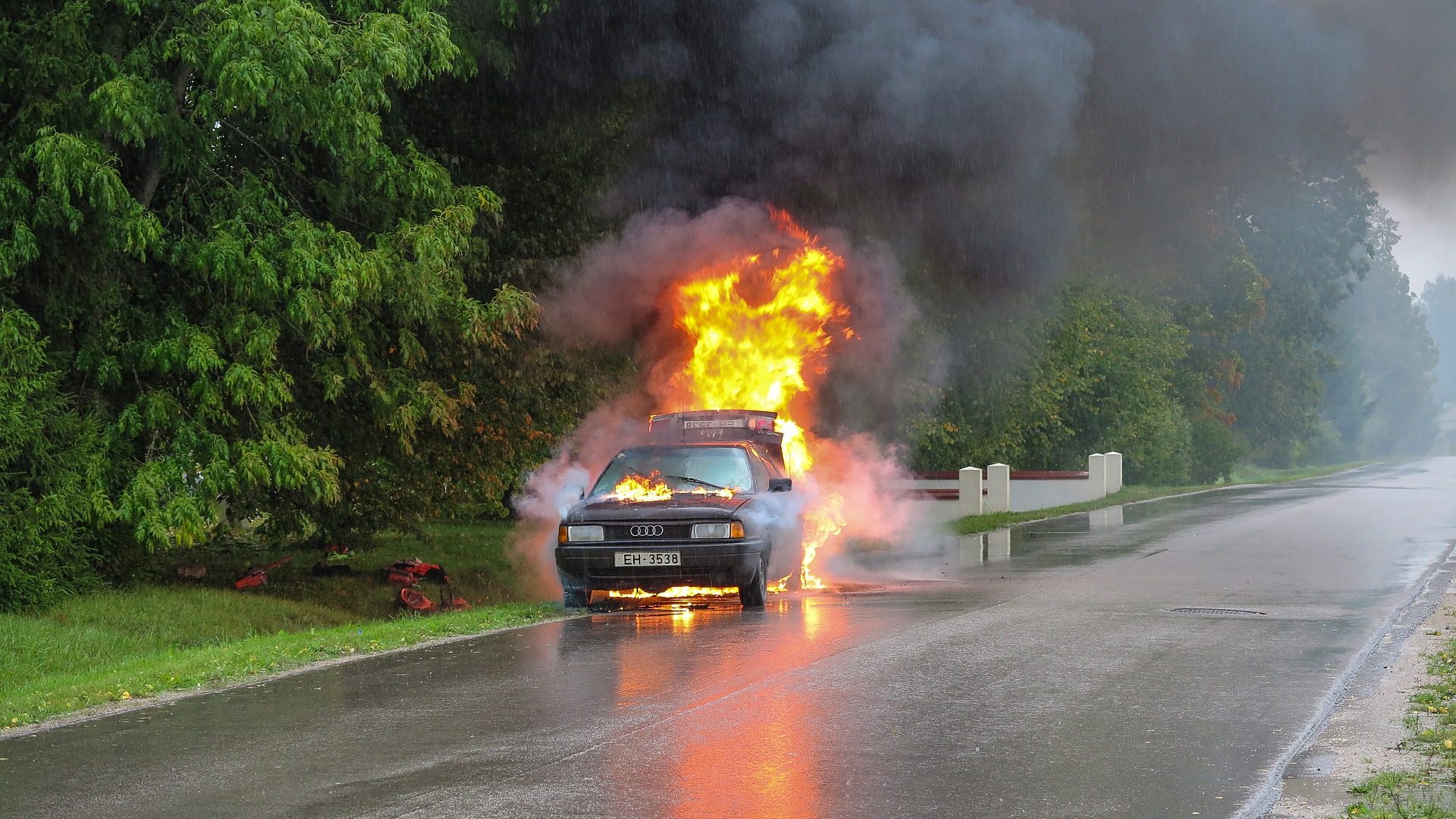
While driving down the highway one day you pass another vehicle on the roadside that’s totally engulfed in flames and heavy smoke. Thankfully, first responders are on the scene and it looks like the vehicle’s occupants got out safely. Accidental car fires are usually caused by fuel leaks, faulty electrical wiring or design defects- although there are other causes. Sometimes, vehicle fires are set intentionally to hide crimes. Have you ever thought about what you would do if your car caught on fire while you were in it? Auto safety experts strongly advise taking these steps. 

Car Fire Statistics 

According to a report from the U.S. Fire Administration (USFA) (1), roughly one-in-eight fires responded to each year by fire departments across the country are vehicle-related. That’s approximately 240,000 fires annually. Here are some other USFA statistics about highway car fires:

  • Over 80% of car fires occur in passenger vehicles.
  • Roughly 60% of all fatal vehicle fires result from collisions.
  • Unintentional actions due to mechanical failure are the leading cause of highway fires.
  • Electrical wire insulation and flammable liquids in the engine compartment are the most common items that initially ignite.
  • Over 60% of all vehicle fires and nearly 40% of fatal highway fires start in the running gear (wheels, suspension, powertrain, steering), engine or wheel area of the vehicle. 

Is Your Vehicle a Fire Risk?

Although thousands of vehicle fires are caused by collisions, there are several potential warning signs that also turn your car into a fire risk even when it’s not involved in a crash, like: 

  • Fuses that blow constantly
  • Cracked or loose wiring, or wiring with exposed metal
  • Broken or loose hoses
  • Very loud sounds coming from the exhaust system
  • Rapid fluctuations in the oil level, fuel level or engine temperature
  • Oil or other fluid leaks under the vehicle 

Many car fires start in the engine area, but they can also break out under the vehicle, in your dashboard, near wheels and brakes, or even inside the car (like from a dropped cigarette).  

What to Do During a Vehicle Fire

If you smell smoke or see flames coming from your vehicle while you’re driving it, try to remain calm and then follow these additional safety Dos and Don’ts:

  • If you’re moving in traffic, do use your turn signal and immediately pull off to the nearest safe area and then come to a stop, whether it’s a median, parking lot or shoulder. 
  • Once you’ve come to a complete stop, do turn off the ignition.
  • Starting with yourself, do get everyone out of the vehicle and far away from the flames and toxic fumes. Don’t allow curious bystanders to approach your burning vehicle. 
  • Once everyone is at least 100 feet from your car, do promptly call 911 and wait for the fire department to arrive. 
  • Don’t try to put out the fire yourself, even if you have an onboard fire extinguisher. 
  • Don’t open the hood, trunk or doors unless it’s a life-threatening situation, as that may increase the fire’s air supply and cause it to accelerate. 
  • Don’t let passengers try to retrieve personal items from the burning vehicle. 

Car fires can burn very intensely because of the lighter plastics and fiberglass materials that many newer vehicles are made of. Batteries can also be especially dangerous, and electric or hybrid vehicles can be even more challenging for fire fighters who are extinguishing the blaze.   

These Body Shops Do Expert Fire & Collision Repairs 

When your car’s been damaged by a fire, it may be repairable. Even minor fender benders can jar electrical wiring loose that could start a fire later. For all these reasons, it’s good to know that you can promptly locate a nearby auto body or glass repair shop through the nationwide Carwise referral network. Bring your car in and let the I-CAR and ASE-certified professionals have-a-look to ensure your safety and peace of mind.  

Search your zip code now for a customer-reviewed auto body or glass repair shop nearby: www.carwise.com

Reference:

  1. U.S. Fire Administration Report: Highway Vehicle Fires (2014-2016); July 2018
Read More