How Can I Avoid a Road Rage Collision?

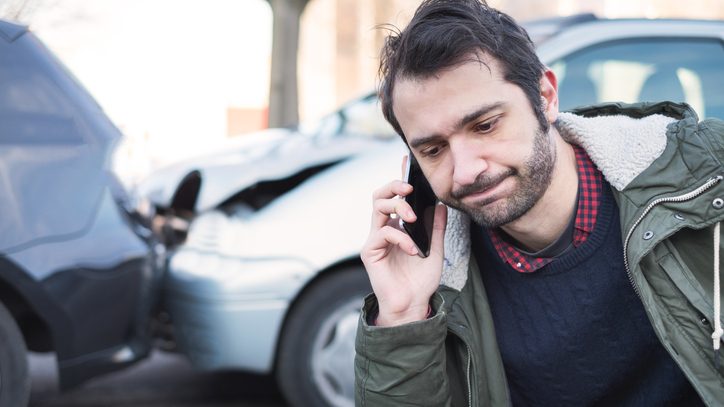
While driving home from work one day, another vehicle cuts you off. Not being in the best of moods, you decide to retaliate by tailgating and laying on your horn. But is operating a vehicle when you’re angry a good idea? Although it might make you feel better temporarily, angry and aggressive driving, or “road rage”, happens way too often on American roads. In fact, according to one study (1), nearly 80% of all U.S. drivers experience road rage every year. Thankfully, avoiding a road rage collision is possible when you use these tips from the pros. 

Why is Road Rage So Dangerous?

The National Highway Traffic Safety Administration (NHTSA) defines overly aggressive driving (i.e. “road rage”) as that which occurs when “an individual commits a combination of moving traffic offenses so as to endanger other persons or property; or assault with a motor vehicle or other dangerous weapon by the operator or passenger of one motor vehicle upon the operator or passengers of another motor vehicle”.

Based on statistics compiled by the NHTSA’s Fatal Accident Report System (FARS), road rage is a contributing factor in over half of all fatal traffic accidents in the United States (2). Driving safety experts also point out that road rage can cause distracted driving, and that alcohol and drugs are oftentimes associated with road rage-related crashes.    

Examples of Road Rage

When one driver gets angry and tries to retaliate against the occupants of another vehicle, they oftentimes use these road rage-fueled driving maneuvers:

  • Yelling and using angry hand gestures
  • Tailgating
  • Speeding
  • Swerving in front of another driver
  • Intentionally bumping or ramming another vehicle
  • Exiting their vehicle to confront another driver
  • Honking excessively
  • Slamming on their brakes
  • Blocking another vehicle from changing lanes

For starters, if you don’t want to be involved in a road rage accident, don’t engage in any of these driving behaviors- including “flipping off” another driver because they cut you off! 

Road Rage Accident Prevention

Although you can’t control other drivers, there are some preventative measures you can take behind the wheel to reduce the likelihood of being involved in a road rage incident:

Don’t make assumptions

If the car in front of you is moving slowly, the driver might be lost, or they could be experiencing mechanical problems.

Don’t rush

Allow yourself plenty of time to get to work or school, and check the traffic reports before leaving home.

Don’t tailgate

Follow the “one second rule” at-all-times to maintain a safe distance from the vehicle in front of you.

Don’t drive angry

If another driver angers you, pull over until you’ve calmed down.

Don’t lay on the horn

Use your horn briefly to warn another driver that you’re there without sending the message that you’re angry.   

Don’t use offensive hand gestures

It’s okay to thank a thoughtful driver with a friendly wave, but otherwise avoid using offensive hand gestures that could incite a road rage incident.

Don’t confront other drivers

If you exit your vehicle to confront the driver behind you, you could be placing yourself, and your passengers, at serious risk for bodily harm.

Don’t retaliate

Ignore the temptation to retaliate against a careless driver, as it could cause an already volatile situation to escalate. Instead, avoid eye contact and back off the accelerator. And, that means no “brake-checking” when a vehicle’s following too closely!

Don’t panic

If it seems like an agitated driver is following you, keep your doors locked and proceed to the nearest police station. Or, dial 911 and request assistance.

Reliable Road Rage Collision Repairs Found Here

Even when taking these driving precautions, you can still be involved in a road rage crash. When an accident damages your ride, promptly take it to an auto body or glass repair shop featured in the nationwide Carwise referral network. Once there, I-CAR and ASE-certified technicians using the latest equipment, techniques and services will promptly and reliably restore your vehicle like new again.

Search your zip code now for a customer-reviewed auto body or glass repair shop nearby: www.carwise.com

References:

  1. Publication from the AAA Foundation for Traffic Safety: Prevalence of Self-Reported Aggressive Driving Behavior: United States, 2014
  2. Article from the Insurance Information Institute: Fact + Statistics: Aggressive Driving
Read More

How Can I Keep My Car from Getting Stolen?

It’s a lousy feeling to wake up one morning and discover that your car’s missing. According to recent figures from the FBI’s Uniform Crime Reporting data base (1), every year over 770,000 vehicles are stolen in the U.S. Combined losses from those motor vehicle thefts cost consumers and insurance companies over $6 billion, or roughly $7,700 per crime. Fortunately, there are several reliable ways to keep your vehicle from becoming a statistic, starting with these.

Car Theft Tactics

As OEM security systems on newer vehicles have improved, the sophisticated tactics of wily car thieves have also gotten better. But the strategies of most criminals still rely on a pair of age-old approaches. The first strategy takes advantage of an immediate opportunity, and the second, or “planned heist”, involves careful planning and preparation while waiting for the right moment to strike. 

Car thieves usually use the first tactic if, and only if, there’s virtually no chance they’ll get caught. The second strategy is more common, less risky and usually very well thought out. Like most criminals, car thieves tend to take the path of least resistance.      

How to Discourage Car Thieves

Although no theft-deterrent is 100% foolproof, using these proven methods can help discourage curious car thieves:

Turn Off Your Engine

Have you ever left your car running while inside the local convenience store or letting it warm up on the driveway? Unoccupied running vehicles play right into the hands of thieves looking for an easy opportunity as they wait in the shadows for you to make this common mistake.

Windows Up and Doors Locked

Especially while stuck in stop-and-go traffic, always keep your windows rolled up tight and doors locked to keep car jackers out. It’s also wise to do so anytime you park your car- even right outside your home. If a thief is working their way through a parking lot or neighborhood and your vehicle is locked up tight, they’ll probably move on.

Choose Parking Spots Wisely

Most criminals prefer operating in the shadows, so when parking your vehicle avoid dimly lit, isolated areas. This will not only deter most thieves, it will also allow any lot security camera footage or witnesses to ID the perpetrator(s) more easily if your car is targeted.

Don’t Leave Valuables Inside

Not only will leaving valuables in plain sight attract car thieves, they’ll also get the attention of “smash-and-grab” burglars. And, if a car thief sees your purse or wallet lying on the front seat, they may just decide to steal the whole car to make it worth their while.   

Hide All Personal Documents

Most drivers carry a copy of their car registration, proof of insurance and driver’s license inside their vehicles. If a police officer pulls over a thief who’s taken your car, they may let them go if shown your insurance and registration cards. Keep them locked up inside the glovebox, or, better yet, carry them with you at-all-times.

Scan Your Surroundings

Situational awareness is an invaluable tool, so constantly scan your surroundings for signs of suspicious activity. Doing so will heighten your senses and help you remember which car theft precautions you should take, especially when in an unfamiliar area.

Install an Alarm

If you live in a high-crime area or own a frequently targeted car make and model, invest in a top-quality alarm system. This added layer of security will probably deter the average criminal, and many security systems today can be paired with mobile device apps that will promptly notify you if your car’s being tampered with. You can also place a cruciform lock on your vehicle’s steering wheel when it’s parked.

Reliable Auto Body & Glass Repairs Found Here

When your vehicle’s been damaged by a car thief or collision, you can promptly locate a reliable auto body or glass repair shop nearby by using the nationwide Carwise referral network. All shops listed on Carwise are I-CAR and ASE-certified, which means they have the driver-trusted technicians, equipment and services you need to restore your ride, and peace-of-mind, like new again.

Search your zip code now for a customer-reviewed auto body or glass repair shop nearby: www.carwise.com

Reference:

  1. FBI report: 2017 Crime in the United States- Motor Vehicle Theft; https://ucr.fbi.gov/crime-in-the-u.s/2017/crime-in-the-u.s.-2017/topic-pages/motor-vehicle-theft
Read More

How Can You Drive More Safely in Work Zones?


No matter where you drive this summer, you’ll probably encounter road construction. Bridge and road work zones can be very dangerous, especially at night or when there’s traffic congestion. According to the Federal Highway Administration (1), in an average year, work zone accidents in the U.S. result in approximately 40,000 injuries and 900 deaths. Regrettably, many of those crashes are preventable because they’re caused by careless or impatient drivers. But navigating more safely through road construction sites is possible by using these tips.   

Work Zone Accident Facts 

Every year, the U.S. Department of Transportation’s Federal Highway Administration (www.fhwa.dot.gov) compiles data on work zone-related traffic accidents. Based on their findings, here are some sobering facts that you should know before hitting the road:  

  • Fatal work zone crashes occur more frequently in the summer and fall.
  • Most fatal work zone crashes take place on roadways with speed limits in excess of 50 mph.
  • Drivers are the ones most oftentimes killed in work zone-related crashes. 
  • Most work zone injuries and deaths occur to working-age adult drivers. 
  • Rear-end collisions are the most common type of work zone crash, and most of those occur when drivers are tailgating or pull suddenly in front of another vehicle.  
  • Many accidents are caused by drivers who disregard posted warning signs and speed limits, and/or because they’re impaired or distracted. 

Anyone who drives knows how frustrating and stressful road construction zones can be, especially when heading home after work. But the key to arriving at your destination unscathed is to separate those negative feelings from your driving habits.  

Driving Safer in Work Zones 

When operating a vehicle in road construction zones, careless actions not only endanger yourself but also the workers and drivers around you. With that in mind, use these safe driving tips: 

  • Slow down. Over a third of fatal work zone accidents involve speeding, so stay safer by paying attention to posted speed limits. 
  • Obey road crew flaggers and roadside signs. Flaggers and road signs are there for a reason. Traffic will flow more smoothly and safely when you obey them.
  • Merge into the proper lane. Pay attention to designated traffic patterns and merge into the proper lane well in advance of the zone itself. And, never attempt to pass stopped traffic on the shoulder or squeeze in at the last possible moment.  
  • Maintain a safe following distance. Rear-end work zone collisions are common, including fatal ones. To avoid them, always maintain a safe following distance between you and other vehicles, including construction trucks. A good rule-of-thumb is one car length for every 10 mph. 
  • Keep your head “on a swivel”. When entering a road construction site, always stay alert for the unexpected. Traffic could come to a halt without warning, or workers and equipment pop out from nowhere. Be aware and be prepared. 
  • Stay off your phone. When at a standstill, some drivers immediately reach for their cellphones to text or check messages. Don’t, as being distracted for one second could cost someone their life, including you. 
  • Keep up with traffic flow. Avoid slowing down to watch workers, as that could result in your vehicle getting rear-ended. Also, don’t tailgate because the driver in front of you may have to suddenly apply their brakes. 
  • Plan-ahead. Check-in advance to see if there are any scheduled road repairs along your intended route, and choose an alternative route whenever possible. If that’s not feasible, allow yourself plenty of extra time. 
  • Practice patience. While roadwork can be frustrating, always remember that the crews are out there to improve the roadways and make your future commutes as safe and smooth as possible! 

Promptly Find Reliable Work Zone Collision Repairs Here

No matter how careful you are while driving through road construction sites, accidents happen. When your ride gets damaged, promptly locate a customer-reviewed auto body or glass repair shop featured in the nationwide Carwise referral network. All shops found on Carwise have the I-CAR and ASE-certified technicians, services and equipment to restore your vehicle like new again promptly and reliably. 

Search your zip code now for a customer-reviewed auto body or glass repair shop nearby: www.carwise.com

References:

  1. Report from the Federal Highway Administration: Work Zone Safety: Everybody’s Responsibility; https://safety.fhwa.dot.gov/wz/resources/fhwasa03012/ 
Read More

How Can Drivers Avoid Rear-End Collisions?

If you drive, at some point you’ll probably be involved in a rear-end collision. According to a recent study from the National Transportation Safety Board (NTSB) (1), nearly half of all two-vehicle crashes in the U.S. every year are of the rear-end variety. And, those accidents cause thousands of injuries, hundreds of deaths, and billions of dollars annually in collision-related losses. Sadly, most rear-end motor vehicle accidents are avoidable if drivers would simply use the following safe driving tips.   

Keep Your Distance

Whether you’re driving on a city street, highway, rural road, or through a work zone, the first step in preventing a rear-end collision is keeping a safe distance between you and the car in front of you. That will give you enough time to react and brake your vehicle safely if the other driver suddenly stops or swerves.  

While driving in normal road conditions, use this “3-second rule”:

  1. Pick out a stationary object near the road, like a tree, sign or overpass.
  • As soon as the rear end of the vehicle you’re following passes that object, start counting: one thousand one, one thousand two, one thousand three.
  • If you pass the object before you finish “one thousand three”, you’re following too close.   

Driving in more dangerous situations means adjusting your following distance to at least 4 seconds. Here are times when that becomes necessary: 

  • Slippery roads. Rain, ice, snow or even fallen leaves can cause slick pavement.
  • Poor visibility. In addition to falling precipitation, you could also have trouble seeing because of fog, flying dust or the sun’s glare. 
  • Following a large vehicle. If you’re behind a big semi with an oversized load, hang back further to stay out of their blind spots and to give yourself room to see.
  • Behind a motorcycle. A motorcycle can stop much faster than you can, so allow plenty of room when you’re behind one.
  • Following vehicles that stop frequently. School buses, garbage trucks and postal vehicles stop frequently. Some also stop at all railroad crossings, so always give yourself a following cushion of 4 or more seconds.

 Expect the Unexpected

Stay alert for unexpected road hazards, like debris, stalled cars or large potholes so that you will have time to evade them without slamming on your brakes or veering suddenly into another lane. Other ways to prepare for the unexpected include:

  • Stay out of other drivers’ blind spots, as they may not see you when switching lanes.
  • Check your mirrors frequently while driving, notably before turning, while merging or changing lanes.
  • When you come to a stop at a traffic signal, leave enough space between your car and the vehicle in front of you just in case you need to pull to the side of the road or change lanes quickly- like when an emergency vehicle is approaching from behind.

Drive Predictably

Don’t leave other drivers guessing when you’re turning, stopping or changing lanes. Instead, drive more “predictably” by:

  • Not slamming on your brakes, but rather slowing down gradually when approaching a stop sign, red light, or preparing to turn.
  • Making sure that your brake lights and headlights are in good working order.
  • Activating your turn signal well before your intended turn to alert the driver behind you.
  • Not squeezing in front of another driver when changing lanes, but instead always give them ample notice by signaling.

Other Driving Tips

Here are some additional ways to help prevent rear-end collisions:

  • Follow the posted speed limits, especially in school and work zones.
  • Buy a vehicle with rear-end crash avoidance safety technologies.
  • Avoid distracted driving, like texting or talking on your phone.  
  • Never drive while under the influence of alcohol or drugs, as those slow down your reaction time.

Getting Your Car Repaired After It’s Been Rear-Ended

Even when using these rear-end crash prevention tips, accidents happen. When your ride’s been rear-ended, promptly take it to one of the auto body or glass repair shops featured in the nationwide Carwise referral network. All shops listed through Carwise are I-CAR and ASE-certified, and have the technicians, equipment and services to restore your ride like new again promptly and reliably.

Search your zip code now for a customer-reviewed auto body or glass repair shop nearby: www.carwise.com

Reference:

  1. Special investigation report from the National Traffic Safety Board; 2015: The Use of Forward Collision Avoidance Systems to Prevent and Mitigate Rear-End Crashes.
Read More
Carwise Shop Finder auto body shop owners

What Should I Do Right After a Hit-and-Run Accident?

While stopped at a traffic light one day your car gets rear-ended by another vehicle. After the initial shock wears off, you get out to inspect the damage and check on the other driver. Much to your surprise, they take off and speed away from the accident scene. Looking down at your car’s crumpled bumper, a queasy feeling forms in the pit of your stomach. Who’s going to pay for the repairs? Being victimized by a hit-and-run driver is a helpless feeling, but knowing what to do immediately afterwards will help make the entire process go more smoothly.

Why Hit-and-Run Drivers Flee  

A hit-and-run accident is when a driver hits a pedestrian, another motorist or bicyclist and then leaves the scene without presenting identification or offering their assistance. Hit-and-run drivers usually flee the accident scene for these reasons:

  • Under the influence of alcohol and/or drugs
  • Not having a valid driver’s license, or driving on a suspended license
  • The vehicle is transporting illegal goods, including drugs
  • They don’t have auto insurance
  • The vehicle is stolen, or they used it without permission
  • The driver has an outstanding arrest warrant
  • They’re driving an employer-owned vehicle and want to hide the fact it was involved in a crash

No matter the reason, a driver who flees the scene of an accident in any state faces harsh consequences if caught.

Fleeing Drivers Face Stiff Penalties

Leaving an accident scene prematurely, regardless of who’s at fault, may result in one or more of these penalties:

  • Criminal charges
  • Fines
  • Jail time
  • Driver’s license revocation

In addition to these actions, the victim(s) can also sue the negligent driver for damages. Several states now consider it hit-and-run when you merely clip an unoccupied car in a parking lot and don’t leave a note. And in some states, it’s even illegal to hit an animal without stopping and reporting it. So, when your initial reaction is to leave the scene of an accident prematurely, don’t!

Take these Steps After an Accident  

Always try to remain calm and collected right after you’re involved in a collision, even when

the other driver decides to take off. First, check to make sure that you and your passenger(s)

are okay. If not, call 911 for immediate medical assistance.

If possible, also request that a police officer be dispatched so they can investigate the scene and issue an accident report. Whether or not a hit-and-run driver is involved, always remember to take these steps after an accident:

  • Try to make out the make, model and license plate number of the other vehicle.
  • Do not attempt to follow them, but instead remain at the scene until help arrives.
  • If you or anyone else remaining at the scene are seriously injured, promptly call 911 to seek medical attention.
  • Look for any witnesses who can provide more details to the police.
  • Contact the local police department to report the incident, including what you know about the other driver, vehicle and any potential witnesses.
  • Call your insurance company and report the accident. They will walk you through how to get your injuries treated and car repaired.

Will My Insurance Cover the Damages?

Unfortunately, many hit-and-run drivers are never caught. However, your car repairs should be paid for if you have collision coverage in your policy, although you may have to pay a deductible. Another option starts with the fact that in most states a driver that flees the accident scene is classified as an “uninsured” motorist. As a result, if you have uninsured motorist (UM) coverage your repair costs, minus the deductible, should be picked up by your insurer. To better protect yourself beforehand, include both collision and UM coverage in your policy.

Your Collision Repair Solution for Hit-and-Run Drivers

Having your car damaged by a hit-and-run driver is stressful, but promptly locating a good collision repair shop featured in the nationwide Carwise referral network will help put your mind at ease. All auto body and glass repair shops listed through Carwise are I-CAR and ASE-certified, which means they have the technicians, equipment and services necessary to get your ride looking and performing like new again.

Search your zip code now for a customer-reviewed auto body or glass repair shop nearby: www.carwise.com.

Read More
driving while flooded

How Can I Drive Safely on Flooded Roads?

Many areas of the U.S., especially in the Midwest, have received torrential amounts of rainfall this year that has led to widespread flooding. As a result, water-covered roadways have entrapped many careless drivers who disregarded local flood warnings, causing countless injuries and even some fatalities. Because many people in flood-impacted areas still need to work and reach their homes, driving through floodwaters is sometimes unavoidable. If this describes you, use these safety tips for driving on flooded roads from the experts.   

Why are Flood Waters Dangerous?   

According to FEMA (www.fema.gov), most flood-related deaths happen when people try to drive through rising waters rather than around them. Rushing water crossing a roadway can generate a tremendous amount of force, while even standing water poses a threat to larger vehicles and their occupants. Based on pavement water levels, here are some potential driving hazards floodwaters create: 

  • Six inches. This will cause a vehicle’s tires to lose traction and slide out of control.
  • Twelve inches. Most passenger cars will start floating in a foot of water. Once that happens, you can’t steer or brake. Moving floodwaters can then quickly carry you downstream or into an obstacle. 
  • Two feet. These floodwaters are risky for even the largest vehicles, like pickup trucks and SUVs, as they produce enough force to wash them away. 
  • Over two feet. In addition to the risk for getting swept away, if you attempt to navigate two feet or more of water your vehicle may experience what’s called “hydrolocking”. Hydrolock occurs when water enters your motor’s combustion chamber and prevents it from running. Once the engine stalls out, you’ll be hopelessly stranded. 

Even minimal amounts of standing water on the pavement can induce dangerous hydroplaning, causing you to hit a passing vehicle or stationary object. 

Staying Safe on Flooded Roads 

Now that you’ve seen the potential dangers of driving on flooded roads, here are some safety tips:

Obey Barricades 

There’s an old saying for those who live and drive in flood zones: “Turn around, don’t drown.” In other words, if there’s a DOT barricade set up, don’t ignore it. Instead, turn around and take an alternate route.

Avoid Standing Water 

As was mentioned earlier, even small amounts of standing water can cause hazardous road conditions. Avoid driving through standing water unless you know how deep it is, and what lies beneath. And, that also includes parking lots. 

If You Have No Other Choice 

There may be situations, for example, if you’re a first responder, where you have no choice but to pass through floodwaters. If no other alternate route is available, take these precautions: 

  • Try to estimate the depth of the water. For example, observe passing cars and how far up the water comes on their wheels. 
  • Drive slowly and methodically through the water.
  • Be aware of any downed power lines that have contacted the water because electric current can easily pass through water and into your metal-encased vehicle. 
  • Watch for large items, like logs, that are moving downstream, as those can trap or crush your vehicle and its occupants. 
  • Stay off your phone unless it’s an emergency. Floods are no time for distracted driving!
  • Once you emerge from water that’s at least at tire-rim level, dry your brake pads off at a low speed by gently braking while on a clear patch of road. 
  • If your vehicle stalls out in deeper water, try restarting it. Keep in mind that by doing so before the engine is dried out it could seriously damage it. 
  • If your vehicle won’t restart while you’re trapped in water, immediately abandon it and seek higher ground, like a nearby tree. Roll down the window or open the door to escape the vehicle, and call 911 or flag down a passing vehicle for help. 

Promptly Find Flood-Related Auto Body Repairs Here 

Not only are flood waters dangerous, they can also damage your vehicle’s interior and exterior. When you need some flood-related repairs, promptly locate a good auto body or glass repair shop through the nationwide Carwise referral network. Collision repair shops listed on Carwise have the I-CAR and ASE-certified technicians, services and know-how to restore your ride like new again promptly and reliably. 

Search your zip code now for a customer-reviewed auto body or glass repair shop nearby: www.carwise.com.

Read More

Which 2019 Vehicles are the Safest to Drive?

If you’re currently shopping for a brand-new vehicle, in addition to appearance, fuel efficiency, performance and price, safety probably ranks high on your priority list. Crash protection, especially when you’re transporting children, is certainly important. But even with all the new safety features available on 2019 models, finding the safest vehicle for your family can be challenging. Thanks to the ongoing research efforts of the Insurance Institute for Highway Safety (IIHS), finding a safer vehicle is now easier than ever before.  

What is the IIHS?  

The IIHS (www.iihs.org) was founded in 1959 as an independent, non-profit organization  dedicated to reducing losses related to motor vehicle crashes including injuries, property damage and deaths. To support those efforts, the IIHS started the Highway Loss Data Institute (HLDI), and both organizations are now wholly supported through funding supplied by members of the auto insurance industry.

After initially focusing on crash prevention, the IIHS then expanded its scope to reducing crash-related losses and improving vehicle safety by using a modern, scientific approach to:

  • Study human factors that cause accidents
  • Explore new crash avoidance technologies and crashworthiness improvements
  • Find ways to make the physical driving environment safer

Thanks in part to IIHS’ continuing efforts, the number of traffic-related fatalities in the U.S. has dropped since 1979.

How Does the IIHS Test Vehicles?    

Three years after its state-of-the-art Vehicle Research Center (VRC) opened in 1992, the IIHS/HLDI began publishing their annual Top Safety Pick ratings. Yearly, the IIHS conducts numerous safety tests on 130 to 160 of the best-selling vehicles in the U.S. Each of those vehicle models are then put through 80 to 100 rigorous crash tests at the VRC. Based on those test results, the IIHS/HLDI then assigns an overall vehicle safety rating that’s determined by how a given vehicle performs within each crash category.

For example, a “good” rating for “front overlap protection” lowers an occupant’s odds of being killed in a crash by 40% compared to a “poor” rating. A “good” rating in the “side-crash protection” category reduces the fatality risk by roughly 70%. When finished, only the safest vehicles are awarded a “Top Safety Pick” or “Top Safety Pick Plus” rating.

2019 “Top Safety” Award Criteria

Criteria used by the IIHS/HLDI to determine the safest vehicles for model year 2019 were:

Top Safety Pick

  • Headlight rating of “acceptable” or “good”
  • “Acceptable” or “good” rating in the passenger-side small overlap front crash test
  • “Good” ratings in the driver-side small overlap front, passenger-side small overlap front, moderate overlap front, side, roof strength and head restraint crash tests
  • “Advanced”, “superior”, or “advanced superior” rating for front crash prevention

Top Safety Pick Plus

  • Headlight rating of “good”
  • “Good” ratings in the driver-side small overlap front, passenger-side small overlap front, moderate overlap front, side, roof strength and head restraint crash tests
  • “Advanced”, “superior”, or “advanced superior” rating for front crash prevention

According to the IIHS, heavier vehicles generally still afford more crash protection than do smaller, lighter vehicles. In other words, a smaller car that qualifies for a “Top Safety” award may not necessarily protect its occupants better than a large pickup or SUV that didn’t make their list.

Safest Vehicles for 2019

Based on receiving an overall Top Safety Plus designation, here are the safest vehicles to drive for the 2019 model year (1):

  • Small Cars: Honda Insight, Hyundai Elantra, Kia Forte, Kia Niro Hybrid
  • Midsize Cars: Hyundai Sonata, Kia Optima, Subaru Legacy, Subaru Outback, Toyota Camry, BMW 3 Series, Lexus ES 350, Mercedes-Benz C-Class
  • Large Cars: Kia Stinger, Toyota Avalon, Audi A6, BMW 5 Series, Genesis G70, G80 and G90, Lincoln Continental, Mercedes-Benz E-Class
  • Small SUVs: Hyundai Kona, Mazda CX-5, Subaru Forester, Volvo XC40
  • Midsized SUVs: Hyundai Santa Fe, Kia Sorento, Subaru Ascent, Acura RDX, BMW X3 and X5, Mercedes-Benz GLC and GLE Class

Note: No large SUVs, minivans or pickups received a Top Safety Plus rating.

Locate a Nearby Collision Repair Shop in Seconds  

Even the safest vehicles can still be involved in accidents. When your ride needs some collision repairs, take it to an auto body or glass repair shop featured in the nationwide Carwise referral network. ICAR and ASE-certified technicians there have the training, equipment and experience to restore your vehicle like new again promptly and reliably. Most shops in the Carwise network warranty their outcomes to put your mind at ease, and speak directly with insurance companies so you don’t have to.

Search your zip code now for a customer-reviewed auto body or glass repair shop nearby: www.carwise.com.

Read More
Carwise offers tips on how seniors can drive safely

Finding a Safe and Reliable Used Car for an Elderly Driver

Your elderly mother’s 10-year-old car has seen better days, and it’s going to take some costly repairs to keep it running. Mom’s reflexes aren’t what they used to be, and she has trouble checking her blind spots due to some chronic neck pain. As a result, you think replacing her vehicle with a safer and more reliable one might be wise. Where should you start? Helping an elderly driver find a safe and reliable car will go more smoothly when you use these tips from the pros.  

What Can She Afford?

First, you’ll need to sit down with mom to determine what she can afford. Newer vehicles have more safety features, but also come with heftier payments and insurance premiums. Unless mom has a large retirement nest egg, it’s probably best to find her a reliable used car with low mileage that’s under five years old.    

Safety Features

Many seniors have health issues that make driving more dangerous, like poor eyesight, slow reaction times, neck pain and trouble gripping the wheel because of arthritic hands. Vehicle safety advancements have come a long way in the past five years, so look for a car with some of these options:  

  • Back up camera. This helps when the driver’s range-of-movement is limited.
  • Automatic braking. The car will stop itself when it’s approaching an object too quickly.
  • Lane change warning. An audible warning sounds when the car drifts into another lane.
  • Brake locking system. The vehicle will brake automatically if the driver’s foot accidently comes off the pedal, like at a stop light.
  • All-around airbags. Newer cars come with front, side, knee and even rollover airbags to protect the occupants.
  • Field-of-vision. Can mom see easily all around the car when sitting behind the wheel? This makes a big difference when backing out of parking spaces or merging onto the highway. Does she feel comfortable while sitting in the driver’s seat, including distance from the steering wheel and seat height? Can she easily adjust the mirrors?
  • Collision protection. To find out how well a car withstands an impact, the National Highway Traffic Safety Administration (NHTSA; www.nhtsa.gov) maintains a crash test database for most vehicles.

Some vehicles have too many bells and whistles that could distract elderly drivers, like movie

screens and fancy navigation systems. Those are probably options your mom should avoid.

Reliability

Whether it’s looking at a car from a private seller, dealer or online, it’s natural to have some reservations about its reliability. To help you decide if it’s wise choice, use these steps:

  • Do an inspection. Walk around the car and check the tires, body for signs of collision repairs, and underneath for suspicious fluid stains on the pavement. Pop the hood and inspect the engine for signs of leaks and excessive wear-and-tear. If your initial inspection goes well, pay your mechanic to give it a “once-over” just to be sure.
  • Pull up the VHR. Many sellers provide free Carfax or AutoCheck vehicle history reports (VHR), but if they don’t you can purchase one for a small fee. The VHR will reveal if the car was involved in any serious accidents, if the title contains any salvage records, number of past owners, and even maintenance records if it was taken to the dealership.
  • Consult online sources. Consumer Reports and J.D. Power provide reliability data and average annual operating costs based on a vehicle’s make, model and year. You can also read online consumer reviews to learn what drivers of a specific car, or the mechanics that work on them, have to say.
  • Take it for a test drive. With you in the passenger seat, have mom take the car out for a test drive. Choose a route that offers a little bit of everything, like hills, curves, rough pavement and even a wide-open stretch of highway. Turn off the radio and listen for any strange sounds. Does it shift, ride and handle smoothly?  

Promptly Find a Good Body Shop Nearby Using Carwise  

No matter how safe and reliable an elderly driver’s car is, accidents still happen. When their car needs some collision repairs, use the nationwide Carwise referral network to help them promptly find an auto body shop nearby. I-CAR and ASE-certified technicians there will have the training, equipment and experience to restore their vehicle like-new again promptly and reliably. You can also conveniently track your vehicle’s repair status by downloading the Carwise app to a mobile device.

Search your zip code now for a customer-reviewed auto body or glass repair shop nearby: www.carwise.com.

Read More
Be prepared when driving in the rain.

10 Reasons Why Spring Driving Conditions are Dangerous

March’s arrival can only mean that the much-anticipated sights and sounds of spring are just around the corner. But springtime also ushers in seasonal driving challenges like wet pavement, motorcyclists, and foraging animals who’ve emerged from their winter shelters. Staying safer on the roads during the spring starts with a driver’s ability to identify the potential threats they’re up against. To help make your springtime commutes safer ones, here are 10 of the more common driving hazards to watch out for.

Active Animals

Many animals in colder climates dramatically reduce their activity, or even hibernate, during winter. When spring arrives, those animals start moving around again while mating and foraging for food. Animals crossing the road in front of your car can happen without warning, and many species, including deer, are more active at dusk and dawn when it’s harder to see.

Allergy Medications

Millions of spring drivers suffer from seasonal allergies that cause runny noses, itchy eyes and scratchy throats. To treat those symptoms, many rely on OTC allergy medications that induce drowsiness which then places them at risk behind the wheel. Before combining any allergy medication with driving, read the label or consult your pharmacist.

Bicyclists

Warmer weather attracts bicyclists, and that means sharing the road with them as a driver. When approaching or passing bicyclists who are using the shoulder, make sure to allow them plenty of room.

Driving too Fast

For some reason when the temperatures start to rise road speeds tend to also increase. Be extra careful to watch your speed, especially in school zones or other areas where pedestrians or bicyclists are present. When driving on wet pavement it’s always wise to slow down.  

Hailstorms

Spring hailstorms are common, and even small hailstones can shatter windshields when you’re traveling fast. Ice fragments left over from hailstorms can also quickly create hazardous driving conditions. Before hitting the road, always check your local weather report for hail warnings.

Rain

Heavy rainfall and spring are synonymous terms in many regions, and that means wet

pavement with slippery oil residue that can induce hydroplaning. According to the Federal Highway Administration (www.fhwa.dot.gov), nearly half of all weather-related accidents occur while it’s raining. To stay safer when driving in rain, make sure your tires have adequate tread, turn on your headlights, and reduce your speed.

Motorcyclists

Warmer weather also brings out motorcyclists that drivers need to watch out for. Always give motorcyclists a wide berth when you pass, and stay back from motorcycles at least one car length per 10 mph while operating your vehicle.   

Potholes

In areas that get a lot of snow, snowplow and road salt use combine to create potholes. Driving over deeper ones can cause serious damage to your tires, steering and suspension. Standing water can also shield potholes from drivers. As a result, slow down when approaching large puddles on the road, and avoid potholes and chunks of broken pavement whenever possible.

Underinflated Tires

Many drivers don’t check the air pressure in their tires like they should, especially during winter months when it’s cold. Hitting potholes can also cause your tires to lose air, and that’s why it’s important to check your tire pressure weekly. Underinflated tires can cause vehicle handling problems and speed up tire tread wear.   

Worn Wiper Blades  

Removing wintertime ice and snow from your windshield can quickly wear out wiper blades, especially if they’re cheaper ones. It’s always smart to replace worn wiper blades in the spring with a fresh set. With all the rain that spring brings, you’ll want to make certain that your wipers are up to the challenge!  

Promptly Find Reliable Spring Accident Collision Repairs Here   

Even when staying informed about spring driving hazards, accidents happen. When you’re involved in one, promptly take your vehicle to an auto body or glass repair shop featured in the nationwide Carwise referral network. ASE and I-CAR certified technicians there will have the training, equipment and know-how to restore your vehicle like-new again promptly and reliably. Most collision repair shops in the Carwise network deal directly with insurance companies, so you don’t have to, and warranty their work to put your mind at ease.

Search your zip code now for a customer-reviewed auto body or glass repair shop nearby: www.carwise.com.

Read More

5 Safe Driving Tips for Older Drivers  

Don’t look now, but the person behind the wheel of that shiny new sports car next to you might be somebody’s grandparent, or even great grandparent. Millions of Baby Boomers are reaching retirement age every year, resulting in more senior drivers using our roadways. In fact, a 2013 joint study(1) by the University of Florida and AAA estimated that by 2020 the U.S. will have over 40 million licensed drivers aged 65-and-over. On the flip side, senior drivers present unique safety challenges brought on by the aging process itself. If you’re an older driver, or know one, here are some reliable ways to stay safer on the roads.  

Challenges Older Drivers Face

Many older drivers have medical conditions that can affect their senses and reaction times, including these:

  • Cognitive impairment caused by a stroke or dementia
  • Movement-related problems due to arthritis, hip and joint replacements
  • Vision problems from cataracts, age-related macular degeneration and glaucoma

According to the AAA/University of Florida study, older persons also face a higher risk of being injured, or even killed, in auto accidents because their fragile bodies are more susceptible to injury. Certain prescription and OTC medications can also impair drivers, so it’s important for a senior to consult with their doctor before hitting the road. Because of these physical limitations many older drivers choose to limit their driving hours, or avoid driving after dark altogether.

Driving Tips for Seniors

Here are 5 ways that seniors can help improve their odds of not being involved in an accident:

Get Regular Hearing and Vision Tests

Hearing and vision loss tend to occur as we age, so for seniors it’s wise to have a doctor test those key senses every year. Impaired hearing could cause an older driver to pull out in front of a train or emergency vehicle, while compromised vision can interfere with their ability to see oncoming vehicles, pedestrians and traffic signs. An audiologist may recommend hearing aids if a hearing deficiency is found, while an eye doctor might suggest limiting driving to daylight hours, or prescribe corrective lenses, when a senior’s vision is not what it used to be.

Stay Physically Fit

Regular exercise helps improve strength and flexibility, both of which come in handy while driving. Staying physically fit makes it easier for a senior to turn the steering wheel, look over their shoulder, and to carry out other movements while driving and parking. Walking, water aerobics, Yoga and Tai Chi are healthy low-impact exercises for older people to engage in, with the added benefit they could help avoid accidents later.

Know Your Limitations

Seniors should listen to their bodies when it comes to driving limitations. For example, if their hands hurt while gripping the wheel due to arthritis, using a steering wheel cover will make holding and turning it more comfortable. And, a vehicle with a larger and easier-to-read dashboard display might be safer for someone with a visual impairment. Most newer cars now come with safety advancements like lane change and blind spot sensors that alert older drivers when dangers are present.

Consider Driver and Road Conditions

When there’s snow, ice or poor visibility, it’s probably best for seniors to stay off the road. Bad night vision means avoid driving after dark. Driving when one is tired or upset is never good, and when it comes to “conditions”, drivers of all ages should never get behind the wheel while under the influence of mind-altering substances like alcohol and some medications.

Keep Your Driving Skills Sharp

Just because someone has held a driver’s license for 50 years doesn’t mean they’re still capable. It’s not a bad idea for drivers over 65 to take a driving refresher course periodically to keep their skills sharp, and doing so could also possibly earn them a car insurance discount. If you’re the family member of a senior who’s driving has got you worried it might be time for them to turn over their car keys and start using public transportation or a ride-sharing service instead.

Nearby Collision Repairs for Drivers of All Ages    

Even when using these safe driving tips, drivers of all ages can still be involved in accidents. When one happens to you, take your vehicle to a collision repair shop nearby featured in the nationwide Carwise referral network. Once there, ASE and I-CAR certified technicians will restore your vehicle like-new again promptly and reliably. Most work directly with insurance companies, so you don’t have to, and warranty their repairs to put your mind at ease.

Search your zip code now for a customer-reviewed auto body or glass repair shop nearby: www.carwise.com.

Reference:

Read More