Top 10 Tips for Driving in the Rain
With the arrival of spring, many drivers are glad to see the snow melt away and temperatures rise. It’s a common assumption that spring weather conditions make maintaining and driving a car much easier. However, spring presents its own set of challenges for drivers, and certain precautions should be taken by any driver to maintain his or her car, as well as safety.
CARWISE RECOMMENDS THE FOLLOWING SPRING DRIVING TIPS:
- Ensure your vehicle is in peak operating condition as you would in winter. Pay particular attention to the tires, brakes, tail and brake lights, as well as windshield wipers. After winter, examine the treads on the tires and see if they need to be replaced; also, make sure the tires are properly inflated; have your mechanic inspect the brakes and lights in case a tune-up and bulb replacements are required; and look closely at your windshield wipers to make sure they weren’t damaged during the winter and need to be changed.
- Road conditions have changed, and wet, rainy conditions warrant a different approach than icy conditions. But keep in mind it is still possible for roads to ice over in early spring. Also, there are potholes and large puddles to navigate, alongside increased pedestrian, bicyclist, motorcyclist, and even animal traffic. If you do find yourself skidding due to black ice or wet road conditions, steer into the skid and avoid slamming the brakes.
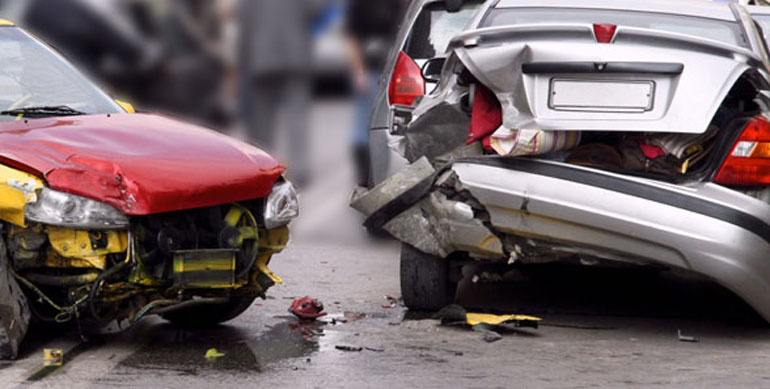
Losing control of your car while driving in the rain can be a terrifying experience. Every year, rain has been the cause of thousands of accidents. Rainfall is especially dangerous in states that are accustomed to dry weather like California, Texas, and Arizona – sporadic rain during the year causes many people to forget how to drive in it.
Here are our Top 10 Tips for Driving in the Rain:
Drive with caution
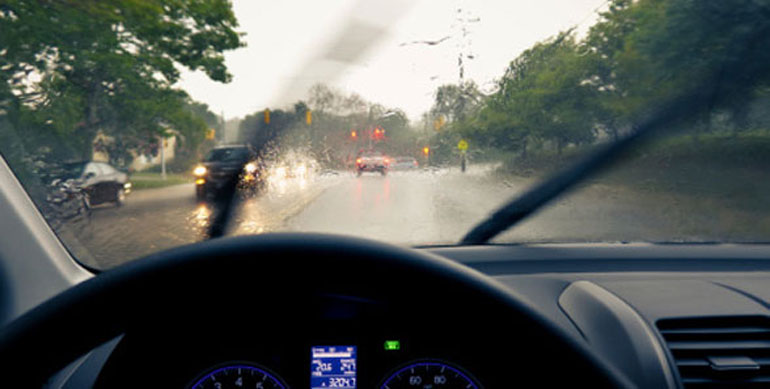
Wet roadways present special challenges – low visibility, longer braking distances, reduced traction, and less control – making it more important than ever to drive defensively.
Stopping distance
When driving in the rain, a car’s stopping distance is reduced by a factor of two. On wet roads, increase your stopping distance and reduce your speed.
Keep your windows clean
Rain will fog up your windows, so turn on both front and rear window defrosters and your air conditioning. Use quality window washer fluid, and make sure your window wipers work properly.
Avoid hydroplaning
Hydroplaning occurs when the tires of your car rise up on a film of water causing you to slide and lose contact with the roadway. To avoid hydroplaning when driving in the rain, drivers should slow down or release their foot off the accelerator, avoid braking hard, refrain from making sharp turns, and drive in the tire tracks of the car ahead of you.
Avoid standing water or flooded roads
Driving through flooded roadways is a bad idea, because if water enters your exhaust pipe, the water can get into your engine, stall your car and cause costly damage to your vehicle. Plus, you might not know how deep the water is. Your vehicle can get stuck or swept away in rushing flood waters.
Know your vehicle
Conditions can change quickly, and you need to be able to react accordingly. Make sure you know where the windshield wiper controls, defrost, air conditioner, or fan are located before you encounter bad weather.
Avoid Cruise Control
Cruise control works great when it’s not raining, but you have a greater chance of losing control of your car during wet weather when your cruise control is engaged. When driving in the rain, you need to be more cautious and may need to reduce speed more often by lifting your foot off the accelerator. This can’t be done if you are using cruise control.
Know how to respond to a skid
If you do lose control over your vehicle and find yourself skidding, remain calm, slowly take your foot off the accelerator, and cautiously steer into the direction that you want the front of your car to go. Be prepared to steer until the front of your car is straight and you regain control of your vehicle. If your vehicle has an anti-lock braking system (ABS), brake firmly as you steer into the skid. For cars without ABS, avoid using your brakes.
Drive slower
When you drive slower in the rain, it reduces your car’s chances of hydroplaning, increases your stopping distance between you and the car in front of you, and gives you more time to react to avoid any situations where you need to stop or slow down.
Allow more travel time
Give yourself more travel time so that you can drive more slowly, prepare yourself for unexpected detours or disabled stop lights, and deal with heavy traffic caused by rainfall.
Visit AAA’s YouTube page for more videos on spring driving tips and AAA’s website for a comprehensive guide on wet weather driving tips.