Tips for Teaching Your Teen to Drive

Tips for Teaching Your Teen to Drive

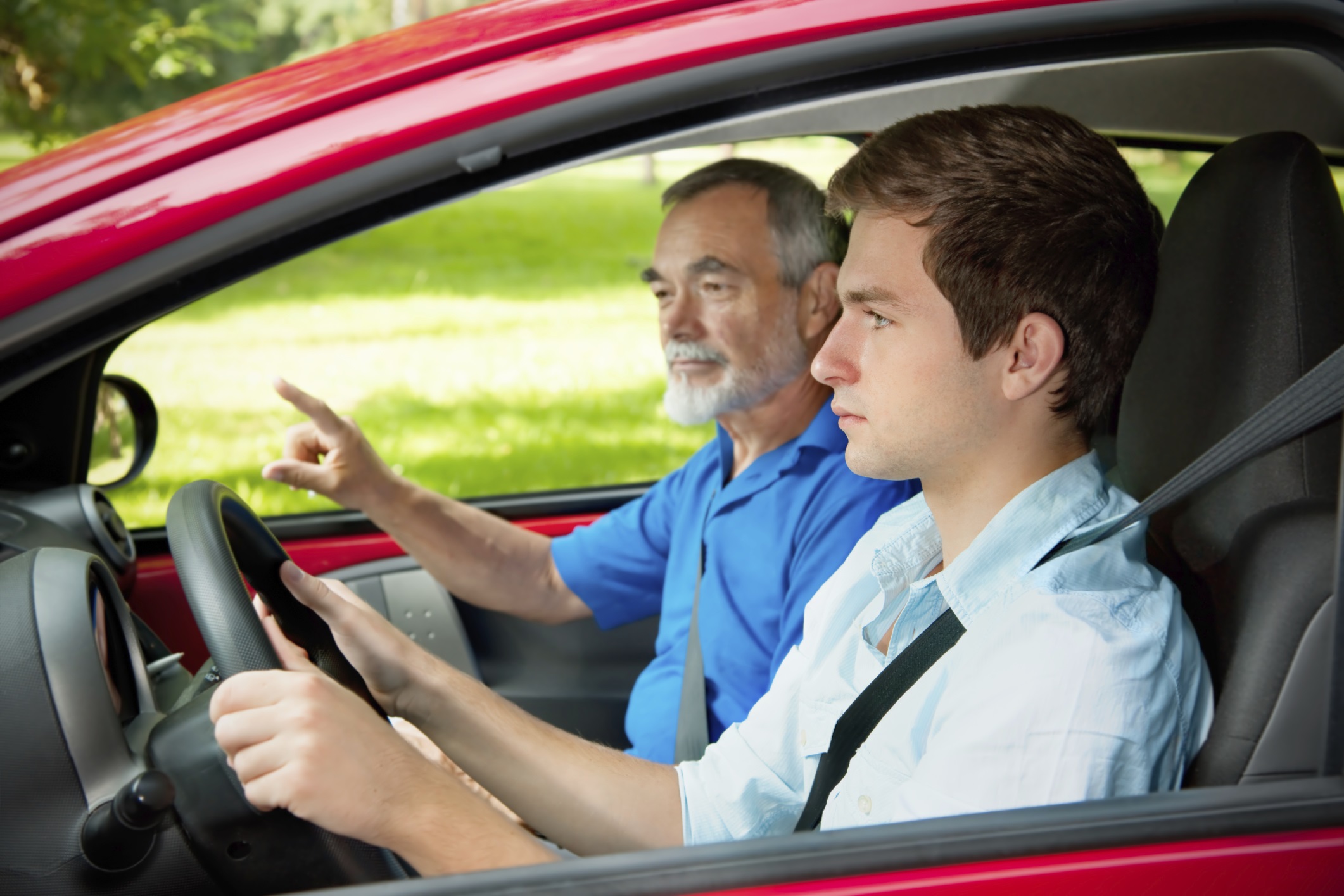
If you have a teenager learning to drive, you know that many rules and tips for the road have changed since you were in driver’s education class and getting behind the wheel for the first time.  For that reason, we compiled a list of a few driving tips to pass along to your millennial teen.  Ingraining these tips from the beginning is the best way to ensure lasting, good habits and safe driving practices.

Seat belts are important

One of the most noteworthy laws that has been put in place in the past 25 years is the mandating of seatbelts.  While it is important for your teen driver and all occupants of a car to wear a seatbelt, there are many other safety guidelines and laws for driving today that didn’t exist just a few years back.  Restricting cell phone usage is a great example of this.  Using a phone while driving is extremely dangerous and, in many states, a punishable act.  It’s important to set rules and expectations with your teen surrounding cell phone usage in the car.  As it is smart for your young driver to have a phone with them in case of emergencies or for directions, it is useful to map out guidelines for when and where using a phone is appropriate and safe.

Steering wheel hand placement

Optimal hand placement on the steering wheel has also seen a few updates in recent years.  It’s likely that you were taught to place your hands at 2 o’clock and 10 o’clock on the wheel, but experts have now agreed that placing hands at 3 and 9 are safer in case of an accident.  Bent and relaxed arms at 3 and 9 provide a lower chance of arms being injured by airbag deployment, as they would be on the outer edge of the bag, not the top as they would be if placed at 2 and 10.

Also, recent studies have shown that having other teens in the car creates the most dangerous driving condition for a young driver’s safety.  Please make sure to discuss focus and responsibility while driving with friends.

We wish you the best in your coaching! Leave a comment below with any tips you would add to this list.

Read More
Paintless Dent Repair: Not just for hail damage

Paintless Dent Repair: Not just for hail damage

Finding small dents in your car can be incredibly frustrating. Taking it in for a repair at an auto body shop and contacting your insurance company seems like a hassle since you can still operate the vehicle.

what is paintless dent repair?

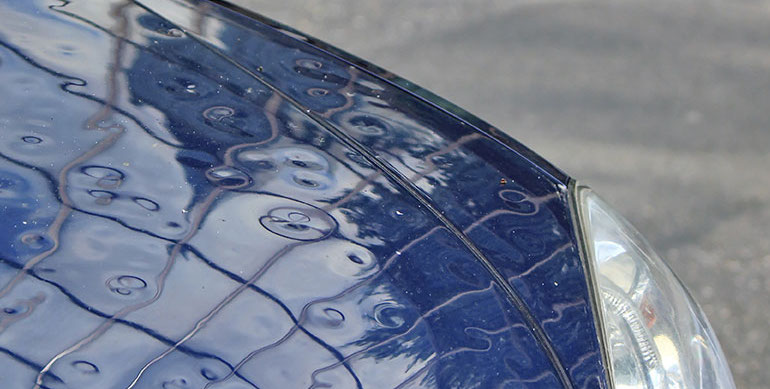
You may be concerned about repair costs, or increases in your insurance premiums. However, there is an inexpensive option known as paintless dent repair (PDR). While PDR is often used for hail damage, it can also be used for large and small dents anywhere on your car’s paint surface. Furthermore, it leaves the paint job on your car intact, so you don’t have to worry about panels appearing mismatched after the repair. This process maintains the original paint and parts which, in turn, minimizes costs while helping your car retain its value for potential resale.

Paintless Dent Repair or Paintless Dent Removal (PDR) is a technique used by auto body shops that remove dents and dings, leaving the original paint in place.

To ensure that your car dent is repaired properly, you should leave it to the professionals. With Paintless Dent Repair (PDR), auto body shops can remove many types of dent damage including hail or door dings.

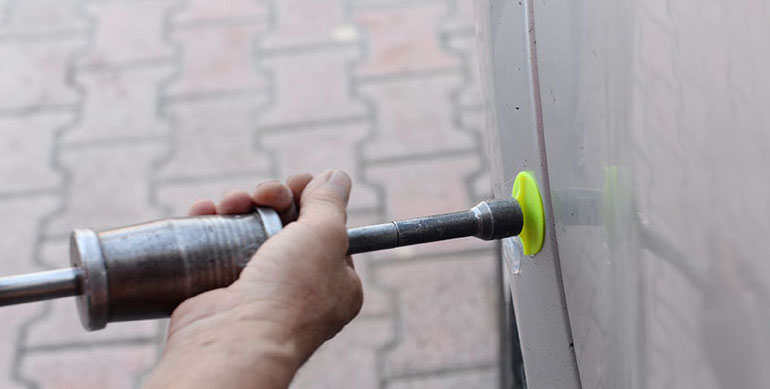
Paintless Dent Repair is a process of accessing the back side of the damaged panel and then massaging and shrinking the dent with unique and specialized rods that have different configurations. PDR is faster than conventional repairs and does not use traditional auto body methods like sanding, body fillers in order to maintain your car’s original finish.

WHAT CAN PAINTLESS DENT REPAIR FIX?

Paintless dent repair can work well in the following situations:

• From small to large dents

• On newer cars, typically with model years of 1990 or later

• When cracked or broken paint is not present

• When the dent isn’t close to a panel ‘s edge

• When the panel has not had previous auto body repair

PDR is so effective for hail damage that insurance companies will setup temporary facilities to rapidly assess and repair damage.

ADVANTAGES OF PAINTLESS DENT REPAIR

Paintless Dent Repair advantages include:

• No repainting or body filler needed

• Does not cost as much as a traditional body repair

• Can be quickly fixed in most cases

• No possibility of paint overspray on other parts of the vehicle

• No risk of incorrect color matching

• Vehicle retains original paint

A vehicle with original paint retains a higher value than a car that has been repainted. No matter where the damage is located, it is always best to keep the original paint on a vehicle for as long as possible.

Paintless Dent repair and Hail damage

The calm after a storm is not so smooth when it has resulted in hail damage to your vehicle. In many cases though, getting the damage fixed is not so difficult.

CALL YOUR INSURANCE COMPANY AFTER YOU GET AN AUTO SHOP QUOTE

The first thing you should do after the storm is get in contact with both an auto body shop and your insurance company. An auto body shop will help you figure out your hail damage repair options; your insurance company is likely aware that a hailstorm went through your area and can let you know your insurance coverage, as well as repair options.

GET YOUR CAR FIXED WITH PAINTLESS DENT REPAIR

More often than not, your car can be fixed using a technique called paintless dent repair (PDR). This is used when there are dents in the metal, but the paint job has not been damaged, which is often the case with hail damage. PDR is relatively inexpensive, as many auto body shops offer this service in-house, work with insurance companies after a storm to ship cars to PDR companies, or can refer you to a specialized PDR technician. In areas where hailstorms are common, many insurance companies and collision repair shops will set up temporary PDR spaces to provide quick repairs at minimal cost.

WHERE CAN I FIND AN AUTO BODY REPAIR SHOP THAT DOES PAINTLESS DENT REPAIR?

If you want to ensure that you have a flawless Paintless Dent Repair, find a good auto body shop to get your car back to pre-damaged condition. A quick search on Carwise.com will help you find the right shop.

Not all shops offer PDR in-house, as it is a specialized repair process and requires technical training. At Carwise, we can help you locate an auto body shop that offers PDR near you. If you live in an area prone to hailstorms, use Carwise to find a shop near you before a storm hits.

Sources:

MSN Autos

Read More
Driving Safety Tips for Seniors, Kids, and Drowsiness 

Driving Safety Tips for Seniors, Kids, and Drowsiness 

SENIOR DRIVING SAFETY TIPS

Safe driving is something that we discuss frequently at Carwise. Even though we try to connect everyone with a quality body shop when they need one, we also want everyone to be aware of driving safety issues. More often than not, senior drivers are overlooked when discussing driver safety.

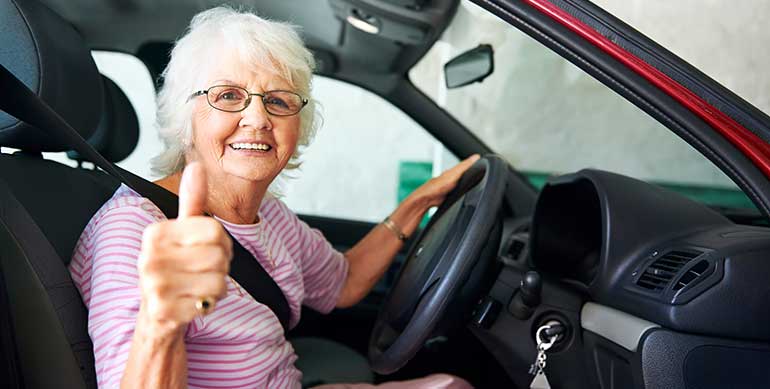
As we get older, eyesight, hearing, and mobility tend to change. Since driving relies heavily on our ability to see and hear, it’s important to keep on top of any vision or hearing changes. Maintaining you or your loved one’s health should also include monitoring basic reflexes, in the event of a hazardous situation which requires quick response times. Finally, make sure to drive a car that’s easy for you or your loved one to get in and out of, as well as drive.

It also never hurts to take a refresher driving course at any age. State laws do change, and you could potentially get a discount on insurance premiums. There are various courses and self-assessment tools available online as well.
Finally, new car technologies which include connected cars and collision avoidance systems can also help seniors while driving. Look out for these features like adaptive headlights or lane departure prevention if you’re in the market for a new vehicle.

The AAA and AARP provide great resources if you’re a senior who is driving, or if you’re concerned about a senior’s driving skills. Overall, our goal is to help seniors maintain and improve their driving abilities while keeping the roads safe for everyone.

KEEPING KIDS SAFE IN (AND AROUND) YOUR CAR

Schools are back in session, and winter is quickly approaching so it’s a good time to review some safety tips when driving with children in the back seat, on the streets, or both.  During this time of kids on the street and low visibility, there are many extra precautions we should take as it pertains to children both in your backseat, or walking on the sidewalks.

SEAT BELTS

As for kids inside your vehicle, the most obvious safety precaution that comes to mind for many are seat belts.  But are you sure your child passenger is using the safest car seat for his/her body weight, age, etc.?  Many car seats are not used or installed correctly.  We recommend checking online for instruction guides on what your child requires.  This goes for other children that may be riding in your car, every child should bring their car seat with them when riding in other cars.   According to NHTSA, “a child in a correctly used safety seat in the back seat of a car is 73% less likely to be hospitalized than an unrestrained child in the front seat.”  With that said, children under the age of 12 should always sit in the rear of the car.

LOOK AROUND

When parked in school lots or places where many kids are near, take a look around your entire vehicle before getting in a starting the engine to ensure no small children are playing close by.   More children are hit by cars near schools than at any other location.  Drive the school speed limits, especially in bad weather, to avoid any incidents.  In general, please remember to take extra precaution and be alert when driving in areas where many children are present.

Check out our blog on back to school driving tips here.

HOW TO COMBAT DROWSY DRIVING

Drowsy driving can have a significant impact on road safety, and it is estimated that drowsy drivers are involved in an about 12.5% of fatal crashes. According to the AAA Foundation for Traffic Safety’s annual Traffic Safety Culture Index, more than a third of drivers admit to falling asleep behind the wheel at some point of their lives, and more than 1 in 10 have been involved with the act of drowsy driving within the past year.

According to a survey from DMEautomotive, people are combating drowsy driving in the wrong ways, opting for ineffective answers that do little to lessen their drowsiness. The results of this drowsy driving survey showed drivers are far more likely to drink caffeine, play loud music, pull over to exercise or stretch, open windows, and turn up air conditioning — all of which do little or nothing to lessen the effects of drowsy driving.

The results of the survey demonstrated a lack of awareness regarding the dangers of drowsy driving and the effectiveness of different strategies to stay awake.Combat Sleepiness While Driving

Remarkably, only numbers three and seven on the list — switching drivers and pulling over to take a nap — are proven to be useful means of combating drowsiness. The top response, drinking a caffeinated beverage, can produce a jolt of alertness, but the effect wears off quickly, according to experts.

SOME OF THE BEST WAYS TO COMBAT DROWSY DRIVING (THAT ACTUALLY WORK) INCLUDE:

1.  Planning to get sufficient sleep before driving.
2.  Avoiding even small amounts of alcohol.
3.  Limiting driving between midnight and 6 a.m.
4.  Switching driving duties with a passenger who is well rested.
5.  Taking a short nap (about 15 to 20 minutes) and consuming caffeine equivalent to two cups of coffee is a temporary fix and should only be used to get you somewhere where you can sleep and regroup.

The other strategies to improve alertness when sleepy, such as opening a window or listening to the radio, have not been proven effective. Drowsy driving can be just as dangerous as drunk driving, and drowsy drivers present an unnecessary risk to both themselves and everyone around them.

In an effort to reduce the number of fatigue-related crashes and to save lives, the National Sleep Foundation is declaring Nov. 2-9, 2014 to be Drowsy Driving Prevention Week®. This annual campaign provides public education about the under-reported risks of driving while drowsy and countermeasures to improve safety on the road.

Sources

NSC.org
OSHA.org

Read More
Back to School Driving Tips

Back to School Driving Tips

At Carwise, we encourage all drivers to stay up to speed on driving safety. With school back in session, drivers should take extra precautions.

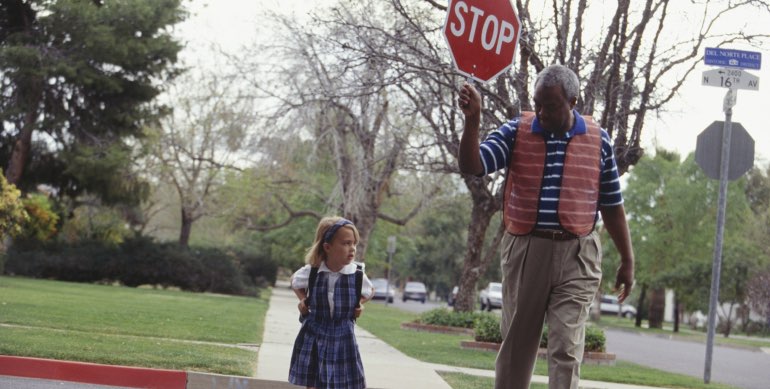
Extra care needs to be taken when dropping off kids at school, as well as driving near schools where children and increased traffic are present. School busses are also back on the road, and drivers must know when to stop for them so that students can get on and off safely. If you’re by a school, you’re likely sharing the road with more pedestrians and bicyclists.
Driving tips to help you navigate school traffic

Here are some basic tips to help you whether you’re dropping the kids off at school or simply driving past a school bus.

  • When dropping off children at school, avoid double-parking. It can create blind spots for you, other drivers, and pedestrians.
  • Always remain alert and slow down your speed in school speed zones. Aside from children, you’ll also encounter crossing guards helping them across streets by the school.
  • Know when to stop for a bus on certain types of roads.
    • On a two-lane road, vehicles going in both directions must stop.
    • On multiple-lane roads, again vehicles going in both directions must stop.
    • On a divided highway, vehicles behind the bus must stop. However, vehicles going in the opposite direction of the bus may proceed with caution.

We also ought to mention there are teens heading to schools in their cars. If you’re a parent of a teen, here are some safety driving tips.

If you keep these things in mind, you can share the roads safely with those heading back to school.

Read More
Smoothing Out the Hail Damage Repair Process

Smoothing Out the Hail Damage Repair Process

The calm after a storm is not so smooth when it has resulted in hail damage to your vehicle. In many cases though, getting the damage fixed is not so difficult.

Call your insurance company after you get an auto shop quote

The first thing you should do after the storm is get in contact with both an auto body shop and your insurance company. An auto body shop will help you figure out your hail damage repair options; your insurance company is likely aware that a hailstorm went through your area and can let you know your insurance coverage, as well as repair options.

Get your car fixed with paintless dent repair

More often than not, your car can be fixed using a technique called paintless dent repair (PDR). This is used when there are dents in the metal, but the paint job has not been damaged, which is often the case with hail damage. PDR is relatively inexpensive, as many auto body shops offer this service in-house, work with insurance companies after a storm to ship cars to PDR companies, or can refer you to a specialized PDR technician. In areas where hailstorms are common, many insurance companies and collision repair shops will set up temporary PDR spaces to provide quick repairs at minimal cost.

At Carwise, we can help you locate a body shop that offers PDR near you, and help eliminate the hassle in locating the right PDR technician for your needs. Finding car repair technicians specialized in PDR and other specialties is a breeze with Carwise.

Read More
The Pros & Cons of In-House Paintless Dent Repair

The Pros & Cons of In-House Paintless Dent Repair

Paintless dent repair is a repair option worth considering for auto body shop managers. Whether or not your shop is in an area that gets hit regularly by hailstorms, PDR is a relatively inexpensive way of repairing dents in vehicles. While it is likely that your future and existing customers will appreciate a less expensive option to repair dents, it is important for collision repair shops to evaluate their own cost benefit of setting up PDR in-house.

Setting up for Paintless dent repair

The major factors in considering setting up PDR in a body shop include:

  • Access to a PDR-trained technician
  • Owning the correct PDR equipment
  • Having a well-lit space specifically for PDR repairs in the shop
  • The amount of jobs that could use PDR

In many cases, it boils down to the last point — demand. If hailstorms rarely occur in your area, your shop may specialize in other repairs. It may even make more sense to outsource PDR to another company, in which case will need to consider the cost of transporting cars offsite.

Overall, setting up PDR in your shop can attract a lot of customers. Here at Carwise, your body shop’s profile page can indicate whether or not you offer PDR to those in your area requiring PDR services. Weigh your options, and consider if PDR is right for your shop.

Fender Bender also has an article about setting up in-house PDR.

Read More
Connected Cars: Customer Satisfaction and Safety

Connected Cars: Customer Satisfaction and Safety

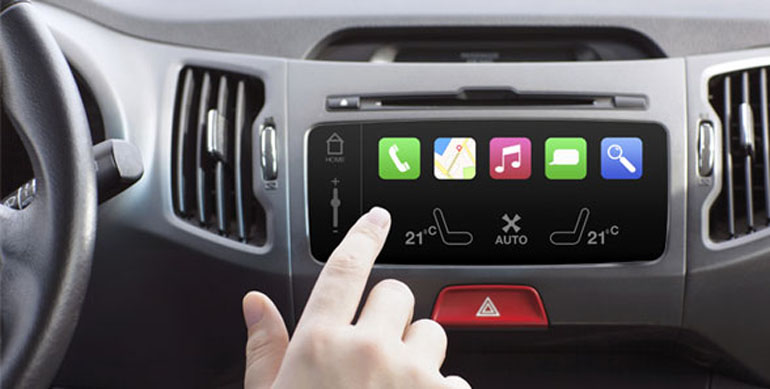
The explosion of mobile technology has made staying connected easier than ever. And as that technology continues to expand its reach, car manufacturers are working to meet consumer demands for connectivity inside the vehicle. Which features are important to consumers, and what impact will those features have on customer satisfaction and safety?

Connected Car Examples

Below are some popular connectivity options now available in many new vehicles:

  • Vehicle-to-driver communication
  • Voice-activated controls/features
  • Internet-enabled navigation
  • Personal assistant service
  • Vehicle internet connectivity
  • Vehicle mobile applications

According to Nielsen research, approximately nine in 10 are satisfied with their drivable tech. And when it comes to shopping for a new car, the majority of consumers who plan to purchase a new car in the next two years say they’re very likely to purchase a connected car with built-in features. Most drivers of connected cars say it makes driving fun and feels “revolutionary”. Many also felt it improves safety on the road and makes them drive better.

While connectivity features can help in some cases with accident avoidance, they are not a replacement for safe driving and cannot guarantee your safety. In some cases, connectivity features can even create a distraction for the driver, increasing the risk of an accident. As always, it’s important to practice safe driving and only use connectivity features like internet and navigation while the vehicle is parked.

In the event of an accident, your connected car will need the attention of a high-quality collision repair shop. To learn more about finding a quality collision repair shop, visit carwise.com

Sources:

Staying Connected Behind the Wheel

Technology puts Consumers in the Driver’s seat with Connected cars

Read More
Top 6 Reasons Why Auto Body Shop Reviews Are Important

Top 6 Reasons Why Auto Body Shop Reviews Are Important

Online auto body shop review websites like Carwise.com are important for your business. They not only help you communicate with your existing customers, but they can be a key component of a successful auto body shop’s marketing strategy. An online auto body shop review is a reflection of your reputation, plus online reviews can draw in new business to your shop.

Review websites are the next best referral tool to word of mouth.

Here are the top reasons why auto body shop review websites are important:

1) Reputation. 88% of consumers read online reviews to determine if a local business is a good business.

2) Referral business. Personal recommendations are the only other referral process more trusted than auto body shop review websites.

3) Reviews help you in the search engines. Reviews give you a huge boost on SEO, improving your online presence and search engine rankings in Google, Yahoo, Bing and other search engines. If you want better exposure in the search engines, auto body shop reviews matter a lot!

4) Stay ahead of the competition. 90% of auto body shops don’t share reviews. There is a huge opportunity for your shop to improve your sales and referral business if your competition is not participating in online reviews.

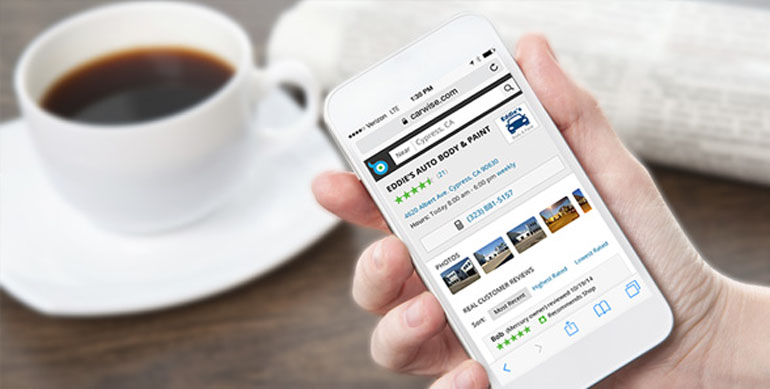
5) Carwise vs. auto body reviews on other websites. The subject of fake reviews has had a lot of news coverage and is on the mind of the average consumer. However, Carwise.com is different than other online review sites, because all auto body shop reviews are 100% REAL. They are the opinions of verified customers who’ve had their vehicles repaired at the shop they reviewed. Unlike other online review sites that allow anyone to write a review, Carwise.com eliminates the possibilities of fake auto body shop reviews up front by requiring reviewers to complete a verification process to ensure they are actual customers of the auto body repair shop that is receiving the repair review.

Check out Carwise.com today to see the opinions of real people who have had their vehicles repaired at these facilities. They rate these shops on a number of factors that make a difference to the customer experience.

Sources:
SearchEngineLand

Read More
Safe Driving Quiz

Safe Driving Quiz

Test Your Knowledge with the Carwise “Be Car Smart” Safe Driving Quiz.

Traffic laws are changing often, and it may have been awhile since your last driving test. It is always good to stay current and be sure you’re practicing safe driving. We’ve compiled a series of questions to help you become a safer driver.

1. Roundabouts are found to result in ____ crashes than traditional intersections?

a. Fewer
b. More
c. The same amount of
d. Higher Impact

2. Statistically speaking, your chances of collision are highest:

a. On a highway
b. At an intersection
c. When pulling out of a parking space
d. When passing another vehicle

3. How much room should there be between your chest and the steering wheel?

a. Less than 6 inches
b. 6 to 8 inches
c. 8 to 10 inches
d. 10 to 12 inches

4. You should use your signal ___ feet prior to making a turn.

a. 25
b. 50
c. 75
d. 100

5. Can you make a right turn on a red light at an intersection with a red light camera?

a. Yes, if you come to a complete stop before making your turn.
b. No. Wait for the light to change to green before making your turn.
c. Yes. Slow down, check to see if it is clear, and make your turn.
d. Both A and C.

6. What is a safe and efficient steering wheel hand position?

a. 10 and 2 o’clock position
b. 9 and 3 o’clock position
c. 7 and 4 o’clock position
d. One hand on the wheel at the 12 o’clock position

7. In 2014, how many US states have a ban on texting while driving?

a. 10
b. 24
c. 44
d. 50

8. When driving, how much distance should you keep between your car and the vehicle in front of you?

a. 3 feet behind the car you are following
b. 3 car lengths behind the car you are following
c. 3 seconds or more behind the car you are following
d. 30 seconds behind the car that you are following

9. Which situation is NOT a rule for yielding right of way?

a. If two vehicles begin to enter an intersection at the same time and there are no traffic signs or signals, drivers should motion to each other to decide who goes first.
b. You are required to yield to any authorized emergency vehicle, such as police cars, fire engines and ambulances, when these vehicles are giving a signal by siren or flashing lights.
c. You must yield the right of way to school children entering or leaving a school bus.
d. If you have stopped for a traffic light at an intersection and want to turn left when the green light appears, you must yield to traffic that is waiting on the opposite side of the traffic light.

10. When should you avoid passing another vehicle?

a. On a hill or curve
b. At any railroad crossing
c. Road construction area
d. All of the above

Answers:

1) A. Fewer. Roundabouts – also known as traffic circles – result in slower speeds and fewer crashes, especially the right-angle and head-on crashes that often result in injuries or even deaths.

2) B. Intersections. Crashes often occur at intersections because there are a variety of activities such as turning left, crossing over, turning right, red camera lights, and pedestrians causing a higher possibility for conflicts.

3) D. 10 and 12 inches. Keeping 10 to 12 inches between your chest and the steering wheel will protect yourself in case the airbag suddenly deploys.

4) D. 100 feet. Get into the proper lane and give a signal for at least 100 feet (about one fourth of an average city block) before reaching the intersection and making the turn.

5) A. Yes, but make a complete stop. The law requires motorists to come to a stop before making the right turn on a red signal. The camera will capture your illegal turn as a red light violation if you don’t stop.

6) B. 9 and 3 o’clock. The old school wisdom was to position hands at 10 and 2 o’clock. As air bags became common, this led to the wrist and arm fractures when air bags deployed and arms were flung into rearview mirrors or A-pillars. To avoid that occurrence, many safety advocates now recommend positioning hands at 9 and 3 o’clock on the steering wheel.

7) C. 44. Currently, 44 states, D.C., Puerto Rico, Guam and the U.S. Virgin Islands ban text messaging for all drivers.

8) C. 3 seconds. To achieve the 3 second spacing between you and the car ahead of you, when that car passes a landmark, such as a tree or an exit sign, start counting. If you pass the same spot before you count to three, you’re driving too close to the other car.

9) A. If two vehicles begin to enter an intersection at the same time and there are no traffic signs or signals, the vehicle on the left must yield to the driver on the right.

10) D. All of the above.

Read More
Top 10 Ways Auto Body Shops Can Ensure a Positive Customer Experience

Top 10 Ways Auto Body Shops Can Ensure a Positive Customer Experience

A successful auto body shop ensures that their customers have a quality experience. The moment customers walk into your shop, you’ll want to make a positive first impression to start building a relationship and hopefully encourage repeat and referral business. To provide excellent customer service you must first understand the customers top concerns when looking for the right auto body shop. 

Here are the top three concerns heard from customers regarding their repair:

PAINT

One major concern from customers is the ability to get an exact paint match for the damaged areas of the vehicle. It’s important for a shop to use the latest painting systems and techniques that auto manufacturers use in the original factory paint jobs on their cars.

Repair shops can also find the color code for the original paint by using the car’s identification plate (sometimes called the Service Parts Identification). This, along with the right techniques, can help you achieve a perfect color match.

DRIVABILITY OF THE VEHICLE

Customers have concerns about the drivability of the vehicle after the repairs are completed. Using the most advanced alignment machines will ensure that vehicles with suspension damage are exactly aligned after the repair work is finished.

FRAME DAMAGE

If the customer’s vehicle was towed to the auto body shop in a twisted wreck, they want to know if the shop has the ability to repair frame damage the vehicle may have suffered in a collision. It was almost impossible to repair vehicles with a bent car frame in the past. Today, customers should know that auto body repair shops use the most advanced alignment machines and sophisticated repair equipment to repair damaged car frames so that it exceeds the original specs from the car manufacturer.

There is no question that the auto body industry is changing. The success of your business requires not only the right automotive expertise but also the ability to provide excellent customer service that puts the customer at ease. Every step of the repair process provides an opportunity to build your reputation and encourage repeat and referral business.

Here are some ways that auto body shops can impress customers and boost the image of their shop, the quality of the repair process, and the overall customer experience:


Provide unique and personalized service

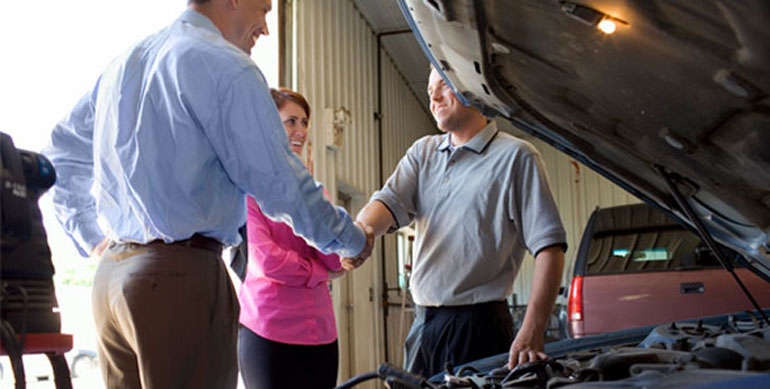
Give the customer a personable and welcoming greeting when they enter an auto body shop. Be enthusiastic, stand up, and shake the customer’s hand. Give a positive greeting like “Hi! How are you? How can we help you today?” and remember to smile.

Make them feel comfortable

Before launching into the details about the accident and getting into the repairs needed, try to make things less stressful for the customer. Provide them with a comfortable chair and offer refreshments like water, coffee, or tea to help put customers in a more relaxed state of mind.

Ask about the accident

Allow the customer to introduce themselves and ask them about the accident. Asking about the accident is method of showing compassion for their situation.

Show empathy and concern

Show empathy about their accident and why they are in your auto body shop. Ask several questions about their well-being, if there were any passengers, and show that you are personally concerned. Give them a sense that you understand what they are going through and you will help them feel more at ease with their dilemma while they are in your auto body shop.

Listen to the customer

Take notes and write down all the details like what happened, how the accident occurred, and jot down any concerns that the customer may have. When the customer sees you taking notes, it shows that you are actively listening, paying close attention to their needs, and conveys that you are taking in all the information they are telling you.

Exchange contact information

It is best to not only take down the customer’s name, address, phone, and email address, but to offer your contact information to them and let them know how you can be reached if they have any questions.

Send repair status updates

After getting their information, ask them how they would like to be contacted. Impress your customers by letting them know that your auto body shop can send them frequent repair status updates via email or text message through the Carwise™ Repair Status tool.

Do a walk-around

Conducting a walk around of the customer’s vehicle while they are present to show that you are thoroughly checking their vehicle. Assess the vehicle’s options, features, mileage, lights, and capture digital images. Mark down all the damage related to the accident and ask the customer if they want any unrelated damages that you find fixed as well.

Connect with the customer on a personal level

Try to develop a personal connection with your customers to separate yourself from other auto body shops and establish repeat or referral business.

Discuss the estimated completion date

Usually, the first thing that customers want to know is when their car will be ready. An auto body shop will not offer a completion date until everything is researched and all the parts that are needed are confirmed. You can give an estimate or let them know that you can not only send them email or text messages for update, but they can also check their repair status on their using the Carwise.com website or mobile app.

Sources:

Fenderbender.com

Read More
1 17 18 19 20 21