Get Your Car Ready for Winter: Precautions to Take Before the Cold Sets In

Get Your Car Ready for Winter: Precautions to Take Before the Cold Sets In

As the days get shorter and the air gets crisper, it’s a reminder that winter is coming. It’s not just the weather that’s about to change; our cars also need some extra attention to ensure they can handle the lower temperatures, icy roads, and snowy conditions.

Here is a list of precautions to take to get your car ready for the winter season:

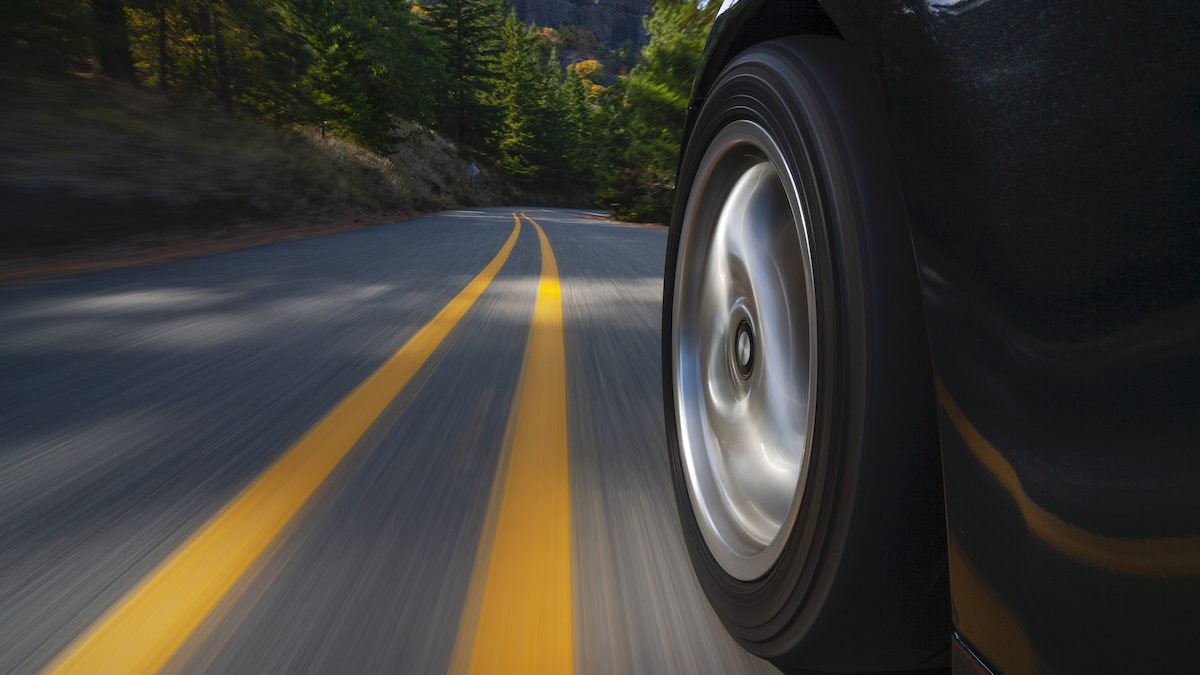
Check Your Tires

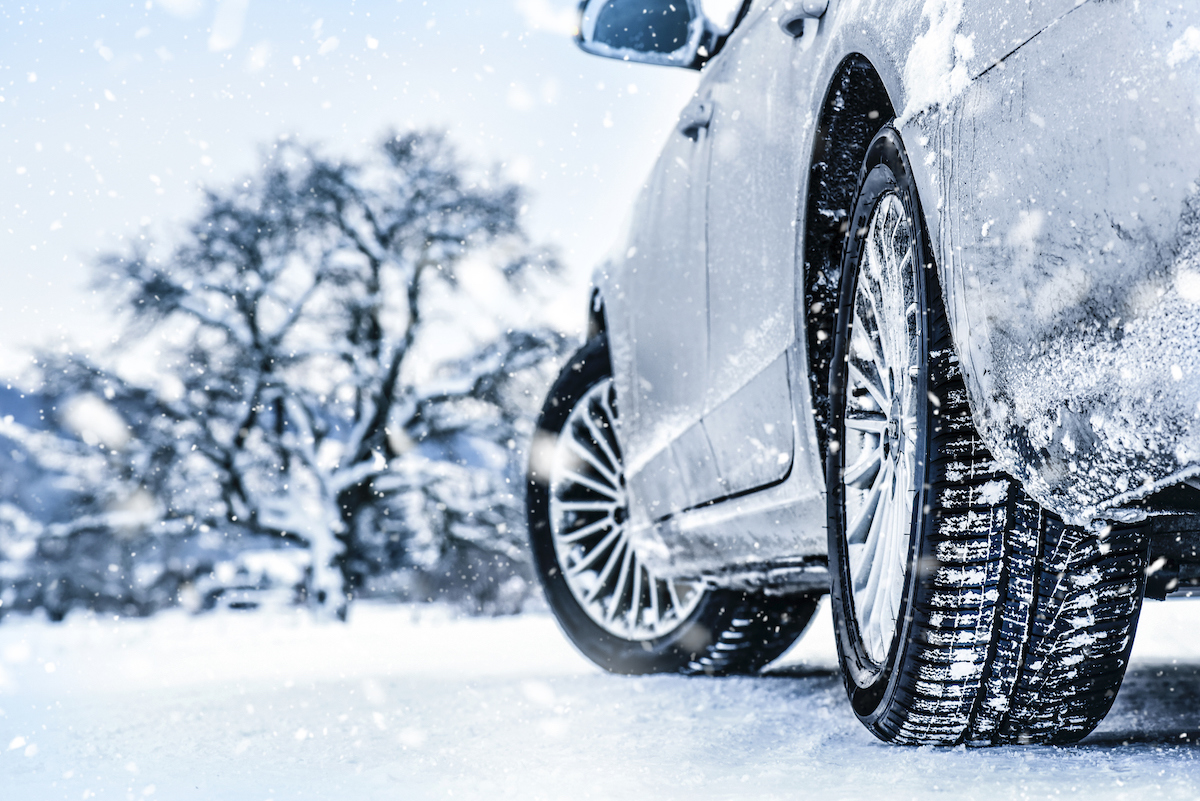
Ensure your tires have enough tread to handle snowy and icy roads. You can do the penny test: place a penny into the tread groove with Lincoln’s head facing down. If you can see the top of Lincoln’s head, your tread is too shallow, and it may be time to replace your tires.

Check your tire pressure regularly as cold temperatures can cause tire pressure to drop. Keep your tires properly inflated to the manufacturer’s specifications.

Winter-Grade Windshield Wiper Fluid

Fill your reservoir with winter-grade windshield wiper fluid that won’t freeze. This will help you maintain clear visibility while driving in snowy or icy conditions.

Battery and Charging System

Get your car battery tested to ensure it is strong enough to handle the extra demands of cold weather. Cold temperatures can reduce battery power, so it’s important to make sure yours is in good condition.

Also, check the charging system and belts to ensure they are in proper working order.

Lights and Signals

Inspect all lights and signals to ensure they are clean and functioning properly. This includes headlights, taillights, brake lights, turn signals, and emergency hazard lights. With shorter days and more darkness, it’s important to be seen and to see the road clearly.

Engine Oil and Filters

Check your engine oil level and change it if necessary. Consider switching to a lower-viscosity oil during winter, as thicker oils can make it harder for your engine to turn over in cold temperatures.

Also, replace your oil and air filters as recommended by the manufacturer.

Emergency Kit

Prepare or restock your emergency kit for winter driving. This should include items like a small snow shovel, ice scraper, jumper cables, flashlight with fresh batteries, reflective triangles or flares, a blanket, non-perishable snacks, and a first aid kit.

Brakes and ABS

Have your brakes inspected to ensure they are in good condition and that the anti-lock brake system (ABS) is working properly. ABS helps prevent skidding and maintains control in slippery conditions.

Exhaust System

Inspect your exhaust system for any leaks, which could be dangerous if left unchecked. Carbon monoxide is a colorless, odorless gas that can be deadly if it builds up in your car.

Heater and Defroster

Test your heater and defroster to ensure they are working properly. You’ll need a clear windshield and warm air during those cold mornings.

By taking these precautions, you can help ensure your car is ready for the challenges of winter driving. Stay safe on the roads and remember to adjust your driving habits according to the conditions.

Feel free to add your own tips in the comments below, and share this list with your friends and family to help them get their cars winter-ready!

Stay warm and safe this winter!

Read More
Who is Who in a Car Repair Shop

Who is Who in a Car Repair Shop

When your car needs repairs, the thought of going into a car repair shop can be daunting. You may not know what’s wrong with the car or what needs to be done – and you may not even know what type of mechanic you need.

In this blog, we’re taking the stress out of this process by explaining whom you can expect to find in a repair shop and the kind of work they may do on your car.

General Automotive Mechanic

This is the type of mechanic you’re most likely to encounter – they do general repairs and replacements on a vehicle. They diagnose mechanical problems and repair them as needed. If you are bringing in your vehicle for a check-up or routine maintenance, this is the type of mechanic you likely need. They’re kind of like the GP for your car.

Auto Body Mechanic

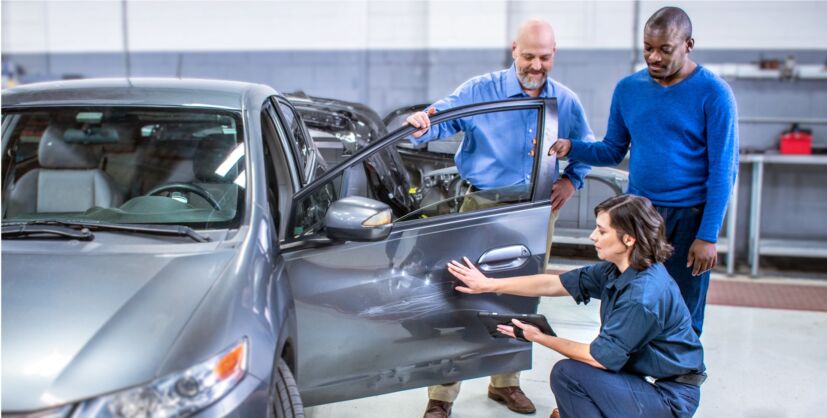
These are the mechanics you’ll often encounter after an accident. They can handle everything from minor paint job touch-ups to complete structural replacements in a car after an accident. These mechanics receive specialized training to keep up with all the current car technologies, and they have a special certification.

Brake and Transmission Technician

This type of mechanic is exactly what it sounds like – they specialize in brake and transmission issues. While a general mechanic will also be versed in these areas, a brake and transmission technician can correct more complex issues and has the training to use special alignment equipment. If a general mechanic notices something that seems off with your brakes or transmission, they will often hand your car over to this type of specialist within the shop.

Service Technicians

Service technicians can diagnose and check mechanical and electrical components within a vehicle. When they look at a car, they’ll do things such as check the oil and fluid levels, or work to find causes of operational issues. Rather than looking at specific mechanical components, they tend to look at the general systems that work together in a vehicle to identify any problems or issues.

Auto Glass Mechanics

Fixing or replacing the glass on a vehicle can be tricky. Some auto glass mechanics have been specially trained in working with auto glass. They’ll know how to identify if cracks or dents can be repaired, or if the entire piece of glass needs replacing. These mechanics are also trained in weatherproofing glass, installation and more.

Tire Mechanics

General mechanics will be trained in basic tire care, but tire mechanics have even more training to spot complex issues and optimize tire usage and wear. They can identify tire issues, do tire rotations, and complete tire replacements. They’ll also inspect tires for any abnormalities and to ensure proper inflation.

If you’re in need of a repair shop for your vehicle, Carwise is here to help. Browse thousands of shops on Carwise.com and read real reviews from customers, see certifications and specializations, and more.

Read More
Quiz Your New Driver Before They Hit the Road

Quiz Your New Driver Before They Hit the Road

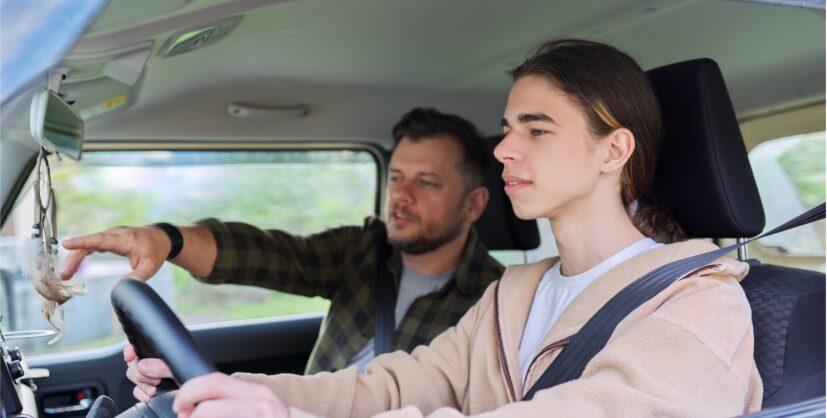
Letting a new driver loose on the roads can be nerve-wracking. Luckily, you can help your teen to be better prepared by giving them this quiz.

1.     What should you do if you spot an emergency vehicle with its lights on?

a. Pull over to the left
b. Ignore it 
c. Pull over to the right 
d. Let it pass and then follow it

2.     What do you need to always have with you while driving?

a. License
b. Registration 
c. Insurance card
d. All of the above

3.     When can you turn right on red?

a. Anytime
b. After making a complete stop
c. When there is a sign that says “No turn on red”
d. All of the above 

4.     How loud should you play music?

a. As loud as you want
b. At a non-distracting level
c. Under 25 DB
d. None of the above

5.     Where are you likely to see a speed limit drop?

a. On the highway
b. Neighborhood roads
c. School zones
d. Both b & c are correct

6.     What should you do if your vehicle is hit?

a. Yell at the other driver
b. Drive away if the damage isn’t bad
c. Ensure the safety of passengers and yourself, then exchange information like phone numbers and insurance information.
d. None of the above

The next section will include fill-in-the-blank questions. These will be specific to the vehicle your teen drives:

  1. Where is the parking break?
  2. How do you use the windshield wipers?
  3. How do you use the windshield wiper fluid?
  4. Where is the child lock?
  5. How do you turn off the child lock?
  6. What is the legal maximum number of passengers you may drive?
  7. Where is the spare tire?

ANSWERS: 

1.     What should you do if you spot an emergency vehicle with its lights on?

Answer: C. Pull over to the right. This is a good rule of thumb for new drivers to know. However, it’s important to explain that there will be times when they need to move in other directions for an emergency vehicle to pass. The bottom line is to ensure the vehicle can pass in an orderly fashion. 

2.   What do you need to always have with you while driving?

Answer: D. All of the above. In the event you are in a car accident or get pulled over, you will need these documents present to deal with each situation. Always make sure to have these with you when driving your car, even for a short distance.

3.     When can you turn right on red?

Answer: B. After making a complete stop. Although you can turn right on red as long as there is no sign prohibiting it, you must still be sure to come to a complete stop before turning. 

4.     How loud should you play your music? 

Answer: B. At a non-distracting level. While there is no federal law that limits the volume level of music in a car, a new driver should always be focused on the road first. Ensure that music is kept at an appropriate level that still allows you to focus on the road. 

5.     Where are you likely to see a speed limit drop?

Answer: D. Both b & c are correct. Expecting a speed limit drop and knowing when to slow down will help keep these areas safe while also keeping a driver out of trouble. 

6.     What should you do if your vehicle is hit?

Answer: C. Ensure the safety of passengers and yourself, then exchange information like phone numbers and insurance information. Although we hope these situations never happen, it’s good to be prepared for if they do. When your vehicle is hit, the first important thing is the safety of everyone involved. After that is secured, the driver can decide whether to call 911 or simply exchange information with the other driver. A 911 call would depend on the severity of the collision and the discretion of the driver.

No matter how prepared your teen is, accidents can still occur. If one does, use Carwise to help find an Auto Body shop near you: carwise.com/auto-body-shops

Read More
Tips for Suburban Driving

Tips for Suburban Driving

Although city driving can be intimidating, suburban driving poses its own dangers and requires attention to detail. Here are some tips for safe driving in the suburbs.

1. Watch out for pedestrians

This seems obvious, but always keep an eye out for pedestrians when driving no matter the location. In the suburbs, however, more children and adolescents are walking around unsupervised. Paying extra attention at crosswalks and neighborhood streets could help save a life.

2. Speed limits may be lower and traffic lights may last longer.

When driving in a city, traffic lights tend to have shorter intervals than suburban traffic lights. This is usually because of the difference in speed limits. . Pay attention to these subtle changes – not only can it help you avoid a ticket, but potential accidents as well. With more stop-and-start traffic it’s also important to pay attention to your brakes. If you hear any noises, take it to your local shop to investigate.

3. Be patient

Suburbs tend to have a lot more new drivers on the road. These drivers are less experienced and are still getting used to being on the roads. Although a delay can be frustrating, it’s better that they don’t get scared by a honk, or second-guess themselves while driving.

4. Use a GPS in unfamiliar neighborhoods

Suburban neighborhoods can be much different from your average city streets. The roads tend to have more curves and stray from the city-like perpendicular roads. Using a GPS can help prepare you for a curve in the road.

5. Watch for school zone speed limits

It’s more common to come across a school zone in the suburbs. On school days when children are around, the speed limit can drop significantly, being conscious of this can help keep children safe and avoid speeding tickets.

Even when following these tips, accidents can still happen. If your car has been in an accident, or if something feels off, find a local autobody shop near you: carwise.com/auto-body-shops.

Read More
The Basics of Tire Maintenance

The Basics of Tire Maintenance

As temperatures get cooler and leaves will begin to fall, it’s a helpful reminder to pay attention to your car’s tires because road conditions can change with the weather. Tires are among the most important aspects of your vehicle when it comes to safety. They not only put your vehicle in motion, they help control how much you slip and slide (or don’t!) on the road. Neglecting tire maintenance can lead to a serious accident and incur far more damage and expenses than just paying to get tires repaired and replaced regularly.

As autumn approaches, here are a few tire maintenance tips to keep your vehicle safe on the road.

Inspect your tires regularly

Fortunately, many maintenance issues with tires can be seen with the naked eye. At least once a month, you should check your tires for any cracks, bulges or punctures, or items stuck in them that could be masking a puncture, like a nail head.

Additionally, you should keep an eye on your tires’ tread level. If your tires’ treads are too low, they’re more liable to slip and slide on roads. Many tires are equipped with a tread bar to help you track how low the tread is. If you don’t have a tread bar, you can try the quarter test: stick a quarter in the lowest level of tread you can find. If you can see all of Washington’s head, the tread is too low, and it’s time to replace.

Along with a visual inspection, be sure to check your tire pressure at least once a month. You can do this at most gas stations and adjust air as needed. In cold weather, tire pressure can drop, and tires with too little pressure pose a risk of blowing out. Take ten minutes when you fill up your tank to check the tire pressure.

And don’t forget to check your spare tire, too, to make sure it’s not damaged in case you ever need it.

Rotate your tires as needed

Another important aspect of tire maintenance is tire rotation, the practice of moving tires from one position on the vehicle to another (back to front and vice versa). Front tires wear down faster than rear tires as a result of steering and braking. Regular tire rotation helps tires wear evenly and last longer. Check your car’s user manual to be sure, but most tires need be rotated every 5,000 to 8,000 miles. Rotating tires at every other oil change is another good rule of thumb to follow.

Don’t overload your vehicle

Whether going on a long trip or moving, it can be tempting to pack your car to the brim, but this can be a safety hazard. Every vehicle has a weight limit. Check your user manual – or even the placard on your door frame – to see what your own car’s weight limit is. If you exceed it, you risk popping the tires and doing serious damage to your vehicle.

Replace tires on time

Replacing tires can be expensive but risking a flat or popping a tire while driving could lead to an accident, so it’s not worth putting off. Tires should be replaced every few years, regardless of the number of miles driven, but depending on how often and how far you drive your vehicle, your tires will likely need to be replaced much sooner than that. Check your user manual to see if your manufacturer has specific recommendations for tire replacement.

Keep your wheels aligned

Tires are only as good as the wheels they’re attached to. When your car’s wheels come out of alignment, it puts unnecessary strain on other parts of your vehicle. Wheels can become misaligned from bumps, going over curbs or even just driving long distances. Check the alignment annually to be sure nothing’s amiss.

How to Avoid an Accident When You Get a Flat Tire

Flat or blown tires can happen anywhere, anytime, at any speed. Typically, the first sign that your tire has blown is that your car will slow down (even when your foot is on the gas) and your steering will be harder to control.

Try to remain calm and look for a safe place to pull over as soon as possible. For safety reasons, you need an open space as far away from traffic as possible to change your tire or load your vehicle onto a tow truck. If you get stuck with a flat tire in dangerous weather conditions or a dangerous area, such as a road with heavy traffic and narrow shoulders, you may want to consider calling the local police for assistance, as well as a tow truck.

If you’re replacing your damaged tire with a smaller spare, often called a “donut,” remember that it’s not designed to bear the same weight or speed as a permanent tire, so it’s important to drive more slowly than usual once you get back on the road, otherwise you could wind up with another flat tire and no spare. Donut tires are also not meant to be driven for very long; when possible, it’s best to drive directly to a tire shop for a permanent replacement. 

What to Do If a Flat Tire Causes an Accident

If a tire hazard causes you to get into an accident, be sure to follow these post-accident safety tips for gathering information from other drivers at the scene, contacting your auto insurer, and finding a local auto body shop. To find a reputable auto body shop near you, search Carwise.com and read reviews from real customers, find shop hours and locations, before and after photos, and certifications. With more than 21,000 shops to choose from, Carwise.com will help you find your perfect fit. Get started today: https://www.carwise.com/auto-body-shops/.

Read More
Repairing Scratches on Your Car – and When to Repaint

Repairing Scratches on Your Car – and When to Repaint

Even if you’re a very careful driver, scratches can happen. Sometimes it’s as simple as sliding a grocery bag off the top of your car or brushing against a bush as you pull into your driveway. Some minor scratches can be fixed at home, but keep in mind that repairing or repainting a scratch incorrectly can incur further damage. Here are a few tips on how to decide when it’s best to try a DIY repair or take it to a professional.

DIY Options for “Barely There” Scratches

If a scratch is minor or barely noticeable, there’s a chance you can fix it at home. If the scratch is shallow and the length or width is less than an inch, you may be able to buff it out yourself. A good test is to see if your fingernail catches in the scratch.

Scratch Repair Kits

A scratch repair kit is worth a try for those “barely there” scratches and can be purchased at most auto body shops, online, or in other retail stores. Most will come equipped with scratch repair polish and paste, touch up paint and buffers.

For all scratches, you’ll start by first cleaning the area with soap and water, using a microfiber cloth. This removes any debris that might cause further scratching. Next, apply the scratch removal paste to a microfiber cloth or the buffers the kit came with – not directly to the scratch – and gently buff the scratch to fill it in.

Then, use the scratch removal polish with another buffer or microfiber cloth to gently buff the scratch again. Take your time – this process can take a few minutes. Don’t repeat the buffing process more than three times, or it may erode the clear coating on the auto body.

Finally, remove any extra polish with a clean cloth, and touch up the paint as needed with the paint that came in your repair kit. Let the paint dry for 8 to 12 hours, then consider getting your car waxed to protect the paint once again.

Glazing Putty Kits

If a scratch is big enough to catch your fingernail, or that you can see bare metal, it’s a bigger job – and you should consider contacting a professional. However, if you want to attempt to fix it at home, you can try using glazing putty.

Glazing putty can be purchased at most auto shops and some retail stores. This putty can fill in bigger scratches, and it’s the best method if a scratch is deep enough to see the metal beneath the paint.

In this case, you’ll again clean the area, but this time use rubbing alcohol to remove any residual wax or dirt from the area. Next, apply the putty directly to the scratch on the car. Use a spreader tool to spread it evenly and fill in the scratch. Allow it to harden for several minutes before moving on.

Finally, you’ll remove any excess putty with a liquid paint leveler and a microfiber cloth until the scratch looks flat and the area around it seems transparent. Then, you’re ready to repaint.

The Challenge of Paint Matching

Keep in mind that the paint may not be an exact match to the color and finish of your vehicle. If the scratch is large enough, a mismatched paint job will be just as noticeable as the scratch itself, so you may want to seek paint repair from a professional auto body shop near you. Professional auto body technicians have the tools and resources to repair the scratch efficiently and match your vehicle’s color and finish.

Find a Professional Auto Body Shop Near You

Carwise.com can help you find a shop near you that can get your vehicle’s scratches fixed quickly and correctly the first time. Carwise has details on more than 21,000 shops, from hours and locations, to shop certifications, reviews by real customers, and before and after photos. Use Carwise’s shop finder tool to search your zip code for a customer-reviewed auto body shop nearby: https://www.carwise.com/auto-body-shops/.

Read More
Three Maintenance Tasks to Do Before You Sell Your Car

Three Maintenance Tasks to Do Before You Sell Your Car

You’ve decided the time is right to sell your car. But, do you know how to make sure you get the most from the deal? While you may not want or need to invest a ton of money in a vehicle you’re hoping to sell, keep in mind that potential buyers will be inspecting your car to see if it’s a good investment for them. The better condition your car is in when you’re ready to sell, the more likely you are to get the most bang for your buck. There are a few maintenance tasks you can take care of that may make it easier to sell your car.  

1 – Inspect & Repair.

Obviously, it helps to make sure there is nothing glaringly wrong with your car if you want to get the maximum value from selling it. If a windshield or window is cracked, consider replacing it – your insurance may cover this anyway. If there are scratches to the paint or rust spots, it might be worth it to have them touched up by a local auto body shop that can match the paint exactly.

If your car has suffered dents from a hailstorm or an accident, those could potentially be fixed through a process called paintless dent repair, which is generally more affordable than a dent repair requiring paint.

 And if there’s major damage – the bumpers, for example – consider getting those repaired, especially if your insurance will cover it. You might be surprised which delicate electrical systems can be damaged by even a minor fender bender. Here are a few signs of hidden damage to watch out for.

2 – Replace & Replenish.

Before you start showing your car off to potential buyers, replacing and replenishing certain items on your vehicle may make it easier to sell. One simple thing you can do is replace or replenish any fluids, such as the oil, radiator, brake fluid, transmission fluid and windshield wiper fluid. If you notice your windshield wipers are worn or a bulb on head or taillight has burnt out, now is the time to replace them as well. Aside from being a courtesy to the future owner, these tasks can demonstrate that your vehicle has been well cared for and boost confidence with the potential buyer, whether it’s an individual or a dealership.

3 – Deep Clean & Detail.

A clean car will be more likely to make the sale. Start by clearing out any trash and personal belongings – don’t forget check the glove box! – but you should also consider taking it a step beyond that.

Paying for your car to be professionally detailed could truly pay off in the end, especially if your car’s interior has any stains or odors. Depending on the age and state of the vehicle, your local auto body shop may be able to restore the interior of your vehicle to like-new condition.

But if you’re going to clean your car yourself, be sure to vacuum any seats and carpeting, get into every crevice to remove dirt and crumbs, and clean the glass on the inside of the car, as well as the center console. If you’re trying to freshen the odor inside your car, follow these tips. Finally, take your car through the car wash and perhaps even splurge on a wax; it’ll give your car that extra sparkle that’s so appealing when car shopping.

Find an Auto Body or Auto Glass Shop Near You

If you’re ready to sell your car but do need some damage repaired, use Carwise.com to find a local auto body or auto glass shop for professional restoration, whether it’s a bumper repair, window replacement, or professional car detailing. Carwise provides real reviews from recent customers as well as shop hours and location, before and after photos, and certifications. Click here to get started: https://www.carwise.com/auto-body-shops/.

Read More
The Role Human Error Plays in Car Accidents 

The Role Human Error Plays in Car Accidents 

According to the National Safety Council (NSC), over 40,000 Americans died in motor vehicle accidents last year.  Over two million others were injured, and the estimated economic impact from car crashes now exceeds $300 billion annually; not to mention the long-term pain, suffering and legal bills for all parties involved.  Insurance companies typically pick up the tab for most accidents, and that ultimately means higher insurance rates for everyone.  And according to insurance industry insiders, the common thread that’s found within most car wrecks each year is us.  That’s right- it seems that most accidents are due to human error, and are therefore quite preventable.  So in an effort to make us all into safer and more responsible drivers, here are some of the most common reasons for car accidents, along with the role that human error plays in each.

Distracted Driving

Diverting your attention away from the road while driving, also known as “distracted driving”, is the largest cause of car accidents annually.  That happens when we text, eat, read or apply makeup while operating our vehicles.  So please don’t do any of those, and remember to only talk on your cell phone when it’s hands-free.

Speeding

There’s an old saying that “speed kills”.  Many of us exceed the posted speed limits while driving, but keep in mind that speeding is the second most common cause of car accidents every year.  For one, the faster you’re traveling the harder it is to stop or swerve your vehicle to avoid a hazard.  So the next time you’re tempted to drive with a “lead foot”, think twice about the consequences.

Drunk and Drugged Driving

Causing an accident while driving under the influence of alcohol, prescription, or recreational drugs is not only common, it’s the number one reason for fatal wrecks on our nation’s roadways every year.  When you’re impaired by these substances, give your car keys to someone who’s not, or call a taxi or ride-sharing service before you climb behind the wheel.

Reckless Driving

Excessively exceeding the posted speed limit, tailgating, and weaving in and out of traffic are all types of reckless driving, and can cause horrific and oftentimes fatal crashes.  “Road rage” also quite commonly leads to reckless driving.  Don’t engage in these kinds of activities, and instead take your time and remain calm while driving to arrive safely at your destination.

Driving at Night

Nearly twice as many car wrecks happen at night than during daylight hours due to poorly lit roads combined with the fact a lot of drivers can’t see as well in the dark.  As a result, it’s harder to pick up potential road hazards, or for other drivers to see your vehicle.  Drive slower at night, use your headlights between sundown and sunrise, and don’t drive after dark if you have poor night vision.

Running Red Lights and Stop Signs

Red means “stop” when you are approaching an intersection.  But how many times have you seen a car run a red light or stop sign and nearly cause a serious wreck?  Disregarding traffic signals because of distracted driving or just being in too big of a hurry is a major cause of rollover and side impact car accidents every year.  Reduce your speed when approaching intersections, stay focused on the road ahead of you, and stop when you see red.

Wet Roads

Water on the road means slicker driving conditions and slower braking times, whether it’s rain, sleet, snow or ice.  Slow down when the pavement is wet, or avoid driving altogether when precipitation makes the road exceedingly unsafe.  And always drive with your headlights on when water is falling in any form.

Five Good Driving Habits to Prevent Accidents

There are many kinds of bad driving habits that can lead to auto accidents, including distracted driving. But there may be something less obvious that you are doing (or not doing) that can put you at risk. Here are five tips that will help keep you out of the auto body shop:

AVOID CELL PHONE USE WHILE DRIVING

Studies suggest that talking on a cell phone roughly quadruples a person’s risk of being involved in a crash. Other studies have shown that driving while using a cell phone, be it handheld or hands-free, may impair a driver’s reaction equally as a blood alcohol content of .08.

ADJUST YOUR CAR MIRRORS

Most of us think that the best way to position your car’s side mirrors is to angle them to display the flank of the car and the road behind it. However, safety experts say that side mirrors should be positioned so that no part of your car appears in them. They should slightly overlap the field of view of view in the center-mounted rearview mirror. Adjusting your mirrors this way can negate blind spots that require you to turn your head when changing lanes.

AVOID DRIVING IN A HOT CAR

The discomfort you feel when you get into a hot car that’s been parked in the sun can be a distraction while driving. A quick and simple way to cool down your car is to first roll down one of the windows all the way down, then walk to the other side of the car and open and close the door five to ten times. This creates a circulation of air flow that forces the trapped hot air out of the car and can actually help drop the inside temperature as much as 10 degrees.

KEEP YOUR KEYCHAIN LIGHT

Keyed ignitions are fragile, and when too much weight is put onto the key inside, it pulls downward and can wear out your ignition switch. The function of the ignition switch is not only to start the car but also to maintain the electrical circuit. If the switch fails while you are driving, your whole car can shut off and might cause an accident.

AVOID EATING OR DRINKING WHILE DRIVING

Eating and drinking can cause you to take your eyes off the road, your hands off the wheel, or distract your mind away from driving. You can become especially distracted if you spill or drop food, and one-handed driving means less control of the steering wheel.

When Accidents Happen Body Shops Stand Ready

No matter how careful you are on the road car accidents can still happen.  When you’re involved in one, take your vehicle into a reliable body shop nearby and they’ll promptly get you back on the road again.  Most collision repair shops work directly with insurance companies so that you don’t have to, and their technicians have the expertise and know-how to restore your car, and your peace-of-mind, like new again.  To search your zip code now for a better auto body shop in your area, visit: www.carwise.com.

Sources
AAA Foundation
stoptextsstopwrecks.org

Read More
How to Protect Your Car from Sun Damage

How to Protect Your Car from Sun Damage

The sun constantly supplies us with warmth, daylight and renewable energy.  But for anyone that has ventured to the beach on a hot July day, you realize just how quickly the sun’s powerful ultraviolet (UV) rays can burn and dehydrate exposed skin.  Not only are our bodies vulnerable to sun damage, your car’s exterior and interior can also experience drying and accelerated aging from the sun’s rays and resulting heat.  If you’re not careful, your vehicle’s once-prized appearance will be marred by fading, cracking, unsightly spots and other permanent reminders of the sun’s strength.  The good news is that there are several proven ways to protect your car from the sun’s harmful rays.  Let’s take a look at some of the more important ones now.

Protecting Your Car’s Interior    

When your car sits outside on an average summer day, its metal shell absorbs the heat and traps hot air inside like an oven.  That heated air can reach 140 degrees or more.  In addition, materials that comprise your car’s interior, like vinyl, plastic and leather, are all susceptible to direct sunlight and will eventually fade, crack and stain due to the sun’s powerful rays.  To help protect your car’s interior, use these tips:

  • Park in the shade. By parking your car out of the direct sunlight, you’ll keep it from overheating and shield your dash and other trim from its powerful rays.  It’s also a good idea to crack your window open slightly, which will help allow heated air to escape to the outside.
  • Deploy sun panels. Car windows act like a magnifying glass which intensifies the sun’s bleaching effects.  Place sun panels inside your windshield, rear and side windows, and their reflective qualities will keep your car’s interior cooler all day long while blocking the sun’s rays from reaching your dash, seats and other exposed areas.
  • Buy seat covers. Depending on the material, seat covers will protect your leather and fabric seats from the sun while also keeping them much cooler to the touch. 
  • Use protectants and conditioners. Numerous commercial products are available that can be used to clean, revitalize and protect interior components from the sun.  If your seats and trim are leather, use a specified conditioner to keep the material moisturized against cracking and fading.
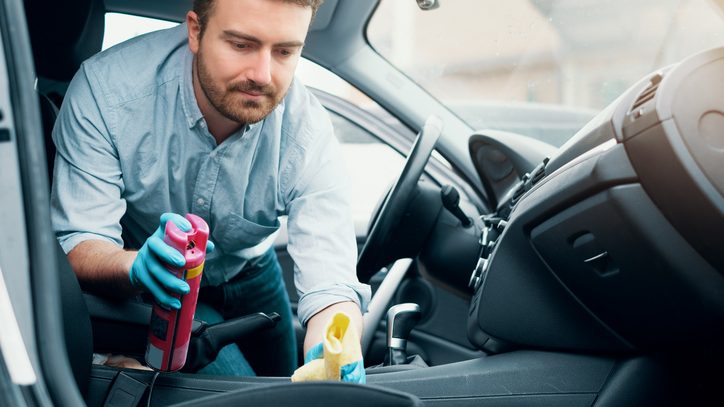
  • Clean out the inside. Dust, dirt particles and food on your dashboard, seats, trim and carpeting can actually get baked into the material, leading to permanent stains.  To prevent that from happening, vacuum out your vehicle frequently, and then wipe down the inside with a clean microfiber cloth and automotive detailing product.

Ways to Protect Your Car’s Exterior

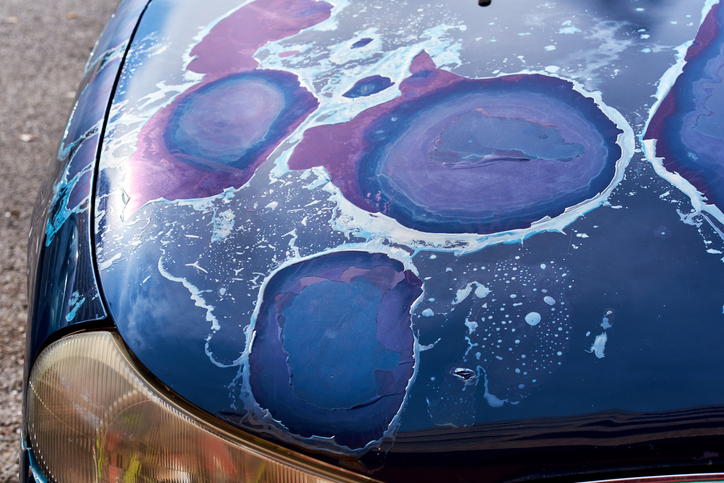
In addition to road dirt and grime, the summer air contains pollen and other air particles floating around.  Bugs and bird droppings also get splattered on your car’s paint.  When exposed to intense heat, all of these can get baked into the finish and cause permanent stains.  The sun’s UV rays can also discolor your car’s once-glossy finish and trim if it isn’t protected properly.  To keep it looking like new, here are some ways to safeguard your vehicle’s exterior from the sun:

  • Wash it often. Wash the outside of your car with a gentle soap and water often, and any time after it’s rained.  This will remove all of the dirt, dust and other paint-damaging materials.  Dry your car immediately after washing with a soft microfiber cloth before the water droplets evaporate and form spots.
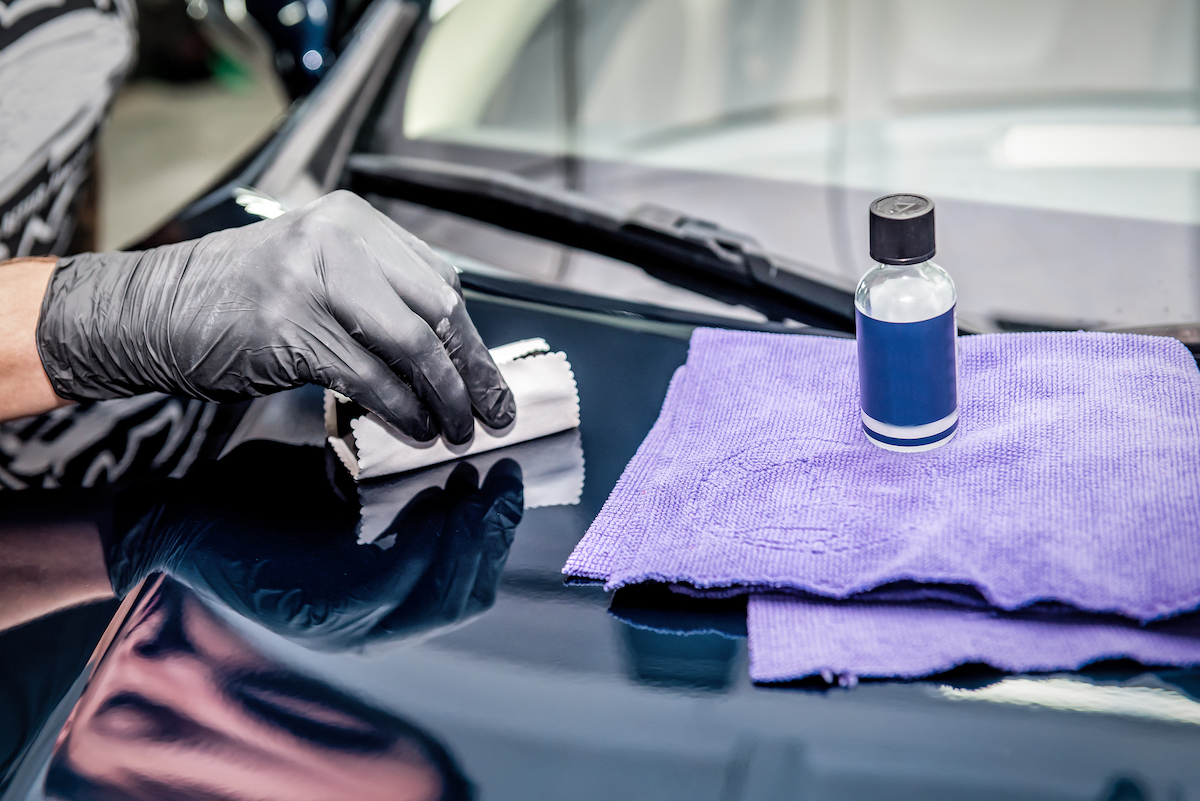
  • Wax your car. Once or twice a year after a thorough washing, wax your car with a high-quality product.  Waxing locks in the paint’s oils, and serves as a barrier against the sun’s UV rays.  However, be careful not to apply wax in direct sunlight.  There are also paint protection film products available that work like waxing, while protecting your finish from the elements year-around.  
  • Keep it shaded. Parking your car in the shade will keep your vehicle’s painted finish from being directly targeted by the sun’s punishing rays.  Keep it garaged, under a carport or other shady spot.  If you leave it under a tree, remember to check it for tree sap or bird droppings later and wash them off promptly when found.

Reliable Body Shops Nearby Know Sun Damage   

There are many ways to protect your car’s interior and exterior from the sun’s powerful UV rays.  Experienced collision repair shop technicians understand the sun’s damaging effects.  And when your vehicle has been marred by the sun, better auto body shops know how to repair the damage, inside and out.  So whether you need a fresh paint job, a cracked dash restored, or even a leather seat cover replaced, a local body shop has the reliable, affordable and prompt services you need.  And if you don’t have time to detail your car like you should, collision repair shops also provide high-quality interior and exterior auto detailing services that’ll help protect your car from the sun all year long.  To search your zip code now for a reliable body shop in your area that understands sun damage prevention and repairs, visit: www.carwise.com now.

Read More
How Body Shop Car Interior Repairs Benefit You   

How Body Shop Car Interior Repairs Benefit You   

It’s a fact that the average car interior experiences a lot of wear-and-tear.  Pets, kids, sharp objects, mud, food, spilled beverages, and even the sun’s rays all team up to damage your vehicle’s interior.  Body shop technicians collectively refer to a car’s interior features, including the seats, dashboard, steering wheel, carpeting, headliner, consoles, levers, knobs and visors, as its “upholstery”.  When you combine the aforementioned factors with aging, your car’s upholstery is vulnerable to scratches, tears, cracks, stains, fading and scuffs.  But the good news is there are several restorative techniques available that allow car care professionals to revitalize your vehicle’s upholstery, and keep it looking great for many years to come.  Let’s take a look at a few of those now, along with how those interior repairs benefit you.

Interior Repairs Body Shops Provide

Your car’s interior features a wide-variety of materials and fabrics, and each requires a slightly different type of care.  For example, seat covers can be made from natural fabrics, like leather or linen, or synthetic ones such as vinyl or nylon.  Then there are plastic parts constructed from various polymers located throughout the passenger compartment.  When those show signs of wear, here are some of the more common upholstery restorations that body shops provide:

  • Scratches and Scuffs– These can be found on your steering wheel, dash, door panels, consoles and more. Professionals remove these surface blemishes with special cleaners and buffing processes.
  • Carpet Reconditioning– Located on a vehicle’s floor, door panels or in the trunk, automotive carpeting is designed to be very durable and stain-resistant. But yours can still get worn and dirty.  As a result, body shop professionals use special shampoos and extraction methods to target ground in debris and recondition your carpeting like new.
  • Leather Restorations- For anyone who’s owned a vehicle with leather inside, it looks great but has unique care challenges. Leather is used for seat and steering wheel covers, on dashboards, consoles and door panels.  It can get dirty, scratched, cracked and faded, so detailers use special cleaners, brushes and conditioners to revitalize leather.
  • Seat Covers- Seat coverings are crafted from leather, vinyl, cloth, or a combination of those. When they’re stained, ripped, frayed or suffer a burn hole, technicians use various techniques to clean and repair the seat covers, while putting your mind at-ease.


  • Food, Beverage and Pet Stains- Let’s face it, if you have kids or pets you’ll have stains inside your car that are difficult to remove. Lingering odors sometimes accompany those stains which also need to be addressed.  As a result, the pros use stain-dissolving cleaners, along with deodorizers and extraction techniques to get them out.
  • Plastic and Hard Vinyl Cracks- These can be particularly troublesome for a novice to repair, but body shops use special crack fillers and buffing tricks so you can’t even tell that the area’s been fixed.
  • Headliners- Located above the passenger compartment, this area of your upholstery often gets ignored. But headliners can get dirty, torn or start to sag.  Body shops have the equipment to clean your headliner with special shampoo, or repair it if tears or sagging occur.

Industry insiders recommend having your vehicle professionally detailed inside and out at least once a year to stay ahead of some of the upholstery problems listed above.  And that’s a service that most body shops provide.

How Interior Repairs Benefit You 

Getting your car’s interior professionally cleaned and repaired returns the following benefits to you as its owner:

  • Improves your car’s ride comfort
  • Restores its appearance to “like-new” condition
  • Delivers a high return-on-investment by increasing its resale value
  • Interior repairs cost much less than replacements

On occasion, an upholstery component may be simply too damaged to repair.  When that happens, a collision repair shop can affordably replace that part with a new one, and get you confidently on the road again.

Locate a Body Shop in Seconds  

When your car’s interior starts showing signs of aging, take it to a reliable auto body shop nearby and allow them to clean, repair and restore the affected areas affordably and promptly.  If you have some upholstery that needs to be replaced, body shop technicians have the expertise to get the job done right.  Collision repair shops also offer professional detailing services that help protect your car’s interior year-around from wear-and-tear.  In the end, don’t spend another day driving around in a car with an embarrassing interior.  Instead, let an auto body shop in your neighborhood restore your peace-of-mind with some top-quality upholstery repairs.  To quickly search your zip code now for body shops in your area that specialize in expert interior repairs, visit: www.carwise.com.

Read More
1 2