Car Maintenance Basics to Prevent Dangerous Driving Experiences

Car Maintenance Basics to Prevent Dangerous Driving Experiences

Much like getting an annual physical exam at the doctor can help prevent health issues down the road, regular maintenance for your vehicle can help prevent accidents and extend the life of your vehicle. But how often does maintenance need to be done, and what should you be doing? Your vehicle’s owner’s manual should have all the information for your car’s specific make and model, but there are some general guidelines to keep in mind.

Check Your Car’s Fluids Regularly

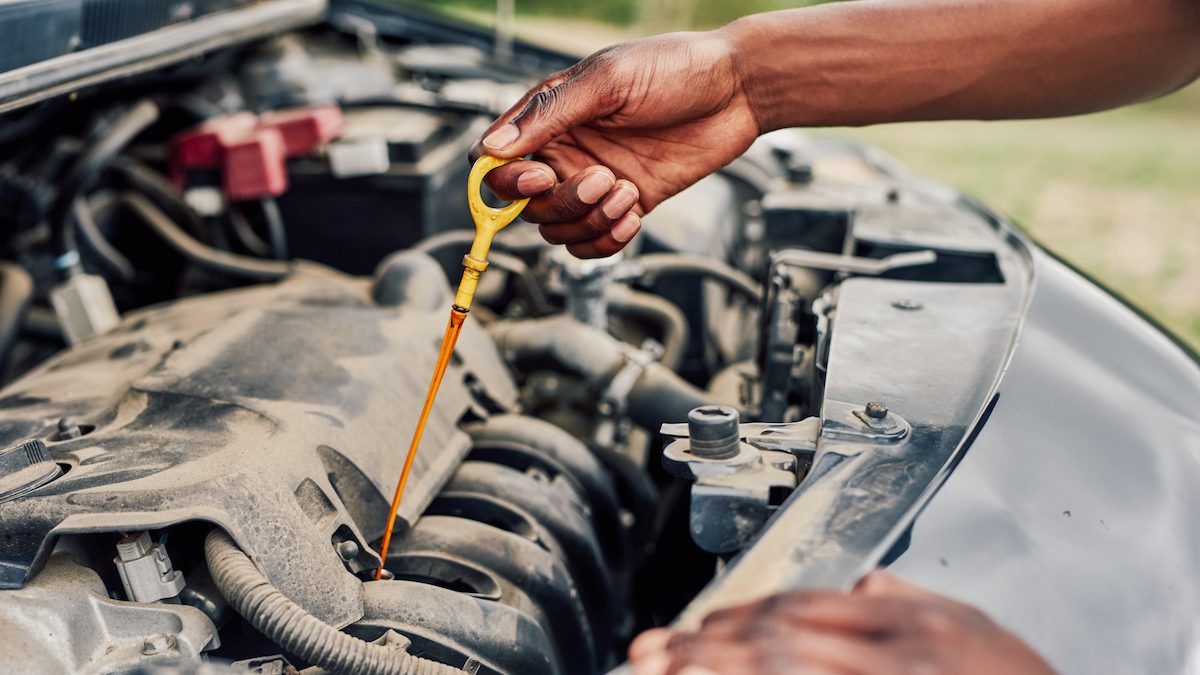
There are some simple things you can do at home to check the fluids on your car, including oil, transmission fluid, brake fluid, coolant, and washer fluid. Using a dipstick, you can check these levels yourself, or you can bring it into a trusted shop.

Checking the oil regularly will help preserve your engine and should be changed on a schedule – usually every 5,000 to 7,500 miles. Neglecting to change your oil on time can lead to severe engine damage and put you in a dangerous situation while driving. Your transmission fluid, brake fluid, coolant and washer fluid can be checked monthly at home, or every time you get your oil changed.

Keep an Eye on Your Tires

Tires are one of the most important parts of your car – they literally support the entire vehicle. You should check the tire pressure monthly and can likely do this at a gas station and adjust the air as necessary. Your owner’s manual should have guidance on the correct level for your vehicle, but you can also find this information quickly in an online search.

Tire rotation is also important to make sure that your tires wear evenly. Generally, tire rotation should happen every 6,000 to 8,000 miles.

Monitor Your Brakes

You should always pay attention to any signs that there are issues with your brakes, such as sounds, smells, or changes in the feeling of braking. But generally, brake pads last for up to 50,000 miles. Brake fluid needs to be replaced a bit sooner, usually between 20,000 and 45,000 miles. You should have these checked when your car’s in for other maintenance to be sure.

Other Routine Maintenance Needs

Of course, cars are complex, and there are many other aspects that need to be checked on regularly, from engine air filters to the car’s battery. Your car’s indicator lights can help you keep tabs on these things.

You should also keep an eye out for surface damage to your car, from chips and cracks on your windshield and windows, to rust and scratches that can compromise the body of your vehicle. These things may seem minor but can lead to accidents or incur further damage when neglected.

It’s best to bring your vehicle in regularly – every 30,000 miles or so – for a tune-up and check-in on all of the advanced systems. Keeping your vehicle in good working condition will help you stay safe on the roads and prevent dangerous driving situations that could lead to an accident.

Find An Auto Body Shop Near You

Still, accidents can happen, whether it’s a minor fender from a flat tire or something more severe. If you are in a crash as the result of an engine problem or other mechanical issue, Carwise can help. To find a reputable auto body shop near you, search Carwise.com and read reviews from real customers, find shop hours and locations, before and after photos, and certifications. With more than 21,000 shops to choose from, Carwise.com will help you find your perfect fit. Get started today: https://www.carwise.com/auto-body-shops /.


Read More
Eight Tips to Extend the Life of Your Car

Eight Tips to Extend the Life of Your Car

Cars can be expensive – and if you have one you already love, you likely want to make sure it stays in the best condition possible for as long as possible and avoid the maintenance pitfalls that can lead to an accident. There are some simple things you can do that may help extend the life of your car, keeping it on the road for many years to come. Below, find eight simple tips to follow to make sure you’re doing all you can.

1 – Read the manual.

One very simple way to keep your car in its best shape? Read the user manual when you purchase it. The manual will tell you what maintenance your car’s specific make and model needs and how often, and it will even tell you particular things to look for in your specific car.

2 – Change your oil regularly.

Oil protects your engine and keeps it running smoothly. Oil should be changed every 3,000-5,000 miles or so. When in doubt, refer to the owner’s manual to see how often oil should be checked or changed.

3 – Routinely check and change your fluids.

There are many fluids in your car aside from oil; there’s also transmission fluid, radiator fluid, brake fluid, power steering fluid, and others. These fluids should be checked at least once a month, and definitely checked with regular car maintenance. If they need to be topped off or changed, do this promptly.

4 – Check your tires often.

Tires are very important for not only your car, but also for your safety. Keep an eye on your tire pressure, which can fluctuate with outdoor temperatures. Tires that have too much pressure can pop while you’re driving, and too low pressure can damage your vehicle as well. Tire pressure can be checked at most gas stations, with air stations available if needed. Be sure to also keep tabs on the condition of your tires and have them rotated regularly, usually about every six months.

5 – Keep your car clean – inside and out.

Keeping your car clean isn’t just about appearances – vehicle cleanliness plays a role in protecting the auto body’s paint job, preventing rust and more. Go through a carwash regularly to keep the exterior protected, and get the undercarriage cleaned before and after winter, to protect it from salt build up from the roads. While you’re there, clean the inside of your car as well, to keep the interior materials in good condition.

6 – Avoid “cold starts” if possible.

Cold starts are when you turn your car on and immediately drive away, typically because you’re running behind schedule and want to get to your destination quickly. Ideally, you should turn your car on and wait about 30 seconds before you start driving, no matter the weather. In cold temperatures, engines collect condensation that can contaminate the oil and corrode the system. Giving your vehicle a few minutes to warm up before you hit the road can help condensation evaporate and avoid damage to the engine.

7 – Fix windshield & window chips.

Windshield and window chips may seem minor, but they can quickly turn into cracks. It’s best to fix a chip promptly so you can avoid having to replace all of the glass down the road – a much more expensive repair.

8 – Stay on top of repairs.

If an indicator light comes on in your dashboard or you know your car needs a repair, it’s best to not neglect it to keep your vehicle in top-notch condition and avoid accidents that incur more damage.

FIND A REPUTABLE COLLISION REPAIR SHOP NEAR YOU

If you need a paint job, window repair, or collision repair following an accident, Carwise can help. To find a reputable auto body shop near you, search Carwise.com and read reviews from real customers, find shop hours and locations, before and after photos, and certifications. With more than 21,000 shops to choose from, Carwise.com will help you find your perfect fit. Get started today: https://www.carwise.com/auto-body-shops/.

Read More