Car Maintenance Basics to Prevent Dangerous Driving Experiences

Car Maintenance Basics to Prevent Dangerous Driving Experiences

Much like getting an annual physical exam at the doctor can help prevent health issues down the road, regular maintenance for your vehicle can help prevent accidents and extend the life of your vehicle. But how often does maintenance need to be done, and what should you be doing? Your vehicle’s owner’s manual should have all the information for your car’s specific make and model, but there are some general guidelines to keep in mind.

Check Your Car’s Fluids Regularly

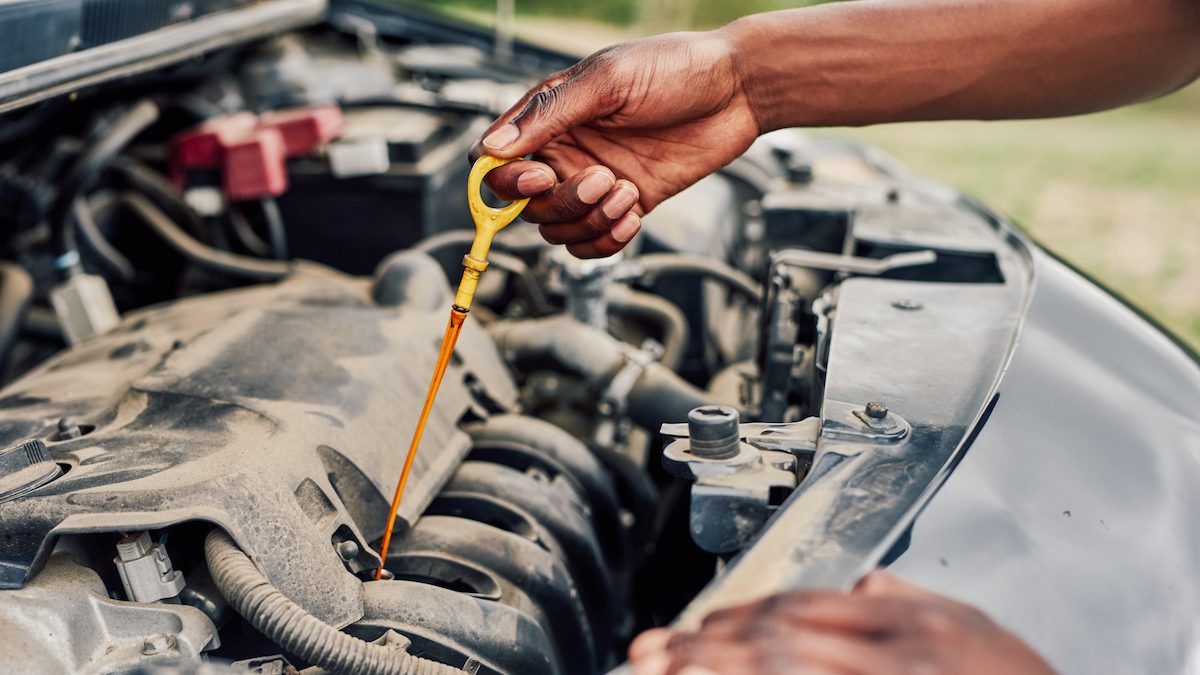
There are some simple things you can do at home to check the fluids on your car, including oil, transmission fluid, brake fluid, coolant, and washer fluid. Using a dipstick, you can check these levels yourself, or you can bring it into a trusted shop.

Checking the oil regularly will help preserve your engine and should be changed on a schedule – usually every 5,000 to 7,500 miles. Neglecting to change your oil on time can lead to severe engine damage and put you in a dangerous situation while driving. Your transmission fluid, brake fluid, coolant and washer fluid can be checked monthly at home, or every time you get your oil changed.

Keep an Eye on Your Tires

Tires are one of the most important parts of your car – they literally support the entire vehicle. You should check the tire pressure monthly and can likely do this at a gas station and adjust the air as necessary. Your owner’s manual should have guidance on the correct level for your vehicle, but you can also find this information quickly in an online search.

Tire rotation is also important to make sure that your tires wear evenly. Generally, tire rotation should happen every 6,000 to 8,000 miles.

Monitor Your Brakes

You should always pay attention to any signs that there are issues with your brakes, such as sounds, smells, or changes in the feeling of braking. But generally, brake pads last for up to 50,000 miles. Brake fluid needs to be replaced a bit sooner, usually between 20,000 and 45,000 miles. You should have these checked when your car’s in for other maintenance to be sure.

Other Routine Maintenance Needs

Of course, cars are complex, and there are many other aspects that need to be checked on regularly, from engine air filters to the car’s battery. Your car’s indicator lights can help you keep tabs on these things.

You should also keep an eye out for surface damage to your car, from chips and cracks on your windshield and windows, to rust and scratches that can compromise the body of your vehicle. These things may seem minor but can lead to accidents or incur further damage when neglected.

It’s best to bring your vehicle in regularly – every 30,000 miles or so – for a tune-up and check-in on all of the advanced systems. Keeping your vehicle in good working condition will help you stay safe on the roads and prevent dangerous driving situations that could lead to an accident.

Find An Auto Body Shop Near You

Still, accidents can happen, whether it’s a minor fender from a flat tire or something more severe. If you are in a crash as the result of an engine problem or other mechanical issue, Carwise can help. To find a reputable auto body shop near you, search Carwise.com and read reviews from real customers, find shop hours and locations, before and after photos, and certifications. With more than 21,000 shops to choose from, Carwise.com will help you find your perfect fit. Get started today: https://www.carwise.com/auto-body-shops /.

Read More
Six Signs Your Car May Need New Brakes

Six Signs Your Car May Need New Brakes

When it comes to safety on the road, one of the most important aspects of vehicle maintenance is the brakes. While just two percent of all accidents in the U.S. are caused by brake failure, it is still extremely dangerous and, in most cases, preventable with routine maintenance. Brake failure is often gradual, and cars show plenty of warning signs when brake maintenance is needed before your car’s brakes stop working completely. Industry experts recommend replacing the brake pads every 10 – 20,000 miles to keep wear to a minimum. Like with many car maintenance tasks, neglecting routine brake maintenance can incur further damage to your car’s mechanics or auto body, or it could lead to a serious accident. But if you’ve forgotten to take your car in for regular brake maintenance, or you’ve purchased a used car recently and aren’t sure what shape the brake pads are in, here are some telltale signs to look, listen, and sniff for.

1 – Squealing or clicking noises.

If you hear a squealing noise while driving your car that seems to stop when you brake, that is most likely a sign that your car’s brake pads need replacing. Brake pads make a very annoying sound when they’re worn down due to the wear indicators rubbing against the brake pad rotor.

Alternatively, if you hear a clicking noise when you press the brakes, that’s a sign that the brake pads could be loose. They should be inspected in this case as well.

2 – Take longer to break or being extra sensitive to braking.

If you notice that your car is taking longer to brake, that’s another sign that your brakes need to get checked out. Alternatively, brakes that are very sensitive or “sudden” could indicate a brake fluid level or other issue. Additionally, if you feel vibrations in the brakes when you use them, that can be another sign of a problem.

3 – Your car pulls to one side.

Keep note of how your car moves when you brake. If a vehicle tends to drift to one side when braking, this could mean that the brake pads are wearing unevenly. In that case, leaving the problem could cause damage to other parts of your car, like the ball joints or steering column. Be sure to replace both brake pads promptly to avoid further issues.

4 – Visible signs of wear.

Sometimes, knowing if your brakes need to be repaired is as easy as taking a look at the brake pads. You may have to remove the wheels to do this, but brake pads should be at least a quarter inch thick. If it’s thinner than that, it’s definitely time to have them inspected.

5 – Fluid leaks.

This sign may be more difficult to decipher because cars can leak fluid for all sorts of reasons, from the air conditioning to the transmission to the engine. Brake fluid is yellow or light brown, similar to vegetable oil. If you’re not sure, head to a mechanic.

6 – A burning smell.

The smell of burnt rubber after you hit the brakes is a strong indication that your brake system has overheated. Continuing to drive your vehicle when the brake system is overheating can damage the brake line and cause brake failure, which can be dangerous.

Neglecting Brake Maintenance Can Increase Risk of Accidents & Vehicle Damage

The bottom line? When in doubt, get your brakes checked out. While accidents due to brake failure are rare, and it is very rare for brakes to fail without warning, accidents can still happen, from minor fender-benders to severe collisions. The risks increase in inclement weather, especially on wet or icy roads.

If your brakes do fail while you’re driving, here are a few safety tips:

  • Try to remain calm and remove your foot from the gas.
  • Turn on your hazard lights to warn other drivers.
  • Keep your wheel straight; do not try to crash into anything to stop the car from moving.
  • If your car has an anti-lock braking system (ABS), press the brake pedal down as far as it can go.
  • If your car does not have ABS, pump the brake as hard and fast as possible.
  • Shift the car into a lower gear; this will help the engine slow the car down.
  • Steer your car to a clear spot on the shoulder of the road.
  • Once your car has slowed down significantly, apply the emergency brake. Do this as gently as possible to prevent your wheels from locking up, which can be dangerous.
  • Once the car has stopped moving, turn the engine off and call for roadside assistance. Do not try to turn the car on or drive it until the brakes have been repaired by a mechanic.

If your brakes fail and cause you to get into an accident, be sure to follow these post-accident safety tips for gathering information from other drivers at the scene, contacting your auto insurer, and finding a local auto body shop near you.

Find a Collision Repair Shop Near You

If you are in a crash as the result of a brake failure, Carwise can help. To find a reputable body shop near you, search Carwise.com and read reviews from real customers, find shop hours and locations, before and after photos, and certifications. With more than 21,000+ shops to choose from, Carwise.com will help you find your perfect fit. Get started today: https://www.carwise.com/auto-body-shops/.

Read More