The Role Human Error Plays in Car Accidents
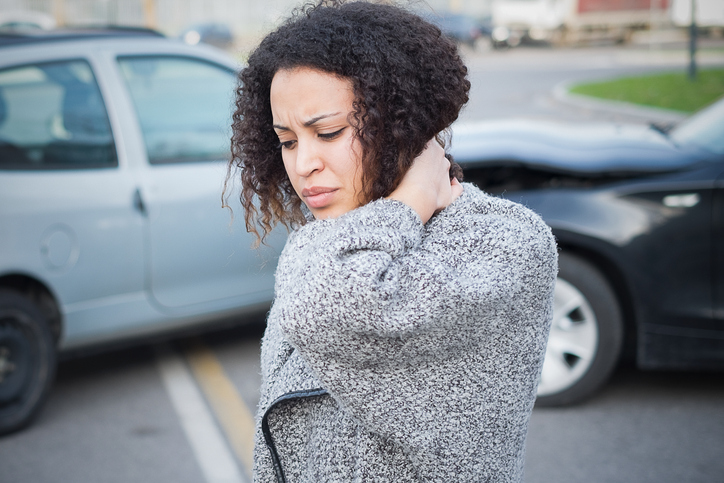
According to the National Safety Council (NSC), over 40,000 Americans died in motor vehicle accidents last year. Over two million others were injured, and the estimated economic impact from car crashes now exceeds $300 billion annually; not to mention the long-term pain, suffering and legal bills for all parties involved. Insurance companies typically pick up the tab for most accidents, and that ultimately means higher insurance rates for everyone. And according to insurance industry insiders, the common thread that’s found within most car wrecks each year is us. That’s right- it seems that most accidents are due to human error, and are therefore quite preventable. So in an effort to make us all into safer and more responsible drivers, here are some of the most common reasons for car accidents, along with the role that human error plays in each.
Distracted Driving
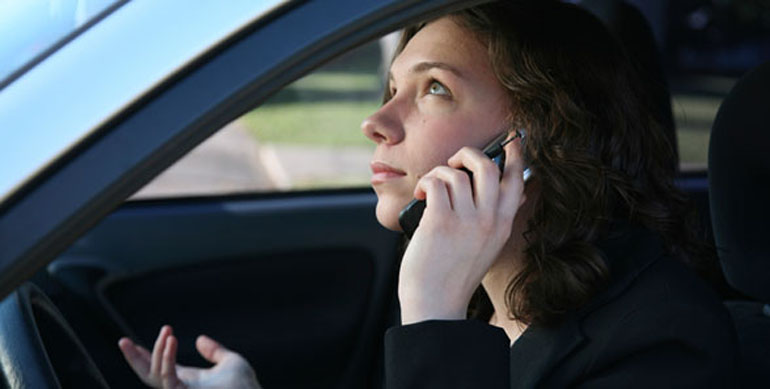
Diverting your attention away from the road while driving, also known as “distracted driving”, is the largest cause of car accidents annually. That happens when we text, eat, read or apply makeup while operating our vehicles. So please don’t do any of those, and remember to only talk on your cell phone when it’s hands-free.
Speeding
There’s an old saying that “speed kills”. Many of us exceed the posted speed limits while driving, but keep in mind that speeding is the second most common cause of car accidents every year. For one, the faster you’re traveling the harder it is to stop or swerve your vehicle to avoid a hazard. So the next time you’re tempted to drive with a “lead foot”, think twice about the consequences.
Drunk and Drugged Driving
Causing an accident while driving under the influence of alcohol, prescription, or recreational drugs is not only common, it’s the number one reason for fatal wrecks on our nation’s roadways every year. When you’re impaired by these substances, give your car keys to someone who’s not, or call a taxi or ride-sharing service before you climb behind the wheel.
Reckless Driving
Excessively exceeding the posted speed limit, tailgating, and weaving in and out of traffic are all types of reckless driving, and can cause horrific and oftentimes fatal crashes. “Road rage” also quite commonly leads to reckless driving. Don’t engage in these kinds of activities, and instead take your time and remain calm while driving to arrive safely at your destination.
Driving at Night
Nearly twice as many car wrecks happen at night than during daylight hours due to poorly lit roads combined with the fact a lot of drivers can’t see as well in the dark. As a result, it’s harder to pick up potential road hazards, or for other drivers to see your vehicle. Drive slower at night, use your headlights between sundown and sunrise, and don’t drive after dark if you have poor night vision.
Running Red Lights and Stop Signs
Red means “stop” when you are approaching an intersection. But how many times have you seen a car run a red light or stop sign and nearly cause a serious wreck? Disregarding traffic signals because of distracted driving or just being in too big of a hurry is a major cause of rollover and side impact car accidents every year. Reduce your speed when approaching intersections, stay focused on the road ahead of you, and stop when you see red.
Wet Roads
Water on the road means slicker driving conditions and slower braking times, whether it’s rain, sleet, snow or ice. Slow down when the pavement is wet, or avoid driving altogether when precipitation makes the road exceedingly unsafe. And always drive with your headlights on when water is falling in any form.
Five Good Driving Habits to Prevent Accidents
There are many kinds of bad driving habits that can lead to auto accidents, including distracted driving. But there may be something less obvious that you are doing (or not doing) that can put you at risk. Here are five tips that will help keep you out of the auto body shop:
AVOID CELL PHONE USE WHILE DRIVING
Studies suggest that talking on a cell phone roughly quadruples a person’s risk of being involved in a crash. Other studies have shown that driving while using a cell phone, be it handheld or hands-free, may impair a driver’s reaction equally as a blood alcohol content of .08.
ADJUST YOUR CAR MIRRORS
Most of us think that the best way to position your car’s side mirrors is to angle them to display the flank of the car and the road behind it. However, safety experts say that side mirrors should be positioned so that no part of your car appears in them. They should slightly overlap the field of view of view in the center-mounted rearview mirror. Adjusting your mirrors this way can negate blind spots that require you to turn your head when changing lanes.
AVOID DRIVING IN A HOT CAR
The discomfort you feel when you get into a hot car that’s been parked in the sun can be a distraction while driving. A quick and simple way to cool down your car is to first roll down one of the windows all the way down, then walk to the other side of the car and open and close the door five to ten times. This creates a circulation of air flow that forces the trapped hot air out of the car and can actually help drop the inside temperature as much as 10 degrees.
KEEP YOUR KEYCHAIN LIGHT
Keyed ignitions are fragile, and when too much weight is put onto the key inside, it pulls downward and can wear out your ignition switch. The function of the ignition switch is not only to start the car but also to maintain the electrical circuit. If the switch fails while you are driving, your whole car can shut off and might cause an accident.
AVOID EATING OR DRINKING WHILE DRIVING
Eating and drinking can cause you to take your eyes off the road, your hands off the wheel, or distract your mind away from driving. You can become especially distracted if you spill or drop food, and one-handed driving means less control of the steering wheel.
When Accidents Happen Body Shops Stand Ready
No matter how careful you are on the road car accidents can still happen. When you’re involved in one, take your vehicle into a reliable body shop nearby and they’ll promptly get you back on the road again. Most collision repair shops work directly with insurance companies so that you don’t have to, and their technicians have the expertise and know-how to restore your car, and your peace-of-mind, like new again. To search your zip code now for a better auto body shop in your area, visit: www.carwise.com.