Three Maintenance Tasks to Do Before You Sell Your Car

Three Maintenance Tasks to Do Before You Sell Your Car

You’ve decided the time is right to sell your car. But, do you know how to make sure you get the most from the deal? While you may not want or need to invest a ton of money in a vehicle you’re hoping to sell, keep in mind that potential buyers will be inspecting your car to see if it’s a good investment for them. The better condition your car is in when you’re ready to sell, the more likely you are to get the most bang for your buck. There are a few maintenance tasks you can take care of that may make it easier to sell your car.  

1 – Inspect & Repair.

Obviously, it helps to make sure there is nothing glaringly wrong with your car if you want to get the maximum value from selling it. If a windshield or window is cracked, consider replacing it – your insurance may cover this anyway. If there are scratches to the paint or rust spots, it might be worth it to have them touched up by a local auto body shop that can match the paint exactly.

If your car has suffered dents from a hailstorm or an accident, those could potentially be fixed through a process called paintless dent repair, which is generally more affordable than a dent repair requiring paint.

 And if there’s major damage – the bumpers, for example – consider getting those repaired, especially if your insurance will cover it. You might be surprised which delicate electrical systems can be damaged by even a minor fender bender. Here are a few signs of hidden damage to watch out for.

2 – Replace & Replenish.

Before you start showing your car off to potential buyers, replacing and replenishing certain items on your vehicle may make it easier to sell. One simple thing you can do is replace or replenish any fluids, such as the oil, radiator, brake fluid, transmission fluid and windshield wiper fluid. If you notice your windshield wipers are worn or a bulb on head or taillight has burnt out, now is the time to replace them as well. Aside from being a courtesy to the future owner, these tasks can demonstrate that your vehicle has been well cared for and boost confidence with the potential buyer, whether it’s an individual or a dealership.

3 – Deep Clean & Detail.

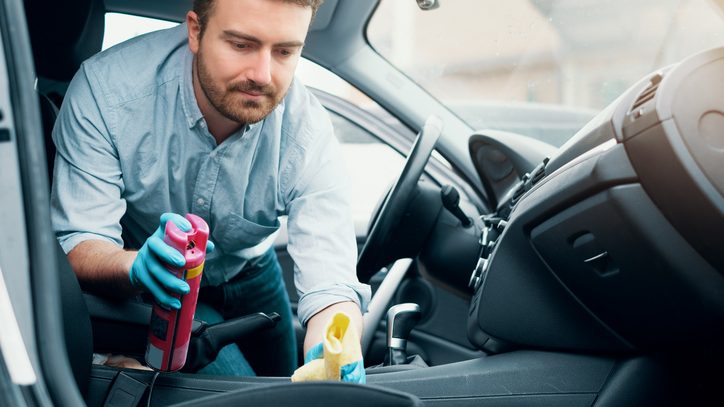
A clean car will be more likely to make the sale. Start by clearing out any trash and personal belongings – don’t forget check the glove box! – but you should also consider taking it a step beyond that.

Paying for your car to be professionally detailed could truly pay off in the end, especially if your car’s interior has any stains or odors. Depending on the age and state of the vehicle, your local auto body shop may be able to restore the interior of your vehicle to like-new condition.

But if you’re going to clean your car yourself, be sure to vacuum any seats and carpeting, get into every crevice to remove dirt and crumbs, and clean the glass on the inside of the car, as well as the center console. If you’re trying to freshen the odor inside your car, follow these tips. Finally, take your car through the car wash and perhaps even splurge on a wax; it’ll give your car that extra sparkle that’s so appealing when car shopping.

Find an Auto Body or Auto Glass Shop Near You

If you’re ready to sell your car but do need some damage repaired, use Carwise.com to find a local auto body or auto glass shop for professional restoration, whether it’s a bumper repair, window replacement, or professional car detailing. Carwise provides real reviews from recent customers as well as shop hours and location, before and after photos, and certifications. Click here to get started: https://www.carwise.com/auto-body-shops/.


Read More
Taking Your Car to College? Make Sure it’s Road-Ready with These Tips

Taking Your Car to College? Make Sure it’s Road-Ready with These Tips

Going to college is the first taste of true independence for most people – and bringing a car to college can provide even more freedom. But, before you hit the road, it’s important to prepare your car inside and out so that you don’t have to deal with car-related headaches throughout the semester, especially if your school is far away from home.

Use this checklist to make sure your car is ready to go before you set off.

1 – Get the Maintenance Done

Maintenance is key to keeping a car in shape for as long as possible. A few simple maintenance items include:

  • Get an oil change.
  • Get the brakes checked.
  • Check the head and taillights, as well as turn signals.
  • Check the tire pressure.
  • Check the car battery.
  • Windshield wiper replacements.
  • Replace or replenish the fluids, including transmission, break, coolant and windshield wiper fluid.

Although school semesters can get busy with classes, homework, jobs, and social events, remember to keep an eye on all of these things so that your vehicle stays road-ready. It takes less time and money for routine maintenance tasks than it would for a major repair because the oil wasn’t changed. 

2 – Complete Any Necessary Repairs

Some repairs are necessary for maintaining the safety of your vehicle. While accidents can happen, you may be able to avoid some dangerous situations by taking care of any needed repairs over the summer or winter break, before you head back to school. Repairs could include:

3 – Give Your Car a Good Cleaning

Who wants to worry about cleaning their car in the middle of a hectic semester? Cleaning may seem unnecessary, but in some cases can actually improve the safety of the vehicle, like cleaning the glass. Start each semester with a clean car and save yourself time by doing the following:

  • Clean the glass inside the car to reduce glares.
  • Clean out any trash and wipe down the steering wheel and center console.
  • Vacuum the seats and floors.
  • Have a bad odor in your car? Follow these tips for removing it.
  • Take your car through the car wash and get the undercarriage washed, particularly if you live in a cold climate with snow, to reduce the risk of rust.

4 – Take Preventative Measures

If something does happen while you’re away at school, it helps to be prepared. A few easy steps can help with this:

  • Get a AAA Membership or make sure you have tow services through your auto insurance provider. Make sure you have this information saved in a note on your phone, or that you have your provider’s mobile app downloaded. By doing this, you know that you’ll have roadside assistance wherever you are should something happen.
  • Update your insurance card if needed. Make sure it has the most up-to-date information and is stored in the glove compartment
  • Keep your car battery charged, and make sure the battery is holding a charge well.
  • Stock an emergency kit. This should include items like bottled water, shelf-stable food items, gloves and a warm blanket, flashlights, jumper cables, tire repair kit, basic tool kit, and even some cash. Think about the climate you’re in and what items you might need if you’re stranded for several hours.

Find an Auto Body or Auto Glass Shop Near You

Despite all of the above preparations, sometimes your car will still need work while you’re at school. You may not know the most reputable auto body or auto glass shop near your school, but Carwise.com can help you find a reputable auto body shop that fits your needs, even while you’re far from home. The Carwise shop search tool has details on more than 20,000 shops nationwide, from shop hours and location to real reviews from recent customers, before and after photos, shop certifications, and online appointment scheduling. Search more than 20,000 shops on Carwise.com to find your perfect fit: https://www.carwise.com/auto-body-shops/.

Read More
Basic Vehicle Maintenance Before You Take a Summer Road Trip

Basic Vehicle Maintenance Before You Take a Summer Road Trip

Summer travel in 2021 is expected to bounce back from the historic lows during the COVID-19 pandemic, with many people making up for lost time to visit loved ones or take a long-awaited vacation. According to research from the National Highway Transportation Safety Administration (NHTSA), around 20% of all traffic accidents are the result of poor or neglected vehicle maintenance. If you’re one of the thousands of people planning to hit the road this summer, make sure that your vehicle is road-ready – especially if you weren’t driving it as often during the pandemic.

Here are some basic vehicle maintenance tasks you can do prior to your road trip to make sure that your vehicle is safe to drive.

  1. Check your car’s battery, belts and hoses. You want to make sure your car’s battery connection is tight and free of corrosion. Make sure the belts are tight and that you’re not seeing any fluids leaking beneath the car.
  2. Replenish fluids and replace filters. Check your car’s engine oil, power steering fluid, transmission fluid, and windshield wiper fluid, and top off any that are running low. If your car needs an oil change, most oil change stations will also change the engine air filter and top off other fluids if you ask.
  3. Inspect lights and electrical equipment. Make sure that your car’s brake lights, turn signal lights and headlights are all working properly, and replace any bulbs that are out. Don’t forget to check the windshield wipers and replace them if necessary.
  4. Check the brakes. If your brakes are squealing or making any sort of sound, the brake pads may be worn down and need replacing.
  5. Inspect the tires. If your tires are worn, they may need replacing. Check the tire pressure as well, ideally when it’s cold out to get the best reading of any low pressure issues. Tires that aren’t in top shape can affect not only fuel economy, but also safety.
  6. Got a chip or crack in your windshield? Make sure you get that repaired before you leave. Small windshield damage can quickly become big windshield damage if it’s not repaired quickly, impairing your vision or making a potential collision more dangerous.

Steps to Take After an Accident

No one wants to get in a car accident while on a road trip, but if one does happen, remember the protocol to follow after an accident:

  1. Check for injuries. Check on anyone in your own car – including yourself – then check on the other vehicle(s) involved to see if the driver and passengers have any injuries.
  2. Get to safety. Pull over to the side of the road if possible, or at least make sure you and anyone else involved are safely away from traffic if the cars cannot be moved.
  3. Call 911 and wait for help. In some states, it’s required to call the police even for a fender bender, so it’s better to be safe than sorry. Notify the police and wait for them to arrive.
  4. Document the accident. Take plenty of pictures from the scene of the accident if it’s safe to do so, to document any damage. Request a copy of the accident report from first responders or police.
  5. Exchange information. You’ll need to exchange information with the other driver(s) involved, including: full names, contact information, insurance company and policy number, driver’s license and license plate number, type/color/model of vehicle, and the location of the accident.
  6. Notify your insurance. You’ll need to notify your insurance carrier of the accident. You may want to do this while you’re still at the scene of the accident, in case your insurance provider has a mobile tool available to submit information digitally, should you choose to file a claim.
  7. Find a collision repair shop near you. If your vehicle is damaged, you may need to find an auto body or auto glass repair shop near you.

How to Find a Reputable Collision Repair Shop Near You

We hope your summer travels are safe – but if you do get in an accident on your summer road trip, Carwise.com can help you find an auto body or auto glass repair shop near you – even when you’re several hundred miles from home. It’s as easy as entering a zip code into the Carwise shop finder tool. Carwise has details on more than 21,000 collision repair shops nationwide, including hours and location, shop certifications, and reviews from real customers. Find a shop today at https://www.carwise.com/auto-body-shops/.

Read More
1 2