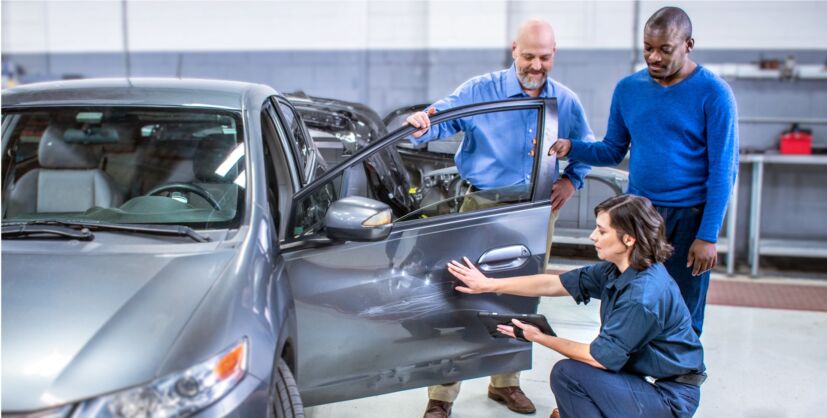
Who is Who in a Car Repair Shop

Who is Who in a Car Repair Shop

When your car needs repairs, the thought of going into a car repair shop can be daunting. You may not know what’s wrong with the car or what needs to be done – and you may not even know what type of mechanic you need.

In this blog, we’re taking the stress out of this process by explaining whom you can expect to find in a repair shop and the kind of work they may do on your car.

General Automotive Mechanic

This is the type of mechanic you’re most likely to encounter – they do general repairs and replacements on a vehicle. They diagnose mechanical problems and repair them as needed. If you are bringing in your vehicle for a check-up or routine maintenance, this is the type of mechanic you likely need. They’re kind of like the GP for your car.

Auto Body Mechanic

These are the mechanics you’ll often encounter after an accident. They can handle everything from minor paint job touch-ups to complete structural replacements in a car after an accident. These mechanics receive specialized training to keep up with all the current car technologies, and they have a special certification.

Brake and Transmission Technician

This type of mechanic is exactly what it sounds like – they specialize in brake and transmission issues. While a general mechanic will also be versed in these areas, a brake and transmission technician can correct more complex issues and has the training to use special alignment equipment. If a general mechanic notices something that seems off with your brakes or transmission, they will often hand your car over to this type of specialist within the shop.

Service Technicians

Service technicians can diagnose and check mechanical and electrical components within a vehicle. When they look at a car, they’ll do things such as check the oil and fluid levels, or work to find causes of operational issues. Rather than looking at specific mechanical components, they tend to look at the general systems that work together in a vehicle to identify any problems or issues.

Auto Glass Mechanics

Fixing or replacing the glass on a vehicle can be tricky. Some auto glass mechanics have been specially trained in working with auto glass. They’ll know how to identify if cracks or dents can be repaired, or if the entire piece of glass needs replacing. These mechanics are also trained in weatherproofing glass, installation and more.

Tire Mechanics

General mechanics will be trained in basic tire care, but tire mechanics have even more training to spot complex issues and optimize tire usage and wear. They can identify tire issues, do tire rotations, and complete tire replacements. They’ll also inspect tires for any abnormalities and to ensure proper inflation.

If you’re in need of a repair shop for your vehicle, Carwise is here to help. Browse thousands of shops on Carwise.com and read real reviews from customers, see certifications and specializations, and more.

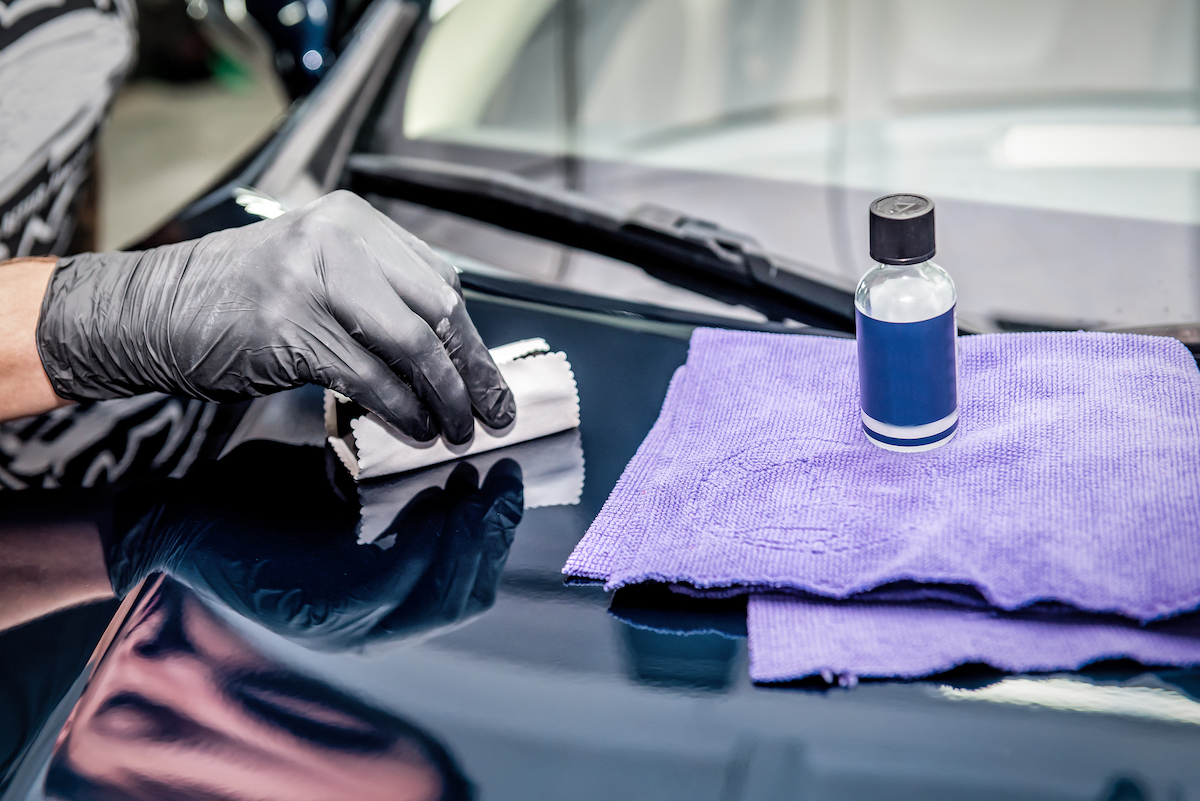
Read More
Repairing Scratches on Your Car – and When to Repaint

Repairing Scratches on Your Car – and When to Repaint

Even if you’re a very careful driver, scratches can happen. Sometimes it’s as simple as sliding a grocery bag off the top of your car or brushing against a bush as you pull into your driveway. Some minor scratches can be fixed at home, but keep in mind that repairing or repainting a scratch incorrectly can incur further damage. Here are a few tips on how to decide when it’s best to try a DIY repair or take it to a professional.

DIY Options for “Barely There” Scratches

If a scratch is minor or barely noticeable, there’s a chance you can fix it at home. If the scratch is shallow and the length or width is less than an inch, you may be able to buff it out yourself. A good test is to see if your fingernail catches in the scratch.

Scratch Repair Kits

A scratch repair kit is worth a try for those “barely there” scratches and can be purchased at most auto body shops, online, or in other retail stores. Most will come equipped with scratch repair polish and paste, touch up paint and buffers.

For all scratches, you’ll start by first cleaning the area with soap and water, using a microfiber cloth. This removes any debris that might cause further scratching. Next, apply the scratch removal paste to a microfiber cloth or the buffers the kit came with – not directly to the scratch – and gently buff the scratch to fill it in.

Then, use the scratch removal polish with another buffer or microfiber cloth to gently buff the scratch again. Take your time – this process can take a few minutes. Don’t repeat the buffing process more than three times, or it may erode the clear coating on the auto body.

Finally, remove any extra polish with a clean cloth, and touch up the paint as needed with the paint that came in your repair kit. Let the paint dry for 8 to 12 hours, then consider getting your car waxed to protect the paint once again.

Glazing Putty Kits

If a scratch is big enough to catch your fingernail, or that you can see bare metal, it’s a bigger job – and you should consider contacting a professional. However, if you want to attempt to fix it at home, you can try using glazing putty.

Glazing putty can be purchased at most auto shops and some retail stores. This putty can fill in bigger scratches, and it’s the best method if a scratch is deep enough to see the metal beneath the paint.

In this case, you’ll again clean the area, but this time use rubbing alcohol to remove any residual wax or dirt from the area. Next, apply the putty directly to the scratch on the car. Use a spreader tool to spread it evenly and fill in the scratch. Allow it to harden for several minutes before moving on.

Finally, you’ll remove any excess putty with a liquid paint leveler and a microfiber cloth until the scratch looks flat and the area around it seems transparent. Then, you’re ready to repaint.

The Challenge of Paint Matching

Keep in mind that the paint may not be an exact match to the color and finish of your vehicle. If the scratch is large enough, a mismatched paint job will be just as noticeable as the scratch itself, so you may want to seek paint repair from a professional auto body shop near you. Professional auto body technicians have the tools and resources to repair the scratch efficiently and match your vehicle’s color and finish.

Find a Professional Auto Body Shop Near You

Carwise.com can help you find a shop near you that can get your vehicle’s scratches fixed quickly and correctly the first time. Carwise has details on more than 21,000 shops, from hours and locations, to shop certifications, reviews by real customers, and before and after photos. Use Carwise’s shop finder tool to search your zip code for a customer-reviewed auto body shop nearby: https://www.carwise.com/auto-body-shops/.

Read More
Ten Things That Can Damage Car Paint

Ten Things That Can Damage Car Paint

Whether your car is decades old or brand new, you want your car to remain looking as nice as possible for as long as possible, and keeping the paint job looking fresh goes a long way. But there are certain materials that can damage car paint. While many are repairable, some are not, so it’s important to be aware of them and take care of any messes promptly.

Below, read about 10 top items that can damage a car’s paint and learn what you can do to protect your own vehicle.

1 – Brake fluid.

As a car owner, you likely know how important it is to keep brake fluid at the proper levels – but even a little bit of non-silicone-based brake fluid can act like paint thinner and damage a paint job. If you spill brake fluid, wipe it up immediately by dabbing. Don’t spread it around. Then, wash the spot with soap and water.

2 – Animal and plant materials.

Bugs, bird droppings and tree sap can all be acidic and damage paint if they sit on a vehicle for too long, especially in the sun. Regular car washes by hand or at a commercial wash can help avoid lasting damage. If tree sap has hardened, it may need to be carefully scraped off – but be mindful not to scratch your car. And, be mindful that some types of commercial washes are better for your vehicle’s finish than others.

3 – Gasoline.

Gasoline can stain your car’s finish and be very difficult to remove if left for too long, so it’s important to be cautious when inserting and removing gas nozzles from the gas tank to avoid drippage. If you take care of spills and drips right away, it shouldn’t be an issue. Keeping your car waxed can also help protect the car’s surface from gas stains.

4 – Vandalism.

Whether a silly prank by a friend or a true act of vandalism, there’s no doubt it can damage your car. Items like silly string or shaving cream might seem benign, but if left in the sun, they can damage car paint. Other household items like certain cleaning fluids or acidic foods (tomatoes, vinegar, etc) can also leave damage. Be sure to clean up messes like these quickly with soap and water. If other vandalism occurs on your car – such as graffiti or scratches – contact your insurance agency, as the repair may be covered. In most cases, a local auto body shop will be able to color match your car’s paint and restore it to like-new condition.

5 – Shoe polish.

Believe it or not, shoe polish can be one of the most difficult stains to remove from a vehicle. Sometimes, it’s impossible. You might be wondering why someone would put shoe polish on a vehicle, but mistakes happen. If someone tries to test shoe polish on a worn part of their leather interior and rests the polish-soaked rag on the roof or hood of the vehicle even temporarily, it can cause damage. (It should also be noted that shoe polish is not recommended for cleaning or repairing leather car interior because it will not soak up the substance the way that shoe leather does.) If shoe polish gets on your car, go to your local body shop to purchase a specialized cleaner, or consult with a professional.

6 – Dust.

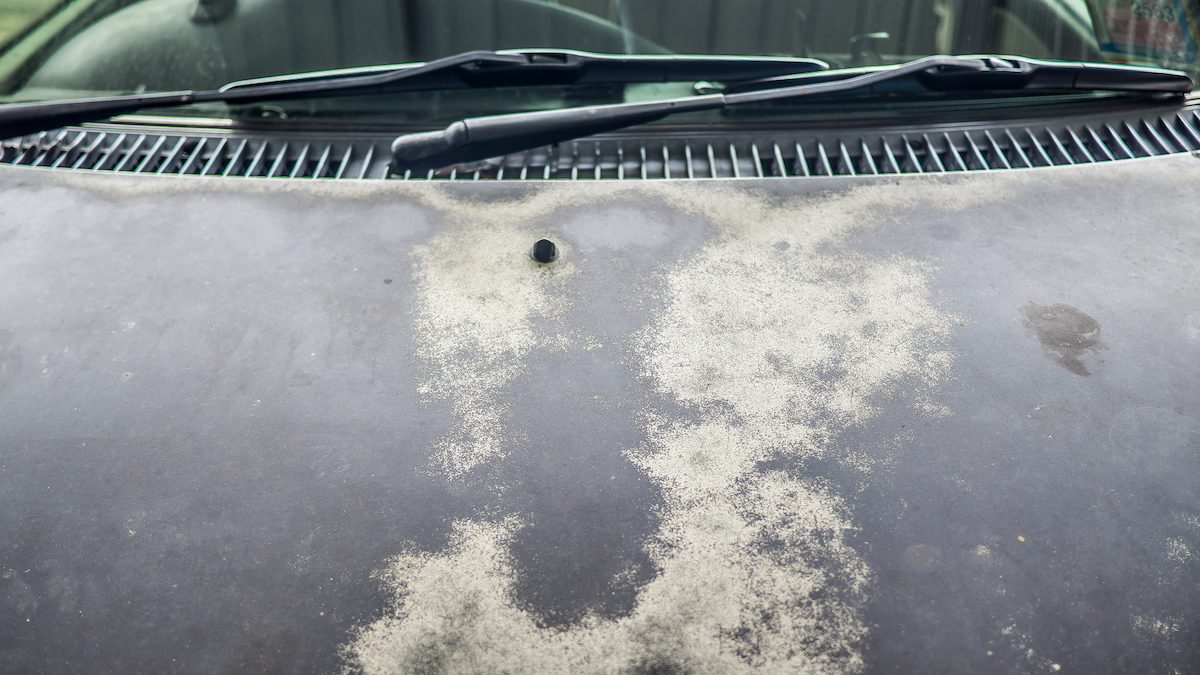
Dust or dirt on a car isn’t exactly attractive to begin with, but when dust mixes with rain, it can cause corrosion to the paint. Gentle car washes can help keep your car free of long-term dust and maintain the finish.

7 – Acid rain.

Acid rain is just that – acidic. Even after the rain evaporates, the acidic part remains on your car and can damage paint. Again, frequent car washes can help limit this exposure.

8 – Dirty towels & rags.

Washing your car can of course be great for the paint, but only if you’re using the right towels and rags. Be sure towels and rags are clean and ideally made of microfiber. Also, don’t set them down on pavement or gravel while working, as you could pick up dirt or debris that could damage your car’s paint.

9 – Coffee & soda.

Between the sugar and acidic nature of many coffee drinks and sodas, they can spell danger for your car paint. Simply wipe up these spills with a wet paper towel to avoid any lasting effects.

10 – Salt.

Salt helps keep vehicles safe on slippery winter road – but is one of the most corrosive things for car paint. If you live in a cold or coastal climate, it’s important to wash your car frequently to keep salt off your car long-term to reduce the risk of rust. Ideally, you should also treat your car with a wax sealant before the first snow as an extra precaution.

Find an Auto Body Shop Near You

If damage has already occurred to your car paint or you need a consultation with an expert, don’t worry. Carwise.com can help you find an auto body shop near you from more than 20,000 facilities nationwide. . Carwise’s shop search tool provides details on more than 20,000 auto body shops nationwide, including hours and location, certifications, real reviews from recent customers, and before and after photos. Get started today: https://www.carwise.com/auto-body-shops/.

Read More
Can a Car Wash Damage Your Car’s Finish?

Can a Car Wash Damage Your Car’s Finish?

There’s something so satisfying about a freshly washed car that sparkles and shines. But did you know that a car wash can actually damage your car’s finish? Before you get too worried, it helps to know that most modern cars have a finish that’s extremely durable and can last under a variety of conditions for several years. And, not all car washes are created equal – some are more likely to damage a car’s finish than others. Here’s what you need to know to select the right washes for your vehicle.

The Pros and Cons of Different Carwashes

If you’re going to a commercial car wash, there are generally two types – the more “old school” kind with roller brushes, and newer ones with cloth scrubbers. Which one can do more damage? The answer might surprise you.

While car washes with roller brushes may look more abrasive, they are actually less likely to damage your car because they hold on to less debris. On the other hand, cloth scrubbers can hold onto dirt or even small bits of gravel, which can scratch a car’s finish. Either way, if you’re in line behind an extremely dirty car, it might be worth coming back another time, just in case that dirt ends up scratching your car.

With this in mind, you may think a third option – “touchless” car washes – are safer. These car washes use high-pressure water and cleaning solution to clean a car without touching it. However, keep in mind that while these car washes don’t touch your car, they likely make up for it with more abrasive cleaners. A little bit of scrubbing is also necessary to remove most types of grime – just choose your carwash carefully based on how dirty your car is.

While at a car wash, you can also skip most of the extras. Waxes might give your car a nice look for a few days, but can quickly wear off and isn’t always worth the expense. You should also get the undercarriage washed a few times per year, especially if you live in a cold or coastal climate where road salt may increase the risk of rust.

Handwashing is Best

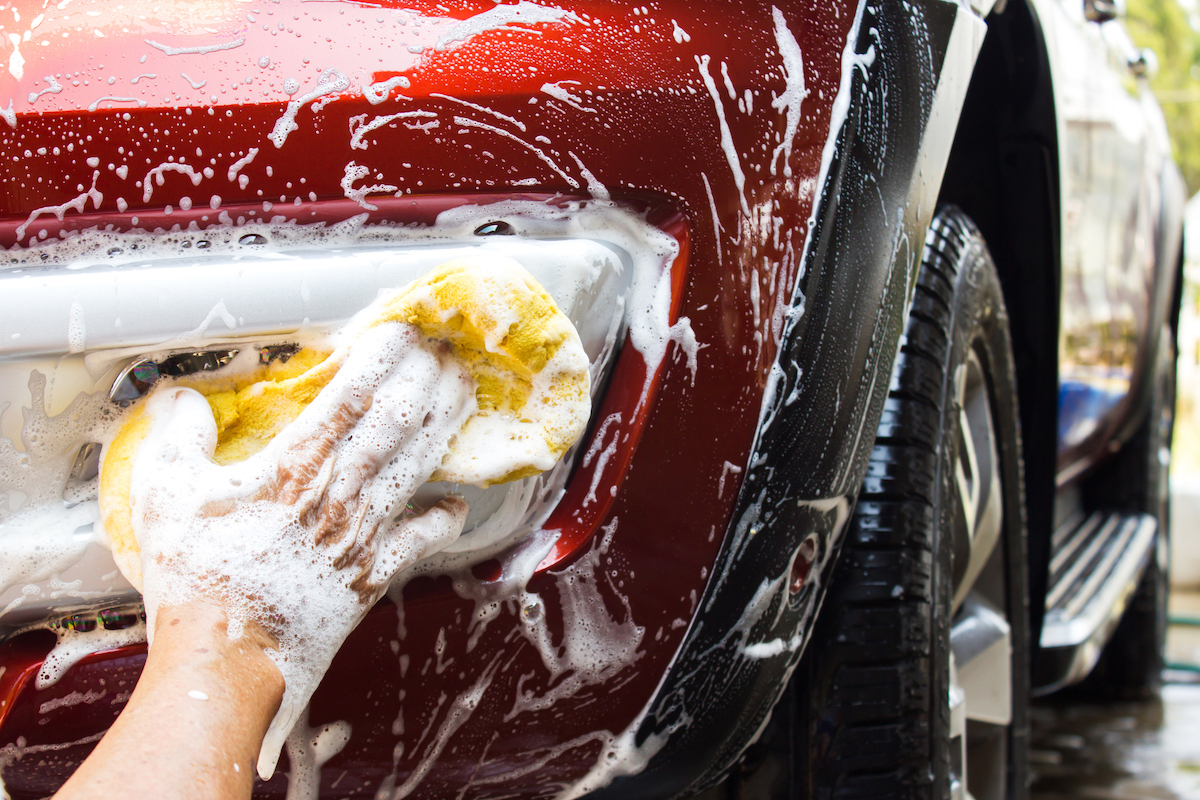
The safest option for washing a car is handwashing. This way, there’s much more control over what comes into contact with your car’s finish. Even here, be careful to use different sponges for the auto body versus the wheels; an abrasive sponge will likely leave scratches on the paint but would be beneficial for cleaning grime off of your tires.

When washing your car, you’ll want to use mild cleaners and rinse frequently and thoroughly. Don’t set towels or sponges down on pavement or gravel while washing to avoid picking up dirt and debris.

Find a Local Shop to Touch Up Your Paint

If your car is scratched in a carwash or the finish is otherwise damaged, Carwise.com can help you search for repainting or repair through a local auto body shop. Find body shops near you that specialize in exactly what you’re looking for, or even that specialize in your car’s specific make and model. Carwise’s shop search tool provides details on more than 20,000 auto body shops nationwide, including hours and location, certifications, real reviews from recent customers, and before and after photos. Get started today: https://www.carwise.com/auto-body-shops/.

Read More
2021’s Most Popular Car Colors

2021’s Most Popular Car Colors

Like anything else, interior and exterior car color trends can go in and out of fashion, with some tried and true favorites that have withstood the test of time.

The Top Three Car Colors of 2021

What car colors are trending in 2021? According to Kelley Bluebook, the top three car colors this year are:

  • Dark Seltzer, a dark gray color
  • Redolent Red, a reddish-brown color
  • Abstraction Blue, a darker blue color

Gray is also expected to remain a popular choice, along with the classics: black and white.

This year, experts find that there is a bigger emphasis on texture or subtle details versus drastic color pallet changes. For example, cars may feature more textured-looking paint by including sparkles or specks.

Which Car Paint Colors are Easiest to Maintain?

Car color can be taken as a remark upon the driver’s personality, and many people want their car color to match their own personal tastes. However, when choosing a car color – either on a new car or for a paint job for an old car – it’s also important to consider maintenance. Some colors are easier to keep looking great than others.

For example:

  • Black looks great when it’s fresh and clean – but it can soon look dirty from grime or water marks.
  • White looks great like black does – and is equally hard to keep clean.
  • Gray is the easiest to keep clean and hides minor dirt easily, and silver is a close second.
  • Other colors may hide certain types of mess (for example, yellow can hide pollen) but not others (mud would show easily on a yellow car).
  • Blue, while rising in popularity, also doesn’t do a good job of hiding anything, so it can be difficult to keep clean.

If you’re considering a custom or unique color for your car’s paint, you may want to consider whether the color will be easy to match, should you ever need a touch up. Certain colors can be a challenge for auto body technicians to tint accurately, which could risk discoloration in areas where they’ve repainted. Specialized paint finishes can also create challenges if you need to repaint the car down the road. This doesn’t mean that you should avoid unique colors and finishes; the key is finding the right auto body shop near you that has the expertise to get the job done right if you ever need your vehicle repainted.

Find An Auto Body Shop Near You to Repaint Your Car

How do you know when it’s time to paint your car? Things like hail damage or rust could mean it’s time for a paint job, assuming paintless dent repair isn’t an option. If you decide to paint your car, make sure you take the time to research the process and get quotes from several different shops.

When you’re ready, Carwise.com is here to help you. From real customer reviews to shop certifications, hours and locations, Carwise’s search tool can help you choose the right auto body or collision repair shop from more than 21,000 shops nationwide.

Read More
Does Your Car Need a Paint Job?

Does Your Car Need a Paint Job?

When you first got your car, it was likely shiny and new, with a sparkling paint job. But over the years your car’s paint job may lose some of its luster, or may even become damaged due to rust, hail or a severe storm, or a traffic accident.

If you’re thinking about touching up your car’s paint or redoing the paint job entirely, it helps to understand what the repainting process entails. The cost of a vehicle paint job by your local auto body shop can vary widely based on the repair work needed beforehand and the size of the area being repainted, among other factors.

What Does a Car Paint Job Entail?

An estimator at a local body shop near you can go over the specific steps needed for your vehicle. Generally, the steps to repainting a car include:

  • Repairing damage. If your vehicle has rust, weather or accident damage, technicians may first treat the area before repainting – the technicians will sand down the rusty areas, repair a dent, or patch a crack, etc.
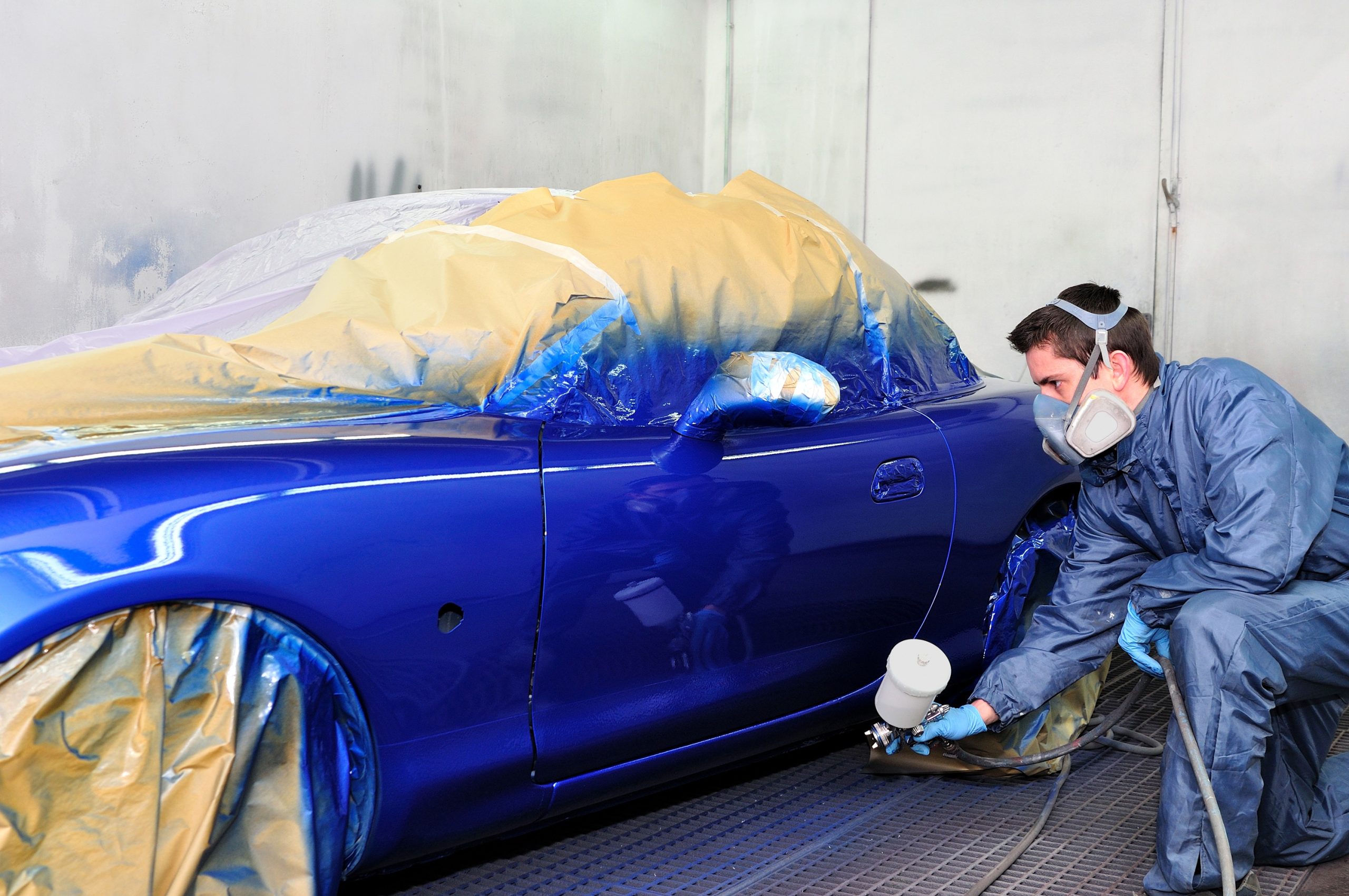
  • Prepping the car for paint. After making repairs, the technician wipes down the vehicle to create a smooth, clean surface for the paint to adhere, before masking the areas not to be painted with tape or plastic coverings. If the area that needs repainted is big enough, the technician may remove that panel from the car completely.
  • Selecting the right paint color. The new paint is matched to the original paint. A common way to do this is for the technician to use the color code marked on the vehicle.
  • Applying the primer. After the area has been sanded and dried, the car is painted with primer, up to three coats depending on the job, with each coat drying before applying the next layer.
  • Re-sanding. Next, your car may be re-sanded, to help provide a smooth base before applying the paint.
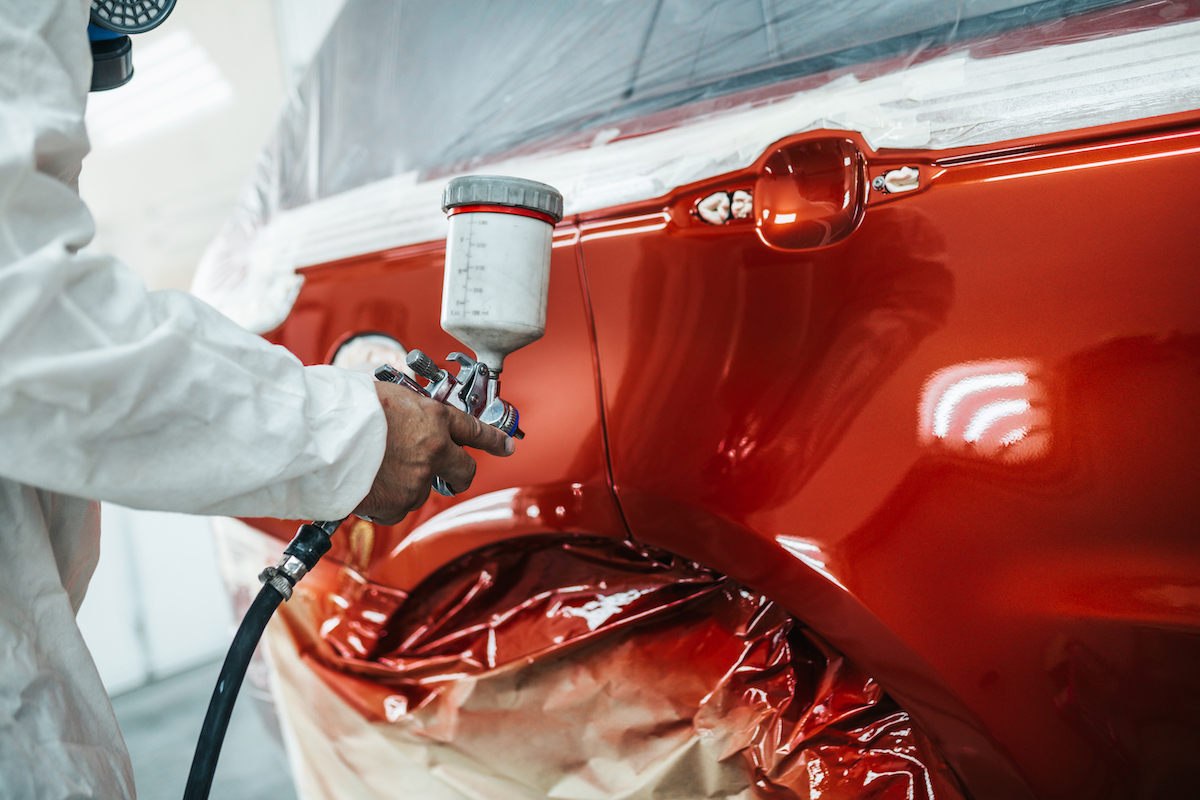
  • Painting the car. Up to three or four layers of the paint are applied on top of the primer, again with each layer drying before starting the next one.
  • Applying lacquer or a topcoat. After the paint is once again sanded with fine sandpaper and wiped down, a topcoat of lacquer can be applied, to give the car that flawless, shiny finish.
  • Buffing. Buffing the car evens out the finish and helps blend with the rest of the car.

Painting a car is a meticulous process, and it can take time to do it right. Paint jobs can start in the hundreds of dollars for a small job to several thousand or more, depending on any rust damage or other issues that may need to be resolved before painting or whether you are getting a custom paint job.

Get a Quote for a Car Paint Job from an Auto Body Shop Near You

Now that you have a better understanding of what a vehicle paint job entails, ask an auto body shop near you for a quote. You may even want to seek multiple quotes to get a better sense of how quickly you can expect it to get done.

When you request a quote, don’t be afraid to ask the auto body shop questions about their paint work, including:

  • What steps do you take when painting, and what’s covered in this quoted price?
  • Will you need to remove any panels on the car, or just mask them with tape or covers?
  • Can you show me previous examples of your work in this price range?

Ready to start scoping out a paint job for your car? Use Carwise.com to find auto body shops near you and start gathering quotes. Carwise has details on nearly 22,000 shops, from hours and locations, to shop certifications, reviews by real customers, and before and after photos. Use Carwise’s shop finder tool to search your zip code for a customer-reviewed auto body shop nearby: https://www.carwise.com/auto-body-shops/.

Read More