Three Things to Know About Minivan Maintenance
For many families, minivans are one of the most practical vehicle types. They offer plenty of room for children, pets, and storage, plus they offer lots of safety features to boot. Yet they also pose vehicle maintenance challenges that you’ll want to keep in mind if you own a minivan. Below are three features of minivans to be mindful of if you want to keep yours in safe working condition for as long as possible.
Sliding Doors
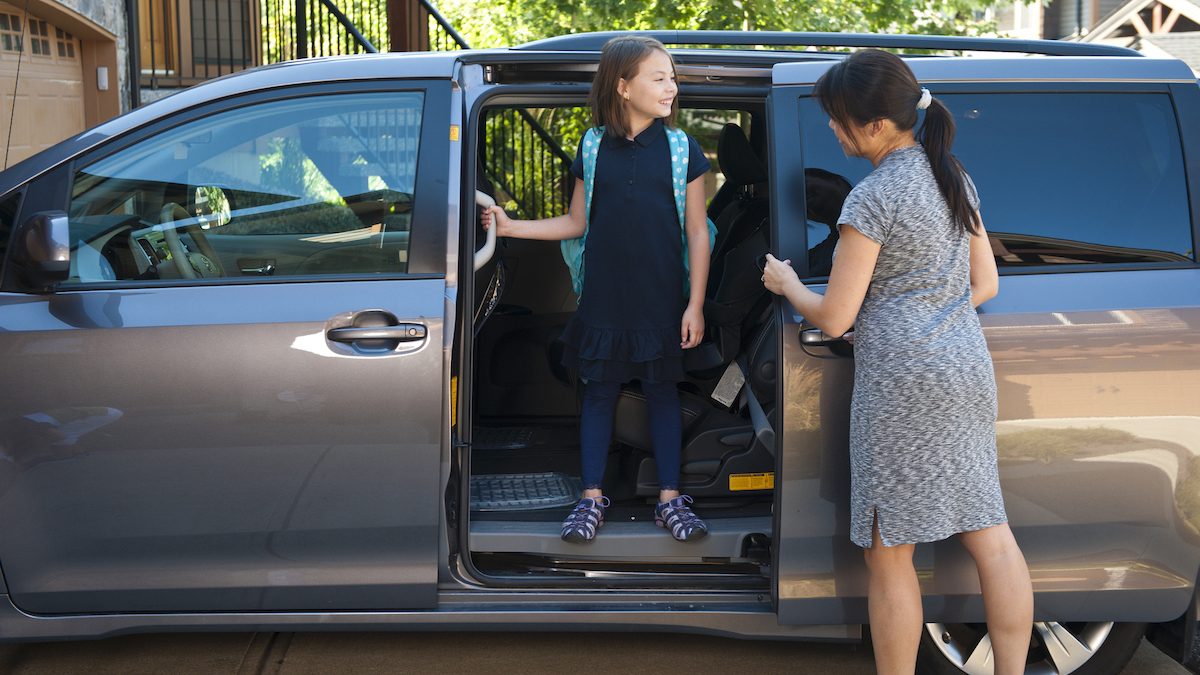
One feature that minivans have that nearly no other car has is sliding doors. These are convenient when parking, are easier for children to operate, and allow passengers to exit the vehicle without the car parked next to the van.
However, sliding doors require maintenance – ideally on the same schedule as your oil is changed. The tracks need to be routinely lubed and cleaned to ensure the doors continue to open and close smoothly.
Sliding doors operate via an electric motor, and sometimes these components can malfunction and create safety issues if they don’t open or shut properly. It’s not only important that doors latch correctly to protect passengers while the minivan is being driven, but also that they open easily when passengers need to exit the vehicle – especially when an accident occurs. If you notice an electrical issue on the door, it’s best to treat it promptly. Trying to disconnect the sliding door motor or repair it yourself could lead to electrocution, so seeking professional help is strongly recommended.
Lower Auto Body
Because of how minivans are built, the auto body tends to be lower to the ground. A low center of gravity makes the body style safer, but it can also cause some maintenance challenges.
First, it’s important to keep this in mind when driving. Some items in the roadway may be easy for a normal vehicle to drive over, but for a minivan it could be dangerous. Drive carefully and be mindful of potholes, road debris and speed bumps to avoid damage to your vehicle.
Another challenge of being lower to the ground is that salt or debris can build up quickly on the auto body and undercarriage of your vehicle. It’s important to wash your minivan regularly to prevent rust, particularly before and after the wintertime if you live in a snowy climate, or if you live in a coastal area where ocean salt can also erode the vehicle finish. Rust may not seem like a big deal at first, but left unattended, it can lead to major auto body and mechanical damage down the road.
Safety Features
Minivans come loaded with tons of safety features, giving many parents peace of mind. From extra airbags to safety sensors in front and rear bumpers, the goal of a minivan is safe transport for the whole family. Those extra safety features may provide security, but because they’re managed through sensors embedded in the auto body, they are susceptible to hidden damage after an accident, even minor fender benders. If you’re in an accident, be sure to ask your body shop to check for hidden damage before and after any repairs, to make sure all your safety features work properly should you ever need them.
Find an Auto Body Shop Near You
Whether you’re looking for sliding door repair, rust repair, or collision repair after an accident, a professional auto body shop near you can help restore your minivan to like-new condition. To find a reputable auto body shop near you, search Carwise.com and read reviews from real customers, find shop hours and locations, before and after photos, and certifications. With more than 21,000 shops to choose from, Carwise.com will help you find your perfect fit. Get started today: https://www.carwise.com/auto-body-shops / .