Get Your Car Ready for Winter: Precautions to Take Before the Cold Sets In

Get Your Car Ready for Winter: Precautions to Take Before the Cold Sets In

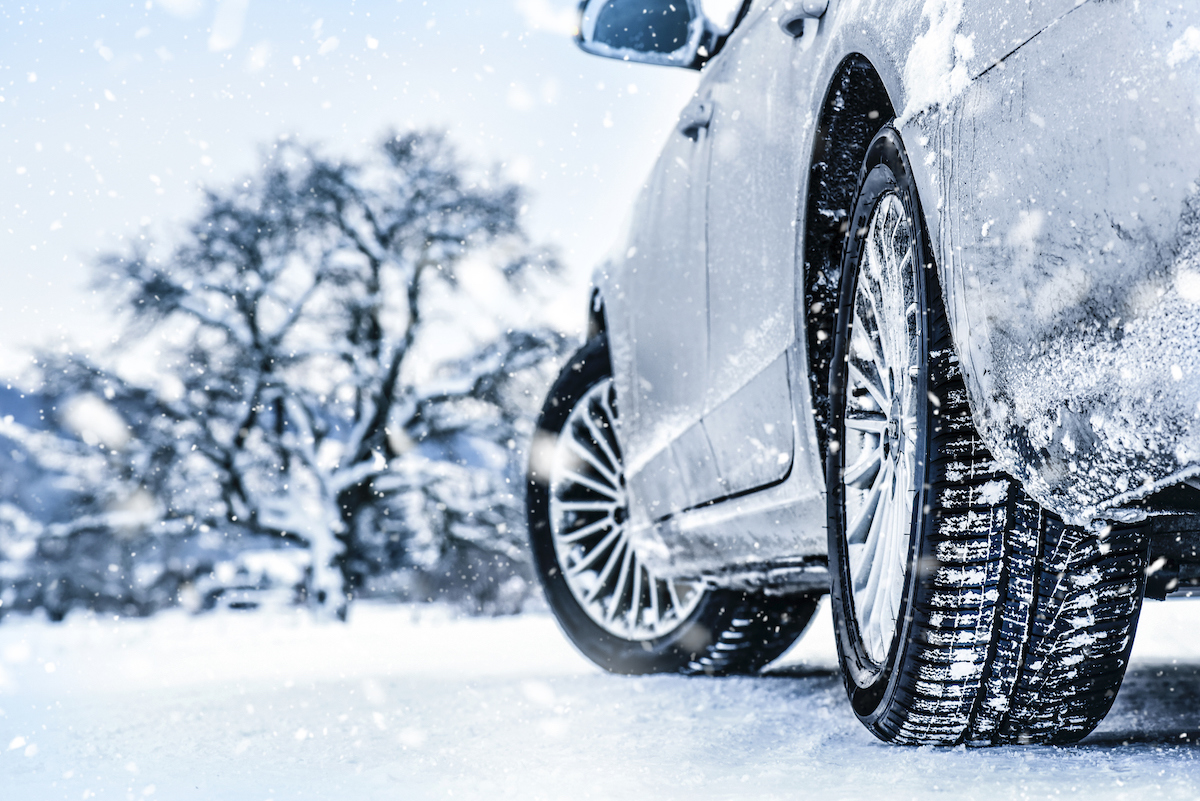
As the days get shorter and the air gets crisper, it’s a reminder that winter is coming. It’s not just the weather that’s about to change; our cars also need some extra attention to ensure they can handle the lower temperatures, icy roads, and snowy conditions.

Here is a list of precautions to take to get your car ready for the winter season:

Check Your Tires

Ensure your tires have enough tread to handle snowy and icy roads. You can do the penny test: place a penny into the tread groove with Lincoln’s head facing down. If you can see the top of Lincoln’s head, your tread is too shallow, and it may be time to replace your tires.

Check your tire pressure regularly as cold temperatures can cause tire pressure to drop. Keep your tires properly inflated to the manufacturer’s specifications.

Winter-Grade Windshield Wiper Fluid

Fill your reservoir with winter-grade windshield wiper fluid that won’t freeze. This will help you maintain clear visibility while driving in snowy or icy conditions.

Battery and Charging System

Get your car battery tested to ensure it is strong enough to handle the extra demands of cold weather. Cold temperatures can reduce battery power, so it’s important to make sure yours is in good condition.

Also, check the charging system and belts to ensure they are in proper working order.

Lights and Signals

Inspect all lights and signals to ensure they are clean and functioning properly. This includes headlights, taillights, brake lights, turn signals, and emergency hazard lights. With shorter days and more darkness, it’s important to be seen and to see the road clearly.

Engine Oil and Filters

Check your engine oil level and change it if necessary. Consider switching to a lower-viscosity oil during winter, as thicker oils can make it harder for your engine to turn over in cold temperatures.

Also, replace your oil and air filters as recommended by the manufacturer.

Emergency Kit

Prepare or restock your emergency kit for winter driving. This should include items like a small snow shovel, ice scraper, jumper cables, flashlight with fresh batteries, reflective triangles or flares, a blanket, non-perishable snacks, and a first aid kit.

Brakes and ABS

Have your brakes inspected to ensure they are in good condition and that the anti-lock brake system (ABS) is working properly. ABS helps prevent skidding and maintains control in slippery conditions.

Exhaust System

Inspect your exhaust system for any leaks, which could be dangerous if left unchecked. Carbon monoxide is a colorless, odorless gas that can be deadly if it builds up in your car.

Heater and Defroster

Test your heater and defroster to ensure they are working properly. You’ll need a clear windshield and warm air during those cold mornings.

By taking these precautions, you can help ensure your car is ready for the challenges of winter driving. Stay safe on the roads and remember to adjust your driving habits according to the conditions.

Feel free to add your own tips in the comments below, and share this list with your friends and family to help them get their cars winter-ready!

Stay warm and safe this winter!

Read More
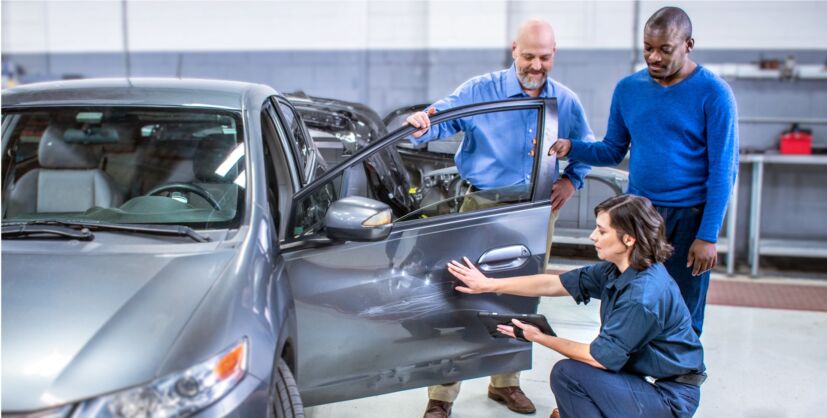
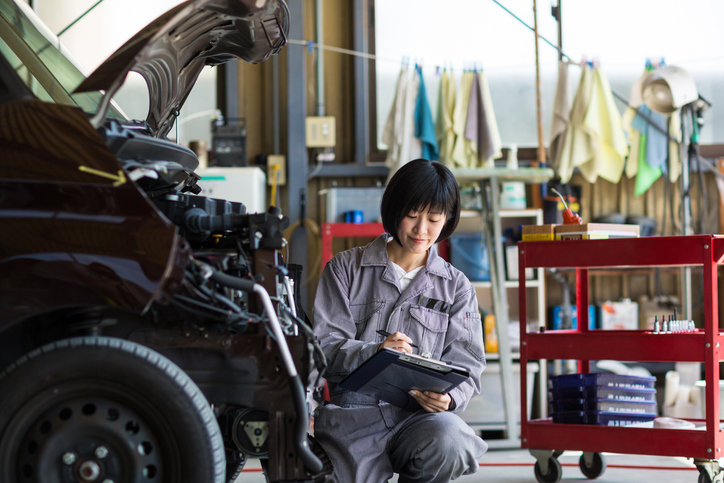
Who is Who in a Car Repair Shop

Who is Who in a Car Repair Shop

When your car needs repairs, the thought of going into a car repair shop can be daunting. You may not know what’s wrong with the car or what needs to be done – and you may not even know what type of mechanic you need.

In this blog, we’re taking the stress out of this process by explaining whom you can expect to find in a repair shop and the kind of work they may do on your car.

General Automotive Mechanic

This is the type of mechanic you’re most likely to encounter – they do general repairs and replacements on a vehicle. They diagnose mechanical problems and repair them as needed. If you are bringing in your vehicle for a check-up or routine maintenance, this is the type of mechanic you likely need. They’re kind of like the GP for your car.

Auto Body Mechanic

These are the mechanics you’ll often encounter after an accident. They can handle everything from minor paint job touch-ups to complete structural replacements in a car after an accident. These mechanics receive specialized training to keep up with all the current car technologies, and they have a special certification.

Brake and Transmission Technician

This type of mechanic is exactly what it sounds like – they specialize in brake and transmission issues. While a general mechanic will also be versed in these areas, a brake and transmission technician can correct more complex issues and has the training to use special alignment equipment. If a general mechanic notices something that seems off with your brakes or transmission, they will often hand your car over to this type of specialist within the shop.

Service Technicians

Service technicians can diagnose and check mechanical and electrical components within a vehicle. When they look at a car, they’ll do things such as check the oil and fluid levels, or work to find causes of operational issues. Rather than looking at specific mechanical components, they tend to look at the general systems that work together in a vehicle to identify any problems or issues.

Auto Glass Mechanics

Fixing or replacing the glass on a vehicle can be tricky. Some auto glass mechanics have been specially trained in working with auto glass. They’ll know how to identify if cracks or dents can be repaired, or if the entire piece of glass needs replacing. These mechanics are also trained in weatherproofing glass, installation and more.

Tire Mechanics

General mechanics will be trained in basic tire care, but tire mechanics have even more training to spot complex issues and optimize tire usage and wear. They can identify tire issues, do tire rotations, and complete tire replacements. They’ll also inspect tires for any abnormalities and to ensure proper inflation.

If you’re in need of a repair shop for your vehicle, Carwise is here to help. Browse thousands of shops on Carwise.com and read real reviews from customers, see certifications and specializations, and more.

Read More
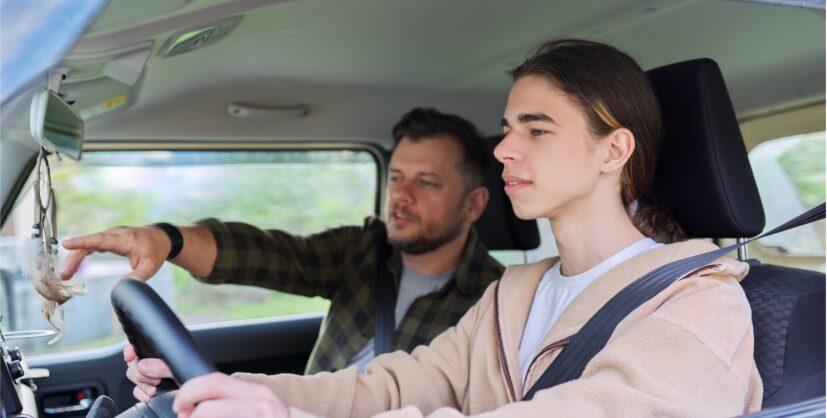
Quiz Your New Driver Before They Hit the Road

Quiz Your New Driver Before They Hit the Road

Letting a new driver loose on the roads can be nerve-wracking. Luckily, you can help your teen to be better prepared by giving them this quiz.

1.     What should you do if you spot an emergency vehicle with its lights on?

a. Pull over to the left
b. Ignore it 
c. Pull over to the right 
d. Let it pass and then follow it

2.     What do you need to always have with you while driving?

a. License
b. Registration 
c. Insurance card
d. All of the above

3.     When can you turn right on red?

a. Anytime
b. After making a complete stop
c. When there is a sign that says “No turn on red”
d. All of the above 

4.     How loud should you play music?

a. As loud as you want
b. At a non-distracting level
c. Under 25 DB
d. None of the above

5.     Where are you likely to see a speed limit drop?

a. On the highway
b. Neighborhood roads
c. School zones
d. Both b & c are correct

6.     What should you do if your vehicle is hit?

a. Yell at the other driver
b. Drive away if the damage isn’t bad
c. Ensure the safety of passengers and yourself, then exchange information like phone numbers and insurance information.
d. None of the above

The next section will include fill-in-the-blank questions. These will be specific to the vehicle your teen drives:

  1. Where is the parking break?
  2. How do you use the windshield wipers?
  3. How do you use the windshield wiper fluid?
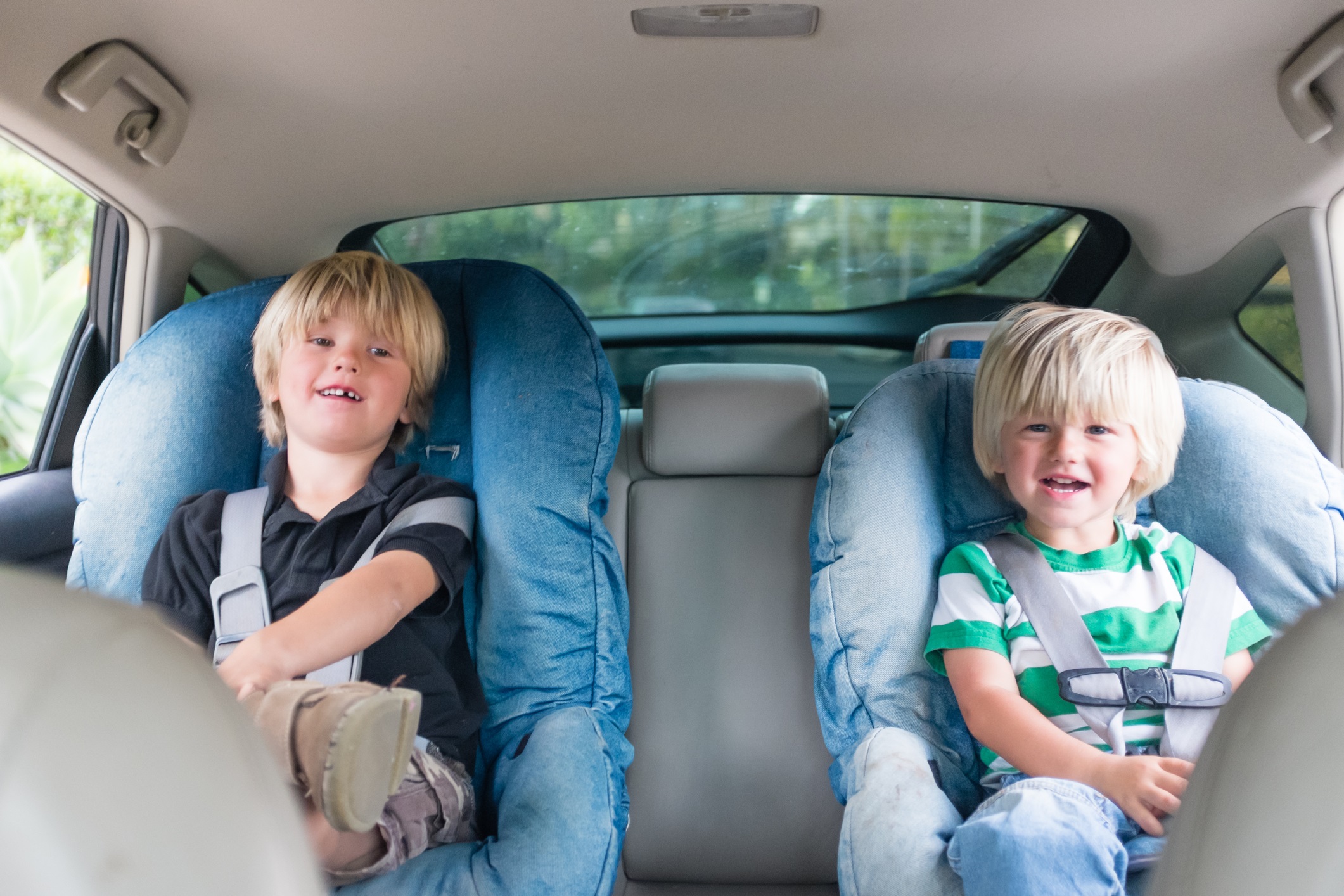
  4. Where is the child lock?
  5. How do you turn off the child lock?
  6. What is the legal maximum number of passengers you may drive?
  7. Where is the spare tire?

ANSWERS: 

1.     What should you do if you spot an emergency vehicle with its lights on?

Answer: C. Pull over to the right. This is a good rule of thumb for new drivers to know. However, it’s important to explain that there will be times when they need to move in other directions for an emergency vehicle to pass. The bottom line is to ensure the vehicle can pass in an orderly fashion. 

2.   What do you need to always have with you while driving?

Answer: D. All of the above. In the event you are in a car accident or get pulled over, you will need these documents present to deal with each situation. Always make sure to have these with you when driving your car, even for a short distance.

3.     When can you turn right on red?

Answer: B. After making a complete stop. Although you can turn right on red as long as there is no sign prohibiting it, you must still be sure to come to a complete stop before turning. 

4.     How loud should you play your music? 

Answer: B. At a non-distracting level. While there is no federal law that limits the volume level of music in a car, a new driver should always be focused on the road first. Ensure that music is kept at an appropriate level that still allows you to focus on the road. 

5.     Where are you likely to see a speed limit drop?

Answer: D. Both b & c are correct. Expecting a speed limit drop and knowing when to slow down will help keep these areas safe while also keeping a driver out of trouble. 

6.     What should you do if your vehicle is hit?

Answer: C. Ensure the safety of passengers and yourself, then exchange information like phone numbers and insurance information. Although we hope these situations never happen, it’s good to be prepared for if they do. When your vehicle is hit, the first important thing is the safety of everyone involved. After that is secured, the driver can decide whether to call 911 or simply exchange information with the other driver. A 911 call would depend on the severity of the collision and the discretion of the driver.

No matter how prepared your teen is, accidents can still occur. If one does, use Carwise to help find an Auto Body shop near you: carwise.com/auto-body-shops

Read More
Tips for Suburban Driving

Tips for Suburban Driving

Although city driving can be intimidating, suburban driving poses its own dangers and requires attention to detail. Here are some tips for safe driving in the suburbs.

1. Watch out for pedestrians

This seems obvious, but always keep an eye out for pedestrians when driving no matter the location. In the suburbs, however, more children and adolescents are walking around unsupervised. Paying extra attention at crosswalks and neighborhood streets could help save a life.

2. Speed limits may be lower and traffic lights may last longer.

When driving in a city, traffic lights tend to have shorter intervals than suburban traffic lights. This is usually because of the difference in speed limits. . Pay attention to these subtle changes – not only can it help you avoid a ticket, but potential accidents as well. With more stop-and-start traffic it’s also important to pay attention to your brakes. If you hear any noises, take it to your local shop to investigate.

3. Be patient

Suburbs tend to have a lot more new drivers on the road. These drivers are less experienced and are still getting used to being on the roads. Although a delay can be frustrating, it’s better that they don’t get scared by a honk, or second-guess themselves while driving.

4. Use a GPS in unfamiliar neighborhoods

Suburban neighborhoods can be much different from your average city streets. The roads tend to have more curves and stray from the city-like perpendicular roads. Using a GPS can help prepare you for a curve in the road.

5. Watch for school zone speed limits

It’s more common to come across a school zone in the suburbs. On school days when children are around, the speed limit can drop significantly, being conscious of this can help keep children safe and avoid speeding tickets.

Even when following these tips, accidents can still happen. If your car has been in an accident, or if something feels off, find a local autobody shop near you: carwise.com/auto-body-shops.

Read More
The Basics of Tire Maintenance

The Basics of Tire Maintenance

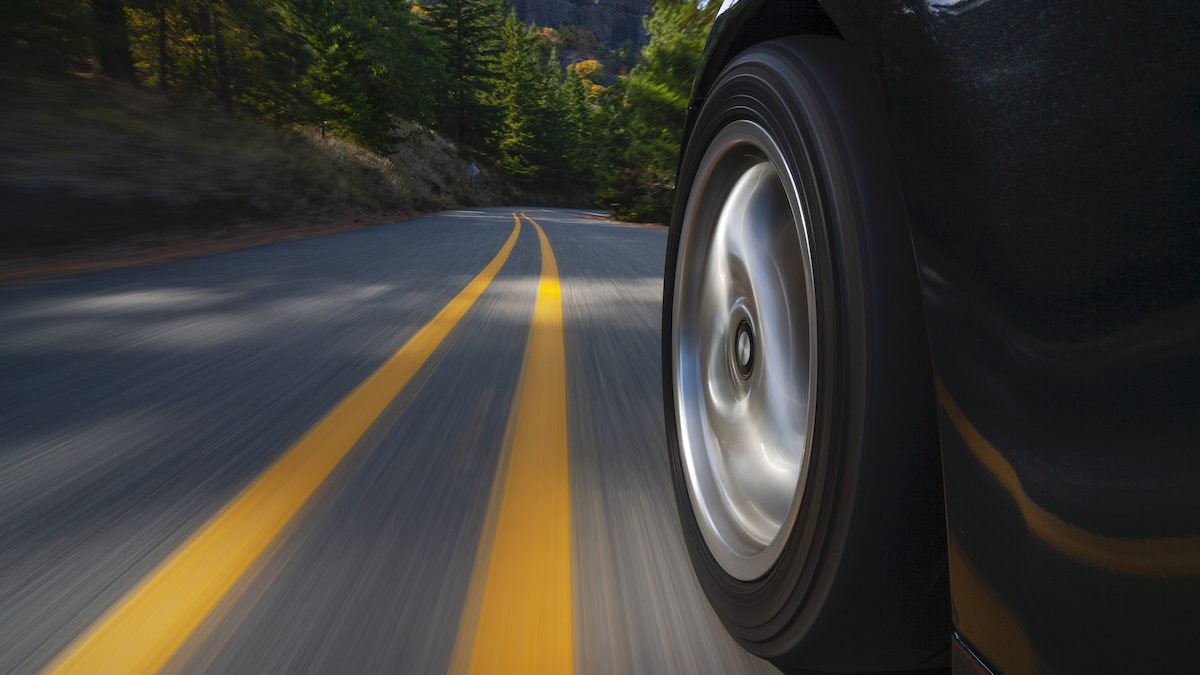
As temperatures get cooler and leaves will begin to fall, it’s a helpful reminder to pay attention to your car’s tires because road conditions can change with the weather. Tires are among the most important aspects of your vehicle when it comes to safety. They not only put your vehicle in motion, they help control how much you slip and slide (or don’t!) on the road. Neglecting tire maintenance can lead to a serious accident and incur far more damage and expenses than just paying to get tires repaired and replaced regularly.

As autumn approaches, here are a few tire maintenance tips to keep your vehicle safe on the road.

Inspect your tires regularly

Fortunately, many maintenance issues with tires can be seen with the naked eye. At least once a month, you should check your tires for any cracks, bulges or punctures, or items stuck in them that could be masking a puncture, like a nail head.

Additionally, you should keep an eye on your tires’ tread level. If your tires’ treads are too low, they’re more liable to slip and slide on roads. Many tires are equipped with a tread bar to help you track how low the tread is. If you don’t have a tread bar, you can try the quarter test: stick a quarter in the lowest level of tread you can find. If you can see all of Washington’s head, the tread is too low, and it’s time to replace.

Along with a visual inspection, be sure to check your tire pressure at least once a month. You can do this at most gas stations and adjust air as needed. In cold weather, tire pressure can drop, and tires with too little pressure pose a risk of blowing out. Take ten minutes when you fill up your tank to check the tire pressure.

And don’t forget to check your spare tire, too, to make sure it’s not damaged in case you ever need it.

Rotate your tires as needed

Another important aspect of tire maintenance is tire rotation, the practice of moving tires from one position on the vehicle to another (back to front and vice versa). Front tires wear down faster than rear tires as a result of steering and braking. Regular tire rotation helps tires wear evenly and last longer. Check your car’s user manual to be sure, but most tires need be rotated every 5,000 to 8,000 miles. Rotating tires at every other oil change is another good rule of thumb to follow.

Don’t overload your vehicle

Whether going on a long trip or moving, it can be tempting to pack your car to the brim, but this can be a safety hazard. Every vehicle has a weight limit. Check your user manual – or even the placard on your door frame – to see what your own car’s weight limit is. If you exceed it, you risk popping the tires and doing serious damage to your vehicle.

Replace tires on time

Replacing tires can be expensive but risking a flat or popping a tire while driving could lead to an accident, so it’s not worth putting off. Tires should be replaced every few years, regardless of the number of miles driven, but depending on how often and how far you drive your vehicle, your tires will likely need to be replaced much sooner than that. Check your user manual to see if your manufacturer has specific recommendations for tire replacement.

Keep your wheels aligned

Tires are only as good as the wheels they’re attached to. When your car’s wheels come out of alignment, it puts unnecessary strain on other parts of your vehicle. Wheels can become misaligned from bumps, going over curbs or even just driving long distances. Check the alignment annually to be sure nothing’s amiss.

How to Avoid an Accident When You Get a Flat Tire

Flat or blown tires can happen anywhere, anytime, at any speed. Typically, the first sign that your tire has blown is that your car will slow down (even when your foot is on the gas) and your steering will be harder to control.

Try to remain calm and look for a safe place to pull over as soon as possible. For safety reasons, you need an open space as far away from traffic as possible to change your tire or load your vehicle onto a tow truck. If you get stuck with a flat tire in dangerous weather conditions or a dangerous area, such as a road with heavy traffic and narrow shoulders, you may want to consider calling the local police for assistance, as well as a tow truck.

If you’re replacing your damaged tire with a smaller spare, often called a “donut,” remember that it’s not designed to bear the same weight or speed as a permanent tire, so it’s important to drive more slowly than usual once you get back on the road, otherwise you could wind up with another flat tire and no spare. Donut tires are also not meant to be driven for very long; when possible, it’s best to drive directly to a tire shop for a permanent replacement. 

What to Do If a Flat Tire Causes an Accident

If a tire hazard causes you to get into an accident, be sure to follow these post-accident safety tips for gathering information from other drivers at the scene, contacting your auto insurer, and finding a local auto body shop. To find a reputable auto body shop near you, search Carwise.com and read reviews from real customers, find shop hours and locations, before and after photos, and certifications. With more than 21,000 shops to choose from, Carwise.com will help you find your perfect fit. Get started today: https://www.carwise.com/auto-body-shops/.

Read More
Understanding Your Auto Insurance Coverage     

Understanding Your Auto Insurance Coverage     

Most of us value our vehicles, and we purchase auto insurance to protect them against damage or loss.  States also mandate the minimum amounts of insurance coverage drivers must carry to use their roads.  But let’s face it, the wording found in the average policy can be confusing.  Knowing what your auto insurance policy covers is important, and most notably when you’ve been involved in an accident and your car is at the body shop.  Understanding your policy can help you ask the right questions as the collision repairs move forward, too.  To assist your efforts, here’s some coverage terminology you might find in your policy, along with what it means.

Collision

Collision insurance covers any accident-related structural or mechanical damage that your vehicle sustains while you’re driving it.  That damage could be from other vehicles, or objects like a fence, telephone pole or tree.  Collision insurance does not cover damage from hitting animals or when another person is driving your car.  Your policy carries a collision deductible, typically from $250 to $1,000, which will be your out-of-pocket cost to have it repaired when the accident was your fault.

Comprehensive

This type of insurance protects your vehicle when you aren’t driving it, like when it’s parked, or another driver is using it.  For example, hail damage would fall under comprehensive coverage.  This insurance also covers glass repairs, and damage from hitting an animal.  Fire, theft and vandalism are other examples where a comprehensive claim would be filed, and your policy has a deductible that you’ll have to pay first when the repairs are completed.

Liability

Liability insurance covers claims for people and property when your negligence inflicted the damage.  Those damages could be to another person’s car, fence, house, or to them or their passengers.  Most states set minimums for liability coverage, and your policy has a maximum amount your insurer will pay out if you were at-fault.  It’s very important to carry enough liability insurance in case you cause an accident involving several vehicles and occupants.  If not, you could be sued by the victim(s) for any damages exceeding your policy’s payout limits.

Medical Payments

Also known as “PIP” in several states, this insurance pays for injuries and medical payments for you or your passengers resulting from an accident involving your vehicle.  In some states this coverage will pay medical expenses regardless of who was at-fault, so ask your agent for details.  If someone in another vehicle is injured during an accident you caused, their injuries would be covered under your liability insurance.

Underinsured and Uninsured Motorists  

If your policy contains an underinsured rider, this coverage applies to claims where a driver who’s at-fault hits your vehicle, but they don’t carry enough liability insurance to cover all your repairs and medical bills.  There is also uninsured motorist insurance that pays your bills when an at-fault driver without any insurance damages your vehicle, or when a hit-and-run occurs.  Many states require you to carry uninsured motorist coverage, so check with your insurer for details.

Other Types of Auto Insurance

There are a few kinds of specialty auto insurance that your policy may already contain, or that you may wish to consider.  Those include:

  • Gap insurance. This coverage is wise when you’re leasing, or when you owe more on your vehicle’s loan than it’s worth.  In the event it’s totaled out by the insurance company, Gap insurance will pay the difference between the loan balance and its actual cash value (ACV).
  • Umbrella coverage. If you have a lot of financial assets, this type of insurance can protect those once your liability limit has been exhausted.  For example, if you have $500,000 maximum in liability coverage but cause injuries totaling $1 million, your umbrella policy would pay the difference.


  • Commercial insurance. This coverage protects your vehicle when it’s used to earn a living, for example as an Uber driver or sales rep.  This coverage usually features higher payout limits due to the increased driving risks associated with your job.


We Work Directly with Insurance Providers

Being a responsible driver means carrying adequate auto insurance on your vehicle.  And, understanding what’s in your policy can be frustrating.  When you’re involved in an accident, bring your car or truck to a dependable collision repair shop nearby, and they’ll get it expertly restored like-new again.  The professionals there have the training, equipment and experience to fix it promptly and reliably, while restoring your peace-of-mind.   Don’t feel like dealing with your insurance adjuster?  Most body shops work directly with your insurance company so that you don’t have to.  To search your zip code now for a better collision or glass repair shop in your area, visit: www.carwise.com.


Read More
4 Hidden Problems Caused by Rear-End Collisions

4 Hidden Problems Caused by Rear-End Collisions

Have you ever had your car rear-ended while stopped at an intersection, or know someone who has?  Is so, take heart in the fact you’re not alone.  According to the National Transportation Safety Board (NTSB), of the over 6 million traffic accidents each year in the U.S., 40% involve rear-end collisions.  Most are not serious, and the resulting damage to the rear-ended vehicle is usually superficial, like a broken tail light or cracked bumper.  But unfortunately, even minor rear-end fender benders can cause more serious, underlying problems to your car that may not show up for a while- ones that could place your safety, and that of your passengers, in jeopardy.  With that said, here are 4 common hidden complications caused by rear-end collisions.

Trunk Malfunctions

There are several trunk-related glitches that can arise after a rear-end accident, even when your car looks fine, such as:

Lid pops open unexpectedly

You could be driving briskly down the highway one day and the trunk lid flies open, obstructing your rearview mirror’s field-of-vision.

Doesn’t stay locked

This isn’t good when your car’s left unattended for several hours in a strange area where there might be potential thieves around.

Water Seepage

Rear-end collisions can compromise the trunk lid’s seal, allowing potentially-harmful moisture to enter the compartment.

Opening difficulties

It’s no fun if you’re standing in the pouring rain and can’t get the trunk to open with your key fob or the trunk release inside the vehicle.

Unrepaired trunk malfunctions can also reduce your car’s resale value, so after an accident promptly take it to a reliable body shop to have the problem diagnosed and fixed.

Misaligned Wheels

When your wheels are out-of-alignment, you’ll notice these driving abnormalities:

Car tracks unevenly down the road

This makes driving down winding roads trickier.

Steering wheel seems wobbly

Could interfere with your ability to swerve, if needed.


Unusual vibrations

This causes reduced ride comfort for you and your passengers.


In addition to not being safe, a vehicle that’s misaligned causes premature, uneven tire wear

requiring costly replacements.

Electrical Problems

Even a low-impact collision can loosen wires that comprise the various electrical systems that keep your car operating.  Over time, loose wire connections can affect your vehicle’s:

Sound system speakers

No driver likes to be without their tunes.


Brake and tail lights

Drivers behind your car won’t see your tail lights when you’re coming to a stop or traveling in front of them during poor visibility conditions.


An unexpectedly-dead battery

This could leave you stranded alongside the road.

All these potential unseen electrical problems are good reasons to have the wiring checked out at a collision repair shop whenever your car gets rear-ended.

Frame Bending

Your car’s bumpers are plastic that’s been painted to match the rest of your vehicle.  When the bumper gets dented or cracked during an accident, that means the impact’s force may have reached the frame beneath.  Even minor accidents can slightly bend your frame.  Unaddressed frame damage can lead to future safety problems like:

Warning system sensor misalignment

Bent frames can cause cameras and sensors that make up your onboard driver warning and safety systems to be out of alignment, including your air bags.


Reduced frame strength

In the event of a subsequent, high-impact collision, a previously-weakened frame could give way and not protect you as it was designed to.


Whenever your car has sustained any type of damage from a rear-end impact, get the frame inspected promptly at an auto body shop in your area.

Don’t Take Chances After a Rear-End Collision

When your car has been involved in any type of rear-end collision, even when the damage seems superficial, don’t take chances with hidden problems that can jeopardize your safety later.  Instead, bring it to a dependable auto body shop to have the damage inspected, inside and out.  Body shop technicians have the training, experience and equipment to locate and repair underlying issues and get you back on the road promptly and safely again.  Most collision repair shops work directly with insurance companies so you don’t have to, and warranty their work to ensure your peace-of-mind for countless miles after the repairs are done.  To search your zip code now for a better auto body shop in your area, visit: www.carwise.com.  


Read More
Don’t Be Fooled by these 4 Collision Repair Myths

Don’t Be Fooled by these 4 Collision Repair Myths

The period right after you’re involved in a car accident can be confusing and stressful, especially when it’s your first one.  And within a short amount of time you’ll be asked to make some important decisions about your damaged vehicle’s collision repairs.  Unfortunately, there are a lot of myths floating around that can influence where and how you have your car repaired.  As a car owner, it’s important to know the truth when it comes to getting your vehicle’s appearance and performance promptly and reliably restored like new again.  To keep you from getting fooled, here are responses to 4 of the more common collision repair myths out there.

  1. You Must Use a Shop Your Insurance Company Chooses

As an insured driver, you have the legal right to pick any body shop that you want.  Insurance companies would prefer that you go to a less-expensive one, and most providers have agreements with specific shops in a given area to lower repair costs and speed up the process.  But insurance adjusters know that you still can take your car to a body shop of your choosing, and they will honor your decision while covering any accident-related repair costs.

  1. Only a Dealer Can Repair Your Car Right  

Misconception number two is that only a dealership that sells the same vehicle make (Ford, Chevy, etc.) as yours has the ability and original (OEM) parts to fix your car the right way.  That’s just simply not true.  Non-dealer-affiliated collision repair shops can order the same parts and their technicians have the training, equipment and experience to work on all makes and models of vehicles… including yours.

  1. A Damaged Frame Can’t Be Repaired

Even minor fender benders can cause frame damage, so if this myth were true cars would be getting totaled out by insurance companies all the time.  If the frame was bent but not structurally weakened, it can probably be fixed.  In fact, many newer vehicles have unibody frames which are routinely repairable.  Your best bet is to have your frame inspected at a body shop to assess the damage and then they will repair it if can be done so safely.

  1. Insurance Pays for All the Repairs

This final myth is one that many car owners fall for, as it depends completely upon your insurance policy’s terms.  That’s why you should always read your policy over carefully, notably when your insurer has made changes.  If the wreck was your fault, you’ll have to pay a specified deductible up front when picking up your repaired vehicle.  If another driver was responsible, their insurance company should pay all your accident-related repair bills.  For example, “collision” coverage under a policy pays for repairs resulting from the accident, but nothing that existed prior to it.  “Liability only” policies will take care of the other person’s car if you caused the accident, but not cover your repairs.

Collision Repair Shops Nearby are Myth-Busters  

When you’re involved in an accident, don’t fall victim to some of the collision repair myths out there.  Bring it to a reliable collision repair shop in your area instead, where the shop manager can expertly answer your questions about any potential repairs, and what to expect when dealing with your insurance company.  In fact, most body shops work directly with insurance adjusters so that you don’t have to.  Local body shop technicians have the training, experience and equipment to repair your vehicle in a prompt and dependable fashion while getting you safely back on the road again.  And having your car restored right the first time will save you time and money later.  To search your zip code for the best collision repair shops in your area, visit: www.carwise.com now.

Read More
Protecting Your Car’s New Paint After Collision Repairs 

Protecting Your Car’s New Paint After Collision Repairs 

If your car has been at the collision repair shop after an accident, it will likely return to you with newly-repaired surfaces.  Auto body technicians use a meticulous process to ensure that the freshly-painted parts match the rest of your car’s original factory finish.  That involves applying several coats of primer, paint and clear coat, and then the finish is carefully buffed out to give it that like-new glossy appearance.   But when the body work is completed it’s your responsibility to protect your car’s new paint, notably within the first 30 to 90 days.  That’s because the fresh paint needs time to cure and harden.  Not protecting it properly could damage the paint’s finish, leading to noticeable imperfections which the shop will not be liable for.  To keep your car’s finish looking great, use these paint protection tips for at least the first month after the collision repairs are done.

Avoid Commercial Car Washes 

Okay, you’ve had your car out of the shop for a few days and now it’s dirty again.  Your first instinct is the take it through a local car wash to remove the dirt.  Not a good idea, as most commercial car washes use stiff brushes or sponges that can scratch the delicate new finish.  Instead, only wash your car using these recommendations for the first 30 days:

  • Hand-wash your vehicle with cool water and a very mild car wash solution employing a soft cloth or sponge. Avoid using dish soap or laundry detergent.
  • Use only water that’s clean and fresh.
  • Wash your car in the shade and not direct sunlight.
  • Never “dry wipe” your car with a cloth.

In addition to these precautions, avoid waxing or polishing your car for 90 days after a new paint job as that can damage the finish and cause paint discoloration.

No Scraping or Chipping Allowed

Let’s say it’s wintertime when you pick up your car from the body shop and you wake up one morning to find it covered in snow and ice.  Of course you need to scrape off your vehicle’s windows, but that’s as far as it goes.  Don’t use a hard scraper on the new paint job or you’re asking for paint scratches, and that includes chipping ice on the repaired area.  Use a soft brush or your hand instead.  Try pouring warm water on any ice buildup to melt it away.

Chemicals and New Paint are a Bad Mix

If you’re vehicle needs some engine work done right after it’s had body work, be extra careful not to allow automotive solutions or chemicals to come in contact with the finish.  Those include antifreeze, oil, gasoline or transmission fluid.  Even windshield washer solution can harm fresh paint.  If your vehicle is going in for some routine engine maintenance or repair work, point out to the technicians where the repaired areas are, and politely ask them to be extra careful.  Also be cautious when filling up your gas tank at the pump.  When spillage occurs, use a soft wet cloth or dampened sponge (never dry!) to immediately wipe it off.

Steer Clear of Gravel Roads

The next thing to steer clear of when your car has been freshly painted is loose gravel.  Avoid gravel roads as much as possible, along with driving through construction zones.  The new paint’s finish is vulnerable to chips from flying rocks because it hasn’t had enough time to harden into a protective barrier.  Deeper paint chips can even expose your car’s metal to water and promote rust formation.

Reliable Body Shops Share Paint Care Tips

Any collision repair technician worth their salt takes a great deal of pride in their work, and that includes the paint job.  They want you to be pleased with the outcome, and when you pick up your car someone at the body shop should explain how to protect the finish for the first few months after the repairs are completed.  To ensure that your vehicle’s paint looks great for many years to come, carefully follow their instructions.  In addition, you should get your car’s exterior professionally detailed at least once a year, and that’s another service that many body shops offer to their customers.  To search your zip code for a reliable collision repair shop in your area, visit: www.carwise.com now.

Read More
Why Are Electronic Safety System Recalibrations So Important?

Why Are Electronic Safety System Recalibrations So Important?

Many newer cars come with mandatory electronically-controlled safety systems like airbags, along with optional collision avoidance features like forward crash, lane departure and blind spot detection alerts.  The combined objective of those high-tech systems is to avoid accidents, save lives or, at a minimum, reduce impact severity.  But even with these innovations wrecks still occur that require auto body repairs.  And when a car with any of these newer safety features is involved in even a minor fender bender every driver alert system’s sensor alignment and overall performance must be tested and recalibrated before the collision repairs are completed.  The same holds true for the vehicle’s airbag system, whether it deployed or not.

Experienced technicians realize that failing to conduct a thorough recalibration on these ultra-sensitive electronic systems could jeopardize the safety of occupants later on.  To ensure that doesn’t happen, there are several recalibration steps involved using special diagnostic equipment once your vehicle arrives at the shop.  As a driver you also need to be educated on what should be done when your vehicle is undergoing repairs.  With that in mind here are some important points about electronic recalibrations that could someday save your life, or that of another.

Electronic System Recalibrations Require These Steps 

Electronic safety systems operate when a signal is sent from a sensor or camera to an onboard computer.  Like most electrical systems in your car, the airbag deployment and collision avoidance ones have dash warning lights to alert you when communication is interrupted.  But sometimes after an accident these lights don’t come on when they should.  And even when a system is not disconnected during repairs that doesn’t necessarily mean it will perform optimally.  Additionally, merely reading diagnostic test codes won’t always reveal that there’s a problem.  As a result, your car’s sensitive electronic safety systems need to be tested and recalibrated using these 3 vital steps:

  • Scanning the vehicle-specific codes for error messages through the OBD port
  • Clearing those diagnostic codes
  • Recalibrating or “resetting” the sensors according to the manufacturer’s specifications to ensure they are not misaligned or out of focus

A simple OBD port scan cannot determine if the system’s sensors, which typically use laser, radar or camera technology, are aimed correctly.  Special diagnostic and calibration equipment is needed in most cases, and not all body shops have that.  To assist in system recalibrations there exist outside specialty companies that will come to the shop, or sometimes the car is taken to a certified local dealership to get the reprogramming done.  When recalibrating your electronic systems, trained technicians use online websites like I-CAR, ALLDATA or OEM to access the correct reprogramming specifications set forth by the vehicle’s manufacturer.

Routine Collision Repairs Can Disrupt Electronic Signals

In addition to damage from the accident itself, there are several routinely-done collision repairs that can disrupt your vehicle’s sensitive onboard electronic systems including:

  • Windshield replacements
  • Disconnecting the battery wires and/or electrical rewiring
  • Bumper repairs and replacements
  • Grill assembly repairs and replacements
  • Painting plastic bumpers and other body panels

Most safety sensors are covertly located on the front or rear of your car.  If a bumper or grill assembly is not correctly reinstalled during repairs it can cause a sensor misalignment or even signal disruption interference.  Any freshly-painted surfaces that cover sensors, for example a plastic bumper, must have a specified maximum paint thickness, measured in “mils”, over those sensors to ensure they work properly.

Finding the Right Body Shop is Always Important

When your vehicle is involved in an accident and it has airbags or some of the newer accident avoidance technology, it’s important to ask the body shop manager about conducting scans and recalibrations on those electronic systems.  On the flipside, better collision repair shops usually follow these recalibration procedures anytime a car comes in with those safety features.  If they don’t the shop could be liable if one or more of those warning systems fails later on.  As a driver, it’s important for the continued safety of you and your passengers to take the lead on ensuring that the proper scans and recalibrations are done.  To locate an auto body shop in your area that will do the electronic recalibrations right, search your zip code now at: www.carwise.com.

Read More
1 2