Get Your Car Ready for Winter: Precautions to Take Before the Cold Sets In

Get Your Car Ready for Winter: Precautions to Take Before the Cold Sets In

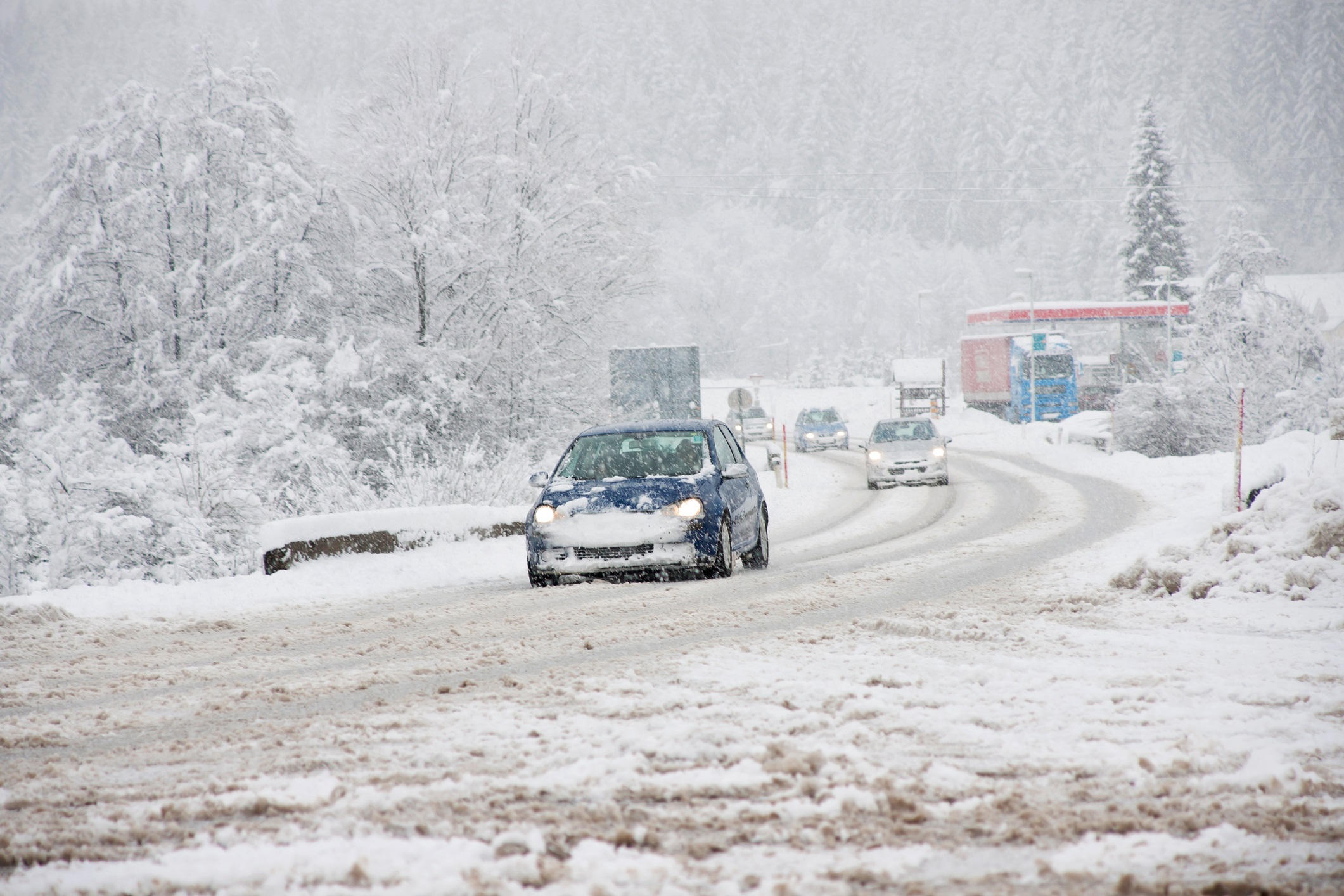
As the days get shorter and the air gets crisper, it’s a reminder that winter is coming. It’s not just the weather that’s about to change; our cars also need some extra attention to ensure they can handle the lower temperatures, icy roads, and snowy conditions.

Here is a list of precautions to take to get your car ready for the winter season:

Check Your Tires

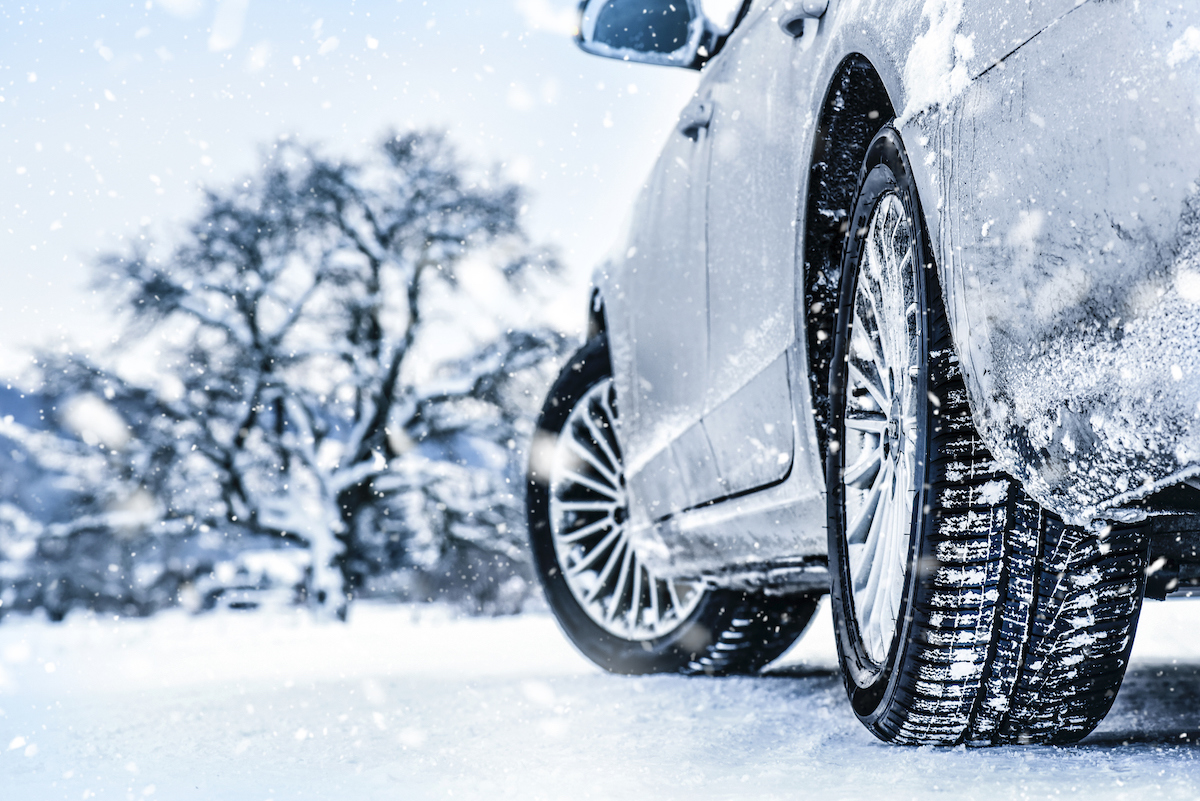
Ensure your tires have enough tread to handle snowy and icy roads. You can do the penny test: place a penny into the tread groove with Lincoln’s head facing down. If you can see the top of Lincoln’s head, your tread is too shallow, and it may be time to replace your tires.

Check your tire pressure regularly as cold temperatures can cause tire pressure to drop. Keep your tires properly inflated to the manufacturer’s specifications.

Winter-Grade Windshield Wiper Fluid

Fill your reservoir with winter-grade windshield wiper fluid that won’t freeze. This will help you maintain clear visibility while driving in snowy or icy conditions.

Battery and Charging System

Get your car battery tested to ensure it is strong enough to handle the extra demands of cold weather. Cold temperatures can reduce battery power, so it’s important to make sure yours is in good condition.

Also, check the charging system and belts to ensure they are in proper working order.

Lights and Signals

Inspect all lights and signals to ensure they are clean and functioning properly. This includes headlights, taillights, brake lights, turn signals, and emergency hazard lights. With shorter days and more darkness, it’s important to be seen and to see the road clearly.

Engine Oil and Filters

Check your engine oil level and change it if necessary. Consider switching to a lower-viscosity oil during winter, as thicker oils can make it harder for your engine to turn over in cold temperatures.

Also, replace your oil and air filters as recommended by the manufacturer.

Emergency Kit

Prepare or restock your emergency kit for winter driving. This should include items like a small snow shovel, ice scraper, jumper cables, flashlight with fresh batteries, reflective triangles or flares, a blanket, non-perishable snacks, and a first aid kit.

Brakes and ABS

Have your brakes inspected to ensure they are in good condition and that the anti-lock brake system (ABS) is working properly. ABS helps prevent skidding and maintains control in slippery conditions.

Exhaust System

Inspect your exhaust system for any leaks, which could be dangerous if left unchecked. Carbon monoxide is a colorless, odorless gas that can be deadly if it builds up in your car.

Heater and Defroster

Test your heater and defroster to ensure they are working properly. You’ll need a clear windshield and warm air during those cold mornings.

By taking these precautions, you can help ensure your car is ready for the challenges of winter driving. Stay safe on the roads and remember to adjust your driving habits according to the conditions.

Feel free to add your own tips in the comments below, and share this list with your friends and family to help them get their cars winter-ready!

Stay warm and safe this winter!

Read More
Quiz Your New Driver Before They Hit the Road

Quiz Your New Driver Before They Hit the Road

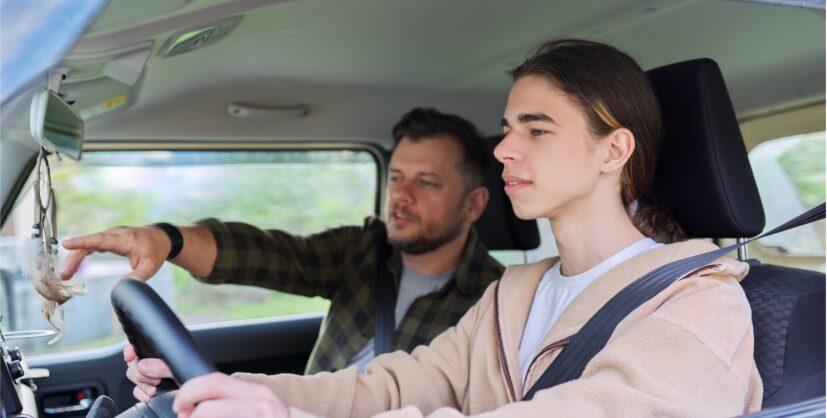
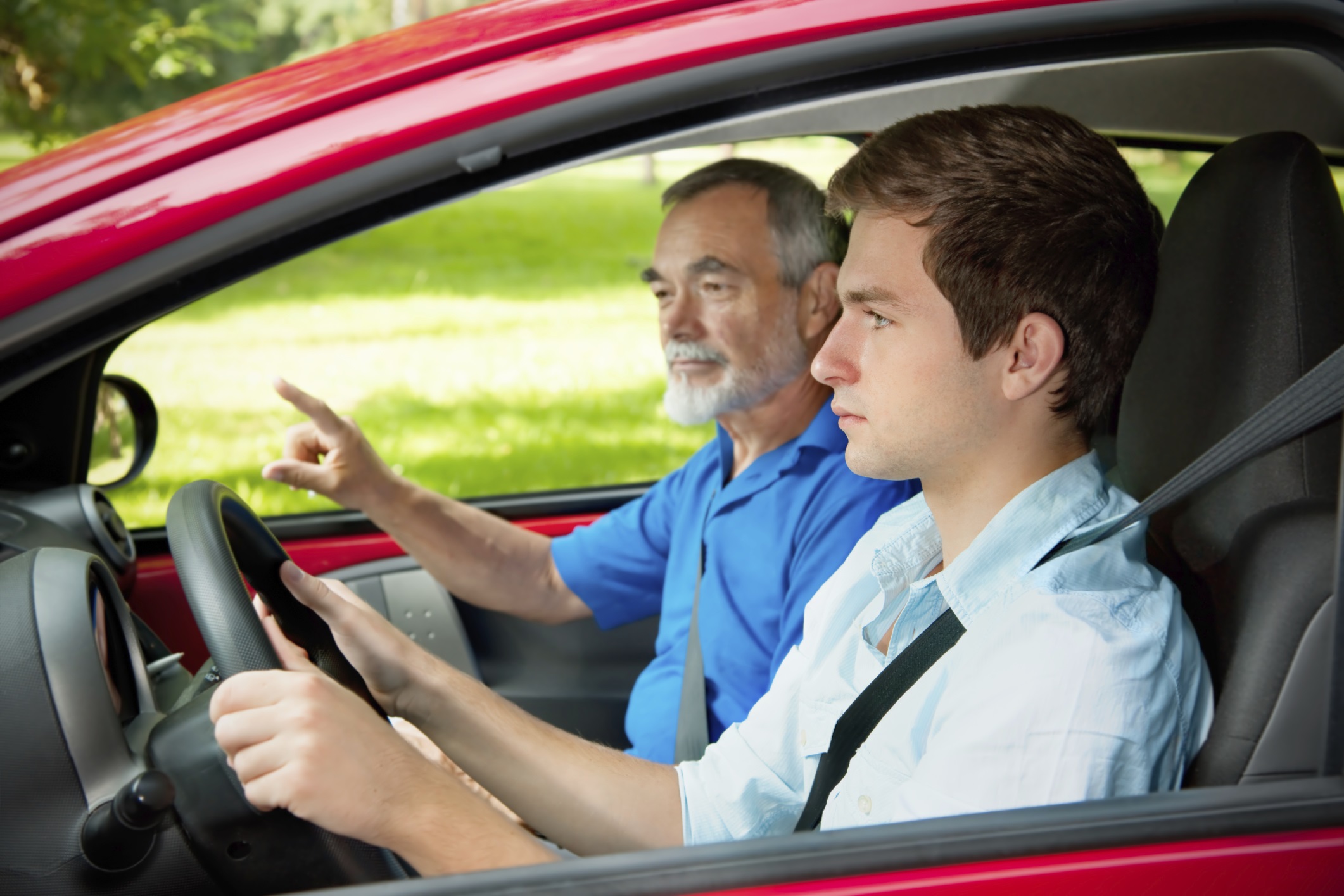
Letting a new driver loose on the roads can be nerve-wracking. Luckily, you can help your teen to be better prepared by giving them this quiz.

1.     What should you do if you spot an emergency vehicle with its lights on?

a. Pull over to the left
b. Ignore it 
c. Pull over to the right 
d. Let it pass and then follow it

2.     What do you need to always have with you while driving?

a. License
b. Registration 
c. Insurance card
d. All of the above

3.     When can you turn right on red?

a. Anytime
b. After making a complete stop
c. When there is a sign that says “No turn on red”
d. All of the above 

4.     How loud should you play music?

a. As loud as you want
b. At a non-distracting level
c. Under 25 DB
d. None of the above

5.     Where are you likely to see a speed limit drop?

a. On the highway
b. Neighborhood roads
c. School zones
d. Both b & c are correct

6.     What should you do if your vehicle is hit?

a. Yell at the other driver
b. Drive away if the damage isn’t bad
c. Ensure the safety of passengers and yourself, then exchange information like phone numbers and insurance information.
d. None of the above

The next section will include fill-in-the-blank questions. These will be specific to the vehicle your teen drives:

  1. Where is the parking break?
  2. How do you use the windshield wipers?
  3. How do you use the windshield wiper fluid?
  4. Where is the child lock?
  5. How do you turn off the child lock?
  6. What is the legal maximum number of passengers you may drive?
  7. Where is the spare tire?

ANSWERS: 

1.     What should you do if you spot an emergency vehicle with its lights on?

Answer: C. Pull over to the right. This is a good rule of thumb for new drivers to know. However, it’s important to explain that there will be times when they need to move in other directions for an emergency vehicle to pass. The bottom line is to ensure the vehicle can pass in an orderly fashion. 

2.   What do you need to always have with you while driving?

Answer: D. All of the above. In the event you are in a car accident or get pulled over, you will need these documents present to deal with each situation. Always make sure to have these with you when driving your car, even for a short distance.

3.     When can you turn right on red?

Answer: B. After making a complete stop. Although you can turn right on red as long as there is no sign prohibiting it, you must still be sure to come to a complete stop before turning. 

4.     How loud should you play your music? 

Answer: B. At a non-distracting level. While there is no federal law that limits the volume level of music in a car, a new driver should always be focused on the road first. Ensure that music is kept at an appropriate level that still allows you to focus on the road. 

5.     Where are you likely to see a speed limit drop?

Answer: D. Both b & c are correct. Expecting a speed limit drop and knowing when to slow down will help keep these areas safe while also keeping a driver out of trouble. 

6.     What should you do if your vehicle is hit?

Answer: C. Ensure the safety of passengers and yourself, then exchange information like phone numbers and insurance information. Although we hope these situations never happen, it’s good to be prepared for if they do. When your vehicle is hit, the first important thing is the safety of everyone involved. After that is secured, the driver can decide whether to call 911 or simply exchange information with the other driver. A 911 call would depend on the severity of the collision and the discretion of the driver.

No matter how prepared your teen is, accidents can still occur. If one does, use Carwise to help find an Auto Body shop near you: carwise.com/auto-body-shops

Read More
Tips for Suburban Driving

Tips for Suburban Driving

Although city driving can be intimidating, suburban driving poses its own dangers and requires attention to detail. Here are some tips for safe driving in the suburbs.

1. Watch out for pedestrians

This seems obvious, but always keep an eye out for pedestrians when driving no matter the location. In the suburbs, however, more children and adolescents are walking around unsupervised. Paying extra attention at crosswalks and neighborhood streets could help save a life.

2. Speed limits may be lower and traffic lights may last longer.

When driving in a city, traffic lights tend to have shorter intervals than suburban traffic lights. This is usually because of the difference in speed limits. . Pay attention to these subtle changes – not only can it help you avoid a ticket, but potential accidents as well. With more stop-and-start traffic it’s also important to pay attention to your brakes. If you hear any noises, take it to your local shop to investigate.

3. Be patient

Suburbs tend to have a lot more new drivers on the road. These drivers are less experienced and are still getting used to being on the roads. Although a delay can be frustrating, it’s better that they don’t get scared by a honk, or second-guess themselves while driving.

4. Use a GPS in unfamiliar neighborhoods

Suburban neighborhoods can be much different from your average city streets. The roads tend to have more curves and stray from the city-like perpendicular roads. Using a GPS can help prepare you for a curve in the road.

5. Watch for school zone speed limits

It’s more common to come across a school zone in the suburbs. On school days when children are around, the speed limit can drop significantly, being conscious of this can help keep children safe and avoid speeding tickets.

Even when following these tips, accidents can still happen. If your car has been in an accident, or if something feels off, find a local autobody shop near you: carwise.com/auto-body-shops.

Read More
How to Reduce Lower Back Pain on Road Trips

How to Reduce Lower Back Pain on Road Trips

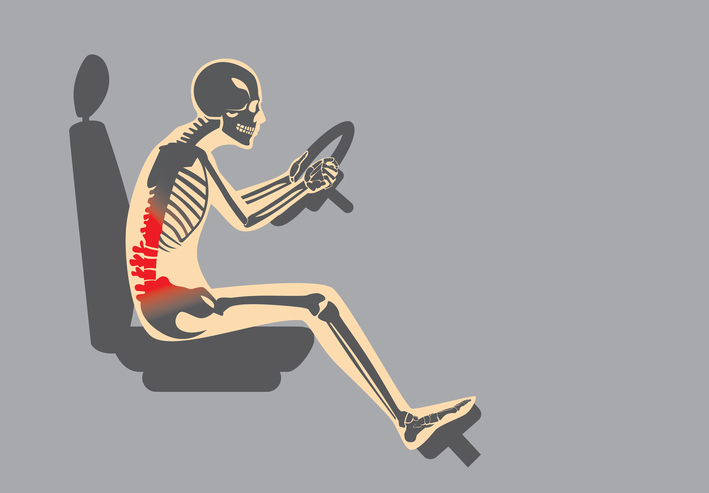
Road trips are intended to be fun, as you excitedly drive across the vast expanses of America with your family and friends in tow.  But for many of us riding in the car can quickly become painful when the uninvited travel partner known as lower back pain shows up.  Many travelers use poor posture when slouched behind the wheel or scrunched down in the passenger’s seat, which leads to lower back pain flare-ups.  Driving countless hours on congested roads also causes stress, which can trigger or exacerbate back pain. The good news is that there are several proven ways to help ward off lower back pain while on the road, or at the very least relieve the symptoms.

Get Positioned Comfortably

Before embarking on your trip, carefully adjust the seats to maximize support for your body’s contours, especially your lower back (lumbar).  If you’re driving, sit close to the wheel because prolonged arm extending places undo stress on your back muscles and spine.  Remove objects from your back pockets like Smartphones, wallets or keys, as they also place pressure on your posterior spine.  Sit up straight with your chin up and out, and shoulders back.  If your body feels uncomfortable while seated, listen to what it’s telling you.

Smooth Out Your Ride

Okay, it’s impossible to totally avoid potholes or rough patches of road.  But to create a smoother overall ride that will reduce the likelihood for lower back problems, there are steps you can take prior to embarking, such as:

  • Take a newer passenger car instead of a rickety older one, even if it means renting. For example, riding in an old pickup truck for many miles is just asking for back trouble.
  • Have the vehicle’s shocks, struts and tires checked out by a mechanic
  • Sit upon a back-supporting seat cushion or use a lumbar support seat pillow

Especially on longer trips, using these measures will go a long way in preventing lower back pain as the miles add up.

Take Frequent Stretch Breaks

Our bodies were designed to walk upright, so forcing yours into a seated position for untold hours is simply asking for lower back muscle tightening, aches and spasms.  If you suffer from back pain, plan breaks in advance for every hour or two.  Use these outside-the-car “timeouts” to walk and stretch out the stiffness, and make sure to stand up straight while doing so.  These timeouts are also a great way to reduce driving-related stress.   Beforehand, give your travel companion(s) a heads-up regarding your pain-reducing regimen, how often you’ll need to break, and encourage them to join you so that their backs will be happier and healthier too!

Don’t Forget to Pack Heat (and Cold)!

If lower back pain has already “crashed” your road trip party, apply heat or cold to the afflicted area to alleviate discomfort.  On most road trips you’ll have a cooler in the car, so try rotating two or more ice packs in there while using one of them on your pain area while seated.  Back pain experts also recommend heat to soothe an inflamed lower back when pain persists.  To do so, bring along a heating pad with a power converter that can be inserted into an onboard 12-volt port.  Then, place the pad between the seat back and your lower back while sitting.  Note: Always wear your seatbelt and shoulder harness while using a cold pack or heating pad!

We Take the Pain Out of Collision Repairs!   

Collision repair shops in your area don’t know much about lower back issues, but they are experts in reducing your emotional pain after an accident.  Body shop pros have the training, experience and equipment to restore your vehicle like new again while promptly getting you back on the road.  They’ll work directly with your insurance company so you don’t have to, and will make the entire repair process as seamless and stress-free as possible to put your mind at-ease.  If you were involved in an accident on your last road trip, or just need some expert advice about collision repairs, search your zip code now for a better body shop in your area at: www.carwise.com.

Read More
U.S. Road Trip Destinations and Tips

U.S. Road Trip Destinations and Tips

Summer will be here before we know it, and the thought of getaways and vacations are abound.  We’ve compiled a list of some of the most popular road trip destinations in the U.S. and some safety tips to review before you hit the road.

Top Road Trip Destinations in the U.S.

  • Grand Canyon
  • Mount Rushmore
  • Yellowstone
  • Nashville, TN
  • Denver, CO
  • California Coast – Highway 1

Before you leave on any trip, make sure to check the “vitals” of your vehicle.  Fill up the tires, top off all liquids, and test the air conditioning and/or heat to make sure they are functioning properly.  Especially if you’ll be driving through barren lands to reach your destination, or plan to make minimal stops, pack bottles of water and plenty of snacks for the road.  Staying hydrated will also help to keep you alert and awake on your journey.  We also recommend that you have a spare tire and a full tire kit in your vehicle for emergencies.  For road trips and beyond, it’s a good idea to take time to learn how to properly replace a tire in case of an emergency.  On road trips especially, you must consider that you may not be near an exit, let alone a repair facility, if you have car trouble.  Remember, you can search for repair shops near your current location right here on Carwise if you find yourself in that situation.  We hope you enjoy your trip, and please comment below with your own tips for a safe road trip!

Read More
Driving in Icy Weather

Driving in Icy Weather

The holidays are over, but the snowy road conditions will be around for many of us for a couple more months.  Start the New Year with a quick refresher on safe driving in bad road conditions.  We’ve compiled a list here of a few tips to stay calm and safe if you must drive in the worst of conditions.

Drive slowly

This will give you more time to react to icy patches and avoid accidents.  If you are fishtailing or sliding it usually means you are going too fast.

Know your brakes

Understanding how your car, and brakes specifically, react to ice and snow is imperative to your safety.  Find an empty parking lot to test them out.

If you are sliding, calmly turn your car wheels in the opposite direction.

Avoid overcorrecting by not jerking the wheel

Avoid driving in bad conditions if at all possible

Always wear your seatbelt

We hope you find these tips useful and that you stay safe on the roads this winter. Comment below with anything you would add to our list!

Read More
Preparing your Vehicle for Summer Heat

Preparing your Vehicle for Summer Heat

With the hot summer months still ahead of us, it’s a good time to take a few minutes to make sure your car is in proper condition to safely endure the hot temperatures.   The most important mechanism for cooling down your car’s engine is the radiator.  Make sure the fluid levels are sufficient, and check back frequently throughout the hot months, as more fluid is used during this time to keep the engine cool.

Also, check that your air conditioning system is working properly.   The most noticeable sign of an A/C problem is if no cold air blows through the system, implying a low level of refrigerant, or a more serious issue with the system.  If you notice leaking from under the front of the car in addition to the A/C not blowing cold air as expected, this could be a sign that the refrigerant is leaking.

Your vehicle’s tires get a lot more wear in the summer, so make sure they have the correct about of tire pressure to avoid more unnecessary wear.  Tires can lose about 1 psi each month, so be sure to check back regularly to ensure the inflation level is where it should be.  The proper level for your vehicle can usually be found on a sticker on the inner driver-side door.  Don’t forget about your spare tire!  Ensure your spare is safe and ready to use in case of an emergency, this may mean it could use some more air, too.

While we don’t want to think about emergencies, especially during the fun summer months while driving to the pool, it’s always a good idea to have an emergency kit prepared.  For the summer especially, include bottled water, small battery-operated fans, and sunscreen in your kit.

Click here for more tips on safe summer driving.

Read More
City Driving Tips

City Driving Tips

Driving in the city poses many challenges and obstacles that can make the city-driving experience overwhelming. Consider the following safety tips before hitting these streets, especially those accustomed to suburban or rural streets.

Familiarize yourself with directions

Limit the glances at your GPS. Keeping your eyes on the road at all times is very important when driving in the city, where there are many sudden stops and pedestrians.

Be aware of one-way streets

Make sure you read all street signs to ensure you are not only following the law, but enforcing safe driving too. One-way streets are common, and non-city folks can find themselves swerving at the last minute, once they realize they are about to turn down the wrong direction. Be mindful of them at all times.

Do your research

Not all laws are posted on street signs. Look up the driving laws in the state you will be driving in to ensure compliance.  Many city intersections do not allow right turns on a red light, so that’s a good place to start.

Yield to bikers

Cyclists flood city streets, especially in nice weather. Be sure to keep an eye out for them, especially when making turns, changing lanes, and opening your door when parked on the street.

Brush up on your parallel parking skills

This comes in handy for city parking. And if you have an SUV or larger vehicle, it may take a few drives up and down the block to find one that fits your car.

Carry change

You’re likely to encounter a toll booth or need some spare quarters for parking during your time in the city.

It’s worthwhile to point out that native city-drivers and cab drivers tend to be very aggressive and impatient.  It’s important for you to remain calm and take your time to ensure your safety, and the safety of those around you. Don’t let the honks fluster you!

Any tips we missed that you would add to the list?  Let us know in the comments!

Read More
Tips for Teaching Your Teen to Drive

Tips for Teaching Your Teen to Drive

If you have a teenager learning to drive, you know that many rules and tips for the road have changed since you were in driver’s education class and getting behind the wheel for the first time.  For that reason, we compiled a list of a few driving tips to pass along to your millennial teen.  Ingraining these tips from the beginning is the best way to ensure lasting, good habits and safe driving practices.

Seat belts are important

One of the most noteworthy laws that has been put in place in the past 25 years is the mandating of seatbelts.  While it is important for your teen driver and all occupants of a car to wear a seatbelt, there are many other safety guidelines and laws for driving today that didn’t exist just a few years back.  Restricting cell phone usage is a great example of this.  Using a phone while driving is extremely dangerous and, in many states, a punishable act.  It’s important to set rules and expectations with your teen surrounding cell phone usage in the car.  As it is smart for your young driver to have a phone with them in case of emergencies or for directions, it is useful to map out guidelines for when and where using a phone is appropriate and safe.

Steering wheel hand placement

Optimal hand placement on the steering wheel has also seen a few updates in recent years.  It’s likely that you were taught to place your hands at 2 o’clock and 10 o’clock on the wheel, but experts have now agreed that placing hands at 3 and 9 are safer in case of an accident.  Bent and relaxed arms at 3 and 9 provide a lower chance of arms being injured by airbag deployment, as they would be on the outer edge of the bag, not the top as they would be if placed at 2 and 10.

Also, recent studies have shown that having other teens in the car creates the most dangerous driving condition for a young driver’s safety.  Please make sure to discuss focus and responsibility while driving with friends.

We wish you the best in your coaching! Leave a comment below with any tips you would add to this list.

Read More
Safe Driving Quiz

Safe Driving Quiz

Test Your Knowledge with the Carwise “Be Car Smart” Safe Driving Quiz.

Traffic laws are changing often, and it may have been awhile since your last driving test. It is always good to stay current and be sure you’re practicing safe driving. We’ve compiled a series of questions to help you become a safer driver.

1. Roundabouts are found to result in ____ crashes than traditional intersections?

a. Fewer
b. More
c. The same amount of
d. Higher Impact

2. Statistically speaking, your chances of collision are highest:

a. On a highway
b. At an intersection
c. When pulling out of a parking space
d. When passing another vehicle

3. How much room should there be between your chest and the steering wheel?

a. Less than 6 inches
b. 6 to 8 inches
c. 8 to 10 inches
d. 10 to 12 inches

4. You should use your signal ___ feet prior to making a turn.

a. 25
b. 50
c. 75
d. 100

5. Can you make a right turn on a red light at an intersection with a red light camera?

a. Yes, if you come to a complete stop before making your turn.
b. No. Wait for the light to change to green before making your turn.
c. Yes. Slow down, check to see if it is clear, and make your turn.
d. Both A and C.

6. What is a safe and efficient steering wheel hand position?

a. 10 and 2 o’clock position
b. 9 and 3 o’clock position
c. 7 and 4 o’clock position
d. One hand on the wheel at the 12 o’clock position

7. In 2014, how many US states have a ban on texting while driving?

a. 10
b. 24
c. 44
d. 50

8. When driving, how much distance should you keep between your car and the vehicle in front of you?

a. 3 feet behind the car you are following
b. 3 car lengths behind the car you are following
c. 3 seconds or more behind the car you are following
d. 30 seconds behind the car that you are following

9. Which situation is NOT a rule for yielding right of way?

a. If two vehicles begin to enter an intersection at the same time and there are no traffic signs or signals, drivers should motion to each other to decide who goes first.
b. You are required to yield to any authorized emergency vehicle, such as police cars, fire engines and ambulances, when these vehicles are giving a signal by siren or flashing lights.
c. You must yield the right of way to school children entering or leaving a school bus.
d. If you have stopped for a traffic light at an intersection and want to turn left when the green light appears, you must yield to traffic that is waiting on the opposite side of the traffic light.

10. When should you avoid passing another vehicle?

a. On a hill or curve
b. At any railroad crossing
c. Road construction area
d. All of the above

Answers:

1) A. Fewer. Roundabouts – also known as traffic circles – result in slower speeds and fewer crashes, especially the right-angle and head-on crashes that often result in injuries or even deaths.

2) B. Intersections. Crashes often occur at intersections because there are a variety of activities such as turning left, crossing over, turning right, red camera lights, and pedestrians causing a higher possibility for conflicts.

3) D. 10 and 12 inches. Keeping 10 to 12 inches between your chest and the steering wheel will protect yourself in case the airbag suddenly deploys.

4) D. 100 feet. Get into the proper lane and give a signal for at least 100 feet (about one fourth of an average city block) before reaching the intersection and making the turn.

5) A. Yes, but make a complete stop. The law requires motorists to come to a stop before making the right turn on a red signal. The camera will capture your illegal turn as a red light violation if you don’t stop.

6) B. 9 and 3 o’clock. The old school wisdom was to position hands at 10 and 2 o’clock. As air bags became common, this led to the wrist and arm fractures when air bags deployed and arms were flung into rearview mirrors or A-pillars. To avoid that occurrence, many safety advocates now recommend positioning hands at 9 and 3 o’clock on the steering wheel.

7) C. 44. Currently, 44 states, D.C., Puerto Rico, Guam and the U.S. Virgin Islands ban text messaging for all drivers.

8) C. 3 seconds. To achieve the 3 second spacing between you and the car ahead of you, when that car passes a landmark, such as a tree or an exit sign, start counting. If you pass the same spot before you count to three, you’re driving too close to the other car.

9) A. If two vehicles begin to enter an intersection at the same time and there are no traffic signs or signals, the vehicle on the left must yield to the driver on the right.

10) D. All of the above.

Read More
1 2