Our 2021 “Be Car Smart” Safe Driving Quiz

Our 2021 “Be Car Smart” Safe Driving Quiz

Depending on what state you live in and how old you are, it may have been a while since you took a driving test. And if you’ve worked from home during the coronavirus pandemic, you may be driving far less than you used to. Take our “Be Car Smart” safe driving quiz to refresh your knowledge and make sure you’re up to speed on driving safety. Check your answers at the end of this post.

1 – How much room should there be between your chest and the steering wheel?

a. Less than 6 inches
b. 6 to 8 inches
c. 8 to 10 inches
d. 10 to 12 inches

2 – What is a safe and efficient steering wheel hand position?

a. 10 and 2 o’clock position
b. 9 and 3 o’clock position
c. 7 and 4 o’clock position
d. One hand on the wheel at the 12 o’clock position

3 – When should you avoid passing another vehicle?

a. On a hill or curve
b. At any railroad crossing
c. Road construction area
d. All of the above

4 – You should use your signal __ feet prior to making a turn.

a. 25
b. 50
c. 75
d. 100

5 – When driving, how much distance should you keep between your car and the vehicle in front of you?

a. 3 feet behind the car you are following
b. 3 car lengths behind the car you are following
c. 3 seconds or more behind the car you are following
d. 30 seconds behind the car that you are following

6 – Which situation is NOT a rule for yielding right of way?

a. If two vehicles begin to enter an intersection at the same time and there are no traffic signs or signals, drivers should motion to each other to decide who goes first.
b. You are required to yield to any authorized emergency vehicle, such as police cars, fire engines and ambulances, when these vehicles are giving a signal by siren or flashing lights.
c. You must yield the right of way to school children entering or leaving a school bus.
d. If you have stopped for a traffic light at an intersection and want to turn left when the green light appears, you must yield to traffic that is waiting on the opposite side of the traffic light.

7 – Statistically speaking, your chances of collision are highest:

a. On a highway
b. At an intersection
c. When pulling out of a parking space
d. When passing another vehicle

8 – Roundabouts are found to result in __ crashes than traditional intersections?

a. Fewer
b. More
c. The same amount of
d. Higher Impact

9 – Can you make a right turn on a red light at an intersection with a red-light camera?

a. Yes, if you come to a complete stop before making your turn.
b. No. Wait for the light to change to green before making your turn.
c. Yes. Slow down, check to see if it is clear, and make your turn.
d. Both A and C.

10 – In 2021, how many US states have a ban on texting while driving?

a. 24
b. 44
c. 48
d. 50

Answers:

1 – How much room should there be between your chest and the steering wheel?

Answer: D. 10 and 12 inches. Keeping 10 to 12 inches between your chest and the steering wheel (from your breastbone to the center of the wheel) will protect yourself in case the airbag suddenly deploys. Airbags can deploy at speeds of up to 200 mph and could cause serious injury if you are too close to the wheel or sitting in the wrong position.

2 – What is a safe and efficient steering wheel hand position?

Answer: B. 9 and 3 o’clock. The old school wisdom was to position hands at 10 and 2 o’clock. As air bags became common, this led to the wrist and arm fractures when air bags deployed. To avoid that occurrence, many safety advocates now recommend positioning hands lower, at 9 and 3 o’clock on the steering wheel.

3 – When should you avoid passing another vehicle?

Answer: D. All of the above.

4 – You should use your signal _ feet prior to making a turn.

Answer: D. 100 feet. Get into the proper lane and give a signal for at least 100 feet (about a quarter length of an average city block) before reaching the intersection and making the turn.

5 – When driving, how much distance should you keep between your car and the vehicle in front of you?

Answer: C. Three seconds. To achieve the three second spacing between you and the car ahead of you, when that car passes a landmark, such as a tree or an exit sign, start counting. If you pass the same spot before you count to three, you’re driving too close to the other car.

6 – Which situation is NOT a rule for yielding right of way?

Answer: A. If two vehicles begin to enter an intersection at the same time and there are no traffic signs or signals, the vehicle on the left must yield to the driver on the right.

7 – Statistically speaking, your chances of collision are highest:

Answer: B. Intersections. Crashes often occur at intersections because there are a variety of activities such as turning left, crossing over, turning right, red camera lights, and pedestrians causing a higher possibility for conflicts.

8 – Roundabouts are found to result in __ crashes than traditional intersections?

Answer: A. Fewer. Roundabouts – also known as traffic circles – result in slower speeds and fewer crashes, especially the right-angle and head-on crashes that often result in injuries or even deaths.

9 – Can you make a right turn on a red light at an intersection with a red light camera?

Answer: A. Yes, but make a complete stop. The law requires motorists to come to a stop before making the right turn on a red signal. The camera will capture your illegal turn as a red light violation if you don’t stop.

10 – In 2021, how many US states have a ban on texting while driving?

Answer: C. Currently, 48 states, D.C., Puerto Rico, Guam and the U.S. Virgin Islands ban text messaging for all drivers.

After an Accident, Find a Collision Repair Shop on Carwise.com

Accidents happen, even to the most careful drivers. If you’re ever in a collision, follow these tips for post-accident safety and when it’s safe, use Carwise.com to find a reputable auto body repair shop near you. From reviews by real customers to services and payment information, Carwise has details on over 21,000 auto body and collision repair shops. Use Carwise’s shop finder tool to search your zip code for a customer-reviewed auto body shop nearby: https://www.carwise.com/auto-body-shops/.

Read More
Vehicle Emergency Kits for Winter

Vehicle Emergency Kits for Winter

What you will need for your winter car kit

Just as you may have a tornado or severe storm kit in your basement, it’s a good idea to keep an emergency kit in your car in case of extreme conditions.  In the winter months especially, there are many items that could prove to be very useful in an unfortunate weather-related situation or accident that causes you to be exposed to extreme temperatures.

Start your kit with some basic essentials, such as non-perishable food items (i.e. canned goods or snacks), and bottled water.   Pack enough for all the people typically in your car.

Next, a few handy tools to add to your kit include:

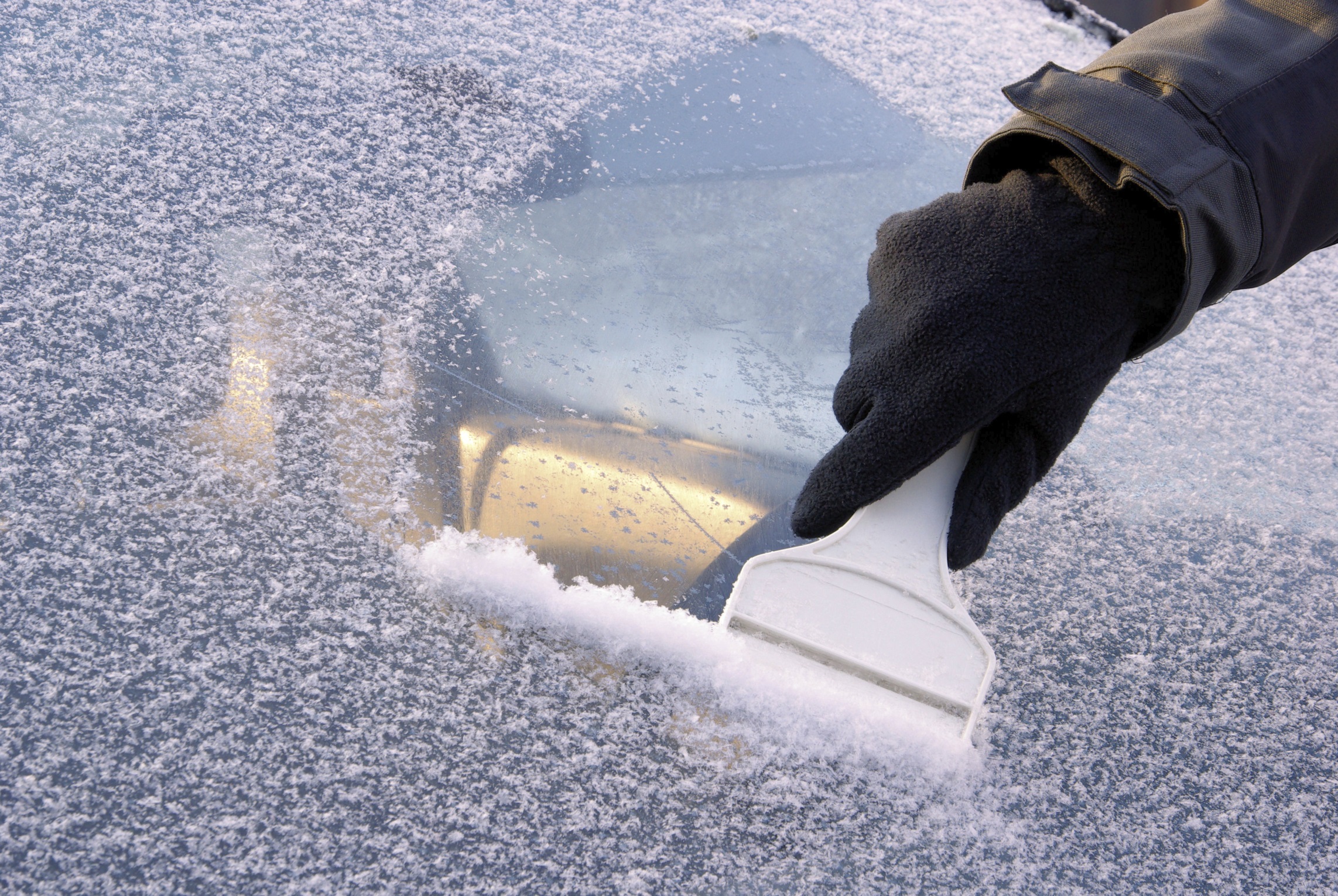
  • A windshield ice scraper
  • A multi-purpose utility tool, such as a pocket knife
  • An LED flashlight with spare batteries
  • And a bag of cat litter

Yes, you read that right.  Cat litter is a great, lightweight alternative to salt or sand that can be used to free your car from snow banks or icy patches.

A classic first-aid kit may be in your car already, but it’s worth a second look to ensure it still has a full supply.  Lastly, tucking a warm blanket in your trunk is also a good idea in case your car won’t start, or you have to wait for assistance in cold temperatures.

Take a look at which of these items you already have in your car, and consider adding the ones you don’t.  You will be happy you did if you ever come across a situation when you need them.  Leave a comment below with any items you would add to our list!

Read More
Driving Safety Tips for Seniors, Kids, and Drowsiness 

Driving Safety Tips for Seniors, Kids, and Drowsiness 

SENIOR DRIVING SAFETY TIPS

Safe driving is something that we discuss frequently at Carwise. Even though we try to connect everyone with a quality body shop when they need one, we also want everyone to be aware of driving safety issues. More often than not, senior drivers are overlooked when discussing driver safety.

As we get older, eyesight, hearing, and mobility tend to change. Since driving relies heavily on our ability to see and hear, it’s important to keep on top of any vision or hearing changes. Maintaining you or your loved one’s health should also include monitoring basic reflexes, in the event of a hazardous situation which requires quick response times. Finally, make sure to drive a car that’s easy for you or your loved one to get in and out of, as well as drive.

It also never hurts to take a refresher driving course at any age. State laws do change, and you could potentially get a discount on insurance premiums. There are various courses and self-assessment tools available online as well.
Finally, new car technologies which include connected cars and collision avoidance systems can also help seniors while driving. Look out for these features like adaptive headlights or lane departure prevention if you’re in the market for a new vehicle.

The AAA and AARP provide great resources if you’re a senior who is driving, or if you’re concerned about a senior’s driving skills. Overall, our goal is to help seniors maintain and improve their driving abilities while keeping the roads safe for everyone.

KEEPING KIDS SAFE IN (AND AROUND) YOUR CAR

Schools are back in session, and winter is quickly approaching so it’s a good time to review some safety tips when driving with children in the back seat, on the streets, or both.  During this time of kids on the street and low visibility, there are many extra precautions we should take as it pertains to children both in your backseat, or walking on the sidewalks.

SEAT BELTS

As for kids inside your vehicle, the most obvious safety precaution that comes to mind for many are seat belts.  But are you sure your child passenger is using the safest car seat for his/her body weight, age, etc.?  Many car seats are not used or installed correctly.  We recommend checking online for instruction guides on what your child requires.  This goes for other children that may be riding in your car, every child should bring their car seat with them when riding in other cars.   According to NHTSA, “a child in a correctly used safety seat in the back seat of a car is 73% less likely to be hospitalized than an unrestrained child in the front seat.”  With that said, children under the age of 12 should always sit in the rear of the car.

LOOK AROUND

When parked in school lots or places where many kids are near, take a look around your entire vehicle before getting in a starting the engine to ensure no small children are playing close by.   More children are hit by cars near schools than at any other location.  Drive the school speed limits, especially in bad weather, to avoid any incidents.  In general, please remember to take extra precaution and be alert when driving in areas where many children are present.

Check out our blog on back to school driving tips here.

HOW TO COMBAT DROWSY DRIVING

Drowsy driving can have a significant impact on road safety, and it is estimated that drowsy drivers are involved in an about 12.5% of fatal crashes. According to the AAA Foundation for Traffic Safety’s annual Traffic Safety Culture Index, more than a third of drivers admit to falling asleep behind the wheel at some point of their lives, and more than 1 in 10 have been involved with the act of drowsy driving within the past year.

According to a survey from DMEautomotive, people are combating drowsy driving in the wrong ways, opting for ineffective answers that do little to lessen their drowsiness. The results of this drowsy driving survey showed drivers are far more likely to drink caffeine, play loud music, pull over to exercise or stretch, open windows, and turn up air conditioning — all of which do little or nothing to lessen the effects of drowsy driving.

The results of the survey demonstrated a lack of awareness regarding the dangers of drowsy driving and the effectiveness of different strategies to stay awake.Combat Sleepiness While Driving

Remarkably, only numbers three and seven on the list — switching drivers and pulling over to take a nap — are proven to be useful means of combating drowsiness. The top response, drinking a caffeinated beverage, can produce a jolt of alertness, but the effect wears off quickly, according to experts.

SOME OF THE BEST WAYS TO COMBAT DROWSY DRIVING (THAT ACTUALLY WORK) INCLUDE:

1.  Planning to get sufficient sleep before driving.
2.  Avoiding even small amounts of alcohol.
3.  Limiting driving between midnight and 6 a.m.
4.  Switching driving duties with a passenger who is well rested.
5.  Taking a short nap (about 15 to 20 minutes) and consuming caffeine equivalent to two cups of coffee is a temporary fix and should only be used to get you somewhere where you can sleep and regroup.

The other strategies to improve alertness when sleepy, such as opening a window or listening to the radio, have not been proven effective. Drowsy driving can be just as dangerous as drunk driving, and drowsy drivers present an unnecessary risk to both themselves and everyone around them.

In an effort to reduce the number of fatigue-related crashes and to save lives, the National Sleep Foundation is declaring Nov. 2-9, 2014 to be Drowsy Driving Prevention Week®. This annual campaign provides public education about the under-reported risks of driving while drowsy and countermeasures to improve safety on the road.

Sources

NSC.org
OSHA.org

Read More
Safe Driving Quiz

Safe Driving Quiz

Test Your Knowledge with the Carwise “Be Car Smart” Safe Driving Quiz.

Traffic laws are changing often, and it may have been awhile since your last driving test. It is always good to stay current and be sure you’re practicing safe driving. We’ve compiled a series of questions to help you become a safer driver.

1. Roundabouts are found to result in ____ crashes than traditional intersections?

a. Fewer
b. More
c. The same amount of
d. Higher Impact

2. Statistically speaking, your chances of collision are highest:

a. On a highway
b. At an intersection
c. When pulling out of a parking space
d. When passing another vehicle

3. How much room should there be between your chest and the steering wheel?

a. Less than 6 inches
b. 6 to 8 inches
c. 8 to 10 inches
d. 10 to 12 inches

4. You should use your signal ___ feet prior to making a turn.

a. 25
b. 50
c. 75
d. 100

5. Can you make a right turn on a red light at an intersection with a red light camera?

a. Yes, if you come to a complete stop before making your turn.
b. No. Wait for the light to change to green before making your turn.
c. Yes. Slow down, check to see if it is clear, and make your turn.
d. Both A and C.

6. What is a safe and efficient steering wheel hand position?

a. 10 and 2 o’clock position
b. 9 and 3 o’clock position
c. 7 and 4 o’clock position
d. One hand on the wheel at the 12 o’clock position

7. In 2014, how many US states have a ban on texting while driving?

a. 10
b. 24
c. 44
d. 50

8. When driving, how much distance should you keep between your car and the vehicle in front of you?

a. 3 feet behind the car you are following
b. 3 car lengths behind the car you are following
c. 3 seconds or more behind the car you are following
d. 30 seconds behind the car that you are following

9. Which situation is NOT a rule for yielding right of way?

a. If two vehicles begin to enter an intersection at the same time and there are no traffic signs or signals, drivers should motion to each other to decide who goes first.
b. You are required to yield to any authorized emergency vehicle, such as police cars, fire engines and ambulances, when these vehicles are giving a signal by siren or flashing lights.
c. You must yield the right of way to school children entering or leaving a school bus.
d. If you have stopped for a traffic light at an intersection and want to turn left when the green light appears, you must yield to traffic that is waiting on the opposite side of the traffic light.

10. When should you avoid passing another vehicle?

a. On a hill or curve
b. At any railroad crossing
c. Road construction area
d. All of the above

Answers:

1) A. Fewer. Roundabouts – also known as traffic circles – result in slower speeds and fewer crashes, especially the right-angle and head-on crashes that often result in injuries or even deaths.

2) B. Intersections. Crashes often occur at intersections because there are a variety of activities such as turning left, crossing over, turning right, red camera lights, and pedestrians causing a higher possibility for conflicts.

3) D. 10 and 12 inches. Keeping 10 to 12 inches between your chest and the steering wheel will protect yourself in case the airbag suddenly deploys.

4) D. 100 feet. Get into the proper lane and give a signal for at least 100 feet (about one fourth of an average city block) before reaching the intersection and making the turn.

5) A. Yes, but make a complete stop. The law requires motorists to come to a stop before making the right turn on a red signal. The camera will capture your illegal turn as a red light violation if you don’t stop.

6) B. 9 and 3 o’clock. The old school wisdom was to position hands at 10 and 2 o’clock. As air bags became common, this led to the wrist and arm fractures when air bags deployed and arms were flung into rearview mirrors or A-pillars. To avoid that occurrence, many safety advocates now recommend positioning hands at 9 and 3 o’clock on the steering wheel.

7) C. 44. Currently, 44 states, D.C., Puerto Rico, Guam and the U.S. Virgin Islands ban text messaging for all drivers.

8) C. 3 seconds. To achieve the 3 second spacing between you and the car ahead of you, when that car passes a landmark, such as a tree or an exit sign, start counting. If you pass the same spot before you count to three, you’re driving too close to the other car.

9) A. If two vehicles begin to enter an intersection at the same time and there are no traffic signs or signals, the vehicle on the left must yield to the driver on the right.

10) D. All of the above.

Read More