5 Safe Driving Tips for Summer Vacations
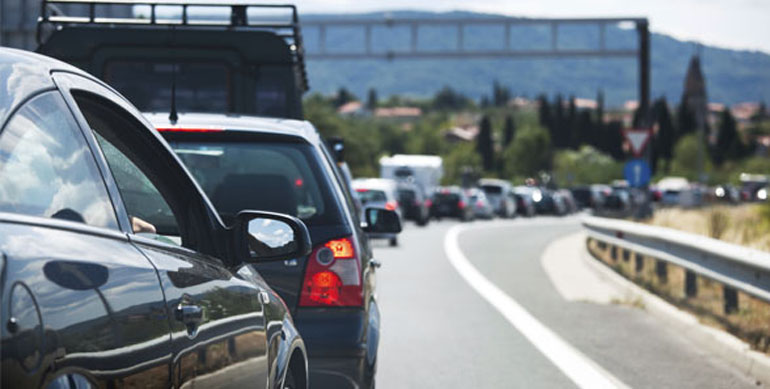
For most Americans Memorial Day represents the de facto start to summer, a time of year chocked full of fun activities including highly-anticipated family vacations. According to the National Highway Traffic Safety Administration (NHTSA), nearly 90% of us will take to the roads at least once during the summer months for a fun-filled family get-away. On the downside, the NHTSA points out that more traffic accidents occur in summer than any other season, primarily due to the fact more people are driving. In addition to congested roads, other summer driving challenges include construction zones, vehicle mechanical failures and nasty weather. As a result, careful planning to ensure a safer and more enjoyable vacation journey is always important. To assist your efforts, here are 5 summer vacation safe driving tips to use before hitting the road.
-
Get Your Vehicle Road-Ready
Prior to embarking on your vacation have a mechanic inspect your vehicle’s brakes, tires, belts, hoses, fluid levels, A/C, transmission and oil. In the summer heat it’s also important to make sure that your car stays hydrated just like your body. That means inspecting the radiator, radiator hoses and coolant level. Right before setting out on your trip also check the following:
- Tire pressure including the spare
- Wiper blades
- Battery strength and cable connections
- Oil level
- Look for suspicious fluid leaks underneath the vehicle
- Headlights, brake lights, turn signals and emergency signals
The last thing you need while transporting your family cross-country is to get stranded alongside the road in the blistering heat. Instead, make sure that your car is as road-ready as possible.
-
Plan for Roadside Emergencies
Planning in advance will still never totally eliminate the occasional travel emergency, but you can be ready for anything the road sends your way. Make sure that your car is stocked with these items:
- Jumper cables
- Flashlight
- Tire tools and a road-ready spare
- First aid kit
- Cell phone charger
- Plenty of water
- Hazard triangle or road flares
If you are going to be traveling many miles across sparsely-inhabited areas, like a desert, it’s also not a bad idea to pack some non-perishable food items and warm blankets.
-
Safely Secure Kids and Pets
Any parent who’s gone on a summer car vacation with kids knows that Johnny and Susie oftentimes end up fighting in the back seat. Insurance industry studies have found that kids and loose pets can be up to 12X more distracting to a driver than a cellphone. To improve those odds, make sure that your family pets are secure in the vehicle before setting out, and that the kids are comfortably spaced about inside the interior. Bring along plenty of entertainment items for them like books, games, IPads, movies and music. And don’t forget to pack lots of healthy snacks and drinks for your family members, including the non-human ones!
-
Pack Your Car Carefully
When the average family goes on a driving vacation their vehicle is usually stuffed full of personal items, and oftentimes cars get packed in a hurry. Take time to make sure that the weight is distributed evenly, and that the driver has a clean line-of-sight all around the vehicle. If you are placing bicycles, kayaks, or other “toys” on the roof rack, know how high those items stick up if you encounter low bridges or tree limbs, along with the weight limit of the rack itself.
-
Take Regular Driving Breaks
It seems that most men are programmed with the notion that they have to do most of the vacation driving. Unfortunately, they get fatigued like everyone else, and when that happens the likelihood of an accident goes way up as reaction times and concentration suffer. On long trips when there’s only one driver in the vehicle, it’s advisable to stop at a rest area and allow them to take a stretch break every 2 to 3 hours. If other drivers are available, everyone should take turns behind the wheel while others nap or simply relax for a while. A fresh driver is a safer driver no matter how you slice it!
When You’re Involved in a Summer Accident…
Even when you use the vacation safe driving tips mentioned above, accidents happen. When they do, the good news is that a reliable collision repair shop nearby can get your car fixed and promptly back on the road again. They have the know-how and experience to get the job done right, while restoring your peace-of-mind. And if after the vacation your car’s interior and exterior could use some expert clean-up, dependable body shops also provide high-quality and affordable auto detailing services that’ll get your car looking like new again, inside and out. To search your zip code for a better body shop in your area, visit www.carwise.com now.