Car Maintenance Basics to Prevent Dangerous Driving Experiences

Car Maintenance Basics to Prevent Dangerous Driving Experiences

Much like getting an annual physical exam at the doctor can help prevent health issues down the road, regular maintenance for your vehicle can help prevent accidents and extend the life of your vehicle. But how often does maintenance need to be done, and what should you be doing? Your vehicle’s owner’s manual should have all the information for your car’s specific make and model, but there are some general guidelines to keep in mind.

Check Your Car’s Fluids Regularly

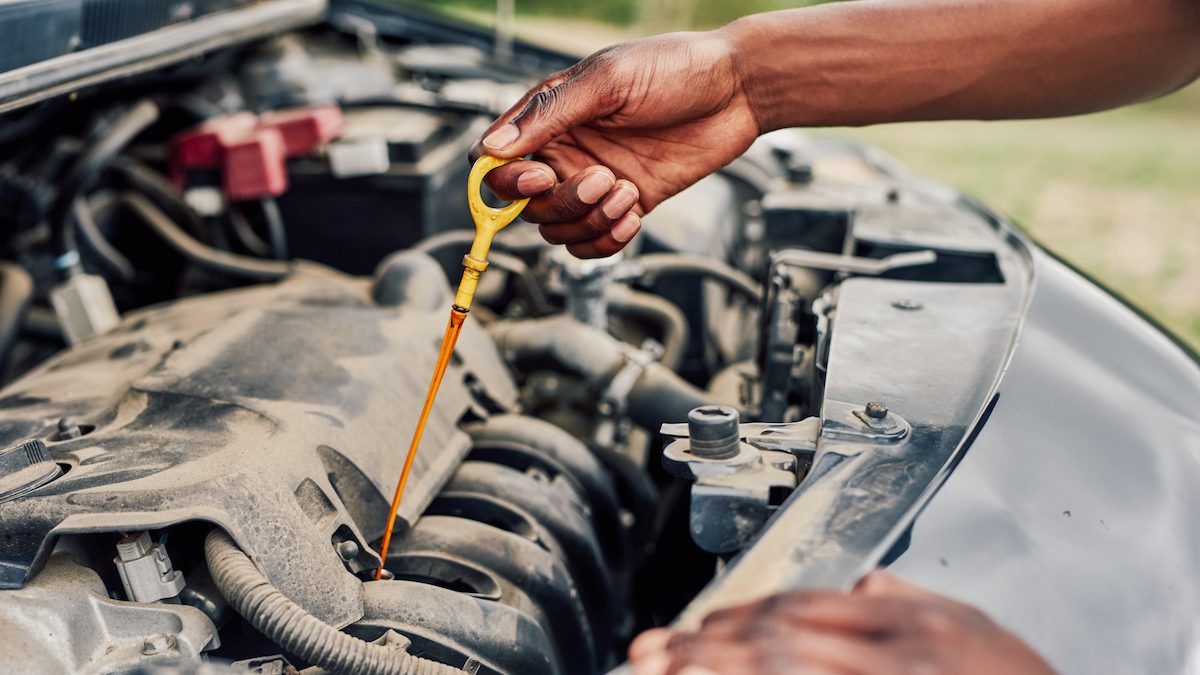
There are some simple things you can do at home to check the fluids on your car, including oil, transmission fluid, brake fluid, coolant, and washer fluid. Using a dipstick, you can check these levels yourself, or you can bring it into a trusted shop.

Checking the oil regularly will help preserve your engine and should be changed on a schedule – usually every 5,000 to 7,500 miles. Neglecting to change your oil on time can lead to severe engine damage and put you in a dangerous situation while driving. Your transmission fluid, brake fluid, coolant and washer fluid can be checked monthly at home, or every time you get your oil changed.

Keep an Eye on Your Tires

Tires are one of the most important parts of your car – they literally support the entire vehicle. You should check the tire pressure monthly and can likely do this at a gas station and adjust the air as necessary. Your owner’s manual should have guidance on the correct level for your vehicle, but you can also find this information quickly in an online search.

Tire rotation is also important to make sure that your tires wear evenly. Generally, tire rotation should happen every 6,000 to 8,000 miles.

Monitor Your Brakes

You should always pay attention to any signs that there are issues with your brakes, such as sounds, smells, or changes in the feeling of braking. But generally, brake pads last for up to 50,000 miles. Brake fluid needs to be replaced a bit sooner, usually between 20,000 and 45,000 miles. You should have these checked when your car’s in for other maintenance to be sure.

Other Routine Maintenance Needs

Of course, cars are complex, and there are many other aspects that need to be checked on regularly, from engine air filters to the car’s battery. Your car’s indicator lights can help you keep tabs on these things.

You should also keep an eye out for surface damage to your car, from chips and cracks on your windshield and windows, to rust and scratches that can compromise the body of your vehicle. These things may seem minor but can lead to accidents or incur further damage when neglected.

It’s best to bring your vehicle in regularly – every 30,000 miles or so – for a tune-up and check-in on all of the advanced systems. Keeping your vehicle in good working condition will help you stay safe on the roads and prevent dangerous driving situations that could lead to an accident.

Find An Auto Body Shop Near You

Still, accidents can happen, whether it’s a minor fender from a flat tire or something more severe. If you are in a crash as the result of an engine problem or other mechanical issue, Carwise can help. To find a reputable auto body shop near you, search Carwise.com and read reviews from real customers, find shop hours and locations, before and after photos, and certifications. With more than 21,000 shops to choose from, Carwise.com will help you find your perfect fit. Get started today: https://www.carwise.com/auto-body-shops /.

Read More
The Basics of Tire Maintenance

The Basics of Tire Maintenance

As temperatures get cooler and leaves will begin to fall, it’s a helpful reminder to pay attention to your car’s tires because road conditions can change with the weather. Tires are among the most important aspects of your vehicle when it comes to safety. They not only put your vehicle in motion, they help control how much you slip and slide (or don’t!) on the road. Neglecting tire maintenance can lead to a serious accident and incur far more damage and expenses than just paying to get tires repaired and replaced regularly.

As autumn approaches, here are a few tire maintenance tips to keep your vehicle safe on the road.

Inspect your tires regularly

Fortunately, many maintenance issues with tires can be seen with the naked eye. At least once a month, you should check your tires for any cracks, bulges or punctures, or items stuck in them that could be masking a puncture, like a nail head.

Additionally, you should keep an eye on your tires’ tread level. If your tires’ treads are too low, they’re more liable to slip and slide on roads. Many tires are equipped with a tread bar to help you track how low the tread is. If you don’t have a tread bar, you can try the quarter test: stick a quarter in the lowest level of tread you can find. If you can see all of Washington’s head, the tread is too low, and it’s time to replace.

Along with a visual inspection, be sure to check your tire pressure at least once a month. You can do this at most gas stations and adjust air as needed. In cold weather, tire pressure can drop, and tires with too little pressure pose a risk of blowing out. Take ten minutes when you fill up your tank to check the tire pressure.

And don’t forget to check your spare tire, too, to make sure it’s not damaged in case you ever need it.

Rotate your tires as needed

Another important aspect of tire maintenance is tire rotation, the practice of moving tires from one position on the vehicle to another (back to front and vice versa). Front tires wear down faster than rear tires as a result of steering and braking. Regular tire rotation helps tires wear evenly and last longer. Check your car’s user manual to be sure, but most tires need be rotated every 5,000 to 8,000 miles. Rotating tires at every other oil change is another good rule of thumb to follow.

Don’t overload your vehicle

Whether going on a long trip or moving, it can be tempting to pack your car to the brim, but this can be a safety hazard. Every vehicle has a weight limit. Check your user manual – or even the placard on your door frame – to see what your own car’s weight limit is. If you exceed it, you risk popping the tires and doing serious damage to your vehicle.

Replace tires on time

Replacing tires can be expensive but risking a flat or popping a tire while driving could lead to an accident, so it’s not worth putting off. Tires should be replaced every few years, regardless of the number of miles driven, but depending on how often and how far you drive your vehicle, your tires will likely need to be replaced much sooner than that. Check your user manual to see if your manufacturer has specific recommendations for tire replacement.

Keep your wheels aligned

Tires are only as good as the wheels they’re attached to. When your car’s wheels come out of alignment, it puts unnecessary strain on other parts of your vehicle. Wheels can become misaligned from bumps, going over curbs or even just driving long distances. Check the alignment annually to be sure nothing’s amiss.

How to Avoid an Accident When You Get a Flat Tire

Flat or blown tires can happen anywhere, anytime, at any speed. Typically, the first sign that your tire has blown is that your car will slow down (even when your foot is on the gas) and your steering will be harder to control.

Try to remain calm and look for a safe place to pull over as soon as possible. For safety reasons, you need an open space as far away from traffic as possible to change your tire or load your vehicle onto a tow truck. If you get stuck with a flat tire in dangerous weather conditions or a dangerous area, such as a road with heavy traffic and narrow shoulders, you may want to consider calling the local police for assistance, as well as a tow truck.

If you’re replacing your damaged tire with a smaller spare, often called a “donut,” remember that it’s not designed to bear the same weight or speed as a permanent tire, so it’s important to drive more slowly than usual once you get back on the road, otherwise you could wind up with another flat tire and no spare. Donut tires are also not meant to be driven for very long; when possible, it’s best to drive directly to a tire shop for a permanent replacement. 

What to Do If a Flat Tire Causes an Accident

If a tire hazard causes you to get into an accident, be sure to follow these post-accident safety tips for gathering information from other drivers at the scene, contacting your auto insurer, and finding a local auto body shop. To find a reputable auto body shop near you, search Carwise.com and read reviews from real customers, find shop hours and locations, before and after photos, and certifications. With more than 21,000 shops to choose from, Carwise.com will help you find your perfect fit. Get started today: https://www.carwise.com/auto-body-shops/.

Read More