How to Prep Your Car for Winter Driving

How to Prep Your Car for Winter Driving

For most of the U.S., winter is on its way or has already made an appearance with a snowfall or two. Winter can be a precarious season for driving, between ice storms, snow storms, fallen leaves and more. But with a few basic maintenance steps, you can make sure your car is road-ready, whatever weather may find you.

Prep Your Tires for Winter

Your tires are very important to your safety on the road and require routine maintenance, especially as seasons change. There are a few items to check off your list before winter arrives:

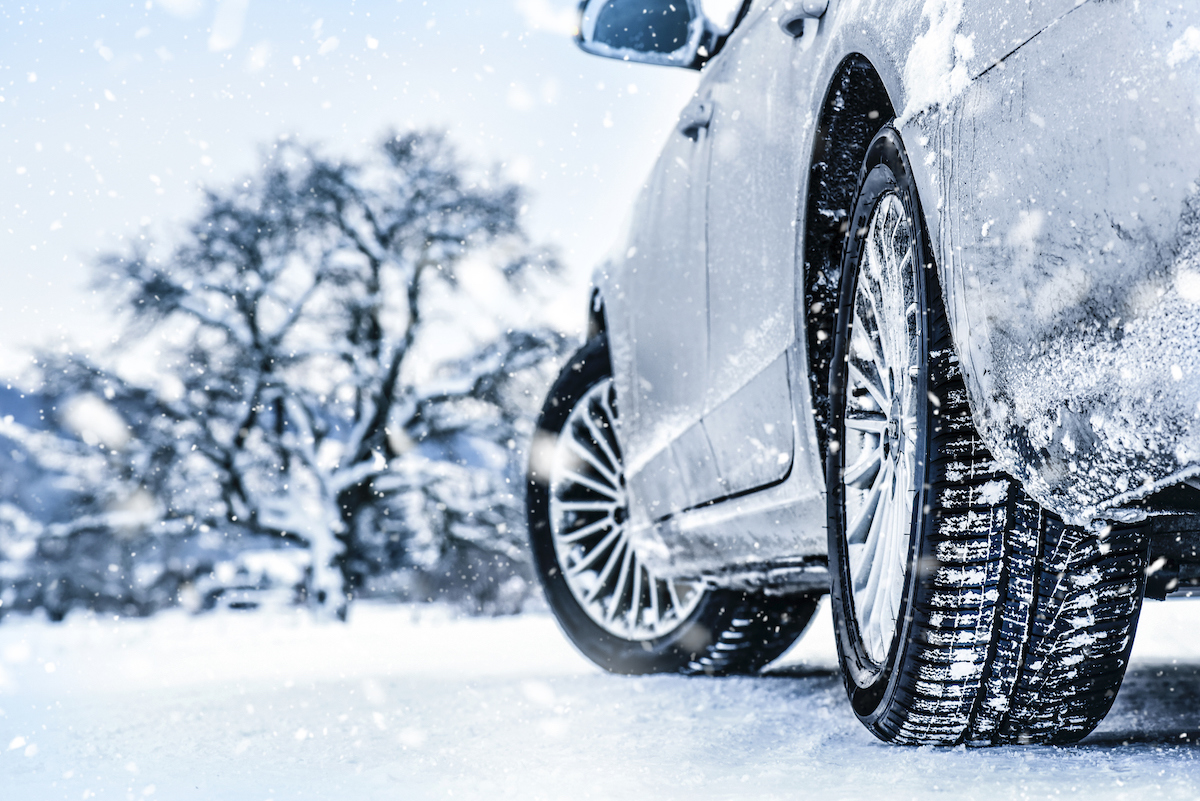
  • Check tire tread. Because winter roads can be so slippery, it’s important to make sure your tires have good traction. Check the tread on your tires to make sure it’s not too low and replace your tires if needed.
  • Check your tire pressure. When the temperature drops, so will your tire pressure. Make sure your tires are in proper range and fill up with extra air if the pressure is too low.
  • Consider snow tires. If you live in a particularly snowy or icy climate, you might opt for special winter tires. They may lower your gas milage but provide much better traction. You can swap them out at the end of the season.

Check Your Car’s Fluids, Brakes, Battery, and Blades for Winter

Once you know your tires are good to go, you should check other key components for your vehicle that will keep it running smoothly in cold weather:  

  • Check your fluids. Top off any fluids that may need it, including antifreeze and brake fluid. You should also change out your oil if it needs it, and consider purchasing winter washer fluid, which is less likely to freeze in very cold temperatures.
  • Inspect your brakes. Winter can be extremely hard on brakes, between slippery roads, salt and more. Make sure your brakes are in optimal condition and schedule any repairs or replacements that might be needed. Not sure if it’s time for a brake job? Here are six signs that your brakes may need replacing.
  • Check your battery. Car battery functionality goes down in winter, and negative temperatures can make it harder for it to start especially if the battery is older. Test the battery with a reader to make sure it’s performing well and replace it if needed.
  • Keep an eye on wiper blades. Ice easily wears down windshield wiper blades. Start the winter season out with a fresh pair and replace as needed – even consider keeping a spare set in your car in case you need new ones while on the road.

Prep Your Car for a Winter Weather Emergency

Finally, there are a few last items to keep in mind to ensure you’re ready for winter:

  • Pack an emergency kit. It’s good to be prepared for whatever may happen in case you end up stranded for a few hours or even a day. Make sure your car is packed with an emergency kit suitable for your particular needs and climate. Learn what to consider including in your kit in this article.
  • Keep your gas tank half full. In cold weather, moisture can build up in your gas tank, which can wreak havoc on your vehicle long term. Do your best to always keep your gas tank at least half full to help prevent this.

Once your car has been winterized, you can hit the road with confidence. If an accident happens on icy, snowy roads, follow these safety tips to collect accident information, submit a claim, and seek repairs. If you find yourself in need of auto body repairs over the winter or any time of year, Carwise  can help you find the perfect shop near you. Search Carwise.com and read reviews from real customers, find shop hours and locations, before and after photos, and certifications. With more than 21,000 shops to choose from, Carwise.com will help you find your perfect fit. Get started today: https://www.carwise.com/auto-body-shops/.

Read More
5 Tips for Staying Safe and Social Distancing After an Auto Accident This Winter

5 Tips for Staying Safe and Social Distancing After an Auto Accident This Winter

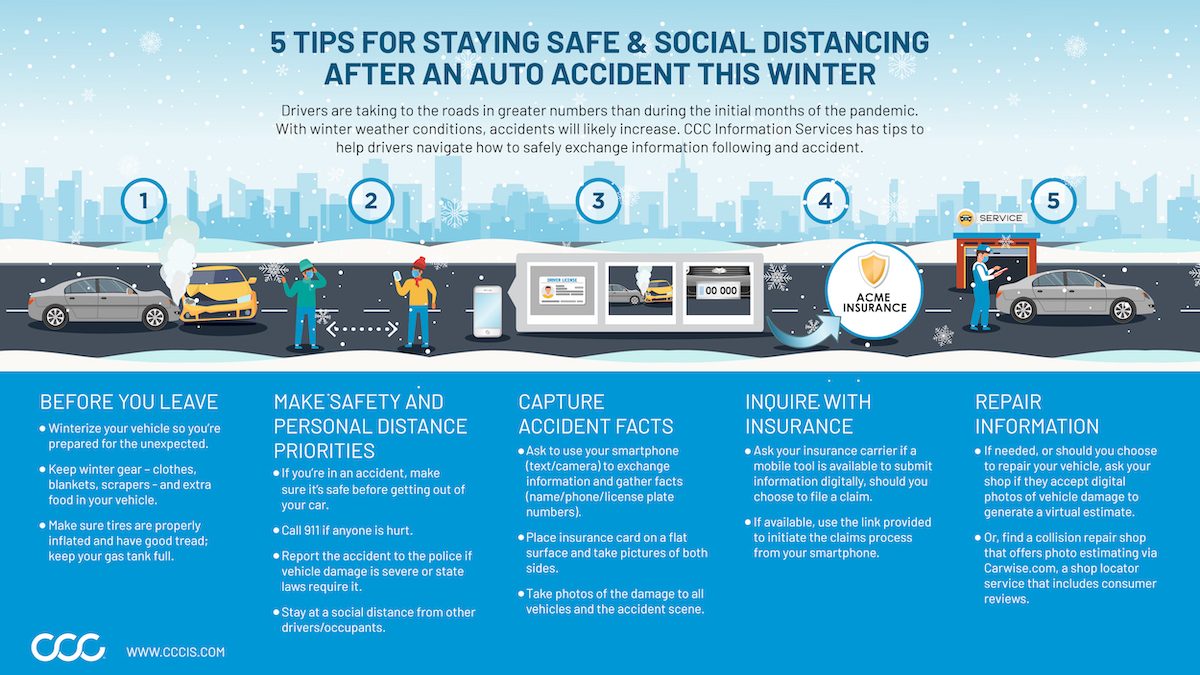
Drivers are taking to the roads in greater numbers than during the initial months of the pandemic. With winter weather conditions, accidents will likely increase. With elevated COVID-19 cases across the United States, this may increase the risk for drivers to contract the virus after an accident occurs. Here are some tips to help drivers navigate how to safely exchange information following an accident, as well as get a vehicle appraised and repaired.

Before You Leave

  • Winterize your vehicle so that you’re prepared for the unexpected.
  • Keep winter gear – clothes, blankets, ice scrapers – and extra food in your vehicle.
  • Make sure your vehicle’s tires are properly inflated and have good tread, and keep your gas tank full.

Make Safety And Personal Distance Priorities

  • Make sure the roadway is safe before getting out of your car.
  • Call 911 if anyone is hurt.
  • Report the accident to the police if vehicle damage is severe or state law requires it.
  • Maintain a social distance of six feet from other drivers, occupants, and any first responders.

Capture Accident Facts

  • Ask the other driver(s) to exchange information via text (names, phone numbers, license plate numbers, as well as vehicle descriptions, including make, color, and model).
  • Place insurance card and driver’s license on a flat surface and take pictures of both sides, and share with the other driver(s).
  • Take photos of the damage to all vehicles involved and the accident scene.

Inquire with Insurance

When you contact your insurance carrier to inform them of the accident, ask if they have a mobile tool available to submit information digitally, should you choose to file a claim. If available, use the link provided to initiate the claims process from your smartphone.

Repair Information

If your vehicle requires, or should you choose to repair your vehicle, ask your shop if they accept digital photos of vehicle damage to generate a virtual estimate. You can also search for a collision repair shop that offers photo estimating via Carwise.com.

When your vehicle has been involved in an accident, you can locate auto body or glass repair shops by searching on Carwise.com. Use Carwise’s shop finder tool to search your zip code for a customer-reviewed auto body or glass repair shop nearby: carwise.com/auto-body-shops/.

Read More
Winter Driving Crash Course

Winter Driving Crash Course

Winter brings a whole new set of challenges when it comes to driving safety.  Let’s take a moment to review some extra precautions we should take when driving in the winter season, and some tips for prepping your vehicle to hold its own in the icy, snowy conditions.

There are a few things to look out for while on the road in snowy conditions.  Know what to do when your vehicle encounters ice, as it may vary vehicle to vehicle.  If you see cars swerving in front of you, slow down and consider an alternative route, if possible.  When on the highway in low visibility situations, leave twice as much room as normal between you and the driver ahead of you and make sure to not exceed the speed limit.

To prep your vehicle for the winter ahead, do a scan of the following key areas to make sure you won’t be left in the cold.  Tires loose air pressure in the cold, so double check your levels and check back often to ensure your tires are properly filled.  Double check your wiper blades, if they produce streaks or leave large areas unclean, consider a replacement for winter.  Speaking of visibility, give your defroster a test run.  If it is not working properly take it to a shop for repair, as this is one of the most commonly used features during the cold months to ensure visibility. Lastly, top off all fluids. It is likely you will use quite a bit more windshield washer fluid due to the salt on the roads and snowy weather.

If your vehicle is in need of repair to make it safe to drive in the winter, search on Carwise to find a body shop near you.

Read More