Buying a new car? What’s the plan for your old one?

For most people, buying a new car can be an exciting prospect – but it can also be stressful. With so many options out there, it can be hard to know where to start, or how to determine what type of car is going to be right for you. Add in the fact that there have been global supply chain shortages, making the availability of new cars on the lot more difficult, and higher used car prices.

Fortunately, with a few tips and tricks, you can navigate both sides of this process like a pro and drive away with a new or new-to-you car that’s perfect for your needs.

Consider your finances

Above all else when buying a car, you need to think about the financial side of things. Don’t only think about the down payment on a car, but also consider the monthly expenses – the actual car payment as well as maintenance costs. How much are you planning to drive the vehicle? Gas prices may also be a consideration – look at miles per gallon, and total costs of a gas vs. electric vehicle.

If you’re a teenager or recent graduate, then you may need a parent or guardian to cosign a loan as you may lack a credit history.

New, or new-to-you?

One way to save costs when purchasing a vehicle is to choose a used car over a new one. There are pros and cons to each of these options.

With used cars, the cost may be lower – both in the purchase price and insurance payments. There’s more variety to peruse when shopping, as you’re not tied to a particular year or model, and you can sometimes get high-end finishes or features at a lower price point.

New cars tend to have lower maintenance costs and better fuel efficiency. Additionally, maintenance may be covered under warranty for at least a year.

Getting rid of a car

You may be replacing an older car in this process. While it’s time to say “goodbye” to your current ride, it may still have life left on the road or as parts. Here are options if you’re looking to get rid of a car.

Option 1: Sell it

If you’re looking to make money on your vehicle but aren’t looking to replace it with a new (or new-to-you) car right away, selling may be your best option. You can:

  • Sell it to a dealership: This is often the fastest and easiest way to get rid of a car. To sell your car to a dealership, contact a dealership that sells your make and see if they’re willing to make you an offer. Used cars are scarce right now, and your vehicle may be worth more than you originally planned. Do your research beforehand online to better know your car’s current worth for negotiating power and consider asking multiple dealerships for quotes.

    If you ARE looking to replace your current ride right away, you can also trade in your vehicle with the dealership. Then, apply the funds from your current car towards a new one. However, this option may only exist if the dealer you’re working with sells your make of car or has similar cars on the lot. You can always ask about trade-in offers and refuse them if the offer isn’t what you expected.
  • Sell it yourself. This route requires more work, but it can pay off – literally. It’s common now for people to sell their own cars online or through social media. If you decide to sell it yourself, be sure to get the car cleaned and professionally detailed and have the car’s history ready to show any potential buyers.

Option 2: Donate it

A donation is another option if you simply want to get rid of a car quickly. Many nonprofit organizations will accept car donations, and some will even retrieve the car for you. While you won’t get paid for this, you can claim the donation on your taxes.

Depending on the charity, you can even donate a car after an accident – including if it’s totaled. Be sure to research charities you’re interested in to see what they’re willing to accept, then contact them to sort out details.

Option 3: Trash it

Finally, if all else fails and you need to get rid of a car, you can junk it. This may make sense if your car is totaled or needs many repairs to become functional. Contact local junkyards to see how to get the car to them, and if they would be willing to give you any money for your vehicle.

Whether you’re looking to sell an old car or purchase a new vehicle, one of the best things you can do as a car owner is to take good care of it. Schedule both regular maintenance and any repairs by finding your local repair shop on Carwise: carwise.com/auto-body-shops

Read More

Diagnostic Scans and Calibrations: What every driver should know

Many of the features on newer cars are enabled by highly technical computer systems, which the industry refers to as Advanced Driver Assistance Systems (ADAS). You likely have a car with ADAS already – these include items like sensors in your bumper that alerts you when you get too close to something, a lane departure warning or a light that comes on if your passenger-side airbag is enabled.

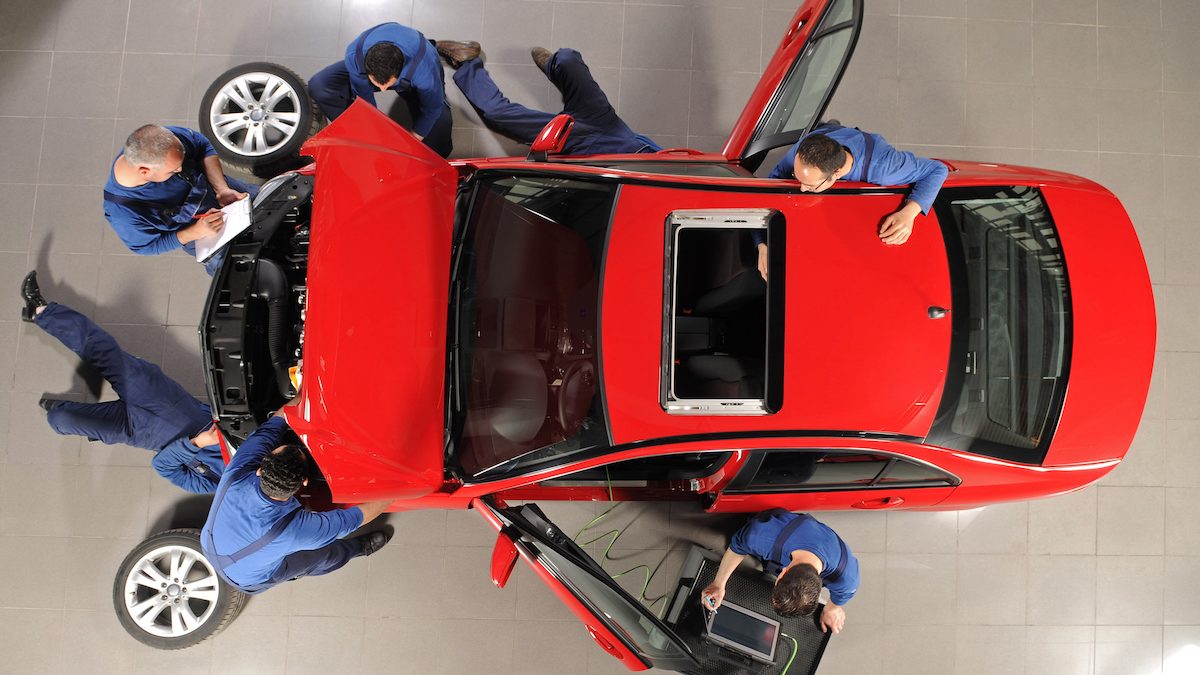
When you get into an accident, these systems can often also be a part of the damage – even if you can’t see it. To understand if any of those important safety systems were affected, your repairer may run a “diagnostic scan” and/or “calibration.” These two actions act as a system check to ensure that all your car’s systems are working properly and help return your vehicle to pre-accident condition.

What are Diagnostic Scans?

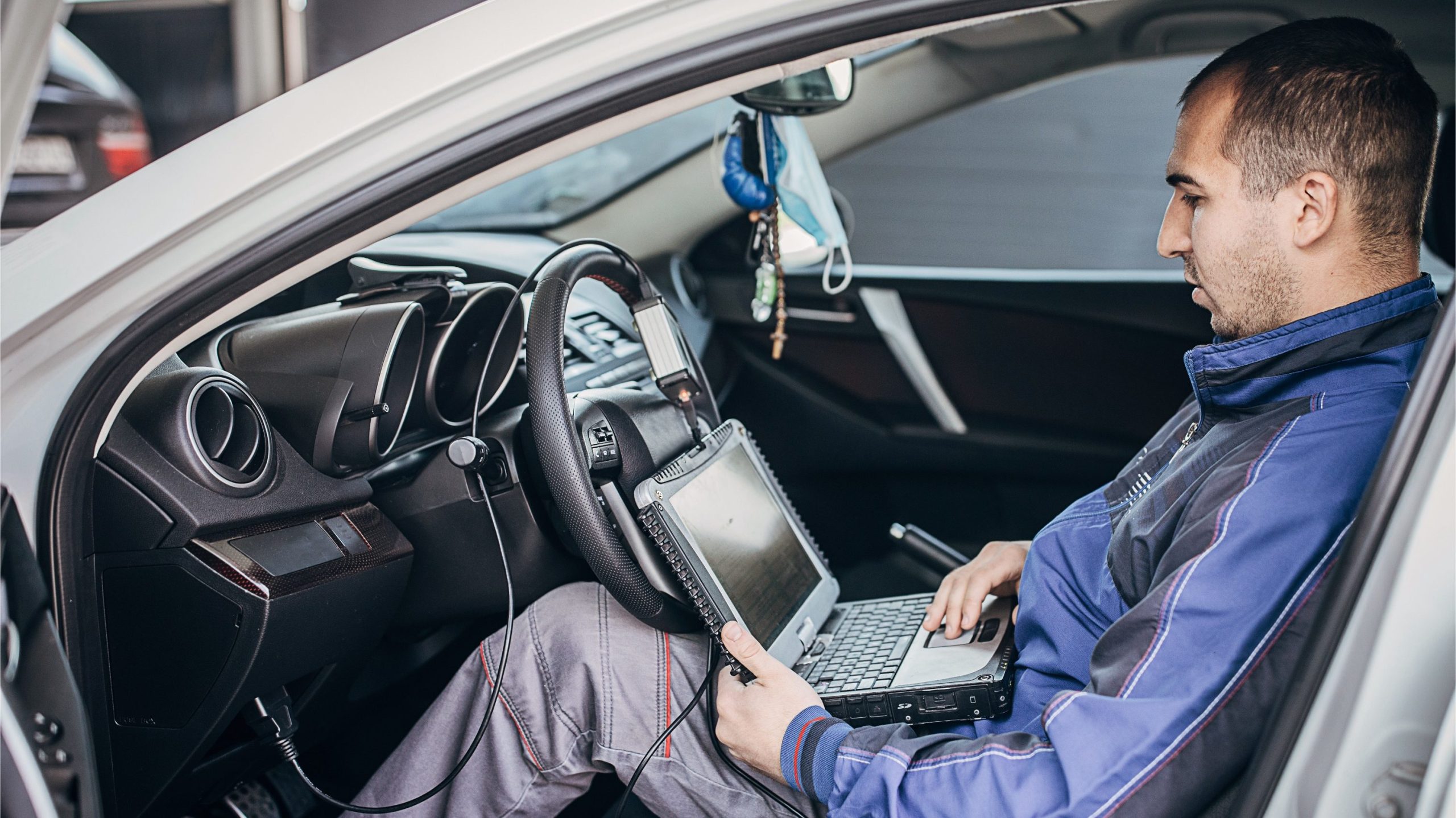
Think of a diagnostic scan, or just simply “scans,” as a health check for your car. A repair technician will take a scanning device (which looks like a voltmeter, or a large remote control) and plug it into your vehicle near the steering wheel. This diagnostic tool can then look at all the systems in your specific car, and let the repairer know which systems have errors that need to be addressed.

Typically, your car will have two scans completed on it: one before the repair to let the shop know which systems have issues that need to be addressed, and one after the repair to make sure that every problem has been fixed.

An important note, lots of manufacturers now require at least one scan on a vehicle if it’s been in an accident.

What are Calibrations?

Your car may also be “calibrated” when it’s in the shop. Think of this like a chiropractor visit for your car. They’re checking to make sure all the systems are working properly and “aligned” as they should and adjusted if needed.

Even if you’ve been in a low-speed accident, systems like cameras can still get jostled around. For example, the shop may recalibrate your backup camera, which beeps if you get too close to an object. If your backup camera isn’t calibrated correctly, even by a millimeter, it can translate to you hitting something behind you since the car didn’t realize how close you were, nor was it able to correctly notify you.

To see if these systems are set correctly, your repair shop may perform one of two types of calibrations:

  • Static: A calibration is done by putting your car on a level surface and measuring specific aspects using tools like laser levels. The process is looking to see if your car’s elements meet the manufacturer targets, down to the millimeter or fractions of a degree.
  • Dynamic: If static calibrations involve a car in park, dynamic calibrations mean your vehicle is in motion when being tested. The shop will likely take your car out on a busy road to verify that systems are working as they should.

Diagnostic scans and calibrations are part of the process to get you back on the road. If your car has been in an accident, or if something feels off, find a local autobody shop to help scan and calibrate: carwise.com/auto-body-shops.  

Read More

How to clean your headlights – and when to bring in a professional

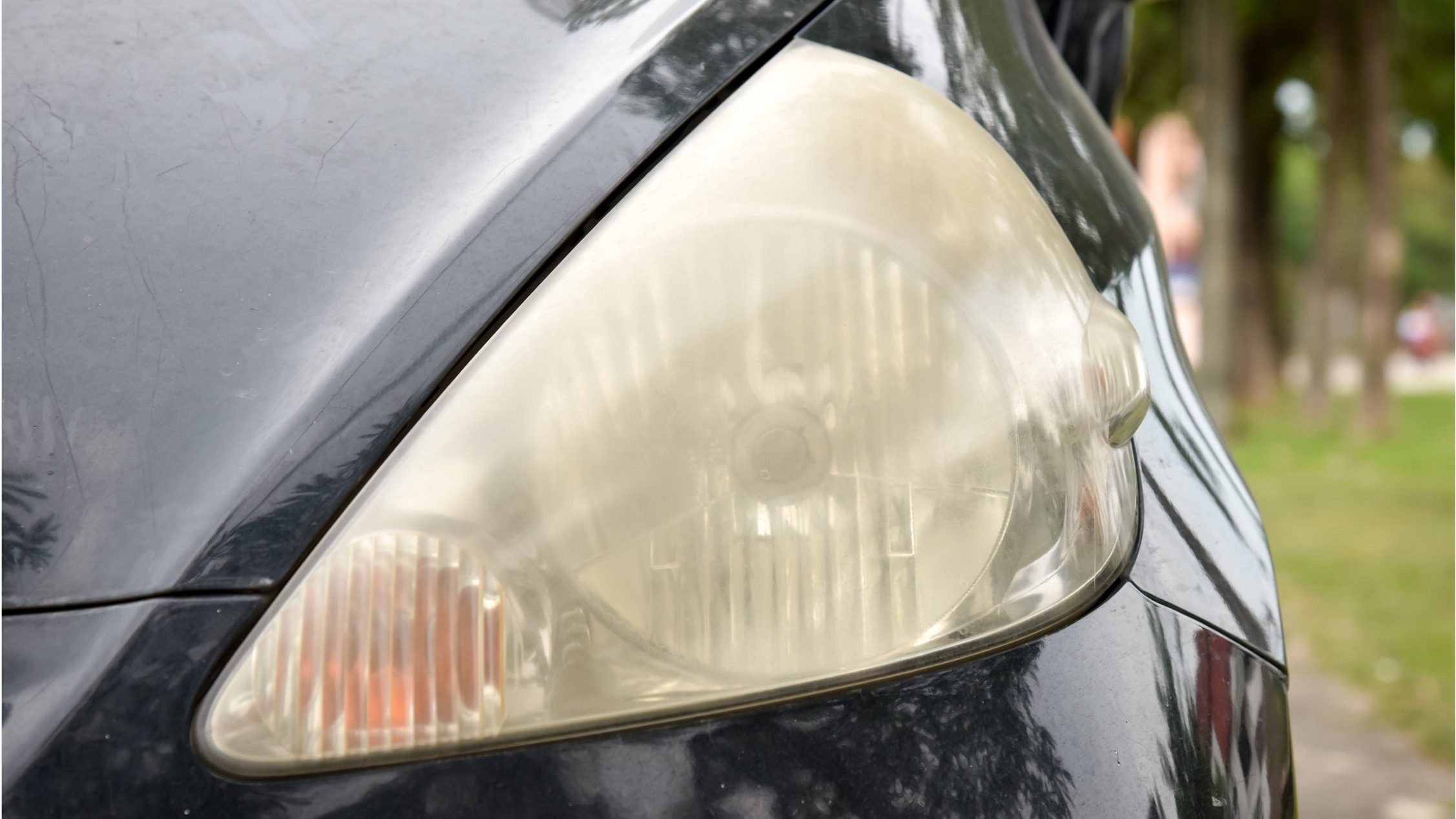
On dark or rainy roads, the last thing you need is cloudy headlights. Not only are clear headlights important for road safety when driving – they also help maintain the look and value of your vehicle.

Over time all headlights can become cloudy or dirty. The biggest causes are road dirt, debris, and UV rays from the sun, all of which can wear away the protective coating on headlights.

But before you purchase new headlights, it’s worth seeing if they can simply be cleaned. Below, find some DIY options to try, as well as when to hire a professional for the job.

Toothpaste

One of the most common methods for cleaning headlights involves a product you likely already have on hand: toothpaste. Since toothpaste is mildly abrasive, it’s perfect for cleaning headlights.

Simply grab some toothpaste and several soft cloths. First, wash and dry your headlight with soap and water. Then apply about a fingertip’s worth of toothpaste to each headlight and scrub with the cloth, using more toothpaste as needed. Once the protective coating has been entirely removed and the headlight looks clear, rinse the headlight, let it air dry, and apply a sealant.

This method takes about five minutes per headlight. Pro tip: add baking soda to your toothpaste if your headlights are particularly cloudy.  

Vinegar & Baking Soda

Another popular method for cleaning headlights involves using two other common household products: vinegar and baking soda.

Like with toothpaste, you’ll first wash and dry the headlights with soap and water. Then, mix together two parts distilled white vinegar with one part baking soda in a clean container and stir or shake. Next, dip a clean microfiber cloth into the mixture, and use the cloth to scrub each headlight for several minutes. Rinse the headlights with water and allow them to air dry, repeating these steps several times if needed, always rinsing your headlights at the end.

Once again, you’ll want to apply a new layer of sealant once the headlights are clean and dry.

Using a DIY Cleaner Kit

A third popular method for cleaning headlights involves purchasing an actual DIY headlight cleaning kit. These kits often include several types of sandpaper, cleaner and/or polish, cloths, and protective coating or sealant. Most kits are equipped to clean two headlights.

If you go with a kit, be sure to read the instructions carefully and follow them, so as not to scratch your headlights. Be sure to also purchase enough kits to clean all your lights that need it. For example, if you’re planning to clean both your headlights and tail lights, you’ll likely need more than one kit.

When to Call a Professional

If you want to make sure the job is done right the first time, it might make sense to call a professional off the bat versus doing it yourself. One sign that you should bring your car in? Scratches or scuffs on your headlights.

Abrasives can make those scratches or scuffs even worse, damaging your headlights further. When you take your car into a shop for headlight restoration instead, they can buff away these imperfections and make your headlights look good as new. Plus, your headlights won’t just look good – they’ll also be protected against rain, dirt, and more, potentially saving you money on repairs down the road.

Need help fixing your headlights? Carwise.com can help you find a body shop near you to help with all your car maintenance needs. Search your zip code today to get started: carwise.com/auto-body-shops

Read More

Everything You Need to Know About Snow Tires

Winter is here – and with winter can come more hazardous road conditions, depending upon where you live. Between snow, ice, and sleet, the roads can become quite slippery, making driving for any amount of time extra treacherous.

What are snow/winter tires?

One option to increase your safety on the road in winter is to opt for snow, or winter, tires.

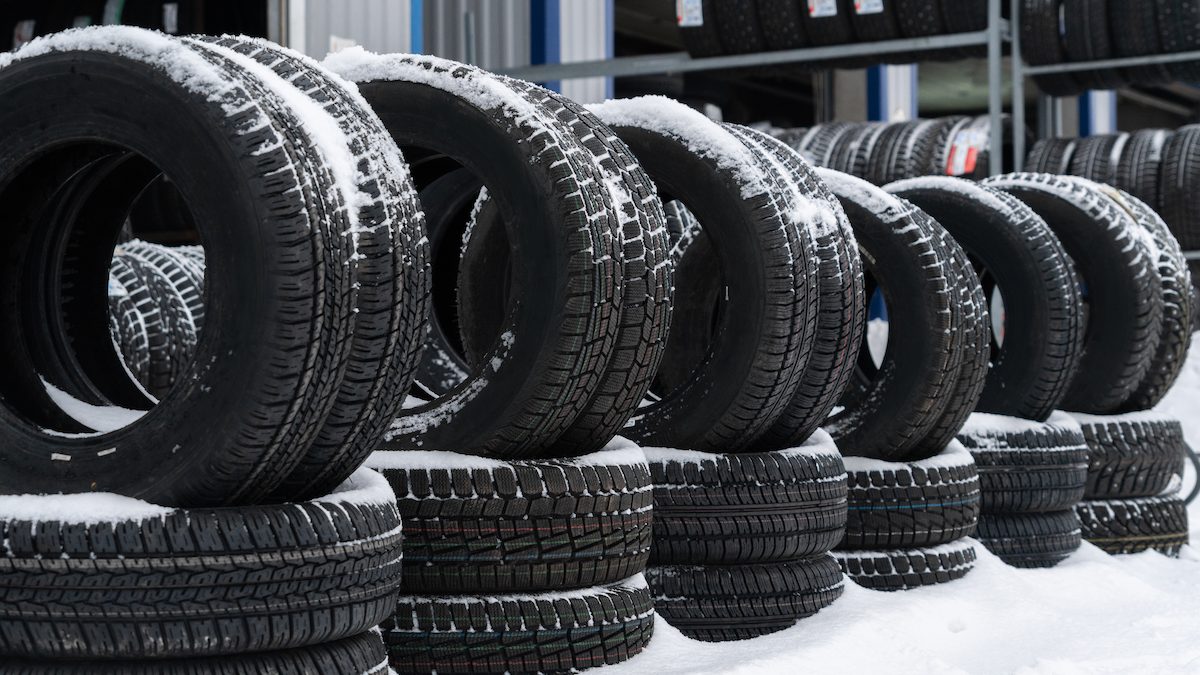
Winter tires have special, high-tech rubber compounds that maintain greater flexibility even in very cold temperatures. They also have special, deep tread designs that allow for superior gripping on roads covered in snow or ice. With all these extra features, snow tires provide traction where normal, all-season tires might slip and slide.

Drivers who live in climates that routinely stay under 40 degrees in winter for several months at a time should consider snow tires. Additionally, if you often drive in the mountains or off-road for winter activities or other events, you should also consider swapping out for winter tires.

Some high-end vehicles may come equipped with “summer tires” which need to be swapped out when the seasons change. Winter tires should be used once the weather is consistently under 45 degrees. They are then swapped back out when nighttime temperatures are consistently above 45 degrees in the spring.

Potential cost of snow tires, and alternatives

Snow tires can be expensive, which may discourage some drivers. If you don’t often see snow or live in a warmer climate, they probably aren’t necessary. Instead, you can opt to keep tire chains in your car in case you need them. If you choose to use tire chains, make sure you purchase ones for use with your specific make and model, and also be sure you know how to use them before the first snowfall.

Additionally, there can be charges associated with swapping tires from summer to winter sets. One way to save costs long-term is to consider purchasing a separate set of wheels to house the snow tires. Then, the wheels can be switched out entirely each season, which will save on some maintenance costs long-term.

Regardless of whether you choose tires or chains, one thing every driver should do is frequently check tire pressure. Tire pressure can change quickly due to changing temperatures, and a simple check at your local gas station can help ensure you’re driving with tires inflated to the proper level – increasing your car’s performance and protecting your safety.

If you want to learn more about winter tires, or want to swap your vehicle’s tires out, contact your local body shop to help you. Use Carwise.com to find a perfect shop near you and read real reviews from real customers for thousands of shops: carwise.com/auto-body-shops

Read More

How to Choose a Repair Shop for Your High-End Sports Car

If you own a sports car, you probably won’t trust just anyone to work on it. Not only can sports cars be more expensive than the average vehicle, but they are often a source of pride for owners. But, if your sports car does need work, there are a few things you can do to make sure you choose the best shop for your pride and joy.

Check certifications

One easy way to know if a shop might be a good fit? Check their certifications!

Shops can be certified by general automobile organizations – such as the National Institute for Automotive Service Excellence (ASE) or I-CAR – or they can be certified by different manufacturers, including Porsche, Audi, BMW, and others. Certifications indicate an extra level of training for technicians in a shop, and many certifications require continuing education to maintain certification.

If a shop is certified in your particular car’s brand, they’ll be trained to repair your vehicle.

Trust word-of-mouth

When it comes to finding a shop you can trust, ask opinions from people you trust. Friends, family or other sports car enthusiasts can steer you toward – or away from – certain shops.

At Carwise.com, you can also read reviews from prior customers and see when the reviews were left. This can provide you with extra confidence when choosing a shop, knowing that other customers before you had a good experience.

Ask for examples

Before you let a shop work on your high-end car, know that you can always ask for examples of a shop’s previous work. You don’t have to just hand your car over to be painted or repaired – ask for recent photos of other paint jobs or repairs they’ve completed.  Also, be sure to ask if they have experience working with your car’s particular make and model. You can also use Carwise.com to search for repair shops that share before & after photos of their work. 

Remember: Stay up-to-date on maintenance

Of course, no one wants unnecessary repairs on a car. Remember to keep up with your sports car’s basic maintenance, including:

  • Keeping an eye on fluid levels and topping off or replacing as needed
  • Prioritizing tire pressure and keeping it within range
  • Covering your car when storing
  • Washing your car regularly to keep it clean of debris

Find a Auto Body Shop Near You

When you’re ready to find an auto body shop for your sports car, Carwise can help. With details on over 21,000 shops nationwide, you’ll find information about shop certifications, customer reviews, before & after photos, as well as the basics from hours and location to contact information. Get started with your auto body shop search today: https://www.carwise.com/auto-body-shops/.

Read More

Five Questions to Ask When Choosing a Collision Repair Shop

When your car needs a repair, it can pay to be choosy about who you select to fix it. You want to make sure that any repairs or part replacements are done correctly the first time, so you don’t end up paying more later.

You should feel empowered to ask questions when choosing a shop. Below, find a few questions you should ask before any repair work starts.

1 – What are the shop’s certifications?

Collision repair shops and their technicians can obtain a variety of different certifications to let consumers know what type of cars they are certified in and specialize in repairing. These certifications take lots of factors into consideration – the training and experience of the repair technicians, the repair and safety protocols of the shops, and more. The most common certifications in the U.S. are the National Institute of Auto Service Excellence (ASE), the Inter-Industry Conference on Auto Collision Repairs (I-CAR), and OEM certifications (shops that are certified by Original Equipment Manufacturers such as Honda, Ford, etc.) You can learn more about shop certifications here. Many shops will list their certifications in their Carwise.com profile.

2 – Does the shop offer warranties?

When doing a repair or replacement, many shops will offer warranties, in case there is a failure with one of the parts that was replaced or the body or finish work. However, warranties can vary widely from shop to shop, and so you should be sure to ask about this before agreeing to a repair. That way, you’ll know exactly what’s covered under warranty and for how long.

Warranties also vary based on the type of part being used in the repair. Ask what warranties are available with your chosen parts.  

3 – What are my repair options, and can you explain them to me?

A good repair facility should be able to explain the repair process to any customer, regardless of their level of car knowledge. Ask lots of questions when discussing a repair, including asking for a full range of options and an explanation of each. If you don’t understand what’s being said, ask them to clarify in simple terms. You should fully understand what’s going to happen with your vehicle before work begins.

4 – What services does the shop charge for?

Many shops offer free estimates for repairs, but some do not. Before you hand over your keys, ask the shop technician what their process is and what services they charge for, including if they charge for estimates and diagnostic tests in addition to the repair itself.

5 – Does the shop have positive customer reviews?

Online reviews are a great way to find out whether a shop is trusted in your community. You can find reviews from real customers on Carwise.com, as well as other sites like Google, Facebook and Yelp.

Find a Auto Body Shop Near You

If you’re just starting your auto body shop search, use Carwise.com to find answers to many of these questions and more right on the shop description page. You’ll find customer reviews, shop certifications, hours, location, and contact information on over 21,000 shops in just a few clicks. Get started with your auto body shop search today: https://www.carwise.com/auto-body-shops/.

Read More

Can a Car Wash Damage Your Car’s Finish?

There’s something so satisfying about a freshly washed car that sparkles and shines. But did you know that a car wash can actually damage your car’s finish? Before you get too worried, it helps to know that most modern cars have a finish that’s extremely durable and can last under a variety of conditions for several years. And, not all car washes are created equal – some are more likely to damage a car’s finish than others. Here’s what you need to know to select the right washes for your vehicle.

The Pros and Cons of Different Carwashes

If you’re going to a commercial car wash, there are generally two types – the more “old school” kind with roller brushes, and newer ones with cloth scrubbers. Which one can do more damage? The answer might surprise you.

While car washes with roller brushes may look more abrasive, they are actually less likely to damage your car because they hold on to less debris. On the other hand, cloth scrubbers can hold onto dirt or even small bits of gravel, which can scratch a car’s finish. Either way, if you’re in line behind an extremely dirty car, it might be worth coming back another time, just in case that dirt ends up scratching your car.

With this in mind, you may think a third option – “touchless” car washes – are safer. These car washes use high-pressure water and cleaning solution to clean a car without touching it. However, keep in mind that while these car washes don’t touch your car, they likely make up for it with more abrasive cleaners. A little bit of scrubbing is also necessary to remove most types of grime – just choose your carwash carefully based on how dirty your car is.

While at a car wash, you can also skip most of the extras. Waxes might give your car a nice look for a few days, but can quickly wear off and isn’t always worth the expense. You should also get the undercarriage washed a few times per year, especially if you live in a cold or coastal climate where road salt may increase the risk of rust.

Handwashing is Best

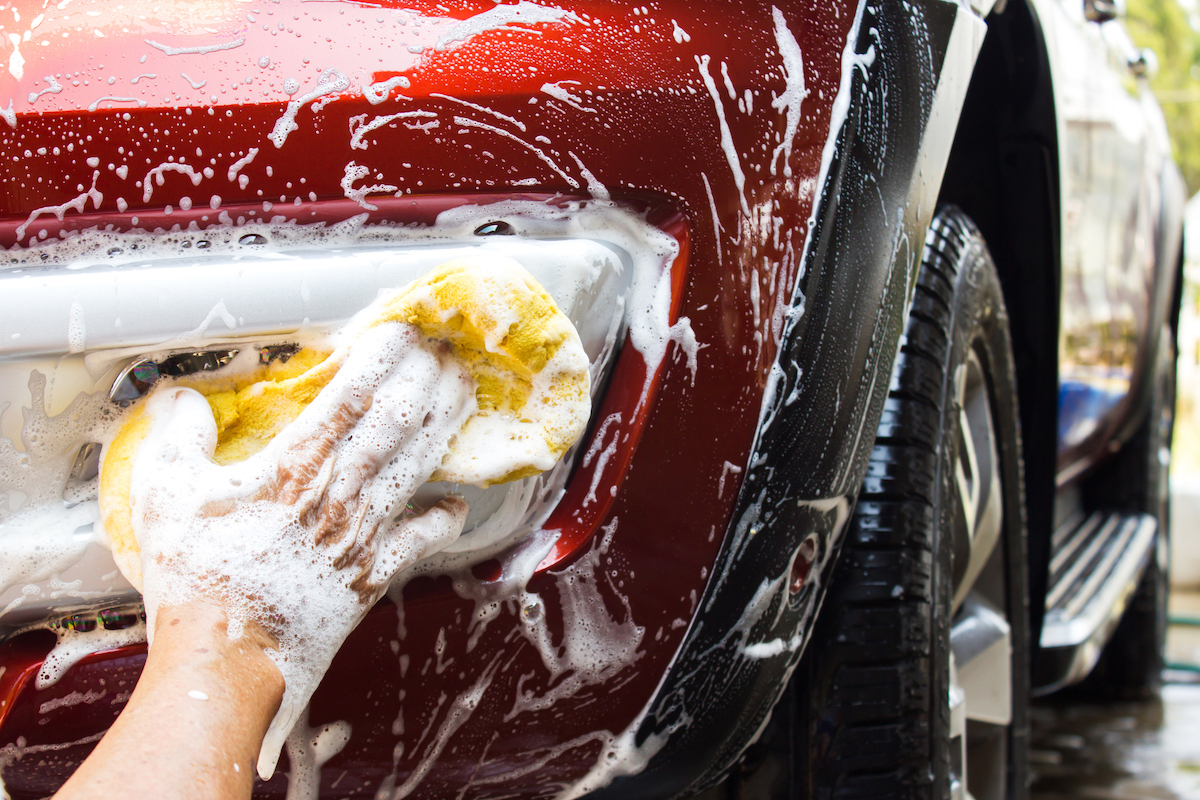
The safest option for washing a car is handwashing. This way, there’s much more control over what comes into contact with your car’s finish. Even here, be careful to use different sponges for the auto body versus the wheels; an abrasive sponge will likely leave scratches on the paint but would be beneficial for cleaning grime off of your tires.

When washing your car, you’ll want to use mild cleaners and rinse frequently and thoroughly. Don’t set towels or sponges down on pavement or gravel while washing to avoid picking up dirt and debris.

Find a Local Shop to Touch Up Your Paint

If your car is scratched in a carwash or the finish is otherwise damaged, Carwise.com can help you search forrepaintingor repair through a local auto body shop. Find body shops near you that specialize in exactly what you’re looking for, or even that specialize in your car’s specific make and model. Carwise’s shop search tool provides details on more than 20,000 auto body shops nationwide, including hours and location, certifications, real reviews from recent customers, and before and after photos. Get started today: https://www.carwise.com/auto-body-shops/.

Read More

Should You Tint Your Car Windows?

Summer is the time of vacations, road trips and lazy afternoon outings – but it’s also the season of coming back to an extremely hot car in the afternoon. Even on an 80- or 85-degree day, the interior of a car left out in the sun can reach 130 or even 170 degrees. One of the best ways to keep out the heat? Tint your car windows.

Benefits to Tinting Your Car Windows

There are many different benefits to tinting car windows, and for some drivers this can be a lower-cost solution to a variety of issues. Tinting windows can:

  • Help keep your car cooler.
  • Help protect you and any passengers from UV radiation.
  • Keep your upholstery from fading as quickly.
  • Help shatterproof your windows.
  • Improve security and privacy by limiting visibility from outside the vehicle.

Tinting is a fairly straightforward process and costs can range from around $150 to $500 or more. These costs vary depending on the type of vehicle, number of windows being tinted, and the material and level of tint selected.

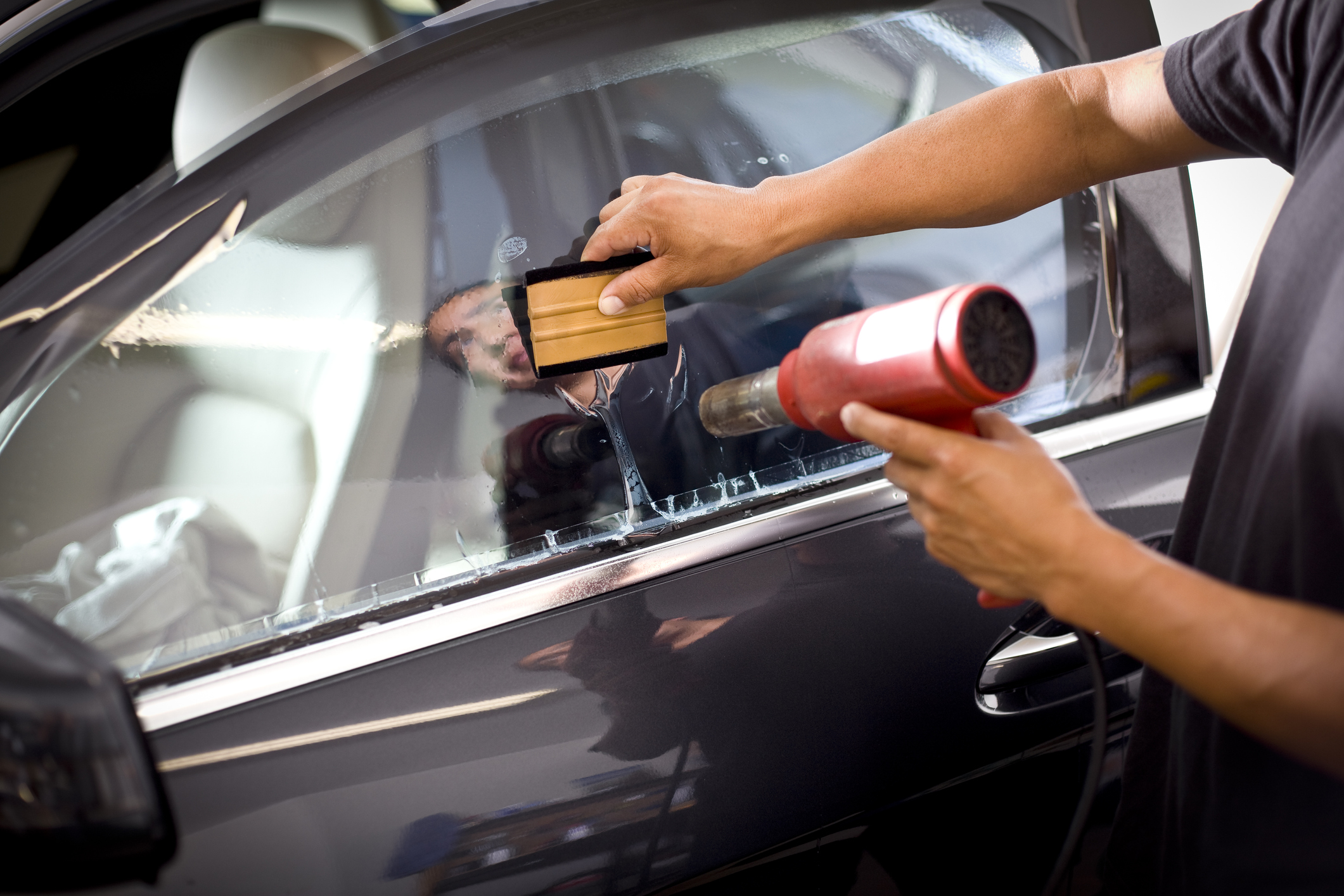
To tint car windows, films are used. First, the window films are fitted to each specific window and its curvature; this often requires a heat source to properly mold the film exactly to the curve of the window. Next, the windows are meticulously cleaned to ensure a clean, smooth surface for adhesion. Finally, the films are placed on the windows. Although it doesn’t take long for an expert to apply the window films, it can take several days for them to dry completely.

Reasons to Consider Having an Auto Glass Shop Tint Your Windows

Because the tinting process is so straightforward, many people try to do it themselves. However, there are several reasons to consider having your windows tinted by a professional at your local auto glass shop.

  1. Experts are more efficient. A trained technician can usually complete a tint job in about 90 minutes, depending on the number of windows and type of material. If you do it yourself, it will likely take longer, and the results may not be seamless.
  2. Experts will get it right. Technicians know how to do a tint job correctly the first time. With DIY jobs, results can vary widely, especially if you’ve never done it before. It takes expert patience and coordination to apply the window films without leaving bubbles, scratches or other noticeable imperfections that can potentially obscure your driving vision.
  3. Experts know the rules and regulations. Laws vary from state to state regarding how dark window tints can be or even which windows can be tinted. Technicians will be well versed in these laws to ensure your car is within local regulations.

Find a Local Auto Glass Shop Near You

Ready to learn more? Use Carwise.com to search for auto glass shops in your area that can professionally tint your vehicle’s windows. With Carwise’s shop search tool, you can read reviews from real customers, find hours and office locations, view before and after photos, and contact a shop to ask for examples of their work before you book an appointment. Search more than 20,000 auto glass and auto body repair shops today: https://www.carwise.com/auto-body-shops/.

Read More

What To Do If Someone Hits Your Parked Car

When you park your car while out and about, you probably assume your car will be there safe and sound when you return. But sometimes, accidents happen – even while you’re away from your vehicle. If someone hits your parked car and you return to find the damage, it can be confusing as to what to do next. The person responsible for the accident may not have stuck around or left a note to apologize and swap insurance information. What do you do if no one is around to take responsibility? 

What To Do If Someone Hits Your Parked Car

Here are some tips to help you navigate the process if your parked car has been hit:

  1. Document the damage. Documenting the damage with your smartphone will help speed up the process of filing a claim with your auto insurance and seeking any needed repairs from an auto body shop near you. If there is broken glass, be cautious as you approach the vehicle. Here are a few things you should be sure to document with photos and video:
    • Take photos of the vehicle and also any relevant details, like debris or tire marks.
    • Be sure to document the weather conditions, location and any nearby landmarks to help identify any factors that may have played a role in the accident.
    • If the driver left a note, make sure to take the note and take a picture of it as well, to ensure you have their information.
  2. File a police report. Whether the person who hit your car left a note or not, the first step should be to notify police so an accident report can be filed. In some cases, police may be able to track down security camera footage to help determine how the damage happened and who is responsible.
  3. Notify your insurance carrier. Depending on the type of insurance coverage you have, the accident may be covered by insurance. If the driver left a note, then the claims process will be similar to an in-person accident. If no note is left, then the accident may be considered a “hit and run” accident, which is a crime. If the damage is covered, ask if you can submit photos and video of the damage to kick off the process.
  4. Find an auto body or auto glass shop near you to repair the damage. If your car has been damaged, such as a damaged bumper, dent, or cracked window or windshield, you can contact an auto body or auto glass shop near you to discuss potential repairs. Ask if they accept digital photos of vehicle damage to generate a virtual estimate and kick off the repair process.

What To Do If You Hit a Parked Car

If the situation is reversed and you accidentally hit a parked car, don’t panic. Wait to see if the driver returns so you can provide them your information. If they don’t return, leave a note with your name, contact information and insurance information. You can also contact your own insurance company to start the claims process on your end. Whatever you do, don’t leave the scene without doing your due diligence to report the incident, otherwise it could be considered a crime by law enforcement.

How to Find a Collision Repair Shop Near You 

If you find yourself needing car repairs, Carwise.com is here to make the process easy from start to finish. Carwise.com makes it easy to find a repair shop near you, with details on nearly 22,000 shops – from real reviews by customers, to shop hours and locations, to shop certifications and before & after photos. Start your search today: https://www.carwise.com/auto-body-shops/

Read More

Everything You Need to Know About Bumper Repair

Bumpers are called bumpers for a reason – they’re often the first part of a vehicle to be bumped in a crash, and they’re designed to take most of the impact in order to protect the structure of the vehicle.

Because of their importance when it comes to safety, it’s crucial to get bumpers repaired or replaced if they are damaged in an accident. And it’s not just the exterior that needs to be checked out – bumpers also house various sensors, lights and warning systems, all of which can have hidden damage after a collision. All of these need to be functioning properly in order to best ensure your safety on the road.

Bumper repair vs. replacement

Oftentimes, bumpers can simply be repaired if the damage is minor. Depending on the size of any dents and the material of the bumper, paintless dent repair may be an option. In this type of repair, dents are slowly worked out without damaging the paint job, saving time and money. Minor scratches or punctures can also sometimes be repaired rather than replacing the whole bumper, though this may require a paint job on top of the repair.

For more intense damage – such as cracks, holes or a bumper that is falling off – the bumper may need to be replaced. If this is the case, you will need to purchase a new bumper through the auto body repair shop, and they will remove the old bumper and attach a new one, including connecting it to any systems or sensors embedded in the car. The paint will also be matched to the rest of the car.

When repairing or replacing a bumper, technicians may also do a post scan of the car to make sure all of the sensors and lights are properly aligned and functioning. This way, you can rest assured that any hidden damage has been taken care of.

Bumper repair cost

Cost for bumper repair or replacement can vary widely depending on a variety of factors. For example, SUVs or luxury cars will likely have more expensive bumper repair costs than a sedan-style car. The material of the bumper will also matter – plastic can be less expensive to replace than metal. And, the more sensors embedded in a bumper, the more expensive a repair can be. Bumper repairs can cost anywhere from $100 to more than $600, depending on the type of damage. For bumper replacements, that can cost more than $1000 depending on the parts needed and the time it takes to install.

Finding a repair shop

While it may be tempting to leave a bumper with a small dent, it’s important to check that any sensors or safety features are working properly after a collision. One way to determine whether your bumper needs to be repaired or replaced is to find a local collision repair or auto body shop and have a technician assess the damage. Carwise is here to help you find bumper repair services near you. From real customer reviews to shop certifications, hours and locations, Carwise’s search tool can help you choose the right auto body or collision repair shop from more than 21,000 shops nationwide. Use Carwise’s shop finder tool to search your zip code for a customer-reviewed auto body shop nearby: https://www.carwise.com/auto-body-shops/.

Read More