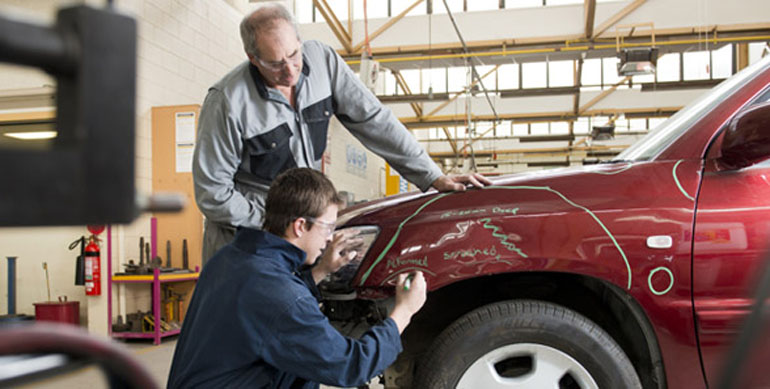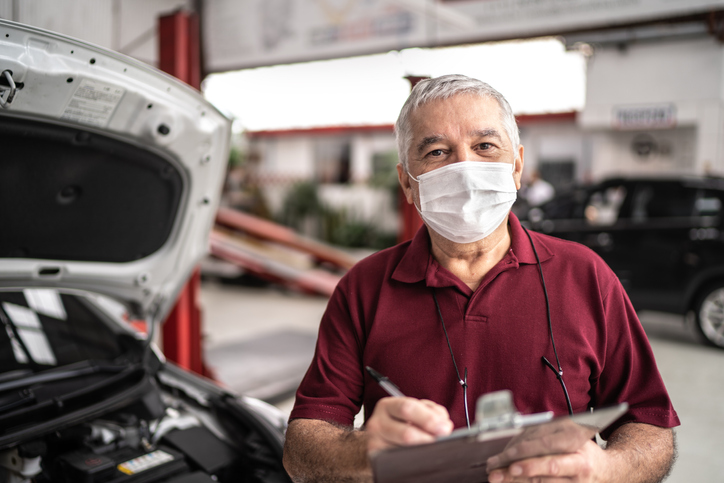
Senior man with mask assessing auto body damage

How Are Auto Body and Glass Repair Shops Keeping Customers Safe During the COVID-19 Outbreak?

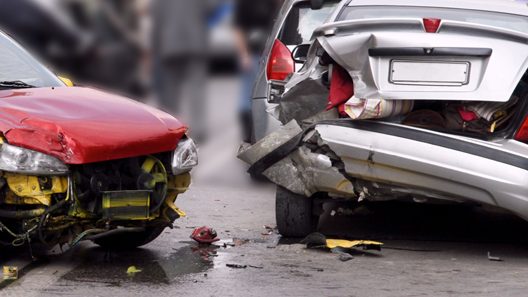
The COVID-19 outbreak has caused most Americans to rethink how they work, shop and play. Since March, non-essential businesses have been forced to temporarily close due to social distancing and stay-at-home orders set forth by public health officials. Yet many auto body and glass repair owners have seen an uptick in business as drivers focus their attention on long-awaited repairs while they’re working from home, or because automobile accidents and high-speed crashes have been on the rise since the start of the pandemic, according to analysis by CCC Information Services Inc. To protect their employees and customers most shops have initiated new COVID-19 safety protocols.


COVID-19 Challenges for Repair Shops

Auto body and glass repair shops are considered “essential” businesses, which means they can remain open even while other businesses can’t. Unfortunately, serving customers now presents those shops with day-to-day operational challenges caused by the COVID-19 virus:

  • It can be transmitted by simply coughing, sneezing, shaking hands or talking.
  • It can live on surfaces for varying lengths of time, depending on the surface.
  • COVID-19 is more dangerous for people over 55 and those with medical conditions like heart disease, lung disease, cancer, asthma or diabetes.

Although the safety recommendations from the US Centers for Disease Control and Prevention (CDC) are effective, they also make it more difficult for auto body and glass repair shops to work with their suppliers and customers. That’s forced most shops to rethink their practices.

Glass Repair Shops Are Taking these Precautions  

Because COVID-19 can survive on surfaces, auto glass shops have to minimize risk from contaminated surfaces. According to a recent article shared with Auto Body News, these are some of the new safety precautions now being used by most auto glass businesses when performing repairs and replacements:

  • Following all federal, state and local health department COVID-19 safety guidelines.
  • Asking customers to wash their vehicles and then let them sit for 24 to 48 hours prior to the appointment.
  • Wiping down all surfaces with sanitizing wipes before and after they’re touched by a technician.
  • Requiring technicians to wear disposable nitrile gloves instead of safety gloves during the actual repair or replacement.
  • Practicing social distancing while interacting with customers, including no handshakes.
  • Encouraging customers to use mobile services such as CCC’s photo estimate app (only for mobile devices) that can be hosted by a shop on Carwise and accessed from a shop’s profile on Carwise, instead of coming into the shop. Many shops will pick up your vehicle and relay contactless updates on your vehicle’s repair, plus return it contact-free.
  • Mandating that all employees wash their hands and use hand sanitizer throughout the day, including anytime they’re assisting a customer. 
  • Asking all customers to leave the keys in their car rather than handing them to the technician.

What About Collision Repair Shops?

Collision repair shops face additional challenges because they oftentimes receive damaged vehicles that are towed in, along with the fact that all vehicles must be touched during the initial inspection and estimate. In addition to the glass repair COVID-19 practices listed above, here are some others that you might see at your local auto body shop:

  • Upon arrival, asking customers to remove all personal belongings from the vehicle, like sunglasses, garage door openers, CDs and phone chargers.
  • Disinfecting a customer’s car when it’s dropped off and then again before it’s picked up, with special attention given to high-touch surfaces like knobs, buttons and touchscreens.
  • Covering upholstery surfaces like the steering wheel, dashboard and seats with plastic while the vehicle is in the shop.
  • Emailing all repair-related paperwork to customers instead of printing it off.
  • Thoroughly cleaning and disinfecting all shop areas at least twice a day.

In the end, the health and safety of customers and employees remains a top priority of auto body and glass repair shops during this unprecedented time in our nation’s history.

Promptly Search for Collision Repair Shops Here

Our thoughts go out to everyone during the COVID-19 pandemic, especially those brave first responders and healthcare workers serving on the front lines. When your vehicle has been involved in an accident, you can locate auto body or glass repair shops by searching on Carwise.com. By using CCC’s photo estimate app (only available on mobile devices), you’ll gain contact-free, remote access to over 19,000 collision repair shops with I-CAR and ASE-certified professionals.  Use Carwise’s shop finder tool to search your zip code for a customer-reviewed auto body or glass repair shop nearby: https://www.carwise.com/auto-body-shops/.


Read More

Should I Get Those Small Rust Spots on My Car Fixed?

You’ve had your car for several years now and just paid it off. Because it still runs great you were planning to hand it down to your high schooler when they head off to college. But after another snow-filled winter, you noticed some small rust spots when you took it through the car wash. What should you do? Much like the tip of an iceberg, any noticeable rust on your vehicle could be an indication of more serious problems lurking beneath the surface. Here’s why getting those rusted areas promptly repaired is so important. 

Why Do Cars Rust?

It’s common for older vehicles to get rust spots, especially when they’re exposed to saltwater or road deicers in cold-weather climates. Over time, chemicals, dirt and road salt can all cause the top layers of your paint to weaken. Unrepaired scratches and dents from minor fender benders and stray grocery carts can also promote rust formation, even on newer cars. 

When bare metal gets exposed to water, iron and air it starts corroding due to a chemical reaction known as oxidation. Once saltwater starts accelerating the oxidation process, you might notice a small rust spot around your wheel well or near the bottom of a door. Once that rust spreads, it not only looks bad and lowers your resale value, it can start corroding structural components and body panels.

Small Rust Repairs 

Small rust repairs work well when the damage is superficial, and the corrosion hasn’t had a chance to penetrate through to the metal. A body shop might recommend a small rust patch job when it’s caused by a deep paint scratch or minor dent. 

This is how collision repair technicians perform a small-scale rust repair:

  • The corroded area and the surrounding paint are first sanded down.
  • The exposed metal is then coated with a primer.
  • Once the primer dries, the area is repainted to match the rest of your vehicle.
  • The entire car is then waxed and polished with a high-quality wax.

Larger Rust Repair Jobs 

Once the rust has penetrated a larger and/or deeper area, more extensive bodywork is needed. Large-scale rust repairs become necessary when the metal has started to corrode completely through, which will eventually weaken the integrity of supporting structures enough that they may not be able to withstand a subsequent collision.   

Large-scale rust repairs typically include these steps:

  • First, the corroded metal section is cut out and then replaced. If the damage is extensive, it may be necessary to switch out the entire body panel.
  • A bonding material is used to fill in around the repaired area.
  • The area is then sanded, primed and painted to match the rest of the car. 
  • The exterior is waxed and polished using a high-quality wax.

How Can I Protect My Car from Rust?

In addition to the body, the undercarriage of your vehicle is also vulnerable to rust, including the exhaust system, floorboards and chassis. Here are some rust-prevention tips:

  • Take your car frequently to a touchless car wash that also washes the undercarriage, and especially whenever your car’s been exposed to road salt.
  • Hand wax your vehicle every 6 months with a high-quality Carnauba Wax.
  • Have your car professionally detailed every year because the detailing products they use will permeate all the little nooks and crannies and better protect your paint’s finish. Many auto body shops also offer detailing as a value-added service.  
  • Get any deep scratches or noticeable dents repaired promptly. 

Find Local Rust-Removal Experts Here in Seconds 

If you’ve got some rust spots on your car’s exterior, don’t take chances. Instead, restore your peace of mind by promptly taking it to one of the auto body and glass repair shops listed in the nationwide Carwise referral network. All shops featured on Carwise employ I-CAR and ASE-certified professionals, which means they have the latest equipment, services and facilities to get your ride looking great again promptly and reliably. And, you can also use Carwise to locate collision repair shops that provide professional detailing services.

Search your zip code now for a customer-reviewed auto body or glass repair shop nearby: www.carwise.com.

Read More

Can Minor Rear-End Collisions Cause Hidden Damage?

Rear-end collisions are the most common type of motor vehicle crashes every year in the U.S., representing roughly one-third of all accidents. (1)  And although over 1,700 motorists die and more than 500,000 are injured in front-to-rear crashes annually (2), most rear-end accidents occur at slower speeds and cause minor structural damage. On the other hand, even when your vehicle gets dinged up just slightly it can cause hidden damage that may place your safety at risk later on.  

What Causes Rear-End Car Collisions?    

According to traffic safety experts, rear-end collisions in the U.S. happen over 2 million times per year. (3)  Furthermore, over 80% of those crashes could be avoided simply if the trailing driver had one extra second of warning time. These are the main causes of rear-end collisions:

  • Speeding
  • Traffic congestion
  • Distracted driving
  • Mechanical failure
  • Aggressive or reckless driving
  • Driving while fatigued
  • Driving under the influence of drugs or alcohol

What You Can’t See Matters When It Comes to Car damage  

Although the cosmetic damage to your vehicle may seem negligible, the dirty little secret about rear-end collisions lies beneath the surface. When you’ve been involved in a minor front-to-rear accident, these are some of the hidden problems it could cause:

Electrical Damage In Your Vehicle

Even a minor impact can loosen wires for your battery, brake lights, taillights or starter. In addition to the fact, a loose engine wire could leave you stranded, those disconnected brake lights will keep you from alerting drivers behind you that you’re stopping. 

Car Transmission Damage

A rear-end collision not only affects your car’s body, but it can also harm mechanical parts. All-wheel-drive (AWD) or rear-wheel drive (RWD) vehicles have transmission components located near the rear that can get damaged even during a low-impact crash. If the transmission isn’t checked out immediately after an accident, your car could start shifting roughly, leaking transmission fluid or experience poor acceleration. 

The Trunk Of Your Car Is Damaged?

A small impact to the back of your car can mess up the trunk’s locking mechanism and seal. Left unaddressed, you could have trouble opening the trunk, water could leak into the storage compartment, or the trunk lid may even pop open while you’re cruising down the highway. 

Car Frame Damage

Most bumpers are only painted plastic that doesn’t protect the metal components directly underneath. Even minor fender benders can slightly bend your car’s frame and lead to future safety problems, like an onboard driver warning system malfunction or weakened frame that doesn’t protect you during a subsequent collision.

Car Alignment Problems 

Hitting a pothole can knock your car out of alignment, so what makes you think to sustain a front-to-rear impact won’t? If your ride starts pulling to one side of the road, vibrates strangely or there’s a shimmy in the steering wheel, your alignment may be off. A misaligned vehicle can cause premature wear and tear to your tires, brakes, suspension and other parts that result in poor handling issues. 

How to Avoid Rear-End Car Crashes

The best ways to avoid rear-end collisions include:

  • Maintain a safe following distance based on weather conditions and speed.
  • Obey all posted speed limits, especially in construction zones.
  • Don’t drive while under the influence of drugs, alcohol or cold remedies. 
  • Never text while driving.
  • Pullover and take a break if you’re feeling tired, or switch drivers. 
  • Get your vehicle inspected by a mechanic several times a year.
  • Buy a vehicle with an accident-avoidance system. 

Your Reliable Solution for Rear-End Car Collisions

When your ride’s been involved in a minor rear-end collision, don’t just pocket the insurance check and gamble on your safety. Instead, put your mind at ease by promptly taking your vehicle to one of the 19,000+ auto body and glass repair shops featured in the nationwide Carwise referral network. Once there, I-CAR and ASE-certified shop managers and technicians will give your car the “once over” to make sure it’s safe to drive.

Search your zip code now for a customer-reviewed auto body or glass repair shop nearby: www.carwise.com

References:

  1. SafeBraking.com: NHTSA: 28% of Crashes Are Rear-End Collisions; 9/14/2012
  2. News Release from the National Transportation Safety Board dated 6/18/2015: NTSB Calls for Immediate Action on Collision Avoidance Systems for Vehicles; Cites Slow Progress as Major Safety Issue 
  3. National Safety Commission report: The Road Can Be a Hazardous Place: Common Types of Traffic Accidents; 10/4/2013
Read More

Can Minor Rear-End Collisions Cause Hidden Damage?

Rear-end collisions are the most common type of motor vehicle crashes every year in the U.S., representing roughly one-third of all accidents. (1)  And although over 1,700 motorists die and more than 500,000 are injured in front-to-rear crashes annually (2), most rear-end accidents occur at slower speeds and cause minor structural damage. On the other hand, even when your vehicle gets dinged up just slightly it can cause hidden damage that may place your safety at risk later on.  

What Causes Rear-End Car Collisions?    

According to traffic safety experts, rear-end collisions in the U.S. happen over 2 million times per year. (3)  Furthermore, over 80% of those crashes could be avoided simply if the trailing driver had one extra second of warning time. These are the main causes of rear-end collisions:

  • Speeding
  • Traffic congestion
  • Distracted driving
  • Mechanical failure
  • Aggressive or reckless driving
  • Driving while fatigued
  • Driving under the influence of drugs or alcohol

What You Can’t See Matters  

Although the cosmetic damage to your vehicle may seem negligible, the dirty little secret about rear-end collisions lies beneath the surface. When you’ve been involved in a minor front-to-rear accident, these are some of the hidden problems it could cause:

Car Electrical Damage

Even a minor impact can loosen wires for your battery, brake lights, taillights or starter. In addition to the fact a loose engine wire could leave you stranded, those disconnected brake lights will keep you from alerting drivers behind you that you’re stopping. 

Vehicle Transmission Damage

A rear-end collision not only affects your car’s body, it can also harm mechanical parts. All-wheel-drive (AWD) or rear-wheel drive (RWD) vehicles have transmission components located near the rear that can get damaged even during a low-impact crash. If the transmission isn’t checked out immediately after an accident, your car could start shifting roughly, leaking transmission fluid or experience poor acceleration. 

Vehicles Trunk Damage

A small impact to the back of your car can mess up the trunk’s locking mechanism and seal. Left unaddressed, you could have trouble opening the trunk, water could leak into the storage compartment, or the trunk lid may even pop open while you’re cruising down the highway. 

Car Frame Damage

Most bumpers are only painted plastic that doesn’t protect the metal components directly underneath. Even minor fender benders can slightly bend your car’s frame and lead to future safety problems, like an onboard driver warning system malfunction or weakened frame that doesn’t protect you during a subsequent collision.

Vehicles Alignment Problems 

Hitting a pothole can knock your car out of alignment, so what makes you think sustaining a front-to-rear impact won’t? If your ride starts pulling to one side of the road, vibrates strangely or there’s a shimmy in the steering wheel, your alignment may be off. A misaligned vehicle can cause premature wear and tear to your tires, brakes, suspension and other parts that results in poor handling issues. 

How to Avoid Rear-End Car Crashes

The best ways to avoid rear-end collisions include:

  • Maintain a safe following distance based on weather conditions and speed.
  • Obey all posted speed limits, especially in construction zones.
  • Don’t drive while under the influence of drugs, alcohol or cold remedies. 
  • Never text while driving.
  • Pull over and take a break if you’re feeling tired, or switch drivers. 
  • Get your vehicle inspected by a mechanic several times a year.
  • Buy a vehicle with an accident-avoidance system. 

Your Reliable Solution for Rear-End Car Collisions

When your ride’s been involved in a minor rear-end collision, don’t just pocket the insurance check and gamble on your safety. Instead, put your mind at ease by promptly taking your vehicle to one of the 19,000+ auto body and glass repair shops featured in the nationwide Carwise referral network. Once there, I-CAR and ASE-certified shop managers and technicians will give your car the “once over” to make sure it’s safe to drive.

for a customer-reviewed collision repair shop nearby, please visit: www.carwise.com

References:

  1. SafeBraking.com: NHTSA: 28% of Crashes Are Rear-End Collisions; 9/14/2012
  2. News Release from the National Transportation Safety Board dated 6/18/2015: NTSB Calls for Immediate Action on Collision Avoidance Systems for Vehicles; Cites Slow Progress as Major Safety Issue 
  3. National Safety Commission report: The Road Can Be a Hazardous Place: Common Types of Traffic Accidents; 10/4/2013
Read More

How Do Auto Body & Glass Repair Shops Fix Hail Damage?

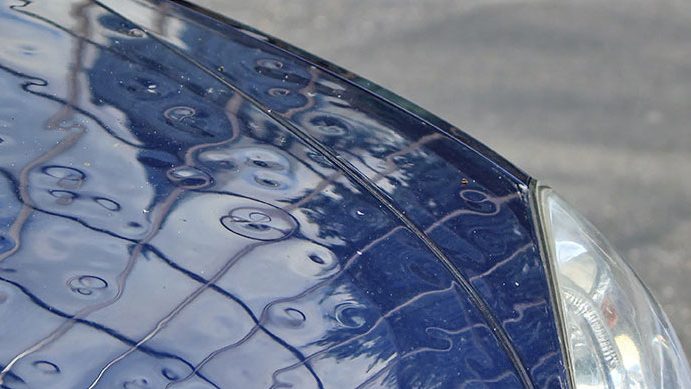
You’re driving through a thunderstorm one day when your car starts getting pelted by marble-sized hail. Not only can hailstones leave noticeable pits and dents in your car’s metal surfaces, larger chunks can crack your windshield and cause serious damage. And, if you live in “Hail Alley” states like Texas, Oklahoma, Nebraska, and Kansas, your vehicle is at greater risk for getting damaged in a hailstorm. Fortunately, auto body and glass repair shops today have the capabilities to cost-effectively fix most vehicles even after they’ve suffered hail damage.

“DIY” Hail Damage Repairs Aren’t Reliable  

There are a lot of Do-It-Yourself (DIY) hail-damage repair ideas floating around the Internet, like using a hairdryer, leaving your vehicle out in the hot sun, or applying ice to the dents and dings. But in most cases those methods not only don’t work, they can even cause more serious and permanent damage to your car’s exterior that will probably lower its resale value. Your best bet is to contact your insurance company and then promptly take your vehicle to a local body shop to have it inspected and repaired by professionals.

Professional Hail Damage Repairs

In many instances, a local body shop can remove hail-related dents and dings by using one of two methods: conventional or paintless dent repairs: 

Conventional Repairs

These are some of the conventional ways that technicians repair hail-damaged body panels:

Remove and replace

When the damage is more serious, bolted-on panels can be removed, replaced and then repainted to match the rest of the body.

Finish glazing

This is used for more minor damage, and involves sanding the paint down slightly and then filling the dented area with some glaze putty. Once the putty dries, it’s sanded and then ready for painting.

Body filler

Similar-to finish glazing, the paint is completely removed down to the metal, the dent filled with body filler, sanded and then repainted. This method works well for small to medium-sized dents.

Traditional heat repair

This technique is used on older vehicles with thicker metal or most newer vehicles with larger dents. Heat is applied in a circular motion using an oxyacetylene torch to expand and restore the metal. Once the metal cools, the surface is then repainted.

Paintless Dent Repairs

As a newer alternative, paintless dent repairs (PDR) eliminate the need for doing any bonding, sanding or repainting. Instead, the technician manipulates the metal from the inside out to reshape and restore the damaged panel. PDR is most effective for smaller dings and dents, but larger ones can also be repaired if the paint and metal are still intact. PDR is also gaining in popularity with drivers and insurance companies because of it:

  • Costs less than conventional methods
  • Has a faster turnaround time
  • Doesn’t use potentially hazardous chemicals and fillers

Professional Windshield Repairs

Hail can also leave pits, chips, and cracks in your windshield. Some drivers choose to ignore those, but even a small crack can place you at serious risk if you’re involved in an accident. When you take your vehicle to an auto glass repair shop, they will recommend one of these repairs based on the damage’s severity:

Crack repairs

If possible, your windshield will be repaired by filling the affected area with a curable resin that visually matches the glass. The purpose of a crack or pit repair is to restore the windshield’s strength and structural integrity.

Total replacement

In some cases, the size and shape of the crack prohibits a simple repair. Instead, your entire windshield will be completely replaced to keep you and your passengers safer.

Most auto glass repair shops offer convenient mobile services, and many auto insurance policies cover windshield repairs and replacements- including those caused by hail.

Reliable Hail Damage Repairs Right at Your Fingertips

When your ride’s been damaged by hail, it’s a terrible feeling. Put your mind at ease by promptly locating a customer-reviewed auto body or glass repair shop featured in the nationwide Carwise referral network. All collision and glass repair shops listed through Carwise are I-CAR and ASE-certified, which means they have the highly trained technicians, services and equipment needed to expertly restore your damaged vehicle, and peace-of-mind, like new again. 

Search your zip code now for a customer-reviewed auto body or glass repair shop nearby: www.carwise.com

Read More

How Can I Find the Best Collision Repair Shop for My Vehicle?

While driving home from work one day another vehicle hits your car, causing noticeable damage to the bumper and quarter panel that will have to be repaired. But being new to the area, you’re unfamiliar with the local collision repair shops and their reputations. What should you do? Finding an auto body shop that will get the job done right the first time shouldn’t have to be a guessing game. Before handing over your car keys, here are some proven ways to ensure that your decision is the best one.

Are They Certified?

Shops that perform top-quality work employ professionals that have been certified by widely respected industry associations, and they usually display those certifications on their website and in their waiting area. These are the two main certifications to look for:

ASE

This designation means that a shop has employees that have successfully completed auto body or glass repair courses taught by experts at the National Institute for Automotive Service Excellence, or “ASE” for short.   

I-CAR

Any shop that carries the Inter-Industry Conference on Auto Collision Repair (I-CAR) label has met the necessary requirements for ongoing training and compliance to repair specific vehicles based on the manufacturer’s safety and quality standards.

Do They Provide Written Estimates?

Most reputable shops now provide customers with detailed written estimates beforehand, so try to find a shop that does so. Keep in mind that once your vehicle is torn down, the technicians could find additional repairs that need to be done to ensure occupant safety and vehicle performance. It’s also a good idea to compare estimates from several different shops before making your decision, especially if you’re paying the entire repair bill out of pocket.  

What Do Their Customers Say?

Go to some trustworthy online sources and read customer satisfaction reviews about the shop, and then check out before-and-after photos of vehicles they’ve restored. Most good repair shops proudly post customer testimonials and pictures of their outcomes on their websites and social media pages. Ask for referrals from others at work, the gym or elsewhere, as word-of-mouth advertising is another reliable indicator for a shop’s quality and service.

Does the Shop Warranty Their Work?

Like any other business, a collision repair shop that backs their services in writing usually provides higher-quality outcomes to their customers. When it comes to backing those repairs, warranties can vary from a specified number of miles or months, to lifetime warranties that transfer with the vehicle as owners change. And, when looking over a shop’s warranty, check for what it specifically covers, like workmanship or part failure due to a manufacturing defect. 

What Else Should I Look for?

In addition, other characteristics to look for include:

Tidiness

Ask the shop manager to give you a quick tour of the service area. Is it clean and orderly? And, is there a separate area for painting?

Working with insurance companies

Many shops will speak directly with insurance adjusters throughout the process, so you don’t have to. Do they?

Specialty areas

Does the shop specialize in working on certain vehicle types, for example, hybrid or high-performance cars?

Lot security

Your damaged car may need to sit outside for a few days until the shop can get started. If that’s likely, is their lot secured to protect your vehicle?

Turnaround time

Based on their workload, how quickly will the shop have your vehicle’s repairs completed? Keep in mind that good shops are busy and traffic accidents are more common during certain times of the year.

Don’t Hand Over Your Keys to Just Any Repair Shop

Finding a collision repair shop that you can trust with your vehicle can be challenging, especially when you’re new to an area. Thankfully, Carwise has eliminated most of the guesswork by placing detailed information for 19,000+ auto body and glass repair shops nationwide right at your fingertips. With the click of a button, you can promptly locate customer-reviewed shops nearby that are I-CAR and ASE-certified, which means they have the skilled technicians, equipment and services to restore your ride like new again promptly and reliably.

Search your zip code now for a customer-reviewed auto body or glass repair shop nearby: www.carwise.com

Read More
Buying the Right Car for a College Student

What Collision Repair Challenges Do Hybrid Vehicles Present?

Your Toyota Prius was just involved in an accident and has been taken to the local auto body shop for some collision repairs. Given that it’s a hybrid, you’re wondering if the shop’s employees will have to take any special precautions while repairing the damage. Because of their electrical systems, restoring a damaged hybrid vehicle does present unique challenges. What follows are some of the precautionary steps that body shops take to protect their employees and your vehicle.

What’s a “Hybrid” Vehicle?

First introduced in the U.S. 20 years ago, hybrid vehicles (HVs) use both a conventional gas or diesel engine and an electric motor. This helps an HV consume less fuel, and emit less CO2, compared to an automobile that’s only powered by a fossil-fueled engine.

There are two types of hybrids, “conventional” or “plug-in”:

  • Conventional Hybrids. Offered by virtually all automobile manufacturers, these HVs use a gasoline engine to keep a modestly sized battery charged while driving. Available in various makes and models, conventional hybrids cannot be plugged in to recharge their batteries, and therefore only drive sporadically solely on electric power.
  • Plug-In Hybrids. Available through some auto makers, a plug-in hybrid has a large battery that can be recharged by plugging the vehicle into a standard wall outlet or recharging station. Once charged, the car runs purely on electricity without burning any fossil fuel. However, a plug-in HV can still run without ever being plugged in and will continue operating in normal hybrid mode (using the gas engine + electric motor) for as long as there’s gas in the tank.

I-CAR HV Repair Recommendations  

To protect insurance adjusters, auto body shop estimators, technicians and your vehicle, the Inter-Industry Conference on Auto Collision Repair (I-CAR) has established safety protocols (1) for working on both types of HVs. Here are some of their recommendations:

Before Repairs Begin

  • The vehicle cannot be towed or moved on its road wheels to prevent possible HV system damage and to reduce the potential shock hazard.
  • All HV system components must be initially located and inspected for signs of damage.
  • All service requirements for the various systems must first be fully understood, for example the engine cooling system.
  • Damaged body panel(s) must be checked behind for any HV system wires, connectors, modules or batteries that might have also sustained damage.
  • The proper air conditioning system service equipment and oils must be used to exclude the system from getting contaminated.  

Wearing Protective Gloves

  • Although an HV’s electrical system is designed with several built-in safety interlocks and circuit monitoring systems that initiate a shutdown if compromises are detected, protective electrical lineman’s gloves (Class 0) are highly recommended.
  • Those gloves will protect technicians when working on or near high-voltage vehicle components like the battery, system main relay, service plug receptacle and fuse, any orange-colored cables, inverter assembly, electric drive motors, PHEV charge port, etc.   

During the Teardown and Reassembly Phases

  • The HV’s electrical propulsion system must be disabled before touching or prying on any other system components.
  • If there’s anybody or engine damage in the vicinity of the HV system, the HV system must be totally disabled before proceeding.
  • Confirming that the HV system is shut down should be done by using a high-quality digital volt-ohm meter.
  • Technicians should never put their fingers in, or directly on, any connectors or HV system parts.
  • All disconnected connectors must be kept free of dirt, fluid or contamination.
  • If the HV system seems intact with no compromises and appears to be safe to power up, the technician must first scan the vehicle to identify any HV system issues. Those will show up as an HV system error message or if MIL or DTCs are present.  

Find a Local Body Shop in Seconds Through Carwise  

No matter what kind of vehicle you drive, when it’s been involved in a collision you can find a good body shop in seconds through the nationwide Carwise referral network. Shops featured in the Carwise network have the I-CAR and ASE-certified technicians, equipment and services to restore your ride like new again promptly and reliably. Most speak directly to insurance companies, so you don’t have to, and warranty their work to put your mind at ease.

Search your zip code now for a customer-reviewed auto body or glass repair shop nearby: www.carwise.com.

Read More
5 Top Driving Habit Tips

Buying a New Car vs. Leasing: Which Should I Choose?

After having your old vehicle paid off for several years now, it’s time to get a new one. You’ve read a lot online about buying a new car versus leasing but still can’t make up your mind. Deciding which option makes the most sense can be confusing, and there are positives and negatives associated with each. In the end, choosing between buying a car or leasing boils down to what works best based on your lifestyle, transportation needs, and budget. To help make your decision a more rewarding one, here’s some input from the pros.

How Does Leasing Work?

Leasing is a type of auto financing where you’re not actually paying for the entire car. Instead, you’re only paying for the depreciation that occurs over the lease’s term, which is usually 2 to 4 years, plus fees and interest. Leasing usually requires an upfront down payment when signing a contract, and then you’ll pay the balance of the vehicle’s price in monthly increments until the term is over. The salesperson might throw out phrases like “capitalized cost”, “residual value” and “money factor”, so familiarize yourself with those before signing on the dotted line.

What if I Buy a Car?

When you buy a car, you are paying the entire negotiated price using your trade-in value, cash, financing, or a combination of all three. A typical transaction involves a down payment, trade-in of your existing vehicle, and taking out an auto loan with set monthly payments for up to 6 or even 7 years. When financing a car, the lender holds onto the title until you pay off the entire financed amount. At that point, you take over ownership of the vehicle’s title clear and free.

Pros and Cons of Leasing

Those desiring a newer vehicle for business, entertaining clients or simply because they like to drive one tend to lease because it’s easier to upgrade every 2 to 3 years. Overall, the pros of leasing a new car include:  

  • No or little down payment required
  • Lower monthly payments
  • You can drive a more expensive car for less money.
  • No trade-in or selling negotiations after the lease are over   
  • Fewer sales tax paid

The cons of leasing are:

  • You don’t own the vehicle when the lease ends, although you’ll have the option to buy.
  • Mileage per year is capped, usually at 12,000 miles, although you can pay for more.
  • Lease contracts can be confusing.
  • You may have to pay excess wear-and-tear fees that can be hidden in the contract.
  • If your financial situation changes, it can be costly to terminate a lease early.
  • You cannot customize or modify the car.
  • You’ll pay more over the long haul for a leased vehicle than one you purchase and keep for several years.  

Pros and Cons of Buying

Buying a car works best for drivers who plan on keeping their vehicle for several years after it’s been paid off, for example, to pass it down to a college-bound family member. These are the pros of buying a car:

  • No excess mileage charges
  • Provides trade-in or resale value later
  • More flexibility, as you can sell or trade-in the car whenever you want.
  • You can modify or customize your car as you please.
  • You’ll save money over the long haul once it’s paid off.

Cons associated with buying a new car include:

  • Higher monthly payments
  • A larger down payment is required.
  • Once the warranty has expired you are responsible for all repair costs.
  • The hassle of trade-in or selling negotiations
  • More cash tied up in a car that will depreciate-in-value over the years

In the end, deciding between buying and leasing comes down to the importance of personal tastes and priorities versus pure dollars and cents.

How Can I Find a Good Local Auto Body Shop?

Whether you choose to lease a new vehicle or buy one, accidents happen. When you’re involved in one, you can promptly locate a good local auto body shop by using the nationwide Carwise referral network. Collision and glass repair shops featured on Carwise’s website have the I-CAR and ASE-certified technicians, equipment and services you need to repair your ride promptly and reliably. Most work directly with insurance companies, so you don’t have to, and warranty their outcomes for many miles of care-free driving.

Search your zip code now for a customer-reviewed auto body or glass repair shop nearby: www.carwise.com.

Read More

What are the Most Common Repairs that Auto Body Shops Do?

If you’re like most drivers, at some point you’ll have to take your vehicle to a local collision repair shop after an accident. Most shops, like those featured in the nationwide Carwise referral network, offer a full menu of auto body repair and restoration services, from paintless dent removal to professional detailing. And, although most services are provided to repair damage resulting from a recent collision, that’s not always the case. In general, these are the most common types of repairs that body shops perform.      

Paintless Dent Removal (PDR)

Stray grocery carts, hail and flying rocks can all leave noticeable dents in body panels and doors. Left untreated, even minor dents can cause more expensive paint damage later. To ensure that doesn’t happen, body shops use a process called “paintless dent removal” (PDR).

PDR requires no fillers or sanding, as a trained technician uses a variety of special tools to gently and slowly push dents back into place without harming the factory paint job. Overall, PDR is a very cost-effective and long-lasting way to get your ride looking great again.  

Auto Body Painting

A new paint job might be necessary after an accident, to protect an older car’s exterior from the elements, or simply to improve esthetics. Body shops routinely do paint jobs on vehicles with bodies that are marred by scratches, rock chips, rust, paint swirling or other damage. When doing so, these are the steps that trained technicians use:

  1. Surface is sanded down to the bare metal and cleaned
  2. Corrosion-resistant primer is applied and allowed to cure
  3. Cured primer is sanded down and the surface carefully cleaned
  4. Several layers of paint are applied with a sprayer and allowed to dry for up to 7 days
  5. Clearcoat is then applied that gives the finish a high-gloss appearance
  6. The exterior is then buffed and polished

Window Repairs and Replacements

Auto glass damage comes in many forms, including chips, cracks and breaks. Sometimes the damage can be repaired, and other times a total windshield or window replacement is necessary. If your vehicle is being repaired a local body shop due to an accident, they may have a full-time glass repair technician on their payroll. Those that don’t partner with glass repair shops in the area that can send out a technician to perform the necessary window repairs or replacement before the vehicle is picked up.

Frame Testing and Straightening

Studies have found that roughly 50% of all vehicles sustain frame damage after an accident,

including minor fender benders. A frame that’s unknowingly weakened or bent can place a vehicle’s occupants unnecessarily at risk during a subsequent accident. And, a vehicle with a bent frame will also track unevenly down the road, handle poorly and probably cause your tires and steering components to wear out prematurely.

To help ensure that your frame is safe after an accident, these are the steps body shop technicians take:

  • The frame is first visually inspected for signs of damage.
  • If any damage is present, the vehicle is then placed on a frame alignment machine.
  • The machine then straightens the frame using hydraulic force and torque until it’s back to its original factory specifications.

Once the frame is straightened, your vehicle will track normally and be safer to drive.

How Can I Find Good Auto Body Shops Near Me?  

Finding a good auto body shop that offers all these repair services can be challenging, especially when you’re new to an area. When you need some help, use the nationwide Carwise referral network. All collision and glass repair shops featured in the Carwise network are I-CAR and ASE-certified, which means they have the highly trained technicians, equipment and services you need to restore your ride like-new again promptly and reliably.

Search your zip code now for a customer-reviewed auto body or glass repair shop nearby: www.carwise.com

Read More

The Different Types of Windshield Glass Damage

You’re driving down the road one day behind a big gravel truck, and it hits a bump. Bam! A flying rock just hit your windshield, leaving a two-inch crack in its wake. You feel your stomach tighten up as your mind starts racing. Can it be repaired, or will the entire windshield have to be replaced? Windshield glass damage comes in various forms, and fortunately auto glass repair shops are now able to fix most in-lieu-of a total replacement. What follows are the different types of damage they see.   

Cracks

Auto glass technicians treat cracks frequently, and a crack will first appear as a line in your windshield. Some cracks look like small, straight lines with starting and ending points, or they can be longer with several branches protruding from the main line. There are also subcategories of windshield cracks, including:

  • Stress crack. These oftentimes form without anything even hitting the windshield because of large temperature fluctuations. For example, a windshield that’s exposed to the sun’s intense summertime rays, or covered in ice during extreme cold, can get a stress crack.
  • Edge crack. An edge crack starts within 2” of the windshield’s edge, or extends out to it. These usually form quickly and are between 10” and 12” in length.
  • Floater crack. A floater crack starts in the middle of the windshield more than 2” from the glass’ edge. These cracks can be of varying lengths, including longer ones that extend across most of your windshield. Extreme temperatures can cause a floater crack to get worse.
  • Crack chip. These smaller cracks have an impact point that’s less than a quarter in diameter.  

In general, cracks that are less than 3” in length can usually be repaired.

Chips

Also called “dings” by drivers, a chip is usually formed by a flying rock and its appearance means that a small piece of glass is missing. For that reason, a chip is also referred to as a “stone break” or “pit” by professionals. If the chip doesn’t have any longer cracks extending from it, is less than an inch in diameter, and didn’t penetrate all the way through the glass, it can usually be filled by a technician.

Bulls-Eye

Another type of windshield damage that results from an object’s impact is called a “bulls-eye”

because the resulting circular pattern looks like a dart board. Bulls-eyes are like chips in that a piece of glass was removed upon impact, but they’re usually much larger and non- repairable. There are also partial bulls-eye cracks, or “half-moons”, that are similar in appearance but not completely symmetrical.

Stars

Windshields can also sustain damage known as “stars”. Those are typically small chips with multiple cracks radiating out from the center that resemble a fireworks explosion. Smaller star patterns can usually be repaired, but after the affected area is filled in it will always be slightly visible. For that reason, when you’re ready to sell it could lower your vehicle’s value.

Combination

As the name implies, combination damage refers to a diagnosis where the glass is suffering from two or more of the aforementioned-types. Repairs in these instances are also more complicated, and oftentimes a total windshield replacement is recommended.

Should You Repair or Replace?

A trained auto glass specialist will inspect your windshield’s damage and then let you know if it can be fixed safely versus a total replacement. If repairs are possible, the technician will first clean all dust and debris from your windshield, and do some drilling to prepare the area. Once a smooth surface has been created, they’ll inject a clear resin material into the opening, allow it to cure, and then polish it up like new.  

Your auto insurance policy may include coverage for windshield damage repairs or replacements, so check with your agent if you’re not sure. And, most auto glass repair shops offer mobile on-site services for your convenience!

Find Good Auto Body and Glass Repair Shops Nearby

Finding a good auto body or glass repair shop nearby can be challenging, and that’s why we started the nationwide Carwise referral network. All repair shops listed through Carwise employ ASE and I-CAR certified technicians with the training, experience and equipment to restore your vehicle like-new again promptly and reliably. Most shops work directly with insurance companies, so you don’t have to, and warranty their outcomes to put your mind at ease.

Search your zip code now for a customer-reviewed auto body or glass repair shop nearby: www.carwise.com.

Read More