What Do I Do if My Vehicle is Damaged by a Tornado?

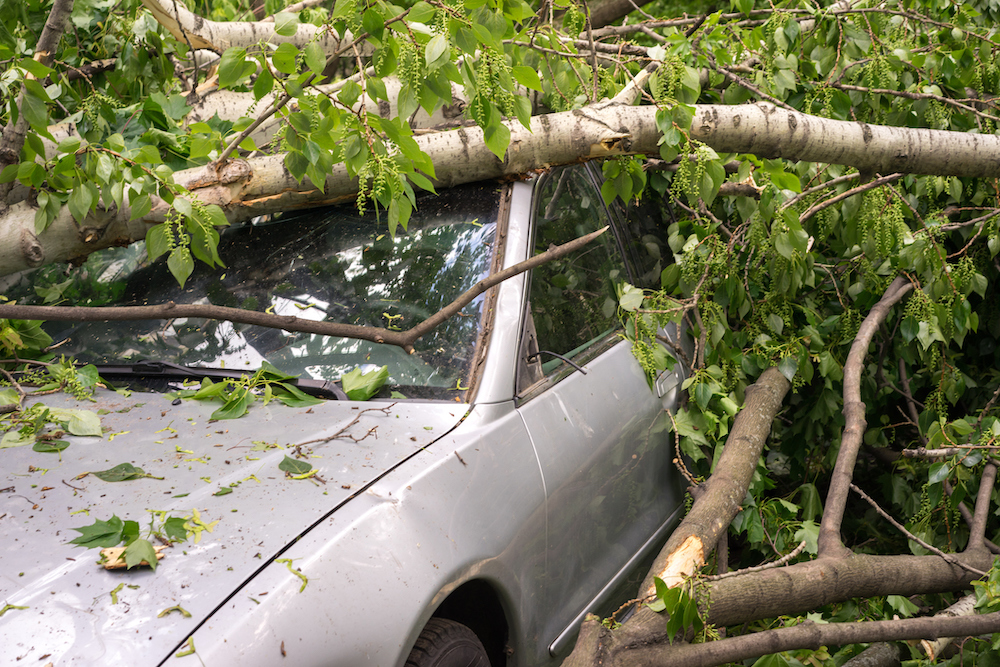
A tornado siren is blaring and you’re sheltering in place—the last thing you’re probably thinking about when a tornado barrels through town is your car, which is parked in your driveway with nothing to protect it from the elements. But after the storm is over and you safely make it outside, you see it: a tree limb has fallen on the dash of your car, shattering your windshield. The car has also suffered other damage from hail and debris. What do you do in a moment like that?

Here are some tips for safely seeking car repairs after a tornado.

Document the damage from a safe distance.

Documenting the damage with your smartphone will help speed up the process of filing a claim with your auto insurance and seeking repairs from an auto body shop near you. Proceed with caution, though—downed tree limbs and cables, broken glass and other debris can make this task dangerous after a tornado. Don’t try to remove any tree limbs or cables by yourself; wait for professional help. Make sure you’re wearing protective footwear and that you keep a safe distance from the vehicle as you take photos and video footage.

Inquire with your auto insurance.

Contact your auto insurance company to see if they will cover tornado damage for your vehicle. If it is covered, ask if you can submit photos and video of the damage, as well as additional documentation.

Collect documentation from first responders.

The police or fire department that responded to the storm may be able to provide you with an incident report that corroborates that your vehicle was indeed damaged by a tornado, but you will need to request this information from them. Understandably, this may not be a top-of-mind request immediately following a serious storm. You may be able to request this information later by calling the non-emergency line for the fire or police department. Once you have the documentation from first responders, you can add this to your insurance claim documentation.

Seek Repairs from a Local Auto Body or Auto Glass Shop

Even the smallest branches or limbs can cause damage, so look out for physical or cosmetic damage following a storm. If your vehicle requires, or should you choose to repair your vehicle, ask your local auto body or auto glass shop if they accept digital photos of vehicle damage to generate a virtual estimate and kick off the repair process. Professional collision repairers can repair your vehicle to pre-tornado condition, from external auto body damage to cleaning and detailing the inside of the vehicle to remove hazardous debris.

Carwise.com makes it easy to find a reputable auto glass repairer and request an estimate. From reviews by real customers to services and payment information, Carwise has details on nearly 22,000 repair shops. Use Carwise’s shop finder tool to search your zip code for a customer-reviewed auto body or glass repair shop nearby to get your vehicle repaired following a tornado: https://www.carwise.com/auto-body-shops/.

Read More

How Do I Get Hail Damaged Repaired on My Car?

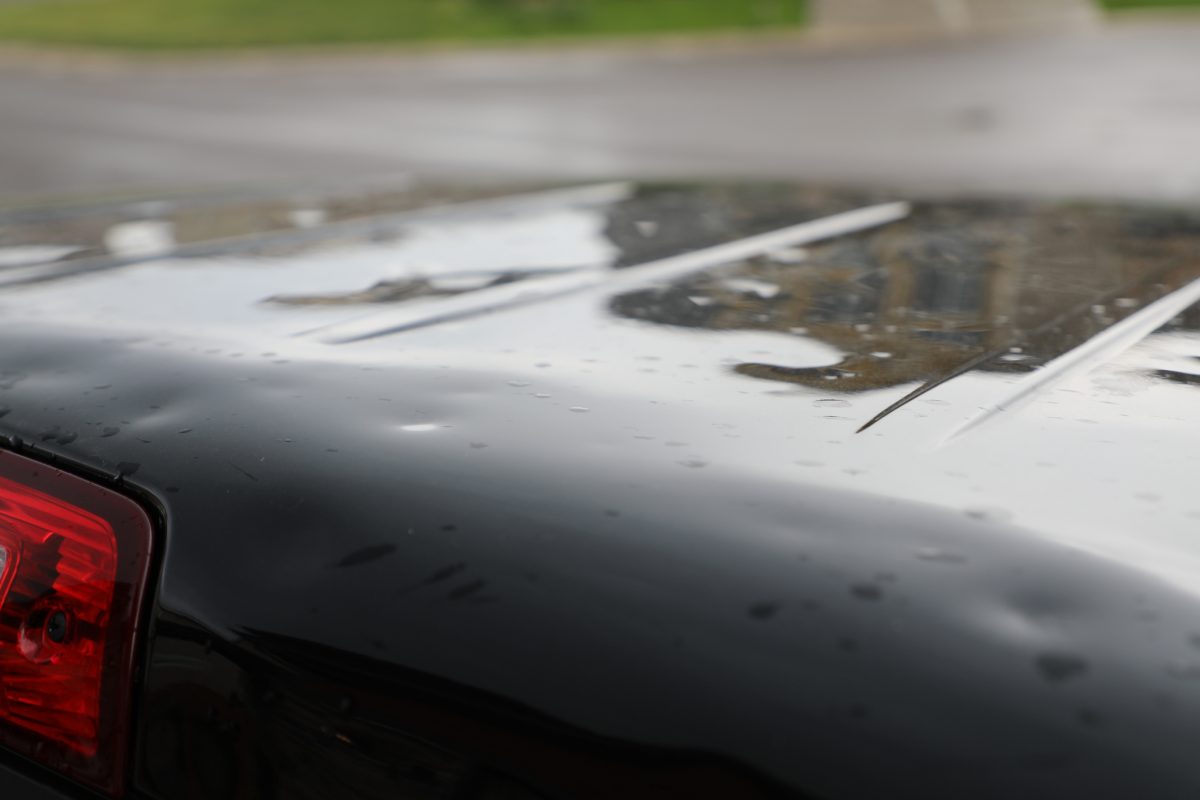
You look out your window and can see a storm rolling in. Then you remember that your car is parked in the driveway or street, and thus ensues the mad dash to move your car into the garage or under a carport – if you have that option. If not, your car is left to face the elements of a bad storm, including one of the worst possibilities: hail.

Hail can easily damage vehicles left out in the open during a storm. While car covers can protect against mild hail damage, if the hail is larger than an inch in diameter, damage is likely.

However, most hail damage can be repaired by your local auto body shop.  

Steps to Take After Hail Damages Your Car

  1. Take photos of the hail damage with your smartphone. Pictures of hail damage can be harder to capture than other types of damage, so you may need to take photos from multiple angles.
  2. Contact your insurance company to see if they will cover hail damage repairs for your vehicle. If it is covered, ask if you can submit photos of the damage.
  3. Before having an assessment done, wash the exterior of your vehicle, so that the damage is easier to see.
  4. Count the number of dings and dents and how dense or spread out they are.
  5. Have the damage professionally assessed through someone provided by your insurance and through a local auto body shop.

Standard Auto Body Repairs for Hail Damage

There are a few different ways that hail damage can be repaired. Paintless dent repair (PDR) is a quick and inexpensive method that corrects the dents without needing to repaint the vehicle.

For sharper dents or dents that have cracked the vehicle’s paint, PDR might not be possible. In that case, conventional dent repair is used, which may involve filling and repainting the dent, or replacing the part or panel that is damaged.

Hail can damage windshields, windows and sunroofs, so auto glass repairs may be needed as well. It’s important to get your cracked windshield repaired as soon as possible because cracks can impair your vision while driving and even compromise the structural integrity of your vehicle.

How to Find a Local Auto Body or Auto Glass Shop to Repair Hail Damage

Depending on the extent of the damage, hail repairs can unfortunately add up quickly, so there are a couple things to keep in mind before selecting a shop:

  • Ask your local auto body shops if you can submit photos to them virtually to initiate an estimate on repairs. 
  • Seek multiple estimates. Select a few different shops and get quotes from each of them, to get an idea of price range.

If your car suffers hail damage, Carwise has you covered. Review current ratings, reviews and certifications on nearly 22,000 repair shops with Carwise.com. Use the shop finder tool to search your zip code for a customer-reviewed and certified auto body or auto glass shop nearby: https://www.carwise.com/auto-body-shops/.
Read More

How Do I Get Rid of A Bad Odor in My Car?

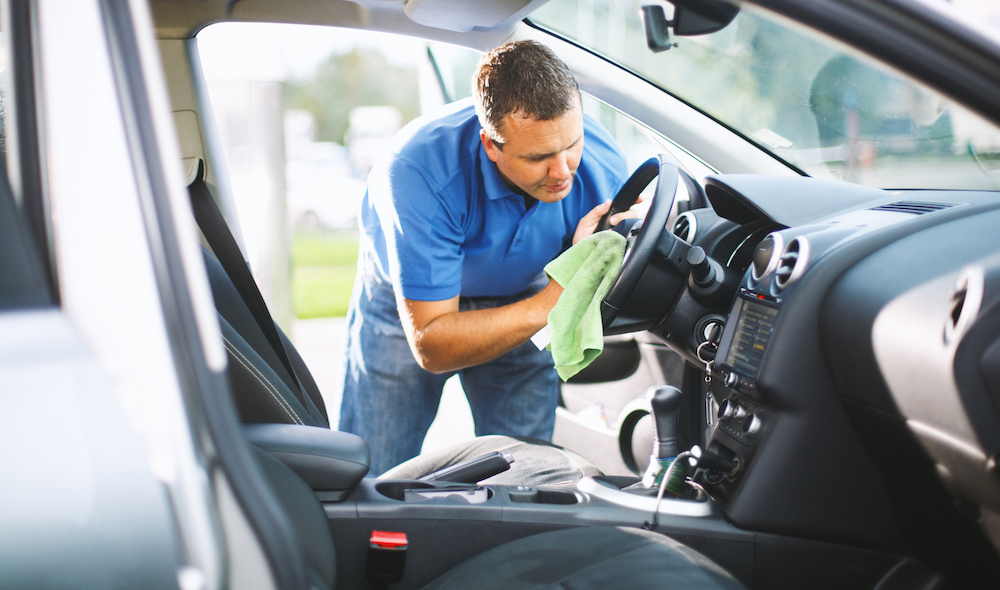
There’s nothing worse than getting into your car after a long, hot day and being affronted with a terrible smell. Old fast-food containers, dirty gym clothes, cigarettes, pet hair, and engine fluid are common causes that can leave lasting odors. Opening your windows on your drive or covering the scent with an air freshener may help temporarily, but actually eliminating the odor will require a deep cleaning. Here are some potential ways to deodorize your vehicle and make it smell great again:

DIY Tactics for Deodorizing Your Vehicle

1. Leave a Deodorizer in the Vehicle Overnight

  • Baking Soda: this pantry staple naturally absorbs odors. You can pour some into a dish and place it in the vehicle, or you can sprinkle a light layer over your seats and floor mats, leave it overnight, and vacuum it up the next day.
  • Charcoal is another household item that works as a natural deodorizer. Take a chip or two from your grilling supplies and put it in the vehicle for 24 – 48 hours so that it can neutralize the bad smell.

2. Vacuum the Vehicle

Fabric absorbs odors, so thoroughly vacuuming the interior of your vehicle will help reduce the particles that are contributing to the scent such as food crumbs, pet dander, and cigarette ashes. You can even try steam-cleaning the seats and floor mats if you own a steam-cleaner.

3. Clean Surfaces with Vinegar and Water

Using a clean spray bottle, mix white vinegar and water (up to 50/50 mixture) and use it to spray the seats and hard surfaces one at a time. After spraying each surface, immediately wipe it down with a dry, lint-free cloth. Repeat this process for every seat, the dash, carpeting, floor mats, and roof liner. A slight vinegar scent may linger for a few days, but eventually it will go away and hopefully take the unpleasant odors with it.

4. Wash the Floor Mats

Your vehicle’s floor mats absorb a lot of dirt and odorous debris over time, but they’re also removable, making them easy to wash. Depending on the type of floor mats you have, there are a couple of ways to clean them effectively:

  • Cloth floor mats: after you’ve vacuumed them, wash the floor mats with a carpet cleaner. Your local auto parts store will likely have cleaning products that are specifically made for detailing your vehicle, but a household carpet cleaner can suffice as well. Apply the cleaning solution as instructed, then rinse the mats with a spray bottle of clean water or your garden hose. Hanging them or laying them out in the sun will not only dry them quickly, but will also help eliminate foul odors.
  • Rubber floor mats: because these have a hard, durable surface, rubber floor mats can be cleaned easily with some dish soap, a sponge or rag, and your garden hose. The dish soap will help remove residue from things like engine oil and gasoline.

Know When to Take Your Vehicle to a Professional Detailer

Deep cleaning your vehicle on your own can take time and energy that you may not have, and sometimes weather can be a deterrent to getting the task done. Even with all that effort, a DIY cleaning may not entirely remove stubborn smells. Your local auto body shop can provide expert interior detailing to restore it to pristine condition, removing foul odors as well as stains and dirt. A professional detailer will have the experience as well as the tools and products to clean your vehicle more thoroughly than you ever could, so you may want to consider taking it in for a detailing job on a semi-regular basis.

Carwise.com makes it easy to find a reputable auto body shop near you. From reviews by real customers to services and payment information, Carwise has details on over 21,000 auto body and collision repair shops. Use Carwise’s shop finder tool to search your zip code for a customer-reviewed auto body shop nearby: https://www.carwise.com/auto-body-shops/.
Read More

How Do I Fix My Cracked Windshield?

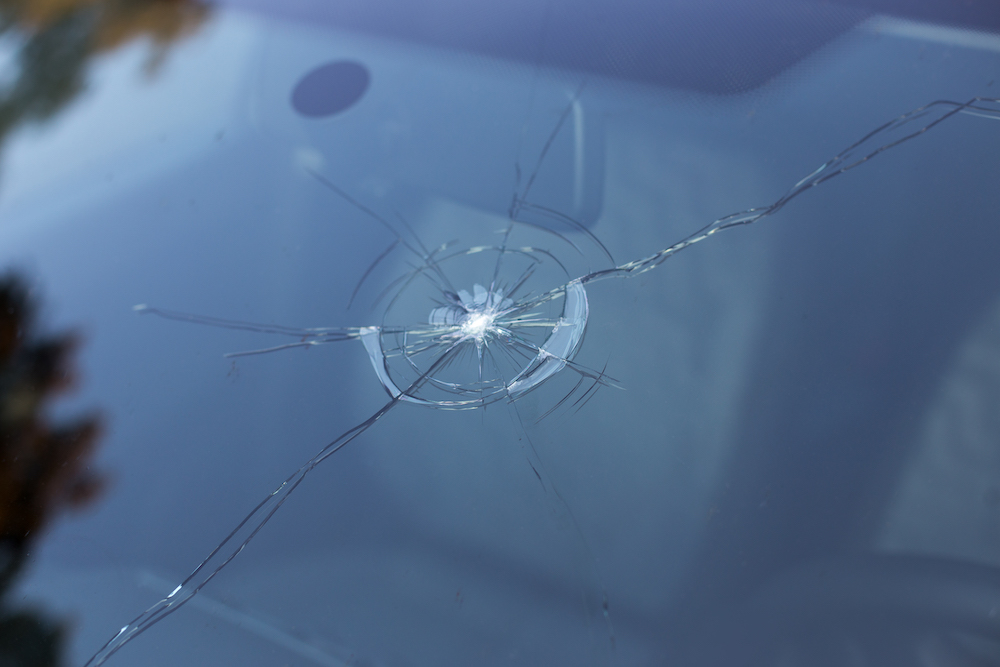
Whether it happened because of flying debris or as the result of a car accident, a cracked windshield is never a good thing. You might be tempted to ignore it if it’s not interfering with your ability to see as you drive. However, it’s important to know that even small cracks and chips can spread quickly, presenting several risks.

The Risks to Driving with a Cracked Windshield

  • You could get ticketed for having a cracked windshield. Windshield cracks become dangerous once they’re large enough to interfere with your field-of-vision. In many states, you can be ticketed if a police officer deems your cracked windshield to be unsafe.
  • Weather can make windshield cracks worse. Moisture can drip into a chip or crack, and cold temperatures can cause the moisture to freeze and expand, making the crack spread.
  • Cracked windshields can make car accidents more dangerous. Auto glass contributes to the overall structural integrity of the vehicle. Intact windshields are designed to transfer the force of a frontal collision down into the chassis, which lessens the impact you and your passengers feel. If your windshield is already cracked when you get into an accident, the glass is more likely to shatter during a front-end collision and your vehicle’s roof is more likely to collapse in a rollover accident. A cracked windshield can also interfere with airbag deployment because it is less likely to hold up to the force, increasingly the possibility of serious injury or even death.

Temporary Windshield Fixes

Windshields with cracks of any size need to be replaced as soon as possible. Do-it-yourself windshield repairs or replacements are never wise for several reasons; you don’t want to do anything that could exacerbate the damage or interfere with your ability to drive the vehicle safely. However, when you’re in the process of scheduling a professional repair or replacement, there are temporary measures you can take to help keep the crack from spreading.   

  • Protect the glass from extreme conditions. Park in the shade when it’s hot and if possible, park in a garage or carport to protect the auto glass from water and direct sunlight. If you can’t park in a garage or carport, covering the vehicle with a tarp can protect the crack from moisture.
  • Try a windshield repair kit. If you’re handy and the crack is very small, or it’s only a chip, auto parts stores sell windshield repair kits that contain resin. Just keep in mind that in many cases, DIY repairs do not last like those done by professionals and the crack may still spread.

When to Take A Cracked Windshield to an Auto Glass Shop

It’s important to seek repairs for your damaged windshield as soon as possible, even if the crack or chip is small, because the damage can spread over time. Even minor

scratches, nicks, chips and cracks can spread, leading to more expensive repairs and potentially a full auto glass replacement. We recommend seeking advice from a professional at a local auto glass repair shop as soon as it happens, even if the damage appears to be minor.

Should I Repair or Replace My Cracked Windshield?

In the past, having a chipped or cracked windshield always required replacement. Recent innovations to auto-glass repair makes windshields more repairable, but it depends on the size, location and severity of the damage.

Auto Glass Repair

Auto glass repair is a quicker, cost-effective solution than an auto glass replacement, if the chip or crack is small enough. Generally, chips smaller than a quarter and cracks less than three inches long can be repaired. Anything larger will likely require a full replacement. A quality auto glass repair can prevent a chip or crack from spreading and help hide the original damage without having to remove the original glass. You’ll need to act quickly to get an auto glass repair, otherwise replacement will become your only option because driving with a cracked windshield can cause the damage to spread, for a variety of reasons.

An auto glass repair is a simple procedure that typically takes less than an hour: the technician uses a small suction vacuum to remove any moisture or other matter from the crack and injects resin to fill it. If done properly, windshield crack repair can be a safe and permanent solution to a damaged piece of auto glass.

Auto Glass Replacement

Auto glass replacement is typically more expensive than an auto glass repair, but it is often the best way to make sure that your vehicle is safe to drive. The location of the windshield damage plays an important factor in determining whether or not you’ll need an auto glass repair or replacement. For example, a crack on the edge of your windshield can spread quickly and compromise the structural integrity of the glass, making replacement the safest option in those cases. If the damage is in the line of sight of the driver, the auto glass shop will likely recommend a full replacement even if it is a small chip, because an auto glass repair on a chip may leave minor distortions in the glass. If a crack is deep enough to penetrate the clear layer of plastic that prevents a windshield glass from shattering, they will likely recommend a full replacement as well.

An auto glass replacement typically takes longer than a repair; you may have to wait a few hours before driving your vehicle to let the urethane that bonds the glass to cure.

How to Find a Local Auto Glass Repair Shop

A professional technician at your local auto glass repair shop will be able to quickly inspect and assess the damage to your cracked windshield and help you determine whether you will need to repair or replace the glass.

Carwise.com makes it easy to find a reputable auto glass repairer and request an estimate. From reviews by real customers to services and payment information, Carwise has details on over 21,000 repair shops. Use Carwise’s shop finder tool to search your zip code for a customer-reviewed auto body or glass repair shop nearby: https://www.carwise.com/auto-body-shops/.
Read More

How Can I Clean & Disinfect the Inside of My Car?

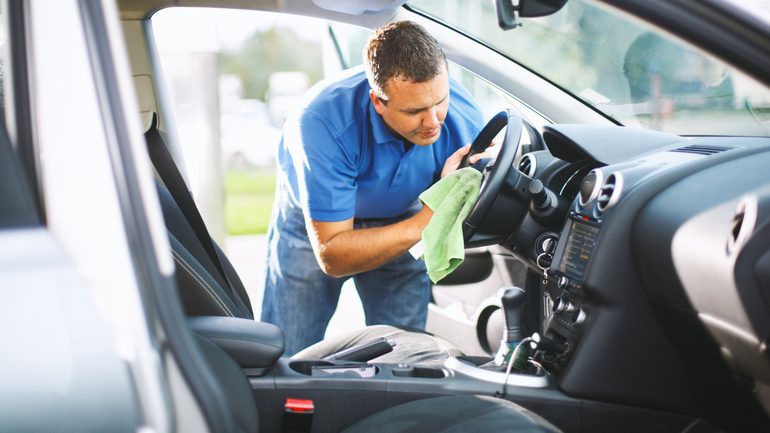
The average driver spends a lot of time inside their vehicle each week and some use it as their mobile office. Unfortunately, car interiors can be very dirty places where microorganisms thrive, including disease-causing bacteria and viruses. A recent study published by researchers from the UK’s University of Birmingham found that a children’s car seat may contain even more germs than the average toilet seat. To put your mind at ease, here are several reliable ways to clean and disinfect the inside of your car. 

Where Do Germs Hide Inside a Car?

Your car’s passenger compartment has a lot of features that can easily double as hiding places for pesky germs, such as:

Cabin air filter

If you leave your windows rolled up most of the time, your cabin air filter probably contains a lot of trapped mold spores, pollen grains, and germs. But when that filter gets too dirty it can’t do its job, which will eventually lower your cabin’s air quality.  

Upholstery

Carpet and seat upholstery attract food crumbs and other particles upon which bacteria and other microorganisms can grow. Door handles, dashboards, touch screens, shifters and steering wheels are typically covered in germs. 

Car keys

Your car keys are not only handled frequently, they also end up getting tossed on dirty surfaces that may contain numerous bacteria and viruses. When you pick those keys up the next morning, the germs hop on your skin. 

These Germs Live Inside Vehicles 

Some germs that can live inside your car may cause vomiting, diarrhea and coughing, while others make your throat sore or body ache. Here is a list of some of the more common germs that may be living inside your vehicle:

  • Cold and flu viruses like rhinovirus and influenza
  • Mold spores and allergens 
  • Intestinal organisms like E. Coli, salmonella and Norovirus 
  • Coronaviruses like COVID-19

How to Protect Your Vehicle’s Occupants 

Fortunately, there are several preventative measures you can take that will help keep unwanted “passengers” out and your vehicle’s occupants safer, starting with these:

Vacuum 

Give your vehicle’s interior a good vacuuming every month and be sure to use a brush attachment on the seat fabric and carpeting. Then, use a crevice tool to vacuum all the little nooks and crannies where food crumbs and bacteria congregate. Vacuum under the seats, between the seats and then be sure to thoroughly vacuum your child’s safety seat! 

Shampoo

Microscopic particles like pollen, dust and germs can infiltrate deep inside your carpet and seat upholstery. That’s why it’s also important to shampoo your cabin’s cloth material from time-to-time. Shampooing the floor mats and then hanging them outside to dry in the sunlight will also act as a disinfectant. If you don’t have time for a DIY upholstery shampoo, many auto body shops offer professional interior detailing services for the average driver. 

Disinfect

Some harmful viruses can live for weeks on exposed plastic, vinyl and metal surfaces, so wipe down your dash, trim, cup holders, door panels and consoles with reliable disinfectant wipes. You may even want to use a highly effective disinfectant spray to clean the air inside your passenger compartment. 

A/C & Cabin Filters

Your A/C and cabin filters are necessary to remove harmful particles from the passenger compartment, which means when they get clogged the air quality starts to diminish. Be sure to replace those filters based on the manufacturer’s recommendations found in your owner’s manual. A mechanic can also clean out your A/C vents for added protection. 

Promptly Find Local Collision Repair Shops Here 

When it’s time to find a local auto body or glass repair shop, isn’t it nice to know that you can promptly do so through the nationwide Carwise referral network? Not only that, all shops listed on Carwise are I-CAR and ASE certified, which means they employ knowledgeable collision repair professionals who are highly trained on the latest equipment and services to restore your ride like new again promptly and reliably. For your convenience, many collision repair shops also offer top-quality interior and exterior auto detailing as a value-added service. 

Search your zip code now for a customer-reviewed auto body or glass repair shop nearby: www.carwise.com.

Read More

How Can I Prepare My Car for a Spring Break Road Trip?

Every year from mid-March to mid-April millions of Americans take Spring Break road trips. Whether it’s a carload of college students en route to Panama City, or a family “truckster” loaded for Disneyworld, it’s always a busy time on our nation’s roads. But if you’re one of the drivers who’s participating in this annual rite-of-passage, the last thing you need is a broken-down vehicle stranded on the shoulder due to mechanical trouble. To help ensure that your Spring Break vacation is a more relaxing one, use these car-prepping tips from the pros.   

Car/RV Fluids Check Before Long Family Trips

You’ll probably have a cooler full of thirst-quenching beverages on board, so don’t forget to refresh your vehicle’s fluid levels too. Use this handy fluid checklist to keep your car hydrated: 

Add Coolant To Your Car

On longer trips, your engine’s radiator fluid gets put to the test. Check your coolant level before leaving, and the radiator hoses for signs of leaks. It’s also recommended to have the cooling system flushed and filled every 50,000 miles.

Car Oil

Oil is your engine’s lifeblood, so make sure that your oil and filter get replaced every 3,000 to 5,000 miles. If your vehicle leaks a little oil, check its level with the dipstick and top it off before hitting the road. And, don’t forget to put an extra quart in your car. 

Refill Your Cars Washer fluid

You’ll no doubt be encountering all kinds of weather during your journey, so make sure to top off your windshield washer fluid reservoir. If your wiper blades are leaving streaks on the glass, it’s time to buy a new set.  

Other Car fluids

It’s also a good idea to inspect the fluid levels for your brakes, power steering and transmission. 

Car Tire Checks Before Spring Break

Your car’s tires are important for safety, comfort and fuel efficiency, so don’t neglect yours. Here are some tire-care tips from the experts:

Vehicles Treadwear

Most tires last 30,000 to 50,000 miles if properly maintained, so have a tire specialist inspect your “rubber” for signs of uneven wear, bulging or punctures. The “penny test” is a good way to check the tread depth yourself. Tires lacking adequate tread to properly grip the pavement can cause handling and hydroplaning issues. 

Air Pressure Of Your Car Tires

Over or underinflated tires promote uneven tread wear and steering problems, so check your air pressure every time you fill up your gas tank. If you’re traveling from a cold area to a hot one, for every 10 degrees of temperature variation your tires’ pressure will fluctuate up or down by 1 PSI. 

Tire Rotations

For optimal tread life, your tires should be rotated every 5,000 to 8,000 miles. If you are long overdue, get a tire rotation before hitting the road.

General Car Maintenance

Your vehicle has numerous parts and systems that all must work together so you can reach your Spring Break destination without incident. To keep your ride in good working order, have a reliable mechanic check out these components well ahead of your departure date: 

  • Brake pads and rotors (last for 25,000 to 70,000 miles)
  • Engine air filter and cabin filter
  • Light bulbs, including headlights, taillights, brake lights and turn signals 
  • Belts and hoses
  • A/C and heater 
  • Battery and alternator 

Your Cars Emergency Travel Kit

Due to unforeseen circumstances, there’s always the possibility you could get stranded for a few hours on your trip. AAA recommends that all drivers keep an emergency roadside travel kit in their vehicles with these items:

  • Emergency reflectors
  • Blankets
  • Mobile phone charger
  • Bottled water and non-perishable snacks
  • Flashlight with extra batteries
  • Jumper cables 
  • First-aid kit

Your Reliable Car Repair Solution for Spring Break Collisions 

Even if your ride is road-ready, you can still be involved in a Spring Break road trip collision. When you’ve been involved in a fender-bender, promptly locate a nearby auto body or glass repair shop through the nationwide Carwise referral network. Once you do, I-CAR and ASE-certified collision-repair experts will promptly get started restoring your vehicle like-new again using the latest equipment, services and techniques. 

Search your zip code now for a customer-reviewed auto body or glass repair shop nearby: www.carwise.com

Read More

How Can Subzero Temperatures Damage My Car?

Roughly two-thirds of all Americans live in cold weather states where below-zero temperatures are possible during winter. Areas of the U.S. like the Upper Midwest and Northeast are notorious for subzero temperatures and teeth-rattling windchills. Not only are those frigid conditions hard on drivers, they can also have a devasting effect on a vehicle’s performance and appearance. Fortunately, it is possible to protect your ride by better understanding how subzero temperatures affect it in the first place. 

Bitter Cold Targets these Car Areas      

Your car’s engine, electrical system and fluids can all stop performing optimally once the mercury dips below zero degrees Fahrenheit. In a nutshell, these are some vehicle areas that are vulnerable to bitter cold: 

Your Car Tires

For every 10 degrees the temperature drops, your tires lose 1 PSI of pressure. If you don’t check them regularly, your tires can get underinflated and cause poor handling issues- not to mention that the tread will wear out faster.  

The Vehicles Battery

Your battery’s electrical output can diminish by up to 50% once temps drop below zero. The older your battery, the greater the odds that it won’t turn over one bitterly cold morning when you’re already in a hurry. To ensure cold weather starts, keep all connections clean, tight and corrosion free. If your battery is over 3 years old, it’s probably time to replace it. 

Oil For Your Car

The colder it is, the thicker your oil becomes. As temperatures near -20 F, engine oil can get so thick that the oil pump struggles just to circulate it. Drivers in subzero climates should switch to a low-viscosity oil in the late fall based on manufacturer recommendations found in the owner’s manual. 

Your Cars Fuel Line

Gasoline itself will not freeze until temperatures reach -100 degrees F. However, any moisture trapped in your fuel tank can ice up and clog your fuel line when it’s 32 degrees or colder. One of the simplest ways to prevent that from occurring is keeping your gas tank at least half full all winter long. And, on frigid days your gas mileage will drop because the engine is running less efficiently.

The Cars Exhaust System

When taking repeated short trips in extremely cold weather, your car’s engine typically doesn’t have enough time to warm up sufficiently and burn off water vapor. As a result, engine sludge can accumulate, pass through the exhaust system and cause it to prematurely rust.  

The Vehicles Engine Block

If your antifreeze is old, it may not protect the engine’s components from freezing like it should. This can cause cracking to the engine block, resulting in very costly damage. Always make sure that your engine has plenty of antifreeze/coolant in it by checking the overflow reservoir, and that it still offers protection down to -40 degrees F. 

Your Cars Windshield

Never pour hot water on your windshield to melt ice because the glass could crack. Blasting hot air from your defroster on a frozen windshield can also crack it, so de-ice yours instead with a commercially available deicer that’s specifically designed for auto glass. Ordinary rubbing alcohol is another safe deicing option. Subzero temperatures can also cause rubber windshield wiper blades to get brittle, crack and tear. 

LCD Display Screens For your Vehicle

If your vehicle has a liquid crystal display (LCD) screen, it may get a little sluggish when your ride’s been sitting outside in extreme cold for a while. That’s because the molecules inside the liquid crystals slow down significantly when exposed to subzero temps. Unfortunately, other than installing an engine-block heater there’s not much you can do to speed up the screen until your engine warms up.   

These Car Repair Shops Have the Cure for Winter Car Accidents 

If your ride’s been dinged up due to a wintertime accident, promptly take it to one of the 19,000+ auto body and glass repair shops featured in the nationwide Carwise referral network. All collision repair shops listed on Carwise are I-CAR and ASE certified, which means they have the highly trained technicians, driver-trusted services and high-tech equipment to repair your vehicle promptly and reliably. Most speak directly with insurance companies, so you don’t have to, and warranty their repair outcomes to put your mind at ease.


Search your zip code now for a customer-reviewed auto body or glass repair shop nearby: www.carwise.com

Read More

How Can I Protect My Car from Road Salt?

Millions of Americans drive in areas that get snow and ice during the winter, resulting in hazardous road conditions that can cause vehicles to skid out of control. To help keep motorists safe, road crews usually spread sand, road salt, or a combination thereof on the roadways. And although road salt helps keep motorists safer by improving traction, it can do serious harm to your car if you’re not careful. Thankfully, there are several ways to protect your car from road salt damage, starting with these.

How Does Road Salt Work?

Road salt, or rock salt, contains sodium chloride that lowers the freezing point of water. Because water normally freezes at 32 degrees Fahrenheit, when snow or ice are exposed to road salt, they need even colder temperatures to stay frozen. The more salt that’s placed on the roads, the harder it is for ice to form. Road crews can even pre-treat the pavement with a water and salt mixture called “brine” to make the salt more effective. But on some bitterly cold days temperatures drop so low that road salt doesn’t work at all.

Road Salt Targets These Areas

Even though road salt helps keep you safer, it’s not safe for your car. That’s because the chemical reaction that takes place can corrode exposed metal that it comes-in-contact-with. If the corrosion continues unimpeded, it eventually causes rust formation that not only looks bad, it can also lower your vehicle’s resale value.   

Road salt typically targets these areas of your car:

  • Body panels
  • Exhaust system and muffler
  • Coil springs
  • Subframe

Your undercarriage takes the brunt of the salt invasion as sodium chloride-filled slush gets splashed underneath your vehicle while driving. Once corrosion starts eating away at your axle or brake lines, it can place you at risk for a future accident. And, unless you check under your vehicle you won’t even know that it’s rusting until it’s too late! 

How to Prevent Salt Damage

When rock salt gets run over, it’s pulverized into tiny particles that get lodged in hidden crevices and creases found in your car’s metal parts, like seams where body panels come together. Here are several reliable ways to protect your vehicle from salt damage:

  • Early in the fall, give your car a good washing and waxing. For added protection, apply a wax sealant over the new wax. There are even high-tech ceramic coatings available that provide a longer-lasting protective barrier.
  • Before winter weather arrives, get your car inspected by a mechanic to make sure any rusted out components are replaced.
  • Repair any noticeable chips, deep scratches or rust spots before the first snowfall.
  • Stay back several car lengths when following snowplows that are putting down road salt so that your vehicle doesn’t get pelted.
  • Wash your car regularly all winter long. Run your car every few weeks through a car wash that also thoroughly cleans the undercarriage, and make sure to do so right after a large snowfall has hit your area.
  • According to the National Highway Traffic Safety Administration (NHTSA), vehicles that are exposed for 8 years or more to road salt are at higher risk to develop corrosion. If you own an older vehicle give it some extra TLC in the winter.
  • Once spring arrives, detail your car thoroughly inside and out, as road salt can also damage interior components like carpeting, floor mats and exposed metal. 

Find Local Rust Damage Repair Experts in Seconds

When you first notice rust damage on your ride, promptly take it to one of the auto body or glass repair shops featured in the nationwide Carwise referral network. Collision repair shops listed on Carwise are all I-CAR and ASE certified, which means they have the necessary services, high-tech equipment and experienced technicians to restore your vehicle like new again promptly and reliably. Many Carwise shops also offer professional detailing services to protect your car’s interior and exterior from road salt damage all year long.

Search your zip code now for a customer-reviewed auto body or glass repair shop nearby: www.carwise.com

Read More

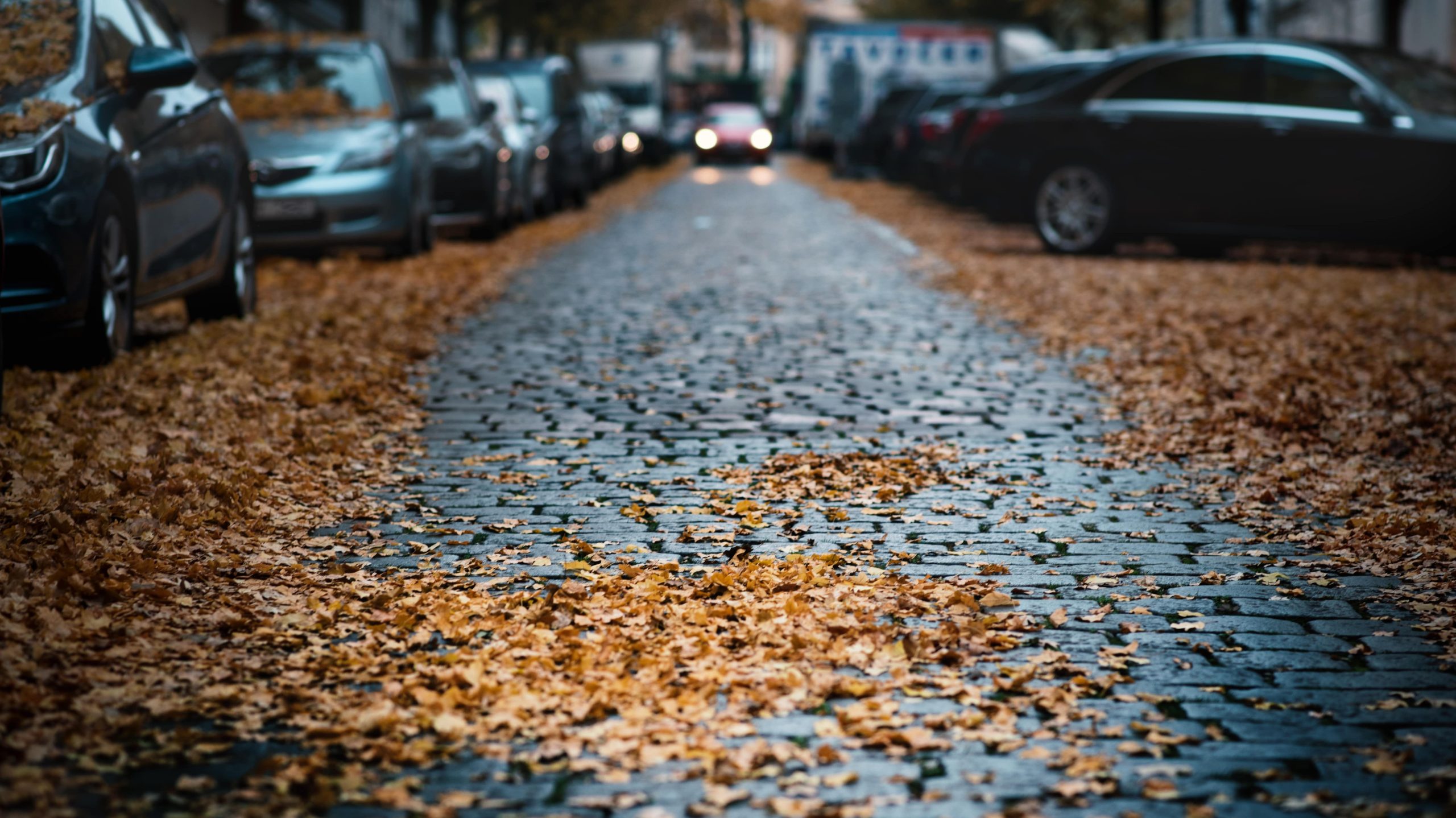
Can Falling Autumn Leaves Damage My Car?

In most parts of the country, fall’s arrival means cooler temperatures, cozy sweaters, and toasty bonfires. Autumn trees also drop scores of colorful falling leaves that blanket nature’s canvas to produce breathtaking landscapes.

As a result, many drivers spend their crisp fall weekends cruising through the countryside while taking in those beautiful, leaf-covered surroundings. Unfortunately, autumn’s seemingly harmless leaves can also cause costly damage to your vehicle in many ways, starting with these. 

The Paint 

Falling leaves contain sap and pollen that can damage your paint’s finish. When leaves get wet, the acid that’s inside can start leaching onto your car’s finish, penetrate the clear coat, and then leave behind imprints and peeling paint.

When trapped behind trim and molding, those damp leaves can even promote rust formation. Many frustrated drivers brush pesky leaves off their car’s exterior, which causes permanent micro-abrasions in the paint that noticeable later.

Accidents

Roadways covered in wet slippery leaves can cause your vehicle to hydroplane when you try to brake. When roads are blanketed in leaves it’s also much harder to see potholes, tree limbs and pavement markings.

All these leaf-related road hazards increase your likelihood of being involved in an accident that will require some damage repairs at your local body shop.

Engine Performance

When leaves get trapped between the body and hood, the little pieces can clog your car’s air filter and reduce engine performance. As your vehicle’s heating and A/C system also suck in small pieces of leaf debris it can cause problems, like a heater that doesn’t work when you need it most.

Rotting leaves can also produce mold and mildew that grow inside your cabin air filter, resulting in air that’s smelly and unhealthy for you and your passengers to breathe.

Water Leaks

Decomposing leaves and dirt can team up to clog the drain holes that normally allow water to clear underneath your vehicle’s windshield.

When those plugged drain holes are combined with worn seals around your windshield’s glass, water can start dripping onto the footwells inside your passenger compartment.

Eventually, that accumulating moisture can cause costly damages to your car’s interior.

How to Protect Your Vehicle from Leaves

Here are some reliable strategies for protecting your vehicle from leaf-related damage:  

  • Don’t park under trees. Try to avoid parking under any tree that might drop large quantities of sap-containing leaves on your vehicle before you return. 
  • Hose leaves off. Instead of using your hand or a broom, gently and promptly hose off any leaves that stick to your car’s painted surfaces with water.
  • Brake cautiously. When driving on leaf-covered roads, always brake cautiously. Also, make sure that your tires have adequate tread for stopping on damp surfaces and give fellow leaf watchers plenty of room when following them in wooded areas.   
  • Get your windshield checked. If you suspect that your windshield has clogged drain holes and leaky seals, take it to an auto glass repair shop where they can professionally clean out the drain holes and replace the seals. 
  • Remove engine leaf debris. Pop the hood and then use an air compressor or high-powered vacuum to remove leaf debris from around the engine. When your car is at the shop for routine maintenance, politely ask the technician to remove clumps of leaves from inside the engine compartment. 
  • Wash and wax your care. When washing your car always get the undercarriage too, along with nooks and crannies. Apply a coat of high-quality wax in the early fall to help protect the paint from leaves.

Promptly Find Leaf-Related Damage Repairs Here!

When your ride’s been damaged because of leaves, promptly take it to one of the auto body or glass repair shops featured in the nationwide Carwise referral network.

All shops listed on Carwise are I-CAR and ASE certified, which means they have the necessary services, highly trained technicians and the latest equipment to restore your vehicle like new again promptly and reliably.

Search your zip code now for a customer-reviewed auto body or glass repair shop nearby: www.carwise.com

Read More

How Should I Get My Car Ready for College?

Another school year is right around the corner, which means millions of college students will soon be loading up their cars and heading off to campuses all across the country. As a student, before doing so it’s important to make sure that your ride’s “road ready”. If you’re the parent or guardian of a college-bound student, they may need some maintenance advice to prepare their car for those long commutes and cold-weather starts. Either way, getting a car ready for college should go more smoothly than a P.E. midterm when using these tips from the pros.      

Check Under the Hood

First, pop the hood and check:

Fluid levels

Using the owner’s manual as a guide, check the fluid levels for the engine oil, coolant, transmission, brake and power steering systems. If low, top off the fluids only with products that are in accordance with the manufacturer’s specifications.    

For fluid leaks

Look under the vehicle and on the engine for fluid leaks. If you see any, the color should help indicate its location and source. High-mileage cars tend to leak a little oil, so don’t panic if that’s the case. Instead, make sure you know how to check the oil level and add more when it’s low.

Your battery

Test the battery with a voltmeter and replace it if it’s old or defective. Then, clean any corrosion off the battery terminals, check the wires and make sure all connections are tight.

belts and hoses

Inspect the engine’s hoses and drive belt for excessive wear-and-tear, and have any worn-out parts replaced.   

Tires and Brakes

Inspect the tread depth of all your tires and look for uneven tread wear or nails. Make sure the spare tire is aired up and that there are tire tools and a jack in the trunk. Check each tire’s pressure with a gauge to ensure they’re inflated based on the manufacturer’s recommendations.

Drive the car around, apply the brakes and listen for any strange sounds. Does the vehicle brake smoothly and in a straight line without any play or grab in the brake pedal? If you detect any problems with the brakes, promptly get them inspected by a mechanic.

Lights

This is a two-person job, as one of you needs to sit in the passenger seat and switch on the headlights, turn signals and emergency flashers while the other person walks around the vehicle to see if they’re working. Test the high and low-beam headlights, and then the brake lights by having one of you push on the brake pedal while the other stands behind the car. If found, replace any burnt-out bulbs with new ones.

Other Car Care Tips  

Once you’ve completed the other steps, here are a few more maintenance items to check off your list:

Windshield wipers

Test the wipers to make sure they work without streaking the windshield. If the old blades are worn, get some high-quality, all-season replacements.

Emergency kit

All college-bound drivers need to carry an emergency kit with roadside flares, a flashlight and batteries, jumper cables, kitty litter (for traction), bottled water and non-perishable snacks.  

Detail it inside and out

Not only will this make your ride look great, but it will also protect the finish and upholstery from things like road salt, food spills, the sun’s UV rays, and moisture. If you don’t want to detail it yourself, most auto body shops will for a fee.  

Find car services near your school

Some universities offer free roadside assistance to students with vehicle problems that occur on or near campus. But you will still need the contact information for reliable auto repair shops in the area.

Find Reliable Collision Repairs for College Students Here  

Even well-maintained vehicles can be involved in traffic accidents. When one damages your ride, bring it to an auto body or glass repair shop featured in the nationwide Carwise referral network. All shops listed on Carwise are I-CAR and ASE-certified, which means they have the highly trained technicians, equipment and services needed to repair your vehicle like new again promptly and reliably.

Search your zip code now for a customer-reviewed auto body or glass repair shop nearby: www.carwise.com

Read More