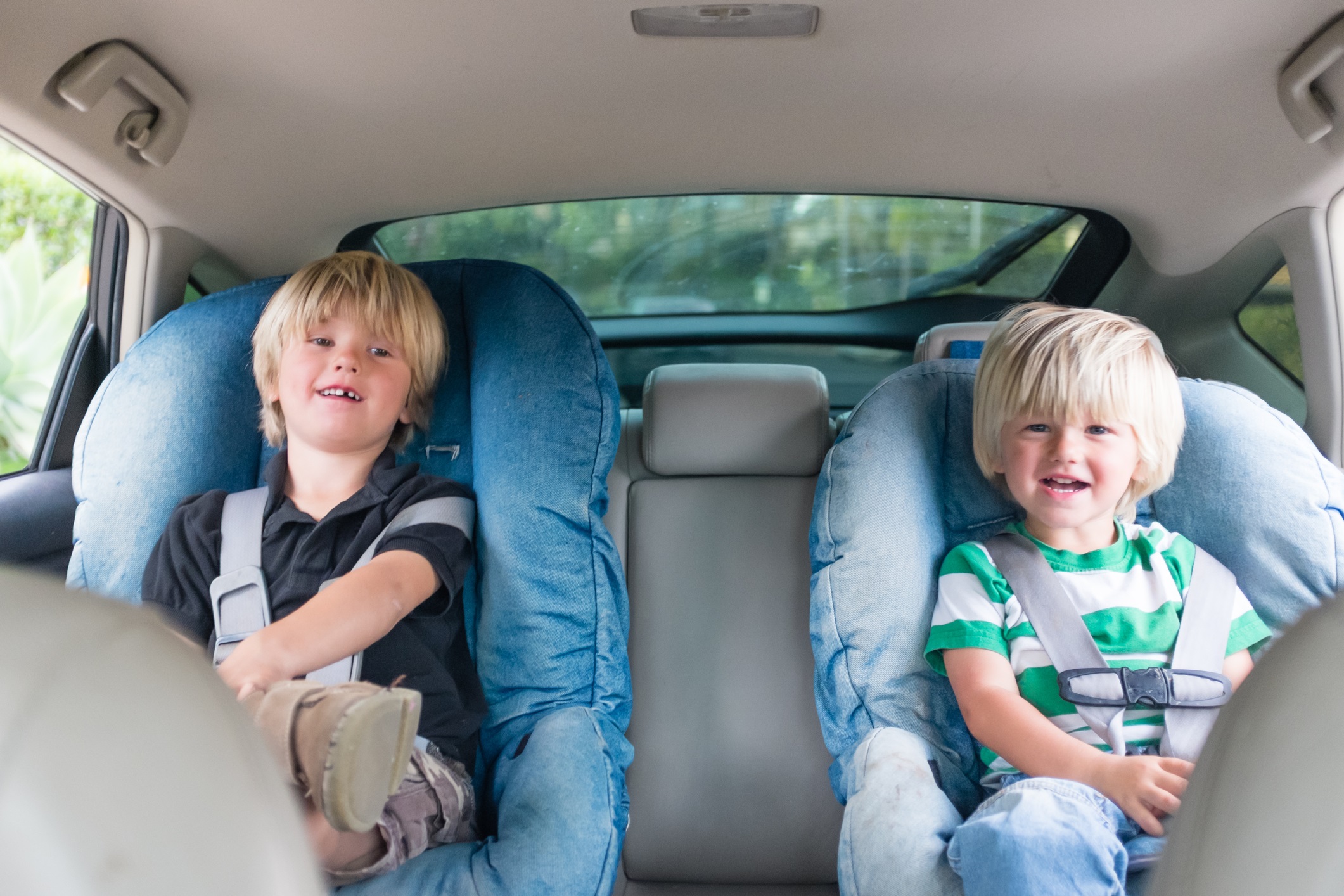
How Can I Entertain My Kids on Summer Road Trips?

If your family is like most, sometime this summer you’ll be embarking on a long road trip with several energetic children in tow. And, since most kids don’t like to be confined for hours, you’ll probably hear constant refrains of: “Are we almost there yet?” coming from the back seat. As a parent, keeping your kids entertained in the car, while also ensuring your safety and sanity, takes some resourcefulness. Fortunately, it is possible when you use these creative summer road trip entertainment ideas from your friends at Carwise.

Minimize “Screen-Time”

Although your first instinct will be to load a movie on Susie’s tablet, or put a new Gameboy in Johnny’s hands, it’ll be more memorable for you all to minimize the “screen-time” and stow away the electronic devices. After all, you probably didn’t have any of those high-tech gizmos when you were a kid, and you turned out just fine. Because summer road trips are a rite-of-passage for most families, find some other ways to keep your kids entertained. Who knows? They might even pass them down to their kids.

With that said, here are some fun ways to keep everyone’s attention focused on something other than that endless traffic jam you seem to be stuck in:

License Plate Lingo

This game is simple, good for a few laughs and lets participants use their imaginations. License Plate Lingo is played by taking turns coming up with a meaning for letters on certain car license plates. For example, “OBE” might stand for “onion-biting elephant”, or “ostriches buy eggs”. You can even make it a contest with a “prize” for the person who comes up with the most creative acronym.

The Celebrity Game

The Celebrity Game starts by having one family member think of the first and last names of a real celebrity, famous historical figure or movie character. After sharing it with the group, the next player must then come up with a different personality whose first name begins with the first letter of the previous character’s last name. So, if player one chooses “Abraham Lincoln”, player two could go with “LeBron James”, and so forth.

The Quiet Game

A favorite of parents everywhere, The Quiet Game challenges competitors to be the quietest for the longest. Whoever speaks is out, and the other participants continue in silence until there’s a winner.

Animal Spotting

Hold a contest to see who can spot the most different types of animals during the trip. Any creature that walks or flies is fair game, like deer, livestock and birds. Pick someone to write down each player’s findings, and then award a prize to the one who’s compiled the largest list when arriving at your destination.

I-Spy

Around for generations, this game is still a favorite with road travelers today. To get started, one participant secretly picks an object inside the car and uses a verbal clue like “I spy something green”, or “I spy something that’s shiny and red”. The first person who correctly guesses what the object is gets to choose the next item of interest.

Books

As a great substitute for electronic gadgets, books on topics that interest your kids will keep their minds engaged for hours. As a side benefit, reading a book might even make them want to nap! Before hitting the road, hit the local library first and have the kids pick out some books that they’ll eagerly anticipate reading in the car.

Pipe Cleaners

Hand the kids a bag of colorful pipe cleaners and watch their creativity go. They’ll stay occupied for hours crafting animals, flowers, letters, unusual shapes and even fake glasses to wear when you stop for a bite to eat.

Reliable Summer Road Trip Accident Repairs Start Here

It’s not uncommon when taking a summer road trip for your ride’s paint job to get a little dinged up, or your windshield tainted. When you need some repairs, promptly locate a better auto body or glass repair shop by using the nationwide Carwise referral network. All shops on Carwise feature I-CAR and ASE-certified technicians with the tools, training and experience to restore your ride like new again promptly and reliably. Most shops speak directly with insurance companies, so you don’t have to, and warranty their work to put your mind at ease.

Search your zip code now for a customer-reviewed auto body or glass repair shop nearby: www.carwise.com.

Read More
Holiday Road Trip

How Can I Get My Car Ready for Summer Road Trips?

Many drivers don’t maintain their vehicles properly during the winter and early spring because it’s cold. But summer’s hot temperatures and dusty conditions can be hard on cars, and notably during those much-anticipated vacation road trips. And, you certainly don’t want to get stranded on the steamy roadside with your overheated kids in tow. The key to getting your vehicle ready for summertime driving is preventing mechanical breakdowns in advance. Before heading out on your exciting road trip, use these summer driving car maintenance tips from the pros.

Summer Road Conditions are Hard on Engines

Here are some of the ways that summer’s hot, dry weather and congested road conditions can wreak havoc upon your vehicle’s mechanical components:

  • Accelerates tire, hose and drive belt aging
  • Strains your cooling system and A/C to the limit  
  • Stop-and-go driving is hard on the engine, transmission and brakes
  • Dust and dirt can clog your engine’s filters and reduce performance  

Do These Before Hitting the Road

Fortunately, there are several preventative measures you can take to help ensure a more seamless summertime travel experience, starting with these:  

Check the Tires

If you put winter tires on your car, make sure to swap them out for a good all-season tire with enough tread to get you safely through those summer rainstorms. Every 10-degree F rise in air temperature increases tire pressure by one PSI. Improperly inflated tires can overheat on long trips and cause blowouts. Check your tire pressure at least weekly and rotate your tires every 5,000 miles.   

Test the A/C  

Since you probably don’t use the A/C much during the winter or spring, run it for a little while to make sure it blows out cold air. Are there any strange noises or odors? If you notice anything unusual, the system may need to be cleaned or recharged, or it could have a leak. To give you peace-of-mind, have it inspected by a pro.

Look Under the Hood

Most drivers don’t check under the hood when it’s chilly outside. Now that it’s warmer, pop the hood when the engine’s cold and look over the:

  • Battery. Is there corrosion around the posts? If so, clean it off with an old toothbrush and baking soda. Check it again a few weeks later. If the corrosion is back, it could be signaling a more serious issue. If so, you may want to replace the battery.
  • Oil. Check your oil level and top it off with the specified summer grade found in your owner’s manual. If it hasn’t been replaced for 3500 miles (conventional oil) or 5000 miles (synthetic), get an oil change. Remember that oil filters can also clog up faster during dusty summertime conditions.
  • Coolant. Check your coolant’s level and appearance in the overflow reservoir. It should be clear and not cloudy, and if you need to top it off use a 50/50 mixture that’s specified for your vehicle’s make and model. If your coolant hasn’t been changed for over 5 years or 100,000 miles, a flush-and-fill is probably a good idea.
  • Brakes. These should be inspected by a mechanic at recommended intervals found in your owner’s manual, or sooner if you notice unusual grabbing, vibrating, noises or longer stopping distances.
  • Belts, clamps and hoses. Visually inspection your engine’s drive belts, clamps and hoses. If anything looks worn or frayed, take it to a mechanic and have them checked out.

Lights

Inspect all lights and replace burned out bulbs. Also, periodically clean dirt and splattered bugs from the lenses using a soft rag and glass cleaner.

Windshield Wipers

If your old blades are leaving streaks behind when it rains, it’s time for a new pair. Do so before it gets hot, and remember to also top off your wiper fluid.

Your Summertime Cure for Road Trip Damage

Even when keeping your vehicle well maintained, car accidents happen. Flying rock chips, the sun’s UV rays, hailstorms and construction zones can also take a toll on your car’s paint job. When you need some summer repairs, promptly take you vehicle to a nationwide auto body shop featured in the Carwise referral network. I-CAR and ASE-certified technicians there have the experience, equipment and know-how to restore your ride like new again promptly and reliably.

Search your zip code now for a customer-reviewed auto body or glass repair shop nearby: www.carwise.com.   

Read More

5 Signs of Spring that Can Also Damage Your Car’s Paint

For millions of drivers in cold weather states, the long-awaited sights and sounds of spring have finally arrived, like colorful flowers, chirping birds and warmer temperatures. On the other hand, springtime also ushers in several damaging forces that target your car’s once-pristine paint job. Protecting your car’s finish from these sinister forces starts with knowing what you’re up against. To help you better prepare, here are 5 common signs of spring that you need to watch out for.   

  1. Bird Droppings

As our feathered friends become more active in the spring, they start bombarding vehicles with their droppings. Those droppings contain seed and berry residues that can quickly discolor your car’s paint, along with uric acid that can eat through the clear coat finish. If that’s not enough, the sun’s powerful rays can also bake bird droppings into the finish.

Left on the paint’s surface, it’s a corrosive combination that can leave ugly stains on your prized vehicle that are very hard to remove. To protect your paint from bird droppings, car care experts recommend promptly wiping them off with a damp cloth.

  1. Pollen

Anyone with springtime allergies knows when the air is full of pollen. Not only do they make your eyes water and nose run, abrasive pollen particles can scratch your car’s paint. Because they’re so tiny, pollen particles can also infiltrate the small pores found in your paint’s finish and then release acid.

If this happens on a large enough scale, that acid can cause irreversible staining, fading and oxidation. The best way to prevent pollen damage is to give your car a thorough washing with soapy water; as soap acts to block the acid’s activation.  

  1. Flying Pavement Debris  

If your state receives a lot of snow, road plows and salt team up to leave lots of loose pavement debris in the spring. Those jagged projectiles get picked up by tires on moving vehicles, and then catapulted into your bumper and hood. The resulting paint chips not only look bad, they can also cause paint flaking and even serious body corrosion.

To help ensure that doesn’t happen, when a rock chip appears promptly touch it up with matching auto paint from the dealership. Be sure to first carefully clean all dirt and old wax from the area so the paint adheres to the metal. If there are several chips and the resulting DIY touch up paint job looks tacky, you can have what’s called “flatting and polishing” done at a local auto body shop to get the finish smooth again.

  1. Tree Sap

As trees awaken in the spring, they tend to drip sap. When that sticky substance lands on your parked car, it can get baked in by the sun’s rays, crystalize into the painted surface, and then leave an ugly rough patch behind. Because of its chemical makeup, even fresh tree sap cannot be removed by simply washing the area.

Instead, promptly clean off the sap with rubbing alcohol by spraying it on with a clean bottle, and then wiping it off using a soft microfiber cloth.    

  1. Bug Splatters

Spring also brings flying bugs that get splattered on the front of your car. Bug juices contain acids that can quickly erode your car’s paint, especially when the splatters get baked in by the sun. To help ensure that doesn’t happen, experts recommend lathering up the bug guts as soon as possible with a soap and water mixture, and then rinsing them off.

If you drive frequently, you can even Scotchguard the front of your vehicle for added protection. Once you’ve waited too long and the bug stains are visible in the paint, you may have to take your car to a pro to get them out.  

Promptly Locate Auto Body Paint Experts Nearby  

When your car’s paint job needs some professional TLC, take it to a nearby auto body shop featured in the nationwide Carwise referral network. I-CAR and ASE-certified technicians there have the training, equipment and experience to restore your ride’s factory paint job like new again promptly and reliably. If you need some accident repairs, most collision repair shops in the Carwise network speak directly with insurance companies, so you don’t have to, and warranty their outcomes to restore your peace-of-mind.

Search your zip code now for a customer-reviewed auto body or glass repair shop nearby: www.carwise.com.
Read More

5 Driving Navigation Apps that Help You Avoid Travel Delays

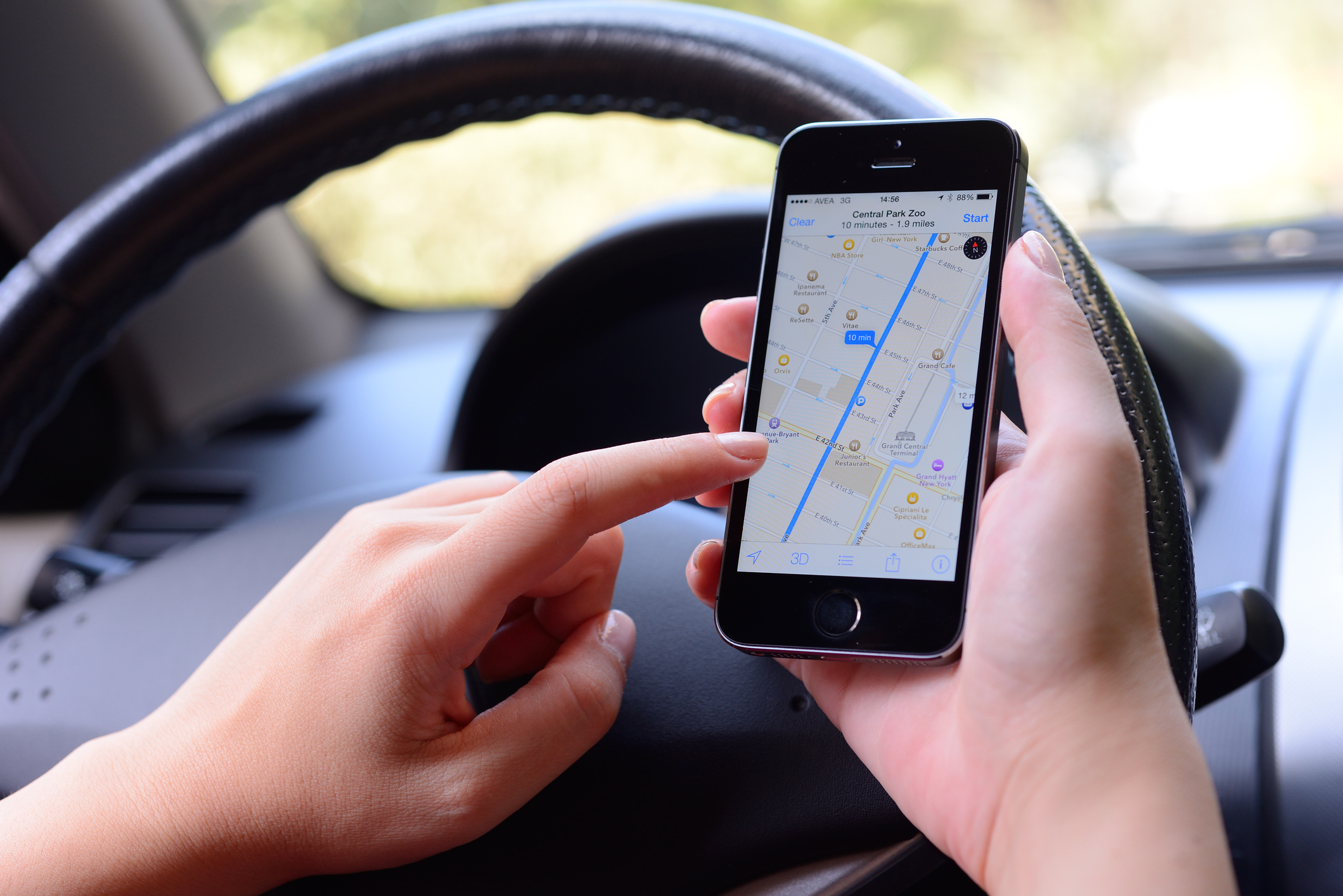
When you were a kid your parents probably used folding road maps to navigate on long car trips. In addition to being cumbersome to use, those maps couldn’t alert drivers about closed roads or impending traffic backups. Being late and getting lost was common, and many drivers dreamed of a day when travel delays would be easier to avoid. Fortunately, that time has now come, as there are several driving navigation apps available that simplify getting around. Here are 5 of the better ones.  

Apple Maps

Every iPhone now comes with Apple Maps built into it, which makes it the default system when tapping on map links inside other opened apps. The nice thing about Apple Maps is that it works flawlessly in the screen’s background, and that it can continue providing you with updates even on your Lock screen.

Although older versions of Maps did sometimes lead drivers astray, the newer iOS 10 has a complete redesign with Hooked apps right into Maps which can further be integrated with Siri for voice-aided travel assistance. And, with or without Siri’s reassuring voice, you can even book a reservation or request a ride directly through the Maps app.

Google Maps

Because Google’s the largest and most-detailed search engine in the world, Google Maps is also one of the best apps for showing various routes to the same destination, complete with an ETA for each. Google Maps affords those traveling by car, foot, bicycle, or public transit voice-guided, turn-by-turn navigation instructions, including the locations of nearby businesses and attractions. As of 2019, all these GPS-enhanced Google Maps features are now easily accessible by travelers in hundreds of countries worldwide.  

MAPS.ME

Available in the App Store, MAPS.ME was developed by My.com and is completely free of charge. So far MAPS.ME has been very positively embraced by users because it features highly reliable and detailed maps complete with turn-by-turn navigation instructions. It also shows the locations for points of interest, like restaurants and historic sites, which can be bookmarked and shared later with others via social media or text message.

And finally, MAPS.ME also allows you to book hotel reservations through Booking.com, which makes this navigation app the perfect traveling companion!  

Sygic

Boasting over 50 million users, Sygic is an offline GPS navigation app with several unique user-

friendly tools. To get started, a traveler needs to install and run the Sygic app on their mobile device. After doing so, they’ll be asked to download maps specific to their location, including detailed versions provided by TomTom for many parts of the world. Some of the interesting Sygic features available to drivers, hikers, and other travelers include:

  • 2D and 3D maps of Australia, Africa, India, North and South America, Russia, New Zealand, the Middle East, and other global destinations
  • Alternative travels paths when one’s current path is congested
  • Live status reports on police activity, car accidents, and more
  • Real-time updates on the shortest routes to a specific destination
  • A locator for gas stations offering special promotions and discounts
  • It stills works when a user’s mobile data or WiFi connection has stopped working

Waze

Waze is a powerful, community-based GPS navigation smart app that allows users to share traffic updates for roads they’re traveling on with other drivers, along with informative details about local attractions and businesses. It’s very effective at helping drivers avoid congested or closed roads, while providing the shortest alternative routes available. Status updates that Waze shares include impending travel delays like accidents, speed traps and construction zones. To use Waze, you’ll simply need to activate the data connection and GPS on your mobile device.

Find Nearby Auto Body Shops Using the Carwise App

Although these navigation apps help drivers arrive more safely at their destinations, accidents can still happen. When you’re involved in one, the Carwise app can help you locate a customer-reviewed auto body or glass repair shop nearby in minutes by simply searching your zip code. All the shops featured in the nationwide Carwise network employ I-CAR and ASE-certified technicians with the training, equipment and experience to restore your vehicle like new again promptly and reliably.  

Search your zip code now for a customer-reviewed auto body or glass repair shop nearby: www.carwise.com.
Read More

How Can I Protect My Car from Road Salt Damage?

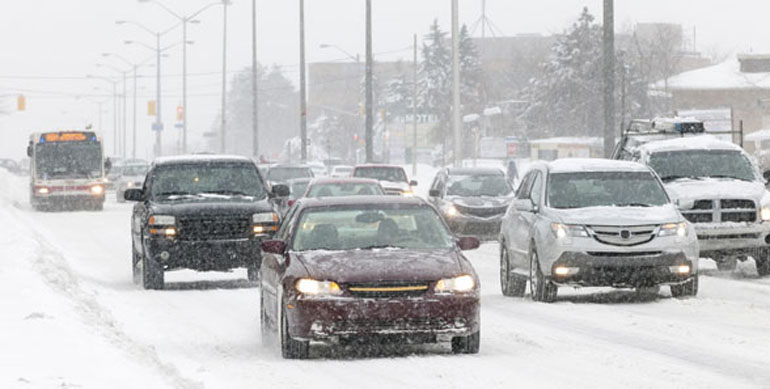
If you drive in an area where snow and ice are common, then you’re also familiar with the road salt that DOT crews put down to help ensure safer commutes. Road salt is the raw material from which our table salt comes, and its bluish gray color is due to the various impurities it contains. When spread on roads, salt melts ice and snow particles by raising their water temperature above the freezing point. And although road salt does keep drivers safer, its chemicals can be quite harmful to your car’s surfaces when they’re exposed to it.   

Road Salt Targets These Vehicle Areas

There are numerous nooks and crannies found around your vehicle where road salt particles can hide from view, and later inflict damage when you least expect it. Once in place, those tiny pulverized particles begin to dissolve, releasing sodium and chloride through a process that’s accelerated by warmer temperatures and moisture. Here are some of the many ways that road salt’s chemicals can harm your car:  

The undercarriage

This is the underside of your vehicle that you rarely see. Salt imbedded within metal undercarriage structures, like the exhaust system, axles, and coil springs, can rapidly speed up the corrosive process that causes rust. A rusted undercarriage can be very expensive to repair, and if you live in a state that requires annual safety inspections, excessive rust can cause your vehicle to fail.

Your paint

Salt targets your beautiful paint job by weakening its protective coatings, which then allows moisture to invade and start corroding the metal that lies beneath. The longer the salt is left on your paint’s surface, the greater the likelihood that rust can form. Paint chips and cracks are inviting areas for salt’s chemicals to infiltrate paint layers.   

Wheels

Your wheels aren’t painted like your car body is, which leaves them highly susceptible to rust formation that’s facilitated by road salt, warmer temps, and moisture.  

The interior

Salt-filled snow and ice sticks to the soles of your shoes and then gets ground into cloth floor mat and upholstery material found inside your car’s cabin. Abrasive salt particles speed up wear-and-tear to the upholstery, while creating unsightly stains that are very difficult to remove.  

Preventing Road Salt Damage

If you drive in a cold weather state, the key to protecting your vehicle from salt lies in being proactive long before the first snowfall arrives. To protect its exterior all winter long, car care professionals recommend these steps:

  • Wash your car, including the undercarriage, every 2 weeks during the winter months, or immediately after a snowfall. However, experts advise not washing it until temperatures rise above freezing.
  • Wax your car with a high-quality product every 3 months during the year, and apply a ceramic coating for added paint protection. A good ceramic coat should last for several years.
  • Promptly touch up paint chips larger than a pinpoint to help stop corrosion.
  • Avoid driving through mud puddles or standing water where salt has accumulated.
  • Try to keep your distance when following snow plows, salt trucks and semis, as they can splatter large amounts of salt-filled water all over your vehicle.    

Use these steps to protect your car’s interior from salt:

  • Vacuum out your car frequently during winter months, especially after you’ve tracked in a lot of salt.
  • Apply professional detailing products to your vehicle’s upholstery to create a protective barrier against moisture, dirt and salt.

Quickly Locate Road Salt Damage Experts Nearby   

Protecting your car from road salt damage can be hard, and once unsightly rust begins to appear on your vehicle, it lowers its curb appeal and resale value. Don’t allow damaging rust to ruin your ride. Instead, keep it protected all year long by taking it to a nearby auto body shop featured in the nationwide Carwise referral network. Rust prevention experts there have the professional detailing products, services, and advice you need to keep your car protected.  

Search your zip code now for a customer-reviewed auto body or glass repair shop nearby: www.carwise.com.
Read More

Why Is My Car’s Paint Peeling?

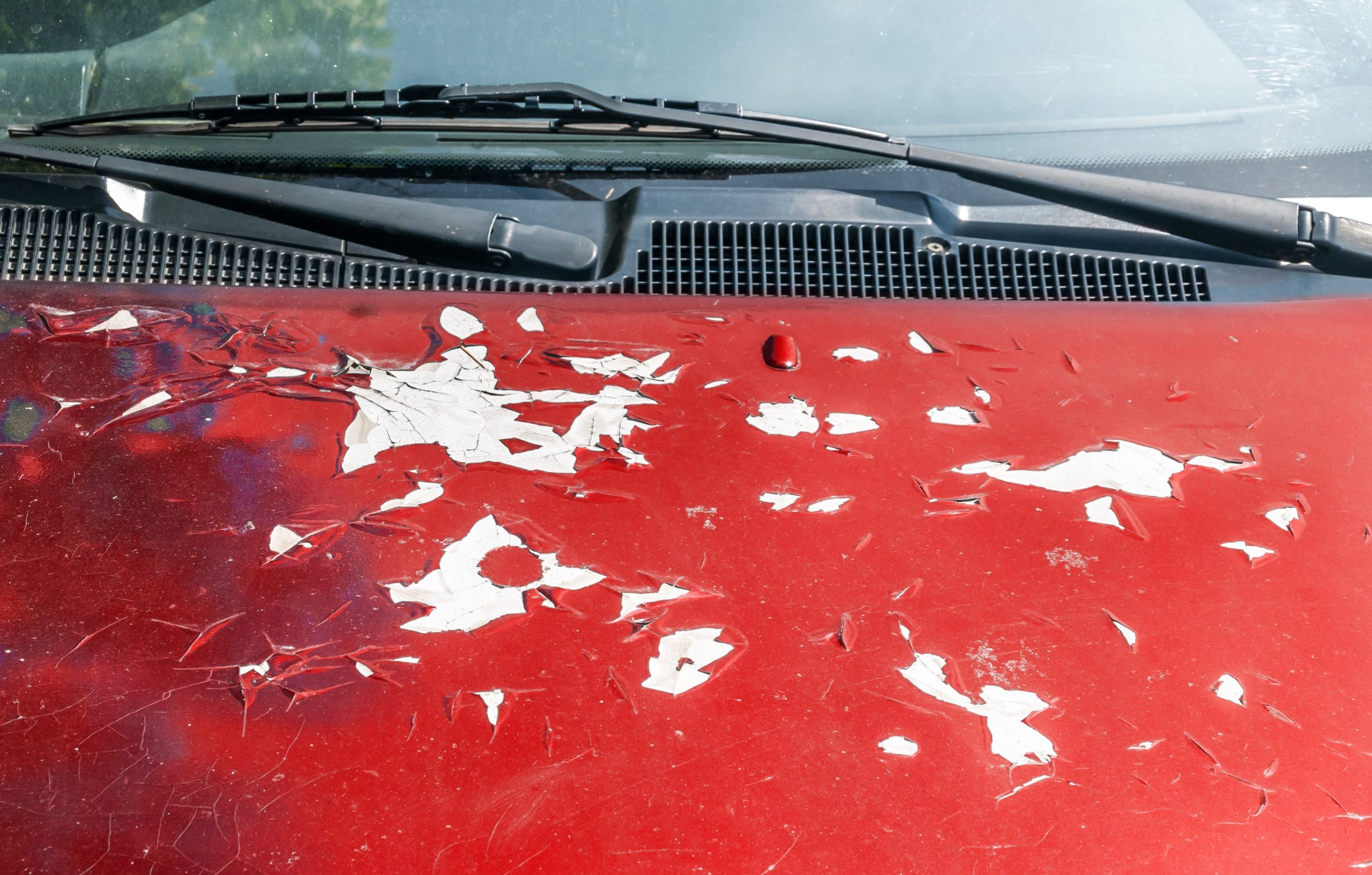
You take much pride in your car’s appearance, and wash, wax and detail it faithfully. In fact, you even picked up some touch-up paint, and have been applying it to rock chips and scratches when they appear. But recently you’ve noticed some small areas on the front bumper and hood where the paint is starting to peel, and you’re concerned. Even when keeping a car’s painted surfaces detailed, certain factors can commonly cause paint peeling, or “delamination”. Left unchecked, delamination will ultimately decrease your vehicle’s curb appeal and resale value.

Your Car’s Finish Has Many Layers

Today’s vehicles have glossy finishes created by many layers of coatings, including:

  • Primer. The primer serves as a base layer for the paint, assists with paint adhesion, and provides a reliable surface for additional coats; all while protecting the underlying metal.
  • Base coat. Several layers of automotive paint are meticulously applied at the factory to give the base coat its unique coloration and look.  
  • Clear coat. This final layer provides a hard shell that protects the paint over the years from oxidation (causes rust), minor chips and scratches, and other environmental forces; while preserving the appearance of the original factory paint job.  

What Causes Paint Delamination?  

Delamination occurs when one or more of the aforementioned-layers stop binding to the surface below it. For example, the primer stops adhering to the bare metal. Eventually, this lack of required adhesion can cause small circles of paint flaking, and later for even larger areas of paint to start peeling off. Once that happens, you’ve got a problem. The two main culprits that initiate this paint-peeling cascade are:

  • An improperly prepared paint surface

This typically occurs during a DIY paint application, or when the original factory paint job wasn’t done correctly. If you own a vehicle manufactured in the late 1980s to mid-1990s, Chrysler, Ford and General Motors (GM) all experienced production-related issues that caused their vehicles to prematurely experience paint delamination. Improperly prepared body panel surfaces can compromise adhesion, starting with the primer layer.

  • A compromised paint seal  

The second major cause of paint peeling is when the clear coat, base coat, and primer seal all get compromised by a deep rock chip, ding, or scratch. Once that occurs, moisture, road salt, and other contaminants begin working their way through the coatings, starting the delamination process. Even a small chip in the clear coat can facilitate serious paint peeling when the area is exposed to additional external forces like high-pressure washing or direct sunlight.  

In addition to noticeable peeling on your paint’s surface, rust can also start forming on the underlying metal, and eventually weaken its structural integrity. And, the presence of paint peeling and rust most definitely lower your vehicle’s curb appeal and resale value!  

Can Peeling Paint Areas be Repaired?

No matter how careful you are, paint peeling is possible on any vehicle- notably if it’s older and/or spends a lot of time in direct sunlight. When you first start noticing delamination, there are some things to consider when it comes to repairing it. To make the best repair decision, consider the following:     

  • Is the peeled area deep? A compromised clear coat layer is one thing, but when the paint beneath starts peeling badly, that’s a more serious problem. Once that happens, you’ll need to promptly have the affected area repainted.
  • How widespread is the peeling? If the peeling is confined to just a small, coin-sized area, it can easily be spot repainted. But if there are several delamination areas located around the vehicle, your best bet is to have the whole body redone so that it matches.  
  • Is the entire body at-risk for peeling? Again, keep in mind that your car may have received a faulty factory paint job which will be apparent over the whole body after a while. Was it made in the early 1980s to mid-1990s by one of the “Big 3” U.S. automakers? Has it been repainted by a DIYer that may not have done the job correctly? If either scenario is true, you may want to have the entire body repainted by a pro before it gets worse.

Paint Restoring Experts are Only a Click Away

When your car’s exterior is experiencing unsightly paint peeling issues, take it to a nearby auto body shop featured within the nationwide Carwise network. Whether it’s just a small touch-up that’s needed or a complete repainting job, technicians there have the right facilities, application methods, and expertise to promptly, affordable, and reliably restore your vehicle’s finish back to its original factory condition.

Search your zip code now for a customer-reviewed auto body or glass repair shop nearby: www.carwise.com

Read More
4 Hidden Problems Caused by Rear-End Collisions - Carwise Blog

Protecting Your Car From Parking Lot Accidents

You’ve just finished some Holiday shopping at the mall, and are backing out of the parking space with your next destination already fresh in your mind. Bam! Another driver smacks into your car’s right rear quarter panel, jolting you back to reality. What happened? According to the National Safety Council (NSC), one-in-five car accidents every year take place in parking lots or parking garages. Over 60,000 people are injured in those mishaps, many of them pedestrians, and 500 people die as a result. But why are parking lot accidents so common, and what can we all do to avoid them? Here’s what auto insurance industry experts have to say.  

Parking Lot Accident Causes

When backing out of a parking space, are you also talking on the phone? Are you singing along with the radio while pulling into a spot? Distracted drivers, like in most other driving situations, are the number one cause of parking lot mishaps. Other reasons why parking lots are unusually hazardous include:

  • Presence of pedestrians, notably at night
  • Drivers going too fast
  • Poor field-of-vision due to parked vehicles
  • Bad lighting and drivers not using their headlights
  • Piles of scooped snow in the wintertime  
  • Impaired drivers or pedestrians due to alcohol or drugs

All drivers probably experience at least some, if not all, of these accident-contributing factors. Now let’s investigate how we can make parking lots a safer place to be.

Slow Down and Be Extra Cautious

Although it’s simply common sense, many drivers don’t take the necessary precautions when driving in parking lots, starting with slowing down. You should drive at school-zone speeds while operating a vehicle in any parking area, including garages, and take a few extra seconds checking all your mirrors, backup camera, and blind spots before backing out of a space. That’s all notably important to avoid hitting a young child who may have wandered behind your car. And finally, turn on your headlights even during daylight hours.

Embrace Your Vehicle’s Safety Technology

Newer cars and trucks have some amazing onboard safety technology to assist drivers. What better place to put these innovative features to work than in a crowded parking lot? To avoid runaway shopping carts, running children and other vehicles, use these onboard systems to guide you:

  • Rearview backup camera
  • Radar and ultrasonic warnings that beep when an object is detected
  • Cross traffic alert sensors that trigger warnings, or even apply the brakes automatically, when another vehicle is approaching or too close

Parking Lot Logistics

How many times have you driven around a lot for several minutes and the only open spot is next to someone who parked crooked? You know how frustrating that can be, along with the fact there could be a fresh ding adorning your door when you return from shopping. Don’t be that inconsiderate driver. Pull straight into parking spaces, while centering your vehicle between the yellow lines. In addition to that form of parking courtesy, use these lot logistic tips to protect you and your vehicle:

  • Look for a pull-through spot, so you won’t have to back out later
  • Park far away from other vehicles if possible. Walking is good for you anyway, and it’ll reduce the odds of your car getting hit by another driver, or dinged by a stray door. But on the flipside, as a pedestrian watch for drivers who aren’t watching for you.
  • Keep an eye out for stray carts, especially on windy days. They can do several hundred dollars of body damage to your car if they get a good rolling start.

Find Reliable Parking Lot Accident Repairs Nearby

Even when taking all these parking lot accident precautions, mishaps happen. If you’re involved in one, take your vehicle right away to one of the 19,000+ auto body and glass repair shops featured in the nationwide Carwise referral network. Technicians there have the equipment, know-how and experience to restore your damaged vehicle like new again promptly and reliably.

Search your zip code now for a customer-reviewed auto body or glass repair shop nearby: www.carwise.com.

Read More

5 Simple Car Maintenance Tips for Winter

Most drivers across the U.S. will face challenging wintertime driving conditions, including extreme cold, snow and ice. As a result, their cars need to be up to the challenge, especially with lengthy Holiday road trips just around the corner. Making sure that your vehicle is “winter-ready” only takes a few minutes, and can be a difference maker if you get caught in a nasty blizzard, or your car sits outside overnight in the bitter cold. To help ensure that you arrive at your destination safely, check off these 5 simple winter car maintenance tips first.

Antifreeze

Also known as your engine’s summertime “coolant”, the antifreeze in most newer cars is designed to last up to 5 years or 150K miles, so consult your owner’s manual for details. But if you drive an older vehicle that hasn’t had the antifreeze serviced for years, you may want to have a “flush-and-fill” done at a car care shop, or dealership, to ensure the engine components don’t freeze up. They will also inspect your radiator and hoses, and check the antifreeze level in your overflow reservoir.    

Battery

Cold weather starts are harder on your battery than warm weather ones. That means that if your battery was giving you trouble during the summer, it’s more likely to fail you when temps drop below freezing. Most good batteries last up to 5 years, but if you have doubts it’s best to have someone run a voltage test on it. If it isn’t holding much of a charge, replace it with a new battery before you get surprised one cold morning, or after some Holiday shopping. Your battery’s terminals (+ and -) also need to be corrosion-free to ensure reliable starts.

See and Be Seen

During the winter, you’ll probably be spending more commuting time behind the wheel when the sun’s not out. As a result, make sure that all your car’s lights are in working order, especially the headlights. Other vision inhibitors, like snow and ice, also need to be addressed so that you can see other vehicles. Increase visibility by taking these precautions:

  • Cold weather washer fluid. Add washer fluid to your reservoir that contains antifreeze to keep it from icing up on your windshield, or not coming out at all.
  • Wiper blades. Replace your worn blades with ones designed to effectively remove ice and snow without streaking or coming apart. 
  • Brush and scraper. Always carry a sturdy brush and scraper in your vehicle, and take time to clean off all windows after it snows to give you a clear field-of-vision.
  • Window deicer. It’s not a bad idea to purchase a can or spray bottle of window deicer. If your vehicle still requires a key to open, invest in some lock deicer too.

Survival Kit

Okay, this is more about your maintenance than that of your vehicle. Pack a winter survival kit for your car, notably if you’re about to leave on a long trip when snow is forecast. The last thing you want to happen, especially when you have kids in tow, is getting stranded empty-handed on the highway for several hours in a blinding snowstorm. You need to carry a survival kit that includes these items:

  • Warm blankets
  • Flashlight and extra batteries
  • Jumper cables (Should always carry a set)
  • Survival knife
  • First-aid kit
  • Bottled water
  • 12-volt port-compatible cellphone charger

Tires and Tire Pressure

Many vehicles today are 4-wheel drive, all-wheel drive, or equipped with anti-skid features. That’s great, but your tires still need to grip what’s underneath them. If you aren’t going with full-blown winter tires, make sure that your car has a reliable set of all-season ones with adequate tread. If you don’t know what that looks like, take your vehicle to a tire shop and they’ll inspect them. Also, your tires lose one pound of pressure per every 10 degrees Fahrenheit drop in temperature. Underinflated tires can’t grip the road properly. Make sure you check your tire pressure regularly during the wintertime, notably before embarking on a long trip.

Wintertime Accident Repair Experts Stand Ready

Even when taking all these driving precautions, wintertime accidents occur. When your vehicle has been involved in one, bring it to a better auto body shop in your area that’s part of the Carwise referral network. Technicians there have the training, equipment and experience to restore your vehicle like new again and get you back on the road promptly and reliably.

Search your zip code now for a customer-reviewed auto body or glass repair shop nearby: www.carwise.com.
Read More

Why is My Car’s Paint Chipping?

Your car’s paint not only makes it look nice but also protects the body from nasty weather and other external factors, some of which can cause oxidation (rust). You’ve had your vehicle for several years now and recently noticed some paint chips on the front of the hood that have got you worried. You wonder under your breath how that could have happened as you find another chipped and bubbled area on one of the quarter panels. There are several sinister forces that can cause your paint to start chipping. What follows are some of the more common ones.

Accidents

Were you involved in a fender-bender recently? Accidents between two vehicles are the most obvious ways to damage a car’s paint. Then there’s that careless motorist opening their car door into yours, or times when you get distracted and bump into a concrete barrier or metal pole. Whenever your car’s paint sustains blunt force, it can cause damage to the underlying layers above-and-beyond what’s noticeable on the surface.  

Environmental Forces  

There are times when your car is exposed to moisture in the form of dirty rain, sleet, snow and ice that can damage paint. Other potentially paint-damaging environmental forces that your vehicle encounters include:

  • Sun’s UV rays
  • Bird droppings
  • Dirt, dust and pollen
  • Fallen berries or leaves
  • Road salt  
  • Splattered bugs
  • Temperature changes (More on this later)

Harsh Chemicals

Many commercially sold car cleaners and soaps contain harsh chemicals, and although they’re great at getting bug splatters, tar, and road grime off your car’s finish, they’re not very “paint-friendly”. In addition to removing the dirt and debris, they can also take off the top layer of paint, and weaken the underlying layers just enough to promote chipping. Always read the label before using any cleansers or soaps to detail your car’s finish.  

Paint Job Itself

In the past, durable lead-based automotive paints were used by manufacturers and body shops. Today’s cars are painted with more eco-friendly water-based paints that don’t hold up as well as their predecessors did. Although better for the environment, water-based paints are notoriously more vulnerable to accident impacts and environmental forces. Shoddy DIY paint jobs can also leave a vehicle more susceptible to chips and cracks.

Road Debris

How many times have you been driving behind a gravel truck that hits a bump and then watched as small rocks bounced off your hood? And, what about those dust-choked, summer road construction zones? In addition to rocks and dust, other forms of flying road debris that can cause paint chipping include broken glass, pieces of loose concrete, metal car parts, chunks of tire rubber, sand and road salt.    

Sharp Objects

Have you ever accidentally hit your car with the jagged metal corner of a ladder or heavy tool? In addition to those owner-induced examples, many vehicles each year experience random acts of vandalism involving keys, razors, knives and scissors. The resulting scratches compromise the paint’s hard protective shell, exposing the more vulnerable lower layers to chipping.

Temperature Fluctuations

Your car’s paint expands and contracts in response to air temperature changes, and rapid oscillations between heat and cold affect it the most. For example, if you go from sub-zero winter temperatures through a heated car wash, and then back out into the bitter cold, your car’s paint shell quickly shrinks and grows in response. Intense heat can also cause paint bubbling.

How Can I Protect My Paint?

There are several ways to help protect your car’s paint from cracking, notably when you live in places with drastic temperature fluctuations. These are some of the better methods to use:

  • Park your car out of direct sunlight
  • Wash your car frequently using mild soaps and cleaners
  • Immediately remove bug splotches, bird droppings, leaves and berry stains
  • Keep it garaged or use a car cover
  • Wax it annually with a professional detailing product
  • Only take it through “touchless” car washes

Find an Auto Body Paint Expert Nearby

When your car’s once-beautiful paint job has been marred by unsightly cracking, take it to a reliable auto body shop in your neighborhood that’s in the Carwise network. Certified technicians there have the training, experience and equipment to restore your car’s paint like-new again, promptly and affordable. Reliable collision repair shops warranty their work for your protection, and if the paint was damaged from an accident or act of vandalism, most work directly with insurance companies so you don’t have to.

Search your zip code now for a customer-reviewed auto body or glass repair shop nearby: www.carwise.com.
Read More

How Should I Get My Car Ready to Sell?

There are many reasons why people sell their cars, including financial hardships, moving to another state, or just simply wanting to buy a newer one.  And when you’ve decided to sell a car on your own, there are several ways to do so. While getting it prepared, the key is to make your vehicle stand out to potential buyers as much as possible, while showing them its exceptional value in comparison to others.  Naturally, many shoppers are skeptical of personal sales, so first you’ll need to put their minds at ease. To get your vehicle ready, there are several reliable steps you can take to make the entire process more productive and profitable. What follows are some of the better ones.   

Get It Checked Out

Most smart used car shoppers will get a vehicle inspected first if they’re interested, so make sure yours is up to the challenge by having a trusted mechanic give it a “once-over” beforehand.  Ask them to check all these components:

  • Engine and transmission
  • Brakes
  • Tires
  • Steering and suspension
  • Fluid levels
  • Coolant, hoses and radiator
  • Lights
  • Oil and filter
  • Wipers
  • Sound system
  • Battery, electrical system, power equipment and safety features


If repairs or part replacements are needed, it’s better to get those done before advertising your vehicle.  If you don’t, be honest and up front with prospective buyers about any leaking fluids, costly potential repairs, or funny noises.   

Know Its History

Be prepared to present all facts about your vehicle’s history to potential buyers.  The more you know, the more an interested party will trust you. Have available the following information about your car, including written documentation whenever possible:  

  • Title (If you own it outright) and any salvage records or liens  
  • Maintenance records including all oil changes and repairs
  • Any accidents and auto body work
  • Mileage
  • Number of owners including yourself
  • Warranties and whether they’re transferable
  • Any flood or fire damage
  • Carfax or AutoCheck report

Have the Paperwork Ready    

In addition to the above, you’ll also need to have at your fingertips these documents:

  • Copy of the Kelly Blue Book (www.kbb.com) resale value report    
  • State and local inspection records (emissions, safety, etc.)
  • Owner’s manual
  • Bill-of-sale for the potential transaction  

Don’t Forget the Detail(s)   

Clean your vehicle completely, inside and out.  Wash and then wax the exterior after removing all bug splotches, road grime and dirt.  Additionally, take these extra detailing steps to ensure your vehicle’s appearance will stand out from the rest:   

  • Clean out all cup holders
  • Not only vacuum the floor mats, but also shampoo or even replace them
  • Clean off the motor using a commercial engine cleaner
  • Wash the windows inside and out
  • Shine up the tires and rims
  • Touch up anybody scratches and chips with auto body paint
  • Clean the upholstery (leather, cloth, vinyl, etc.) with detailing products  

A clean car will give a buyer the impression that it’s been cared for.  If you don’t have time to DIY, take it to a local body shop and pay for a professional detailing.  A freshly detailed vehicle could net you a few hundred extra bucks when the transaction is through.  If you have some serious dents or dings, consider taking it to a collision repair shop to get those fixed too.    

Snap Some Pics

Before advertising your car or truck, you’ll need some pictures.  The more you have, the more informed a shopper will be when comparing yours to similar ones.  Take a few dozen high-quality snapshots from various angles, while capturing the following:

  • Interior and exterior
  • Seats front and back
  • Trunk, storage compartment or bed
  • Engine
  • Instrument cluster showing the odometer reading
  • Door and steering wheel controls
  • Moonroof if you have one
  • Stereo and display

Experts Nearby Can Help Get It Ready!   

When it’s time to sell your vehicle, take it to a nearby auto body shop first.  They have the reliable services you need to help get it ready, from professional interior and exterior detailing, to expert dent, ding and scratch body repairs.  In the end, paying a pro to help get your used vehicle ready for sale should result in a high return-on-investment when the transaction is through- which means more money in your pocket!  To search your zip code now for a better customer-reviewed collision repair shop in your area, visit: www.carwise.com!  

Read More