Does Auto Detailing Increase My Car’s Value? blog header

Why Does My Car’s Finish Have Swirl Marks?

You just spent several hours hand-washing, waxing and buffing your car, and now you’ve stepped back to admire your handiwork.  But as the sunlight reflects off its finish, you notice some unsightly swirl marks on the hood. Moving in closer, you discover more “spider web” patterns on the trunk, door panels and fenders.  Suddenly you feel a knot forming in your stomach. Take heart in the fact you’re not alone, as swirl marks can be found on most vehicles, even newer ones, and are more noticeable on darker finishes.  And unfortunately, they are not totally preventable. But what causes swirl marks, and is there any way to remove them? The answers to those questions may surprise you.

Causes of Swirl Marks

Swirl marks are actually microscopic scratches in the clear coat of your car’s finish that can form in any pattern; not just a circular one.  Believe it or not, the most common source of swirl marks is hand-drying your vehicle with a towel that’s too abrasive. Even using a soft microfiber towel or chamois won’t guarantee that you’ll avoid swirl marks if they contain dust or dirt.  Other causes of swirl marks include:

  • Car washing.  Scratches oftentimes result when you don’t rinse your sponge often enough, go through an automated car wash that uses brushes and cloth wipers, and even when using a dirty wash mitt.  
  • Buffing.  Buffing or polishing your vehicle’s finish with the wrong type of pad can leave swirl marks.  
  • Waxing.  Some commercial waxes, notably the old carnauba pastes, are hard to apply and buff out, and that results in too much pressure on your car’s clear coat finish.  
  • Dusting.  Cheaper car dusters simply drag the dust and dirt around on the surface, leaving scratches.  And, using a common bath towel to dust off your car is simply asking for trouble.
  • Car covers.  These help protect your car from the elements, but if one is applied to a freshly-washed vehicle that’s been driven at all there could be dust and dirt trapped on the paint’s surface.  As the cover moves around, like from a brisk wind or human re-positioning, debris can rub against the finish, leaving scratches.
  • Paint cleaners and polishes.  Some of these products contain harsh compounds that cause scratches when you’re rubbing them on the paint.  
  • Detailing wipes.  Beware of commercially-available cleaning products that tout their “spray-and-wipe” capabilities without using water and soap.  In many instances, you are just swirling dirt all over the clear coat, leaving marks behind.

Swirl Mark Prevention

As was mentioned earlier, swirl marks cannot be totally prevented.  But the good news is there are some car washing and drying precautions you can take to reduce the likelihood of scratches occurring, such as:

  • Use a high-quality, clean wash mitt and mild soap on your car.  Fill two buckets prior to washing, with one containing soapy water and the second just water.  
  • Before washing, gently rinse all surfaces to remove heavier dirt and debris.
  • Dip your wash mitt into the soapy water, and then wash an area using a circular motion.  Then, rinse off the mitt in the bucket containing only water. Repeat this method on each new area of the car as you move around it.  
  • Rinse off your soapy car using as little water pressure as possible.  This works best by first removing the hose nozzle, and never use a power washer!    
  • As you’re drying off your car, a good rule-of-thumb is the less force, the better.  Only dry it off with a top-quality, clean microfiber cloth. Body shop pros also recommend using a cordless leaf blower to dry off the finish, as that will safely remove most of the water.  

Expert Swirl Mark Removal Near You

Even when taking all these precautions, swirl marks can still mar your car’s finish.  At that point, the only proven way to remove them is to polish the paint using a non-abrasive buffer pad and polishing compound.  Although you can try it yourself, in most cases it probably won’t look professional afterward. If you’re looking for some expert swirl mark removal, take your car to a collision repair shop instead and they’ll get your car’s finish restored like-new again promptly and reliably.  Technicians there have the professional products, equipment and experience to remove swirl marks from your vehicle’s exterior, while also restoring your peace-of-mind! Why drive around any longer in a vehicle with unattractive swirl marks? To search your zip code now for a better auto body shop in your area, visit: www.carwise.com.  

Read More

What Should I Do About My Cracked Windshield?

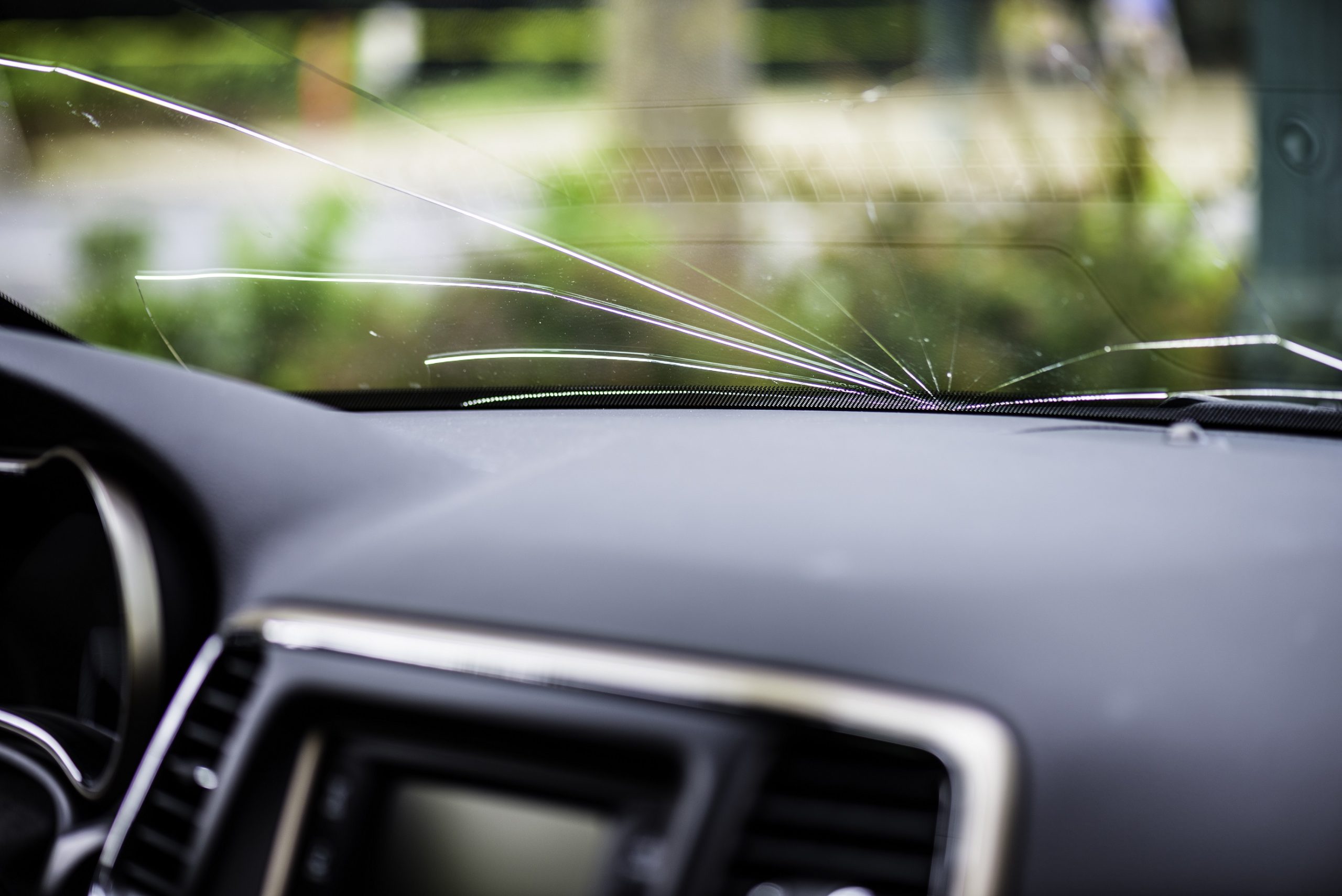
You’re casually driving down the road one day behind a gravel truck, and… thwack!  A good-sized rock smacks your windshield, instantly causing an ugly crack. Outside of car accidents, flying rocks and metal debris are the main culprits when it comes to windshield cracks.  What should you do? If you choose to ignore the windshield crack, oftentimes seasonal temperature changes will make it worse. Moisture and dirt invading the cracked glass can also cause it to spread.  Windshield cracks become dangerous once they’re large enough to interfere with your field-of-vision, and in many states, you can be ticketed if a cop deems your cracked windshield to be unsafe. Additionally, there are several hidden reasons why driving around with a cracked windshield simply isn’t wise.  


Cracked Windshield Dangers

In addition to impeding your ability to see the road, a cracked windshield carries these unseen dangers; some of which are potentially life-threatening:  


  • Greater likelihood of rollover accident injury.  Cracked glass becomes weakened structurally, and during a rollover accident, your vehicle’s roof is more likely to collapse if the windshield doesn’t hold up to the weight as it was intended to.  


  • Higher front-end collision danger risk.  Intact windshields are designed to transfer the force of a frontal collision down into the chassis, which lessens the impact you and your passengers feel.  Cracked glass can also shatter more easily during a front-end accident, fly around the passenger compartment, and cause injuries.


  • Increased risk of a frontal ejection.  When you aren’t wearing a seat belt, the impact from a front-end accident can forcibly throw you into the windshield.  Uncracked windshield glass is designed to not shatter upon impact, but glass that’s already cracked can give way, allowing an occupant to be thrown through.    


  • Botched airbag deployment.   When a collision triggers an airbag, the windshield serves as the backdrop that directs the inflated bag towards the vehicle occupant(s).  A cracked windshield is less-likely to hold up to the force, possibly resulting in an ineffective airbag deployment leading to more serious injuries, or even death.  


Temporary Windshield Fixes

Windshields with cracks of any size need to be repaired or replaced as soon as possible.  Many auto insurance policies cover glass repairs because insurers understand their safety benefits.  And when you’re ready, most glass repair shops offer on-site services for your convenience. But do-it-yourself (DIY) windshield replacements are never wise for several reasons.  When you’re in the process of scheduling a professional repair or replacement, there are some temporary measures you can take to help keep the crack from spreading, such as:


  • Super glue or nail polish.  After wiping the area with a clean, dry cloth, apply some super glue or nail polish over the crack to keep out dirt and moisture.  


  • Protect the glass.  Park in the shade when it’s hot, like in a covered area such as a garage or carport whenever possible to protect your windshield from water and direct sunlight.  


  • Try a windshield repair kit.  If you’re handy and the crack is very small, or it’s only a chip, auto parts stores sell resin-containing glass repair kits you can try.  In many cases, DIY repairs don’t hold up like those done by a pro, and the crack later spreads anyway.

Should I repair or Replace  the windshield

Chips and cracks in a windshield or vehicle windows are some of the more common repairs that send customers into repair shops.  Without proper repair, small scratches, nicks and cracks can easily develop into larger, and ultimately more expensive repairs.  Not to mention the safety concerns that arise when a driver’s vision is impaired by a large crack.  So, if you notice a crack or chip in the glass of your vehicle, we recommend getting the repair done sooner rather than later to avoid more issues down the road.


In the past, having a chipped or cracked windshield meant that you would certainly need to have it replaced. However, modern-day auto glass repair makes windshields more repairable depending on the size, location and the severity of the damage. When deciding whether to repair or replace your damaged auto glass, it is helpful to understand the differences between repair and replacement. However, it is best to ask your local auto body and glass repair shop for a professional recommendation. 

Read More
5 Strange Sounds that Could Mean Car Trouble

5 Strange Sounds that Could Mean Car Trouble

You’re cruising across town one warm, sunny day with your window down, and as you approach a red light you bring your car to a stop.  Suddenly, your ears hear some unusual rattling noises coming from somewhere underneath the vehicle.  You immediately turn off the radio, but the strange racket is still there.  A pit forms in your stomach as you imagine what could possibly be wrong with your car.  Is it my engine?  My brakes?  Exhaust?  Knowing the warning sounds of a potentially costly, or even dangerous, vehicle problem is important, and could help save you much trouble later.  To assist your efforts, here are 5 strange noises that could indicate something’s wrong with your car.

Knocking or Pinging

As your engine runs, fuel is ignited inside each cylinder.  A metallic knocking or pinging sound is probably due to an ignition malfunction caused by one or more of the following:

  • Clogged or defective fuel injector
  • Clogged or bad fuel filter
  • Misfiring spark plugs
  • Worn spark plug wires
  • Cracked distributor cap

When you hear a knocking or pinging noise originating from under your hood, it’s best to take it in promptly to a mechanic for a check-up.

“Popping”

There are several engine components that can start making a “popping” sound when something’s gone bad, including:

  • Dirty air filter
  • Spark plugs that are worn or corroded
  • Defective spark plug wires
  • Clogged fuel filter
  • Internal ignition wiring or related ignition issue

A popping sound when your car’s running is simply not good.  Take it to an auto repair shop and have them give it a “once-over”.

Ticking or Clicking

Ticking noises are best left to clocks, and a clicking sound is great when you’re fastening your seatbelt.  But when your car’s making these sounds while running, something’s usually wrong.

Ticking or clicking sounds can mean:

  • Low engine oil
  • Worn fuel injectors
  • Worn out struts
  • Bad pushrods

In this situation try a DIY fix of adding some oil to your engine first.  If the clicking or ticking persists, take it into a shop and let a pro inspect your ride.

Grinding or Rubbing

More-often-than-not, when you hear grinding and rubbing, especially when you’re stopping your vehicle, it’s related to your brakes.  Those sounds usually indicate your brakes pads are completely worn down, and that the metal calipers and rotors are rubbing together every time you apply the brakes.  Besides the obnoxious metallic rubbing sound, other signs of excessive brake wear include:

  • Takes progressively longer to stop your car
  • Brake pedal goes almost down to the floor when braking
  • When you brake the pedal and/or steering wheel vibrate or pulsate

Brakes that are making grinding or rubbing noises are nothing to ignore.  Take your vehicle immediately to an automotive technician and have them inspected.

Rattling Beneath Your Car

This is usually a symptom of a worn exhaust system, as they tend to rust out over time.  Does your car’s engine also sound louder or “throaty” when you accelerate?  If your exhaust system has sprung a leak, the exhaust fumes can filter up into the passenger compartment, and that’s not safe.  Parts found within your exhaust system that may need to be replaced include:

  • Catalytic converter
  • A section of crossover or tailpipe
  • Muffler
  • Brackets and/or gaskets
  • Manifold

Once your exhaust starts to rattle and gets progressively louder, you run the risk of part of it falling off while driving.  So, if you suspect that your exhaust system needs some repairs, take it promptly to a shop that specializes in those repairs.

We’ll Handle Any Accident-Related Noises

When your vehicle starts making the strange sounds listed above, take it to a mechanic and have it inspected.  If you’re involved in an accident, bring it instead to a reliable auto body shop to have those damages repaired by technicians who specialize in accident-related noises.  Pros at a collision repair shop nearby have the training, experience and equipment to restore your vehicle and peace-of-mind, and then get you back on the road promptly and safely.  Most shops warranty their repairs, so if you hear an unusual noise after the work is done, simply bring it back in and they’ll get it resolved.  Most body shops also work directly with insurance companies so you don’t have to.  To search your zip code now for a better auto body shop in your area, visit: www.carwise.com.
Read More
5 Simple Ways to Make Your Car Last Longer

5 Simple Ways to Make Your Car Last Longer

Most of us want our cars to look and run great for as long as possible.  And, keeping your vehicle in tip-top condition, inside and out, also increases its value when it’s time to sell or trade in.  Many drivers understand the importance of routine vehicle maintenance and upkeep like oil changes, tire rotations, replacing worn brake pads, belts and hoses.  But in addition to those, most owners are not aware that there are several other easy ways to help ensure that your car ages well as the miles add up.  Here are 5 of the more simpler ones now.

  1. Lighten Your Load

All vehicles have a maximum carrying capacity that can be found in the owner’s manual.  Exceeding that specified weight limit, notably on long trips, can cause serious damage to your car.  That’s because the more a vehicle weighs, the harder the engine, transmission and brakes have to work.  For example, if you’re towing a heavy trailer cross-country with a subcompact that’s full of passengers, you’re just asking for trouble.

  1. Transmissions Need Love Too

Your car’s transmission consists of hundreds of moving parts that get your vehicle moving, and that takes a lot of force and friction.  Transmission fluid cools and lubricates all those various components.  Changing your transmission fluid and filter at the manufacturer-recommended intervals located in the owner’s manual will keep your vehicle performing smoothly.  A failure to do so can lead to problems like sluggish acceleration, poor shifting, and even a total transmission failure.

  1. Let it Warm Up

Oil serves as the lifeblood of your car’s engine, and when your vehicle’s been sitting for several hours you need to let it circulate first before heading out on the road.  After starting your car, let it idle for at least 30 seconds to allow for the oil pump to do its job, the fluid to warm up, and the motor’s moving parts to lubricate.  Not doing so creates added friction within the engine components, which leads to faster wear times.  Also, get an oil and filter change every 3500 to 4000 miles.  Taking these simple steps will prolong your engine’s lifespan.

  1. “Punch it” Occasionally

Remember when you first learned to drive, and your parents would warn you about having a “lead foot” whenever you accelerated too fast?  Over time today’s engines get carbon buildup which can diminish performance.  Every few hundred miles you need to accelerate your vehicle quickly until the engine revolutions, measured in RPMs, “redline” (usually 6,000 RPMs) on your dash’s tachometer.  This is best done while merging onto an expressway, but never do so unless the engine is fully warmed up.  “Punching” the accelerator occasionally will help prevent carbon gunk from building up in your engine and prolong its life.

  1. Don’t Forget the Details

Your car’s exterior takes a beating year-around from paint-damaging forces like road salt, the sun, bird droppings, bug guts and more.  The interior also gets its share of abuse from dirt, pets, spilled beverages, heat and cold.  As a result, it’s wise to detail your car inside and out several times a year to remove harmful substances and protect all the exposed surfaces.  If you don’t have the time or interest in doing it yourself, there are professional detailers available that will keep your vehicle’s interior and exterior looking new and lasting longer.

Take it to a shop for repairs and upkeep

When your car’s been in even a minor fender bender, you need to have it inspected at a reliable body shop nearby to ensure that it lasts longer.  If there’s been even slight damage to the body, rust can form later.  Even low-impact accidents can compromise your car’s electrical and warning systems, along with your suspension and frame.  It’s also a good idea to have a collision repair shop inspect the engine and other mechanical parts to ensure your safety and restore your peace-of-mind.  Don’t take chances with your vehicle’s future when body shop technicians have the training, equipment and experience to ensure that your car will look and perform better for many years to come.  Most collision repair shops also provide affordable auto detailing services for your convenience.  To search your zip code now for a better auto body shop in your area, visit: www.carwise.com.

Read More
Car Smell - How to Make Your Car Smell Great Again

How to Make Your Car Smell Great Again

There are few things more disgusting than getting in your sealed up car after it’s been sitting all day and it smells like a trash dumpster.  And when you’re driving around passengers that odor’s not only embarrassing, it can make you all feel downright nauseous.  Mold, mildew, cigarette smoke, old food, dirty clothes and pet scents can all insidiously combine to fill your vehicle’s interior with lingering odors that won’t go away no matter how hard you try.  Driving around with the windows down or hanging one of those little pine trees from your rearview mirror might help temporarily, but they won’t get to the root of your odor problems.  What follows are several proven ways to get your car smelling great again using common everyday household items.

Dryer Sheets

That’s right, not only do dryer sheets keep your clothes smelling better, but they can also be used to eliminate car odors.  Simply open a new box of dryer sheets and place it under your front seat to make the cabin air smell refreshed.  For a slower release of the scent, keep the box sealed and punch a couple of holes in its top and sides.

Scented Candles

Who doesn’t love the smell of lit scented candles around their home?  When you’re trying to make your car smell better place a few smaller unlit scented candles underneath the front seats.  Tea light or votive-sized candles work well, and come in hundreds of fragrances for your enjoyment.  Avoid using candles that come in jars, as you won’t be able to smell those.

Baking Soda           

Grab that box of baking soda off your kitchen shelf and generously sprinkle some around the inside of your car.  Get all of the upholstery including the seats, carpeting and floor mats.  Baking soda absorbs odors, including musty cigarette smoke, from all around your car’s interior.  Let the baking soda sit for 3 to 4 hours after applying, and then carefully vacuum it all out to get your car smelling fresh again.

Vinegar and Water

Another household odor eliminator is vinegar and water.  Using a clean spray bottle, mix up a 50/50 solution of white vinegar and water, and then spray down the seats with it, one at a time.  After applying the mixture to the first seat, immediately wipe it down with a lint-free cloth.  Repeat this process for the other seats, and then the dash, carpeting, floor mats, roof liner, and rest of the upholstery.  You may notice a slight vinegar smell for a few days, but when that’s gone the unpleasant odors should be too!

Wash the Floor Mats with Dish Soap

Most drivers remember to vacuum their floor mats when cleaning out the inside of their cars,  but to truly eliminate nasty odors trapped in the material you need to wash the mats with a brush, water and dish soap.  Give your mats a good scrubbing with the soapy water after vacuuming them off first.  Then rinse the mats with water from a garden hose or power washer.  Allow the mats to air-dry by hanging them over a railing or on a clothesline.

Keep Your Car Deodorized   

Once you’ve initially removed the bad odors, in addition to dryer sheets and scented candles, there are other deodorizers that you can use to keep the obnoxious smells from coming back.  Those include:

  • Charcoal’s important when it’s time to grill out, but placing a couple of lumps under the driver or passenger seat of your car also works well as a deodorizer.
  • Orange peels. Eating oranges is healthy for us, and scattering a few orange peels under your front seats will also keep your car smelling healthier too!
  • Ground coffee beans. These act as an effective deodorizer when placed in an old sock, or inside a glass jar with a plastic lid that you’ve poked some holes in.  Then put the sock or jar in your glove box or under one of the front seats.

Get it Detailed at a Local Body Shop

When your car smells like a trash dumpster on the inside it’s no fun for you or your passengers.  If you don’t have time to use the odor-eliminating tips mentioned above, bring it to a local auto body shop instead for some expert interior detailing, and they’ll get it looking and smelling like-new again fast.  Body shop pros have the experience and know-how to get the job done right, while restoring your peace-of-mind.  Could the outside of your vehicle also use some expert detailing?  No problem, as body shops also provide top-quality exterior detailing services that are affordable and dependable.  For more information on the reliable auto detailing services that collision repair shops provide, or to search your zip code for a better auto body shop in your area, visit: www.carwise.com now.

Read More
Sun Damage - Auto Body Repair

How to Protect Your Car from Sun Damage

The sun constantly supplies us with warmth, daylight and renewable energy.  But for anyone that has ventured to the beach on a hot July day, you realize just how quickly the sun’s powerful ultraviolet (UV) rays can burn and dehydrate exposed skin.  Not only are our bodies vulnerable to sun damage, your car’s exterior and interior can also experience drying and accelerated aging from the sun’s rays and resulting heat.  If you’re not careful, your vehicle’s once-prized appearance will be marred by fading, cracking, unsightly spots and other permanent reminders of the sun’s strength.  The good news is that there are several proven ways to protect your car from the sun’s harmful rays.  Let’s take a look at some of the more important ones now.

Protecting Your Car’s Interior    

When your car sits outside on an average summer day, its metal shell absorbs the heat and traps hot air inside like an oven.  That heated air can reach 140 degrees or more.  In addition, materials that comprise your car’s interior, like vinyl, plastic and leather, are all susceptible to direct sunlight and will eventually fade, crack and stain due to the sun’s powerful rays.  To help protect your car’s interior, use these tips:

  • Park in the shade. By parking your car out of the direct sunlight, you’ll keep it from overheating and shield your dash and other trim from its powerful rays.  It’s also a good idea to crack your window open slightly, which will help allow heated air to escape to the outside.
  • Deploy sun panels. Car windows act like a magnifying glass which intensifies the sun’s bleaching effects.  Place sun panels inside your windshield, rear and side windows, and their reflective qualities will keep your car’s interior cooler all day long while blocking the sun’s rays from reaching your dash, seats and other exposed areas.
  • Buy seat covers. Depending on the material, seat covers will protect your leather and fabric seats from the sun while also keeping them much cooler to the touch. 
  • Use protectants and conditioners. Numerous commercial products are available that can be used to clean, revitalize and protect interior components from the sun.  If your seats and trim are leather, use a specified conditioner to keep the material moisturized against cracking and fading.
  • Clean out the inside. Dust, dirt particles and food on your dashboard, seats, trim and carpeting can actually get baked into the material, leading to permanent stains.  To prevent that from happening, vacuum out your vehicle frequently, and then wipe down the inside with a clean microfiber cloth and automotive detailing product.

Ways to Protect Your Car’s Exterior

In addition to road dirt and grime, the summer air contains pollen and other air particles floating around.  Bugs and bird droppings also get splattered on your car’s paint.  When exposed to intense heat, all of these can get baked into the finish and cause permanent stains.  The sun’s UV rays can also discolor your car’s once-glossy finish and trim if it isn’t protected properly.  To keep it looking like new, here are some ways to safeguard your vehicle’s exterior from the sun:

  • Wash it often. Wash the outside of your car with a gentle soap and water often, and any time after it’s rained.  This will remove all of the dirt, dust and other paint-damaging materials.  Dry your car immediately after washing with a soft microfiber cloth before the water droplets evaporate and form spots.
  • Wax your car. Once or twice a year after a thorough washing, wax your car with a high-quality product.  Waxing locks in the paint’s oils, and serves as a barrier against the sun’s UV rays.  However, be careful not to apply wax in direct sunlight.  There are also paint protection film products available that work like waxing, while protecting your finish from the elements year-around.  
  • Keep it shaded. Parking your car in the shade will keep your vehicle’s painted finish from being directly targeted by the sun’s punishing rays.  Keep it garaged, under a carport or other shady spot.  If you leave it under a tree, remember to check it for tree sap or bird droppings later and wash them off promptly when found.

Reliable Body Shops Nearby Know Sun Damage   

There are many ways to protect your car’s interior and exterior from the sun’s powerful UV rays.  Experienced collision repair shop technicians understand the sun’s damaging effects.  And when your vehicle has been marred by the sun, better auto body shops know how to repair the damage, inside and out.  So whether you need a fresh paint job, a cracked dash restored, or even a leather seat cover replaced, a local body shop has the reliable, affordable and prompt services you need.  And if you don’t have time to detail your car like you should, collision repair shops also provide high-quality interior and exterior auto detailing services that’ll help protect your car from the sun all year long.  To search your zip code now for a reliable body shop in your area that understands sun damage prevention and repairs, visit: www.carwise.com now.

Read More
Auto Body Paint

Protecting Your Car’s New Paint After Collision Repairs 

If your car has been at the collision repair shop after an accident, it will likely return to you with newly-repaired surfaces.  Auto body technicians use a meticulous process to ensure that the freshly-painted parts match the rest of your car’s original factory finish.  That involves applying several coats of primer, paint and clear coat, and then the finish is carefully buffed out to give it that like-new glossy appearance.   But when the body work is completed it’s your responsibility to protect your car’s new paint, notably within the first 30 to 90 days.  That’s because the fresh paint needs time to cure and harden.  Not protecting it properly could damage the paint’s finish, leading to noticeable imperfections which the shop will not be liable for.  To keep your car’s finish looking great, use these paint protection tips for at least the first month after the collision repairs are done.

Avoid Commercial Car Washes 

Okay, you’ve had your car out of the shop for a few days and now it’s dirty again.  Your first instinct is the take it through a local car wash to remove the dirt.  Not a good idea, as most commercial car washes use stiff brushes or sponges that can scratch the delicate new finish.  Instead, only wash your car using these recommendations for the first 30 days:

  • Hand-wash your vehicle with cool water and a very mild car wash solution employing a soft cloth or sponge. Avoid using dish soap or laundry detergent.
  • Use only water that’s clean and fresh.
  • Wash your car in the shade and not direct sunlight.
  • Never “dry wipe” your car with a cloth.

In addition to these precautions, avoid waxing or polishing your car for 90 days after a new paint job as that can damage the finish and cause paint discoloration.

No Scraping or Chipping Allowed

Let’s say it’s wintertime when you pick up your car from the body shop and you wake up one morning to find it covered in snow and ice.  Of course you need to scrape off your vehicle’s windows, but that’s as far as it goes.  Don’t use a hard scraper on the new paint job or you’re asking for paint scratches, and that includes chipping ice on the repaired area.  Use a soft brush or your hand instead.  Try pouring warm water on any ice buildup to melt it away.

Chemicals and New Paint are a Bad Mix

If you’re vehicle needs some engine work done right after it’s had body work, be extra careful not to allow automotive solutions or chemicals to come in contact with the finish.  Those include antifreeze, oil, gasoline or transmission fluid.  Even windshield washer solution can harm fresh paint.  If your vehicle is going in for some routine engine maintenance or repair work, point out to the technicians where the repaired areas are, and politely ask them to be extra careful.  Also be cautious when filling up your gas tank at the pump.  When spillage occurs, use a soft wet cloth or dampened sponge (never dry!) to immediately wipe it off.

Steer Clear of Gravel Roads

The next thing to steer clear of when your car has been freshly painted is loose gravel.  Avoid gravel roads as much as possible, along with driving through construction zones.  The new paint’s finish is vulnerable to chips from flying rocks because it hasn’t had enough time to harden into a protective barrier.  Deeper paint chips can even expose your car’s metal to water and promote rust formation.

Reliable Body Shops Share Paint Care Tips

Any collision repair technician worth their salt takes a great deal of pride in their work, and that includes the paint job.  They want you to be pleased with the outcome, and when you pick up your car someone at the body shop should explain how to protect the finish for the first few months after the repairs are completed.  To ensure that your vehicle’s paint looks great for many years to come, carefully follow their instructions.  In addition, you should get your car’s exterior professionally detailed at least once a year, and that’s another service that many body shops offer to their customers.  To search your zip code for a reliable collision repair shop in your area, visit: www.carwise.com now.

Read More
5 Everyday Things that Damage Your Car’s Paint

5 Everyday Things that Damage Your Car’s Paint

When your car first rolled off the assembly line its paint job was immaculate, with a glossy finish comprised of several layers of primer and paint.  If you’ve been in an accident recently that required collision repairs, when you picked it up from the body shop your vehicle’s paint also looked like new.  But unfortunately there are a number of things that cars are exposed to on a daily basis that dull, fade and otherwise damage your once-pristine paint job.  Some are obvious, but others might surprise you and oftentimes strike unexpectedly.  With that in mind, here are 5 everyday things that can damage your car’s paint, along with advice from auto body shop pros on how best to protect your vehicle’s prized finish.

Splattered Bugs

Splattered flying bugs and car fronts just seem to go together, especially during the summer.  Those dead bugs might appear harmless, but they actually can do serious damage to your vehicle’s paint due to their bodies’ acidity.  Not removed immediately, bug body imprints can actually become etched permanently into the top layers.  Experts advise washing them off right away using a bug and tar remover, soft wash cloth and old-fashioned elbow grease.

Bird Droppings

Most of us like watching our feathered friends, but how many of us have had bird droppings bombard our cars?  In addition to being unsightly, bird droppings contain traces of acidic berries and seeds, along with grainy textures that can stain, dull and scratch your paint.  Professional auto detailers recommend promptly using a soft microfiber cloth wetted with spray wash to gently wipe away the droppings while employing a lifting motion to prevent grit-induced scratching.

Coffee and Soda

Have you ever placed a cup of coffee or soda on your car’s roof while in a hurry, and then watched in horror as it tipped over spilling the contents onto your paint’s surface?  Both beverages contain acid that can damage your car’s finish, and colorings that stain when dried.  Those in the know say wipe the spilled liquid off immediately and completely with a soft cloth and then wash the area with soapy water right after.

Sunlight

The sun’s UV rays cause our skin to age prematurely, and have the same effect on vehicle paint finishes.  Dulling and fading can occur if your car spends many hours a day exposed to direct sunlight.  Auto body paint professionals advise that you keep your car garaged, parked in a shady area, or that you use a car cover when possible to prevent sunlight-related damage.

Tree Sap

Have you ever parked your car under a tree only to later notice annoying tree sap splotches on its roof, hood or trunk?  Tree sap contains chemicals that can interact with your car’s painted surface making it not only difficult to clean off, but it also can damage the paint permanently.  Experts say that the best way to remove tree sap is to immediately wipe it off using a soft cloth wetted with an indicated polish or rubbing compound.  Then wash the area several times with soap and water until all traces of the sap are gone.

If Your Car’s Paint Gets Damaged Help is Nearby

Your car’s paint is also vulnerable to other everyday things like rocks, eggs, tar, air pollution, gasoline and human skin.  To safeguard your car’s finish from dulling or fading you should wash it frequently and also wax it at least annually with a high-quality, carnauba-based paste.  Auto body shop professionals know about paint-damaging factors and how to prevent them from ruining your vehicle’s finish.  Most collision repair shops also offer expert painting and detailing services that help your car’s finish look like new all year long.  When you need some reliable paint care tips or auto body painting done, contact a reputable collision repair shop nearby.  To search your zip code for a list of auto body shops near you, visit: www.carwise.com now.

Read More
Vehicle Maintenance

Are Do-It-Yourself Auto Body Repairs Wise?

Your car recently sustained some damage while rear-ended at a traffic light.  The other driver was found to be at fault, and their insurance company cut you a check for the collision repairs.  However, you’ve decided to forgo taking it to an auto body shop, do the work yourself, and pocket most of the insurance money.  But is that really wise?  Even minor car accidents can cause hidden problems that may not present until later.  And, if you’re not experienced at auto body work the results may reflect that.  With this in mind, here are some potential problems with do-it-yourself collision repairs.

Matching Auto Paint Is Difficult

Matching the original paint for even minor scratches on your vehicle is difficult.  Newer cars use formulas that require two or three coats of different colors or special finish treatments to give the paint job its unique look.  Metallic and pearl finishes are very hard to match.  When you’re done, you may end up with dull or faded patches of mismatched paint.  Also, breathing auto body paint fumes, especially those containing Volatile Organic Compounds (VOCs), can be very hazardous to your health.  Body shops use restorative paint finish processes and safety precautions that may be unavailable to you.

Hidden Vehicle Electrical Problems

Even minor fender benders can jar loose hidden electrical wiring connections.  If you don’t have the equipment and expertise to check the electrical systems, you could later experience problems with your lights, battery, stereo, power windows, seats and door locks.  Some of those could take a while to show up, and then cost you a lot of money to diagnose and fix.

Unseen Frame and Alignment Damage

Even low impact car accidents can cause minor frame bending.  It also doesn’t take much to knock a vehicle out of alignment.  Regarding the body’s frame, if it’s even slightly bent it reduces your vehicle’s ability to absorb an impact at any speed.  Bent frames can also interfere with normal airbag deployments during an accident.  Auto body shops have equipment that measures how straight your frame is, and then straightens it if necessary.

When your car is misaligned, it will pull to the right or left while driving.  In addition to poor steering, a vehicle that’s out-of-alignment causes uneven tire tread wear and more frequent tire replacements.  Most do-it-yourselfers don’t have the ability to check their vehicle’s alignment, and will have to spend some out-of-pocket cash to have it aligned properly.

Windshield Replacements Are Tricky

Let’s say you were involved in a front-end impact that cracked the windshield and you’ve decided to replace it yourself.  Windshield replacements aren’t hard, but they can be dangerous if you don’t have the right tools.  For one, a windshield is very heavy and can easily be dropped.  Or, when installing it you could set it into place incorrectly, unknowingly creating a crack that may grow into a larger one later on.  The windshield must also be sealed properly against moisture and wind or you’ll have leaks.  That’s why windshield replacements are best left up to experienced technicians.

Auto Body Shops Nearby Do It Right

When your car needs some collision repair work done, auto body shops in your area stand ready to answer the call.  Afterwards, your car will look better, drive safer and perform as it should.  They have the tools, equipment and expertise to get the job done right.  And, body shops near you have the safe working conditions and waste disposal capabilities that you probably don’t at home.  In fact, do-it-yourself auto body repairs could cost you a lot more in the end when something goes wrong.  To search your zip code for a better collision repair shop near you, visit www.carwise.com now.


Read More
Does Auto Detailing Increase My Car’s Value? blog header

Does Auto Detailing Increase My Car’s Value?

Have you ever noticed how amazingly clean your car is, inside and out, when you pick it up from a collision repair shop?  That’s because body shop technicians know that professional detailing keeps your vehicle looking like new while protecting its interior and exterior.  And, many auto body shops provide in-house car detailing services, including exterior, interior and engine bay.  But will getting your vehicle detailed enhance its worth?  Let’s take a more in-depth look at the three types of detailing, and if they actually increase your car’s value.

Exterior Auto Detailing Restores & Protects

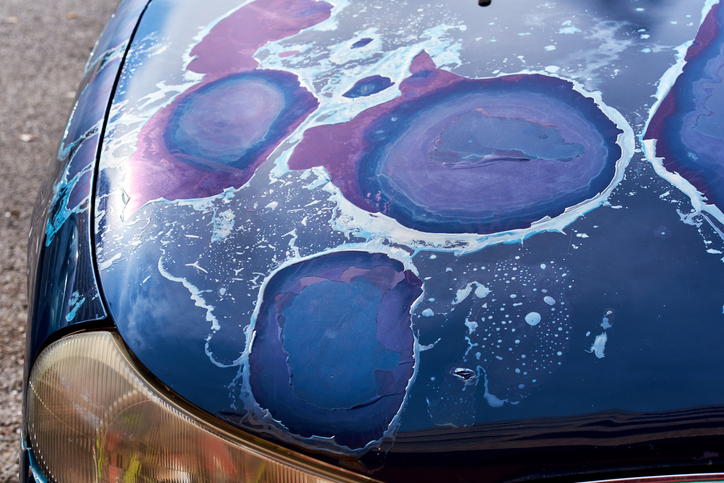
Weather elements and the sun’s UV rays cause your car’s paint to fade and dull.  In addition, your finish experiences scratches, oxidation (rust) and parking lot dings.  Wheel surfaces also get quite dirty, and all these factors can lower your car’s resale value.  To counteract those, professional detailers use these steps to restore and protect car exteriors:

  • Wash and scrub the outside with a deep penetrating brush, including the wheels
  • Dry all surfaces with a soft, microfiber mitt
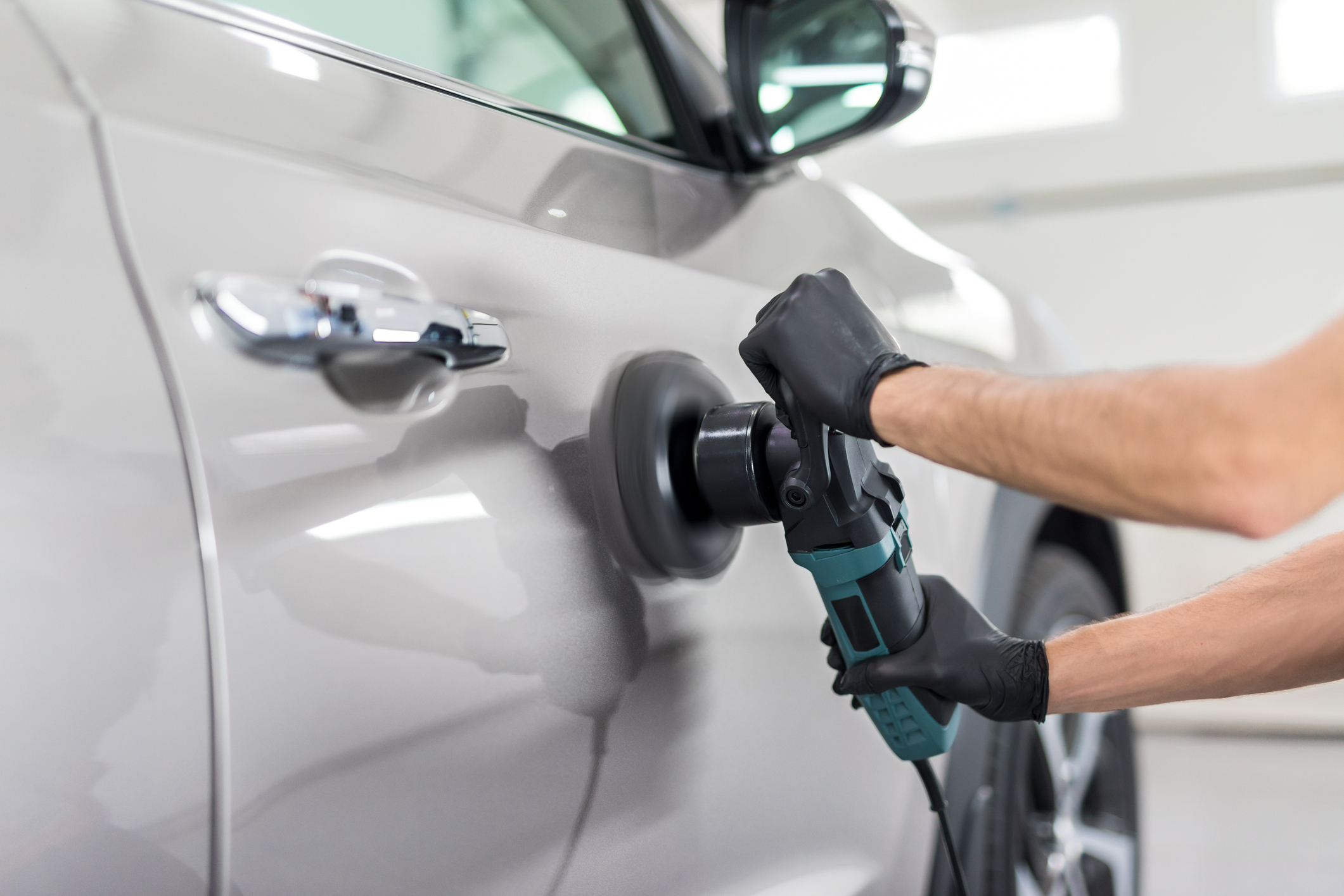
  • Gently polish out light scratches, oxidation & swirl marks
  • Wax the paint, usually with a high-quality, carnauba-based paste product
  • Methodically clean & then apply protective polish to rubber trim areas

Professional detailing products contain UV inhibitors that protect paint while extending its life.  When a car exterior’s finish is restored to its original condition, it’s not only eye-catching, but it also projects an image that the vehicle was well taken care of, inside and out.  In the end, that adds overall value to your car.

Car Interiors Benefit from Detailing

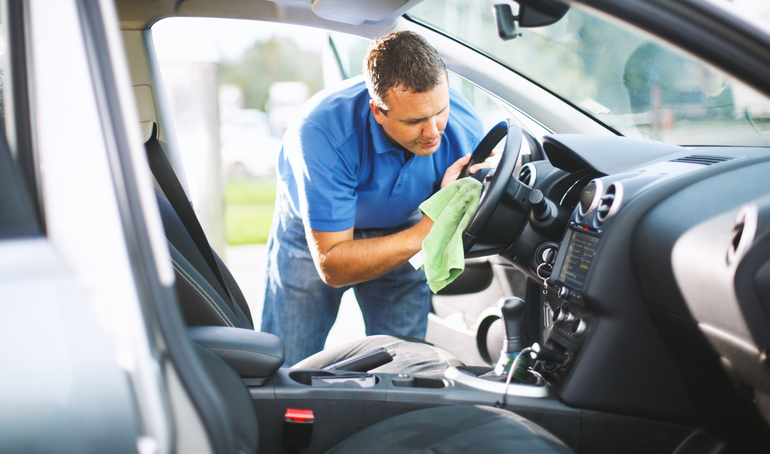
Auto interior carpeting, upholstery, trim and mats are constantly subjected to wear-and-tear, including food and beverage spills, cigarette smoke, mud and pets.  Additionally, the sun’s UV rays can fade your upholstery, trim and dash.  Professional detailers know how to restore the original beauty of leather, fabric and carpeting using various cleaning and sanitizing processes.

First they thoroughly vacuum and shampoo the inside of your car, and then use high-quality, commercial-grade products to clean and protect the seats, trim, and carpeting.  On leather seats and trim, they first deeply scrub the material and then use special conditioners.  All of these detailing tricks prolong your car interior’s life and removes unwanted odors.  As a result, this adds value to your vehicle.

Detailed Engines Boost a Car’s Value

Have you ever popped the hood on a used car that you’re looking at and the engine was spotless?  Seeing a clean motor instills confidence in a potential buyer.  That’s why dealers have their detailers carefully clean the engines as they prep used cars for sale.  And if you’ve had auto body repairs done, notably for a front-end collision, you’ll see a professionally- detailed engine when the work is finished.  That makes you feel more confident in the repairs, right?  When you are selling or trading in your vehicle, the emotional impact is the same.

Mechanics also love to work on vehicles with clean engines, as it allows them to assess and diagnose problems more easily.  Here’s how most detailers clean up grimy car engines:

  • They gently clean off loose dirt with a light water spray
  • Then they wipe down the engine components with a commercial degreaser, and rinse it off again
  • After drying completely, all rubber, silicone and plastic engine components are “dressed” with special protective compounds to prevent cracking

A clean engine compartment will add value to your car by making it more attractive to a potential buyer or when trading it in at a dealership.

Body Shops Near You Provide Auto Detailing

According to used car experts, annual professional detailing can boost the market value of your vehicle by up to 15%, depending upon the make, year and overall condition.  Without question, auto detailing increases your car’s worth, especially when it’s over five years old.  Not only that, but as long as you continue driving it, detailing will protect the finish from the elements and the inside from wear-and-tear.  And, when a mechanic needs to do some repairs, a detailed engine increases the odds that they will be performed correctly the first time!  As was mentioned earlier, most collision repair shops offer professional detailing services.  To search your zip code for one in your area, visit www.carwise.com now.

Read More