When to Consider Paintless Dent Repair

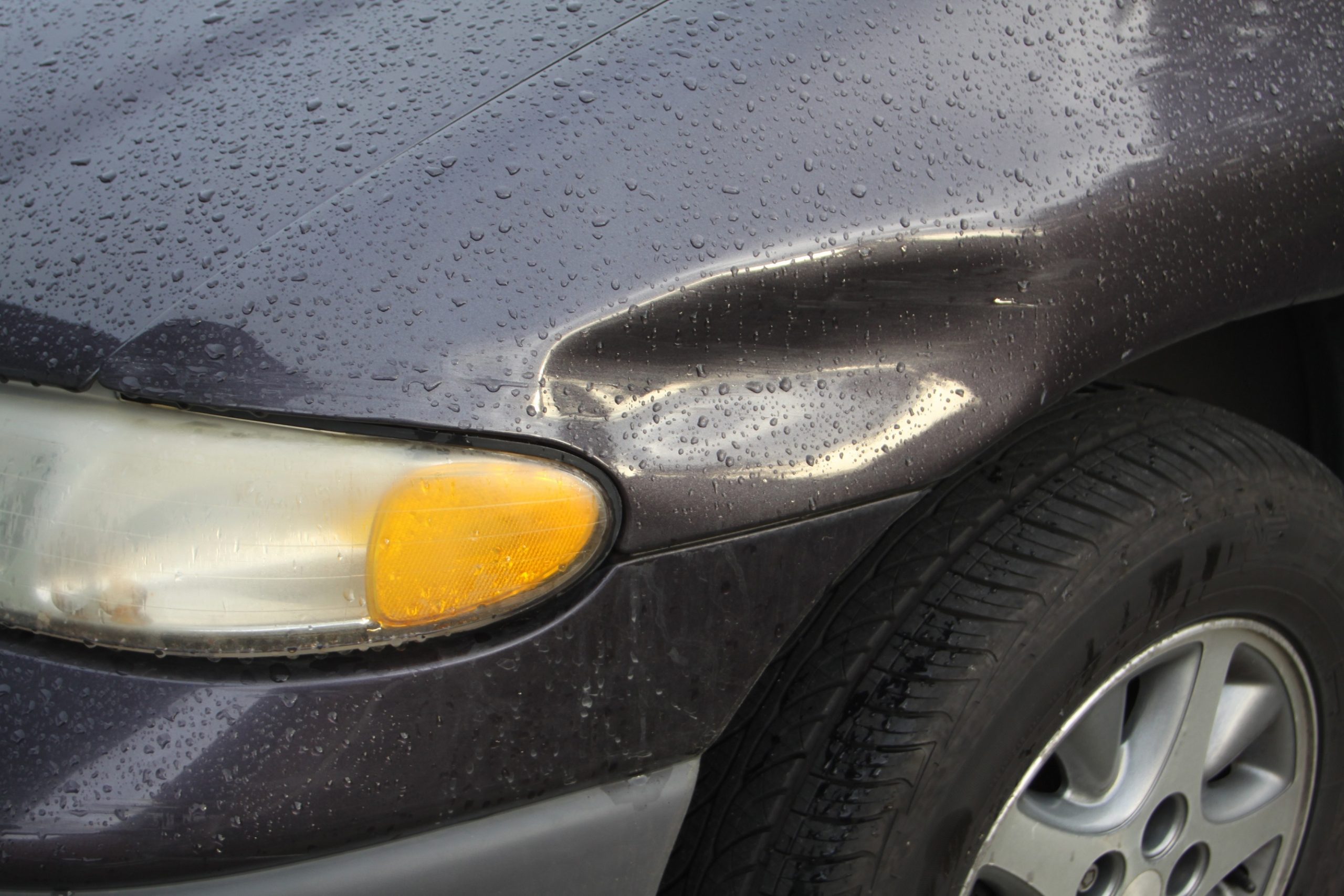
Paintless Dent Repair is a popular and usually more cost-effective alternative to full replacement repairs at auto body shops.  Paintless dent repair, or PDR, is a technique used to remove minor dents and dings from car panels, doors, and roofs while leaving the original paint intact.   To do this, technicians will access the back side of the damaged panel and then massage and shrink the dent with unique and specialized rods and tools.  Eliminating the time spent on ordering replacement parts, PDR is faster than conventional repairs and does not use traditional auto body methods like sanding, body fillers in order to maintain your car’s original finish.

Are you unsure if paintless dent repair is an option for you?  

Dents in areas that suffered paint damage or, similarly, dents that have caused your vehicle’s paint to chip or crack are not eligible for paintless dent repair.  It is possible that the process could still be completed, but the cost benefit of PDR may be nominal with the added expense of paint repair.  These are important questions to ask a technician during your estimating process, as it can vary per repair. This method tends to work best when the affected area is on an original panel (has not been previously replaced), when the damage is not near the edge of a panel, and on newer cars, typically with model years of 1990 or later.


Read More

Preparing your Vehicle for Summer Heat

With the hot summer months still ahead of us, it’s a good time to take a few minutes to make sure your car is in proper condition to safely endure the hot temperatures.   The most important mechanism for cooling down your car’s engine is the radiator.  Make sure the fluid levels are sufficient, and check back frequently throughout the hot months, as more fluid is used during this time to keep the engine cool.

Also, check that your air conditioning system is working properly.   The most noticeable sign of an A/C problem is if no cold air blows through the system, implying a low level of refrigerant, or a more serious issue with the system.  If you notice leaking from under the front of the car in addition to the A/C not blowing cold air as expected, this could be a sign that the refrigerant is leaking.

Your vehicle’s tires get a lot more wear in the summer, so make sure they have the correct about of tire pressure to avoid more unnecessary wear.  Tires can lose about 1 psi each month, so be sure to check back regularly to ensure the inflation level is where it should be.  The proper level for your vehicle can usually be found on a sticker on the inner driver-side door.  Don’t forget about your spare tire!  Ensure your spare is safe and ready to use in case of an emergency, this may mean it could use some more air, too.

While we don’t want to think about emergencies, especially during the fun summer months while driving to the pool, it’s always a good idea to have an emergency kit prepared.  For the summer especially, include bottled water, small battery-operated fans, and sunscreen in your kit.

Click here for more tips on safe summer driving.

Read More

How to Protect Your Car’s Paint from the Summer Sun


As we enjoy the warm summer weather, there are more days where your car is exposed to the hot sun which can lead to fading or premature rusting. During the summer, your car is also exposed to more grit and grime from road trips like bird waste, bugs, and other debris that can cause damage to the surface of your car’s paint. The summer sun adds to this by baking debris into your car’s paint, making it harder to remove.

There are some precautions you can take to protect your car’s paint from fading or getting ruined by the summer sun.

Read More