Tips for Suburban Driving

Tips for Suburban Driving

Although city driving can be intimidating, suburban driving poses its own dangers and requires attention to detail. Here are some tips for safe driving in the suburbs.

1. Watch out for pedestrians

This seems obvious, but always keep an eye out for pedestrians when driving no matter the location. In the suburbs, however, more children and adolescents are walking around unsupervised. Paying extra attention at crosswalks and neighborhood streets could help save a life.

2. Speed limits may be lower and traffic lights may last longer.

When driving in a city, traffic lights tend to have shorter intervals than suburban traffic lights. This is usually because of the difference in speed limits. . Pay attention to these subtle changes – not only can it help you avoid a ticket, but potential accidents as well. With more stop-and-start traffic it’s also important to pay attention to your brakes. If you hear any noises, take it to your local shop to investigate.

3. Be patient

Suburbs tend to have a lot more new drivers on the road. These drivers are less experienced and are still getting used to being on the roads. Although a delay can be frustrating, it’s better that they don’t get scared by a honk, or second-guess themselves while driving.

4. Use a GPS in unfamiliar neighborhoods

Suburban neighborhoods can be much different from your average city streets. The roads tend to have more curves and stray from the city-like perpendicular roads. Using a GPS can help prepare you for a curve in the road.

5. Watch for school zone speed limits

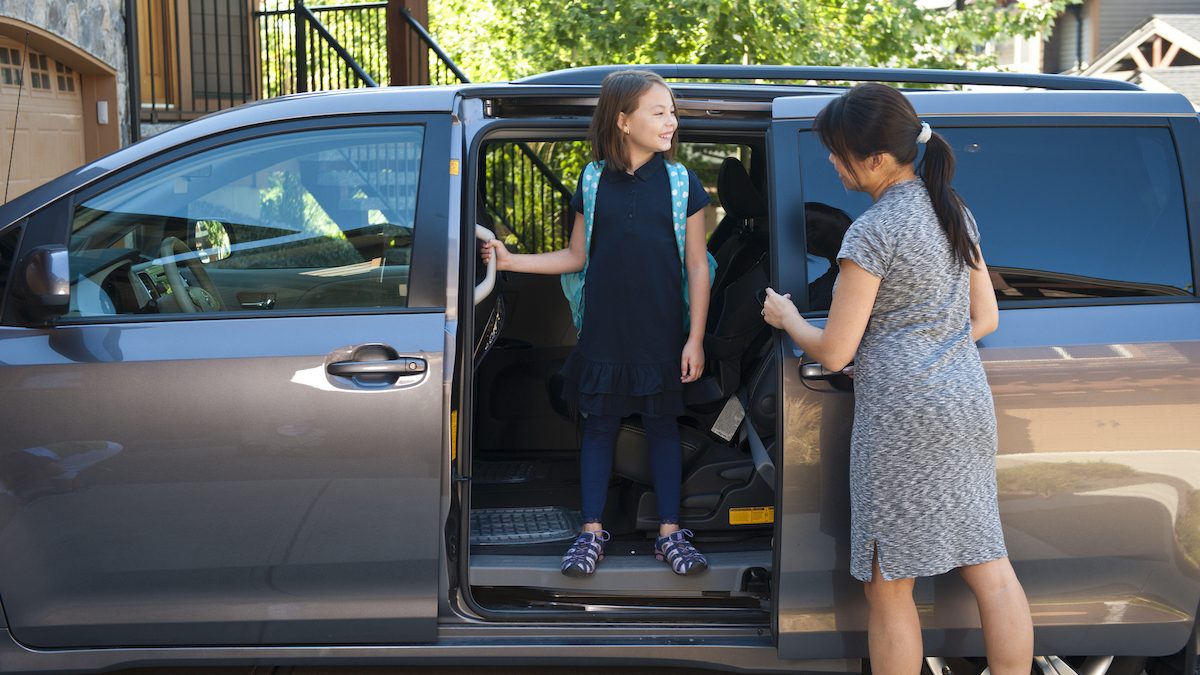
It’s more common to come across a school zone in the suburbs. On school days when children are around, the speed limit can drop significantly, being conscious of this can help keep children safe and avoid speeding tickets.

Even when following these tips, accidents can still happen. If your car has been in an accident, or if something feels off, find a local autobody shop near you: carwise.com/auto-body-shops.

Read More
Why you should refrain from driving your car on empty

Why you should refrain from driving your car on empty

In recent months, gas prices have increased dramatically. The U.S. is seeing an all-time national high, with the average prices reaching over $5 per gallon.

This uptick in prices has caused some people to fill up their tanks less regularly. AAA reported 50,787 out-of-gas calls in April of 2022, which is a 32% increase from April of 2021.

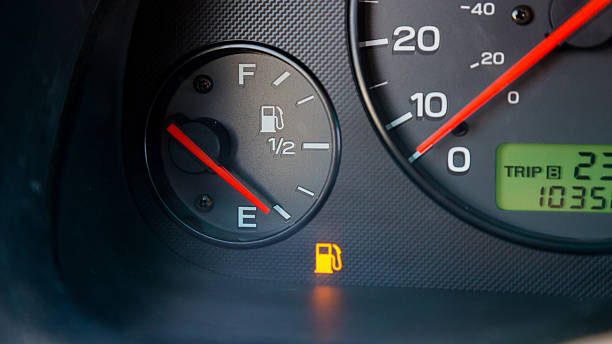
Although gas has become significantly more expensive, it can be dangerous to drive a car that is not fueled sufficiently. Consistently driving a car while it’s on empty can damage your vehicle, including fuel pump failure, clogged fuel filter, and harm to you and your passengers.

What is “Empty” and why is it dangerous?

When your car is displaying that the tank is empty, this really means that you have reached the reserve level. This is the last 10%-15% of the tank’s capacity. Inside your fuel tank is a pump that relies on gasoline to keep it lubricated. Without ample gasoline, the pump risks overheating and premature failure.

Fuel tanks also tend to collect dirt and debris that ends up at the bottom of the tank. While this isn’t necessarily a problem, low gasoline levels can cause this debris to enter the fuel pump and clog it. This can decrease the rate at which gas goes to the engine.

Lastly, the most important thing to consider when driving on E is the potential danger you are subjecting yourself to. You don’t want your car to stop in the wrong place and put you in harm’s way. If you do run out of fuel, turn on your hazards and do your best to pull over to a shoulder or safe area where you are less likely to cause an accident.  Once you are in a safe area, call for assistance.

Overall, it’s a personal decision but the risks of driving on empty can sometimes be more expensive than the gas itself, and saving a little money by not filling up your tank as needed is not worth the risk.

Have car issues? If something feels off, find an auto body shop near you using Carwise: carwise.com/auto-body-shops.

Read More
Buying a new car? What’s the plan for your old one?

Buying a new car? What’s the plan for your old one?

For most people, buying a new car can be an exciting prospect – but it can also be stressful. With so many options out there, it can be hard to know where to start, or how to determine what type of car is going to be right for you. Add in the fact that there have been global supply chain shortages, making the availability of new cars on the lot more difficult, and higher used car prices.

Fortunately, with a few tips and tricks, you can navigate both sides of this process like a pro and drive away with a new or new-to-you car that’s perfect for your needs.

Consider your finances

Above all else when buying a car, you need to think about the financial side of things. Don’t only think about the down payment on a car, but also consider the monthly expenses – the actual car payment as well as maintenance costs. How much are you planning to drive the vehicle? Gas prices may also be a consideration – look at miles per gallon, and total costs of a gas vs. electric vehicle.

If you’re a teenager or recent graduate, then you may need a parent or guardian to cosign a loan as you may lack a credit history.

New, or new-to-you?

One way to save costs when purchasing a vehicle is to choose a used car over a new one. There are pros and cons to each of these options.

With used cars, the cost may be lower – both in the purchase price and insurance payments. There’s more variety to peruse when shopping, as you’re not tied to a particular year or model, and you can sometimes get high-end finishes or features at a lower price point.

New cars tend to have lower maintenance costs and better fuel efficiency. Additionally, maintenance may be covered under warranty for at least a year.

Getting rid of a car

You may be replacing an older car in this process. While it’s time to say “goodbye” to your current ride, it may still have life left on the road or as parts. Here are options if you’re looking to get rid of a car.

Option 1: Sell it

If you’re looking to make money on your vehicle but aren’t looking to replace it with a new (or new-to-you) car right away, selling may be your best option. You can:

  • Sell it to a dealership: This is often the fastest and easiest way to get rid of a car. To sell your car to a dealership, contact a dealership that sells your make and see if they’re willing to make you an offer. Used cars are scarce right now, and your vehicle may be worth more than you originally planned. Do your research beforehand online to better know your car’s current worth for negotiating power and consider asking multiple dealerships for quotes.

    If you ARE looking to replace your current ride right away, you can also trade in your vehicle with the dealership. Then, apply the funds from your current car towards a new one. However, this option may only exist if the dealer you’re working with sells your make of car or has similar cars on the lot. You can always ask about trade-in offers and refuse them if the offer isn’t what you expected.
  • Sell it yourself. This route requires more work, but it can pay off – literally. It’s common now for people to sell their own cars online or through social media. If you decide to sell it yourself, be sure to get the car cleaned and professionally detailed and have the car’s history ready to show any potential buyers.

Option 2: Donate it

A donation is another option if you simply want to get rid of a car quickly. Many nonprofit organizations will accept car donations, and some will even retrieve the car for you. While you won’t get paid for this, you can claim the donation on your taxes.

Depending on the charity, you can even donate a car after an accident – including if it’s totaled. Be sure to research charities you’re interested in to see what they’re willing to accept, then contact them to sort out details.

Option 3: Trash it

Finally, if all else fails and you need to get rid of a car, you can junk it. This may make sense if your car is totaled or needs many repairs to become functional. Contact local junkyards to see how to get the car to them, and if they would be willing to give you any money for your vehicle.

Whether you’re looking to sell an old car or purchase a new vehicle, one of the best things you can do as a car owner is to take good care of it. Schedule both regular maintenance and any repairs by finding your local repair shop on Carwise: carwise.com/auto-body-shops

Read More
Diagnostic Scans and Calibrations: What every driver should know

Diagnostic Scans and Calibrations: What every driver should know

Many of the features on newer cars are enabled by highly technical computer systems, which the industry refers to as Advanced Driver Assistance Systems (ADAS). You likely have a car with ADAS already – these include items like sensors in your bumper that alerts you when you get too close to something, a lane departure warning or a light that comes on if your passenger-side airbag is enabled.

When you get into an accident, these systems can often also be a part of the damage – even if you can’t see it. To understand if any of those important safety systems were affected, your repairer may run a “diagnostic scan” and/or “calibration.” These two actions act as a system check to ensure that all your car’s systems are working properly and help return your vehicle to pre-accident condition.

What are Diagnostic Scans?

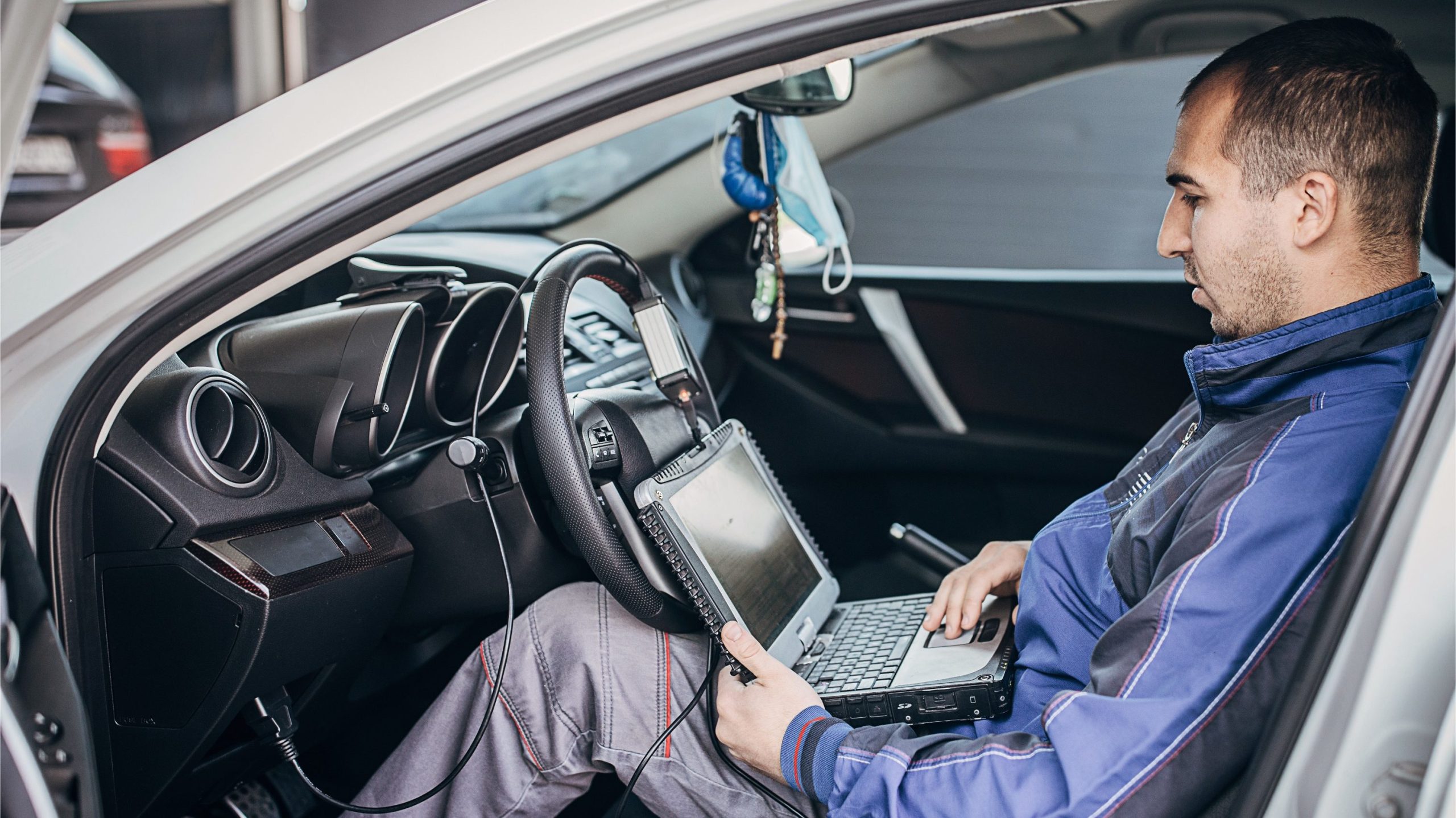
Think of a diagnostic scan, or just simply “scans,” as a health check for your car. A repair technician will take a scanning device (which looks like a voltmeter, or a large remote control) and plug it into your vehicle near the steering wheel. This diagnostic tool can then look at all the systems in your specific car, and let the repairer know which systems have errors that need to be addressed.

Typically, your car will have two scans completed on it: one before the repair to let the shop know which systems have issues that need to be addressed, and one after the repair to make sure that every problem has been fixed.

An important note, lots of manufacturers now require at least one scan on a vehicle if it’s been in an accident.

What are Calibrations?

Your car may also be “calibrated” when it’s in the shop. Think of this like a chiropractor visit for your car. They’re checking to make sure all the systems are working properly and “aligned” as they should and adjusted if needed.

Even if you’ve been in a low-speed accident, systems like cameras can still get jostled around. For example, the shop may recalibrate your backup camera, which beeps if you get too close to an object. If your backup camera isn’t calibrated correctly, even by a millimeter, it can translate to you hitting something behind you since the car didn’t realize how close you were, nor was it able to correctly notify you.

To see if these systems are set correctly, your repair shop may perform one of two types of calibrations:

  • Static: A calibration is done by putting your car on a level surface and measuring specific aspects using tools like laser levels. The process is looking to see if your car’s elements meet the manufacturer targets, down to the millimeter or fractions of a degree.
  • Dynamic: If static calibrations involve a car in park, dynamic calibrations mean your vehicle is in motion when being tested. The shop will likely take your car out on a busy road to verify that systems are working as they should.

Diagnostic scans and calibrations are part of the process to get you back on the road. If your car has been in an accident, or if something feels off, find a local autobody shop to help scan and calibrate: carwise.com/auto-body-shops.  

Read More
National Car Care Month: The Ultimate Guide

National Car Care Month: The Ultimate Guide

April is National Car Care month! This month is a great reminder to make sure your vehicle is up-to-date on all of its maintenance, and it’s great timing to get your car checked out ahead of any late-spring or summer road trips. 

Here’s our top 10 list of things to check on your car in the spring: 

1.     Check the fluids. 

Fluids are the lifeblood of any vehicle – they keep all the pieces running smoothly. It’s a good idea to check fluid levels regularly to ensure none are running low. Be sure to check brake, transmission, power steering, coolant, and windshield wiper fluids, along with any other fluids your car might contain. 

Refer to your car’s manual to see how often to check the fluids throughout the year, but when in doubt, look to see if it needs topping off. 

2.     Check the tires. 

Your tires may need some attention after a few months on winter roads. If you use snow tires, be sure to switch them out once the temperatures are warm enough. It’s also important to check the tire pressure as temperatures rise. While you’ve got an eye on your tires, don’t forget to look at the tire tread to see if your tires need replacing. If you’re unsure, consult with a professional.

Keep in mind that tires should be rotated every six months as well, so if it’s been a while, it’s a good idea to book that service. 

3.     Check and change the oil. 

Most vehicles need their oil changed every 5,000 to 7,000 miles (check your manual for the specifics for your make and model). You can check the oil level at home with a dipstick. If you haven’t been in for an oil change, now is a good time to schedule one. 

4.     Check your lights. 

With your car in park, check that all the lights are working. Don’t forget to test the brake lights, hazard lights, both turn signals, fog lights, and taillights. Replace any bulbs that aren’t working, then test again to make sure that fixed the problem. 

5.     Check your windshield wipers. 

Another easy item to check on your vehicle is the windshield wipers. After a season of scraping ice and snow, wipers can become damaged. Test them out with some windshield wiper fluid and replace them if needed to make sure they’ll work if you find yourself driving in the rain. 

6.     Check your paint job. 

Salt and ice can wreak havoc on a car’s paint job. Inspect the outside of your vehicle and note any areas of damage, chips, or scratches. You’ll want to repair those promptly to prevent rust or further damage to your car. You can do this with a DIY car paint repair kit, or you can bring it into a shop if the damage is more severe. 

Not sure if it requires professional help? Read up on how to tell when you can fix it yourself here. 

7.     Check your brakes. 

Brakes are among the most important features on any vehicle, and you want them to work properly. Be on the lookout for noise when braking, the brake warning light, a vehicle listing to one side when braking, vibration when braking, or anything else that feels “off.” When in doubt – get it checked out by a professional. Ideally, you should have your brakes inspected by a professional at least once a year. 

8.     Check the exhaust and battery. 

Pop the hood of your car and look at the exhaust and battery. For a very basic exhaust check, do a visual inspection looking for any rust, black marks, or cracks in hoses. To check the battery, you can do a visual inspection but also look for any warning lights on the dashboard, electrical issues while using your car, or any issues with your car starting at all. These all point to battery issues. 

9.     Keep it clean. 

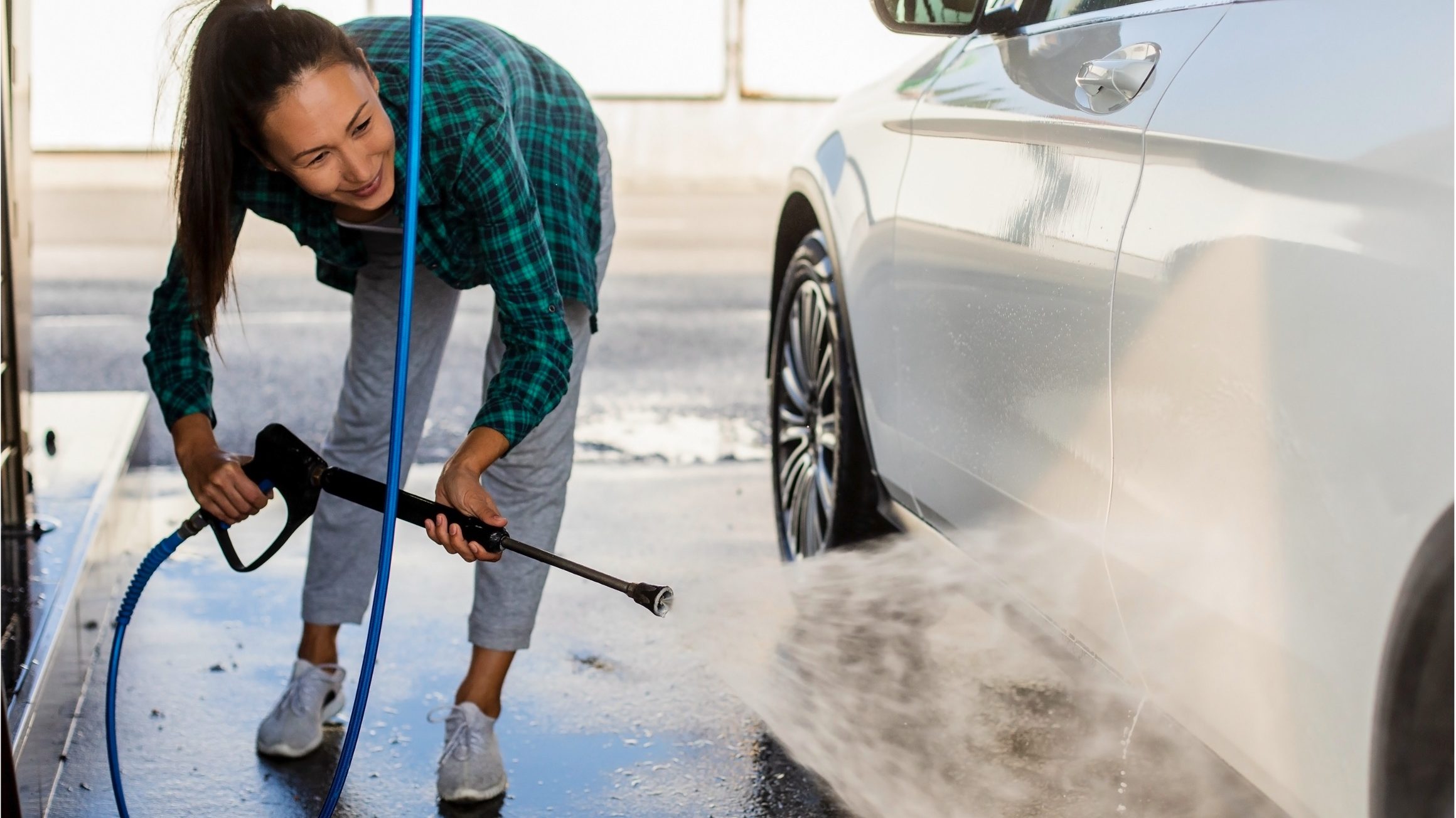
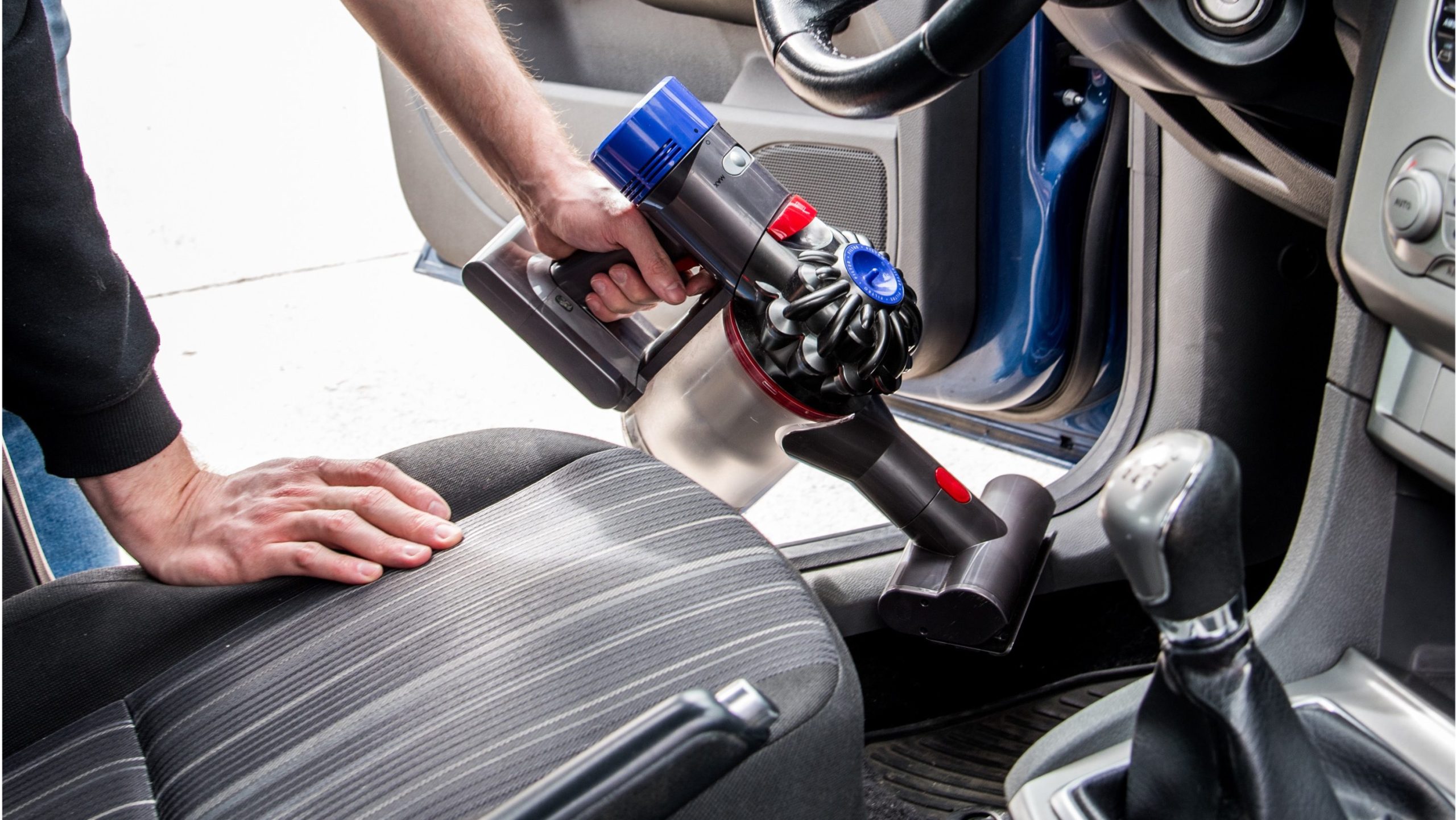
One basic thing you can do for your car is to keep it clean. During the winter, trash, dirt, and other debris can accumulate on the inside of your car, and salt and mud can build up on the exterior. Take your car through a carwash and include a wax. While you’re there, take time to clean out any trash and vacuum the interior of your car. Doing this can make your car more pleasant to drive and can help preserve your car’s value over time as well. 

10.  Schedule a professional check-up annually. 

The potentially most important item on your National Car Care Month checklist? Scheduling a check-up for your vehicle. Annual maintenance can save you from costly headaches down the road and can help ensure that your vehicle is functioning safely before you hit the road. Using Carwise.com, you can find a shop near you that fits your needs. Not to mention, most shops can take care of this entire list for you, so all you have to do is choose a shop. 

Need spring maintenance help? Start your search for expert car help at Carwise.com.

Read More
Spring Cleaning Must-Dos for your Car

Spring Cleaning Must-Dos for your Car

It’s March, and spring will be here before we know it. After a winter of snow, ice, and rain, it’s important not to forget to add your vehicle to your spring-cleaning list.

What should you be sure to include in your car’s spring tune-up? Here’s a handy checklist:

Spring Maintenance

To keep your car working its best, you should consider the below maintenance every time seasons change:

  • Fluid levels: Check your car’s oil, coolant, and windshield wiper fluid levels, and top off any that need it.
  • Check the gas: If you have a car that’s been sitting in storage all winter, consider replacing the gasoline, or at least top it off. Gasoline can lose effectiveness over time due to evaporation.
  • Tire pressure: With fluctuating temperatures, it’s important to keep an eye on tire pressure and make sure it’s within your car’s optimal range (your car’s owner’s manual should have this info). If needed, tire pressure can often be corrected at gas stations. 
  • Tires: If you installed snow tires, you’ll need to swap them out when temperatures are consistently above about 45 degrees. Also, inspect the tire tread and look for any punctures or debris that may be stuck in the tires. If the tread is looking low, it’s a good idea to bring your car into the shop and see if the tires need replacing as well.
  • Wiper blades: Wiper blades take a beating in the winter. Replace them in the spring if you see any streaks on the windshield when using them.

Cleaning Your Car’s Exterior

Of course, your car’s exterior might be looking a bit worse for wear after winter. Luckily, a thorough clean can likely make it look nearly good as new.

  • Wash your car: Take your car through a carwash (or wash it yourself). Pay special attention to the undercarriage and the wheel wells, where salt and grime can collect. If needed, clean the headlights as well. Doing so will not only make your car look nicer; it’ll enhance your safety on the road at night.
  • Wax your car: Ideally, you gave your car a wax before the start of winter. In the spring, another wax can help protect the paint and restore the shine ahead of muddy spring weather.
  • Check the paint: Despite your best efforts, damage to paint can sometimes occur. After washing your car, take some time to inspect the paint job, noting any dings, scratches, or chips. You’ll want to repair any of those promptly to prevent rust – and you’ll want to consider bringing in a professional.

Cleaning Your Car’s Interior

Don’t neglect your car’s interior – it takes just as much a beating in the winter months as the outside:

  • Check for trash: It’s easy to let trash accumulate in your car. Check all the seats – and the trunk – and dispose of any trash that you find.
  • Update the emergency kit: With the change of the seasons, you may need to also switch out some supplies in your car’s emergency kit or restock supplies that you used. Not sure what to include? Check out this list to make sure you’re prepared.
  • Clean the carpets: Clean carpet can help protect your car’s value. Once you’ve vacuumed the interior, use a steam cleaner or spot carpet cleaner to remove stubborn stains.

If it’s been a while since your car’s been in for a check-up, spring is a great time to book a professional to take a look. Use Carwise.com to find a shop near you that’s familiar with your specific make and model. For peace of mind, find a professional to check the engine, fluids, brakes, tires, paint job and more: carwise.com/auto-body-shops

Read More
How to clean your headlights – and when to bring in a professional

How to clean your headlights – and when to bring in a professional

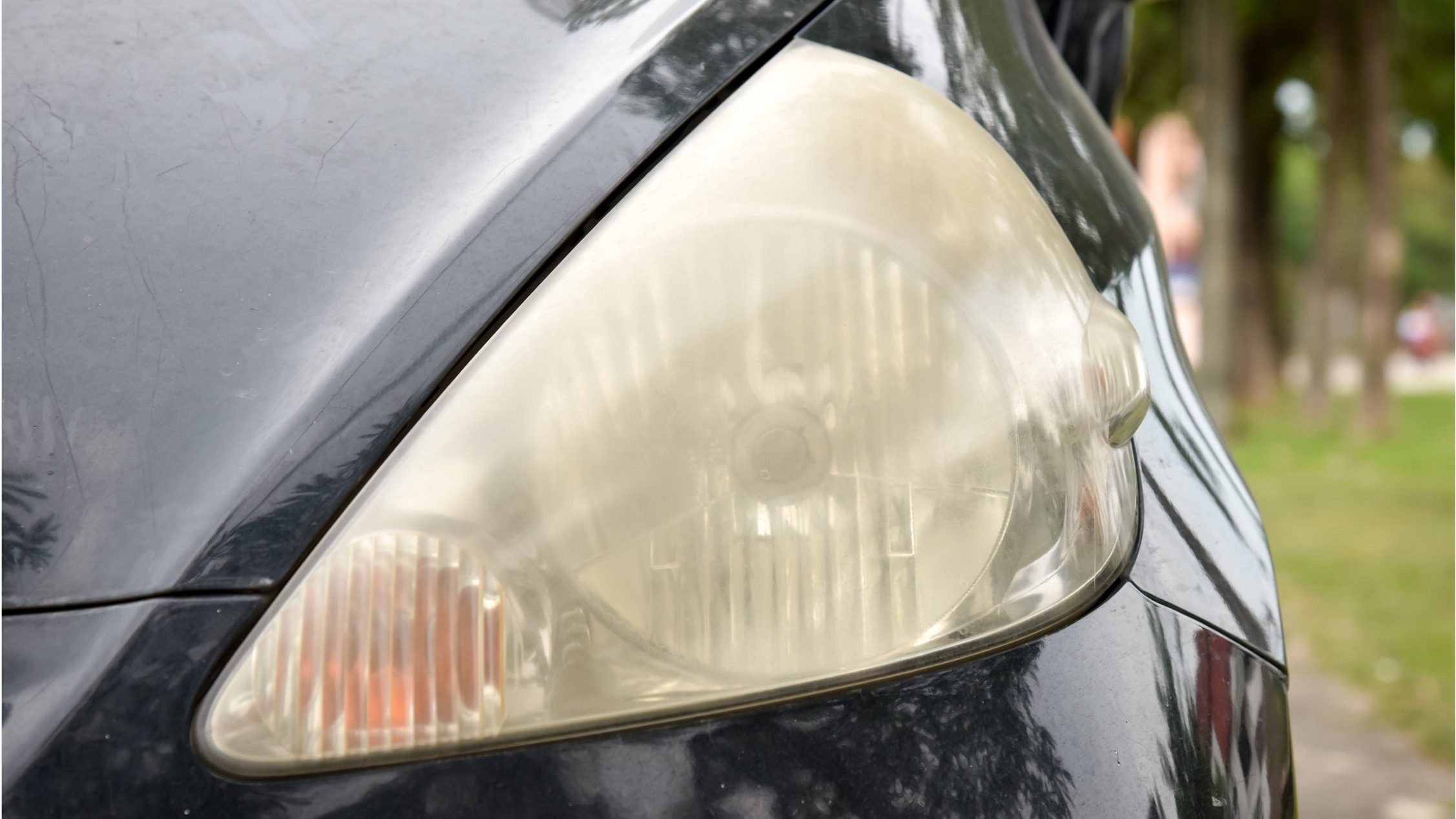
On dark or rainy roads, the last thing you need is cloudy headlights. Not only are clear headlights important for road safety when driving – they also help maintain the look and value of your vehicle.

Over time all headlights can become cloudy or dirty. The biggest causes are road dirt, debris, and UV rays from the sun, all of which can wear away the protective coating on headlights.

But before you purchase new headlights, it’s worth seeing if they can simply be cleaned. Below, find some DIY options to try, as well as when to hire a professional for the job.

Toothpaste

One of the most common methods for cleaning headlights involves a product you likely already have on hand: toothpaste. Since toothpaste is mildly abrasive, it’s perfect for cleaning headlights.

Simply grab some toothpaste and several soft cloths. First, wash and dry your headlight with soap and water. Then apply about a fingertip’s worth of toothpaste to each headlight and scrub with the cloth, using more toothpaste as needed. Once the protective coating has been entirely removed and the headlight looks clear, rinse the headlight, let it air dry, and apply a sealant.

This method takes about five minutes per headlight. Pro tip: add baking soda to your toothpaste if your headlights are particularly cloudy.  

Vinegar & Baking Soda

Another popular method for cleaning headlights involves using two other common household products: vinegar and baking soda.

Like with toothpaste, you’ll first wash and dry the headlights with soap and water. Then, mix together two parts distilled white vinegar with one part baking soda in a clean container and stir or shake. Next, dip a clean microfiber cloth into the mixture, and use the cloth to scrub each headlight for several minutes. Rinse the headlights with water and allow them to air dry, repeating these steps several times if needed, always rinsing your headlights at the end.

Once again, you’ll want to apply a new layer of sealant once the headlights are clean and dry.

Using a DIY Cleaner Kit

A third popular method for cleaning headlights involves purchasing an actual DIY headlight cleaning kit. These kits often include several types of sandpaper, cleaner and/or polish, cloths, and protective coating or sealant. Most kits are equipped to clean two headlights.

If you go with a kit, be sure to read the instructions carefully and follow them, so as not to scratch your headlights. Be sure to also purchase enough kits to clean all your lights that need it. For example, if you’re planning to clean both your headlights and tail lights, you’ll likely need more than one kit.

When to Call a Professional

If you want to make sure the job is done right the first time, it might make sense to call a professional off the bat versus doing it yourself. One sign that you should bring your car in? Scratches or scuffs on your headlights.

Abrasives can make those scratches or scuffs even worse, damaging your headlights further. When you take your car into a shop for headlight restoration instead, they can buff away these imperfections and make your headlights look good as new. Plus, your headlights won’t just look good – they’ll also be protected against rain, dirt, and more, potentially saving you money on repairs down the road.

Need help fixing your headlights? Carwise.com can help you find a body shop near you to help with all your car maintenance needs. Search your zip code today to get started: carwise.com/auto-body-shops

Read More
How to Protect Your Car from Road Salt

How to Protect Your Car from Road Salt

When winter weather strikes, salt and sand are excellent tools to help provide a safe road for drivers. Salt helps melt the ice even when temperatures are below freezing, and sand helps keep the salt in place.

But while salt and sand help your car grip the road in less-than-favorable weather, it can also spell trouble for a car’s finish or even cause vehicle damage.

Fortunately, there are a few steps you can take to help protect your car this winter.

Wash & Wax the Exterior of Your Car

Getting a car wash isn’t just something for the spring and summer months. In fact, keeping your car washed and waxed regularly in the winter is one of the best things you can do to prevent salt and sand damage to your vehicle. Cars should be washed, if possible, every two weeks during the winter, including the undercarriage where salt can get stuck. Vehicles also should be washed after each snowfall, if possible. Winter often also means cold temperatures. If it’s below freezing, hold off on your car wash until the temperature rises. Otherwise, water may freeze on your car’s surface and cause damage, too.  

As for waxing, cars should be waxed every three months during the year. Be sure to get your car waxed before the first snowfall is expected in your area and consider applying a ceramic coating for added protection.

Clean the Car’s Tires

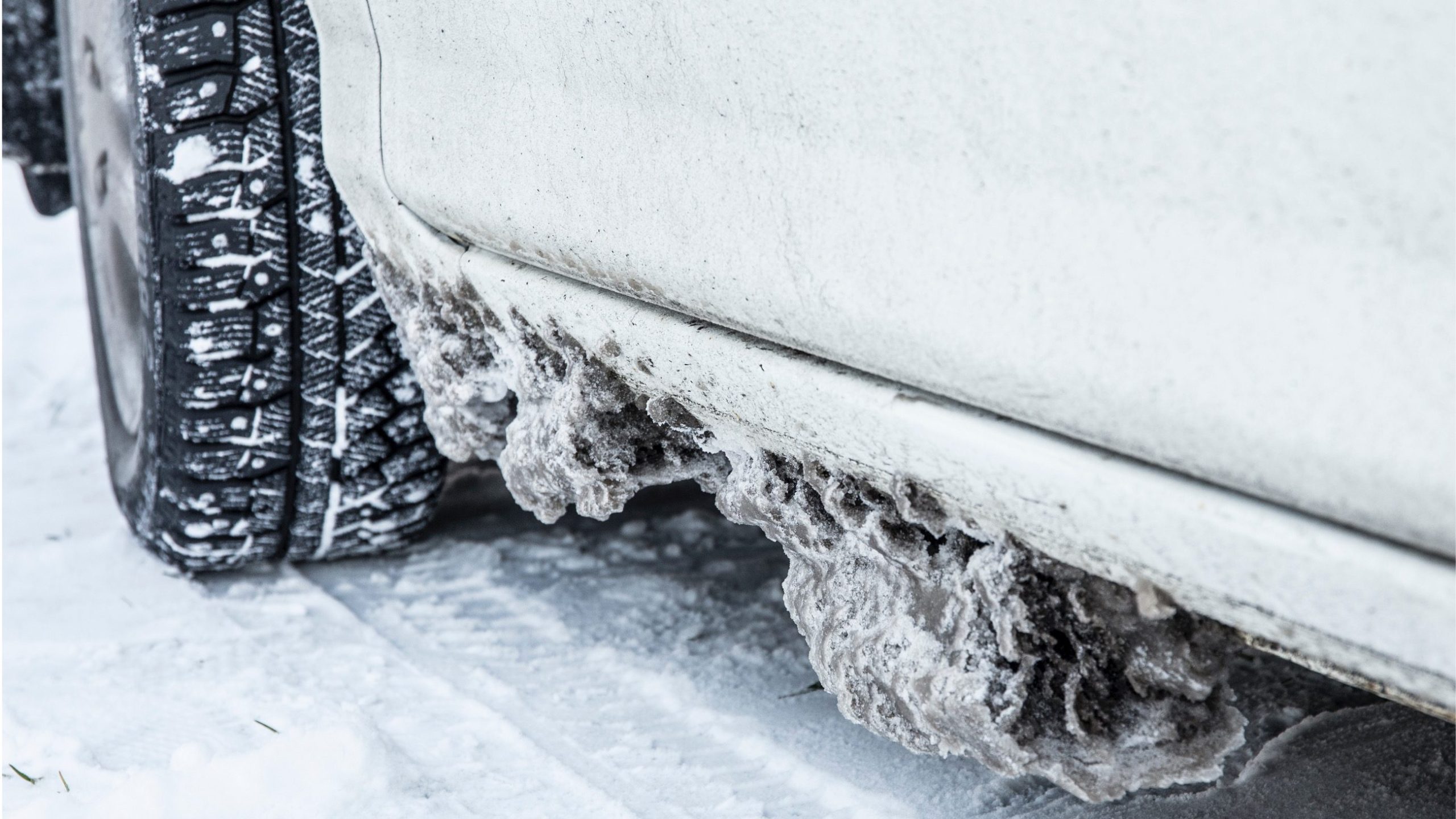
Snow and ice can get stuck and freeze in your car’s wheel wells – often taking salt, sand, or even bits of dirt or asphalt with them. Over time, these can damage your car’s undercarriage or the wheel well. Be sure to clear debris from around the wheels before you hit the road, and target these areas when washing your car in the winter.

Plan Your Driving Around Weather (if possible)

These days, roads are almost always pre-treated ahead of an expected snowfall or ice storm. That means salt is on the road even before the first snowflake falls.

If possible, plan your travel around snowstorms, opting not to drive the day prior to, during, or the day after a snowfall. This can help minimize the amount of salt your car encounters (and help you avoid possible dangerous driving conditions). Of course, avoiding driving entirely isn’t always possible. If you do have to drive, be mindful of avoiding potholes and puddles, which can collect dirt, salt, and other items that could damage your car.

Keep an Eye on the Interior

With road salt, the exterior of a car often gets the most attention, but it’s important to care for your car’s interior too. Salt and grime can be tracked in on your shoes during the winter, quickly staining the carpet.

To prevent this, you can put down plastic weather floor mats to help protect the inside of your car. If you do track in any salt, be sure to vacuum and clean the carpeting or seats promptly to help prevent staining.

Touch Up Paint Chips

Salt can corrode metal quickly, especially on paint that’s damaged. If your car has any chips or scratches to the paint job, be sure to repair them promptly – ideally before the first snowfall. This will help protect the actual body of your car from damage and prevent the paint job from deteriorating further.

Need help repairing chips or scratches? Carwise.com can help you find a body shop near you to help with all your car maintenance needs. Search your zip code today to get started: carwise.com/auto-body-shops

Read More
Everything You Need to Know About Snow Tires

Everything You Need to Know About Snow Tires

Winter is here – and with winter can come more hazardous road conditions, depending upon where you live. Between snow, ice, and sleet, the roads can become quite slippery, making driving for any amount of time extra treacherous.

What are snow/winter tires?

One option to increase your safety on the road in winter is to opt for snow, or winter, tires.

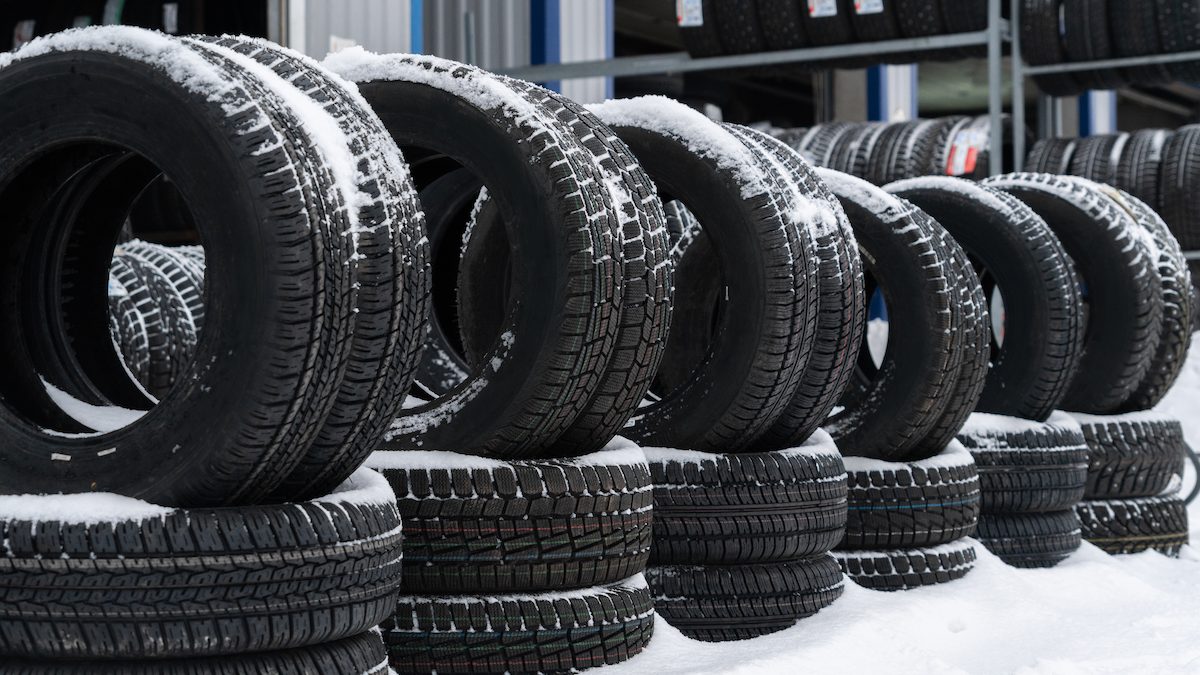
Winter tires have special, high-tech rubber compounds that maintain greater flexibility even in very cold temperatures. They also have special, deep tread designs that allow for superior gripping on roads covered in snow or ice. With all these extra features, snow tires provide traction where normal, all-season tires might slip and slide.

Drivers who live in climates that routinely stay under 40 degrees in winter for several months at a time should consider snow tires. Additionally, if you often drive in the mountains or off-road for winter activities or other events, you should also consider swapping out for winter tires.

Some high-end vehicles may come equipped with “summer tires” which need to be swapped out when the seasons change. Winter tires should be used once the weather is consistently under 45 degrees. They are then swapped back out when nighttime temperatures are consistently above 45 degrees in the spring.

Potential cost of snow tires, and alternatives

Snow tires can be expensive, which may discourage some drivers. If you don’t often see snow or live in a warmer climate, they probably aren’t necessary. Instead, you can opt to keep tire chains in your car in case you need them. If you choose to use tire chains, make sure you purchase ones for use with your specific make and model, and also be sure you know how to use them before the first snowfall.

Additionally, there can be charges associated with swapping tires from summer to winter sets. One way to save costs long-term is to consider purchasing a separate set of wheels to house the snow tires. Then, the wheels can be switched out entirely each season, which will save on some maintenance costs long-term.

Regardless of whether you choose tires or chains, one thing every driver should do is frequently check tire pressure. Tire pressure can change quickly due to changing temperatures, and a simple check at your local gas station can help ensure you’re driving with tires inflated to the proper level – increasing your car’s performance and protecting your safety.

If you want to learn more about winter tires, or want to swap your vehicle’s tires out, contact your local body shop to help you. Use Carwise.com to find a perfect shop near you and read real reviews from real customers for thousands of shops: carwise.com/auto-body-shops

Read More
Your Car’s Maintenance Plan for the New Year

Your Car’s Maintenance Plan for the New Year

A new year means a new opportunity to give your car the care it deserves. Whether you treated yourself to a new car at the end of the year, or you’re hoping to extend the life of your current vehicle, regular maintenance is key to keeping your car running at its best. 

Most maintenance is recommended on a 30-60-90 schedule, meaning there are items to check at 30,000, 60,000, and 90,000 miles. But there’s also maintenance that should be done more routinely. 

In this article, learn how to get your car on a maintenance schedule, and what you should be checking routinely. This is general information – always consult your vehicle’s manual for specific guidance. 

Routine and Seasonal Maintenance

Some items are easy for you to check yourself if you’re comfortable doing so. Items to inspect regularly include: 

Each season you should also:

Maintenance to do at 30,000 miles

Once your vehicle hits 30,000 miles – or even before – there are two big items you should have checked: 

  • Air filter
  • Fuel filter

If you live in a dusty area, you’ll want your air filter checked even sooner. Some car manuals suggest checking your fuel filter around 30,000 miles too, so be sure to have that checked. 

Maintenance to do at 60,000 miles

Once your car has reached 60,000 miles on the road, the list of things to check gets a little longer. You’ll want to have the following things inspected: 

  • Battery
  • Brake fluid
  • Brake pad/shoes
  • Brake rotors
  • Coolant
  • Transmission fluid

While some of these things you can check yourself, it’s worth taking your car into a shop for these. A lot of vehicle issues can crop up around 60,000 miles, so it’s important to have an expert check all these items to make sure your vehicle is running like it should, and to prevent future issues.

Maintenance to do at 90,000 miles 

Once your car has hit 90,000 miles, it’s seen quite a bit of road. As your car ages and racks up the miles, maintenance becomes crucial to keep your car drivable for as long as possible. Items to check at 90,000 miles include:

  • Hoses
  • Power steering fluid
  • Spark plugs/ignition system
  • Timing belt

A lot of those items noted above can actually need replacing as early as 75,000 miles – which is why the 60,000 mile check-up is so important. At 90,000 miles, be sure to take your car into the shop, but also always keep an eye out for any weird sounds, smells, or driving issues. When in doubt, take your car into the shop – it’s always better to find and fix problems sooner rather than later. 

Need help finding a shop for your car’s maintenance? Use Carwise.com to search tens of thousands of shops around the country, and to read real reviews from recent customers. See qualifications, certifications and more at Carwise.com: carwise.com/auto-body-shops

Read More
1 2 3 4 21