5 Safety Tips for Winter Road Trips

5 Safety Tips for Winter Road Trips

The holiday season for many means gathering together with family and loved ones. Those gatherings often involve a road trip or two. Depending on where you live, traveling in winter can be daunting, between worries about snow and ice, shortened daylight hours and more. But, with a few tips in mind, you can make sure you and your car are ready for that holiday road trip.

Check your car’s fluids, lights & more

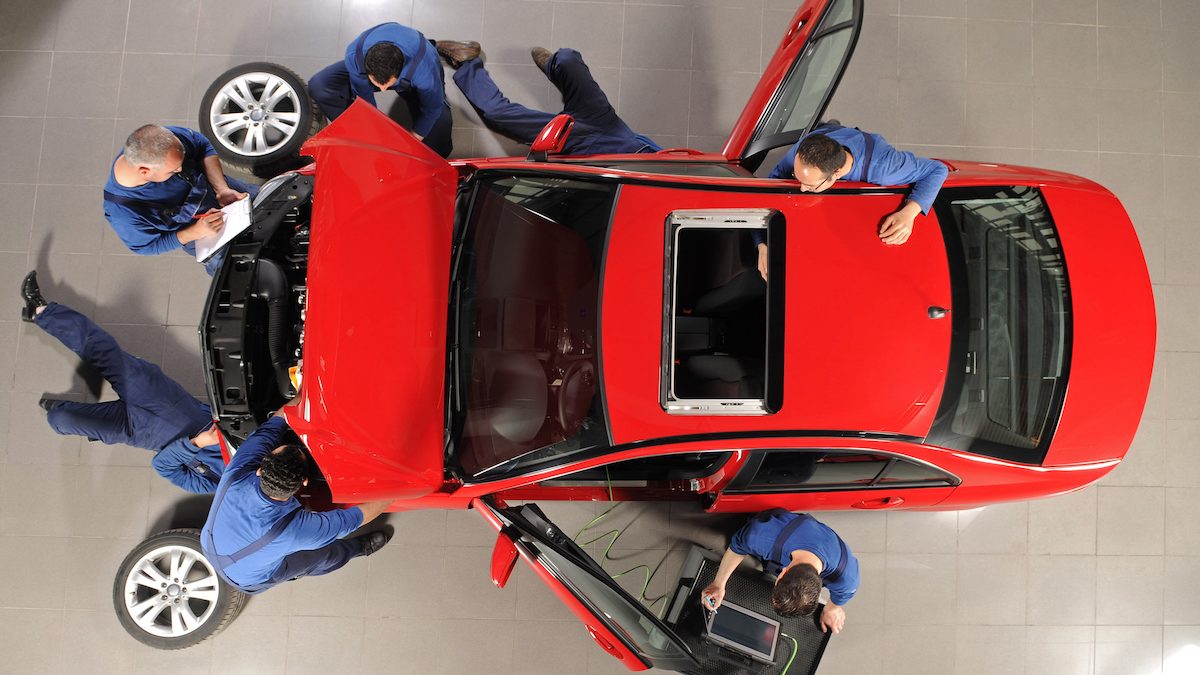
Before embarking on your road trip, be sure to prep your vehicle for winter road conditions. At the very least, check the basics:

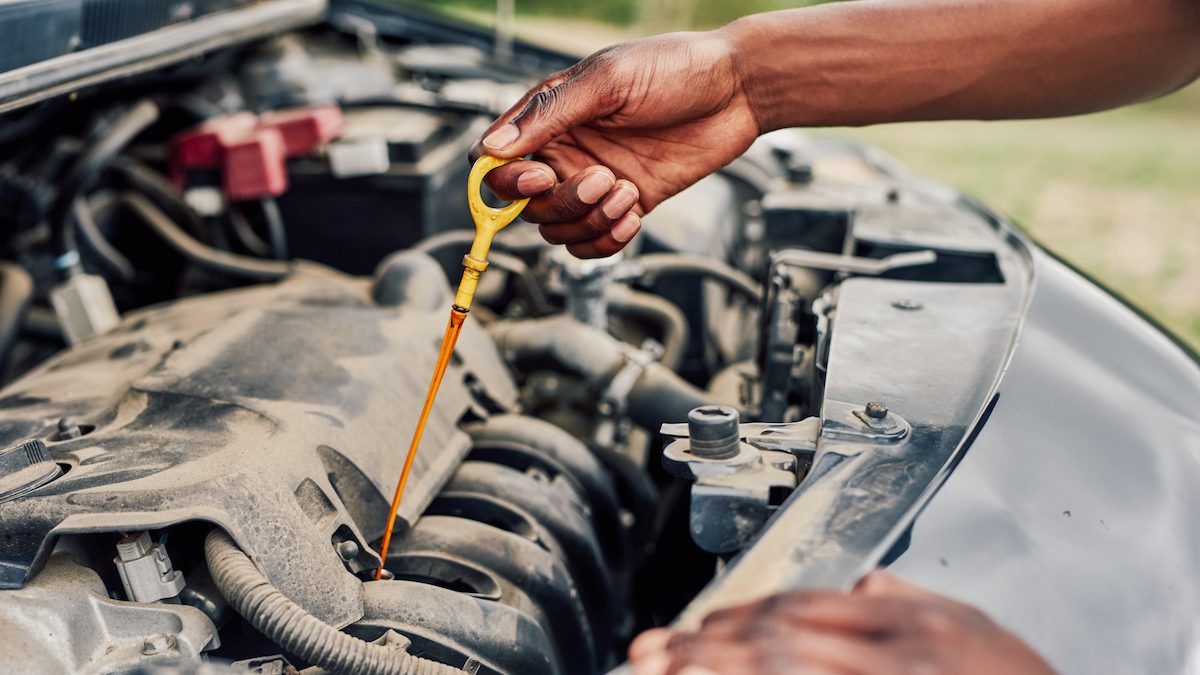
  • Fluid levels (windshield wiper fluid, brake fluid, oil, coolant, etc.)
  • Your car’s brakes (check the wear and listen for any odd noises when braking)
  • Headlights and brake lights
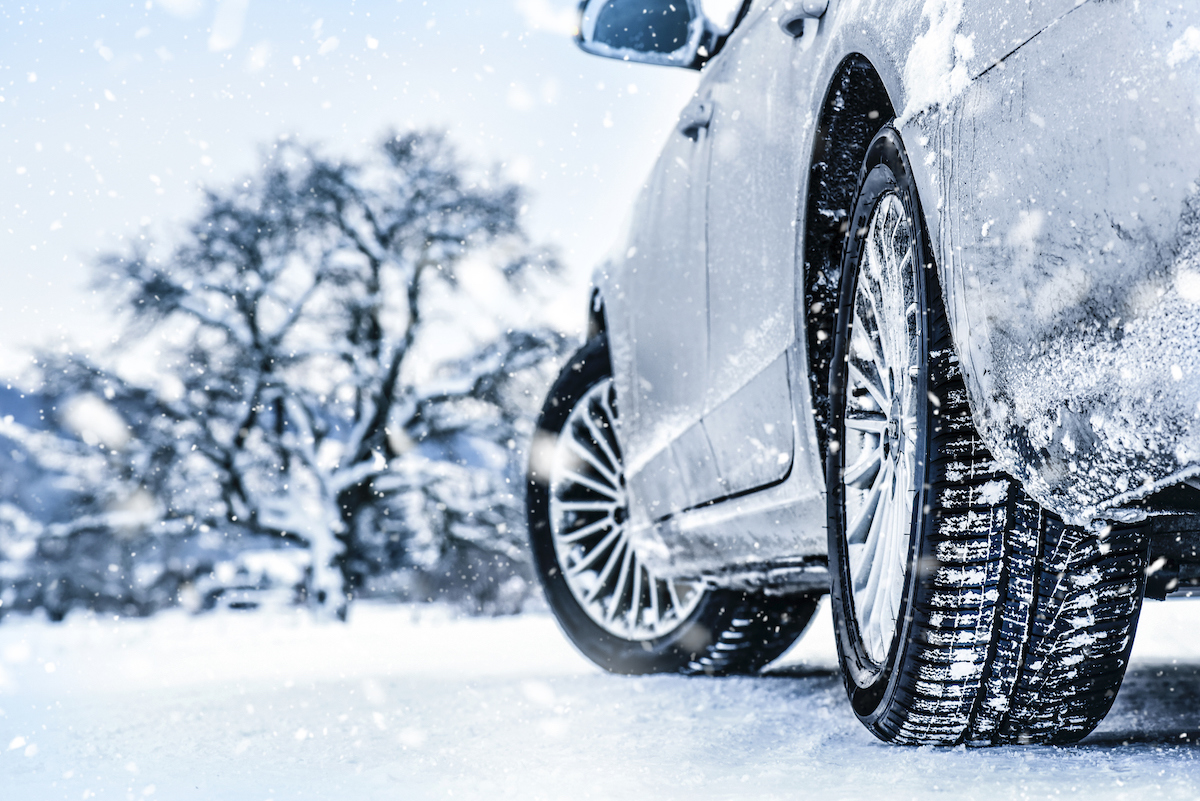
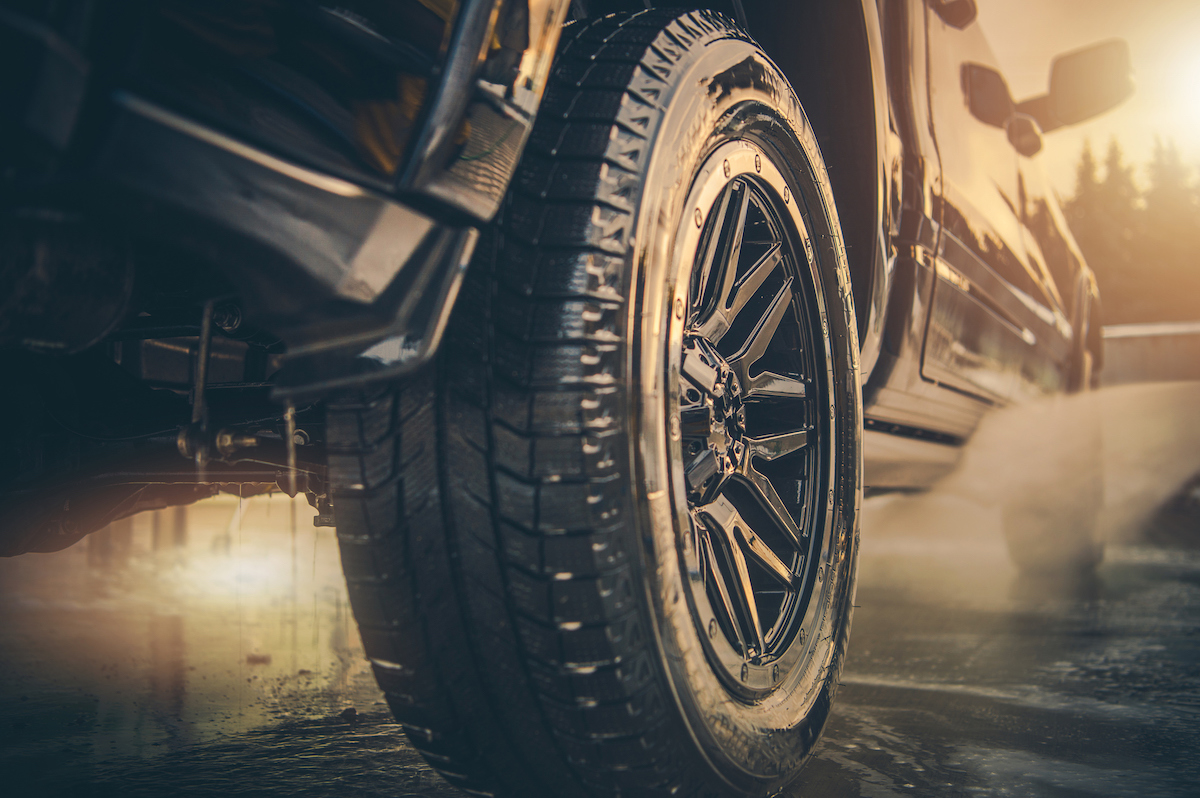
  • Tires (check the tread and swap out for winter tires or add chains, if necessary)
  • Battery functionality

You should also consider getting any cracks or chips in your auto glass repaired, as well as damage to the auto body. Glass expands and contracts with temperature fluctuations, and a small chip or crack can become a large one if exposed to moisture. Damage to the auto body can also become worse when exposed to winter weather conditions – scratches and chips can incur rust from moisture and road salt. It’s better to protect the condition of your vehicle and get small repairs taken care of before your winter road trip than to incur more damage while you’re traveling. 

Be weather aware

Check the weather before you leave and be sure to not just check your current location, but also the weather at your destination and along your route. If you know snow or ice is expected, you can plan accordingly by prepping your car, or even change the timing of your travel if possible.

Make sure you understand the different weather alerts as well, such as travel advisories and travel warnings, and how they could impact your drive.

Stock your emergency kit

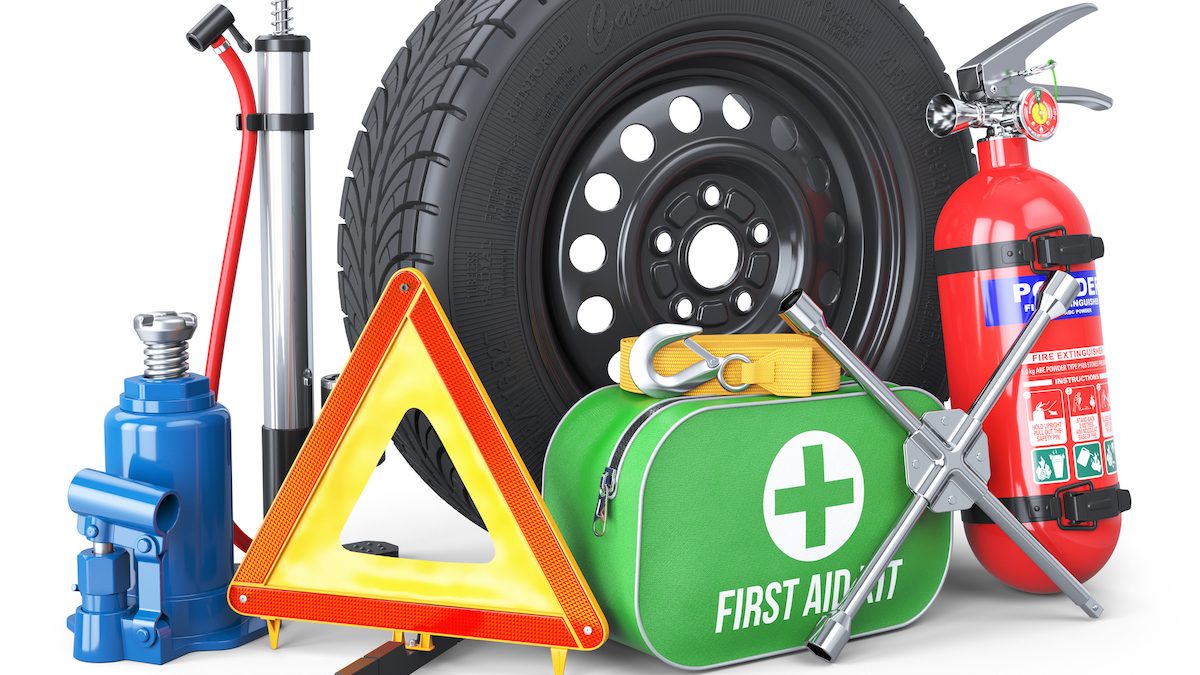
Every car should have an emergency kit in case you become stranded. In winter, this is especially important. Some items to include in your winter travel emergency kit are blankets, a car phone charger, shelf-stable food, water, a shovel and cat litter or sand (for traction), and more.

For a full list of what to include, check out our guide for stocking your winter weather emergency kit.

Prevention is key

It may sound obvious, but one of the best things you can do on a winter road trip is drive carefully. Weather conditions can change quickly, and roads can freeze even if it’s just raining, depending on the road temperature. Leave plenty of space between your car and other vehicles in case you need to make a sudden stop. Make sure to leave with plenty of time to reach your destination, even if you hit unexpected delays or bad weather, and be prepared to pause your travels if the weather becomes too bad.

Make sure your littlest passengers are safe

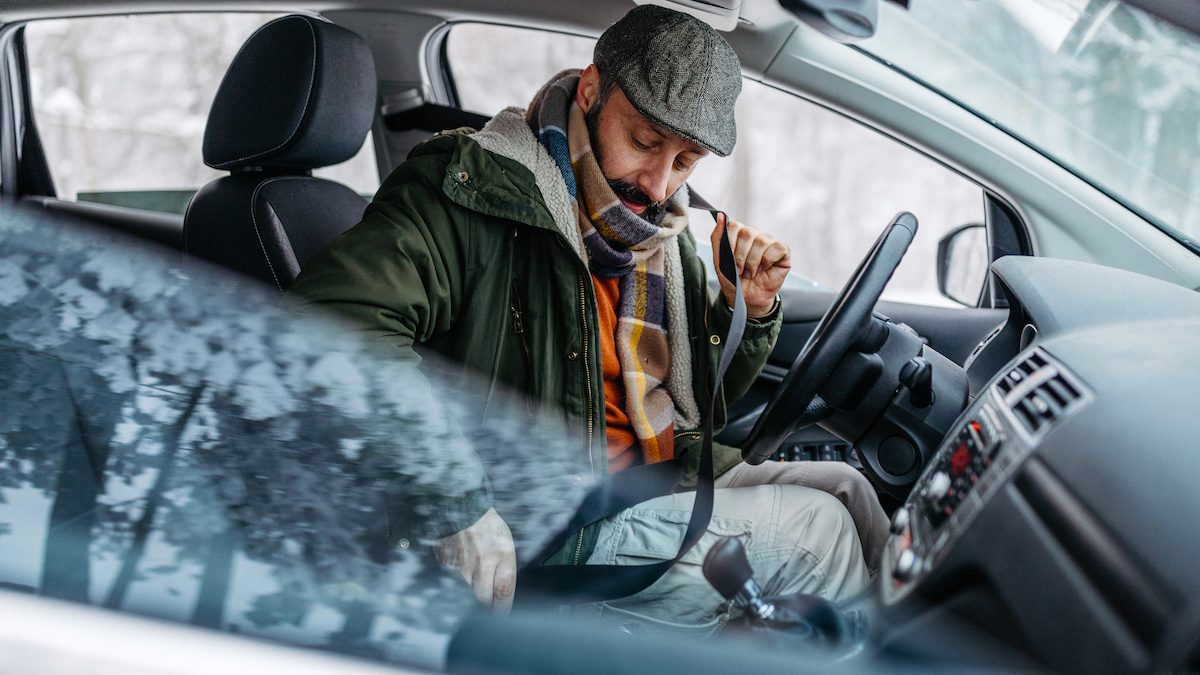
Road trips during the holidays often mean traveling with family, and especially little ones. If you’re traveling with a child in a car seat, be sure to remove any bulky clothing before putting them in the car seat. This includes winter jackets, vests, snow suits and more.

While you can put a blanket over the car seat, nothing should go into the car seat or beneath the car seat straps unless it was sold with the seat.

Winter road trips can be daunting, but they don’t need to be. With some easy preparations and key points in mind, you can help ensure safe travels to your destination.

Find an Auto Body Shop Near You

If you find yourself stranded due to an accident in winter weather, Carwise can help.  Find a reputable collision repair shop near you by searching Carwise.com, where you’ll find shop contact information, hours and locations, as well as reviews from real customers, before and after photos, and certifications. With more than 21,000 shops to choose from nationwide, Carwise will help you find the right shop near you. Start your search from wherever you are: https://www.carwise.com/auto-body-shops/.

Read More
What to Include in a Winter Weather Emergency Kit for Your Car

What to Include in a Winter Weather Emergency Kit for Your Car

Winter weather has arrived across much of the U.S. and the holiday season is here, and for many that can mean extra time on the road as we travel to visit family, friends and other loved ones.

Winter travel can be hazardous however, between ice, snow, wind and more. Before you hit the road, it’s a good idea to stock your car’s emergency kit with items to help you stay safe if you’re unexpectedly stranded or experiencing car trouble in winter weather.

Winter weather supplies

Depending on where you live or are traveling to, winter weather can call for specialty items to be added to your car’s emergency kit. Think about what weather conditions you can expect where you are and where you’re going, and plan accordingly.

Include items such as:

  • Road salt or cat litter, to help with tire traction if you’re stuck in snow or ice
  • Ice scraper and snow brush
  • Shovel, for digging out your car
  • Flashlights and extra batteries
  • Waterproof matches and candles
  • Rain poncho, boots and umbrella

Health and safety supplies

Don’t just think about what you’ll need for your car if it breaks down – think about what you’ll need for yourself or your family, too. Whatever you’d need to survive for 24 hours, make sure you have it in your car’s emergency kit before traveling.

Think about including things like:

  • First aid kit
  • Gloves, hat, scarf, and other warm clothes
  • Warm blankets or a sleeping bag
  • Nonperishable food items, such as trail mix or protein bars
  • Bottled water, ideally several gallons
  • Reflective gear (wearable)
  • Flags or reflective signage to place around your car
  • Necessary medications (if applicable)
  • Hand warmers

Car repair equipment

No one wants to experience car trouble – especially if it happens while you’re on the road far from home. It helps to keep an emergency kit with equipment in your trunk year-around in case of a dead battery, flat tire, or other minor issue.

Items can include:

  • Vehicle manual
  • Jumper cables
  • Spare tire
  • Tire repair kit
  • Tow rope
  • Auto or travel tool kit
  • Portable air compressor, to fill up tires
  • Tire sealant, for temporarily repairing a small hole

Navigation tools

What if you get stranded and find yourself without cell service? Many of us rely on our cell phones for directions and more during travel. Make sure you have a backup plan in case you can’t access your phone.

Consider including:

  • Road maps
  • Compass

Other items

Finally, think about items that could help you if you get stuck for a long period of time, such as chargers for electronics, a way to take notes and more.

Items could include:

  • Cell phone car charger
  • Notepad and pen or pencil
  • Duct tape

With all of these items in your trunk or back seat, you can travel this holiday season with greater confidence, knowing that you’re prepared for whatever might happen on the road.

If you find yourself stranded due to an accident, use Carwise.com to find a repair shop near you wherever your travels take you. Search Carwise.com to get started today: https://www.carwise.com/auto-body-shops/.

Read More
How to Choose a Repair Shop for Your High-End Sports Car

How to Choose a Repair Shop for Your High-End Sports Car

If you own a sports car, you probably won’t trust just anyone to work on it. Not only can sports cars be more expensive than the average vehicle, but they are often a source of pride for owners. But, if your sports car does need work, there are a few things you can do to make sure you choose the best shop for your pride and joy.

Check certifications

One easy way to know if a shop might be a good fit? Check their certifications!

Shops can be certified by general automobile organizations – such as the National Institute for Automotive Service Excellence (ASE) or I-CAR – or they can be certified by different manufacturers, including Porsche, Audi, BMW, and others. Certifications indicate an extra level of training for technicians in a shop, and many certifications require continuing education to maintain certification.

If a shop is certified in your particular car’s brand, they’ll be trained to repair your vehicle.

Trust word-of-mouth

When it comes to finding a shop you can trust, ask opinions from people you trust. Friends, family or other sports car enthusiasts can steer you toward – or away from – certain shops.

At Carwise.com, you can also read reviews from prior customers and see when the reviews were left. This can provide you with extra confidence when choosing a shop, knowing that other customers before you had a good experience.

Ask for examples

Before you let a shop work on your high-end car, know that you can always ask for examples of a shop’s previous work. You don’t have to just hand your car over to be painted or repaired – ask for recent photos of other paint jobs or repairs they’ve completed.  Also, be sure to ask if they have experience working with your car’s particular make and model. You can also use Carwise.com to search for repair shops that share before & after photos of their work. 

Remember: Stay up-to-date on maintenance

Of course, no one wants unnecessary repairs on a car. Remember to keep up with your sports car’s basic maintenance, including:

  • Keeping an eye on fluid levels and topping off or replacing as needed
  • Prioritizing tire pressure and keeping it within range
  • Covering your car when storing
  • Washing your car regularly to keep it clean of debris

Find a Auto Body Shop Near You

When you’re ready to find an auto body shop for your sports car, Carwise can help. With details on over 21,000 shops nationwide, you’ll find information about shop certifications, customer reviews, before & after photos, as well as the basics from hours and location to contact information. Get started with your auto body shop search today: https://www.carwise.com/auto-body-shops/.

Read More
Five Questions to Ask When Choosing a Collision Repair Shop

Five Questions to Ask When Choosing a Collision Repair Shop

When your car needs a repair, it can pay to be choosy about who you select to fix it. You want to make sure that any repairs or part replacements are done correctly the first time, so you don’t end up paying more later.

You should feel empowered to ask questions when choosing a shop. Below, find a few questions you should ask before any repair work starts.

1 – What are the shop’s certifications?

Collision repair shops and their technicians can obtain a variety of different certifications to let consumers know what type of cars they are certified in and specialize in repairing. These certifications take lots of factors into consideration – the training and experience of the repair technicians, the repair and safety protocols of the shops, and more. The most common certifications in the U.S. are the National Institute of Auto Service Excellence (ASE), the Inter-Industry Conference on Auto Collision Repairs (I-CAR), and OEM certifications (shops that are certified by Original Equipment Manufacturers such as Honda, Ford, etc.) You can learn more about shop certifications here. Many shops will list their certifications in their Carwise.com profile.

2 – Does the shop offer warranties?

When doing a repair or replacement, many shops will offer warranties, in case there is a failure with one of the parts that was replaced or the body or finish work. However, warranties can vary widely from shop to shop, and so you should be sure to ask about this before agreeing to a repair. That way, you’ll know exactly what’s covered under warranty and for how long.

Warranties also vary based on the type of part being used in the repair. Ask what warranties are available with your chosen parts.  

3 – What are my repair options, and can you explain them to me?

A good repair facility should be able to explain the repair process to any customer, regardless of their level of car knowledge. Ask lots of questions when discussing a repair, including asking for a full range of options and an explanation of each. If you don’t understand what’s being said, ask them to clarify in simple terms. You should fully understand what’s going to happen with your vehicle before work begins.

4 – What services does the shop charge for?

Many shops offer free estimates for repairs, but some do not. Before you hand over your keys, ask the shop technician what their process is and what services they charge for, including if they charge for estimates and diagnostic tests in addition to the repair itself.

5 – Does the shop have positive customer reviews?

Online reviews are a great way to find out whether a shop is trusted in your community. You can find reviews from real customers on Carwise.com, as well as other sites like Google, Facebook and Yelp.

Find a Auto Body Shop Near You

If you’re just starting your auto body shop search, use Carwise.com to find answers to many of these questions and more right on the shop description page. You’ll find customer reviews, shop certifications, hours, location, and contact information on over 21,000 shops in just a few clicks. Get started with your auto body shop search today: https://www.carwise.com/auto-body-shops/.

Read More
How to Prep Your Car for Winter Driving

How to Prep Your Car for Winter Driving

For most of the U.S., winter is on its way or has already made an appearance with a snowfall or two. Winter can be a precarious season for driving, between ice storms, snow storms, fallen leaves and more. But with a few basic maintenance steps, you can make sure your car is road-ready, whatever weather may find you.

Prep Your Tires for Winter

Your tires are very important to your safety on the road and require routine maintenance, especially as seasons change. There are a few items to check off your list before winter arrives:

  • Check tire tread. Because winter roads can be so slippery, it’s important to make sure your tires have good traction. Check the tread on your tires to make sure it’s not too low and replace your tires if needed.
  • Check your tire pressure. When the temperature drops, so will your tire pressure. Make sure your tires are in proper range and fill up with extra air if the pressure is too low.
  • Consider snow tires. If you live in a particularly snowy or icy climate, you might opt for special winter tires. They may lower your gas milage but provide much better traction. You can swap them out at the end of the season.

Check Your Car’s Fluids, Brakes, Battery, and Blades for Winter

Once you know your tires are good to go, you should check other key components for your vehicle that will keep it running smoothly in cold weather:  

  • Check your fluids. Top off any fluids that may need it, including antifreeze and brake fluid. You should also change out your oil if it needs it, and consider purchasing winter washer fluid, which is less likely to freeze in very cold temperatures.
  • Inspect your brakes. Winter can be extremely hard on brakes, between slippery roads, salt and more. Make sure your brakes are in optimal condition and schedule any repairs or replacements that might be needed. Not sure if it’s time for a brake job? Here are six signs that your brakes may need replacing.
  • Check your battery. Car battery functionality goes down in winter, and negative temperatures can make it harder for it to start especially if the battery is older. Test the battery with a reader to make sure it’s performing well and replace it if needed.
  • Keep an eye on wiper blades. Ice easily wears down windshield wiper blades. Start the winter season out with a fresh pair and replace as needed – even consider keeping a spare set in your car in case you need new ones while on the road.

Prep Your Car for a Winter Weather Emergency

Finally, there are a few last items to keep in mind to ensure you’re ready for winter:

  • Pack an emergency kit. It’s good to be prepared for whatever may happen in case you end up stranded for a few hours or even a day. Make sure your car is packed with an emergency kit suitable for your particular needs and climate. Learn what to consider including in your kit in this article.
  • Keep your gas tank half full. In cold weather, moisture can build up in your gas tank, which can wreak havoc on your vehicle long term. Do your best to always keep your gas tank at least half full to help prevent this.

Once your car has been winterized, you can hit the road with confidence. If an accident happens on icy, snowy roads, follow these safety tips to collect accident information, submit a claim, and seek repairs. If you find yourself in need of auto body repairs over the winter or any time of year, Carwise  can help you find the perfect shop near you. Search Carwise.com and read reviews from real customers, find shop hours and locations, before and after photos, and certifications. With more than 21,000 shops to choose from, Carwise.com will help you find your perfect fit. Get started today: https://www.carwise.com/auto-body-shops/.

Read More
How Is Maintenance for an Electric Vehicle Different than a Gas-Run Vehicle?

How Is Maintenance for an Electric Vehicle Different than a Gas-Run Vehicle?

Electric cars (EVs) may very well become the default type of car in the future. Industry trends indicate that the sale of EVs has been steadily rising, and the market will soon reach a tipping point of favoring them over traditional, internal combustion engine vehicles.

Maintenance of Electric Vehicles vs Fuel-Run Vehicles

You may be curious about how maintenance of EVs differ than fuel-run vehicles. Because the engine on an EV is so different, so is the maintenance. Electric engines don’t require things like oil changes, transmission servicing, or replacing the air filters, spark plugs or drive belts.

Some maintenance items will always need maintenance, whether you drive an EV or fuel-run vehicle. Tires will need to be replaced or maintained on a typical car schedule, with periodic rotation and replacement. Brakes, by contrast, tend to need replacing at a much lower rate than on a fuel-run car due to the different engine type. For specific recommendations, it’s always best to refer to your car’s user manual.

As far as differences between the two, EVs require coolant flushes or refrigerant recharges, which a fuel-run vehicle doesn’t need. This should be done every five years, or as directed by your vehicle’s manual.

Maintaining an Electric Vehicle Battery

Sometimes, an electric car’s battery pack or motor will need to be replaced. This can be very expensive and requires specially-trained mechanics – but don’t worry. These parts are designed to last a very long time, often with long warranties to match.

There are some things you can do to extend the electric car’s battery life, including:

  • Avoid routinely fully charging and fully depleting the battery. This can wear out your battery more quickly. Fortunately, many manufacturers actually don’t let a battery become fully charged, helping to mitigate this issue.
  • Avoid extremely hot or cold temperatures when you can, as they can negatively impact an EV’s battery. Cars are built to handle these changes, so don’t panic if you can’t avoid extreme heat or cold, but they can wear down your battery over time.
  • Avoid “fast chargers” – chargers that promise to charge your car’s battery very quickly. Slower charging methods are preferred, as they’re gentler on a battery.

Are Electric Vehicles Harder to Repair after an Accident?

So, what’s it like if your electric vehicle is ever in an accident? In a recent report by CCC Intelligent Solutions, industry data showed that while EVs are more likely to be able to drive away after a collision than fuel-run vehicles, EV repairs can cost up to three percent more due to the complex technology systems that make those vehicles run. On the one hand, electric vehicles are simpler than their fuel-run counterparts because they have fewer systems, yet those systems are more complex and require different calibration methods and advanced technology to repair. Like most vehicle purchases, it’s all about finding the right trade-offs to suit your needs, preferences and budget: with an electric vehicle, you’ll pay far less in fuel costs and routine maintenance than with a gas-powered car, but you may need to pay more if your EV ever needs a repair following an accident.

Find a Collision Repair Shop Near You

If your electric vehicle is ever in an accident, Carwise.com is here to help you find the right collision repair shop near you to get it back in working condition. Carwise.com can make the search simple, showing shop certifications for EV repairs, reviews from real customers, before and after photos, shop hours and location. Start your search of more than 21,000 shops today: https://www.carwise.com/auto-body-shops/.

Read More
Can Leaves Damage Your Car?

Can Leaves Damage Your Car?

Autumn leaves are a beautiful sight to see, but they can wreak havoc on your car in all sorts of ways. Not only can fallen leaves be as slippery as ice, leading to more accidents, but they also can damage a car’s finish, clog air intakes or drain holes, scratch your car and more. Fortunately, there are a few simple things you can do to help your vehicle avoid damage, so you can continue to enjoy the beauty of autumn leaves without worrying about damage to your car.

Protect Your Car’s Finish From Leaves

Dead leaves often contain tree sap, which is acidic. Acid is no friend to a car’s paint job. If left to sit, leaves can slowly erode the clearcoat or even the paint itself. It’s best to remove leaves quickly from a car, and to do so by hand to avoid scratching your car’s paint.

Additionally, tree sap can be removed with rubbing alcohol dabbed onto a microfiber cloth, or you can purchase special tree sap remover. Always be sure to test any products on a small, hidden area of paint on your vehicle before starting, to make sure it doesn’t cause any discoloration.

After cleaning off your car, be sure to give it a good rinse or take it through a car wash. Getting a wax finish prior to fall can also help protect your car from leaf damage.

Clear Out Any Clogs Caused by Leaves

When removing leaves from your car, don’t forget about hidden areas where leaves can collect, such as under the hood, air intakes and drain holes around sunroofs. Leaves can clog all of these areas, causing issues down the road. Leaves left to sit can develop mildew or mold, or even lead to corrosion and rust over time. It’s best to periodically inspect your car for any hidden leaves to make sure these areas are clear of debris.

Avoid Scratches from Leaves on Your Windows/Windshield

Along with acidity, leaves are also abrasive and can cause scratches to your car. For example, if you turn on your windshield wipers, swiping dead leaves back and forth across can scratch the glass. It’s better to pick the leaves off by hand, or with a tool like a leaf blower or gentle brush.   To avoid scratches, make sure to clear off any leaves that land on your car before driving, and especially clear off the windshield before using the wipers. A car cover can also help protect your car from scratches, as well as preserve the finish. If you do decide to use a car cover, make sure to invest in a high-quality one; lower-quality covers can actually scratch your vehicle as well.

Find an Auto Body Repair Shop Near You

Sometimes despite our best efforts, leaves and other elements can damage a car’s finish. Carwise can help you choose a reputable auto body shop to fix your paint job from more than 21,000 shops nationwide. Search Carwise.com and find reviews from real customers, before and after photos, shop certifications, hours and locations. Start your search today: https://www.carwise.com/auto-body-shops/ .

Read More
What to Pack in Your Car’s Emergency Kit

What to Pack in Your Car’s Emergency Kit

No one wants to think about experiencing a car emergency, but it can happen to anyone. It’s always smart to be prepared with a car emergency kit just in case the unexpected happens and you’re stranded.

When packing a car emergency kit, you need to consider what you’d need if you were stranded for several hours, or even a day. You’ll need items that can help repair your car in a pinch, as well as things you would need to survive. Some of this will vary by climate. If you live in an area with snow or rain, you’ll need different items than if you live in a desert climate, for example.

When packing a bag, consider your specific needs, but the below list is a great place to start:

Car Repair Items

If you get a flat tire in the middle of nowhere or have another minor issue, some simple items can help you get back on the road even if you can’t contact a repair shop.

  • An inflated spare tire, wheel wrench and car jack
  • Jumper cables
  • A portable gas can
  • Tool kit or a multipurpose utility tool
  • Antifreeze
  • Windshield wiper fluid
  • Duct tape
  • Car battery tester
  • Portable car battery charger

Safety Items

For this category, consider what you might need if you’re stranded at night, or in a remote area and need to walk to find help.

  • Reflective triangles to make your vehicle more visible
  • A reflective vest for you to wear if you need to walk to help
  • First aid kit
  • Fire extinguisher
  • Flashlights and batteries
  • Car escape tool (to break car windows)
  • Instant hot and cold packs (for injuries)
  • Protective gloves for checking the engine when it’s overheated

Personal Items

These items will help you stay hydrated or nourished while stranded, and also include things you might need if you’re waiting a while for help.

  • High-energy, non-perishable food (some foods that are less likely to spoil in a car: trail mix, crackers and chips, or meat jerky)
  • Drinking water (ideally 2-3 gallons)
  • Cell phone charger for your car
  • Pen and paper (to make any notes)

Other Items

Any other items you might need could pertain to navigation or to the weather. Think about what you need in your specific area, or what you might need in an area you’re road tripping to.

  • Compass
  • Road maps
  • Weather related items, such as a rain poncho, umbrella, snow shovel, winter coat, gloves, car brush, cat litter or salt (for traction on ice), blankets

Find a Collision Repair Shop Near You

Even if you find yourself needing help after a car accident far from home, Carwise.com is here for help. Find a reputable collision repair shop near you by searching Carwise.com, where you’ll find shop contact information, hours and locations, as well as reviews from real customers, before and after photos, and certifications. With more than 21,000 shops to choose from nationwide, Carwise will help you find the right shop near you. Start your search from wherever you are: https://www.carwise.com/auto-body-shops/.

Read More
Car Maintenance Basics to Prevent Dangerous Driving Experiences

Car Maintenance Basics to Prevent Dangerous Driving Experiences

Much like getting an annual physical exam at the doctor can help prevent health issues down the road, regular maintenance for your vehicle can help prevent accidents and extend the life of your vehicle. But how often does maintenance need to be done, and what should you be doing? Your vehicle’s owner’s manual should have all the information for your car’s specific make and model, but there are some general guidelines to keep in mind.

Check Your Car’s Fluids Regularly

There are some simple things you can do at home to check the fluids on your car, including oil, transmission fluid, brake fluid, coolant, and washer fluid. Using a dipstick, you can check these levels yourself, or you can bring it into a trusted shop.

Checking the oil regularly will help preserve your engine and should be changed on a schedule – usually every 5,000 to 7,500 miles. Neglecting to change your oil on time can lead to severe engine damage and put you in a dangerous situation while driving. Your transmission fluid, brake fluid, coolant and washer fluid can be checked monthly at home, or every time you get your oil changed.

Keep an Eye on Your Tires

Tires are one of the most important parts of your car – they literally support the entire vehicle. You should check the tire pressure monthly and can likely do this at a gas station and adjust the air as necessary. Your owner’s manual should have guidance on the correct level for your vehicle, but you can also find this information quickly in an online search.

Tire rotation is also important to make sure that your tires wear evenly. Generally, tire rotation should happen every 6,000 to 8,000 miles.

Monitor Your Brakes

You should always pay attention to any signs that there are issues with your brakes, such as sounds, smells, or changes in the feeling of braking. But generally, brake pads last for up to 50,000 miles. Brake fluid needs to be replaced a bit sooner, usually between 20,000 and 45,000 miles. You should have these checked when your car’s in for other maintenance to be sure.

Other Routine Maintenance Needs

Of course, cars are complex, and there are many other aspects that need to be checked on regularly, from engine air filters to the car’s battery. Your car’s indicator lights can help you keep tabs on these things.

You should also keep an eye out for surface damage to your car, from chips and cracks on your windshield and windows, to rust and scratches that can compromise the body of your vehicle. These things may seem minor but can lead to accidents or incur further damage when neglected.

It’s best to bring your vehicle in regularly – every 30,000 miles or so – for a tune-up and check-in on all of the advanced systems. Keeping your vehicle in good working condition will help you stay safe on the roads and prevent dangerous driving situations that could lead to an accident.

Find An Auto Body Shop Near You

Still, accidents can happen, whether it’s a minor fender from a flat tire or something more severe. If you are in a crash as the result of an engine problem or other mechanical issue, Carwise can help. To find a reputable auto body shop near you, search Carwise.com and read reviews from real customers, find shop hours and locations, before and after photos, and certifications. With more than 21,000 shops to choose from, Carwise.com will help you find your perfect fit. Get started today: https://www.carwise.com/auto-body-shops /.

Read More
Four Things to Know About Maintaining Your Truck

Four Things to Know About Maintaining Your Truck

Data shows that out of all the cars on the road, light trucks continue to be the most popular vehicle by sale. Light-duty trucks can be great for hauling, but all of that weight can also have an impact on different parts of the vehicle, from tires and brakes to the engine. Fortunately, routine maintenance you can help preserve the life of your truck. Below, find four tips to help your truck stay on the road for as long as possible.

1 – Change the engine oil and filter regularly.

If you’re using your truck to haul things frequently, like a boat or work equipment, it can put a strain on your truck’s powerful engine. While changing the engine oil and filter is important maintenance for every type of vehicle, it’s especially important for trucks because of the added stress it sustains from bearing extra weight – from the auto body itself, as well as your vehicle load. Information on how often to change these items can be found in your truck’s manual.

While in the shop, have them check the other fluid levels as well and top any off that are running low.

2 – Inspect the brakes frequently.

Brakes can wear out quickly on a truck, as the extra weight of heavy loads can strain them, so it’s always a good to ask for your brakes to be inspected when you’re getting other routine maintenance done, like an oil change. Generally, a truck’s brake pads will last around 50,000 miles – but it could be sooner, depending on usage.

Keep an eye out for signs that your truck’s brakes are wearing down: your truck’s indicator lights if you have a newer model, the thickness of the brake pads, or physical cues when you brake: vibrations, squeaking, or the scent of burnt rubber.

3 – Rotate tires routinely.

Rotating your truck’s tires regularly can help make sure they wear out at the same rate. Typically, tires should be rotated every 5,000-7,000 miles on a truck, though if you’re frequently hauling heavy loads in your truck or driving many miles, you might need a rotation sooner. Be sure to have the tires inspected during other regular maintenance.

4 – Prevent paint corrosion and rust.

One thing that can spell the end for any vehicle is corrosion and rust – and trucks may be especially susceptible if you take them off road or through muddy, gravelly conditions. If you do go through mud or get debris on your car, be sure to take it through a car wash or wash it yourself promptly to prevent damage to your car’s finish. Additionally, any scratches to the paintjob should be promptly repaired to prevent rust from beginning to form.

Find An Auto Body Shop Near You

As a truck owner, you want your truck to stay in the best shape it possibly can and you want it to be safe on the road. Still, accidents happen or sometimes you need auto body repairs to prevent further damage to your vehicle.  If your truck needs collision repair, auto glass repair, or auto body maintenance to repair rust or scratches, Carwise can help. To find a reputable auto body shop near you, search Carwise.com and read reviews from real customers, find shop hours and locations, before and after photos, and certifications. With more than 21,000 shops to choose from, Carwise.com will help you find your perfect fit. Get started today: https://www.carwise.com/auto-body-shops / .

Read More
1 2 3 4 5 21