Should You Tint Your Car Windows?

Should You Tint Your Car Windows?

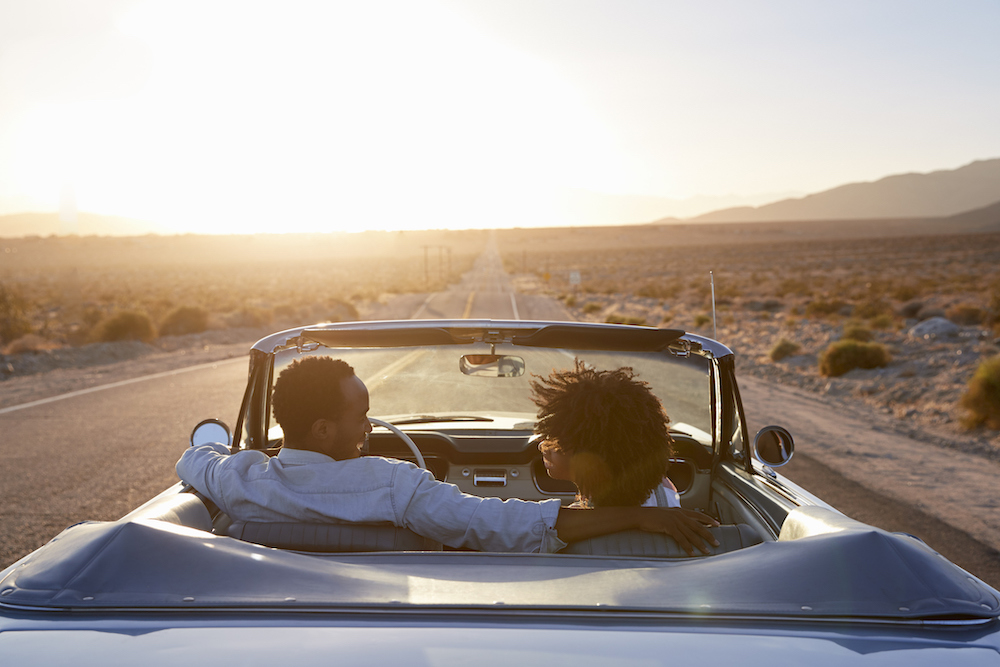
Summer is the time of vacations, road trips and lazy afternoon outings – but it’s also the season of coming back to an extremely hot car in the afternoon. Even on an 80- or 85-degree day, the interior of a car left out in the sun can reach 130 or even 170 degrees. One of the best ways to keep out the heat? Tint your car windows.

Benefits to Tinting Your Car Windows

There are many different benefits to tinting car windows, and for some drivers this can be a lower-cost solution to a variety of issues. Tinting windows can:

  • Help keep your car cooler.
  • Help protect you and any passengers from UV radiation.
  • Keep your upholstery from fading as quickly.
  • Help shatterproof your windows.
  • Improve security and privacy by limiting visibility from outside the vehicle.

Tinting is a fairly straightforward process and costs can range from around $150 to $500 or more. These costs vary depending on the type of vehicle, number of windows being tinted, and the material and level of tint selected.

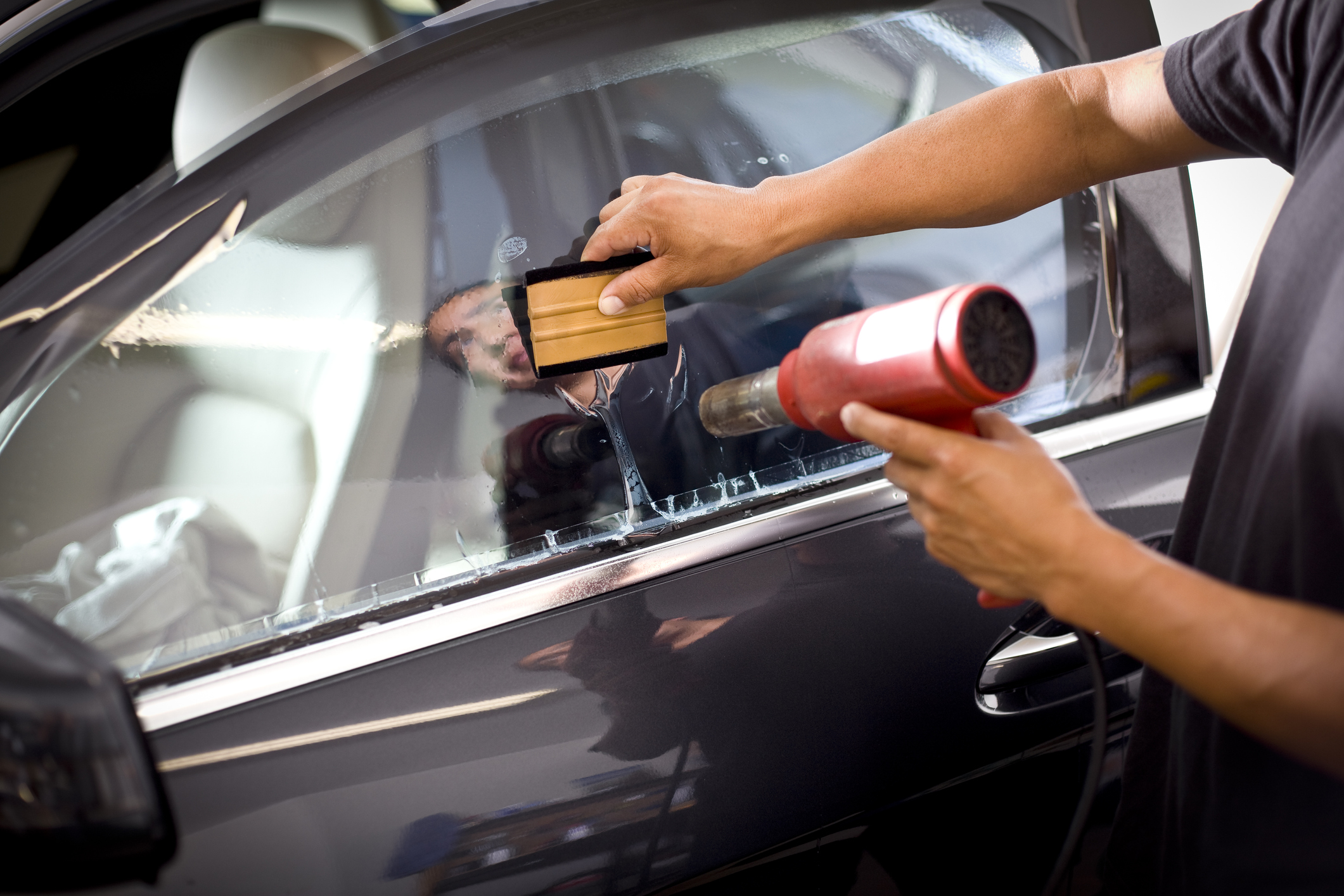
To tint car windows, films are used. First, the window films are fitted to each specific window and its curvature; this often requires a heat source to properly mold the film exactly to the curve of the window. Next, the windows are meticulously cleaned to ensure a clean, smooth surface for adhesion. Finally, the films are placed on the windows. Although it doesn’t take long for an expert to apply the window films, it can take several days for them to dry completely.

Reasons to Consider Having an Auto Glass Shop Tint Your Windows

Because the tinting process is so straightforward, many people try to do it themselves. However, there are several reasons to consider having your windows tinted by a professional at your local auto glass shop.

  1. Experts are more efficient. A trained technician can usually complete a tint job in about 90 minutes, depending on the number of windows and type of material. If you do it yourself, it will likely take longer, and the results may not be seamless.
  2. Experts will get it right. Technicians know how to do a tint job correctly the first time. With DIY jobs, results can vary widely, especially if you’ve never done it before. It takes expert patience and coordination to apply the window films without leaving bubbles, scratches or other noticeable imperfections that can potentially obscure your driving vision.
  3. Experts know the rules and regulations. Laws vary from state to state regarding how dark window tints can be or even which windows can be tinted. Technicians will be well versed in these laws to ensure your car is within local regulations.

Find a Local Auto Glass Shop Near You

Ready to learn more? Use Carwise.com to search for auto glass shops in your area that can professionally tint your vehicle’s windows. With Carwise’s shop search tool, you can read reviews from real customers, find hours and office locations, view before and after photos, and contact a shop to ask for examples of their work before you book an appointment. Search more than 20,000 auto glass and auto body repair shops today: https://www.carwise.com/auto-body-shops/.

Read More
What To Do If Someone Hits Your Parked Car

What To Do If Someone Hits Your Parked Car

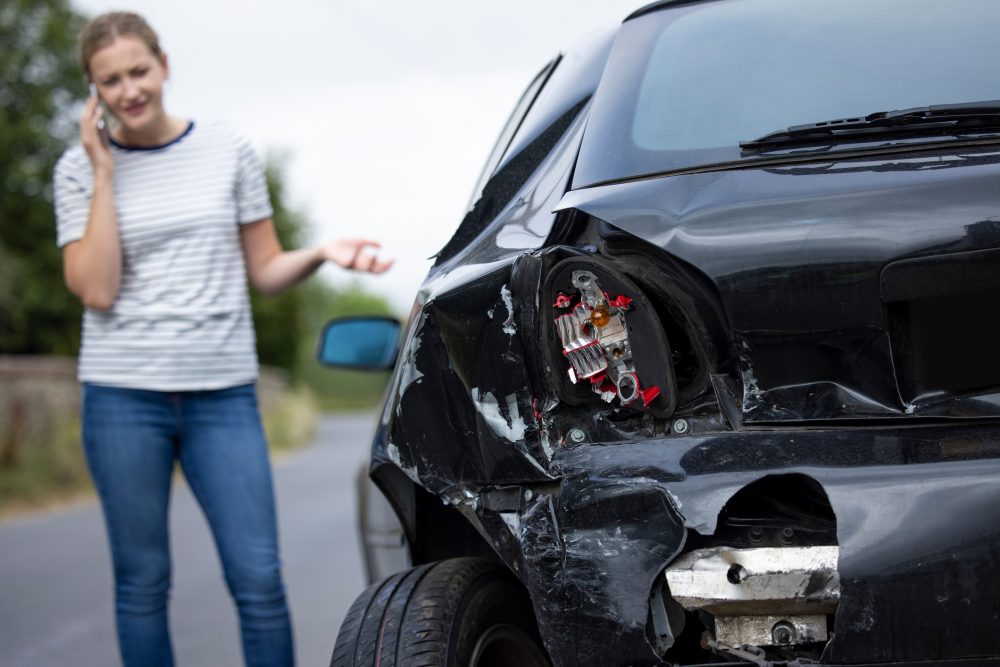
When you park your car while out and about, you probably assume your car will be there safe and sound when you return. But sometimes, accidents happen – even while you’re away from your vehicle. If someone hits your parked car and you return to find the damage, it can be confusing as to what to do next. The person responsible for the accident may not have stuck around or left a note to apologize and swap insurance information. What do you do if no one is around to take responsibility? 

What To Do If Someone Hits Your Parked Car

Here are some tips to help you navigate the process if your parked car has been hit:

  1. Document the damage. Documenting the damage with your smartphone will help speed up the process of filing a claim with your auto insurance and seeking any needed repairs from an auto body shop near you. If there is broken glass, be cautious as you approach the vehicle. Here are a few things you should be sure to document with photos and video:
    • Take photos of the vehicle and also any relevant details, like debris or tire marks.
    • Be sure to document the weather conditions, location and any nearby landmarks to help identify any factors that may have played a role in the accident.
    • If the driver left a note, make sure to take the note and take a picture of it as well, to ensure you have their information.
  2. File a police report. Whether the person who hit your car left a note or not, the first step should be to notify police so an accident report can be filed. In some cases, police may be able to track down security camera footage to help determine how the damage happened and who is responsible.
  3. Notify your insurance carrier. Depending on the type of insurance coverage you have, the accident may be covered by insurance. If the driver left a note, then the claims process will be similar to an in-person accident. If no note is left, then the accident may be considered a “hit and run” accident, which is a crime. If the damage is covered, ask if you can submit photos and video of the damage to kick off the process.
  4. Find an auto body or auto glass shop near you to repair the damage. If your car has been damaged, such as a damaged bumper, dent, or cracked window or windshield, you can contact an auto body or auto glass shop near you to discuss potential repairs. Ask if they accept digital photos of vehicle damage to generate a virtual estimate and kick off the repair process.

What To Do If You Hit a Parked Car

If the situation is reversed and you accidentally hit a parked car, don’t panic. Wait to see if the driver returns so you can provide them your information. If they don’t return, leave a note with your name, contact information and insurance information. You can also contact your own insurance company to start the claims process on your end. Whatever you do, don’t leave the scene without doing your due diligence to report the incident, otherwise it could be considered a crime by law enforcement.

How to Find a Collision Repair Shop Near You 

If you find yourself needing car repairs, Carwise.com is here to make the process easy from start to finish. Carwise.com makes it easy to find a repair shop near you, with details on nearly 22,000 shops – from real reviews by customers, to shop hours and locations, to shop certifications and before & after photos. Start your search today: https://www.carwise.com/auto-body-shops/

Read More
Everything You Need to Know About Bumper Repair

Everything You Need to Know About Bumper Repair

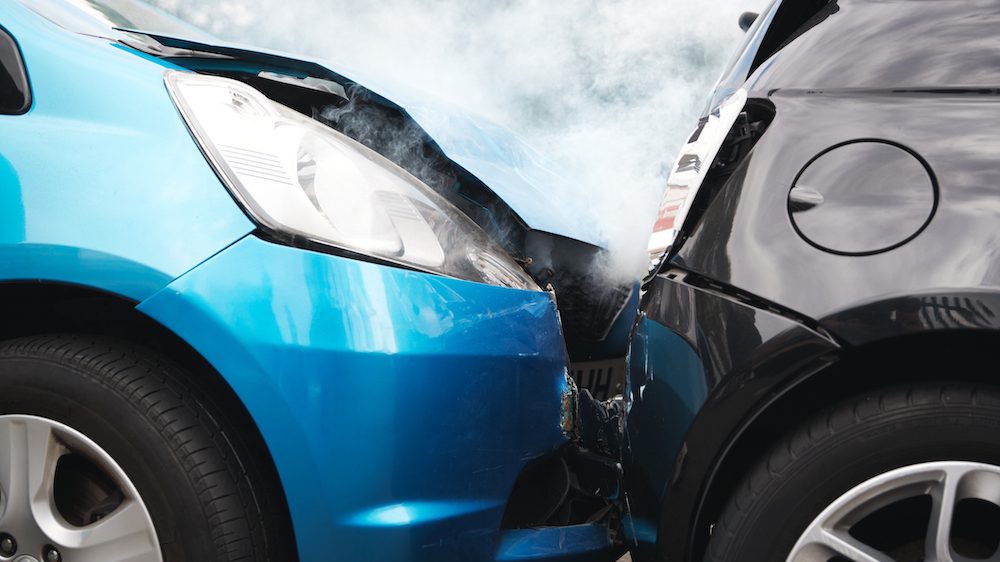
Bumpers are called bumpers for a reason – they’re often the first part of a vehicle to be bumped in a crash, and they’re designed to take most of the impact in order to protect the structure of the vehicle.

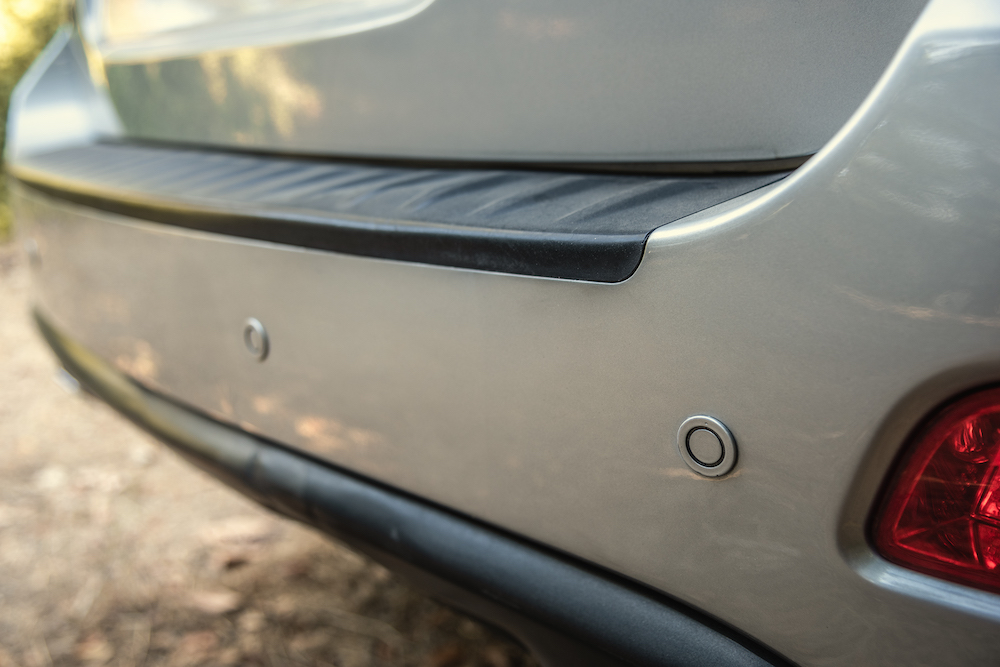
Because of their importance when it comes to safety, it’s crucial to get bumpers repaired or replaced if they are damaged in an accident. And it’s not just the exterior that needs to be checked out – bumpers also house various sensors, lights and warning systems, all of which can have hidden damage after a collision. All of these need to be functioning properly in order to best ensure your safety on the road.

Bumper repair vs. replacement

Oftentimes, bumpers can simply be repaired if the damage is minor. Depending on the size of any dents and the material of the bumper, paintless dent repair may be an option. In this type of repair, dents are slowly worked out without damaging the paint job, saving time and money. Minor scratches or punctures can also sometimes be repaired rather than replacing the whole bumper, though this may require a paint job on top of the repair.

For more intense damage – such as cracks, holes or a bumper that is falling off – the bumper may need to be replaced. If this is the case, you will need to purchase a new bumper through the auto body repair shop, and they will remove the old bumper and attach a new one, including connecting it to any systems or sensors embedded in the car. The paint will also be matched to the rest of the car.

When repairing or replacing a bumper, technicians may also do a post scan of the car to make sure all of the sensors and lights are properly aligned and functioning. This way, you can rest assured that any hidden damage has been taken care of.

Bumper repair cost

Cost for bumper repair or replacement can vary widely depending on a variety of factors. For example, SUVs or luxury cars will likely have more expensive bumper repair costs than a sedan-style car. The material of the bumper will also matter – plastic can be less expensive to replace than metal. And, the more sensors embedded in a bumper, the more expensive a repair can be. Bumper repairs can cost anywhere from $100 to more than $600, depending on the type of damage. For bumper replacements, that can cost more than $1000 depending on the parts needed and the time it takes to install.

Finding a repair shop

While it may be tempting to leave a bumper with a small dent, it’s important to check that any sensors or safety features are working properly after a collision. One way to determine whether your bumper needs to be repaired or replaced is to find a local collision repair or auto body shop and have a technician assess the damage. Carwise is here to help you find bumper repair services near you. From real customer reviews to shop certifications, hours and locations, Carwise’s search tool can help you choose the right auto body or collision repair shop from more than 21,000 shops nationwide. Use Carwise’s shop finder tool to search your zip code for a customer-reviewed auto body shop nearby: https://www.carwise.com/auto-body-shops/.

Read More
2021’s Most Popular Car Colors

2021’s Most Popular Car Colors

Like anything else, interior and exterior car color trends can go in and out of fashion, with some tried and true favorites that have withstood the test of time.

The Top Three Car Colors of 2021

What car colors are trending in 2021? According to Kelley Bluebook, the top three car colors this year are:

  • Dark Seltzer, a dark gray color
  • Redolent Red, a reddish-brown color
  • Abstraction Blue, a darker blue color

Gray is also expected to remain a popular choice, along with the classics: black and white.

This year, experts find that there is a bigger emphasis on texture or subtle details versus drastic color pallet changes. For example, cars may feature more textured-looking paint by including sparkles or specks.

Which Car Paint Colors are Easiest to Maintain?

Car color can be taken as a remark upon the driver’s personality, and many people want their car color to match their own personal tastes. However, when choosing a car color – either on a new car or for a paint job for an old car – it’s also important to consider maintenance. Some colors are easier to keep looking great than others.

For example:

  • Black looks great when it’s fresh and clean – but it can soon look dirty from grime or water marks.
  • White looks great like black does – and is equally hard to keep clean.
  • Gray is the easiest to keep clean and hides minor dirt easily, and silver is a close second.
  • Other colors may hide certain types of mess (for example, yellow can hide pollen) but not others (mud would show easily on a yellow car).
  • Blue, while rising in popularity, also doesn’t do a good job of hiding anything, so it can be difficult to keep clean.

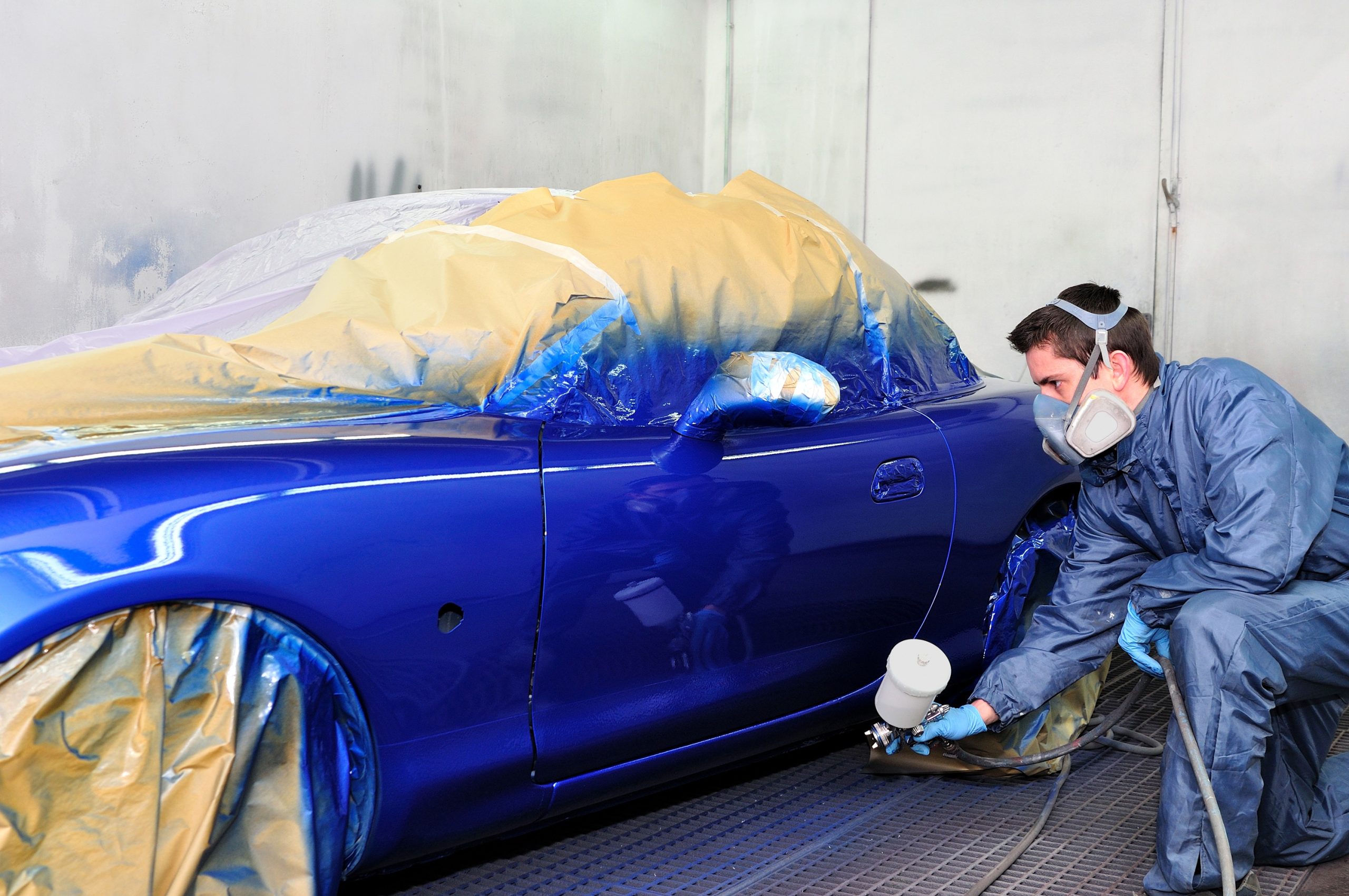
If you’re considering a custom or unique color for your car’s paint, you may want to consider whether the color will be easy to match, should you ever need a touch up. Certain colors can be a challenge for auto body technicians to tint accurately, which could risk discoloration in areas where they’ve repainted. Specialized paint finishes can also create challenges if you need to repaint the car down the road. This doesn’t mean that you should avoid unique colors and finishes; the key is finding the right auto body shop near you that has the expertise to get the job done right if you ever need your vehicle repainted.

Find An Auto Body Shop Near You to Repaint Your Car

How do you know when it’s time to paint your car? Things like hail damage or rust could mean it’s time for a paint job, assuming paintless dent repair isn’t an option. If you decide to paint your car, make sure you take the time to research the process and get quotes from several different shops.

When you’re ready, Carwise.com is here to help you. From real customer reviews to shop certifications, hours and locations, Carwise’s search tool can help you choose the right auto body or collision repair shop from more than 21,000 shops nationwide.

Read More
U.S. Cities With the Most Collisions

U.S. Cities With the Most Collisions

Summer is a great time to travel. Whether you’re loading up the family for a road trip to the beach or setting out solo to visit friends, summer tends to be a busier travel time than any other season.

When on the road, accidents can happen – and they’re actually more likely to happen in some cities than others. Before you hit the road, check out this list of cities with the most collisions, so you can know before you go.

U.S. Cities with the Highest Car Accident Rates

Allstate’s America’s Best Drivers Report uses “relative collision likelihood” to compare the rate of accidents in each city with the national average and ranks each city from best to worst. According to Allstate, these cities were the ten most accident-prone in 2019:

  1. Baltimore, MD – 152.5% relative collision likelihood
  2. Washington, D.C. – 142.3% relative collision likelihood
  3. Boston, MA – 116.5% relative collision likelihood
  4. Worcester, MA – 105.6% relative collision likelihood
  5. Glendale, CA – 99% relative collision likelihood
  6. Los Angeles, CA – 82% relative collision likelihood
  7. Springfield, MA – 81.7% relative collision likelihood
  8. Providence, RI – 70.8% relative collision likelihood
  9. Alexandria, VA – 69.9% relative collision likelihood
  10. Oakland, CA – 67.7% relative collision likelihood

U.S. Cities with the Most Car Accident Fatalities

While these cities may have the greatest chance for accidents, a different set of cities had the most fatalities. Some of the deadliest cities for drivers are Baton Rouge, LA; Savannah, GA; and Dallas, TX.

The Riskiest Days and Times to Drive

When traveling, there are also specific times of the year – or even times of the day – when you’re more likely to have an accident. In the United States, July 4 is the deadliest day on the roads, with many other holidays close behind, such as October 31 (Halloween) and January 1 (New Year’s Day). With regard to time of day, it should come as no surprise that the most dangerous time to drive tends to be 5 to 7 p.m., when rush hour traffic is at its peak.

These statistics or numbers might be alarming – but no need to panic. Simply exercise extra awareness during peak travel times or days, and of course stay alert when traveling anywhere unfamiliar or driving in heavy traffic.

After an Accident, Find a Local Collision Repair Shop with Carwise

Accidents happen – and with them come repairs. From paintless dent repairs to repairing hidden damage to a car’s technology, if you’re in an accident you’ll want to be sure your car is repaired quickly and effectively.

Fortunately, Carwise.com is here to help. Carwise has details on nearly 22,000 shops, from hours and locations, to shop certifications, reviews by real customers, and before and after photos. Use Carwise’s shop finder tool to search your zip code for a customer-reviewed auto body shop nearby: https://www.carwise.com/auto-body-shops/.

Read More
How New Vehicle Technology has Changed Car Repairs

How New Vehicle Technology has Changed Car Repairs

In the past ten years, so much has changed when it comes to automobiles. From the technology embedded in each new car to the efficiency of engines, great strides have been made in car design. All of those improvements create a more enjoyable, efficient and safe vehicle for you to drive, but also create new challenges to car repairs if you’re in a collision. One of the biggest challenges? Keeping tabs on all the technology that now comes in every car.

New Vehicle Technology

From end-to-end, new cars are embedded with technology. Advanced Driver-Assistance Systems (ADAS) offer tons of convenience for drivers, as well as improved safety. These systems can include:

  • Navigation. Many cars today come already equipped with built-in GPS systems to get directions easily while you’re on the road.
  • Adaptive cruise control keeps your speed steady on the road and give your foot a break from the gas pedal.
  • Collision avoidance systems. Some new cars will alert the driver when an obstacle or pedestrian is detected – and some even automatically brake the vehicle for the driver.
  • Rearview cameras. These make it easier to back up by showing a view to the driver of what’s behind the car and sounding an alarm if the vehicle’s bumper comes too close to an obstacle.  
  • Smartphone connections. Bluetooth has become commonplace, making it easy to connect your smartphone to your car’s audio system. Some cars even offer WiFi for passengers.

Can Car Accidents Damage ADAS Technology?

Many ADAS features rely on sensors embedded within the auto body of the vehicle to operate. The newer your vehicle is, the more sensors it will likely have, and these sensors are susceptible to hidden damage because of where they’re located: your bumpers. Sensors that are damaged in a collision – even if it is a light fender-bender – can cause these ADAS features to malfunction or fail. This damage can be costly to repair, but it’s important to fix it so that your car is safe to drive when you get back behind the wheel. Losing your car’s Bluetooth or navigation capabilities might be inconvenient, but when collision damage causes adaptive cruise control or collision avoidance systems to malfunction, that creates a serious safety risk that could potentially lead to another collision.

Find a Collision Repair Shop Near You

One way to tell if your car has hidden damage that will impact your ADAS systems is to get a diagnostic scan at a collision repair shop near you. A shop technician can connect their diagnostics tool to your car’s computer system and check to see if there are error codes indicating that a sensor is damaged.

Carwise.com makes it easy to find a collision repair shop near you when your car needs repairs. Carwise has details on nearly 22,000 shops, from hours and locations, to shop certifications, reviews by real customers, and before and after photos. Use Carwise’s shop finder tool to search your zip code for a customer-reviewed auto body shop nearby: https://www.carwise.com/auto-body-shops/.

Read More
Why Auto Thefts and Burglaries Are on the Rise in 2021

Why Auto Thefts and Burglaries Are on the Rise in 2021

Since the 1990s, vehicle thefts and burglaries have trended downward, to less than 800,000 in 2019. Yet 2020 saw a sharp increase in car thefts and burglaries, and the trend has continued into 2021. It’s not just cars being stolen, but specific parts on a vehicle, as well. Theft of catalytic converters rose sharply in 2020, from an average of 282 converters stolen per month to 1,203 in 2020 – a rise of nearly 327%. What could be causing this rise in thefts? We dig into the contributing factors to this trend below.

Reasons Car Thefts and Burglaries Are Rising

1. The COVID-19 Pandemic

One big contributing factor to this rise in auto thefts and burglaries is the COVID-19 pandemic. Economic downturns like the one that resulted from the pandemic often create financial desperation that might motivate some people to steal assets that they can sell for cash, whether it’s the car itself, or parts on the car, or items that have been left in a car, like a backpack, laptop, or another valuable.

Another factor during the COVID-19 pandemic was that during the peak severity when infection rates were high, many people were also trying to avoid public transit, which may have been another motivating factor for car thefts.

2. The Rising Demand for Precious Metals

One factor driving theft of car parts, in particular, is the rising demand for precious metals: palladium, rhodium and platinum. These are the metals used to manufacture catalytic converters, the part on an engine that manages exhaust emissions. With metal prices soaring due to increased demand, thefts of catalytic converters have soared, with thieves typically selling the stolen parts for scrap. A catalytic converter is located on the underside of a car, in the exhaust system between the manifold and the muffler.

Vehicles that have higher ground clearance, like a pickup truck, make it easier for thieves to access the catalytic converter and remove it. Hybrid vehicles are also frequent targets for catalytic converter theft because theirs tend to be in better condition, due to reduced use of gasoline compared to other vehicles. (Source)

There are two ways to tell if your catalytic converter has been stolen. First, if you turn on your engine and it is suddenly much louder than usual and the exhaust coming from your tailpipe is smoky, this could be the result of a missing catalytic converter. Second, thieves steal the catalytic converter by cutting off the pipes on either end of it. If you look beneath your vehicle and see two severed pipes with no converter, it’s been stolen. (If you’re not sure what you’re looking for, try searching the internet for photos of the undercarriage for your car’s specific make and model, e.g., “2018 Toyota Prius undercarriage.”)

3. The Key Fob Problem

Many newer cars do not require a manual key to start the engine, but instead use a keyless ignition that come with a key fob. As long as the fob is in proximity to the car’s computer system, the car can be turned on with the push of the button, thanks to an embedded microchip in the fob that validates the signal. At first, this technology drove a steep decline in car thefts, but recent reports show that one big contributing factor to the rise in car thefts is how often vehicle owners forget to take the key fob with them when they leave exit the car, typically leaving it in the cupholder for anyone to find. In other words, stealing a car has never been easier for a thief. If you own a car with keyless ignition, never leave your key fob in the vehicle, even if you think you’ll only be out of the car a few minutes.

What to Do if Your Car has been Stolen:

1. File a report with law enforcement. Your auto insurer will not be able to honor the claim if a police report has not been filed.

2. Contact your auto insurer to inform them of the missing vehicle.

What to Do if Your Car is Burgled:

If your car has been broken into or you suspect that a part such as the catalytic converter has been stolen and you want to file an insurance claim, we recommend taking these steps:

1. Document the damage for your auto insurance provider. Documenting the damage with your smartphone will help speed up the process of filing a claim with your auto insurance and seeking repairs from an auto body shop near you. Proceed with caution if there is broken glass.

2. File a report with law enforcement.

3. Contact your auto insurer to inform them of the incident. If the damage is covered, ask if you can submit photos and video of the damage, as well as documentation.

4. Find an auto body or auto glass shop near you to repair the damage. If your car has been damaged, such as a shattered window, or damaged door or handle, you can contact an auto body or auto glass shop near you to discuss possible repairs. Ask if they accept digital photos of vehicle damage to generate a virtual estimate and kick off the repair process. Professional auto body and auto glass technicians can help restore your vehicle to pre-theft condition.

Find an Auto Body or Auto Glass Shop Near You

A car burglary is always a distressing experience but finding the right auto body or auto glass shop to get repairs doesn’t have to be. Carwise.com makes it easy to find a repair shop near you, with details on nearly 22,000 shops – from real reviews by customers, to shop hours and locations, to shop certifications and before & after photos. Use Carwise’s shop finder tool to search your zip code for a customer-reviewed auto body or glass repair shop nearby to get your vehicle repaired after a burglary: https://www.carwise.com/auto-body-shops/.

Read More
How Has the Pandemic Changed Driving & Traffic?

How Has the Pandemic Changed Driving & Traffic?

As more of the U.S. population becomes vaccinated against COVID-19 and public spaces begin to reopen, you may be wondering what to expect once you hit the road again, whether it’s a return to your daily commute or a long-awaited road trip to see loved ones. Like many parts of daily life, the coronavirus pandemic had an immediate, massive impact on when, how, and what people drive, which may lead to long-term changes in traffic, vehicles and driving experiences. Here are the major ways that driving has changed during the pandemic:

Less people on the road has led to fewer but more severe accidents.

In the early months of the pandemic, when the stay-at-home orders and shift to remote work began, a large percentage of people stopped driving, leading to fewer car accidents. The number of miles driven nationally plummeted nearly 46% by early April 20201; by December, 50% of vehicle owners continued to drive less.2

Yet, while the number of car accidents dropped dramatically, those accidents that did occur were more severe. With significantly lower traffic congestion, people were driving at higher speeds. Another factor is the size of vehicles people are driving; in the first seven months of 2020 alone, SUVs accounted for 50% of all new vehicle registrations.3 With more large, heavy vehicles on the road moving at faster speeds, the trend of accidents getting worse isn’t all that surprising, but something drivers should be mindful of.

Not only are these conditions more dangerous for drivers; they are more expensive. Severe accidents lead to more extensive repairs and a higher likelihood that a vehicle will be declared a total loss. (A vehicle is a total loss when one of the following is true: the car cannot safely be repaired, the car’s damage meets your state’s criteria for total loss, or the repair costs would exceed the car’s estimated value.) When you’re out on the road, try to stay aware of your speed even if traffic is sparse, and be prepared to encounter other drivers who are speeding.

People who used to take public transit are choosing to drive during the pandemic.

While the percent of people commuting by car has always been significantly higher than those taking public transit in the U.S., the pandemic has deepened that gap even further. In a study by Continental on public mobility, 81% of U.S. respondents reported having changed their daily mobility habits during the pandemic, with 22% report traveling more often by car than before the pandemic.4 This trend will likely continue for the next several months amid lingering health concerns from coronavirus. So even though the pandemic has changed the way many people work and more companies are allowing employees to work from home, if those who do commute to the office continue to choose personal transportation rather than mass transit, it will not only increase traffic volume but likely continue to impact rising gas prices.

Be prepared to pay more at the pump.

With more people choosing to commute by car instead of public transit, and more people planning travel for their first vacations post-pandemic, gas prices are soaring back to pre-pandemic levels as demand for oil rises. A recent report from the Energy Information Administration (EIA) predicted that gas prices will climb to a three-year high this summer, to an average of $2.78 per gallon in the next six months. Although that price is similar to what we paid in the years before COVID-19, it’s still a 34% jump from gas prices in 2020 and may catch many drivers off-guard if they haven’t filled their gas tank in a while.5

Drivers are becoming more interested in usage-based insurance.

With more people driving less often and working remote for the foreseeable future, many have started seeking new ways to save on their auto insurance and understand how it is priced. A growing percentage of customers are comfortable with their auto insurers using their driving data to inform pricing,6 or what is known as “usage-based insurance” (UBI) or “pay as you drive” insurance.

Here’s how UBI works: depending the age and type of vehicle you have, your car may be able to record things like the mileage, speed, and distance of your driving on an average day. Some insurers can collect that data from your vehicle with your consent and use that to personalize your auto insurance pricing – and the better driver you are, based on the applicable carrier’s criteria, the better the price. If you find yourself working from home more often than you did before the pandemic, UBI may be a cost-effective option. 

Drivers are using digital tools to file insurance claims and seek repairs after an accident.

The necessity for social distancing had a major impact on how people interact with their auto insurer or local collision repair shop after an accident. Insurers used to send an adjuster to inspect a vehicle in-person after an accident and write an estimate for repair costs. These days, that entire process can be done from your smartphone, making it a COVID-safe experience for you and the adjuster: many insurers offer self-guided experiences through their mobile app that will allow you to snap photos of your damaged vehicle from the scene of the accident and upload any additional documentation securely. From there, the insurer uses a combination of computer and human analysis to review your photos and draft an estimate, which they can send to you via their app or an email.

Some collision repair shops offer similar digital experiences: you can start by searching for a collision repair shop near you via an online tool like Carwise, which lists profiles on over 22,000 collision repair shops nationwide. On Carwise you can review dozens of details on local shops, from their operating hours and location to real customer reviews, industry certifications, and photos of their work. Once you find a collision repair shop near you that meets your criteria, you may be able to schedule an appointment online or request a virtual estimate based on your photos of the damaged vehicle. Many shops are offering contactless drop-off and pick-ups as well and will update you about your repair status via text or email.

Daily life may not return to “normal” for a while, but as we rediscover familiar experiences like commuting to work for visiting family, we encourage you to be safe on the roads. If your car is in need of repairs, use Carwise’s shop finder tool to search your zip code for a customer-reviewed auto body or glass repair shop near you: http://carwise.com/auto-body-shops.

Article sources:

1 – Bob Pishue, Transportation Analyst, INRIX.  “COVID-19 Effect on Collisions on Interstates and Highways in the U.S.” Page 5, December 2020. https://www.fhwa.dot.gov/policyinformation/travel_monitoring/tvt.cfm

2 – ENGINE CARAVAN.  “Driving Change in Auto Insurance.”  December 1, 2020.  https://engine-insights.com/blog/driving-change-in-auto-insurance/

3 – Top Libby, IHS Markit. “New Vehicle Registrations Show Record Levels for SUVs.”  www.aftermarketnews.com, October 8, 2020.

4 – Continental Press Release, 2020-12-09. “Increasing Importance of Private Transportation During the Pan- demic: Continental Mobility Study 2020.”

5 – Energy Information Administration, Short Term Energy Outlook: https://www.eia.gov/outlooks/steo/

6 – TransUnion. “COVID-19’s Impact on the Insurance Industry Will Continue Well into 2021.” December 17, 2020. http://www.transunion.com/business.

Read More
Basic Vehicle Maintenance Before You Take a Summer Road Trip

Basic Vehicle Maintenance Before You Take a Summer Road Trip

Summer travel in 2021 is expected to bounce back from the historic lows during the COVID-19 pandemic, with many people making up for lost time to visit loved ones or take a long-awaited vacation. According to research from the National Highway Transportation Safety Administration (NHTSA), around 20% of all traffic accidents are the result of poor or neglected vehicle maintenance. If you’re one of the thousands of people planning to hit the road this summer, make sure that your vehicle is road-ready – especially if you weren’t driving it as often during the pandemic.

Here are some basic vehicle maintenance tasks you can do prior to your road trip to make sure that your vehicle is safe to drive.

  1. Check your car’s battery, belts and hoses. You want to make sure your car’s battery connection is tight and free of corrosion. Make sure the belts are tight and that you’re not seeing any fluids leaking beneath the car.
  2. Replenish fluids and replace filters. Check your car’s engine oil, power steering fluid, transmission fluid, and windshield wiper fluid, and top off any that are running low. If your car needs an oil change, most oil change stations will also change the engine air filter and top off other fluids if you ask.
  3. Inspect lights and electrical equipment. Make sure that your car’s brake lights, turn signal lights and headlights are all working properly, and replace any bulbs that are out. Don’t forget to check the windshield wipers and replace them if necessary.
  4. Check the brakes. If your brakes are squealing or making any sort of sound, the brake pads may be worn down and need replacing.
  5. Inspect the tires. If your tires are worn, they may need replacing. Check the tire pressure as well, ideally when it’s cold out to get the best reading of any low pressure issues. Tires that aren’t in top shape can affect not only fuel economy, but also safety.
  6. Got a chip or crack in your windshield? Make sure you get that repaired before you leave. Small windshield damage can quickly become big windshield damage if it’s not repaired quickly, impairing your vision or making a potential collision more dangerous.

Steps to Take After an Accident

No one wants to get in a car accident while on a road trip, but if one does happen, remember the protocol to follow after an accident:

  1. Check for injuries. Check on anyone in your own car – including yourself – then check on the other vehicle(s) involved to see if the driver and passengers have any injuries.
  2. Get to safety. Pull over to the side of the road if possible, or at least make sure you and anyone else involved are safely away from traffic if the cars cannot be moved.
  3. Call 911 and wait for help. In some states, it’s required to call the police even for a fender bender, so it’s better to be safe than sorry. Notify the police and wait for them to arrive.
  4. Document the accident. Take plenty of pictures from the scene of the accident if it’s safe to do so, to document any damage. Request a copy of the accident report from first responders or police.
  5. Exchange information. You’ll need to exchange information with the other driver(s) involved, including: full names, contact information, insurance company and policy number, driver’s license and license plate number, type/color/model of vehicle, and the location of the accident.
  6. Notify your insurance. You’ll need to notify your insurance carrier of the accident. You may want to do this while you’re still at the scene of the accident, in case your insurance provider has a mobile tool available to submit information digitally, should you choose to file a claim.
  7. Find a collision repair shop near you. If your vehicle is damaged, you may need to find an auto body or auto glass repair shop near you.

How to Find a Reputable Collision Repair Shop Near You

We hope your summer travels are safe – but if you do get in an accident on your summer road trip, Carwise.com can help you find an auto body or auto glass repair shop near you – even when you’re several hundred miles from home. It’s as easy as entering a zip code into the Carwise shop finder tool. Carwise has details on more than 21,000 collision repair shops nationwide, including hours and location, shop certifications, and reviews from real customers. Find a shop today at https://www.carwise.com/auto-body-shops/.

Read More
Five Signs of Hidden Damage After a Car Accident

Five Signs of Hidden Damage After a Car Accident

More than six million car accidents happen each year in the U.S., and more than 30 percent of those are rear-end collisions. Most “fender-benders” are minor and happen at slow speeds, leaving little cosmetic damage, if any. However, vehicles can sustain other kinds of damage that can be hard to spot if you don’t know what you’re looking for. This is what the automotive industry calls “hidden damage,” or collision damage to the frame, mechanics, or electrical systems within a vehicle that is not visible from the outside. Here are five signs that you might have hidden damage:

1. Steering Issues

Problems with your car’s steering can be a sign that your vehicle’s frame is out of alignment after a collision. The frame of a vehicle is like its skeleton; even a slight misalignment can put stress on other parts of the vehicle and cause additional damage. Here are some common symptoms of alignment damage to your vehicle:

  • The steering wheel seems to gravitate one direction when you’re driving
  • The steering wheel is shaky or wobbly
  • Noisy steering
  • The vehicle vibrates or shudders when in gear

2. A Bumpy Ride

If you’ve been in a collision recently and your ride has suddenly gotten a lot bumpier, it could be another sign that your vehicle’s frame is out of alignment and is damaging your car’s suspension system. Your car’s suspension system regulates friction between the tires and the road to limit the impact of road conditions and help you maintain control of the car. As suspension parts like struts and shocks wear down, they’re unable to absorb the impact of potholes and grooves in the pavement, making your ride rougher. It may be annoying at first, but if left unattended, suspension issues can cause your car to bottom out when you hit a speed bump or steep driveway, which can damage the undercarriage and create mechanical issues.

3. Malfunctioning ADAS Features

The newer your vehicle is, the more sensors it will likely have housed in the auto body. These sensors control Advanced Driver-Assistance Systems (ADAS) features like blind-spot monitoring, cruise control, and others. ADAS features are amazing innovations that can improve the driving experience, but the sensors are susceptible to damage in a collision because of where they’re located. For example, in a rear-end collision, the impact can damage sensors in the bumper, causing ADAS features to malfunction or fail. It is possible for a minor fender-bender to damage the sensors embedded in a car’s bumper without causing any visible cosmetic damage. If you’ve been in an accident recently and your blind-spot monitoring features malfunction or stop working, it may be a sign of hidden damage to the sensors in your bumper.

4. Leaking Fluid

If your car begins to leak fluid or have issues with acceleration or shifting gears after an accident, it could be a sign of transmission damage. Rear-wheel-drive (RWD) and all-wheel-drive (AWD) vehicles have transmission components near the rear of the car that can be susceptible damage in a rear-end collision.

5. Problems Opening and Closing Your Trunk, Hood, or Doors

After an accident, be sure to test all of the latches on your trunk, hood, and doors to make sure they can open and close properly. If they don’t, it could be another sign that your vehicle’s frame was damaged in the collision. A broken latch on a trunk, hood or door can cause them to pop open unexpectedly, even while driving. If a door gets stuck closed, this can be a risk to exiting your vehicle safely in the event of another collision.

After an Accident, Find a Certified Collision Repairer Near You

After you’ve been in an accident, a professional technician at a local collision repair shop will be able to repair hidden damage. Carwise.com makes it easy to find a reputable collision repair shop near you and request the inspection and estimate. From reviews by real customers to services and payment information, Carwise has details on nearly 22,000 repair shops. Use Carwise’s shop finder tool to search your zip code for a customer-reviewed auto body or glass repair shop nearby: https://www.carwise.com/auto-body-shops/.

Read More
1 3 4 5 6 7 21