Types of Hidden Damage Caused by Fender-Benders

Types of Hidden Damage Caused by Fender-Benders

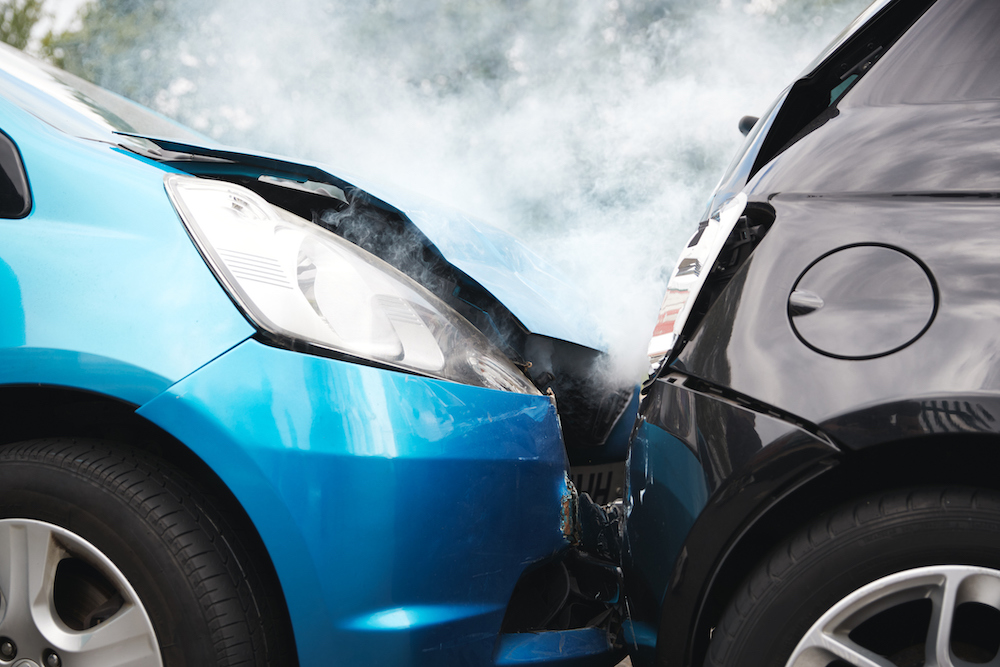
Did you know that rear-end collisions are the most common type of car accident in the United States? According to the National Highway Traffic Safety Administration, rear-end collisions make up nearly 30 percent of collisions nationwide, or about 1.7 million accidents each year. Over 80 percent rear-end collisions happen when the lead vehicle is completely stopped or moving at a very slow speed, usually as the result of a driver following the car in front of them too closely. Unfortunately, even minor “fender-benders” can cause hidden damage in addition to cosmetic damage like dents or scratches.

What is Hidden Damage?

Hidden damage is damage to the frame, mechanics, or electrical systems within a vehicle that may not be visible or immediately apparent following an accident. Here are the most common types of hidden damage caused by rear-end collisions: 

Damage to the Vehicle Frame

Think of a vehicle frame as the skeleton of your car. A fender-bender can throw the vehicle frame out of alignment, just like it can to your own back or neck. If your car’s frame has been damaged, it can cause a litany of issues:

Alignment problems

One of the most common issues after your vehicle’s frame has been damaged is alignment problems. Here are some common symptoms of vehicle alignment problems:

  • The steering wheel seems to gravitate one direction
  • The steering wheel is shaky or wobbly
  • Noisy steering
  • Tires are showing uneven wear
  • The vehicle vibrates or shudders

Even slight misalignments can put unnecessary stress on other parts of the vehicle and exacerbate the damage.

Trunk, hood, and door damage

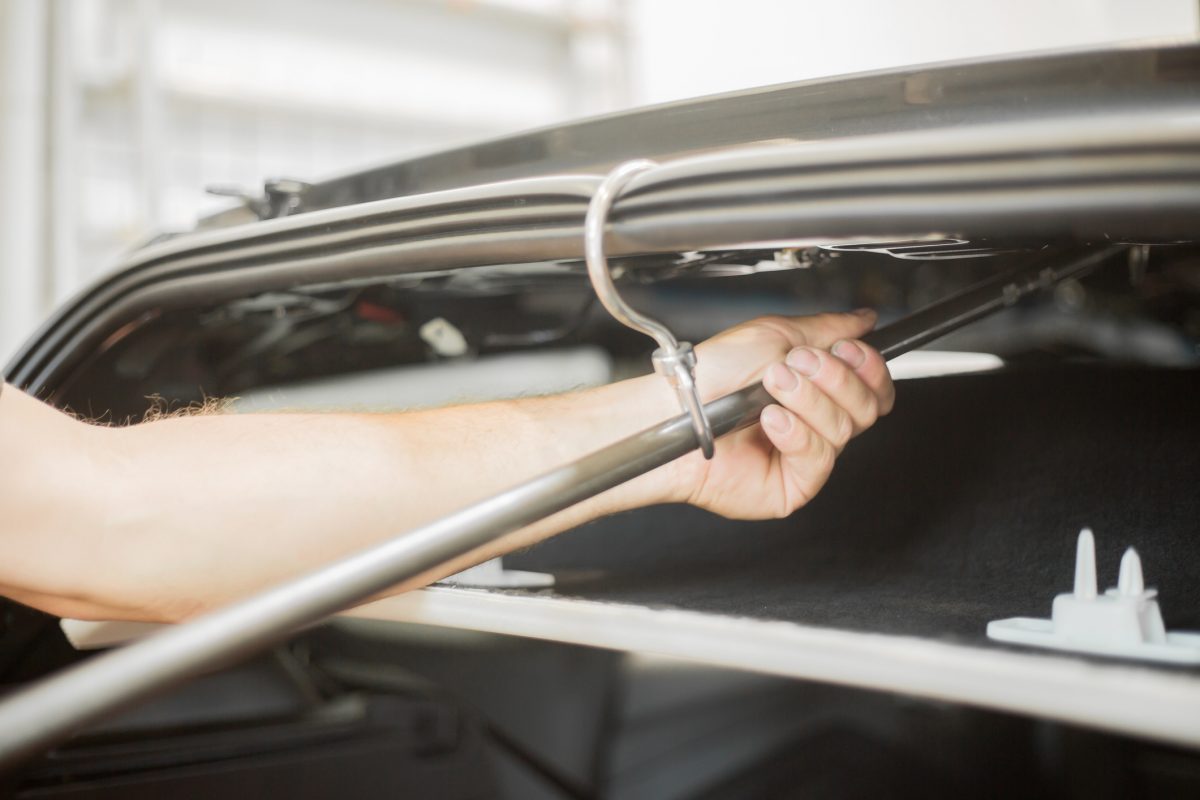
When your car’s frame has been damaged, it can impact latch mechanisms and seals on your trunk, hood, and doors. If a trunk, hood or door latch is broken it can cause them to pop open unexpectedly, even while driving. Damage to the seal around a door or trunk can allow moisture to get in, which can eventually cause rust around the car frame, or even mold and mildew in the interior.  After an accident, test all of the latches for the trunk, hood, and doors to make sure they latch properly.

Suspension issues

A damaged vehicle frame can cause extra wear and tear on the vehicle’s suspension. The suspension system regulates friction between a car’s tires and the road to limit the impact of road conditions and help drivers maintain control of the car. If you’ve been in a collision recently and your ride suddenly gets a lot bumpier, it could be a sign that your vehicle’s frame is out of alignment and is wearing down the struts, shocks, or other suspension parts. 

Damage to the Vehicle Electric System

Your car’s electrical system is a complex web of wires and sensors. Take your bumper, for example: the newer your vehicle is, the more sensors it will likely have housed in the bumper. These bumper sensors control Advanced Driver-Assistance Systems (ADAS) features like blind-spot monitoring, cruise control, and others. ADAS features can improve the driving experience, but they also make even minor accidents more complicated because of the sensors embedded in the body of your vehicle to make those systems run. In a rear-end collision, impact to the bumper can damage these sensors and cause the ADAS features to fail. A diagnostics test at a collision repair shop near you is one way to determine whether your car’s ADAS system has been damaged in a rear-end collision.

Fender-benders can also damage other electrical components, including airbag deployment, your car’s head, tail and brake lights, and battery connectivity. If you’ve recently been in a fender-bender and your car’s battery is suddenly dead, it’s likely that the battery’s wiring was knocked loose in the collision.

Damage to the Vehicle Mechanics

Rear-end collisions can not only cause damage to your car’s frame and electrical system; they can also cause mechanical damage. The most common type of mechanical damage after a fender-bender is transmission damage. Rear-wheel-drive (RWD) and all-wheel-drive (AWD) vehicles have transmission components near the rear of the car that can be susceptible damage in a rear-end collision. If your car begins to leak fluid or have issues with acceleration or shifting gears after an accident, transmission damage could be the culprit. 

It’s always a good idea to crouch down and inspect your vehicle’s undercarriage after a collision, but if you don’t know what you’re looking for, the damage may not be immediately obvious.

Steps to Take After a Fender-Bender

Here are the basics steps to take immediately following a car accident, whether it’s a serious rear-end collision or minor fender-bender:

  1. Pull your vehicle off to the side of the road. Once you’re safely out of the way of oncoming traffic:
  2. Document accident details. Using your smartphone, capture photos of all vehicles involved at the scene of the accident. Swap contact and auto insurance information with other drivers involved in the accident.
  3. Contact your auto insurance provider and share details from the accident. Ask how to submit photos from the scene of the accident. Some insurers may have a mobile app experience that makes documenting the accident easier, like uploading your photos.
  4. Even if your car seems drivable after the collision, be sure to check for hidden damage before driving away from the scene of the accident:
    • test your head, tail and brake lights
    • test your hood, trunk, and doors to make all of them open and close properly
    • crouch down to check for damage on the undercarriage, and watch for leaking fluid
    • watch for signs of vehicle misalignment mentioned above

Find a Collision Repairer Near You

A professional technician at a collision repair shop near you will be able to repair hidden damage after an accident, whether it’s a bent vehicle frame, stuck door, or something else.  

After you’ve been in a collision, Carwise.com makes it easy to find a reputable collision repair shop near you and request an inspection and estimate. From reviews by real customers to services and payment information, Carwise has details on over 22,000 repair shops. Use Carwise’s shop finder tool to search your zip code for a customer-reviewed auto body or glass repair shop nearby: https://www.carwise.com/auto-body-shops/.

Read More
Does Your Car Need a Paint Job?

Does Your Car Need a Paint Job?

When you first got your car, it was likely shiny and new, with a sparkling paint job. But over the years your car’s paint job may lose some of its luster, or may even become damaged due to rust, hail or a severe storm, or a traffic accident.

If you’re thinking about touching up your car’s paint or redoing the paint job entirely, it helps to understand what the repainting process entails. The cost of a vehicle paint job by your local auto body shop can vary widely based on the repair work needed beforehand and the size of the area being repainted, among other factors.

What Does a Car Paint Job Entail?

An estimator at a local body shop near you can go over the specific steps needed for your vehicle. Generally, the steps to repainting a car include:

  • Repairing damage. If your vehicle has rust, weather or accident damage, technicians may first treat the area before repainting – the technicians will sand down the rusty areas, repair a dent, or patch a crack, etc.
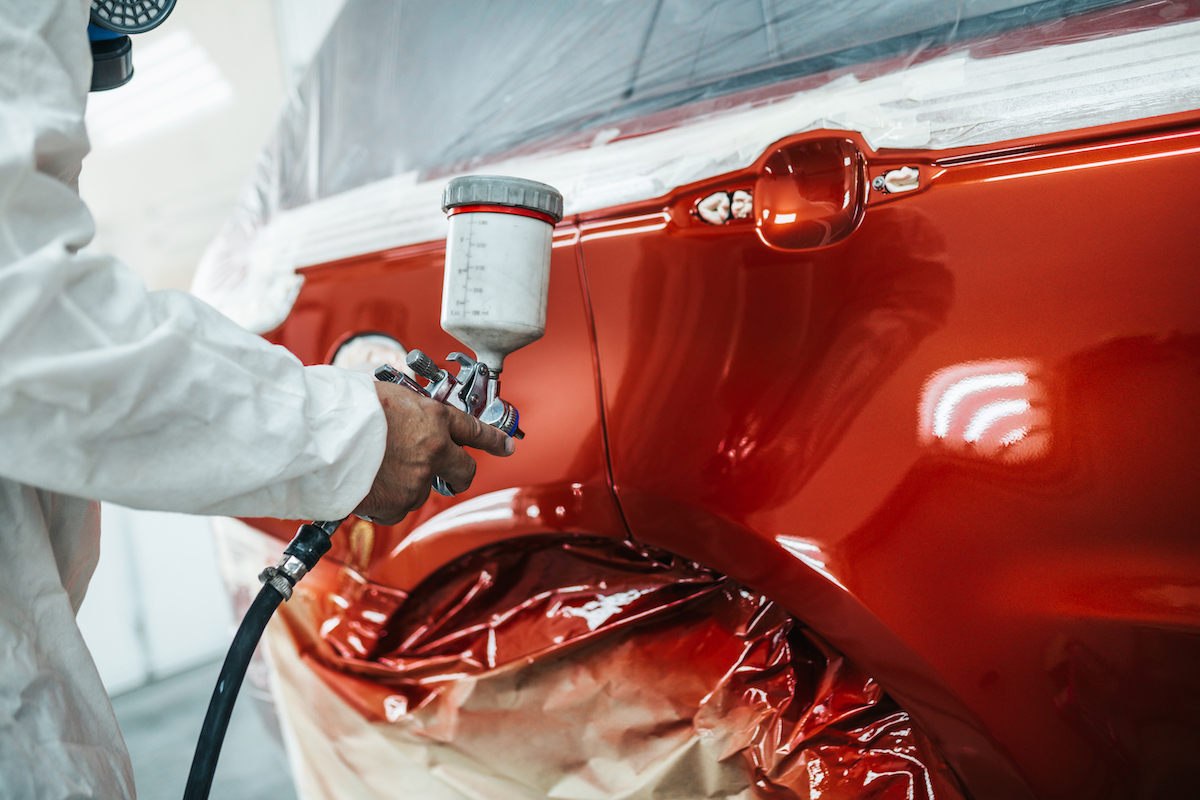
  • Prepping the car for paint. After making repairs, the technician wipes down the vehicle to create a smooth, clean surface for the paint to adhere, before masking the areas not to be painted with tape or plastic coverings. If the area that needs repainted is big enough, the technician may remove that panel from the car completely.
  • Selecting the right paint color. The new paint is matched to the original paint. A common way to do this is for the technician to use the color code marked on the vehicle.
  • Applying the primer. After the area has been sanded and dried, the car is painted with primer, up to three coats depending on the job, with each coat drying before applying the next layer.
  • Re-sanding. Next, your car may be re-sanded, to help provide a smooth base before applying the paint.
  • Painting the car. Up to three or four layers of the paint are applied on top of the primer, again with each layer drying before starting the next one.
  • Applying lacquer or a topcoat. After the paint is once again sanded with fine sandpaper and wiped down, a topcoat of lacquer can be applied, to give the car that flawless, shiny finish.
  • Buffing. Buffing the car evens out the finish and helps blend with the rest of the car.

Painting a car is a meticulous process, and it can take time to do it right. Paint jobs can start in the hundreds of dollars for a small job to several thousand or more, depending on any rust damage or other issues that may need to be resolved before painting or whether you are getting a custom paint job.

Get a Quote for a Car Paint Job from an Auto Body Shop Near You

Now that you have a better understanding of what a vehicle paint job entails, ask an auto body shop near you for a quote. You may even want to seek multiple quotes to get a better sense of how quickly you can expect it to get done.

When you request a quote, don’t be afraid to ask the auto body shop questions about their paint work, including:

  • What steps do you take when painting, and what’s covered in this quoted price?
  • Will you need to remove any panels on the car, or just mask them with tape or covers?
  • Can you show me previous examples of your work in this price range?

Ready to start scoping out a paint job for your car? Use Carwise.com to find auto body shops near you and start gathering quotes. Carwise has details on nearly 22,000 shops, from hours and locations, to shop certifications, reviews by real customers, and before and after photos. Use Carwise’s shop finder tool to search your zip code for a customer-reviewed auto body shop nearby: https://www.carwise.com/auto-body-shops/.

Read More
Auto Body Repair for Classic Cars

Auto Body Repair for Classic Cars

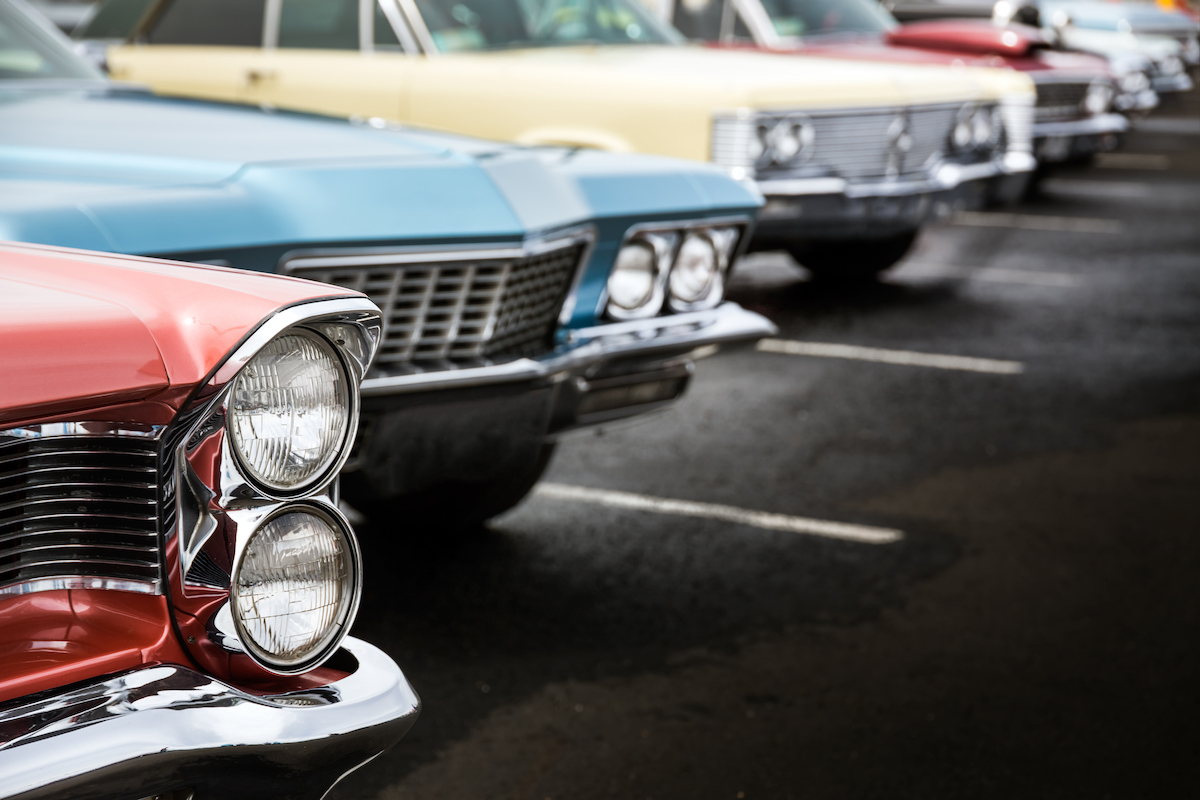
Whether it’s an amazing find from Craigslist or a family vehicle that you want to preserve, classic cars can be a lot of fun to restore, drive, and show around, especially if it’s a rare model. But unless you’re a trained auto body technician or mechanic, restoring a classic car can be a real challenge. Vintage parts in good condition can be hard to come by, and cost can be a factor. Or maybe you have experience with mechanics but restoring the aesthetics of a vintage vehicle is something you’ve never done before. If you’re thinking about auto body restoration for your classic car, here are some things to consider.

Things to Consider Before Repairing or Restoring Your Classic Car

Do you plan to drive or display your classic car?

In the world of classic car repair, there are different levels of restoration that all depend on what you, the owner and driver, plan to do with your vehicle.

  • Driver Restoration – If you’re just hoping to get the car back on the road and keep it operational with some minor cosmetic fixes, this is known as driver restoration and depending on your experience with car repair, you may feel comfortable DIYing.
  • Street Show Restoration – If you’re hoping to display your classic car at a car show occasionally, this would need street show restoration, which typically includes fixing any aesthetic issues the car might have, like chipped paint, dented bumpers, or upholstery rips and stains, along with the mechanic issues needed to keep it running.
  • Show car restoration is for cars that you don’t plan to drive often and only to show, with the goal of restoring the car’s aesthetics to near-mint condition.
  • Concourse restoration is the highest level of classic car repair and its goal is to restore it for private collection, never to be driven. Concourse-restored vehicles are what you might see in museums — the engine may not run anymore, but they’re beautiful to look at.

Will your classic car need safety upgrades?

Depending on how old the vehicle is, it may not have airbags or seatbelts. Your state may or may not require you to add these items to your vintage car, but nevertheless it is possible to install them and many classic car enthusiasts, like Jay Leno, add seatbelts to all of their classic cars so that they can be driven safely.

Will you be able to source parts for your classic car?

Finding the right parts for your classic car can be a job in itself. This is one way professional help from an auto body or auto glass shop can really make a difference, especially if they specialize in classic car restoration. They’ll have experience in sourcing parts to the level of restoration you’re seeking.

Reasons to Take Your Classic Car to a Professional Auto Body Shop Near You

Auto body work can turn one person’s junk into another person’s treasure and be a great way to revive a piece of automotive history. It takes a lot of work, tools, experience and patience that you may not have. A DIY classic car restoration might initially seem simple to do, but you may find out that it is very time consuming and really not worth your time as you get into the project. If you’ve never worked on a classic car before, there may be a learning curve or you may run into unexpected hiccups while doing the repair, and you may not have the right equipment to restore the auto body, especially if it needs to be repainted or any of the interior needs repaired or replaced. A car restoration that takes an auto body shop three hours to do might take you 15 hours, especially if it is the first time working on your classic car.

Choosing a reputable auto body shop experienced in classic car repair might seem like a daunting task, but Carwise makes it easy. With details on over 21,000 auto body shops nationwide, from hours and location to real reviews from customers and photos of their recent work, Carwise.com can save you time on finding a reputable auto body shop near you. If you’re ready to get help restoring your classic car, search your zip code in the Carwise shop finder tool today:  https://www.carwise.com/auto-body-shops/.

Read More
Everything You Need to Know about Car Window Repair

Everything You Need to Know about Car Window Repair

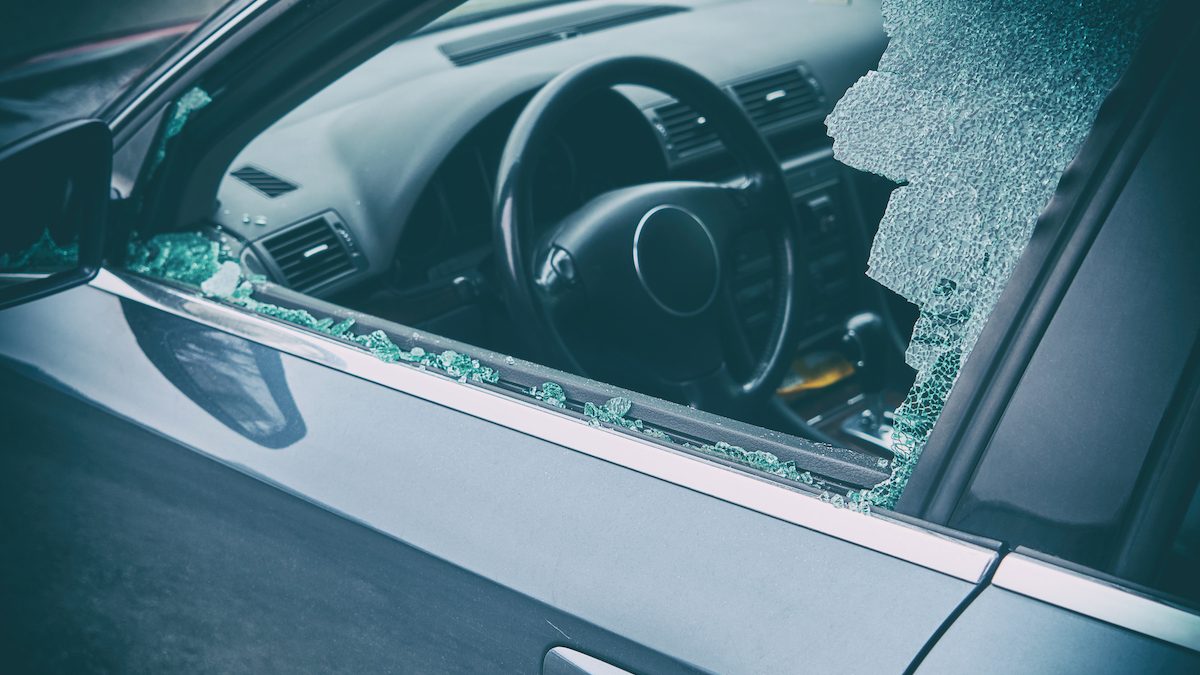
Many drivers focus on the condition of their windshields, but a vehicle’s side windows are just as important to safe driving. Window damage becomes dangerous when it interferes with your peripheral field-of-vision or when it interferes with your ability to focus on driving. While it may be tempting to postpone repairs if the damage seems minor, it’s important to know that cracked, chipped or broken car windows can present real risks. In many states, you can be ticketed if a police officer deems your broken window to be unsafe.

Here’s everything you need to know about car window damage and how to find a local auto glass repair shop near you.

What to Do if Your Car Window Won’t Roll Up or Down

Window regulators are the mechanism that allows you to raise or lower your car windows. Whether your window regulators are powered by buttons or old-school manual hand-cranks, they are subject to high wear and tear (especially the driver’s window) and can stop working from age or excessive use. There are other common causes of window regulator failure: faulty switches, damaged window tracks, broken cables, worn out pulleys and cable lines, and exposure to moisture. A professional technician at your local auto glass shop can diagnose the problem with your regulator and repair it.

Although a window that can’t roll up or down may not seem like an urgent issue, especially if the window is already rolled up, remember that a broken window regulator could interfere with your ability or the ability of your passengers to exit your vehicle if you are trapped inside in the moments following a collision, so you shouldn’t delay getting it repaired.

What To Do When Your Car Window is Damaged or Shattered

If your car window has a small chip or crack, the damage can spread over time, leading to more expensive repairs and potentially a full auto glass replacement. Weather can make window damage worse. Like with cracked windshields, moisture can drip into the chip or crack on a car window, and cold temperatures can cause the moisture to freeze and expand, making the crack spread.

If your window is already cracked when you get into an accident, the glass is more likely to shatter during a collision.

Here are steps to take when your window gets shattered:

  • Take photos and video of the damage. This is a key first step before beginning cleanup, especially if the broken car window is a result of an accident or burglary, because you will need to document the damage for insurance and law enforcement purposes.
  • Contact your auto insurance provider and file a police report. If your car window is damaged as a result of an accident, burglary, or a natural disaster like a tornado, it may be covered by your auto insurance. Some law enforcement agencies will come out and file a police report in the case of accidents and burglaries. After natural disasters, some first responders will provide an incident report if you call them from a non-emergency line within a few days or weeks of the event.
  • Clean up the glass. The most effective way to clean up shattered glass is to use a shop vacuum to suction it off of the interior of the vehicle. Remove as much as you can, but rest assured that your local auto glass shop will likely vacuum the car before they return it to you in an effort to restore it to pre-incident condition.
  • Cover the window. Once you’ve cleaned up as much glass as possible, you will need to secure the window to protect the interior of your car until the window can be repaired. If you anticipate having to drive the vehicle before the window is repaired, you will need to use something that doesn’t obstruct your field-of-vision – we recommend clear packing tape and transparent plastic, such as a shower curtain liner.

Should You Repair or Replace Your Broken Car Window?

Auto Glass Repair

Auto glass repair is a quick, cost-effective solution if the crack or chip on your car window is small enough. Generally, chips smaller than the size of a quarter and cracks less than three inches long can be repaired. Anything larger will likely require a full replacement. A quality auto glass repair can prevent a chip or crack from spreading and help hide the original damage without having to remove the original glass. You’ll need to act quickly to get an auto glass repair, otherwise replacement may become your only option because driving with a cracked car window can cause the damage to spread.

An auto glass repair is a simple procedure that typically takes less than an hour: the technician uses a small suction vacuum to remove any moisture or other matter from the crack and injects resin to fill it. If done properly, window crack repair can be a safe and permanent solution to a damaged piece of auto glass.

Auto Glass Replacement

Auto glass replacement is typically more expensive than an auto glass repair, but it is often the best way to make sure that your vehicle is safe to drive. The location of the window damage can play a factor in determining whether or not you’ll need an auto glass repair or replacement. Depending on where the crack is located, it can compromise the structural integrity of the glass. If the damage is in the line of site of the driver, the auto glass shop may recommend a full replacement even if it’s a small chip, because auto glass repair can sometimes leave minor distortions in the glass. If a crack or chip is deep enough to penetrate the clear layer of plastic that prevents window glass from shattering, they will likely recommend a full replacement as well.

Get Your Window Repaired at an Auto Glass Shop Near You

A professional technician at your local auto glass repair shop will be able to inspect and assess the damage to your car window and help you determine the best method of repair or replacement.

When your car window is broken or shattered, Carwise.com makes it easy to find a reputable auto glass repairer near you and request an estimate. From reviews by real customers to services and payment information, Carwise has details on nearly 22,000 repair shops. Use Carwise’s shop finder tool to search your zip code for a customer-reviewed auto body or glass repair shop nearby: https://www.carwise.com/auto-body-shops/.
Read More
Should I Get Those Small Rust Spots on My Car Fixed?

Should I Get Those Small Rust Spots on My Car Fixed?

Now that it’s springtime and you’ve had a chance to wash the layers of road salt and grime off of your vehicle, you may be noticing some small rust spots and wondering if they’re something to be concerned about and how long you should wait before getting them repaired. The problem with rust is that it can grow over time when it isn’t mitigated. Here’s what you need to know about vehicle rust and when to seek repairs from an auto body shop near you.

What Causes Cars to Rust?

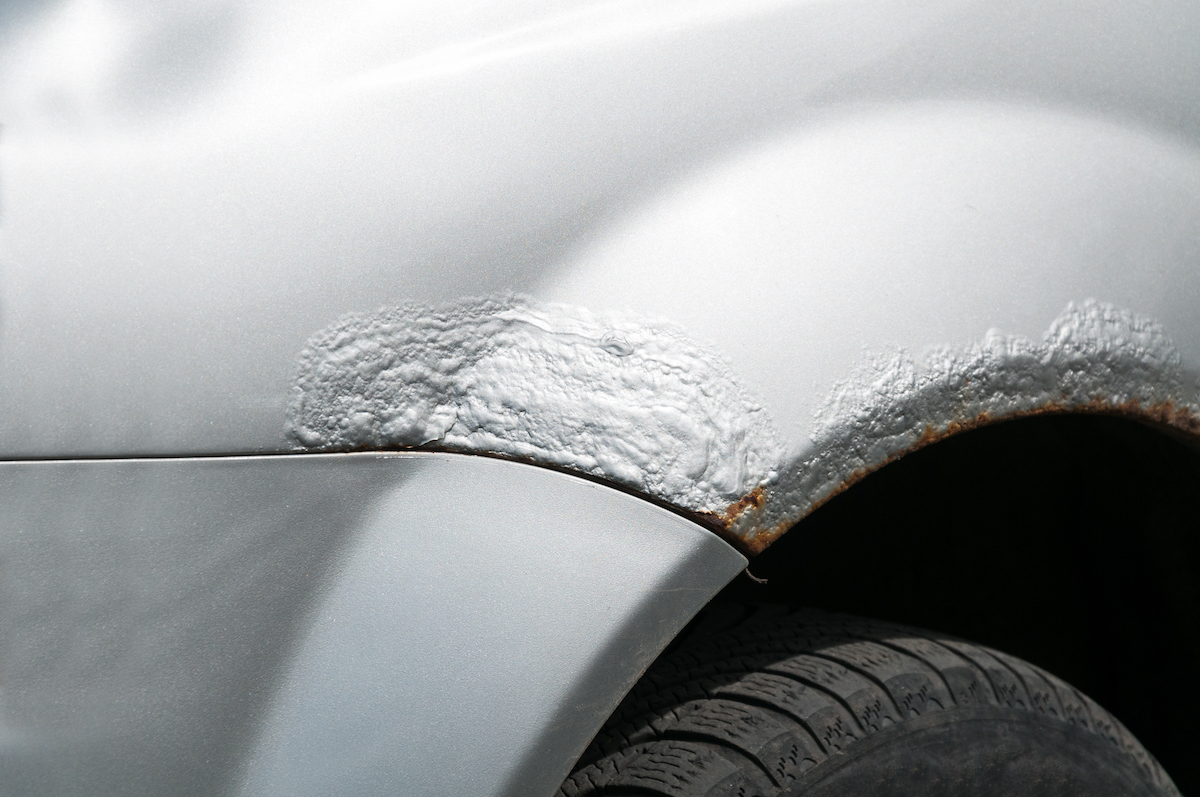
Exposure to dirt, salt and other chemicals can cause the top layers of your car’s paint to weaken, especially as the car ages. When bare metal is exposed to water, iron and air it creates a chemical reaction known as oxidation that causes the metal to corrode. Saltwater is the most common accelerant to oxidation and car rust; vehicles in coastal and cold-weather climates are most susceptible to this.

You can help protect your vehicle from rust by having your car professionally detailed regularly by a local auto body shop. The detailing products and techniques used by professionals can protect the paint’s finish. Getting your car washed regularly at a facility that will wash the undercarriage can also prevent buildup of oxidizing elements like road salt and dirt. Rust typically starts building around a car’s wheel well or near the bottom of the door.

What are the Risks of Car Rust?

Unrepaired dents and scratches can promote rust, even on newer vehicles, because the damage exposes bare metal to elements that can speed up oxidation. This is why it’s important to get minor damage repaired by a local auto body shop as soon as possible, because the damage can spread over time due to things like rust. If left unchecked, rust not only causes the paint to flake away and make your car look bad; it can corrode structural components and body panels, making the metal brittle and flakey, and therefore less resistant to the impact of a collision. Once the structural integrity of your vehicle is compromised by rust, any subsequent collisions can be even more damaging and dangerous. Rust underneath the vehicle can cause mechanical problems that will also make your car less safe to drive.

When you see small rust spots forming on your car, that’s a prime opportunity to take it in for an inspection at your local body shop to see how far the rust has spread, get an estimate on repairs, and hopefully mitigate the problem before it becomes a structural issue.

Get Small Rust Repairs to Mitigate Damage

Small rust repairs can help mitigate further damage when the damage is superficial and the corrosion hasn’t had a chance to penetrate through the metal. Small rust repairs are more cost-effective than big ones and take less time. The typical small-scale rust repair process usually works like this:

  • The auto body technician sands down the corroded area and the surrounding paint.
  • They coat the exposed metal with primer.
  • Once the primer dries, they repaint the area to match the rest of your vehicle.
  • They wash, wax and polish the vehicle.

When Larger Rust Repairs Become Necessary

Large-scale rust repairs become necessary when the rust has penetrated a larger or deeper area of the auto body, which can weaken the structural integrity of the vehicle.

Large-scale rust repairs typically include these steps:

  • First, the auto body technicians cut out the corroded metal section and then replaced. If the damage is extensive, it may be necessary to switch out the entire body panel.
  • Then they use a bonding material to fill in around the repaired area.
  • Then they sand, prime and paint the area to match the rest of the car.
  • They wash, wax and polish the vehicle.

Find a Professional Auto Body Repairer Near You

When you notice small rust spots on your car, take it in for an inspection at a local body shop. A professional technician can evaluate the damage and provide recommendations on repairs. Carwise.com makes it easy to find a reputable auto body shop near you and request an estimate for rust repair. From reviews by real customers to services and payment information, Carwise has details on nearly 22,000 repair shops. Use Carwise’s shop finder tool to search your zip code for a customer-reviewed auto body or glass repair shop nearby: https://www.carwise.com/auto-body-shops/.
Read More
What Do I Do if My Vehicle is Damaged by a Tornado?

What Do I Do if My Vehicle is Damaged by a Tornado?

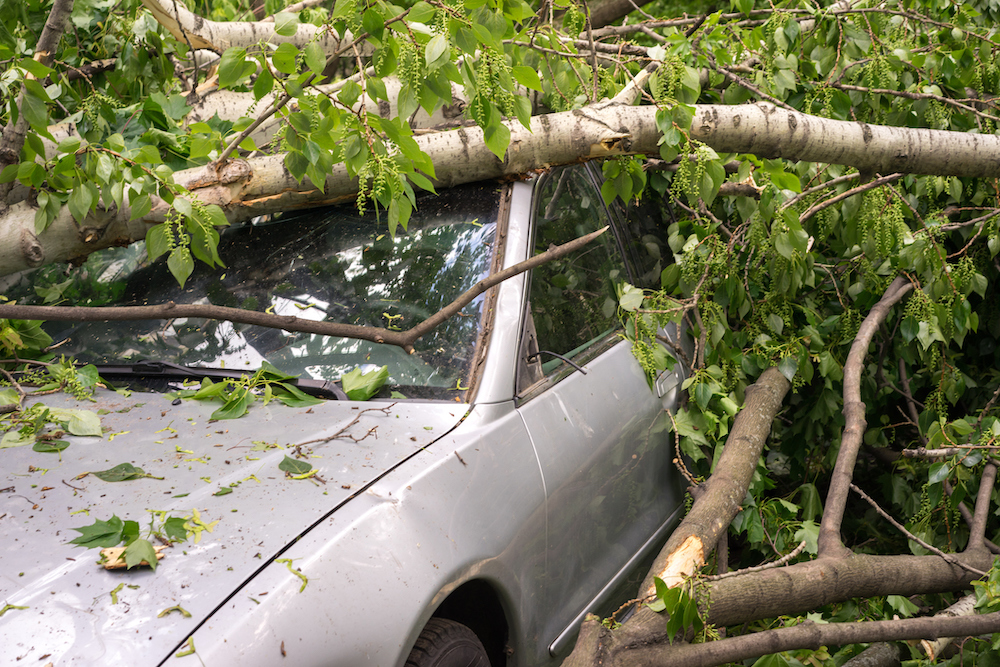
A tornado siren is blaring and you’re sheltering in place—the last thing you’re probably thinking about when a tornado barrels through town is your car, which is parked in your driveway with nothing to protect it from the elements. But after the storm is over and you safely make it outside, you see it: a tree limb has fallen on the dash of your car, shattering your windshield. The car has also suffered other damage from hail and debris. What do you do in a moment like that?

Here are some tips for safely seeking car repairs after a tornado.

Document the damage from a safe distance.

Documenting the damage with your smartphone will help speed up the process of filing a claim with your auto insurance and seeking repairs from an auto body shop near you. Proceed with caution, though—downed tree limbs and cables, broken glass and other debris can make this task dangerous after a tornado. Don’t try to remove any tree limbs or cables by yourself; wait for professional help. Make sure you’re wearing protective footwear and that you keep a safe distance from the vehicle as you take photos and video footage.

Inquire with your auto insurance.

Contact your auto insurance company to see if they will cover tornado damage for your vehicle. If it is covered, ask if you can submit photos and video of the damage, as well as additional documentation.

Collect documentation from first responders.

The police or fire department that responded to the storm may be able to provide you with an incident report that corroborates that your vehicle was indeed damaged by a tornado, but you will need to request this information from them. Understandably, this may not be a top-of-mind request immediately following a serious storm. You may be able to request this information later by calling the non-emergency line for the fire or police department. Once you have the documentation from first responders, you can add this to your insurance claim documentation.

Seek Repairs from a Local Auto Body or Auto Glass Shop

Even the smallest branches or limbs can cause damage, so look out for physical or cosmetic damage following a storm. If your vehicle requires, or should you choose to repair your vehicle, ask your local auto body or auto glass shop if they accept digital photos of vehicle damage to generate a virtual estimate and kick off the repair process. Professional collision repairers can repair your vehicle to pre-tornado condition, from external auto body damage to cleaning and detailing the inside of the vehicle to remove hazardous debris.

Carwise.com makes it easy to find a reputable auto glass repairer and request an estimate. From reviews by real customers to services and payment information, Carwise has details on nearly 22,000 repair shops. Use Carwise’s shop finder tool to search your zip code for a customer-reviewed auto body or glass repair shop nearby to get your vehicle repaired following a tornado: https://www.carwise.com/auto-body-shops/.
Read More
How Do I Get Hail Damaged Repaired on My Car?

How Do I Get Hail Damaged Repaired on My Car?

You look out your window and can see a storm rolling in. Then you remember that your car is parked in the driveway or street, and thus ensues the mad dash to move your car into the garage or under a carport – if you have that option. If not, your car is left to face the elements of a bad storm, including one of the worst possibilities: hail.

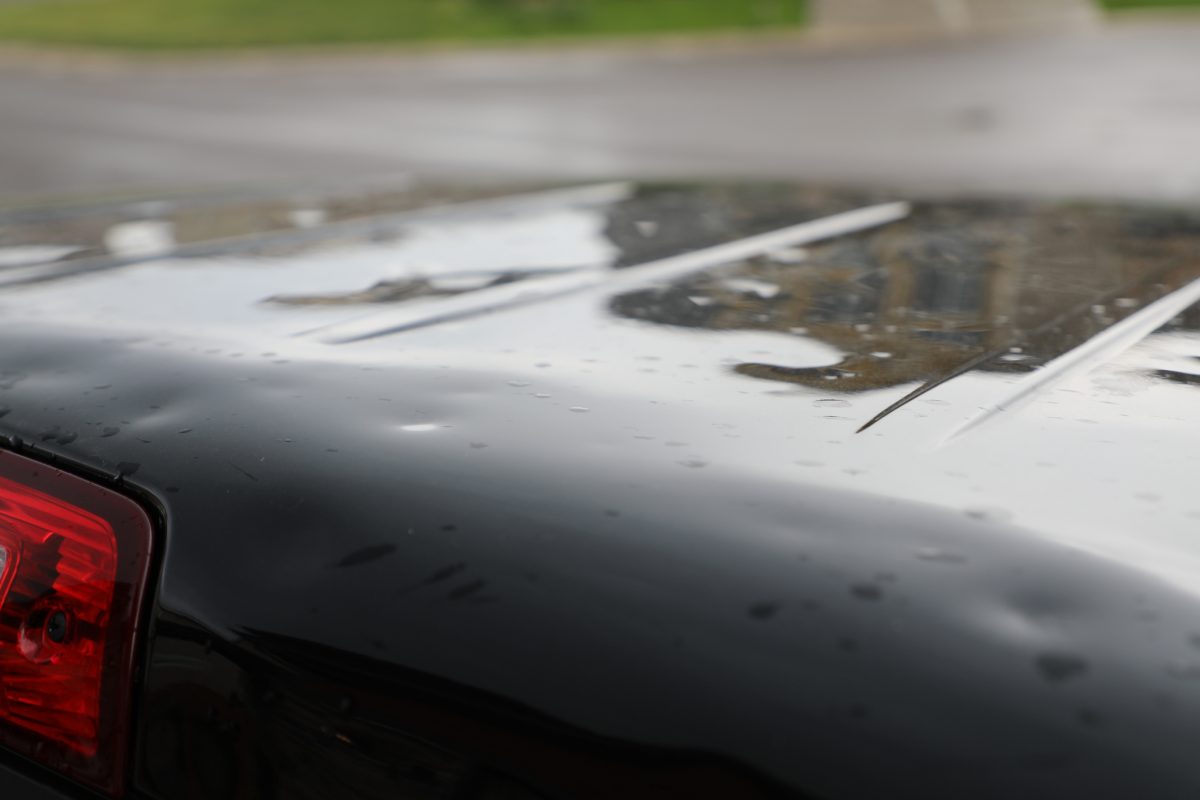
Hail can easily damage vehicles left out in the open during a storm. While car covers can protect against mild hail damage, if the hail is larger than an inch in diameter, damage is likely.

However, most hail damage can be repaired by your local auto body shop.  

Steps to Take After Hail Damages Your Car

  1. Take photos of the hail damage with your smartphone. Pictures of hail damage can be harder to capture than other types of damage, so you may need to take photos from multiple angles.
  2. Contact your insurance company to see if they will cover hail damage repairs for your vehicle. If it is covered, ask if you can submit photos of the damage.
  3. Before having an assessment done, wash the exterior of your vehicle, so that the damage is easier to see.
  4. Count the number of dings and dents and how dense or spread out they are.
  5. Have the damage professionally assessed through someone provided by your insurance and through a local auto body shop.

Standard Auto Body Repairs for Hail Damage

There are a few different ways that hail damage can be repaired. Paintless dent repair (PDR) is a quick and inexpensive method that corrects the dents without needing to repaint the vehicle.

For sharper dents or dents that have cracked the vehicle’s paint, PDR might not be possible. In that case, conventional dent repair is used, which may involve filling and repainting the dent, or replacing the part or panel that is damaged.

Hail can damage windshields, windows and sunroofs, so auto glass repairs may be needed as well. It’s important to get your cracked windshield repaired as soon as possible because cracks can impair your vision while driving and even compromise the structural integrity of your vehicle.

How to Find a Local Auto Body or Auto Glass Shop to Repair Hail Damage

Depending on the extent of the damage, hail repairs can unfortunately add up quickly, so there are a couple things to keep in mind before selecting a shop:

  • Ask your local auto body shops if you can submit photos to them virtually to initiate an estimate on repairs. 
  • Seek multiple estimates. Select a few different shops and get quotes from each of them, to get an idea of price range.

If your car suffers hail damage, Carwise has you covered. Review current ratings, reviews and certifications on nearly 22,000 repair shops with Carwise.com. Use the shop finder tool to search your zip code for a customer-reviewed and certified auto body or auto glass shop nearby: https://www.carwise.com/auto-body-shops/.
Read More
Paintless Dent Repair: What You Need to Know

Paintless Dent Repair: What You Need to Know

Whether it’s the result of hail damage or a distracted moment backing out of a parking spot, when your car suffers a minor ding or dent, you will likely want to get it repaired as quickly and cost-effectively as possible at an auto body shop near you—without sacrificing the look or value of your vehicle. For minor damage like this, paintless dent repair can be a quick, cost-effective option.

What is Paintless Dent Repair?

Paintless dent repair (PDR) is a method for fixing minor dents that uses slow pressure and does not require paint which can add significant additional expense to the repair. Technicians access the dent from the backside by removing any interior panels to access the damaged panel, then use metal rods and body pricks to pop the dent back out—without ruining the factory-finish paint job. Occasionally, deeper dents may require several rounds of this process. This technique can be used for minor dents, hail damage, or even larger dents as long as the paint has not been cracked. This process is usually faster and may even be completed while you wait.

Sharp dents or dents that have cracked the vehicle’s paint may require the more traditional method of dent repair using fillers and paint. This method takes longer and will be more expensive.

Find A Local Auto Body Shop That Offers Paintless Dent Repair

If you think your vehicle could benefit from paintless dent repair, you can search for a local auto body shop near you that offers PDR. Other companies specialize in paintless dent repair and in many cases will come to your home or office. When you contact an auto body shop to request a repair, ask them if they think the dent on your vehicle is a good candidate for PDR.

Carwise.com provides information on nearly 22,000 auto body shops with current ratings and reviews – including information on training, manufacturer certifications, or those that specialize in paintless dent repair.

Use Carwise’s shop finder tool to search your zip code for a customer-reviewed auto body or glass repair shop near you: https://www.carwise.com/auto-body-shops/.
Read More
Our 2021 “Be Car Smart” Safe Driving Quiz

Our 2021 “Be Car Smart” Safe Driving Quiz

Depending on what state you live in and how old you are, it may have been a while since you took a driving test. And if you’ve worked from home during the coronavirus pandemic, you may be driving far less than you used to. Take our “Be Car Smart” safe driving quiz to refresh your knowledge and make sure you’re up to speed on driving safety. Check your answers at the end of this post.

1 – How much room should there be between your chest and the steering wheel?

a. Less than 6 inches
b. 6 to 8 inches
c. 8 to 10 inches
d. 10 to 12 inches

2 – What is a safe and efficient steering wheel hand position?

a. 10 and 2 o’clock position
b. 9 and 3 o’clock position
c. 7 and 4 o’clock position
d. One hand on the wheel at the 12 o’clock position

3 – When should you avoid passing another vehicle?

a. On a hill or curve
b. At any railroad crossing
c. Road construction area
d. All of the above

4 – You should use your signal __ feet prior to making a turn.

a. 25
b. 50
c. 75
d. 100

5 – When driving, how much distance should you keep between your car and the vehicle in front of you?

a. 3 feet behind the car you are following
b. 3 car lengths behind the car you are following
c. 3 seconds or more behind the car you are following
d. 30 seconds behind the car that you are following

6 – Which situation is NOT a rule for yielding right of way?

a. If two vehicles begin to enter an intersection at the same time and there are no traffic signs or signals, drivers should motion to each other to decide who goes first.
b. You are required to yield to any authorized emergency vehicle, such as police cars, fire engines and ambulances, when these vehicles are giving a signal by siren or flashing lights.
c. You must yield the right of way to school children entering or leaving a school bus.
d. If you have stopped for a traffic light at an intersection and want to turn left when the green light appears, you must yield to traffic that is waiting on the opposite side of the traffic light.

7 – Statistically speaking, your chances of collision are highest:

a. On a highway
b. At an intersection
c. When pulling out of a parking space
d. When passing another vehicle

8 – Roundabouts are found to result in __ crashes than traditional intersections?

a. Fewer
b. More
c. The same amount of
d. Higher Impact

9 – Can you make a right turn on a red light at an intersection with a red-light camera?

a. Yes, if you come to a complete stop before making your turn.
b. No. Wait for the light to change to green before making your turn.
c. Yes. Slow down, check to see if it is clear, and make your turn.
d. Both A and C.

10 – In 2021, how many US states have a ban on texting while driving?

a. 24
b. 44
c. 48
d. 50

Answers:

1 – How much room should there be between your chest and the steering wheel?

Answer: D. 10 and 12 inches. Keeping 10 to 12 inches between your chest and the steering wheel (from your breastbone to the center of the wheel) will protect yourself in case the airbag suddenly deploys. Airbags can deploy at speeds of up to 200 mph and could cause serious injury if you are too close to the wheel or sitting in the wrong position.

2 – What is a safe and efficient steering wheel hand position?

Answer: B. 9 and 3 o’clock. The old school wisdom was to position hands at 10 and 2 o’clock. As air bags became common, this led to the wrist and arm fractures when air bags deployed. To avoid that occurrence, many safety advocates now recommend positioning hands lower, at 9 and 3 o’clock on the steering wheel.

3 – When should you avoid passing another vehicle?

Answer: D. All of the above.

4 – You should use your signal _ feet prior to making a turn.

Answer: D. 100 feet. Get into the proper lane and give a signal for at least 100 feet (about a quarter length of an average city block) before reaching the intersection and making the turn.

5 – When driving, how much distance should you keep between your car and the vehicle in front of you?

Answer: C. Three seconds. To achieve the three second spacing between you and the car ahead of you, when that car passes a landmark, such as a tree or an exit sign, start counting. If you pass the same spot before you count to three, you’re driving too close to the other car.

6 – Which situation is NOT a rule for yielding right of way?

Answer: A. If two vehicles begin to enter an intersection at the same time and there are no traffic signs or signals, the vehicle on the left must yield to the driver on the right.

7 – Statistically speaking, your chances of collision are highest:

Answer: B. Intersections. Crashes often occur at intersections because there are a variety of activities such as turning left, crossing over, turning right, red camera lights, and pedestrians causing a higher possibility for conflicts.

8 – Roundabouts are found to result in __ crashes than traditional intersections?

Answer: A. Fewer. Roundabouts – also known as traffic circles – result in slower speeds and fewer crashes, especially the right-angle and head-on crashes that often result in injuries or even deaths.

9 – Can you make a right turn on a red light at an intersection with a red light camera?

Answer: A. Yes, but make a complete stop. The law requires motorists to come to a stop before making the right turn on a red signal. The camera will capture your illegal turn as a red light violation if you don’t stop.

10 – In 2021, how many US states have a ban on texting while driving?

Answer: C. Currently, 48 states, D.C., Puerto Rico, Guam and the U.S. Virgin Islands ban text messaging for all drivers.

After an Accident, Find a Collision Repair Shop on Carwise.com

Accidents happen, even to the most careful drivers. If you’re ever in a collision, follow these tips for post-accident safety and when it’s safe, use Carwise.com to find a reputable auto body repair shop near you. From reviews by real customers to services and payment information, Carwise has details on over 21,000 auto body and collision repair shops. Use Carwise’s shop finder tool to search your zip code for a customer-reviewed auto body shop nearby: https://www.carwise.com/auto-body-shops/.
Read More
How Do I Get Rid of A Bad Odor in My Car?

How Do I Get Rid of A Bad Odor in My Car?

There’s nothing worse than getting into your car after a long, hot day and being affronted with a terrible smell. Old fast-food containers, dirty gym clothes, cigarettes, pet hair, and engine fluid are common causes that can leave lasting odors. Opening your windows on your drive or covering the scent with an air freshener may help temporarily, but actually eliminating the odor will require a deep cleaning. Here are some potential ways to deodorize your vehicle and make it smell great again:

DIY Tactics for Deodorizing Your Vehicle

1. Leave a Deodorizer in the Vehicle Overnight

  • Baking Soda: this pantry staple naturally absorbs odors. You can pour some into a dish and place it in the vehicle, or you can sprinkle a light layer over your seats and floor mats, leave it overnight, and vacuum it up the next day.
  • Charcoal is another household item that works as a natural deodorizer. Take a chip or two from your grilling supplies and put it in the vehicle for 24 – 48 hours so that it can neutralize the bad smell.

2. Vacuum the Vehicle

Fabric absorbs odors, so thoroughly vacuuming the interior of your vehicle will help reduce the particles that are contributing to the scent such as food crumbs, pet dander, and cigarette ashes. You can even try steam-cleaning the seats and floor mats if you own a steam-cleaner.

3. Clean Surfaces with Vinegar and Water

Using a clean spray bottle, mix white vinegar and water (up to 50/50 mixture) and use it to spray the seats and hard surfaces one at a time. After spraying each surface, immediately wipe it down with a dry, lint-free cloth. Repeat this process for every seat, the dash, carpeting, floor mats, and roof liner. A slight vinegar scent may linger for a few days, but eventually it will go away and hopefully take the unpleasant odors with it.

4. Wash the Floor Mats

Your vehicle’s floor mats absorb a lot of dirt and odorous debris over time, but they’re also removable, making them easy to wash. Depending on the type of floor mats you have, there are a couple of ways to clean them effectively:

  • Cloth floor mats: after you’ve vacuumed them, wash the floor mats with a carpet cleaner. Your local auto parts store will likely have cleaning products that are specifically made for detailing your vehicle, but a household carpet cleaner can suffice as well. Apply the cleaning solution as instructed, then rinse the mats with a spray bottle of clean water or your garden hose. Hanging them or laying them out in the sun will not only dry them quickly, but will also help eliminate foul odors.
  • Rubber floor mats: because these have a hard, durable surface, rubber floor mats can be cleaned easily with some dish soap, a sponge or rag, and your garden hose. The dish soap will help remove residue from things like engine oil and gasoline.

Know When to Take Your Vehicle to a Professional Detailer

Deep cleaning your vehicle on your own can take time and energy that you may not have, and sometimes weather can be a deterrent to getting the task done. Even with all that effort, a DIY cleaning may not entirely remove stubborn smells. Your local auto body shop can provide expert interior detailing to restore it to pristine condition, removing foul odors as well as stains and dirt. A professional detailer will have the experience as well as the tools and products to clean your vehicle more thoroughly than you ever could, so you may want to consider taking it in for a detailing job on a semi-regular basis.

Carwise.com makes it easy to find a reputable auto body shop near you. From reviews by real customers to services and payment information, Carwise has details on over 21,000 auto body and collision repair shops. Use Carwise’s shop finder tool to search your zip code for a customer-reviewed auto body shop nearby: https://www.carwise.com/auto-body-shops/.
Read More
1 4 5 6 7 8 21