Heat Wave Checklist: 8 Things to Inspect Before Your Car Overheats

Heat Wave Checklist: 8 Things to Inspect Before Your Car Overheats

Summer heat waves can be brutal on both you and your vehicle. While you’re cranking up the air conditioning and staying hydrated, your car is working overtime to keep its engine cool. When temperatures soar, the risk of engine overheating increases dramatically, potentially leaving you stranded on the side of the road with costly repairs ahead.

The good news? Most overheating issues are preventable with proper preparation and regular maintenance. By taking proactive steps before the mercury rises, you can ensure your vehicle stays cool and reliable throughout the hottest months of the year. 

Your car’s engine generates tremendous heat during normal operation, and the cooling system works constantly to maintain optimal operating temperatures. When ambient temperatures climb into the 90s and beyond, your cooling system faces additional stress. Add factors like stop-and-go traffic, air conditioning usage, and aging components, and you have a recipe for potential overheating disasters.

Your Pre-Heat Wave Inspection Checklist

1. Check Your Coolant Level and Condition: Start with the most obvious component – your coolant. With the engine completely cool, remove the radiator cap and check the fluid level. The coolant should reach the “full” line on the reservoir tank. More importantly, examine the coolant’s condition. Fresh coolant appears bright green, orange, or pink (depending on type), while old coolant looks rusty, muddy, or contains floating debris. If your coolant hasn’t been changed in two years or 30,000 miles, schedule a flush immediately. 
 
2. Inspect the Radiator for Blockages: Your radiator needs unrestricted airflow to function effectively. Pop the hood and visually inspect the radiator fins for accumulated dirt, leaves, bugs, or other debris. Use compressed air or a soft brush to gently clean between the fins. Be careful not to bend or damage these delicate components, as even minor damage can reduce cooling efficiency. 
 
3. Examine All Hoses and Connections: Rubber cooling system hoses deteriorate over time, especially when exposed to extreme heat. Squeeze each hose – they should feel firm but flexible. Look for signs of cracking, bulging, or soft spots that indicate weakness. Check all clamps and connections for tightness and signs of leakage. A small leak that’s manageable in winter can become a major problem when temperatures spike. 
 
4. Test Your Thermostat Function: A faulty thermostat can cause overheating by failing to open properly or opening too late. While you can’t easily test this component yourself, watch your temperature gauge during normal driving. If the needle climbs higher than usual or fluctuates erratically, have your thermostat inspected by a professional before hot weather arrives. 
 
5. Assess Your Water Pump Performance: The water pump circulates coolant throughout your engine, making it critical for temperature regulation. Listen for unusual whining or grinding noises from the engine bay, which could indicate bearing failure. Check for coolant leaks around the water pump housing. If your vehicle has high mileage or you notice these warning signs, consider having the water pump inspected or replaced preventively. 
 
6. Verify Cooling Fan Operation: Modern vehicles rely on electric cooling fans to pull air through the radiator when the vehicle isn’t moving fast enough to create natural airflow. With the engine running and air conditioning on, verify that the cooling fan activates. You should hear it running and feel air movement. If the fan doesn’t engage, diagnose the issue immediately – this is crucial for preventing overheating in traffic. 
 
7. Check Your Engine Oil: While not directly part of the cooling system, engine oil plays a vital role in heat management. Old, dirty oil loses its ability to lubricate effectively and carry heat away from engine components. Check your oil level and condition, ensuring it’s topped off with clean oil. If you’re due for an oil change, complete it before temperatures rise. 
 
8. Inspect Belts and Pulleys: The serpentine belt drives your water pump, alternator, and other crucial components. Examine the belt for cracks, fraying, or glazing. Check the belt tension – it should have slight give when pressed but shouldn’t be loose. Inspect pulleys for proper alignment and smooth operation. A broken belt during a heat wave can quickly lead to overheating and complete engine failure.

Stay Cool and Confident

By completing this comprehensive inspection before summer heat arrives, you’re taking control of your vehicle’s health and your peace of mind. Remember, prevention is always less expensive than emergency repairs. If you discover any issues during your inspection, address them promptly with a qualified technician. 

Don’t let a heat wave catch you unprepared – your car will thank you for the attention, and you’ll enjoy worry-free summer driving. 

Read More
Get Your Car Ready for Winter: Precautions to Take Before the Cold Sets In

Get Your Car Ready for Winter: Precautions to Take Before the Cold Sets In

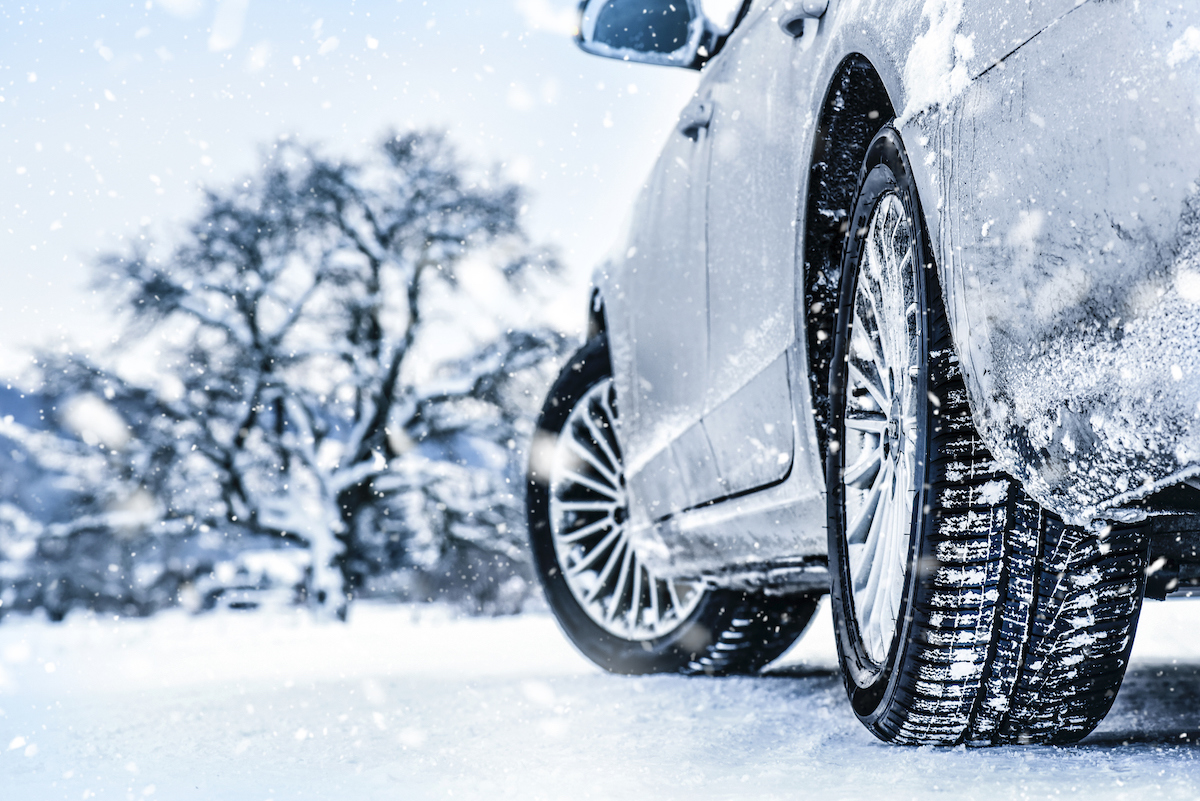
As the days get shorter and the air gets crisper, it’s a reminder that winter is coming. It’s not just the weather that’s about to change; our cars also need some extra attention to ensure they can handle the lower temperatures, icy roads, and snowy conditions.

Here is a list of precautions to take to get your car ready for the winter season:

Check Your Tires

Ensure your tires have enough tread to handle snowy and icy roads. You can do the penny test: place a penny into the tread groove with Lincoln’s head facing down. If you can see the top of Lincoln’s head, your tread is too shallow, and it may be time to replace your tires.

Check your tire pressure regularly as cold temperatures can cause tire pressure to drop. Keep your tires properly inflated to the manufacturer’s specifications.

Winter-Grade Windshield Wiper Fluid

Fill your reservoir with winter-grade windshield wiper fluid that won’t freeze. This will help you maintain clear visibility while driving in snowy or icy conditions.

Battery and Charging System

Get your car battery tested to ensure it is strong enough to handle the extra demands of cold weather. Cold temperatures can reduce battery power, so it’s important to make sure yours is in good condition.

Also, check the charging system and belts to ensure they are in proper working order.

Lights and Signals

Inspect all lights and signals to ensure they are clean and functioning properly. This includes headlights, taillights, brake lights, turn signals, and emergency hazard lights. With shorter days and more darkness, it’s important to be seen and to see the road clearly.

Engine Oil and Filters

Check your engine oil level and change it if necessary. Consider switching to a lower-viscosity oil during winter, as thicker oils can make it harder for your engine to turn over in cold temperatures.

Also, replace your oil and air filters as recommended by the manufacturer.

Emergency Kit

Prepare or restock your emergency kit for winter driving. This should include items like a small snow shovel, ice scraper, jumper cables, flashlight with fresh batteries, reflective triangles or flares, a blanket, non-perishable snacks, and a first aid kit.

Brakes and ABS

Have your brakes inspected to ensure they are in good condition and that the anti-lock brake system (ABS) is working properly. ABS helps prevent skidding and maintains control in slippery conditions.

Exhaust System

Inspect your exhaust system for any leaks, which could be dangerous if left unchecked. Carbon monoxide is a colorless, odorless gas that can be deadly if it builds up in your car.

Heater and Defroster

Test your heater and defroster to ensure they are working properly. You’ll need a clear windshield and warm air during those cold mornings.

By taking these precautions, you can help ensure your car is ready for the challenges of winter driving. Stay safe on the roads and remember to adjust your driving habits according to the conditions.

Feel free to add your own tips in the comments below, and share this list with your friends and family to help them get their cars winter-ready!

Stay warm and safe this winter!

Read More
Quiz Your New Driver Before They Hit the Road

Quiz Your New Driver Before They Hit the Road

Letting a new driver loose on the roads can be nerve-wracking. Luckily, you can help your teen to be better prepared by giving them this quiz.

1.     What should you do if you spot an emergency vehicle with its lights on?

a. Pull over to the left
b. Ignore it 
c. Pull over to the right 
d. Let it pass and then follow it

2.     What do you need to always have with you while driving?

a. License
b. Registration 
c. Insurance card
d. All of the above

3.     When can you turn right on red?

a. Anytime
b. After making a complete stop
c. When there is a sign that says “No turn on red”
d. All of the above 

4.     How loud should you play music?

a. As loud as you want
b. At a non-distracting level
c. Under 25 DB
d. None of the above

5.     Where are you likely to see a speed limit drop?

a. On the highway
b. Neighborhood roads
c. School zones
d. Both b & c are correct

6.     What should you do if your vehicle is hit?

a. Yell at the other driver
b. Drive away if the damage isn’t bad
c. Ensure the safety of passengers and yourself, then exchange information like phone numbers and insurance information.
d. None of the above

The next section will include fill-in-the-blank questions. These will be specific to the vehicle your teen drives:

  1. Where is the parking break?
  2. How do you use the windshield wipers?
  3. How do you use the windshield wiper fluid?
  4. Where is the child lock?
  5. How do you turn off the child lock?
  6. What is the legal maximum number of passengers you may drive?
  7. Where is the spare tire?

ANSWERS: 

1.     What should you do if you spot an emergency vehicle with its lights on?

Answer: C. Pull over to the right. This is a good rule of thumb for new drivers to know. However, it’s important to explain that there will be times when they need to move in other directions for an emergency vehicle to pass. The bottom line is to ensure the vehicle can pass in an orderly fashion. 

2.   What do you need to always have with you while driving?

Answer: D. All of the above. In the event you are in a car accident or get pulled over, you will need these documents present to deal with each situation. Always make sure to have these with you when driving your car, even for a short distance.

3.     When can you turn right on red?

Answer: B. After making a complete stop. Although you can turn right on red as long as there is no sign prohibiting it, you must still be sure to come to a complete stop before turning. 

4.     How loud should you play your music? 

Answer: B. At a non-distracting level. While there is no federal law that limits the volume level of music in a car, a new driver should always be focused on the road first. Ensure that music is kept at an appropriate level that still allows you to focus on the road. 

5.     Where are you likely to see a speed limit drop?

Answer: D. Both b & c are correct. Expecting a speed limit drop and knowing when to slow down will help keep these areas safe while also keeping a driver out of trouble. 

6.     What should you do if your vehicle is hit?

Answer: C. Ensure the safety of passengers and yourself, then exchange information like phone numbers and insurance information. Although we hope these situations never happen, it’s good to be prepared for if they do. When your vehicle is hit, the first important thing is the safety of everyone involved. After that is secured, the driver can decide whether to call 911 or simply exchange information with the other driver. A 911 call would depend on the severity of the collision and the discretion of the driver.

No matter how prepared your teen is, accidents can still occur. If one does, use Carwise to help find an Auto Body shop near you: carwise.com/auto-body-shops

Read More
Can I Repair my Car After Flood Damage?

Can I Repair my Car After Flood Damage?

Water can wreak havoc on a car – especially if that water comes from flooding.

If your car is exposed to flood damage, sometimes it can be repaired, though oftentimes those repairs may cost more than simply replacing the car. This is especially true if your car is flooded with saltwater. Saltwater damage can be extremely difficult to repair, and oftentimes it’s better to simply consider the car totaled. Freshwater damage is sometimes fixable, though it often depends on how high the water was, and which aspects of the cars were damaged.

Not sure where to start after a flood? Luckily, there are a few steps you can take to begin considering your options. Though, at the end of the day, you’ll likely need to bring in a trusted expert to help you determine the extent of the damage.

Check the level of water damage

When you first return to your car after a flood, you should see if you can tell how much of the car was submerged. You might be able to see an actual water line on your vehicle, or you may be able to tell by where the damage seems to be.

Flooding can damage a whole host of things in a vehicle, but the most concerning is damage to the engine or electronics, which can be difficult, if not impossible, to repair. If the water only rose to the level of the flooring of the car, it might be salvageable. However, you’ll need to take care to properly dry and clean all interior aspects, as well as ensure there’s no damage to the exterior that could promote rusting down the road.

Even if the damage appears to just be superficial, it’s still best to bring the car in to a professional. A trained expert can remove paneling from your vehicle to ensure it dries properly, inspect the engine and electrical systems, and potentially install new seating or carpeting if necessary.

Check the engine oil for water

One of the biggest concerns if your car is flooded is damage to the engine. An important note – never turn on your car’s engine until you know whether it’s been contaminated with water. Turning on an engine that’s been exposed to water can force water through the whole system, worsening damage.

One way to tell if water has compromised your engine is to check the engine oil with a dipstick. If the fluid level is unusually high, there’s likely water in it, since oil floats in water. If you find any evidence of water in the oil – or if you know that water rose to the level of the engine – it’s best to take it straight to your nearest repair ship for evaluation by a professional.

Determine if it’s worth repairing

At the end of the day, many flooded vehicles would cost more to repair than they would to replace. One of the most important assessments you can make is figuring out the worth of your car, then determining if the cost of repairs will exceed the value. Insurance companies can often help with this – though they may recommend simply considering the car totaled, especially if flooded with saltwater.

If your car is flooded, bring in an expert who has experience dealing with flood damage to make these determinations, and to run a full diagnostic test on your car’s functionality. Not only can flood damage be complicated – but it can also be dangerous if not diagnosed or repaired correctly.

Carwise.com can help you find a shop near you that can help you decide if you can fix your car after flood damage, or consider it totaled: carwise.com/auto-body-shops

Read More
National Car Care Month: The Ultimate Guide

National Car Care Month: The Ultimate Guide

April is National Car Care month! This month is a great reminder to make sure your vehicle is up-to-date on all of its maintenance, and it’s great timing to get your car checked out ahead of any late-spring or summer road trips. 

Here’s our top 10 list of things to check on your car in the spring: 

1.     Check the fluids. 

Fluids are the lifeblood of any vehicle – they keep all the pieces running smoothly. It’s a good idea to check fluid levels regularly to ensure none are running low. Be sure to check brake, transmission, power steering, coolant, and windshield wiper fluids, along with any other fluids your car might contain. 

Refer to your car’s manual to see how often to check the fluids throughout the year, but when in doubt, look to see if it needs topping off. 

2.     Check the tires. 

Your tires may need some attention after a few months on winter roads. If you use snow tires, be sure to switch them out once the temperatures are warm enough. It’s also important to check the tire pressure as temperatures rise. While you’ve got an eye on your tires, don’t forget to look at the tire tread to see if your tires need replacing. If you’re unsure, consult with a professional.

Keep in mind that tires should be rotated every six months as well, so if it’s been a while, it’s a good idea to book that service. 

3.     Check and change the oil. 

Most vehicles need their oil changed every 5,000 to 7,000 miles (check your manual for the specifics for your make and model). You can check the oil level at home with a dipstick. If you haven’t been in for an oil change, now is a good time to schedule one. 

4.     Check your lights. 

With your car in park, check that all the lights are working. Don’t forget to test the brake lights, hazard lights, both turn signals, fog lights, and taillights. Replace any bulbs that aren’t working, then test again to make sure that fixed the problem. 

5.     Check your windshield wipers. 

Another easy item to check on your vehicle is the windshield wipers. After a season of scraping ice and snow, wipers can become damaged. Test them out with some windshield wiper fluid and replace them if needed to make sure they’ll work if you find yourself driving in the rain. 

6.     Check your paint job. 

Salt and ice can wreak havoc on a car’s paint job. Inspect the outside of your vehicle and note any areas of damage, chips, or scratches. You’ll want to repair those promptly to prevent rust or further damage to your car. You can do this with a DIY car paint repair kit, or you can bring it into a shop if the damage is more severe. 

Not sure if it requires professional help? Read up on how to tell when you can fix it yourself here. 

7.     Check your brakes. 

Brakes are among the most important features on any vehicle, and you want them to work properly. Be on the lookout for noise when braking, the brake warning light, a vehicle listing to one side when braking, vibration when braking, or anything else that feels “off.” When in doubt – get it checked out by a professional. Ideally, you should have your brakes inspected by a professional at least once a year. 

8.     Check the exhaust and battery. 

Pop the hood of your car and look at the exhaust and battery. For a very basic exhaust check, do a visual inspection looking for any rust, black marks, or cracks in hoses. To check the battery, you can do a visual inspection but also look for any warning lights on the dashboard, electrical issues while using your car, or any issues with your car starting at all. These all point to battery issues. 

9.     Keep it clean. 

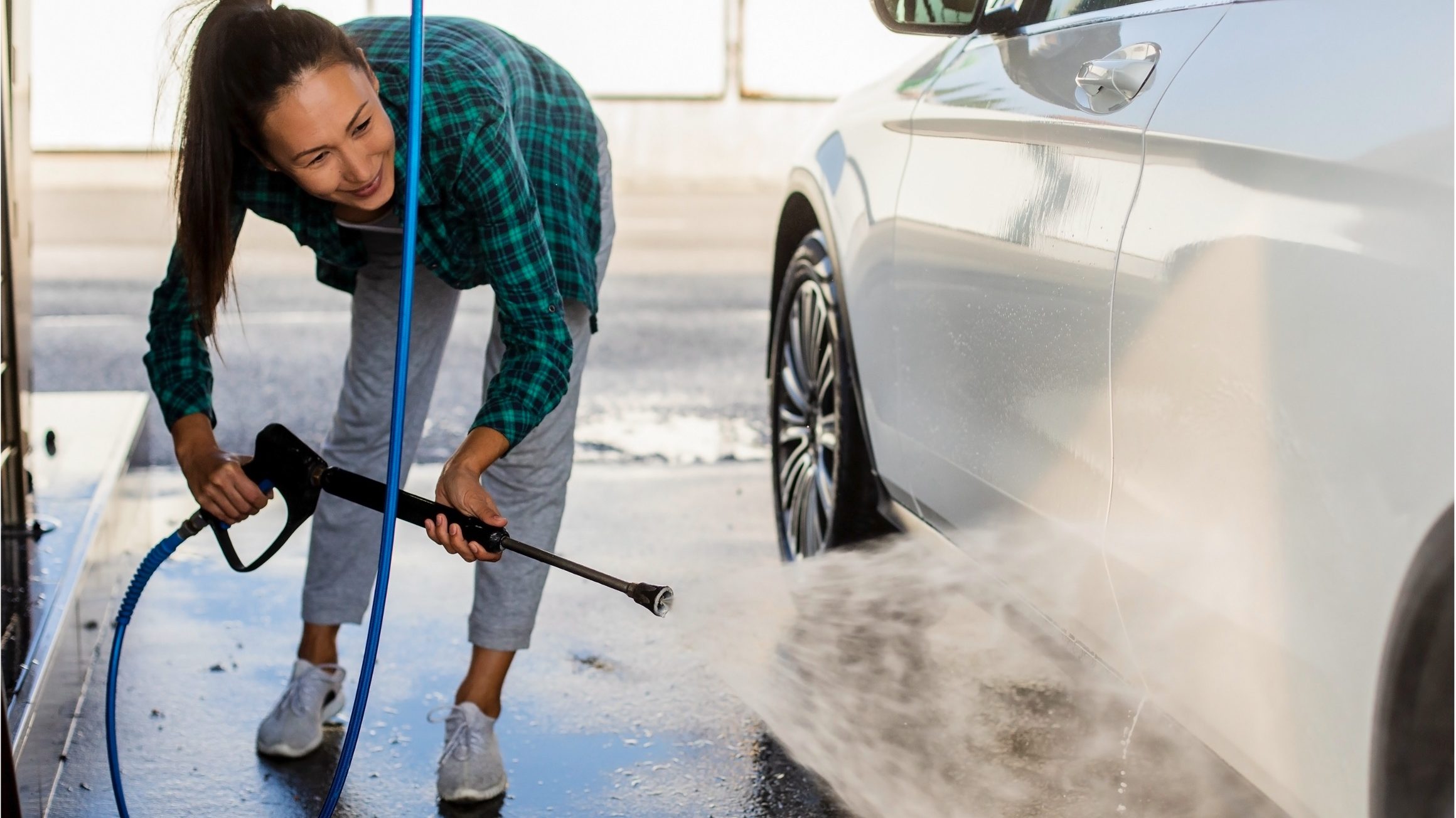
One basic thing you can do for your car is to keep it clean. During the winter, trash, dirt, and other debris can accumulate on the inside of your car, and salt and mud can build up on the exterior. Take your car through a carwash and include a wax. While you’re there, take time to clean out any trash and vacuum the interior of your car. Doing this can make your car more pleasant to drive and can help preserve your car’s value over time as well. 

10.  Schedule a professional check-up annually. 

The potentially most important item on your National Car Care Month checklist? Scheduling a check-up for your vehicle. Annual maintenance can save you from costly headaches down the road and can help ensure that your vehicle is functioning safely before you hit the road. Using Carwise.com, you can find a shop near you that fits your needs. Not to mention, most shops can take care of this entire list for you, so all you have to do is choose a shop. 

Need spring maintenance help? Start your search for expert car help at Carwise.com.

Read More
How to Prep Your Car for Winter Driving

How to Prep Your Car for Winter Driving

For most of the U.S., winter is on its way or has already made an appearance with a snowfall or two. Winter can be a precarious season for driving, between ice storms, snow storms, fallen leaves and more. But with a few basic maintenance steps, you can make sure your car is road-ready, whatever weather may find you.

Prep Your Tires for Winter

Your tires are very important to your safety on the road and require routine maintenance, especially as seasons change. There are a few items to check off your list before winter arrives:

  • Check tire tread. Because winter roads can be so slippery, it’s important to make sure your tires have good traction. Check the tread on your tires to make sure it’s not too low and replace your tires if needed.
  • Check your tire pressure. When the temperature drops, so will your tire pressure. Make sure your tires are in proper range and fill up with extra air if the pressure is too low.
  • Consider snow tires. If you live in a particularly snowy or icy climate, you might opt for special winter tires. They may lower your gas milage but provide much better traction. You can swap them out at the end of the season.

Check Your Car’s Fluids, Brakes, Battery, and Blades for Winter

Once you know your tires are good to go, you should check other key components for your vehicle that will keep it running smoothly in cold weather:  

  • Check your fluids. Top off any fluids that may need it, including antifreeze and brake fluid. You should also change out your oil if it needs it, and consider purchasing winter washer fluid, which is less likely to freeze in very cold temperatures.
  • Inspect your brakes. Winter can be extremely hard on brakes, between slippery roads, salt and more. Make sure your brakes are in optimal condition and schedule any repairs or replacements that might be needed. Not sure if it’s time for a brake job? Here are six signs that your brakes may need replacing.
  • Check your battery. Car battery functionality goes down in winter, and negative temperatures can make it harder for it to start especially if the battery is older. Test the battery with a reader to make sure it’s performing well and replace it if needed.
  • Keep an eye on wiper blades. Ice easily wears down windshield wiper blades. Start the winter season out with a fresh pair and replace as needed – even consider keeping a spare set in your car in case you need new ones while on the road.

Prep Your Car for a Winter Weather Emergency

Finally, there are a few last items to keep in mind to ensure you’re ready for winter:

  • Pack an emergency kit. It’s good to be prepared for whatever may happen in case you end up stranded for a few hours or even a day. Make sure your car is packed with an emergency kit suitable for your particular needs and climate. Learn what to consider including in your kit in this article.
  • Keep your gas tank half full. In cold weather, moisture can build up in your gas tank, which can wreak havoc on your vehicle long term. Do your best to always keep your gas tank at least half full to help prevent this.

Once your car has been winterized, you can hit the road with confidence. If an accident happens on icy, snowy roads, follow these safety tips to collect accident information, submit a claim, and seek repairs. If you find yourself in need of auto body repairs over the winter or any time of year, Carwise  can help you find the perfect shop near you. Search Carwise.com and read reviews from real customers, find shop hours and locations, before and after photos, and certifications. With more than 21,000 shops to choose from, Carwise.com will help you find your perfect fit. Get started today: https://www.carwise.com/auto-body-shops/.

Read More
How Is Maintenance for an Electric Vehicle Different than a Gas-Run Vehicle?

How Is Maintenance for an Electric Vehicle Different than a Gas-Run Vehicle?

Electric cars (EVs) may very well become the default type of car in the future. Industry trends indicate that the sale of EVs has been steadily rising, and the market will soon reach a tipping point of favoring them over traditional, internal combustion engine vehicles.

Maintenance of Electric Vehicles vs Fuel-Run Vehicles

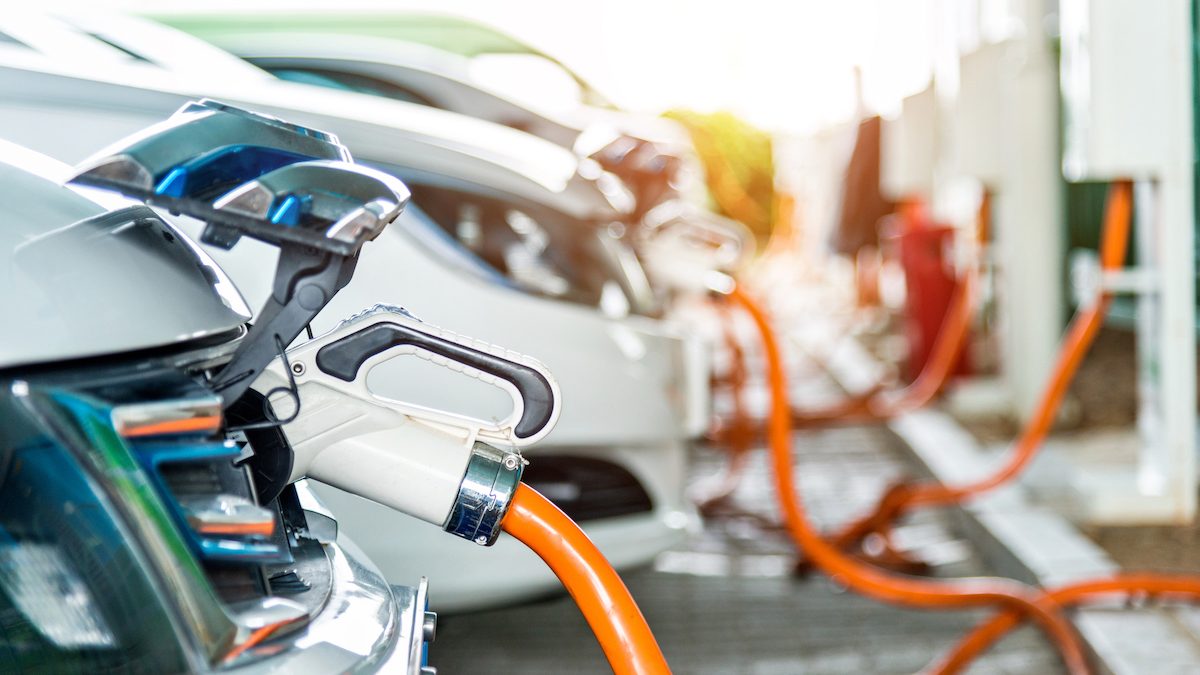
You may be curious about how maintenance of EVs differ than fuel-run vehicles. Because the engine on an EV is so different, so is the maintenance. Electric engines don’t require things like oil changes, transmission servicing, or replacing the air filters, spark plugs or drive belts.

Some maintenance items will always need maintenance, whether you drive an EV or fuel-run vehicle. Tires will need to be replaced or maintained on a typical car schedule, with periodic rotation and replacement. Brakes, by contrast, tend to need replacing at a much lower rate than on a fuel-run car due to the different engine type. For specific recommendations, it’s always best to refer to your car’s user manual.

As far as differences between the two, EVs require coolant flushes or refrigerant recharges, which a fuel-run vehicle doesn’t need. This should be done every five years, or as directed by your vehicle’s manual.

Maintaining an Electric Vehicle Battery

Sometimes, an electric car’s battery pack or motor will need to be replaced. This can be very expensive and requires specially-trained mechanics – but don’t worry. These parts are designed to last a very long time, often with long warranties to match.

There are some things you can do to extend the electric car’s battery life, including:

  • Avoid routinely fully charging and fully depleting the battery. This can wear out your battery more quickly. Fortunately, many manufacturers actually don’t let a battery become fully charged, helping to mitigate this issue.
  • Avoid extremely hot or cold temperatures when you can, as they can negatively impact an EV’s battery. Cars are built to handle these changes, so don’t panic if you can’t avoid extreme heat or cold, but they can wear down your battery over time.
  • Avoid “fast chargers” – chargers that promise to charge your car’s battery very quickly. Slower charging methods are preferred, as they’re gentler on a battery.

Are Electric Vehicles Harder to Repair after an Accident?

So, what’s it like if your electric vehicle is ever in an accident? In a recent report by CCC Intelligent Solutions, industry data showed that while EVs are more likely to be able to drive away after a collision than fuel-run vehicles, EV repairs can cost up to three percent more due to the complex technology systems that make those vehicles run. On the one hand, electric vehicles are simpler than their fuel-run counterparts because they have fewer systems, yet those systems are more complex and require different calibration methods and advanced technology to repair. Like most vehicle purchases, it’s all about finding the right trade-offs to suit your needs, preferences and budget: with an electric vehicle, you’ll pay far less in fuel costs and routine maintenance than with a gas-powered car, but you may need to pay more if your EV ever needs a repair following an accident.

Find a Collision Repair Shop Near You

If your electric vehicle is ever in an accident, Carwise.com is here to help you find the right collision repair shop near you to get it back in working condition. Carwise.com can make the search simple, showing shop certifications for EV repairs, reviews from real customers, before and after photos, shop hours and location. Start your search of more than 21,000 shops today: https://www.carwise.com/auto-body-shops/.

Read More
Three Things to Know About Minivan Maintenance

Three Things to Know About Minivan Maintenance

For many families, minivans are one of the most practical vehicle types. They offer plenty of room for children, pets, and storage, plus they offer lots of safety features to boot. Yet they also pose vehicle maintenance challenges that you’ll want to keep in mind if you own a minivan. Below are three features of minivans to be mindful of if you want to keep yours in safe working condition for as long as possible.

Sliding Doors

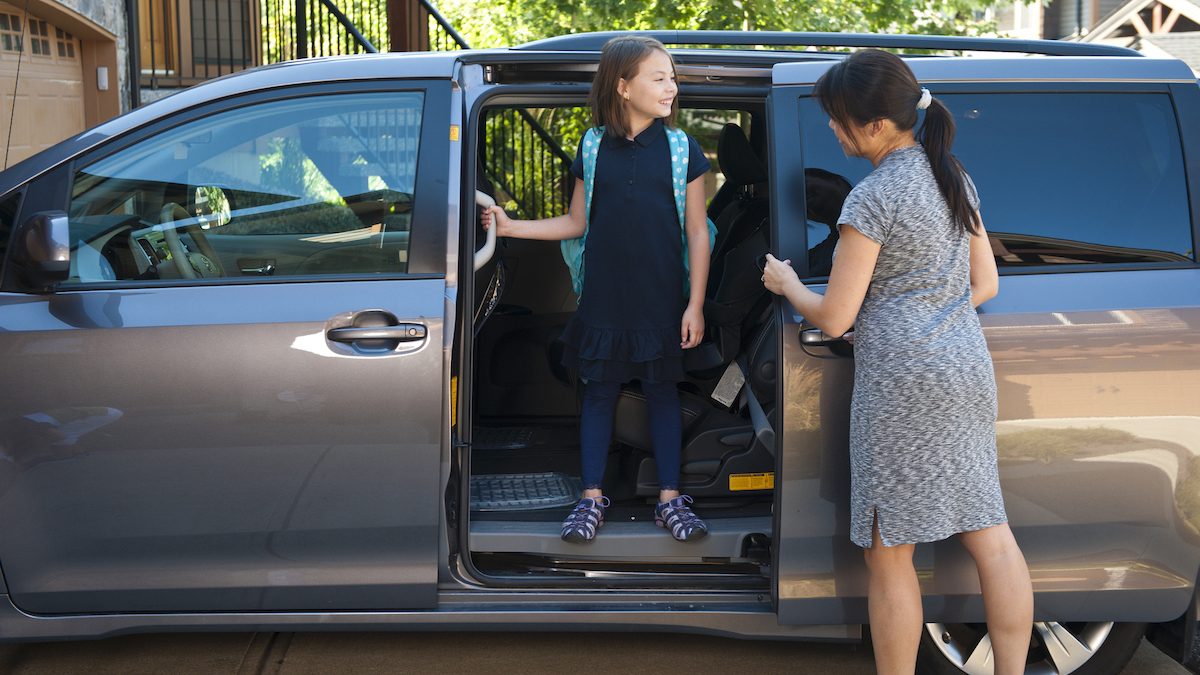
One feature that minivans have that nearly no other car has is sliding doors. These are convenient when parking, are easier for children to operate, and allow passengers to exit the vehicle without the car parked next to the van.

However, sliding doors require maintenance – ideally on the same schedule as your oil is changed. The tracks need to be routinely lubed and cleaned to ensure the doors continue to open and close smoothly.

Sliding doors operate via an electric motor, and sometimes these components can malfunction and create safety issues if they don’t open or shut properly. It’s not only important that doors latch correctly to protect passengers while the minivan is being driven, but also that they open easily when passengers need to exit the vehicle – especially when an accident occurs. If you notice an electrical issue on the door, it’s best to treat it promptly. Trying to disconnect the sliding door motor or repair it yourself could lead to electrocution, so seeking professional help is strongly recommended.

Lower Auto Body

Because of how minivans are built, the auto body tends to be lower to the ground. A low center of gravity makes the body style safer, but it can also cause some maintenance challenges.

First, it’s important to keep this in mind when driving. Some items in the roadway may be easy for a normal vehicle to drive over, but for a minivan it could be dangerous. Drive carefully and be mindful of potholes, road debris and speed bumps to avoid damage to your vehicle.

Another challenge of being lower to the ground is that salt or debris can build up quickly on the auto body and undercarriage of your vehicle. It’s important to wash your minivan regularly to prevent rust, particularly before and after the wintertime if you live in a snowy climate, or if you live in a coastal area where ocean salt can also erode the vehicle finish. Rust may not seem like a big deal at first, but left unattended, it can lead to major auto body and mechanical damage down the road. 

Safety Features

Minivans come loaded with tons of safety features, giving many parents peace of mind. From extra airbags to safety sensors in front and rear bumpers, the goal of a minivan is safe transport for the whole family. Those extra safety features may provide security, but because they’re managed through sensors embedded in the auto body, they are susceptible to hidden damage after an accident, even minor fender benders. If you’re in an accident, be sure to ask your body shop to check for hidden damage before and after any repairs, to make sure all your safety features work properly should you ever need them.

Find an Auto Body Shop Near You

Whether you’re looking for sliding door repair, rust repair, or collision repair after an accident, a professional auto body shop near you can help restore your minivan to like-new condition. To find a reputable auto body shop near you, search Carwise.com and read reviews from real customers, find shop hours and locations, before and after photos, and certifications. With more than 21,000 shops to choose from, Carwise.com will help you find your perfect fit. Get started today: https://www.carwise.com/auto-body-shops / .

Read More
Eight Tips to Extend the Life of Your Car

Eight Tips to Extend the Life of Your Car

Cars can be expensive – and if you have one you already love, you likely want to make sure it stays in the best condition possible for as long as possible and avoid the maintenance pitfalls that can lead to an accident. There are some simple things you can do that may help extend the life of your car, keeping it on the road for many years to come. Below, find eight simple tips to follow to make sure you’re doing all you can.

1 – Read the manual.

One very simple way to keep your car in its best shape? Read the user manual when you purchase it. The manual will tell you what maintenance your car’s specific make and model needs and how often, and it will even tell you particular things to look for in your specific car.

2 – Change your oil regularly.

Oil protects your engine and keeps it running smoothly. Oil should be changed every 3,000-5,000 miles or so. When in doubt, refer to the owner’s manual to see how often oil should be checked or changed.

3 – Routinely check and change your fluids.

There are many fluids in your car aside from oil; there’s also transmission fluid, radiator fluid, brake fluid, power steering fluid, and others. These fluids should be checked at least once a month, and definitely checked with regular car maintenance. If they need to be topped off or changed, do this promptly.

4 – Check your tires often.

Tires are very important for not only your car, but also for your safety. Keep an eye on your tire pressure, which can fluctuate with outdoor temperatures. Tires that have too much pressure can pop while you’re driving, and too low pressure can damage your vehicle as well. Tire pressure can be checked at most gas stations, with air stations available if needed. Be sure to also keep tabs on the condition of your tires and have them rotated regularly, usually about every six months.

5 – Keep your car clean – inside and out.

Keeping your car clean isn’t just about appearances – vehicle cleanliness plays a role in protecting the auto body’s paint job, preventing rust and more. Go through a carwash regularly to keep the exterior protected, and get the undercarriage cleaned before and after winter, to protect it from salt build up from the roads. While you’re there, clean the inside of your car as well, to keep the interior materials in good condition.

6 – Avoid “cold starts” if possible.

Cold starts are when you turn your car on and immediately drive away, typically because you’re running behind schedule and want to get to your destination quickly. Ideally, you should turn your car on and wait about 30 seconds before you start driving, no matter the weather. In cold temperatures, engines collect condensation that can contaminate the oil and corrode the system. Giving your vehicle a few minutes to warm up before you hit the road can help condensation evaporate and avoid damage to the engine.

7 – Fix windshield & window chips.

Windshield and window chips may seem minor, but they can quickly turn into cracks. It’s best to fix a chip promptly so you can avoid having to replace all of the glass down the road – a much more expensive repair.

8 – Stay on top of repairs.

If an indicator light comes on in your dashboard or you know your car needs a repair, it’s best to not neglect it to keep your vehicle in top-notch condition and avoid accidents that incur more damage.

FIND A REPUTABLE COLLISION REPAIR SHOP NEAR YOU

If you need a paint job, window repair, or collision repair following an accident, Carwise can help. To find a reputable auto body shop near you, search Carwise.com and read reviews from real customers, find shop hours and locations, before and after photos, and certifications. With more than 21,000 shops to choose from, Carwise.com will help you find your perfect fit. Get started today: https://www.carwise.com/auto-body-shops/.

Read More
Six Signs Your Car May Need New Brakes

Six Signs Your Car May Need New Brakes

When it comes to safety on the road, one of the most important aspects of vehicle maintenance is the brakes. While just two percent of all accidents in the U.S. are caused by brake failure, it is still extremely dangerous and, in most cases, preventable with routine maintenance. Brake failure is often gradual, and cars show plenty of warning signs when brake maintenance is needed before your car’s brakes stop working completely. Industry experts recommend replacing the brake pads every 10 – 20,000 miles to keep wear to a minimum. Like with many car maintenance tasks, neglecting routine brake maintenance can incur further damage to your car’s mechanics or auto body, or it could lead to a serious accident. But if you’ve forgotten to take your car in for regular brake maintenance, or you’ve purchased a used car recently and aren’t sure what shape the brake pads are in, here are some telltale signs to look, listen, and sniff for.

1 – Squealing or clicking noises.

If you hear a squealing noise while driving your car that seems to stop when you brake, that is most likely a sign that your car’s brake pads need replacing. Brake pads make a very annoying sound when they’re worn down due to the wear indicators rubbing against the brake pad rotor.

Alternatively, if you hear a clicking noise when you press the brakes, that’s a sign that the brake pads could be loose. They should be inspected in this case as well.

2 – Take longer to break or being extra sensitive to braking.

If you notice that your car is taking longer to brake, that’s another sign that your brakes need to get checked out. Alternatively, brakes that are very sensitive or “sudden” could indicate a brake fluid level or other issue. Additionally, if you feel vibrations in the brakes when you use them, that can be another sign of a problem.

3 – Your car pulls to one side.

Keep note of how your car moves when you brake. If a vehicle tends to drift to one side when braking, this could mean that the brake pads are wearing unevenly. In that case, leaving the problem could cause damage to other parts of your car, like the ball joints or steering column. Be sure to replace both brake pads promptly to avoid further issues.

4 – Visible signs of wear.

Sometimes, knowing if your brakes need to be repaired is as easy as taking a look at the brake pads. You may have to remove the wheels to do this, but brake pads should be at least a quarter inch thick. If it’s thinner than that, it’s definitely time to have them inspected.

5 – Fluid leaks.

This sign may be more difficult to decipher because cars can leak fluid for all sorts of reasons, from the air conditioning to the transmission to the engine. Brake fluid is yellow or light brown, similar to vegetable oil. If you’re not sure, head to a mechanic.

6 – A burning smell.

The smell of burnt rubber after you hit the brakes is a strong indication that your brake system has overheated. Continuing to drive your vehicle when the brake system is overheating can damage the brake line and cause brake failure, which can be dangerous.

Neglecting Brake Maintenance Can Increase Risk of Accidents & Vehicle Damage

The bottom line? When in doubt, get your brakes checked out. While accidents due to brake failure are rare, and it is very rare for brakes to fail without warning, accidents can still happen, from minor fender-benders to severe collisions. The risks increase in inclement weather, especially on wet or icy roads.

If your brakes do fail while you’re driving, here are a few safety tips:

  • Try to remain calm and remove your foot from the gas.
  • Turn on your hazard lights to warn other drivers.
  • Keep your wheel straight; do not try to crash into anything to stop the car from moving.
  • If your car has an anti-lock braking system (ABS), press the brake pedal down as far as it can go.
  • If your car does not have ABS, pump the brake as hard and fast as possible.
  • Shift the car into a lower gear; this will help the engine slow the car down.
  • Steer your car to a clear spot on the shoulder of the road.
  • Once your car has slowed down significantly, apply the emergency brake. Do this as gently as possible to prevent your wheels from locking up, which can be dangerous.
  • Once the car has stopped moving, turn the engine off and call for roadside assistance. Do not try to turn the car on or drive it until the brakes have been repaired by a mechanic.

If your brakes fail and cause you to get into an accident, be sure to follow these post-accident safety tips for gathering information from other drivers at the scene, contacting your auto insurer, and finding a local auto body shop near you.

Find a Collision Repair Shop Near You

If you are in a crash as the result of a brake failure, Carwise can help. To find a reputable body shop near you, search Carwise.com and read reviews from real customers, find shop hours and locations, before and after photos, and certifications. With more than 21,000+ shops to choose from, Carwise.com will help you find your perfect fit. Get started today: https://www.carwise.com/auto-body-shops/.

Read More
1 2