Who is Who in a Car Repair Shop

When your car needs repairs, the thought of going into a car repair shop can be daunting. You may not know what’s wrong with the car or what needs to be done – and you may not even know what type of mechanic you need.

In this blog, we’re taking the stress out of this process by explaining whom you can expect to find in a repair shop and the kind of work they may do on your car.

General Automotive Mechanic

This is the type of mechanic you’re most likely to encounter – they do general repairs and replacements on a vehicle. They diagnose mechanical problems and repair them as needed. If you are bringing in your vehicle for a check-up or routine maintenance, this is the type of mechanic you likely need. They’re kind of like the GP for your car.

Auto Body Mechanic

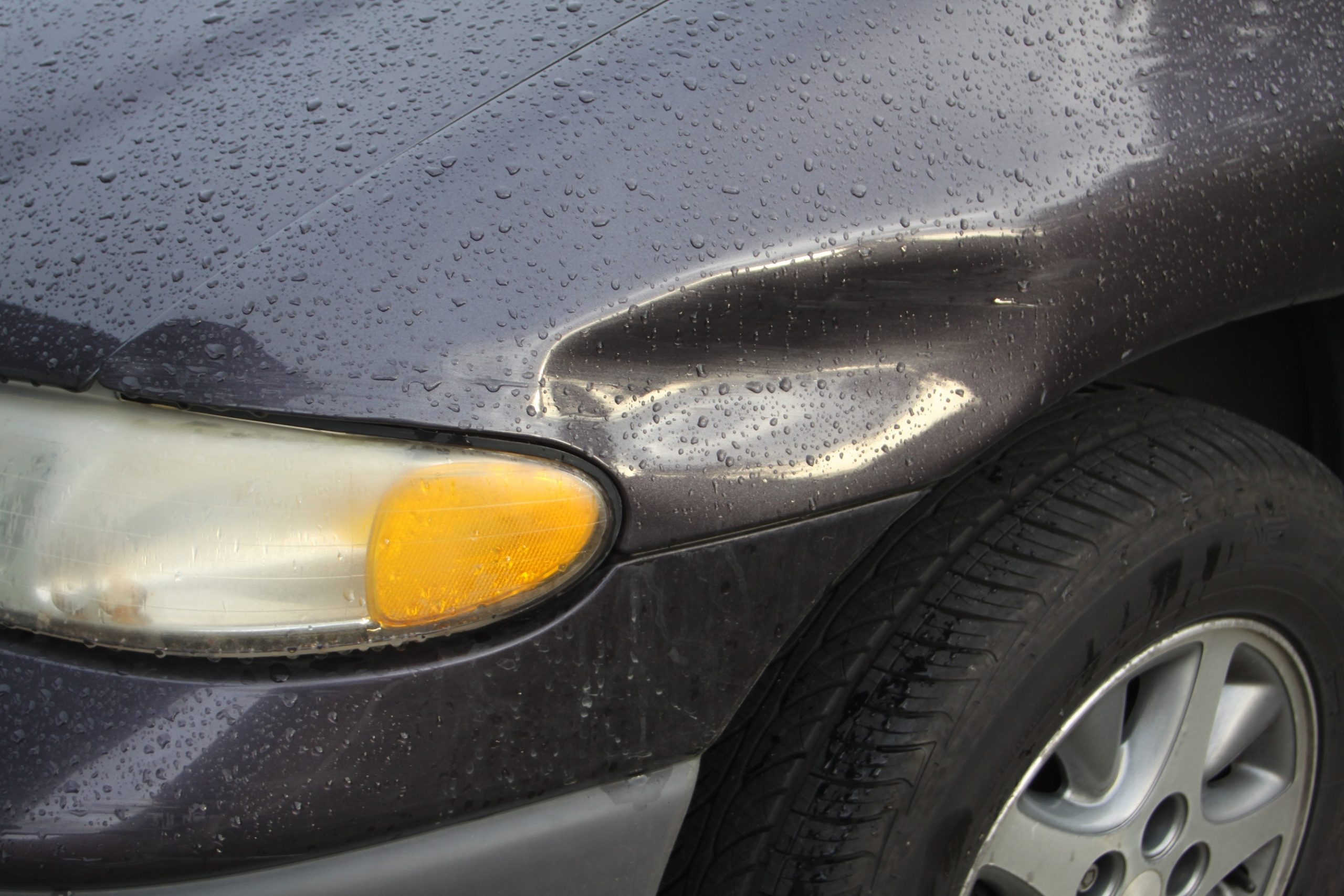
These are the mechanics you’ll often encounter after an accident. They can handle everything from minor paint job touch-ups to complete structural replacements in a car after an accident. These mechanics receive specialized training to keep up with all the current car technologies, and they have a special certification.

Brake and Transmission Technician

This type of mechanic is exactly what it sounds like – they specialize in brake and transmission issues. While a general mechanic will also be versed in these areas, a brake and transmission technician can correct more complex issues and has the training to use special alignment equipment. If a general mechanic notices something that seems off with your brakes or transmission, they will often hand your car over to this type of specialist within the shop.

Service Technicians

Service technicians can diagnose and check mechanical and electrical components within a vehicle. When they look at a car, they’ll do things such as check the oil and fluid levels, or work to find causes of operational issues. Rather than looking at specific mechanical components, they tend to look at the general systems that work together in a vehicle to identify any problems or issues.

Auto Glass Mechanics

Fixing or replacing the glass on a vehicle can be tricky. Some auto glass mechanics have been specially trained in working with auto glass. They’ll know how to identify if cracks or dents can be repaired, or if the entire piece of glass needs replacing. These mechanics are also trained in weatherproofing glass, installation and more.

Tire Mechanics

General mechanics will be trained in basic tire care, but tire mechanics have even more training to spot complex issues and optimize tire usage and wear. They can identify tire issues, do tire rotations, and complete tire replacements. They’ll also inspect tires for any abnormalities and to ensure proper inflation.

If you’re in need of a repair shop for your vehicle, Carwise is here to help. Browse thousands of shops on Carwise.com and read real reviews from customers, see certifications and specializations, and more.

Read More

How Do I Get Hail Damaged Repaired on My Car?

You look out your window and can see a storm rolling in. Then you remember that your car is parked in the driveway or street, and thus ensues the mad dash to move your car into the garage or under a carport – if you have that option. If not, your car is left to face the elements of a bad storm, including one of the worst possibilities: hail.

Hail can easily damage vehicles left out in the open during a storm. While car covers can protect against mild hail damage, if the hail is larger than an inch in diameter, damage is likely.

However, most hail damage can be repaired by your local auto body shop.  

Steps to Take After Hail Damages Your Car

  1. Take photos of the hail damage with your smartphone. Pictures of hail damage can be harder to capture than other types of damage, so you may need to take photos from multiple angles.
  2. Contact your insurance company to see if they will cover hail damage repairs for your vehicle. If it is covered, ask if you can submit photos of the damage.
  3. Before having an assessment done, wash the exterior of your vehicle, so that the damage is easier to see.
  4. Count the number of dings and dents and how dense or spread out they are.
  5. Have the damage professionally assessed through someone provided by your insurance and through a local auto body shop.

Standard Auto Body Repairs for Hail Damage

There are a few different ways that hail damage can be repaired. Paintless dent repair (PDR) is a quick and inexpensive method that corrects the dents without needing to repaint the vehicle.

For sharper dents or dents that have cracked the vehicle’s paint, PDR might not be possible. In that case, conventional dent repair is used, which may involve filling and repainting the dent, or replacing the part or panel that is damaged.

Hail can damage windshields, windows and sunroofs, so auto glass repairs may be needed as well. It’s important to get your cracked windshield repaired as soon as possible because cracks can impair your vision while driving and even compromise the structural integrity of your vehicle.

How to Find a Local Auto Body or Auto Glass Shop to Repair Hail Damage

Depending on the extent of the damage, hail repairs can unfortunately add up quickly, so there are a couple things to keep in mind before selecting a shop:

  • Ask your local auto body shops if you can submit photos to them virtually to initiate an estimate on repairs. 
  • Seek multiple estimates. Select a few different shops and get quotes from each of them, to get an idea of price range.

If your car suffers hail damage, Carwise has you covered. Review current ratings, reviews and certifications on nearly 22,000 repair shops with Carwise.com. Use the shop finder tool to search your zip code for a customer-reviewed and certified auto body or auto glass shop nearby: https://www.carwise.com/auto-body-shops/.

Read More

Paintless Dent Repair: What You Need to Know

Whether it’s the result of hail damage or a distracted moment backing out of a parking spot, when your car suffers a minor ding or dent, you will likely want to get it repaired as quickly and cost-effectively as possible at an auto body shop near you—without sacrificing the look or value of your vehicle. For minor damage like this, paintless dent repair can be a quick, cost-effective option.

What is Paintless Dent Repair?

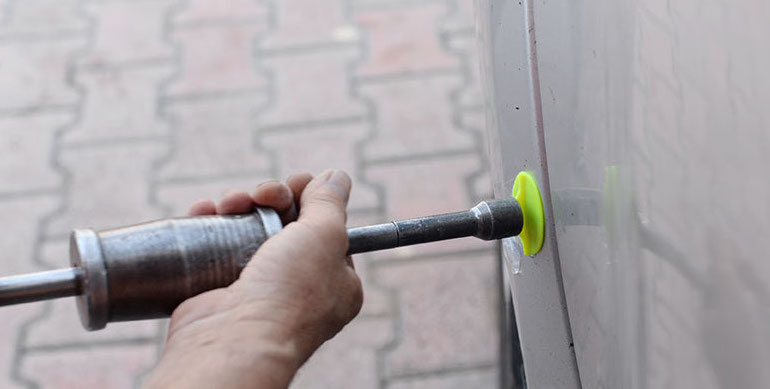
Paintless dent repair (PDR) is a method for fixing minor dents that uses slow pressure and does not require paint which can add significant additional expense to the repair. Technicians access the dent from the backside by removing any interior panels to access the damaged panel, then use metal rods and body pricks to pop the dent back out—without ruining the factory-finish paint job. Occasionally, deeper dents may require several rounds of this process. This technique can be used for minor dents, hail damage, or even larger dents as long as the paint has not been cracked. This process is usually faster and may even be completed while you wait.

Sharp dents or dents that have cracked the vehicle’s paint may require the more traditional method of dent repair using fillers and paint. This method takes longer and will be more expensive.

Find A Local Auto Body Shop That Offers Paintless Dent Repair

If you think your vehicle could benefit from paintless dent repair, you can search for a local auto body shop near you that offers PDR. Other companies specialize in paintless dent repair and in many cases will come to your home or office. When you contact an auto body shop to request a repair, ask them if they think the dent on your vehicle is a good candidate for PDR.

Carwise.com provides information on nearly 22,000 auto body shops with current ratings and reviews – including information on training, manufacturer certifications, or those that specialize in paintless dent repair.

Use Carwise’s shop finder tool to search your zip code for a customer-reviewed auto body or glass repair shop near you: https://www.carwise.com/auto-body-shops/.

Read More
Senior man with mask assessing auto body damage

How Are Auto Body and Glass Repair Shops Keeping Customers Safe During the COVID-19 Outbreak?

The COVID-19 outbreak has caused most Americans to rethink how they work, shop and play. Since March, non-essential businesses have been forced to temporarily close due to social distancing and stay-at-home orders set forth by public health officials. Yet many auto body and glass repair owners have seen an uptick in business as drivers focus their attention on long-awaited repairs while they’re working from home, or because automobile accidents and high-speed crashes have been on the rise since the start of the pandemic, according to analysis by CCC Information Services Inc. To protect their employees and customers most shops have initiated new COVID-19 safety protocols.


COVID-19 Challenges for Repair Shops

Auto body and glass repair shops are considered “essential” businesses, which means they can remain open even while other businesses can’t. Unfortunately, serving customers now presents those shops with day-to-day operational challenges caused by the COVID-19 virus:

  • It can be transmitted by simply coughing, sneezing, shaking hands or talking.
  • It can live on surfaces for varying lengths of time, depending on the surface.
  • COVID-19 is more dangerous for people over 55 and those with medical conditions like heart disease, lung disease, cancer, asthma or diabetes.

Although the safety recommendations from the US Centers for Disease Control and Prevention (CDC) are effective, they also make it more difficult for auto body and glass repair shops to work with their suppliers and customers. That’s forced most shops to rethink their practices.

Glass Repair Shops Are Taking these Precautions  

Because COVID-19 can survive on surfaces, auto glass shops have to minimize risk from contaminated surfaces. According to a recent article shared with Auto Body News, these are some of the new safety precautions now being used by most auto glass businesses when performing repairs and replacements:

  • Following all federal, state and local health department COVID-19 safety guidelines.
  • Asking customers to wash their vehicles and then let them sit for 24 to 48 hours prior to the appointment.
  • Wiping down all surfaces with sanitizing wipes before and after they’re touched by a technician.
  • Requiring technicians to wear disposable nitrile gloves instead of safety gloves during the actual repair or replacement.
  • Practicing social distancing while interacting with customers, including no handshakes.
  • Encouraging customers to use mobile services such as CCC’s photo estimate app (only for mobile devices) that can be hosted by a shop on Carwise and accessed from a shop’s profile on Carwise, instead of coming into the shop. Many shops will pick up your vehicle and relay contactless updates on your vehicle’s repair, plus return it contact-free.
  • Mandating that all employees wash their hands and use hand sanitizer throughout the day, including anytime they’re assisting a customer. 
  • Asking all customers to leave the keys in their car rather than handing them to the technician.

What About Collision Repair Shops?

Collision repair shops face additional challenges because they oftentimes receive damaged vehicles that are towed in, along with the fact that all vehicles must be touched during the initial inspection and estimate. In addition to the glass repair COVID-19 practices listed above, here are some others that you might see at your local auto body shop:

  • Upon arrival, asking customers to remove all personal belongings from the vehicle, like sunglasses, garage door openers, CDs and phone chargers.
  • Disinfecting a customer’s car when it’s dropped off and then again before it’s picked up, with special attention given to high-touch surfaces like knobs, buttons and touchscreens.
  • Covering upholstery surfaces like the steering wheel, dashboard and seats with plastic while the vehicle is in the shop.
  • Emailing all repair-related paperwork to customers instead of printing it off.
  • Thoroughly cleaning and disinfecting all shop areas at least twice a day.

In the end, the health and safety of customers and employees remains a top priority of auto body and glass repair shops during this unprecedented time in our nation’s history.

Promptly Search for Collision Repair Shops Here

Our thoughts go out to everyone during the COVID-19 pandemic, especially those brave first responders and healthcare workers serving on the front lines. When your vehicle has been involved in an accident, you can locate auto body or glass repair shops by searching on Carwise.com. By using CCC’s photo estimate app (only available on mobile devices), you’ll gain contact-free, remote access to over 19,000 collision repair shops with I-CAR and ASE-certified professionals.  Use Carwise’s shop finder tool to search your zip code for a customer-reviewed auto body or glass repair shop nearby: https://www.carwise.com/auto-body-shops/.


Read More

How Do Auto Body & Glass Repair Shops Fix Hail Damage?

You’re driving through a thunderstorm one day when your car starts getting pelted by marble-sized hail. Not only can hailstones leave noticeable pits and dents in your car’s metal surfaces, larger chunks can crack your windshield and cause serious damage. And, if you live in “Hail Alley” states like Texas, Oklahoma, Nebraska, and Kansas, your vehicle is at greater risk for getting damaged in a hailstorm. Fortunately, auto body and glass repair shops today have the capabilities to cost-effectively fix most vehicles even after they’ve suffered hail damage.

“DIY” Hail Damage Repairs Aren’t Reliable  

There are a lot of Do-It-Yourself (DIY) hail-damage repair ideas floating around the Internet, like using a hairdryer, leaving your vehicle out in the hot sun, or applying ice to the dents and dings. But in most cases those methods not only don’t work, they can even cause more serious and permanent damage to your car’s exterior that will probably lower its resale value. Your best bet is to contact your insurance company and then promptly take your vehicle to a local body shop to have it inspected and repaired by professionals.

Professional Hail Damage Repairs

In many instances, a local body shop can remove hail-related dents and dings by using one of two methods: conventional or paintless dent repairs: 

Conventional Repairs

These are some of the conventional ways that technicians repair hail-damaged body panels:

Remove and replace

When the damage is more serious, bolted-on panels can be removed, replaced and then repainted to match the rest of the body.

Finish glazing

This is used for more minor damage, and involves sanding the paint down slightly and then filling the dented area with some glaze putty. Once the putty dries, it’s sanded and then ready for painting.

Body filler

Similar-to finish glazing, the paint is completely removed down to the metal, the dent filled with body filler, sanded and then repainted. This method works well for small to medium-sized dents.

Traditional heat repair

This technique is used on older vehicles with thicker metal or most newer vehicles with larger dents. Heat is applied in a circular motion using an oxyacetylene torch to expand and restore the metal. Once the metal cools, the surface is then repainted.

Paintless Dent Repairs

As a newer alternative, paintless dent repairs (PDR) eliminate the need for doing any bonding, sanding or repainting. Instead, the technician manipulates the metal from the inside out to reshape and restore the damaged panel. PDR is most effective for smaller dings and dents, but larger ones can also be repaired if the paint and metal are still intact. PDR is also gaining in popularity with drivers and insurance companies because of it:

  • Costs less than conventional methods
  • Has a faster turnaround time
  • Doesn’t use potentially hazardous chemicals and fillers

Professional Windshield Repairs

Hail can also leave pits, chips, and cracks in your windshield. Some drivers choose to ignore those, but even a small crack can place you at serious risk if you’re involved in an accident. When you take your vehicle to an auto glass repair shop, they will recommend one of these repairs based on the damage’s severity:

Crack repairs

If possible, your windshield will be repaired by filling the affected area with a curable resin that visually matches the glass. The purpose of a crack or pit repair is to restore the windshield’s strength and structural integrity.

Total replacement

In some cases, the size and shape of the crack prohibits a simple repair. Instead, your entire windshield will be completely replaced to keep you and your passengers safer.

Most auto glass repair shops offer convenient mobile services, and many auto insurance policies cover windshield repairs and replacements- including those caused by hail.

Reliable Hail Damage Repairs Right at Your Fingertips

When your ride’s been damaged by hail, it’s a terrible feeling. Put your mind at ease by promptly locating a customer-reviewed auto body or glass repair shop featured in the nationwide Carwise referral network. All collision and glass repair shops listed through Carwise are I-CAR and ASE-certified, which means they have the highly trained technicians, services and equipment needed to expertly restore your damaged vehicle, and peace-of-mind, like new again. 

Search your zip code now for a customer-reviewed auto body or glass repair shop nearby: www.carwise.com

Read More

What are the Most Common Repairs that Auto Body Shops Do?

If you’re like most drivers, at some point you’ll have to take your vehicle to a local collision repair shop after an accident. Most shops, like those featured in the nationwide Carwise referral network, offer a full menu of auto body repair and restoration services, from paintless dent removal to professional detailing. And, although most services are provided to repair damage resulting from a recent collision, that’s not always the case. In general, these are the most common types of repairs that body shops perform.      

Paintless Dent Removal (PDR)

Stray grocery carts, hail and flying rocks can all leave noticeable dents in body panels and doors. Left untreated, even minor dents can cause more expensive paint damage later. To ensure that doesn’t happen, body shops use a process called “paintless dent removal” (PDR).

PDR requires no fillers or sanding, as a trained technician uses a variety of special tools to gently and slowly push dents back into place without harming the factory paint job. Overall, PDR is a very cost-effective and long-lasting way to get your ride looking great again.  

Auto Body Painting

A new paint job might be necessary after an accident, to protect an older car’s exterior from the elements, or simply to improve esthetics. Body shops routinely do paint jobs on vehicles with bodies that are marred by scratches, rock chips, rust, paint swirling or other damage. When doing so, these are the steps that trained technicians use:

  1. Surface is sanded down to the bare metal and cleaned
  2. Corrosion-resistant primer is applied and allowed to cure
  3. Cured primer is sanded down and the surface carefully cleaned
  4. Several layers of paint are applied with a sprayer and allowed to dry for up to 7 days
  5. Clearcoat is then applied that gives the finish a high-gloss appearance
  6. The exterior is then buffed and polished

Window Repairs and Replacements

Auto glass damage comes in many forms, including chips, cracks and breaks. Sometimes the damage can be repaired, and other times a total windshield or window replacement is necessary. If your vehicle is being repaired a local body shop due to an accident, they may have a full-time glass repair technician on their payroll. Those that don’t partner with glass repair shops in the area that can send out a technician to perform the necessary window repairs or replacement before the vehicle is picked up.

Frame Testing and Straightening

Studies have found that roughly 50% of all vehicles sustain frame damage after an accident,

including minor fender benders. A frame that’s unknowingly weakened or bent can place a vehicle’s occupants unnecessarily at risk during a subsequent accident. And, a vehicle with a bent frame will also track unevenly down the road, handle poorly and probably cause your tires and steering components to wear out prematurely.

To help ensure that your frame is safe after an accident, these are the steps body shop technicians take:

  • The frame is first visually inspected for signs of damage.
  • If any damage is present, the vehicle is then placed on a frame alignment machine.
  • The machine then straightens the frame using hydraulic force and torque until it’s back to its original factory specifications.

Once the frame is straightened, your vehicle will track normally and be safer to drive.

How Can I Find Good Auto Body Shops Near Me?  

Finding a good auto body shop that offers all these repair services can be challenging, especially when you’re new to an area. When you need some help, use the nationwide Carwise referral network. All collision and glass repair shops featured in the Carwise network are I-CAR and ASE-certified, which means they have the highly trained technicians, equipment and services you need to restore your ride like-new again promptly and reliably.

Search your zip code now for a customer-reviewed auto body or glass repair shop nearby: www.carwise.com

Read More

When to Consider Paintless Dent Repair

Paintless Dent Repair is a popular and usually more cost-effective alternative to full replacement repairs at auto body shops.  Paintless dent repair, or PDR, is a technique used to remove minor dents and dings from car panels, doors, and roofs while leaving the original paint intact.   To do this, technicians will access the back side of the damaged panel and then massage and shrink the dent with unique and specialized rods and tools.  Eliminating the time spent on ordering replacement parts, PDR is faster than conventional repairs and does not use traditional auto body methods like sanding, body fillers in order to maintain your car’s original finish.

Are you unsure if paintless dent repair is an option for you?  

Dents in areas that suffered paint damage or, similarly, dents that have caused your vehicle’s paint to chip or crack are not eligible for paintless dent repair.  It is possible that the process could still be completed, but the cost benefit of PDR may be nominal with the added expense of paint repair.  These are important questions to ask a technician during your estimating process, as it can vary per repair. This method tends to work best when the affected area is on an original panel (has not been previously replaced), when the damage is not near the edge of a panel, and on newer cars, typically with model years of 1990 or later.

Read More
PDR Dent Removal

The Pros & Cons of In-House Paintless Dent Repair

Paintless dent repair is a repair option worth considering for auto body shop managers. Whether or not your shop is in an area that gets hit regularly by hailstorms, PDR is a relatively inexpensive way of repairing dents in vehicles. While it is likely that your future and existing customers will appreciate a less expensive option to repair dents, it is important for collision repair shops to evaluate their own cost benefit of setting up PDR in-house.

Read More