How Heat Affects Your Car: Late Summer Maintenance Tips

As the hot summer days continue into late August and early September, it’s important to remember that high temperatures can negatively impact your vehicle’s performance and condition. From the engine to the tires, various car parts experience additional strain during this season. Here are some late summer maintenance tips to ensure your car remains in tip-top shape despite the scorching temperatures.

Engine oil: Make it a habit to monitor your engine oil level frequently, especially if you’re planning a long trip. Hot weather can cause oil to thin out, so it’s important to ensure your car has sufficient oil to prevent engine damage.

Coolant: Your car’s coolant is crucial in preventing overheating. Check the coolant level and top it off if necessary. It’s also a good idea to inspect the hoses and belts associated with the cooling system, as these can crack or become brittle in the heat.

Transmission fluid: Don’t forget about your transmission fluid, as it, too, can be affected by high temperatures. Check the level and color—dark or burnt fluid may indicate a problem.

Other fluids: This includes power steering fluid, brake fluid, and even windshield washer fluid. All these fluids play an important role in the safe operation of your vehicle, so check their levels and top them up as needed.

Battery: Summer heat can be harsh on your car battery, causing it to wear out faster. Inspect the battery terminals regularly for any signs of corrosion and confirm if they are securely connected. If your battery is more than a few years old, consider having it tested by a professional to ensure it’s still in good condition.

Electrical system: The electrical system includes components like the alternator and starter motor. Any issues with these can leave you stranded, so it’s worth having them inspected by a qualified mechanic.

Read More

The Future of Electric Vehicles and Auto Body Repairs

The automotive industry is undergoing a significant transformation with the rise of electric vehicles (EVs). As consumers increasingly adopt EVs, the world embraces cleaner and eco-conscious transportation solutions. This shift has a significant impact on various associated industries, particularly auto body repairs.

Auto body shops, which have traditionally dealt with internal combustion engine (ICE) vehicles, now need to adapt to the unique requirements of EVs. This article examines the evolution of Electric vehicles and the implications for auto body repairs, providing insight into the evolving relationship between these two industries.

The Growing Prominence of Electric Vehicles

Electric automobiles have become a mainstream automotive option. With each passing year, sales of EVs continue to grow, and they are becoming an increasingly common sight on our roads. This growth is driven by several factors:

  • Ecological Awareness: Buyers are showing greater sensitivity to their carbon footprint decisions. EVs offer a greener alternative to traditional ICE vehicles, with reduced emissions and a smaller carbon footprint.
  • Technological Advancements: The technology behind EVs has improved significantly, offering increased range, faster charging, and improved performance. These advancements have addressed many early concerns about EV practicality and convenience.
  • Government Incentives: Many governments worldwide are providing financial benefits, including tax breaks and monetary support, to promote the switch to EVs. These initiatives, coupled with the implementation of emissions regulations, are driving a shift toward electrification.
  • Charging Infrastructure: The development of widespread charging networks is making EV ownership more feasible. The increasing availability of charging stations addresses range anxiety and makes EVs a more viable option for longer journeys.

Impact on Auto Body Repairs

The rise of EVs has several implications for the auto body repair industry. EV construction differs significantly from that of ICE vehicles, and these differences present new challenges and opportunities for repair facilities:

  • Specialized Training and Skills: Working on EVs requires a unique set of skills and knowledge. Auto body shops need to ensure their technicians are trained to handle high-voltage systems, new types of body materials, and advanced driver-assistance systems (ADAS). This specialized training is crucial to ensure safe and effective repairs.
  • Equipment and Tools: EV repairs often demand specific tools and equipment that differ from those used for ICE vehicles. For example, body shops may need to invest in specialized lifts, scan tools, and battery handling equipment. This ensures they can properly service and repair EVs, adhering to the unique requirements of these vehicles.
  • Safety Protocols: Electric vehicles present unique safety challenges due to their high-voltage systems. Auto body shops must implement strict safety protocols to protect both technicians and customers. This includes procedures for disabling high-voltage systems, handling damaged batteries, and ensuring proper isolation and protection during repairs.
  • Structural Differences: The design and construction of EVs vary significantly from ICE vehicles. Repairs may involve working with new types of lightweight components, including composite materials and metal alloys, that require different techniques and equipment. Additionally, the placement of batteries and other components can affect the repair process, often requiring a more comprehensive disassembly and reassembly of the vehicle.
  • ADAS Calibration: Advanced driver-assistance systems, such as driving assistance technology and collision prevention systems, are now common installations on many EVs. Repair facilities need to invest in calibration equipment and training to ensure these systems continue to function correctly after a repair.

Adapting to the Future

Auto body shops must adapt to keep pace with the evolving landscape of automotive technology:

  • Technician Training: Investing in ongoing technician training is essential. Shops should ensure their staff are equipped with the latest knowledge and skills to work on EVs, including high-voltage system handling, ADAS calibration, and understanding the unique construction of these vehicles.
  • Specialized Equipment: Body shops should consider investing in purpose-built tools designed specifically for EV maintenance. This may include battery charging and testing equipment, lift systems designed for EVs, and tools for working with new types of body materials.
  • Partnerships and Certifications: Repair facilities can seek partnerships with EV manufacturers and industry associations to gain access to specialized training and resources. Additionally, achieving certifications specific to EV repairs can help shops stand out and assure customers of their capabilities.
  • Stay Informed: The EV market is rapidly evolving, and repair facilities must stay up-to-date with the latest developments. This includes keeping abreast of new models, technological advancements, and changes in safety protocols and repair procedures.

Conclusion

The outlook for EVs shows great promise, and presence on our roads will only increase. Auto body shops that embrace this change and adapt their practices will be well-positioned to succeed in this evolving automotive landscape. By investing in training, equipment, and partnerships, repair facilities can ensure they are ready to meet the distinct hurdles and possibilities that electric vehicles bring.

As the relationship between EVs and auto body repairs continues to develop, shops that remain at the forefront of innovation will be better positioned to provide the specialized services these vehicles require. This includes understanding the unique safety protocols, having the right tools and knowledge to work on EV-specific components, and staying informed about the latest advancements in the industry.

The future of electric vehicles and auto body repairs is an exciting prospect, and with the right preparation, repair facilities can ensure they remain a vital part of the automotive industry’s sustainable journey.

Read More
rear end collision

Managing a Car Accident: A Step-by-Step Guide to Stay Calm and Collected

Car accidents are stressful and can range from minor fender benders to major collisions. Being well-prepared can make a significant difference in managing the situation effectively, reducing stress and ensuring your safety and well-being, as well as that of others involved. In this step-by-step guide, we’ll cover everything you need to do if you ever find yourself in a car accident. From checking for injuries to dealing with insurance companies, we’ll make sure you’re prepared and know exactly what to do.

Step 1: Remain Composed and Evaluate the Scene

The moments after a car accident can be chaotic and disorienting. Take a deep breath and strive to maintain your composure. Assess the situation and check for any obvious injuries to yourself and your passengers. If there are any injuries, contact emergency medical services immediately.

  • Ensure your vehicle is safe and out of the way of oncoming traffic. If it is safe to do so, activate your hazard lights and deploy cones, flares, or warning triangles. Alert other drivers, especially if it is dark or during low-visibility conditions.
  • Ensure the well-being of other drivers and passengers involved in the accident. Offer assistance if they are injured and call for emergency services if necessary.

Step 2: Contact the Necessary Parties

Once you’ve assessed the situation and addressed any immediate injuries, it’s time to make some phone calls. Here’s who you should contact:

  • The Police: Even if the accident is minor and there are no apparent injuries, it’s important to call the police. They will compile an official report, which can be vital when dealing with insurance companies and determining fault(s). Get the names and badge numbers of the responding officers and ask for a copy of the report.
  • Your Insurance Company: Notify your insurance provider promptly to report the accident.They will guide you through the claims process and let you know what documentation you’ll need. Have your policy number handy and provide them with as many details as you can about the accident.
  • Emergency Services: If there are any injuries, fire, or a hazardous situation, be sure to call for emergency medical, fire, or police services.

Step 3: Record the details of the scene.

While awaiting the arrival of the police, record the details of the scene as thoroughly as possible. This will prove to be extremely valuable when dealing with insurance companies and determining fault(s). Here’s what you should do:

  • Take Photos: Use a camera to photograph the accident scene from various perspectives. Make sure to document the vehicle damage and any skid marks, traffic signs and signals, and any visible injuries. Also, take photos of the surrounding area, including the road, nearby landmarks, and the weather conditions.
  • Share details: Obtain the contact and insurance information from the other drivers involved. This should include names, phone numbers, addresses, insurance company names and policy numbers, and driver’s license numbers. If there are any passengers or witnesses, get their contact information as well.
  • Write Down Details: Note the make, model, and license plate numbers of all vehicles involved. Record the exact location of the accident, the time of day, and the weather conditions. If there are any traffic signs or signals nearby, make a note of them as well.
  • Look for Surveillance Cameras: Check the surrounding area for any businesses or residences that may have surveillance cameras. These could have captured the accident, providing valuable evidence.

Step 4: Deal with Repairs and the Repair Facility

Once you’ve dealt with the immediate aftermath of the accident, it’s time to think about repairs. Here’s how to handle the repair process:

  • Get Multiple Estimates: Contact several reputable repair facilities or body shops and ask for written estimates. Be sure to provide them with detailed photos of the damage. This will help you understand the cost of repairs and ensure you’re not being overcharged.
  • Choose a Repair Facility: Select a repair facility that focuses on the specific type of damage your vehicle has experienced. Look at online reviews, seek recommendations from friends or family, and make sure they have experience dealing with your insurance company.
  • Rental Car: If your insurance policy covers a rental car, arrange for one while your vehicle is being repaired.
  • Work with Your Insurance Company: Provide your insurance provider with the chosen repair facility’s estimate and discuss the repair process with them. They may have specific requirements or recommendations for repairs, so it’s important to keep an open line of communication.

Step 5: Take Care of Yourself and Your Vehicle

Dealing with the aftermath of a car accident can be overwhelming, so be sure to practice self-care and look after your vehicle:

  • Seek Medical Attention: Even if you feel fine, it’s crucial to be examined by a medical professional. Certain injuries like whiplash may not be immediately apparent. Listen to your body and seek help if you experience any pain, headaches, or other unusual symptoms.
  • Deal with Trauma: Car accidents can be traumatic, so take care of your mental health. Talk to someone you trust about the accident, and seek professional help if you’re struggling with anxiety, flashbacks, or other symptoms of post-traumatic stress disorder (PTSD).
  • Get Your Vehicle Checked: Even if your car seems to be functioning fine, take it to a trusted mechanic or body shop for a thorough inspection. Some damage may not be visible, and it’s essential to verify that your vehicle is safe to drive.

Final Thoughts

Handling a car accident can seem daunting, but following these steps will help you navigate the process with confidence. Remember to stay calm, assess the situation, and contact the necessary parties. Document the scene thoroughly and take care of yourself and your vehicle in the aftermath. By following this guide, you’ll be able to manage the situation effectively and efficiently, ensuring your safety and peace of mind.

We hope this guide will never be needed, but it’s always better to be prepared. Stay safe on the roads!

Read More

Get Your Car Summer-Ready: Essential Seasonal Car Care Tips

With the arrival of summer, it’s time to give your car some attention and ensure it’s in top condition for the warmer months ahead. Proper car care not only ensures your vehicle looks good but also enhances its performance, enhances fuel efficiency, and ensures your safety on the road. In this blog, we’ll provide essential tips to prepare your car for summer and help you enjoy a hassle-free driving experience.

Summer Car Care: What You Need to Do

Wash and Wax

Start with a thorough cleaning. Winter and spring can leave behind salt, mud, and grime that accelerate rust and corrosion. Use a quality car shampoo and don’t forget the undercarriage. After washing, apply a quality coat of wax to protect your paint and shield it from the sun’s UV rays.

Check All Fluids

Summer heat puts stress on your car’s engine and systems. Check and top off essential fluids:

  • Engine oil
  • Coolant
  • Brake fluid
  • Power steering fluid
  • Windshield washer fluid

Look for any leaks and refer to your owner’s manual for recommended types and intervals.

Inspect the Tires

Proper tire maintenance is vital:

  • Check tire pressure, including the spare.
  • Check the tread depth and inspect for any cracks or bulges.
  • Replace worn tires if needed.

Properly inflated and maintained tires improve fuel efficiency and driving safety.

Test the AC

Make sure your air conditioning is working efficiently. If the air isn’t cold or the airflow is weak, you might have a refrigerant issue or clogged condenser. Get it checked by a professional to stay cool all summer.

Change Your Wiper Blades

Wiper blades wear out and should be replaced if they’re streaking or ineffective. Summer storms can hit unexpectedly—good wipers and a water-repellent treatment for your windshield can make a big difference.

Prepare an Emergency Kit

For peace of mind during road trips, pack:

  • First aid kit
  • Flashlight with fresh batteries
  • Jumper cables
  • Basic tools
  • Portable air compressor
  • Reflective warning triangle
  • Non-perishable snacks and water
  • Fully charged phone and portable chargers

Keep It Covered

If your car is parked outside, a quality car cover helps protect against:

  • UV damage
  • Bird droppings
  • Tree sap
  • Summer storms

It also keeps your car cooler inside.

Wrapping Up

By following these simple car care tips, your vehicle will be ready for all your summer adventures. Consistent maintenance and prompt repairs not only enhance your driving experience but also extend your car’s lifespan. If you’re ever unsure, reach out to a trusted auto repair shop for expert help.

Now you’re all set to hit the road and make some unforgettable summer memories!

Read More

Finding the Best Auto Body Shops Near Me: Your Ultimate Guide to Quality Collision Repair

If you’ve been in an accident or simply need some aesthetic work on your car, finding the right auto body shop near you is essential. With countless options out there, the decision can be overwhelming. You want a place that provides high-quality repairs, has skilled technicians, and offers excellent customer service—all without breaking the bank. Here’s everything you need to know about locating and choosing the best collision repair shops near you.

Why Choose a Local Auto Body Repair Shop?

Opting for a local auto body repair shop near you offers several advantages:
1. Convenience: It’s easy to drop off your vehicle and pick it up when repairs are complete.
2. Faster Service: Local shops prioritize timely repairs.
3. Reputation: With a local shop, you can quickly research their reputation. Reviews from neighbors and friends can help you find trustworthy collision repair.

Key Services Offered by Collision Repair Shops Near Me

When choosing a collision repair shop, knowing the specific services they offer can help you decide if they’re right for your needs:
1. Dent and Scratch Repair: Quality shops have expertise in eliminating unsightly dents and scratches, leaving your car looking as good as new.
2. Paint Matching and Refinish: Paint is a complex process, and top auto body shops use advanced technology to ensure a perfect color match for your vehicle.
3. Frame Straightening: After an accident, frame damage can compromise your vehicle’s safety. Collision repair shops near you will have specialized equipment to restore the structural integrity of your vehicle.
4. Glass Replacement and Repair: Whether it’s your windshield or windows, most auto body repair shops near you will offer glass services to repair cracks or replace broken panes.

How to Choose the Right Auto Body Shop Near You

1. Check Certifications and Training: Look for shops with technicians certified by reputable organizations, such as ASE (Automotive Service Excellence) or I-CAR. This certification ensures they’re trained on the latest repair techniques and technology.

2. Read Reviews and Ratings: Search for “collision repair shops near me” and read reviews on platforms like Carwise, Google, Yelp and Bing. Customer feedback can give you insights into the shop’s service quality, timeliness, and professionalism.

3. Get Multiple Estimates: It’s essential to compare prices from a few different shops. Look for estimates that break down labor and parts costs, and don’t be afraid to ask questions about each line item.

4. Inspect the Shop’s Work Environment: A reputable auto body repair shop near you will maintain a clean and organized environment. The way they care for their workspace often reflects their approach to handling customer vehicles.

Why Quality Matters in Collision Repair

Cutting corners to save on collision repair can lead to additional problems down the line, costing you more in the long run. Quality collision repair shops near you will use top-grade materials and parts, ensuring that your vehicle meets safety standards and retains its value. Look for shops that offer a warranty on their work; this shows they stand by their quality and gives you peace of mind.

Final Thoughts

Choosing a trustworthy auto body shop near you can make all the difference in your vehicle’s repair process and outcome. With a little research, you can find a collision repair shop near you that meets your needs for high-quality work, excellent customer service, and reasonable pricing. Taking the time to pick the right shop will ensure your car is back on the road safely and beautifully, without any unexpected surprises.

Ready to start your search? Use our directory on Carwise.com to find auto body repair shops near you and schedule your next repair with confidence!

Read More

Get Your Car Ready for Winter: Precautions to Take Before the Cold Sets In

As the days get shorter and the air gets crisper, it’s a reminder that winter is coming. It’s not just the weather that’s about to change; our cars also need some extra attention to ensure they can handle the lower temperatures, icy roads, and snowy conditions.

Here is a list of precautions to take to get your car ready for the winter season:

Check Your Tires

Ensure your tires have enough tread to handle snowy and icy roads. You can do the penny test: place a penny into the tread groove with Lincoln’s head facing down. If you can see the top of Lincoln’s head, your tread is too shallow, and it may be time to replace your tires.

Check your tire pressure regularly as cold temperatures can cause tire pressure to drop. Keep your tires properly inflated to the manufacturer’s specifications.

Winter-Grade Windshield Wiper Fluid

Fill your reservoir with winter-grade windshield wiper fluid that won’t freeze. This will help you maintain clear visibility while driving in snowy or icy conditions.

Battery and Charging System

Get your car battery tested to ensure it is strong enough to handle the extra demands of cold weather. Cold temperatures can reduce battery power, so it’s important to make sure yours is in good condition.

Also, check the charging system and belts to ensure they are in proper working order.

Lights and Signals

Inspect all lights and signals to ensure they are clean and functioning properly. This includes headlights, taillights, brake lights, turn signals, and emergency hazard lights. With shorter days and more darkness, it’s important to be seen and to see the road clearly.

Engine Oil and Filters

Check your engine oil level and change it if necessary. Consider switching to a lower-viscosity oil during winter, as thicker oils can make it harder for your engine to turn over in cold temperatures.

Also, replace your oil and air filters as recommended by the manufacturer.

Emergency Kit

Prepare or restock your emergency kit for winter driving. This should include items like a small snow shovel, ice scraper, jumper cables, flashlight with fresh batteries, reflective triangles or flares, a blanket, non-perishable snacks, and a first aid kit.

Brakes and ABS

Have your brakes inspected to ensure they are in good condition and that the anti-lock brake system (ABS) is working properly. ABS helps prevent skidding and maintains control in slippery conditions.

Exhaust System

Inspect your exhaust system for any leaks, which could be dangerous if left unchecked. Carbon monoxide is a colorless, odorless gas that can be deadly if it builds up in your car.

Heater and Defroster

Test your heater and defroster to ensure they are working properly. You’ll need a clear windshield and warm air during those cold mornings.

By taking these precautions, you can help ensure your car is ready for the challenges of winter driving. Stay safe on the roads and remember to adjust your driving habits according to the conditions.

Feel free to add your own tips in the comments below, and share this list with your friends and family to help them get their cars winter-ready!

Stay warm and safe this winter!

Read More

Who is Who in a Car Repair Shop

When your car needs repairs, the thought of going into a car repair shop can be daunting. You may not know what’s wrong with the car or what needs to be done – and you may not even know what type of mechanic you need.

In this blog, we’re taking the stress out of this process by explaining whom you can expect to find in a repair shop and the kind of work they may do on your car.

General Automotive Mechanic

This is the type of mechanic you’re most likely to encounter – they do general repairs and replacements on a vehicle. They diagnose mechanical problems and repair them as needed. If you are bringing in your vehicle for a check-up or routine maintenance, this is the type of mechanic you likely need. They’re kind of like the GP for your car.

Auto Body Mechanic

These are the mechanics you’ll often encounter after an accident. They can handle everything from minor paint job touch-ups to complete structural replacements in a car after an accident. These mechanics receive specialized training to keep up with all the current car technologies, and they have a special certification.

Brake and Transmission Technician

This type of mechanic is exactly what it sounds like – they specialize in brake and transmission issues. While a general mechanic will also be versed in these areas, a brake and transmission technician can correct more complex issues and has the training to use special alignment equipment. If a general mechanic notices something that seems off with your brakes or transmission, they will often hand your car over to this type of specialist within the shop.

Service Technicians

Service technicians can diagnose and check mechanical and electrical components within a vehicle. When they look at a car, they’ll do things such as check the oil and fluid levels, or work to find causes of operational issues. Rather than looking at specific mechanical components, they tend to look at the general systems that work together in a vehicle to identify any problems or issues.

Auto Glass Mechanics

Fixing or replacing the glass on a vehicle can be tricky. Some auto glass mechanics have been specially trained in working with auto glass. They’ll know how to identify if cracks or dents can be repaired, or if the entire piece of glass needs replacing. These mechanics are also trained in weatherproofing glass, installation and more.

Tire Mechanics

General mechanics will be trained in basic tire care, but tire mechanics have even more training to spot complex issues and optimize tire usage and wear. They can identify tire issues, do tire rotations, and complete tire replacements. They’ll also inspect tires for any abnormalities and to ensure proper inflation.

If you’re in need of a repair shop for your vehicle, Carwise is here to help. Browse thousands of shops on Carwise.com and read real reviews from customers, see certifications and specializations, and more.

Read More

Quiz Your New Driver Before They Hit the Road

Letting a new driver loose on the roads can be nerve-wracking. Luckily, you can help your teen to be better prepared by giving them this quiz.

1.     What should you do if you spot an emergency vehicle with its lights on?

a. Pull over to the left
b. Ignore it 
c. Pull over to the right 
d. Let it pass and then follow it

2.     What do you need to always have with you while driving?

a. License
b. Registration 
c. Insurance card
d. All of the above

3.     When can you turn right on red?

a. Anytime
b. After making a complete stop
c. When there is a sign that says “No turn on red”
d. All of the above 

4.     How loud should you play music?

a. As loud as you want
b. At a non-distracting level
c. Under 25 DB
d. None of the above

5.     Where are you likely to see a speed limit drop?

a. On the highway
b. Neighborhood roads
c. School zones
d. Both b & c are correct

6.     What should you do if your vehicle is hit?

a. Yell at the other driver
b. Drive away if the damage isn’t bad
c. Ensure the safety of passengers and yourself, then exchange information like phone numbers and insurance information.
d. None of the above

The next section will include fill-in-the-blank questions. These will be specific to the vehicle your teen drives:

  1. Where is the parking break?
  2. How do you use the windshield wipers?
  3. How do you use the windshield wiper fluid?
  4. Where is the child lock?
  5. How do you turn off the child lock?
  6. What is the legal maximum number of passengers you may drive?
  7. Where is the spare tire?

ANSWERS: 

1.     What should you do if you spot an emergency vehicle with its lights on?

Answer: C. Pull over to the right. This is a good rule of thumb for new drivers to know. However, it’s important to explain that there will be times when they need to move in other directions for an emergency vehicle to pass. The bottom line is to ensure the vehicle can pass in an orderly fashion. 

2.   What do you need to always have with you while driving?

Answer: D. All of the above. In the event you are in a car accident or get pulled over, you will need these documents present to deal with each situation. Always make sure to have these with you when driving your car, even for a short distance.

3.     When can you turn right on red?

Answer: B. After making a complete stop. Although you can turn right on red as long as there is no sign prohibiting it, you must still be sure to come to a complete stop before turning. 

4.     How loud should you play your music? 

Answer: B. At a non-distracting level. While there is no federal law that limits the volume level of music in a car, a new driver should always be focused on the road first. Ensure that music is kept at an appropriate level that still allows you to focus on the road. 

5.     Where are you likely to see a speed limit drop?

Answer: D. Both b & c are correct. Expecting a speed limit drop and knowing when to slow down will help keep these areas safe while also keeping a driver out of trouble. 

6.     What should you do if your vehicle is hit?

Answer: C. Ensure the safety of passengers and yourself, then exchange information like phone numbers and insurance information. Although we hope these situations never happen, it’s good to be prepared for if they do. When your vehicle is hit, the first important thing is the safety of everyone involved. After that is secured, the driver can decide whether to call 911 or simply exchange information with the other driver. A 911 call would depend on the severity of the collision and the discretion of the driver.

No matter how prepared your teen is, accidents can still occur. If one does, use Carwise to help find an Auto Body shop near you: carwise.com/auto-body-shops

Read More

Can I Repair my Car After Flood Damage?

Water can wreak havoc on a car – especially if that water comes from flooding.

If your car is exposed to flood damage, sometimes it can be repaired, though oftentimes those repairs may cost more than simply replacing the car. This is especially true if your car is flooded with saltwater. Saltwater damage can be extremely difficult to repair, and oftentimes it’s better to simply consider the car totaled. Freshwater damage is sometimes fixable, though it often depends on how high the water was, and which aspects of the cars were damaged.

Not sure where to start after a flood? Luckily, there are a few steps you can take to begin considering your options. Though, at the end of the day, you’ll likely need to bring in a trusted expert to help you determine the extent of the damage.

Check the level of water damage

When you first return to your car after a flood, you should see if you can tell how much of the car was submerged. You might be able to see an actual water line on your vehicle, or you may be able to tell by where the damage seems to be.

Flooding can damage a whole host of things in a vehicle, but the most concerning is damage to the engine or electronics, which can be difficult, if not impossible, to repair. If the water only rose to the level of the flooring of the car, it might be salvageable. However, you’ll need to take care to properly dry and clean all interior aspects, as well as ensure there’s no damage to the exterior that could promote rusting down the road.

Even if the damage appears to just be superficial, it’s still best to bring the car in to a professional. A trained expert can remove paneling from your vehicle to ensure it dries properly, inspect the engine and electrical systems, and potentially install new seating or carpeting if necessary.

Check the engine oil for water

One of the biggest concerns if your car is flooded is damage to the engine. An important note – never turn on your car’s engine until you know whether it’s been contaminated with water. Turning on an engine that’s been exposed to water can force water through the whole system, worsening damage.

One way to tell if water has compromised your engine is to check the engine oil with a dipstick. If the fluid level is unusually high, there’s likely water in it, since oil floats in water. If you find any evidence of water in the oil – or if you know that water rose to the level of the engine – it’s best to take it straight to your nearest repair ship for evaluation by a professional.

Determine if it’s worth repairing

At the end of the day, many flooded vehicles would cost more to repair than they would to replace. One of the most important assessments you can make is figuring out the worth of your car, then determining if the cost of repairs will exceed the value. Insurance companies can often help with this – though they may recommend simply considering the car totaled, especially if flooded with saltwater.

If your car is flooded, bring in an expert who has experience dealing with flood damage to make these determinations, and to run a full diagnostic test on your car’s functionality. Not only can flood damage be complicated – but it can also be dangerous if not diagnosed or repaired correctly.

Carwise.com can help you find a shop near you that can help you decide if you can fix your car after flood damage, or consider it totaled: carwise.com/auto-body-shops

Read More

Why you should refrain from driving your car on empty

In recent months, gas prices have increased dramatically. The U.S. is seeing an all-time national high, with the average prices reaching over $5 per gallon.

This uptick in prices has caused some people to fill up their tanks less regularly. AAA reported 50,787 out-of-gas calls in April of 2022, which is a 32% increase from April of 2021.

Although gas has become significantly more expensive, it can be dangerous to drive a car that is not fueled sufficiently. Consistently driving a car while it’s on empty can damage your vehicle, including fuel pump failure, clogged fuel filter, and harm to you and your passengers.

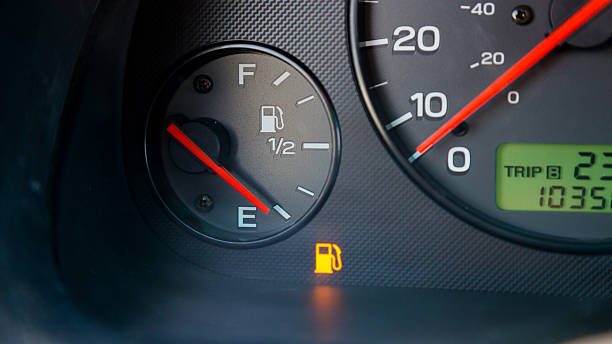
What is “Empty” and why is it dangerous?

When your car is displaying that the tank is empty, this really means that you have reached the reserve level. This is the last 10%-15% of the tank’s capacity. Inside your fuel tank is a pump that relies on gasoline to keep it lubricated. Without ample gasoline, the pump risks overheating and premature failure.

Fuel tanks also tend to collect dirt and debris that ends up at the bottom of the tank. While this isn’t necessarily a problem, low gasoline levels can cause this debris to enter the fuel pump and clog it. This can decrease the rate at which gas goes to the engine.

Lastly, the most important thing to consider when driving on E is the potential danger you are subjecting yourself to. You don’t want your car to stop in the wrong place and put you in harm’s way. If you do run out of fuel, turn on your hazards and do your best to pull over to a shoulder or safe area where you are less likely to cause an accident.  Once you are in a safe area, call for assistance.

Overall, it’s a personal decision but the risks of driving on empty can sometimes be more expensive than the gas itself, and saving a little money by not filling up your tank as needed is not worth the risk.

Have car issues? If something feels off, find an auto body shop near you using Carwise: carwise.com/auto-body-shops.

Read More