In recent months, gas prices have increased dramatically. The U.S. is seeing an all-time national high, with the average prices reaching over $5 per gallon.
This uptick in prices has caused some people to fill up their tanks less regularly. AAA reported 50,787 out-of-gas calls in April of 2022, which is a 32% increase from April of 2021.
Although gas has become significantly more expensive, it can be dangerous to drive a car that is not fueled sufficiently. Consistently driving a car while it’s on empty can damage your vehicle, including fuel pump failure, clogged fuel filter, and harm to you and your passengers.
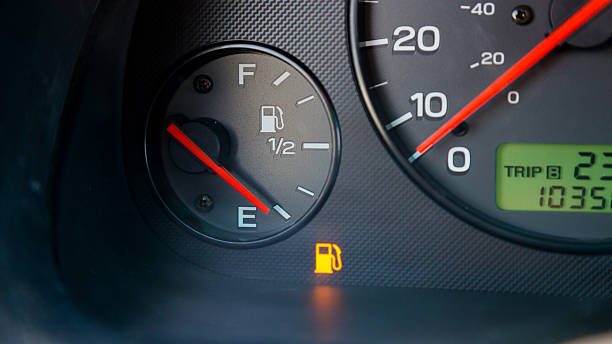
What is “Empty” and why is it dangerous?
When your car is displaying that the tank is empty, this really means that you have reached the reserve level. This is the last 10%-15% of the tank’s capacity. Inside your fuel tank is a pump that relies on gasoline to keep it lubricated. Without ample gasoline, the pump risks overheating and premature failure.
Fuel tanks also tend to collect dirt and debris that ends up at the bottom of the tank. While this isn’t necessarily a problem, low gasoline levels can cause this debris to enter the fuel pump and clog it. This can decrease the rate at which gas goes to the engine.
Lastly, the most important thing to consider when driving on E is the potential danger you are subjecting yourself to. You don’t want your car to stop in the wrong place and put you in harm’s way. If you do run out of fuel, turn on your hazards and do your best to pull over to a shoulder or safe area where you are less likely to cause an accident. Once you are in a safe area, call for assistance.
Overall, it’s a personal decision but the risks of driving on empty can sometimes be more expensive than the gas itself, and saving a little money by not filling up your tank as needed is not worth the risk.
Have car issues? If something feels off, find an auto body shop near you using Carwise: carwise.com/auto-body-shops.