Get Your Car Ready for Winter: Precautions to Take Before the Cold Sets In

As the days get shorter and the air gets crisper, it’s a reminder that winter is coming. It’s not just the weather that’s about to change; our cars also need some extra attention to ensure they can handle the lower temperatures, icy roads, and snowy conditions.

Here is a list of precautions to take to get your car ready for the winter season:

Check Your Tires

Ensure your tires have enough tread to handle snowy and icy roads. You can do the penny test: place a penny into the tread groove with Lincoln’s head facing down. If you can see the top of Lincoln’s head, your tread is too shallow, and it may be time to replace your tires.

Check your tire pressure regularly as cold temperatures can cause tire pressure to drop. Keep your tires properly inflated to the manufacturer’s specifications.

Winter-Grade Windshield Wiper Fluid

Fill your reservoir with winter-grade windshield wiper fluid that won’t freeze. This will help you maintain clear visibility while driving in snowy or icy conditions.

Battery and Charging System

Get your car battery tested to ensure it is strong enough to handle the extra demands of cold weather. Cold temperatures can reduce battery power, so it’s important to make sure yours is in good condition.

Also, check the charging system and belts to ensure they are in proper working order.

Lights and Signals

Inspect all lights and signals to ensure they are clean and functioning properly. This includes headlights, taillights, brake lights, turn signals, and emergency hazard lights. With shorter days and more darkness, it’s important to be seen and to see the road clearly.

Engine Oil and Filters

Check your engine oil level and change it if necessary. Consider switching to a lower-viscosity oil during winter, as thicker oils can make it harder for your engine to turn over in cold temperatures.

Also, replace your oil and air filters as recommended by the manufacturer.

Emergency Kit

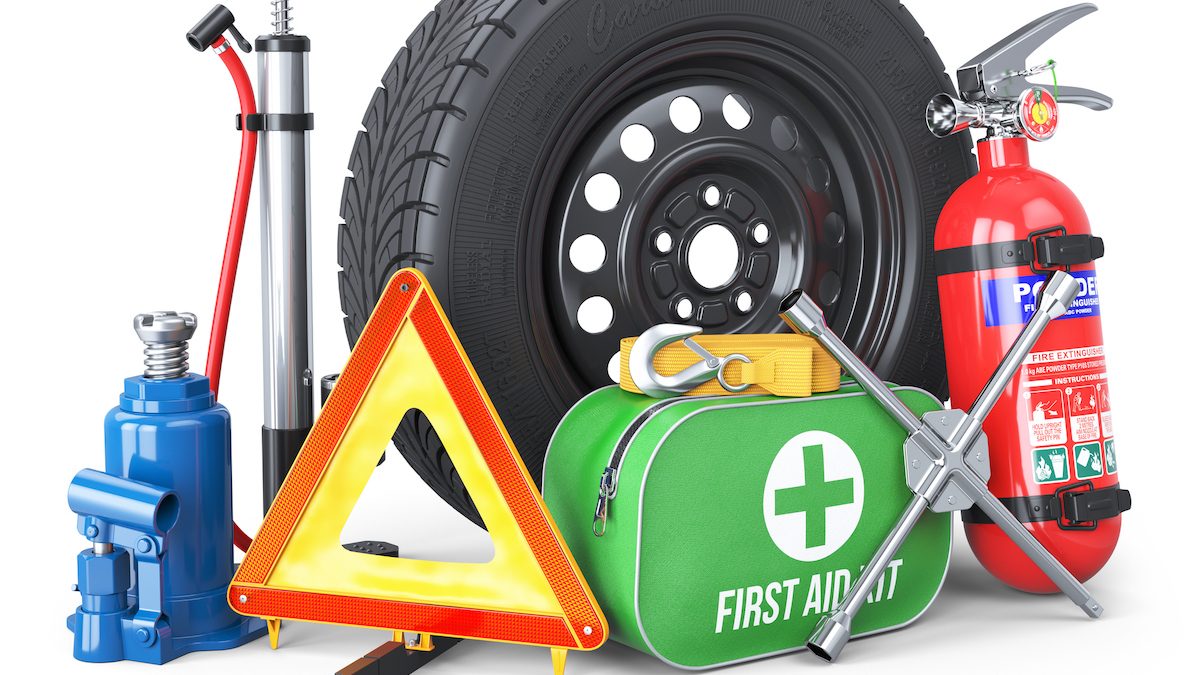
Prepare or restock your emergency kit for winter driving. This should include items like a small snow shovel, ice scraper, jumper cables, flashlight with fresh batteries, reflective triangles or flares, a blanket, non-perishable snacks, and a first aid kit.

Brakes and ABS

Have your brakes inspected to ensure they are in good condition and that the anti-lock brake system (ABS) is working properly. ABS helps prevent skidding and maintains control in slippery conditions.

Exhaust System

Inspect your exhaust system for any leaks, which could be dangerous if left unchecked. Carbon monoxide is a colorless, odorless gas that can be deadly if it builds up in your car.

Heater and Defroster

Test your heater and defroster to ensure they are working properly. You’ll need a clear windshield and warm air during those cold mornings.

By taking these precautions, you can help ensure your car is ready for the challenges of winter driving. Stay safe on the roads and remember to adjust your driving habits according to the conditions.

Feel free to add your own tips in the comments below, and share this list with your friends and family to help them get their cars winter-ready!

Stay warm and safe this winter!

Read More

Who is Who in a Car Repair Shop

When your car needs repairs, the thought of going into a car repair shop can be daunting. You may not know what’s wrong with the car or what needs to be done – and you may not even know what type of mechanic you need.

In this blog, we’re taking the stress out of this process by explaining whom you can expect to find in a repair shop and the kind of work they may do on your car.

General Automotive Mechanic

This is the type of mechanic you’re most likely to encounter – they do general repairs and replacements on a vehicle. They diagnose mechanical problems and repair them as needed. If you are bringing in your vehicle for a check-up or routine maintenance, this is the type of mechanic you likely need. They’re kind of like the GP for your car.

Auto Body Mechanic

These are the mechanics you’ll often encounter after an accident. They can handle everything from minor paint job touch-ups to complete structural replacements in a car after an accident. These mechanics receive specialized training to keep up with all the current car technologies, and they have a special certification.

Brake and Transmission Technician

This type of mechanic is exactly what it sounds like – they specialize in brake and transmission issues. While a general mechanic will also be versed in these areas, a brake and transmission technician can correct more complex issues and has the training to use special alignment equipment. If a general mechanic notices something that seems off with your brakes or transmission, they will often hand your car over to this type of specialist within the shop.

Service Technicians

Service technicians can diagnose and check mechanical and electrical components within a vehicle. When they look at a car, they’ll do things such as check the oil and fluid levels, or work to find causes of operational issues. Rather than looking at specific mechanical components, they tend to look at the general systems that work together in a vehicle to identify any problems or issues.

Auto Glass Mechanics

Fixing or replacing the glass on a vehicle can be tricky. Some auto glass mechanics have been specially trained in working with auto glass. They’ll know how to identify if cracks or dents can be repaired, or if the entire piece of glass needs replacing. These mechanics are also trained in weatherproofing glass, installation and more.

Tire Mechanics

General mechanics will be trained in basic tire care, but tire mechanics have even more training to spot complex issues and optimize tire usage and wear. They can identify tire issues, do tire rotations, and complete tire replacements. They’ll also inspect tires for any abnormalities and to ensure proper inflation.

If you’re in need of a repair shop for your vehicle, Carwise is here to help. Browse thousands of shops on Carwise.com and read real reviews from customers, see certifications and specializations, and more.

Read More

Quiz Your New Driver Before They Hit the Road

Letting a new driver loose on the roads can be nerve-wracking. Luckily, you can help your teen to be better prepared by giving them this quiz.

1.     What should you do if you spot an emergency vehicle with its lights on?

a. Pull over to the left
b. Ignore it 
c. Pull over to the right 
d. Let it pass and then follow it

2.     What do you need to always have with you while driving?

a. License
b. Registration 
c. Insurance card
d. All of the above

3.     When can you turn right on red?

a. Anytime
b. After making a complete stop
c. When there is a sign that says “No turn on red”
d. All of the above 

4.     How loud should you play music?

a. As loud as you want
b. At a non-distracting level
c. Under 25 DB
d. None of the above

5.     Where are you likely to see a speed limit drop?

a. On the highway
b. Neighborhood roads
c. School zones
d. Both b & c are correct

6.     What should you do if your vehicle is hit?

a. Yell at the other driver
b. Drive away if the damage isn’t bad
c. Ensure the safety of passengers and yourself, then exchange information like phone numbers and insurance information.
d. None of the above

The next section will include fill-in-the-blank questions. These will be specific to the vehicle your teen drives:

  1. Where is the parking break?
  2. How do you use the windshield wipers?
  3. How do you use the windshield wiper fluid?
  4. Where is the child lock?
  5. How do you turn off the child lock?
  6. What is the legal maximum number of passengers you may drive?
  7. Where is the spare tire?

ANSWERS: 

1.     What should you do if you spot an emergency vehicle with its lights on?

Answer: C. Pull over to the right. This is a good rule of thumb for new drivers to know. However, it’s important to explain that there will be times when they need to move in other directions for an emergency vehicle to pass. The bottom line is to ensure the vehicle can pass in an orderly fashion. 

2.   What do you need to always have with you while driving?

Answer: D. All of the above. In the event you are in a car accident or get pulled over, you will need these documents present to deal with each situation. Always make sure to have these with you when driving your car, even for a short distance.

3.     When can you turn right on red?

Answer: B. After making a complete stop. Although you can turn right on red as long as there is no sign prohibiting it, you must still be sure to come to a complete stop before turning. 

4.     How loud should you play your music? 

Answer: B. At a non-distracting level. While there is no federal law that limits the volume level of music in a car, a new driver should always be focused on the road first. Ensure that music is kept at an appropriate level that still allows you to focus on the road. 

5.     Where are you likely to see a speed limit drop?

Answer: D. Both b & c are correct. Expecting a speed limit drop and knowing when to slow down will help keep these areas safe while also keeping a driver out of trouble. 

6.     What should you do if your vehicle is hit?

Answer: C. Ensure the safety of passengers and yourself, then exchange information like phone numbers and insurance information. Although we hope these situations never happen, it’s good to be prepared for if they do. When your vehicle is hit, the first important thing is the safety of everyone involved. After that is secured, the driver can decide whether to call 911 or simply exchange information with the other driver. A 911 call would depend on the severity of the collision and the discretion of the driver.

No matter how prepared your teen is, accidents can still occur. If one does, use Carwise to help find an Auto Body shop near you: carwise.com/auto-body-shops

Read More

Can I Repair my Car After Flood Damage?

Water can wreak havoc on a car – especially if that water comes from flooding.

If your car is exposed to flood damage, sometimes it can be repaired, though oftentimes those repairs may cost more than simply replacing the car. This is especially true if your car is flooded with saltwater. Saltwater damage can be extremely difficult to repair, and oftentimes it’s better to simply consider the car totaled. Freshwater damage is sometimes fixable, though it often depends on how high the water was, and which aspects of the cars were damaged.

Not sure where to start after a flood? Luckily, there are a few steps you can take to begin considering your options. Though, at the end of the day, you’ll likely need to bring in a trusted expert to help you determine the extent of the damage.

Check the level of water damage

When you first return to your car after a flood, you should see if you can tell how much of the car was submerged. You might be able to see an actual water line on your vehicle, or you may be able to tell by where the damage seems to be.

Flooding can damage a whole host of things in a vehicle, but the most concerning is damage to the engine or electronics, which can be difficult, if not impossible, to repair. If the water only rose to the level of the flooring of the car, it might be salvageable. However, you’ll need to take care to properly dry and clean all interior aspects, as well as ensure there’s no damage to the exterior that could promote rusting down the road.

Even if the damage appears to just be superficial, it’s still best to bring the car in to a professional. A trained expert can remove paneling from your vehicle to ensure it dries properly, inspect the engine and electrical systems, and potentially install new seating or carpeting if necessary.

Check the engine oil for water

One of the biggest concerns if your car is flooded is damage to the engine. An important note – never turn on your car’s engine until you know whether it’s been contaminated with water. Turning on an engine that’s been exposed to water can force water through the whole system, worsening damage.

One way to tell if water has compromised your engine is to check the engine oil with a dipstick. If the fluid level is unusually high, there’s likely water in it, since oil floats in water. If you find any evidence of water in the oil – or if you know that water rose to the level of the engine – it’s best to take it straight to your nearest repair ship for evaluation by a professional.

Determine if it’s worth repairing

At the end of the day, many flooded vehicles would cost more to repair than they would to replace. One of the most important assessments you can make is figuring out the worth of your car, then determining if the cost of repairs will exceed the value. Insurance companies can often help with this – though they may recommend simply considering the car totaled, especially if flooded with saltwater.

If your car is flooded, bring in an expert who has experience dealing with flood damage to make these determinations, and to run a full diagnostic test on your car’s functionality. Not only can flood damage be complicated – but it can also be dangerous if not diagnosed or repaired correctly.

Carwise.com can help you find a shop near you that can help you decide if you can fix your car after flood damage, or consider it totaled: carwise.com/auto-body-shops

Read More

Tips for Suburban Driving

Although city driving can be intimidating, suburban driving poses its own dangers and requires attention to detail. Here are some tips for safe driving in the suburbs.

1. Watch out for pedestrians

This seems obvious, but always keep an eye out for pedestrians when driving no matter the location. In the suburbs, however, more children and adolescents are walking around unsupervised. Paying extra attention at crosswalks and neighborhood streets could help save a life.

2. Speed limits may be lower and traffic lights may last longer.

When driving in a city, traffic lights tend to have shorter intervals than suburban traffic lights. This is usually because of the difference in speed limits. . Pay attention to these subtle changes – not only can it help you avoid a ticket, but potential accidents as well. With more stop-and-start traffic it’s also important to pay attention to your brakes. If you hear any noises, take it to your local shop to investigate.

3. Be patient

Suburbs tend to have a lot more new drivers on the road. These drivers are less experienced and are still getting used to being on the roads. Although a delay can be frustrating, it’s better that they don’t get scared by a honk, or second-guess themselves while driving.

4. Use a GPS in unfamiliar neighborhoods

Suburban neighborhoods can be much different from your average city streets. The roads tend to have more curves and stray from the city-like perpendicular roads. Using a GPS can help prepare you for a curve in the road.

5. Watch for school zone speed limits

It’s more common to come across a school zone in the suburbs. On school days when children are around, the speed limit can drop significantly, being conscious of this can help keep children safe and avoid speeding tickets.

Even when following these tips, accidents can still happen. If your car has been in an accident, or if something feels off, find a local autobody shop near you: carwise.com/auto-body-shops.

Read More

What to Pack in Your Car’s Emergency Kit

No one wants to think about experiencing a car emergency, but it can happen to anyone. It’s always smart to be prepared with a car emergency kit just in case the unexpected happens and you’re stranded.

When packing a car emergency kit, you need to consider what you’d need if you were stranded for several hours, or even a day. You’ll need items that can help repair your car in a pinch, as well as things you would need to survive. Some of this will vary by climate. If you live in an area with snow or rain, you’ll need different items than if you live in a desert climate, for example.

When packing a bag, consider your specific needs, but the below list is a great place to start:

Car Repair Items

If you get a flat tire in the middle of nowhere or have another minor issue, some simple items can help you get back on the road even if you can’t contact a repair shop.

  • An inflated spare tire, wheel wrench and car jack
  • Jumper cables
  • A portable gas can
  • Tool kit or a multipurpose utility tool
  • Antifreeze
  • Windshield wiper fluid
  • Duct tape
  • Car battery tester
  • Portable car battery charger

Safety Items

For this category, consider what you might need if you’re stranded at night, or in a remote area and need to walk to find help.

  • Reflective triangles to make your vehicle more visible
  • A reflective vest for you to wear if you need to walk to help
  • First aid kit
  • Fire extinguisher
  • Flashlights and batteries
  • Car escape tool (to break car windows)
  • Instant hot and cold packs (for injuries)
  • Protective gloves for checking the engine when it’s overheated

Personal Items

These items will help you stay hydrated or nourished while stranded, and also include things you might need if you’re waiting a while for help.

  • High-energy, non-perishable food (some foods that are less likely to spoil in a car: trail mix, crackers and chips, or meat jerky)
  • Drinking water (ideally 2-3 gallons)
  • Cell phone charger for your car
  • Pen and paper (to make any notes)

Other Items

Any other items you might need could pertain to navigation or to the weather. Think about what you need in your specific area, or what you might need in an area you’re road tripping to.

  • Compass
  • Road maps
  • Weather related items, such as a rain poncho, umbrella, snow shovel, winter coat, gloves, car brush, cat litter or salt (for traction on ice), blankets

Find a Collision Repair Shop Near You

Even if you find yourself needing help after a car accident far from home, Carwise.com is here for help. Find a reputable collision repair shop near you by searching Carwise.com, where you’ll find shop contact information, hours and locations, as well as reviews from real customers, before and after photos, and certifications. With more than 21,000 shops to choose from nationwide, Carwise will help you find the right shop near you. Start your search from wherever you are: https://www.carwise.com/auto-body-shops/.

Read More

Car Maintenance Basics to Prevent Dangerous Driving Experiences

Much like getting an annual physical exam at the doctor can help prevent health issues down the road, regular maintenance for your vehicle can help prevent accidents and extend the life of your vehicle. But how often does maintenance need to be done, and what should you be doing? Your vehicle’s owner’s manual should have all the information for your car’s specific make and model, but there are some general guidelines to keep in mind.

Check Your Car’s Fluids Regularly

There are some simple things you can do at home to check the fluids on your car, including oil, transmission fluid, brake fluid, coolant, and washer fluid. Using a dipstick, you can check these levels yourself, or you can bring it into a trusted shop.

Checking the oil regularly will help preserve your engine and should be changed on a schedule – usually every 5,000 to 7,500 miles. Neglecting to change your oil on time can lead to severe engine damage and put you in a dangerous situation while driving. Your transmission fluid, brake fluid, coolant and washer fluid can be checked monthly at home, or every time you get your oil changed.

Keep an Eye on Your Tires

Tires are one of the most important parts of your car – they literally support the entire vehicle. You should check the tire pressure monthly and can likely do this at a gas station and adjust the air as necessary. Your owner’s manual should have guidance on the correct level for your vehicle, but you can also find this information quickly in an online search.

Tire rotation is also important to make sure that your tires wear evenly. Generally, tire rotation should happen every 6,000 to 8,000 miles.

Monitor Your Brakes

You should always pay attention to any signs that there are issues with your brakes, such as sounds, smells, or changes in the feeling of braking. But generally, brake pads last for up to 50,000 miles. Brake fluid needs to be replaced a bit sooner, usually between 20,000 and 45,000 miles. You should have these checked when your car’s in for other maintenance to be sure.

Other Routine Maintenance Needs

Of course, cars are complex, and there are many other aspects that need to be checked on regularly, from engine air filters to the car’s battery. Your car’s indicator lights can help you keep tabs on these things.

You should also keep an eye out for surface damage to your car, from chips and cracks on your windshield and windows, to rust and scratches that can compromise the body of your vehicle. These things may seem minor but can lead to accidents or incur further damage when neglected.

It’s best to bring your vehicle in regularly – every 30,000 miles or so – for a tune-up and check-in on all of the advanced systems. Keeping your vehicle in good working condition will help you stay safe on the roads and prevent dangerous driving situations that could lead to an accident.

Find An Auto Body Shop Near You

Still, accidents can happen, whether it’s a minor fender from a flat tire or something more severe. If you are in a crash as the result of an engine problem or other mechanical issue, Carwise can help. To find a reputable auto body shop near you, search Carwise.com and read reviews from real customers, find shop hours and locations, before and after photos, and certifications. With more than 21,000 shops to choose from, Carwise.com will help you find your perfect fit. Get started today: https://www.carwise.com/auto-body-shops /.

Read More

Four Things to Know About Maintaining Your Truck

Data shows that out of all the cars on the road, light trucks continue to be the most popular vehicle by sale. Light-duty trucks can be great for hauling, but all of that weight can also have an impact on different parts of the vehicle, from tires and brakes to the engine. Fortunately, routine maintenance you can help preserve the life of your truck. Below, find four tips to help your truck stay on the road for as long as possible.

1 – Change the engine oil and filter regularly.

If you’re using your truck to haul things frequently, like a boat or work equipment, it can put a strain on your truck’s powerful engine. While changing the engine oil and filter is important maintenance for every type of vehicle, it’s especially important for trucks because of the added stress it sustains from bearing extra weight – from the auto body itself, as well as your vehicle load. Information on how often to change these items can be found in your truck’s manual.

While in the shop, have them check the other fluid levels as well and top any off that are running low.

2 – Inspect the brakes frequently.

Brakes can wear out quickly on a truck, as the extra weight of heavy loads can strain them, so it’s always a good to ask for your brakes to be inspected when you’re getting other routine maintenance done, like an oil change. Generally, a truck’s brake pads will last around 50,000 miles – but it could be sooner, depending on usage.

Keep an eye out for signs that your truck’s brakes are wearing down: your truck’s indicator lights if you have a newer model, the thickness of the brake pads, or physical cues when you brake: vibrations, squeaking, or the scent of burnt rubber.

3 – Rotate tires routinely.

Rotating your truck’s tires regularly can help make sure they wear out at the same rate. Typically, tires should be rotated every 5,000-7,000 miles on a truck, though if you’re frequently hauling heavy loads in your truck or driving many miles, you might need a rotation sooner. Be sure to have the tires inspected during other regular maintenance.

4 – Prevent paint corrosion and rust.

One thing that can spell the end for any vehicle is corrosion and rust – and trucks may be especially susceptible if you take them off road or through muddy, gravelly conditions. If you do go through mud or get debris on your car, be sure to take it through a car wash or wash it yourself promptly to prevent damage to your car’s finish. Additionally, any scratches to the paintjob should be promptly repaired to prevent rust from beginning to form.

Find An Auto Body Shop Near You

As a truck owner, you want your truck to stay in the best shape it possibly can and you want it to be safe on the road. Still, accidents happen or sometimes you need auto body repairs to prevent further damage to your vehicle.  If your truck needs collision repair, auto glass repair, or auto body maintenance to repair rust or scratches, Carwise can help. To find a reputable auto body shop near you, search Carwise.com and read reviews from real customers, find shop hours and locations, before and after photos, and certifications. With more than 21,000 shops to choose from, Carwise.com will help you find your perfect fit. Get started today: https://www.carwise.com/auto-body-shops / .

Read More

The Basics of Tire Maintenance

As temperatures get cooler and leaves will begin to fall, it’s a helpful reminder to pay attention to your car’s tires because road conditions can change with the weather. Tires are among the most important aspects of your vehicle when it comes to safety. They not only put your vehicle in motion, they help control how much you slip and slide (or don’t!) on the road. Neglecting tire maintenance can lead to a serious accident and incur far more damage and expenses than just paying to get tires repaired and replaced regularly.

As autumn approaches, here are a few tire maintenance tips to keep your vehicle safe on the road.

Inspect your tires regularly

Fortunately, many maintenance issues with tires can be seen with the naked eye. At least once a month, you should check your tires for any cracks, bulges or punctures, or items stuck in them that could be masking a puncture, like a nail head.

Additionally, you should keep an eye on your tires’ tread level. If your tires’ treads are too low, they’re more liable to slip and slide on roads. Many tires are equipped with a tread bar to help you track how low the tread is. If you don’t have a tread bar, you can try the quarter test: stick a quarter in the lowest level of tread you can find. If you can see all of Washington’s head, the tread is too low, and it’s time to replace.

Along with a visual inspection, be sure to check your tire pressure at least once a month. You can do this at most gas stations and adjust air as needed. In cold weather, tire pressure can drop, and tires with too little pressure pose a risk of blowing out. Take ten minutes when you fill up your tank to check the tire pressure.

And don’t forget to check your spare tire, too, to make sure it’s not damaged in case you ever need it.

Rotate your tires as needed

Another important aspect of tire maintenance is tire rotation, the practice of moving tires from one position on the vehicle to another (back to front and vice versa). Front tires wear down faster than rear tires as a result of steering and braking. Regular tire rotation helps tires wear evenly and last longer. Check your car’s user manual to be sure, but most tires need be rotated every 5,000 to 8,000 miles. Rotating tires at every other oil change is another good rule of thumb to follow.

Don’t overload your vehicle

Whether going on a long trip or moving, it can be tempting to pack your car to the brim, but this can be a safety hazard. Every vehicle has a weight limit. Check your user manual – or even the placard on your door frame – to see what your own car’s weight limit is. If you exceed it, you risk popping the tires and doing serious damage to your vehicle.

Replace tires on time

Replacing tires can be expensive but risking a flat or popping a tire while driving could lead to an accident, so it’s not worth putting off. Tires should be replaced every few years, regardless of the number of miles driven, but depending on how often and how far you drive your vehicle, your tires will likely need to be replaced much sooner than that. Check your user manual to see if your manufacturer has specific recommendations for tire replacement.

Keep your wheels aligned

Tires are only as good as the wheels they’re attached to. When your car’s wheels come out of alignment, it puts unnecessary strain on other parts of your vehicle. Wheels can become misaligned from bumps, going over curbs or even just driving long distances. Check the alignment annually to be sure nothing’s amiss.

How to Avoid an Accident When You Get a Flat Tire

Flat or blown tires can happen anywhere, anytime, at any speed. Typically, the first sign that your tire has blown is that your car will slow down (even when your foot is on the gas) and your steering will be harder to control.

Try to remain calm and look for a safe place to pull over as soon as possible. For safety reasons, you need an open space as far away from traffic as possible to change your tire or load your vehicle onto a tow truck. If you get stuck with a flat tire in dangerous weather conditions or a dangerous area, such as a road with heavy traffic and narrow shoulders, you may want to consider calling the local police for assistance, as well as a tow truck.

If you’re replacing your damaged tire with a smaller spare, often called a “donut,” remember that it’s not designed to bear the same weight or speed as a permanent tire, so it’s important to drive more slowly than usual once you get back on the road, otherwise you could wind up with another flat tire and no spare. Donut tires are also not meant to be driven for very long; when possible, it’s best to drive directly to a tire shop for a permanent replacement. 

What to Do If a Flat Tire Causes an Accident

If a tire hazard causes you to get into an accident, be sure to follow these post-accident safety tips for gathering information from other drivers at the scene, contacting your auto insurer, and finding a local auto body shop. To find a reputable auto body shop near you, search Carwise.com and read reviews from real customers, find shop hours and locations, before and after photos, and certifications. With more than 21,000 shops to choose from, Carwise.com will help you find your perfect fit. Get started today: https://www.carwise.com/auto-body-shops/.

Read More

Three Things to Know About Minivan Maintenance

For many families, minivans are one of the most practical vehicle types. They offer plenty of room for children, pets, and storage, plus they offer lots of safety features to boot. Yet they also pose vehicle maintenance challenges that you’ll want to keep in mind if you own a minivan. Below are three features of minivans to be mindful of if you want to keep yours in safe working condition for as long as possible.

Sliding Doors

One feature that minivans have that nearly no other car has is sliding doors. These are convenient when parking, are easier for children to operate, and allow passengers to exit the vehicle without the car parked next to the van.

However, sliding doors require maintenance – ideally on the same schedule as your oil is changed. The tracks need to be routinely lubed and cleaned to ensure the doors continue to open and close smoothly.

Sliding doors operate via an electric motor, and sometimes these components can malfunction and create safety issues if they don’t open or shut properly. It’s not only important that doors latch correctly to protect passengers while the minivan is being driven, but also that they open easily when passengers need to exit the vehicle – especially when an accident occurs. If you notice an electrical issue on the door, it’s best to treat it promptly. Trying to disconnect the sliding door motor or repair it yourself could lead to electrocution, so seeking professional help is strongly recommended.

Lower Auto Body

Because of how minivans are built, the auto body tends to be lower to the ground. A low center of gravity makes the body style safer, but it can also cause some maintenance challenges.

First, it’s important to keep this in mind when driving. Some items in the roadway may be easy for a normal vehicle to drive over, but for a minivan it could be dangerous. Drive carefully and be mindful of potholes, road debris and speed bumps to avoid damage to your vehicle.

Another challenge of being lower to the ground is that salt or debris can build up quickly on the auto body and undercarriage of your vehicle. It’s important to wash your minivan regularly to preventrust, particularly before and after the wintertime if you live in a snowy climate, or if you live in a coastal area where ocean salt can also erode the vehicle finish. Rust may not seem like a big deal at first, but left unattended, it can lead to major auto body and mechanical damage down the road. 

Safety Features

Minivans come loaded with tons of safety features, giving many parents peace of mind. From extra airbags to safety sensors in front and rear bumpers, the goal of a minivan is safe transport for the whole family. Those extra safety features may provide security, but because they’re managed through sensors embedded in the auto body, they are susceptible to hidden damage after an accident, even minor fender benders. If you’re in an accident, be sure to ask your body shop to check for hidden damage before and after any repairs, to make sure all your safety features work properly should you ever need them.

Find an Auto Body Shop Near You

Whether you’re looking for sliding door repair, rust repair, or collision repair after an accident, a professional auto body shop near you can help restore your minivan to like-new condition. To find a reputable auto body shop near you, search Carwise.com and read reviews from real customers, find shop hours and locations, before and after photos, and certifications. With more than 21,000 shops to choose from, Carwise.com will help you find your perfect fit. Get started today: https://www.carwise.com/auto-body-shops / .

Read More