Can Falling Autumn Leaves Damage My Car?

Can Falling Autumn Leaves Damage My Car?

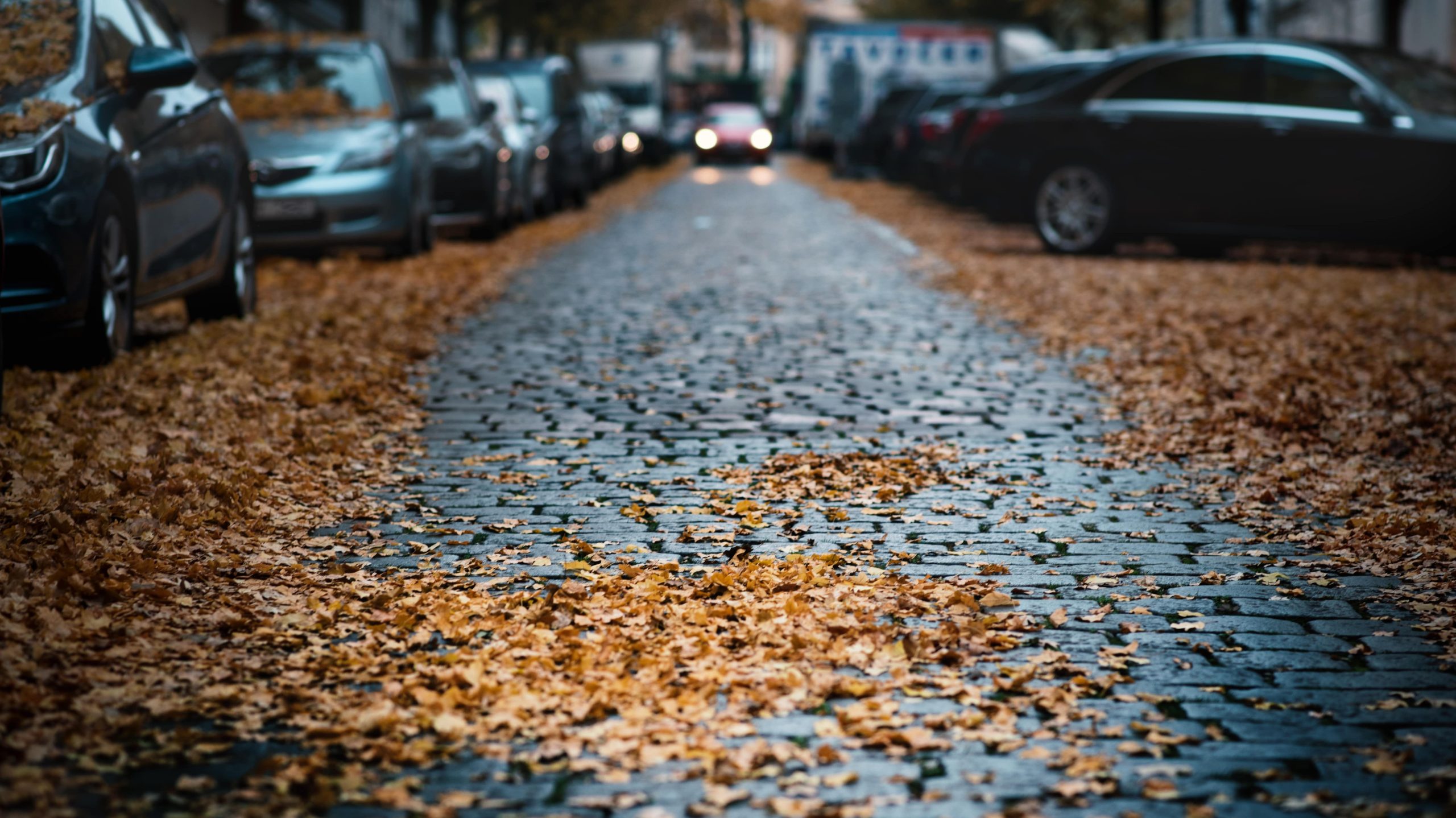
In most parts of the country, fall’s arrival means cooler temperatures, cozy sweaters, and toasty bonfires. Autumn trees also drop scores of colorful falling leaves that blanket nature’s canvas to produce breathtaking landscapes.

As a result, many drivers spend their crisp fall weekends cruising through the countryside while taking in those beautiful, leaf-covered surroundings. Unfortunately, autumn’s seemingly harmless leaves can also cause costly damage to your vehicle in many ways, starting with these. 

The Paint 

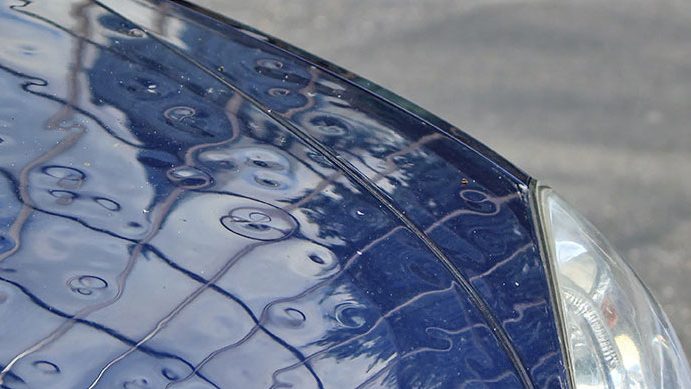
Falling leaves contain sap and pollen that can damage your paint’s finish. When leaves get wet, the acid that’s inside can start leaching onto your car’s finish, penetrate the clear coat, and then leave behind imprints and peeling paint.

When trapped behind trim and molding, those damp leaves can even promote rust formation. Many frustrated drivers brush pesky leaves off their car’s exterior, which causes permanent micro-abrasions in the paint that noticeable later.

Accidents

Roadways covered in wet slippery leaves can cause your vehicle to hydroplane when you try to brake. When roads are blanketed in leaves it’s also much harder to see potholes, tree limbs and pavement markings.

All these leaf-related road hazards increase your likelihood of being involved in an accident that will require some damage repairs at your local body shop.

Engine Performance

When leaves get trapped between the body and hood, the little pieces can clog your car’s air filter and reduce engine performance. As your vehicle’s heating and A/C system also suck in small pieces of leaf debris it can cause problems, like a heater that doesn’t work when you need it most.

Rotting leaves can also produce mold and mildew that grow inside your cabin air filter, resulting in air that’s smelly and unhealthy for you and your passengers to breathe.

Water Leaks

Decomposing leaves and dirt can team up to clog the drain holes that normally allow water to clear underneath your vehicle’s windshield.

When those plugged drain holes are combined with worn seals around your windshield’s glass, water can start dripping onto the footwells inside your passenger compartment.

Eventually, that accumulating moisture can cause costly damages to your car’s interior.

How to Protect Your Vehicle from Leaves

Here are some reliable strategies for protecting your vehicle from leaf-related damage:  

  • Don’t park under trees. Try to avoid parking under any tree that might drop large quantities of sap-containing leaves on your vehicle before you return. 
  • Hose leaves off. Instead of using your hand or a broom, gently and promptly hose off any leaves that stick to your car’s painted surfaces with water.
  • Brake cautiously. When driving on leaf-covered roads, always brake cautiously. Also, make sure that your tires have adequate tread for stopping on damp surfaces and give fellow leaf watchers plenty of room when following them in wooded areas.   
  • Get your windshield checked. If you suspect that your windshield has clogged drain holes and leaky seals, take it to an auto glass repair shop where they can professionally clean out the drain holes and replace the seals. 
  • Remove engine leaf debris. Pop the hood and then use an air compressor or high-powered vacuum to remove leaf debris from around the engine. When your car is at the shop for routine maintenance, politely ask the technician to remove clumps of leaves from inside the engine compartment. 
  • Wash and wax your care. When washing your car always get the undercarriage too, along with nooks and crannies. Apply a coat of high-quality wax in the early fall to help protect the paint from leaves.

Promptly Find Leaf-Related Damage Repairs Here!

When your ride’s been damaged because of leaves, promptly take it to one of the auto body or glass repair shops featured in the nationwide Carwise referral network.

All shops listed on Carwise are I-CAR and ASE certified, which means they have the necessary services, highly trained technicians and the latest equipment to restore your vehicle like new again promptly and reliably.

Search your zip code now for a customer-reviewed auto body or glass repair shop nearby: www.carwise.com

Read More
How Can Football Fans Stay Safer While Tailgating?

How Can Football Fans Stay Safer While Tailgating?

Another football season is in full swing, which means crisp fall afternoons filled with jersey-clad fans enjoying some tailgating activities with family and friends. Tailgating parties are known for their good food, cold beverages and other fun-filled, pre-game festivities. But when tailgaters get careless, unattended grills, too much alcohol and packed parking lots can all cause preventable accidents and unnecessary injuries. To ensure that your next tailgating adventure is a safer and more enjoyable one, use these tips from the Carwise team.

Grill Responsibly

Scores of hungry pigskin fans like to set up charcoal grills for cooking brats, burgers and ribs before the big game. Unfortunately, some people just leave their hot coals for the cool breeze to extinguish once they’re through. But an unattended grill may produce flying embers that can then set a nearby banner, tent or car or fire. That’s why it’s best to start your grill early on gameday and then make sure the coals are completely out before heading into the stadium.

As an added safety precaution, many stadium parking lots now have specially designed bins where fans can place hot coals. Even gas grills can cause explosions, so make sure to carefully read the instructions before lighting yours. Other tailgating grilling precautions include:

  • Carry a fire extinguisher and first-aid kit in your car.
  • Keep pets and small children away from hot grills.
  • Always store meat in your cooler to avoid food poisoning.

Pick Up Your Trash

In addition to being an eyesore, when you leave trash on the ground it creates a potential hazard for other vehicles as they’re exiting the parking lot. Pedestrians can also trip over larger items, so carry a big garbage bag with you and dispose of your trash before heading into the game. Doing so beforehand will help ensure you don’t leave anything important behind and reduce clean up afterwards.    

Respect the Sun’s Rays

While tailgating for hours in the warm sun, it’s easy to ignore its powerful UV rays. But even on cloudy days the sun can cause sunburn, dehydration and even sun poisoning. To protect yourself, drink plenty of water, apply sunscreen to exposed skin and wear a baseball cap. Small children and older adults have more sensitive skin, so if you have any in your party make their skin protection a priority.  

Don’t Drink and Drive

Football fans also like to drink, and if your tailgating party is going to include alcohol make sure

that you have a designated driver. Thank your DD by supplying them with plenty of non-alcoholic drinks before and during the game. And, encourage anyone who is consuming alcohol to also drink plenty of water and eat some food.  

Hide Your Valuables

While you’re watching your favorite team, criminals scouring the parking lot could also be watching for an opportune time to break into your vehicle. To protect it from smash-and-grab thieves, hide all valuables that are inside from view, lock the doors and activate your car alarm.

Drive Cautiously 

A lot of traffic accidents occur in parking lots, including those found at football stadiums. Be extra cautious when pulling in and out of your space, constantly look for pedestrians, and never drive fast just because you’re in a hurry to get home. Before departing, it’s also wise to walk around your vehicle and check for any debris that could damage your tires.

Auto Body Shops with the Cure for Gameday Accidents  

Even when taking these gameday precautions, you can still be involved in a traffic accident. When one damages your ride, make the right call by locating a fan-friendly auto body or glass repair shop featured in the nationwide Carwise referral network. All collision repair shops listed on Carwise are I-CAR and ASE-certified, which means their team members have the perfect game plan to restore your ride like new again promptly and reliably.

Search your zip code now for a customer-reviewed auto body or glass repair shop nearby: www.carwise.com

Read More
How Do Auto Body & Glass Repair Shops Fix Hail Damage?

How Do Auto Body & Glass Repair Shops Fix Hail Damage?

You’re driving through a thunderstorm one day when your car starts getting pelted by marble-sized hail. Not only can hailstones leave noticeable pits and dents in your car’s metal surfaces, larger chunks can crack your windshield and cause serious damage. And, if you live in “Hail Alley” states like Texas, Oklahoma, Nebraska, and Kansas, your vehicle is at greater risk for getting damaged in a hailstorm. Fortunately, auto body and glass repair shops today have the capabilities to cost-effectively fix most vehicles even after they’ve suffered hail damage.

“DIY” Hail Damage Repairs Aren’t Reliable  

There are a lot of Do-It-Yourself (DIY) hail-damage repair ideas floating around the Internet, like using a hairdryer, leaving your vehicle out in the hot sun, or applying ice to the dents and dings. But in most cases those methods not only don’t work, they can even cause more serious and permanent damage to your car’s exterior that will probably lower its resale value. Your best bet is to contact your insurance company and then promptly take your vehicle to a local body shop to have it inspected and repaired by professionals.

Professional Hail Damage Repairs

In many instances, a local body shop can remove hail-related dents and dings by using one of two methods: conventional or paintless dent repairs: 

Conventional Repairs

These are some of the conventional ways that technicians repair hail-damaged body panels:

Remove and replace

When the damage is more serious, bolted-on panels can be removed, replaced and then repainted to match the rest of the body.

Finish glazing

This is used for more minor damage, and involves sanding the paint down slightly and then filling the dented area with some glaze putty. Once the putty dries, it’s sanded and then ready for painting.

Body filler

Similar-to finish glazing, the paint is completely removed down to the metal, the dent filled with body filler, sanded and then repainted. This method works well for small to medium-sized dents.

Traditional heat repair

This technique is used on older vehicles with thicker metal or most newer vehicles with larger dents. Heat is applied in a circular motion using an oxyacetylene torch to expand and restore the metal. Once the metal cools, the surface is then repainted.

Paintless Dent Repairs

As a newer alternative, paintless dent repairs (PDR) eliminate the need for doing any bonding, sanding or repainting. Instead, the technician manipulates the metal from the inside out to reshape and restore the damaged panel. PDR is most effective for smaller dings and dents, but larger ones can also be repaired if the paint and metal are still intact. PDR is also gaining in popularity with drivers and insurance companies because of it:

  • Costs less than conventional methods
  • Has a faster turnaround time
  • Doesn’t use potentially hazardous chemicals and fillers

Professional Windshield Repairs

Hail can also leave pits, chips, and cracks in your windshield. Some drivers choose to ignore those, but even a small crack can place you at serious risk if you’re involved in an accident. When you take your vehicle to an auto glass repair shop, they will recommend one of these repairs based on the damage’s severity:

Crack repairs

If possible, your windshield will be repaired by filling the affected area with a curable resin that visually matches the glass. The purpose of a crack or pit repair is to restore the windshield’s strength and structural integrity.

Total replacement

In some cases, the size and shape of the crack prohibits a simple repair. Instead, your entire windshield will be completely replaced to keep you and your passengers safer.

Most auto glass repair shops offer convenient mobile services, and many auto insurance policies cover windshield repairs and replacements- including those caused by hail.

Reliable Hail Damage Repairs Right at Your Fingertips

When your ride’s been damaged by hail, it’s a terrible feeling. Put your mind at ease by promptly locating a customer-reviewed auto body or glass repair shop featured in the nationwide Carwise referral network. All collision and glass repair shops listed through Carwise are I-CAR and ASE-certified, which means they have the highly trained technicians, services and equipment needed to expertly restore your damaged vehicle, and peace-of-mind, like new again. 

Search your zip code now for a customer-reviewed auto body or glass repair shop nearby: www.carwise.com

Read More
How Can I Find the Best Collision Repair Shop for My Vehicle?

How Can I Find the Best Collision Repair Shop for My Vehicle?

While driving home from work one day another vehicle hits your car, causing noticeable damage to the bumper and quarter panel that will have to be repaired. But being new to the area, you’re unfamiliar with the local collision repair shops and their reputations. What should you do? Finding an auto body shop that will get the job done right the first time shouldn’t have to be a guessing game. Before handing over your car keys, here are some proven ways to ensure that your decision is the best one.

Are They Certified?

Shops that perform top-quality work employ professionals that have been certified by widely respected industry associations, and they usually display those certifications on their website and in their waiting area. These are the two main certifications to look for:

ASE

This designation means that a shop has employees that have successfully completed auto body or glass repair courses taught by experts at the National Institute for Automotive Service Excellence, or “ASE” for short.   

I-CAR

Any shop that carries the Inter-Industry Conference on Auto Collision Repair (I-CAR) label has met the necessary requirements for ongoing training and compliance to repair specific vehicles based on the manufacturer’s safety and quality standards.

Do They Provide Written Estimates?

Most reputable shops now provide customers with detailed written estimates beforehand, so try to find a shop that does so. Keep in mind that once your vehicle is torn down, the technicians could find additional repairs that need to be done to ensure occupant safety and vehicle performance. It’s also a good idea to compare estimates from several different shops before making your decision, especially if you’re paying the entire repair bill out of pocket.  

What Do Their Customers Say?

Go to some trustworthy online sources and read customer satisfaction reviews about the shop, and then check out before-and-after photos of vehicles they’ve restored. Most good repair shops proudly post customer testimonials and pictures of their outcomes on their websites and social media pages. Ask for referrals from others at work, the gym or elsewhere, as word-of-mouth advertising is another reliable indicator for a shop’s quality and service.

Does the Shop Warranty Their Work?

Like any other business, a collision repair shop that backs their services in writing usually provides higher-quality outcomes to their customers. When it comes to backing those repairs, warranties can vary from a specified number of miles or months, to lifetime warranties that transfer with the vehicle as owners change. And, when looking over a shop’s warranty, check for what it specifically covers, like workmanship or part failure due to a manufacturing defect. 

What Else Should I Look for?

In addition, other characteristics to look for include:

Tidiness

Ask the shop manager to give you a quick tour of the service area. Is it clean and orderly? And, is there a separate area for painting?

Working with insurance companies

Many shops will speak directly with insurance adjusters throughout the process, so you don’t have to. Do they?

Specialty areas

Does the shop specialize in working on certain vehicle types, for example, hybrid or high-performance cars?

Lot security

Your damaged car may need to sit outside for a few days until the shop can get started. If that’s likely, is their lot secured to protect your vehicle?

Turnaround time

Based on their workload, how quickly will the shop have your vehicle’s repairs completed? Keep in mind that good shops are busy and traffic accidents are more common during certain times of the year.

Don’t Hand Over Your Keys to Just Any Repair Shop

Finding a collision repair shop that you can trust with your vehicle can be challenging, especially when you’re new to an area. Thankfully, Carwise has eliminated most of the guesswork by placing detailed information for 19,000+ auto body and glass repair shops nationwide right at your fingertips. With the click of a button, you can promptly locate customer-reviewed shops nearby that are I-CAR and ASE-certified, which means they have the skilled technicians, equipment and services to restore your ride like new again promptly and reliably.

Search your zip code now for a customer-reviewed auto body or glass repair shop nearby: www.carwise.com

Read More
How Can You Drive More Safely in the Fall?

How Can You Drive More Safely in the Fall?

Most people eagerly anticipate the arrival of fall because of its colorful foliage, warm bonfires and cooler temperatures. But for many drivers across the country, autumn’s appearance also means more dangerous road conditions that they must face during their daily commutes. Leaf-covered roads, back-to-school traffic and fewer daylight hours all combine to make fall driving more challenging. Fortunately, there are several reliable ways to stay safer when driving during the autumn months, starting with these.

Why is Autumn Driving Dangerous?

For starters, weather conditions in the fall can be more unpredictable. A bright, sunny day can suddenly turn cold and rainy right before your evening commute. In addition to sudden weather changes, here are some other reasons why autumn driving can be dangerous:

Slippery leaves

Although autumn foliage is beautiful, falling leaves can cover the roads and hide pavement markers and potholes. Wet leaves are also slippery and can cause your car to start hydroplaning unexpectedly.  

Heavier traffic

When schools are back in session there’s more traffic on the roads. That means drivers must watch for small children who are walking to and from school, or waiting at the bus stop. Fall is also harvest time, which places busy farmers operating heavy machinery onto already dangerous country roads.

Active wildlife

Fall is also a busy time for deer and other wildlife to mate, migrate and forage for food. If you live near a wooded area, you already know that many animals like to cross the roads after dark.

Sun glare

As summer slowly fades away, the angle of the sun in the sky also changes, which oftentimes makes early morning and late afternoon glare more intense. If you’re not careful, sun “blindness” can keep you from seeing oncoming vehicles or pedestrians. 

Fog and frost

During autumn, nighttime temperatures tend to dip below freezing, which then leaves hazardous frost on bridges and overpasses during early morning commutes. Those cooler fall mornings can also bring fog that limits your visibility and distance perception.

Safe Driving Tips for Fall

Here are some proven ways to stay safer behind the wheel during the fall season:

Slow down

Reducing your speed whenever there’s fog, frost or leaves on the road is important. And, that also means obeying the posted speed limits, notably when passing through school zones or driving near school buses.

Check your tires

Make sure that your tires have adequate tread to help prevent skidding on wet pavement and slippery leaves. As temperatures drop, check your tire pressure weekly and keep them properly inflated based on the manufacturer’s guidelines.

Watch for wildlife

Hitting a deer or other large animal will seriously damage your vehicle and place you at risk. To avoid doing so, slow down while passing through wildlife areas while glancing quickly from side to side for moving animals.  

 Keep a safe distance

Always stay back one car length for every 10 mph from the vehicle in front of you. Increase that interval when it’s foggy or when there are leaves or frost on the pavement, as taking these precautions will give you more time to react if you need to stop. When passing slow-moving farm machinery, give them a wide berth.

Clear off your windshield

Keep your windshield clean without using products that accentuate the sun’s glare. Replace your old wiper blades with fresh ones to eliminate streaking, and always scrape off any frost in the morning before hitting the road.

Use your headlights

Make sure that your headlights work, and then turn them on whenever it’s foggy, raining, or while driving between dusk and dawn. And, when driving in fog only use low beam settings so you won’t blind oncoming drivers, or yourself.

Find Reliable Collision Repairs for Fall Accidents Here

Even when taking these fall driving precautions, accidents happen. When your ride gets dinged up, promptly take it to a nearby auto body or glass repair shop featured in the nationwide Carwise referral network. Once there, I-CAR and ASE-certified technicians will get started using the latest repair equipment and services to restore your vehicle like new again promptly and reliably.

Search your zip code now for a customer-reviewed auto body or glass repair shop nearby: www.carwise.com

Read More
How Can I Avoid a Road Rage Collision?

How Can I Avoid a Road Rage Collision?

While driving home from work one day, another vehicle cuts you off. Not being in the best of moods, you decide to retaliate by tailgating and laying on your horn. But is operating a vehicle when you’re angry a good idea? Although it might make you feel better temporarily, angry and aggressive driving, or “road rage”, happens way too often on American roads. In fact, according to one study (1), nearly 80% of all U.S. drivers experience road rage every year. Thankfully, avoiding a road rage collision is possible when you use these tips from the pros. 

Why is Road Rage So Dangerous?

The National Highway Traffic Safety Administration (NHTSA) defines overly aggressive driving (i.e. “road rage”) as that which occurs when “an individual commits a combination of moving traffic offenses so as to endanger other persons or property; or assault with a motor vehicle or other dangerous weapon by the operator or passenger of one motor vehicle upon the operator or passengers of another motor vehicle”.

Based on statistics compiled by the NHTSA’s Fatal Accident Report System (FARS), road rage is a contributing factor in over half of all fatal traffic accidents in the United States (2). Driving safety experts also point out that road rage can cause distracted driving, and that alcohol and drugs are oftentimes associated with road rage-related crashes.    

Examples of Road Rage

When one driver gets angry and tries to retaliate against the occupants of another vehicle, they oftentimes use these road rage-fueled driving maneuvers:

  • Yelling and using angry hand gestures
  • Tailgating
  • Speeding
  • Swerving in front of another driver
  • Intentionally bumping or ramming another vehicle
  • Exiting their vehicle to confront another driver
  • Honking excessively
  • Slamming on their brakes
  • Blocking another vehicle from changing lanes

For starters, if you don’t want to be involved in a road rage accident, don’t engage in any of these driving behaviors- including “flipping off” another driver because they cut you off! 

Road Rage Accident Prevention

Although you can’t control other drivers, there are some preventative measures you can take behind the wheel to reduce the likelihood of being involved in a road rage incident:

Don’t make assumptions

If the car in front of you is moving slowly, the driver might be lost, or they could be experiencing mechanical problems.

Don’t rush

Allow yourself plenty of time to get to work or school, and check the traffic reports before leaving home.

Don’t tailgate

Follow the “one second rule” at-all-times to maintain a safe distance from the vehicle in front of you.

Don’t drive angry

If another driver angers you, pull over until you’ve calmed down.

Don’t lay on the horn

Use your horn briefly to warn another driver that you’re there without sending the message that you’re angry.   

Don’t use offensive hand gestures

It’s okay to thank a thoughtful driver with a friendly wave, but otherwise avoid using offensive hand gestures that could incite a road rage incident.

Don’t confront other drivers

If you exit your vehicle to confront the driver behind you, you could be placing yourself, and your passengers, at serious risk for bodily harm.

Don’t retaliate

Ignore the temptation to retaliate against a careless driver, as it could cause an already volatile situation to escalate. Instead, avoid eye contact and back off the accelerator. And, that means no “brake-checking” when a vehicle’s following too closely!

Don’t panic

If it seems like an agitated driver is following you, keep your doors locked and proceed to the nearest police station. Or, dial 911 and request assistance.

Reliable Road Rage Collision Repairs Found Here

Even when taking these driving precautions, you can still be involved in a road rage crash. When an accident damages your ride, promptly take it to an auto body or glass repair shop featured in the nationwide Carwise referral network. Once there, I-CAR and ASE-certified technicians using the latest equipment, techniques and services will promptly and reliably restore your vehicle like new again.

Search your zip code now for a customer-reviewed auto body or glass repair shop nearby: www.carwise.com

References:

  1. Publication from the AAA Foundation for Traffic Safety: Prevalence of Self-Reported Aggressive Driving Behavior: United States, 2014
  2. Article from the Insurance Information Institute: Fact + Statistics: Aggressive Driving
Read More
What Are the 10 Worst U.S. Cities to Drive In?

What Are the 10 Worst U.S. Cities to Drive In?

Most Americans enjoy bragging about their respective cities when it comes to sports, music and restaurants. But for those living in larger metropolitan areas, getting around by car can be a major hassle. If your city features daily commutes that push your stress level to the limit, driving conditions there are probably not one of its more brag-worthy qualities. But is it the worst? Recently, the personal-finance website WalletHub analyzed (1) how “driver-friendly” the 100 largest U.S. cities are. Based on what they found, these are the 10 worst for drivers.

What Criteria Did WalletHub Use?   

WalletHub first selected the 100 U.S. cities with the highest population, excluding their surrounding metropolitan areas. Then, they began ranking those cities using these 4 metrics:

  • Traffic and infrastructure
  • Annual cost of vehicle ownership and maintenance
  • Safety
  • Access to vehicles and maintenance

WalletHub’s team then took those 4 major driving categories and broke each down further for a grand total of 29 subcategories. That allowed them to consider more specific driving factors like the annual number of car thefts, price per gallon of gas, auto repair shops per capita and total number of motor vehicle fatalities.

Based on those 29 subcategories, each city was then assigned a weighted score. The higher the score, the more “driver-friendly” the city. When the list was finished it contained several of the usual suspects, and some notable surprises.  

Is Your City in the “Bottom 10”?   

According to WalletHub, these are the 10 worst U.S. cities for drivers:

#1 Detroit, Michigan

Thanks to scoring badly in traffic congestion, safety, and the average cost of ownership, it turns out that the “Motor City” is the least friendly of all for motorists.

#2 San Francisco, California

Because it’s on a peninsula, San Francisco drivers face limited land access to the south, not enough bridges and hilly streets. For these reasons and others, the city scored poorly in “traffic and infrastructure”, along with “cost of ownership and maintenance”.

#3 Oakland, California

Right across the bay from San Francisco sits Oakland, which ranked near the bottom in “cost of ownership and maintenance”. And, it’s also one of the nation’s worst cities for car thefts.

#4 Philadelphia, Pennsylvania

Turns out that the “City of Brotherly Love” isn’t so friendly to drivers due to its poor safety rating, traffic congestion and high cost of vehicle ownership.

#5 Seattle, Washington

Downtown Seattle is surrounded by several lakes and peninsulas which force daily commuters into endless chokepoints. In addition to traffic congestion, the city also ranked low in “cost of ownership and maintenance”.

#6 Boston, Massachusetts

Boston’s confusing old road designs cause frequent traffic tie ups. Throw in the harsh winters and its poor showing in the “access to vehicles and maintenance” department, and you’ve got the “perfect storm” for driver frustration.

#7 New York City

No shocker here, as New York has now leapfrogged Los Angeles when it comes to worst “traffic and infrastructure”. In fact, the city’s Friday evening commutes are legendary for their brutality.

#8 Newark, New Jersey

Combine Newark’s proximity to New York City with its busy international airport and you get a recipe for traffic congestion that’s hard to beat. And, Newark isn’t exactly the safest place for drivers to be either.

#9 Los Angeles, California

The “City of Angels” earned this hellish distinction because of its infamous traffic congestion and high cost of ownership. The only real surprise is that L.A. didn’t finish lower.

#10 Chicago, Illinois

Thanks mostly to its poor infrastructure and ubiquitous traffic congestion, the “Windy City” takes the “air out of the sails” for millions of Chicago drivers.

In case you’re wondering, the top 10 best cities to drive are all located in North Carolina, Texas and Florida. Visit: www.wallethub.com to view WalletHub’s complete list.

Promptly Find “A-list” Collision Repair Shops Here

No matter where you drive, accidents happen. When your ride’s been damaged, promptly take it to one of the “A-list” auto body or glass repair shop featured in the nationwide Carwise referral network. Shops listed on Carwise are all I-CAR and ASE-certified, which means they have the top-quality collision repair services you need to restore your ride like new again promptly and reliably.

Search your zip code now for a customer-reviewed auto body or glass repair shop nearby: www.carwise.com.    

Reference:

  1. 2018’s Best & Worst Cities to Drive In; WalletHub.com (www.wallethub.com); July 10, 2018.
Read More
How Should I Get My Car Ready for College?

How Should I Get My Car Ready for College?

Another school year is right around the corner, which means millions of college students will soon be loading up their cars and heading off to campuses all across the country. As a student, before doing so it’s important to make sure that your ride’s “road ready”. If you’re the parent or guardian of a college-bound student, they may need some maintenance advice to prepare their car for those long commutes and cold-weather starts. Either way, getting a car ready for college should go more smoothly than a P.E. midterm when using these tips from the pros.      

Check Under the Hood

First, pop the hood and check:

Fluid levels

Using the owner’s manual as a guide, check the fluid levels for the engine oil, coolant, transmission, brake and power steering systems. If low, top off the fluids only with products that are in accordance with the manufacturer’s specifications.    

For fluid leaks

Look under the vehicle and on the engine for fluid leaks. If you see any, the color should help indicate its location and source. High-mileage cars tend to leak a little oil, so don’t panic if that’s the case. Instead, make sure you know how to check the oil level and add more when it’s low.

Your battery

Test the battery with a voltmeter and replace it if it’s old or defective. Then, clean any corrosion off the battery terminals, check the wires and make sure all connections are tight.

belts and hoses

Inspect the engine’s hoses and drive belt for excessive wear-and-tear, and have any worn-out parts replaced.   

Tires and Brakes

Inspect the tread depth of all your tires and look for uneven tread wear or nails. Make sure the spare tire is aired up and that there are tire tools and a jack in the trunk. Check each tire’s pressure with a gauge to ensure they’re inflated based on the manufacturer’s recommendations.

Drive the car around, apply the brakes and listen for any strange sounds. Does the vehicle brake smoothly and in a straight line without any play or grab in the brake pedal? If you detect any problems with the brakes, promptly get them inspected by a mechanic.

Lights

This is a two-person job, as one of you needs to sit in the passenger seat and switch on the headlights, turn signals and emergency flashers while the other person walks around the vehicle to see if they’re working. Test the high and low-beam headlights, and then the brake lights by having one of you push on the brake pedal while the other stands behind the car. If found, replace any burnt-out bulbs with new ones.

Other Car Care Tips  

Once you’ve completed the other steps, here are a few more maintenance items to check off your list:

Windshield wipers

Test the wipers to make sure they work without streaking the windshield. If the old blades are worn, get some high-quality, all-season replacements.

Emergency kit

All college-bound drivers need to carry an emergency kit with roadside flares, a flashlight and batteries, jumper cables, kitty litter (for traction), bottled water and non-perishable snacks.  

Detail it inside and out

Not only will this make your ride look great, but it will also protect the finish and upholstery from things like road salt, food spills, the sun’s UV rays, and moisture. If you don’t want to detail it yourself, most auto body shops will for a fee.  

Find car services near your school

Some universities offer free roadside assistance to students with vehicle problems that occur on or near campus. But you will still need the contact information for reliable auto repair shops in the area.

Find Reliable Collision Repairs for College Students Here  

Even well-maintained vehicles can be involved in traffic accidents. When one damages your ride, bring it to an auto body or glass repair shop featured in the nationwide Carwise referral network. All shops listed on Carwise are I-CAR and ASE-certified, which means they have the highly trained technicians, equipment and services needed to repair your vehicle like new again promptly and reliably.

Search your zip code now for a customer-reviewed auto body or glass repair shop nearby: www.carwise.com

Read More
How Can I Keep My Car from Getting Stolen?

How Can I Keep My Car from Getting Stolen?

It’s a lousy feeling to wake up one morning and discover that your car’s missing. According to recent figures from the FBI’s Uniform Crime Reporting data base (1), every year over 770,000 vehicles are stolen in the U.S. Combined losses from those motor vehicle thefts cost consumers and insurance companies over $6 billion, or roughly $7,700 per crime. Fortunately, there are several reliable ways to keep your vehicle from becoming a statistic, starting with these.

Car Theft Tactics

As OEM security systems on newer vehicles have improved, the sophisticated tactics of wily car thieves have also gotten better. But the strategies of most criminals still rely on a pair of age-old approaches. The first strategy takes advantage of an immediate opportunity, and the second, or “planned heist”, involves careful planning and preparation while waiting for the right moment to strike. 

Car thieves usually use the first tactic if, and only if, there’s virtually no chance they’ll get caught. The second strategy is more common, less risky and usually very well thought out. Like most criminals, car thieves tend to take the path of least resistance.      

How to Discourage Car Thieves

Although no theft-deterrent is 100% foolproof, using these proven methods can help discourage curious car thieves:

Turn Off Your Engine

Have you ever left your car running while inside the local convenience store or letting it warm up on the driveway? Unoccupied running vehicles play right into the hands of thieves looking for an easy opportunity as they wait in the shadows for you to make this common mistake.

Windows Up and Doors Locked

Especially while stuck in stop-and-go traffic, always keep your windows rolled up tight and doors locked to keep car jackers out. It’s also wise to do so anytime you park your car- even right outside your home. If a thief is working their way through a parking lot or neighborhood and your vehicle is locked up tight, they’ll probably move on.

Choose Parking Spots Wisely

Most criminals prefer operating in the shadows, so when parking your vehicle avoid dimly lit, isolated areas. This will not only deter most thieves, it will also allow any lot security camera footage or witnesses to ID the perpetrator(s) more easily if your car is targeted.

Don’t Leave Valuables Inside

Not only will leaving valuables in plain sight attract car thieves, they’ll also get the attention of “smash-and-grab” burglars. And, if a car thief sees your purse or wallet lying on the front seat, they may just decide to steal the whole car to make it worth their while.   

Hide All Personal Documents

Most drivers carry a copy of their car registration, proof of insurance and driver’s license inside their vehicles. If a police officer pulls over a thief who’s taken your car, they may let them go if shown your insurance and registration cards. Keep them locked up inside the glovebox, or, better yet, carry them with you at-all-times.

Scan Your Surroundings

Situational awareness is an invaluable tool, so constantly scan your surroundings for signs of suspicious activity. Doing so will heighten your senses and help you remember which car theft precautions you should take, especially when in an unfamiliar area.

Install an Alarm

If you live in a high-crime area or own a frequently targeted car make and model, invest in a top-quality alarm system. This added layer of security will probably deter the average criminal, and many security systems today can be paired with mobile device apps that will promptly notify you if your car’s being tampered with. You can also place a cruciform lock on your vehicle’s steering wheel when it’s parked.

Reliable Auto Body & Glass Repairs Found Here

When your vehicle’s been damaged by a car thief or collision, you can promptly locate a reliable auto body or glass repair shop nearby by using the nationwide Carwise referral network. All shops listed on Carwise are I-CAR and ASE-certified, which means they have the driver-trusted technicians, equipment and services you need to restore your ride, and peace-of-mind, like new again.

Search your zip code now for a customer-reviewed auto body or glass repair shop nearby: www.carwise.com

Reference:

  1. FBI report: 2017 Crime in the United States- Motor Vehicle Theft; https://ucr.fbi.gov/crime-in-the-u.s/2017/crime-in-the-u.s.-2017/topic-pages/motor-vehicle-theft
Read More
How Can You Drive More Safely in Work Zones?

How Can You Drive More Safely in Work Zones?


No matter where you drive this summer, you’ll probably encounter road construction. Bridge and road work zones can be very dangerous, especially at night or when there’s traffic congestion. According to the Federal Highway Administration (1), in an average year, work zone accidents in the U.S. result in approximately 40,000 injuries and 900 deaths. Regrettably, many of those crashes are preventable because they’re caused by careless or impatient drivers. But navigating more safely through road construction sites is possible by using these tips.   

Work Zone Accident Facts 

Every year, the U.S. Department of Transportation’s Federal Highway Administration (www.fhwa.dot.gov) compiles data on work zone-related traffic accidents. Based on their findings, here are some sobering facts that you should know before hitting the road:  

  • Fatal work zone crashes occur more frequently in the summer and fall.
  • Most fatal work zone crashes take place on roadways with speed limits in excess of 50 mph.
  • Drivers are the ones most oftentimes killed in work zone-related crashes. 
  • Most work zone injuries and deaths occur to working-age adult drivers. 
  • Rear-end collisions are the most common type of work zone crash, and most of those occur when drivers are tailgating or pull suddenly in front of another vehicle.  
  • Many accidents are caused by drivers who disregard posted warning signs and speed limits, and/or because they’re impaired or distracted. 

Anyone who drives knows how frustrating and stressful road construction zones can be, especially when heading home after work. But the key to arriving at your destination unscathed is to separate those negative feelings from your driving habits.  

Driving Safer in Work Zones 

When operating a vehicle in road construction zones, careless actions not only endanger yourself but also the workers and drivers around you. With that in mind, use these safe driving tips: 

  • Slow down. Over a third of fatal work zone accidents involve speeding, so stay safer by paying attention to posted speed limits. 
  • Obey road crew flaggers and roadside signs. Flaggers and road signs are there for a reason. Traffic will flow more smoothly and safely when you obey them.
  • Merge into the proper lane. Pay attention to designated traffic patterns and merge into the proper lane well in advance of the zone itself. And, never attempt to pass stopped traffic on the shoulder or squeeze in at the last possible moment.  
  • Maintain a safe following distance. Rear-end work zone collisions are common, including fatal ones. To avoid them, always maintain a safe following distance between you and other vehicles, including construction trucks. A good rule-of-thumb is one car length for every 10 mph. 
  • Keep your head “on a swivel”. When entering a road construction site, always stay alert for the unexpected. Traffic could come to a halt without warning, or workers and equipment pop out from nowhere. Be aware and be prepared. 
  • Stay off your phone. When at a standstill, some drivers immediately reach for their cellphones to text or check messages. Don’t, as being distracted for one second could cost someone their life, including you. 
  • Keep up with traffic flow. Avoid slowing down to watch workers, as that could result in your vehicle getting rear-ended. Also, don’t tailgate because the driver in front of you may have to suddenly apply their brakes. 
  • Plan-ahead. Check-in advance to see if there are any scheduled road repairs along your intended route, and choose an alternative route whenever possible. If that’s not feasible, allow yourself plenty of extra time. 
  • Practice patience. While roadwork can be frustrating, always remember that the crews are out there to improve the roadways and make your future commutes as safe and smooth as possible! 

Promptly Find Reliable Work Zone Collision Repairs Here

No matter how careful you are while driving through road construction sites, accidents happen. When your ride gets damaged, promptly locate a customer-reviewed auto body or glass repair shop featured in the nationwide Carwise referral network. All shops found on Carwise have the I-CAR and ASE-certified technicians, services and equipment to restore your vehicle like new again promptly and reliably. 

Search your zip code now for a customer-reviewed auto body or glass repair shop nearby: www.carwise.com

References:

  1. Report from the Federal Highway Administration: Work Zone Safety: Everybody’s Responsibility; https://safety.fhwa.dot.gov/wz/resources/fhwasa03012/ 
Read More
1 8 9 10 11 12 21