What are the Most Common Repairs that Auto Body Shops Do?

What are the Most Common Repairs that Auto Body Shops Do?

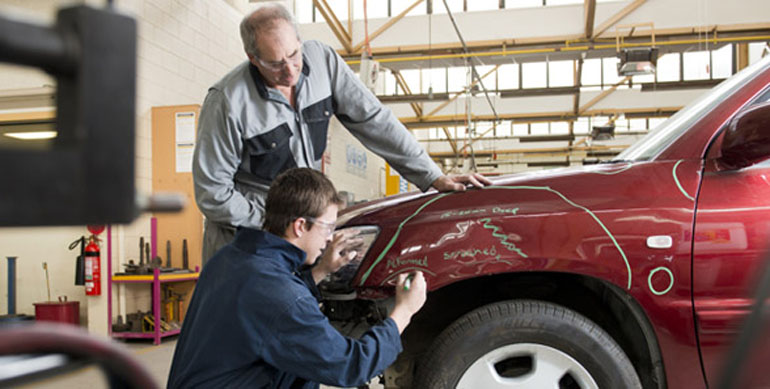
If you’re like most drivers, at some point you’ll have to take your vehicle to a local collision repair shop after an accident. Most shops, like those featured in the nationwide Carwise referral network, offer a full menu of auto body repair and restoration services, from paintless dent removal to professional detailing. And, although most services are provided to repair damage resulting from a recent collision, that’s not always the case. In general, these are the most common types of repairs that body shops perform.      

Paintless Dent Removal (PDR)

Stray grocery carts, hail and flying rocks can all leave noticeable dents in body panels and doors. Left untreated, even minor dents can cause more expensive paint damage later. To ensure that doesn’t happen, body shops use a process called “paintless dent removal” (PDR).

PDR requires no fillers or sanding, as a trained technician uses a variety of special tools to gently and slowly push dents back into place without harming the factory paint job. Overall, PDR is a very cost-effective and long-lasting way to get your ride looking great again.  

Auto Body Painting

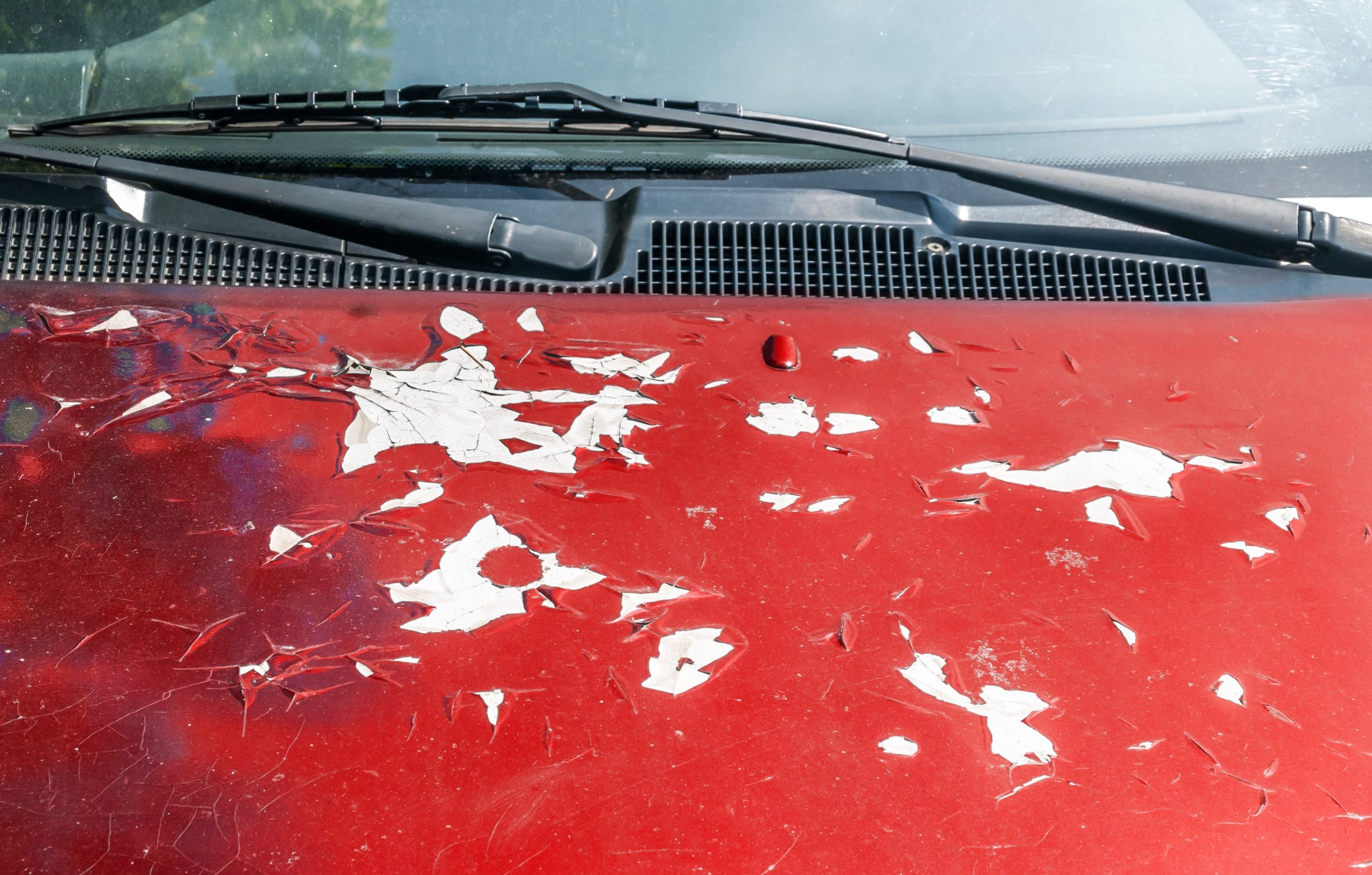
A new paint job might be necessary after an accident, to protect an older car’s exterior from the elements, or simply to improve esthetics. Body shops routinely do paint jobs on vehicles with bodies that are marred by scratches, rock chips, rust, paint swirling or other damage. When doing so, these are the steps that trained technicians use:

  1. Surface is sanded down to the bare metal and cleaned
  2. Corrosion-resistant primer is applied and allowed to cure
  3. Cured primer is sanded down and the surface carefully cleaned
  4. Several layers of paint are applied with a sprayer and allowed to dry for up to 7 days
  5. Clearcoat is then applied that gives the finish a high-gloss appearance
  6. The exterior is then buffed and polished

Window Repairs and Replacements

Auto glass damage comes in many forms, including chips, cracks and breaks. Sometimes the damage can be repaired, and other times a total windshield or window replacement is necessary. If your vehicle is being repaired a local body shop due to an accident, they may have a full-time glass repair technician on their payroll. Those that don’t partner with glass repair shops in the area that can send out a technician to perform the necessary window repairs or replacement before the vehicle is picked up.

Frame Testing and Straightening

Studies have found that roughly 50% of all vehicles sustain frame damage after an accident,

including minor fender benders. A frame that’s unknowingly weakened or bent can place a vehicle’s occupants unnecessarily at risk during a subsequent accident. And, a vehicle with a bent frame will also track unevenly down the road, handle poorly and probably cause your tires and steering components to wear out prematurely.

To help ensure that your frame is safe after an accident, these are the steps body shop technicians take:

  • The frame is first visually inspected for signs of damage.
  • If any damage is present, the vehicle is then placed on a frame alignment machine.
  • The machine then straightens the frame using hydraulic force and torque until it’s back to its original factory specifications.

Once the frame is straightened, your vehicle will track normally and be safer to drive.

How Can I Find Good Auto Body Shops Near Me?  

Finding a good auto body shop that offers all these repair services can be challenging, especially when you’re new to an area. When you need some help, use the nationwide Carwise referral network. All collision and glass repair shops featured in the Carwise network are I-CAR and ASE-certified, which means they have the highly trained technicians, equipment and services you need to restore your ride like-new again promptly and reliably.

Search your zip code now for a customer-reviewed auto body or glass repair shop nearby: www.carwise.com

Read More
Is Drugged Driving Now a Major Problem on American Roads?

Is Drugged Driving Now a Major Problem on American Roads?

Thanks to organizations like MADD, and the stricter enforcement of drunk-driving laws, alcohol-related traffic deaths in the U.S. have steadily declined since the 1980s. Based on statistics from the National Highway Traffic Safety Administration (NHTSA) (1), drunk driving deaths have fallen by one-third within the past 30 years; most notably for drivers under the age of 21. Unfortunately, widespread marijuana legalization and the growing opioid crisis have helped create a new problem on American roads; one that’s quickly spiraling out of control.  

How Common is Drugged Driving?

Drugged, or “drug-impaired”, driving refers to the operation of a vehicle while under the influence of any type of drug, legal or illegal (illicit), and every state has laws against doing so. But even with those laws in place, how common is driving while under the influence of drugs (DUID)? That answer can be found in some troubling data from the National Institute on Drug Abuse (NIDA) (2) that were based solely on studies focused on illicit substance use by drivers:

  • In 2017, 12.8 million people aged 16-and-older admitted to driving after using illicit drugs.
  • In 2016, among all drivers killed in traffic accidents, 43.6% of those whose blood was drug tested for illicit substances had positive results.
  • Of those fatalities, over half tested positive for two or more illicit drugs in their system.
  • 20% of all nighttime weekend drivers tested positive for illicit drugs in the 2013-14 National Roadside Survey.

When it comes to DUID law enforcement, here are some of the challenges that police officers face:

  • Overall, it’s much harder to determine when a driver is drug impaired compared to one who’s under the influence of alcohol.
  • Drivers can be field tested for alcohol impairment using a breathalyzer. No such roadside testing method is available to officers when they suspect a pulled-over driver has been using drugs.
  • A growing number of drivers today are operating a vehicle while under the influence of two or more drugs that affect them in different ways, including prescription and OTC products.

And, if these problems weren’t enough, an increasingly greater number of drivers are now combining alcohol with one or more legal or illegal drugs before climbing behind the wheel.

How These Popular Drugs Impair Drivers  

Here are the various ways that many popular legal or illegal drugs can interfere with a driver’s ability to safely operate a vehicle:

  • Marijuana. The THC found in marijuana slows down reaction times and impairs the judgement of distance. Marijuana is also the most common drug that’s used in combination with alcohol by drivers who get charged with DUID offenses.
  • Methamphetamine or cocaine. Can cause drivers to engage in aggressive and reckless behaviors.
  • Opioids and opiates. Prescription and illegally obtained opioids and opiates can cause drowsiness, and impair a driver’s memory and cognitive skills.   
  • Sedatives like benzodiazepine or barbiturates.  Oftentimes prescribed by doctors for depression or as a sleep aid, these drugs cause drowsiness and dizziness.  
  • OTC medications. Many drivers take over-the-counter remedies for colds or allergies without considering that they can interfere with driving. Diet pills and other “stay awake” products contain stimulants that may induce excitability or drowsiness.

How Can I Help Prevent Drug-Related Accidents?    

Fortunately, there are several positive strategies you can take to help avoid becoming another DUID statistic. 

  • Offer to be a designated driver, or have a designated driver collect all the keys.
  • Get a ride to and from parties where there are drugs and alcohol present.
  • Speak with your friends about the risks of drugged driving.
  • Avoid parties altogether where alcohol and drugs will be available.

Regarding OTC and prescription medications, carefully read the label warnings first before taking the product and then driving a car. If there’s any chance it could impair your ability to operate a vehicle, don’t drive. If you have questions, consult a pharmacist.

Where Should I Take My Car for Collision Repairs?

No matter how careful you are as a driver, accidents happen. When your vehicle is involved in one, take it to a body shop featured in the nationwide Carwise referral network. ICAR and ASE-certified technicians there will have the equipment, training and experience to restore your ride like new again promptly and reliably. Most work directly with insurance companies, so you don’t have to, and warranty their outcomes to put your mind at ease.

Search your zip code now for a customer-reviewed auto body or glass repair shop nearby: www.carwise.com.

Read More
How WIN Promotes Diversity in the Collision Repair Industry

How WIN Promotes Diversity in the Collision Repair Industry

Collision repair has historically been an industry that’s mostly employed men, but one organization has been working diligently behind the scenes to change all that. Thanks to the ongoing efforts of the Women’s Industry Network (WIN), an increasing number of women are now enjoying rewarding careers at all levels in the collision repair process. And fortunately, these transformative changes within what once was a male-dominated industry are coming at a critical time when many shops are now facing technician shortages.

What is the Women’s Industry Network?

Founded in 2006, the Women’s Industry Network, or “WIN”, is a not-for-profit organization that attracts, develops, and helps promote talented women within all segments of the collision repair industry. Started initially by a handful of passionate individuals, WIN today boasts a dedicated membership of over 500 men and women across the U.S. and Canada, including Mary Bara, the first ever female CEO of General Motors. Overseeing WIN’s many initiatives are a 12-member, all-volunteer board, and an Executive Committee made up of five individuals.

How WIN is Reshaping the Future  

A handful of women have historically served within the collision repair industry in positions ranging from front office help to shop co-ownership. Today, WIN’s membership roster reflects the expanding roles of women within this $236 billion per year market who work for:

  •         Collision repair shops
  •         Distributors
  •         Suppliers
  •         Consultants
  •         Paint manufacturers
  •         Recyclers
  •         Insurance companies

As the industry continues to change, more and more women are now serving in important positions to help ensure a brighter tomorrow. WIN’s impact starts with the fact women influence a majority of buying decisions in households, including ones related to collision repairs. According to their website (thewomensindustrynetwork.site-ym.com), the group is also reshaping the future of the industry by:

  •         Helping to identify what the “face” of a business or organization should look like
  •         Ensuring industry sustainability
  •         Better positioning organizations and businesses for growth opportunities
  •         Addressing technician shortages and the shrinking traditional labor pool

WIN Supports Diversity in These Ways   

So how exactly does WIN directly promote diversity in the collision repair industry? First, the group financially supports qualified applicants who demonstrate a strong desire to excel in the field of collision repair by offering several scholarships and financial awards that cover:

  •         Trade school tuition assistance up to $1,000
  •         Continuing education programs
  •         Attending career enrichment events, like the annual WIN Educational Conferences
  •         Free, one-year memberships to WIN

Secondly, WIN presents annual Most Influential Women (MIW) awards to exceptional candidates who have enriched the collision repair industry with their vision, leadership and commitment to excellence. To date, over 80 MIW recipients have been honored for their professional achievements and continuing efforts to go above and beyond while giving back to their respective communities.

MIW candidates are nominated by their peers each year, and then the winners chosen by WIN’s Board and Executive Committee members. Past MIW recipients include shop owners, body and paint technicians, managers, suppliers, lobbyists, wholesalers, insurance adjusters, educators, editors, writers, and industry association directors. The women who earned MIW distinctions in 2018 were Shelly Bickett, Mary Mahoney, Marie Peevy and Petra Schroeder.  

And finally, WIN hosts an Educational Conference every year that offers numerous training, networking and socializing opportunities for participants. This year’s conference is being held in Ft. Lauderdale, FL, May 6th through 8th.   

Find Auto Body Shops Nearby that Also Promote Diversity

Thanks in part to the efforts of WIN, the future of the collision repair industry remains bright. When your ride’s been in an accident, take it to an ASE-certified auto body shop nearby featured in the nationwide Carwise referral network. Highly-qualified men and women there will have the training, equipment and know-how to restore your vehicle like new again promptly and reliably.

Search your zip code now for a customer-reviewed auto body or glass repair shop nearby: www.carwise.com.

Read More
5 Signs of Spring that Can Also Damage Your Car’s Paint

5 Signs of Spring that Can Also Damage Your Car’s Paint

For millions of drivers in cold weather states, the long-awaited sights and sounds of spring have finally arrived, like colorful flowers, chirping birds and warmer temperatures. On the other hand, springtime also ushers in several damaging forces that target your car’s once-pristine paint job. Protecting your car’s finish from these sinister forces starts with knowing what you’re up against. To help you better prepare, here are 5 common signs of spring that you need to watch out for.   

  1. Bird Droppings

As our feathered friends become more active in the spring, they start bombarding vehicles with their droppings. Those droppings contain seed and berry residues that can quickly discolor your car’s paint, along with uric acid that can eat through the clear coat finish. If that’s not enough, the sun’s powerful rays can also bake bird droppings into the finish.

Left on the paint’s surface, it’s a corrosive combination that can leave ugly stains on your prized vehicle that are very hard to remove. To protect your paint from bird droppings, car care experts recommend promptly wiping them off with a damp cloth.

  1. Pollen

Anyone with springtime allergies knows when the air is full of pollen. Not only do they make your eyes water and nose run, abrasive pollen particles can scratch your car’s paint. Because they’re so tiny, pollen particles can also infiltrate the small pores found in your paint’s finish and then release acid.

If this happens on a large enough scale, that acid can cause irreversible staining, fading and oxidation. The best way to prevent pollen damage is to give your car a thorough washing with soapy water; as soap acts to block the acid’s activation.  

  1. Flying Pavement Debris  

If your state receives a lot of snow, road plows and salt team up to leave lots of loose pavement debris in the spring. Those jagged projectiles get picked up by tires on moving vehicles, and then catapulted into your bumper and hood. The resulting paint chips not only look bad, they can also cause paint flaking and even serious body corrosion.

To help ensure that doesn’t happen, when a rock chip appears promptly touch it up with matching auto paint from the dealership. Be sure to first carefully clean all dirt and old wax from the area so the paint adheres to the metal. If there are several chips and the resulting DIY touch up paint job looks tacky, you can have what’s called “flatting and polishing” done at a local auto body shop to get the finish smooth again.

  1. Tree Sap

As trees awaken in the spring, they tend to drip sap. When that sticky substance lands on your parked car, it can get baked in by the sun’s rays, crystalize into the painted surface, and then leave an ugly rough patch behind. Because of its chemical makeup, even fresh tree sap cannot be removed by simply washing the area.

Instead, promptly clean off the sap with rubbing alcohol by spraying it on with a clean bottle, and then wiping it off using a soft microfiber cloth.    

  1. Bug Splatters

Spring also brings flying bugs that get splattered on the front of your car. Bug juices contain acids that can quickly erode your car’s paint, especially when the splatters get baked in by the sun. To help ensure that doesn’t happen, experts recommend lathering up the bug guts as soon as possible with a soap and water mixture, and then rinsing them off.

If you drive frequently, you can even Scotchguard the front of your vehicle for added protection. Once you’ve waited too long and the bug stains are visible in the paint, you may have to take your car to a pro to get them out.  

Promptly Locate Auto Body Paint Experts Nearby  

When your car’s paint job needs some professional TLC, take it to a nearby auto body shop featured in the nationwide Carwise referral network. I-CAR and ASE-certified technicians there have the training, equipment and experience to restore your ride’s factory paint job like new again promptly and reliably. If you need some accident repairs, most collision repair shops in the Carwise network speak directly with insurance companies, so you don’t have to, and warranty their outcomes to restore your peace-of-mind.

Search your zip code now for a customer-reviewed auto body or glass repair shop nearby: www.carwise.com.
Read More
Finding a Safe and Reliable Used Car for an Elderly Driver

Finding a Safe and Reliable Used Car for an Elderly Driver

Your elderly mother’s 10-year-old car has seen better days, and it’s going to take some costly repairs to keep it running. Mom’s reflexes aren’t what they used to be, and she has trouble checking her blind spots due to some chronic neck pain. As a result, you think replacing her vehicle with a safer and more reliable one might be wise. Where should you start? Helping an elderly driver find a safe and reliable car will go more smoothly when you use these tips from the pros.  

What Can She Afford?

First, you’ll need to sit down with mom to determine what she can afford. Newer vehicles have more safety features, but also come with heftier payments and insurance premiums. Unless mom has a large retirement nest egg, it’s probably best to find her a reliable used car with low mileage that’s under five years old.    

Safety Features

Many seniors have health issues that make driving more dangerous, like poor eyesight, slow reaction times, neck pain and trouble gripping the wheel because of arthritic hands. Vehicle safety advancements have come a long way in the past five years, so look for a car with some of these options:  

  • Back up camera. This helps when the driver’s range-of-movement is limited.
  • Automatic braking. The car will stop itself when it’s approaching an object too quickly.
  • Lane change warning. An audible warning sounds when the car drifts into another lane.
  • Brake locking system. The vehicle will brake automatically if the driver’s foot accidently comes off the pedal, like at a stop light.
  • All-around airbags. Newer cars come with front, side, knee and even rollover airbags to protect the occupants.
  • Field-of-vision. Can mom see easily all around the car when sitting behind the wheel? This makes a big difference when backing out of parking spaces or merging onto the highway. Does she feel comfortable while sitting in the driver’s seat, including distance from the steering wheel and seat height? Can she easily adjust the mirrors?
  • Collision protection. To find out how well a car withstands an impact, the National Highway Traffic Safety Administration (NHTSA; www.nhtsa.gov) maintains a crash test database for most vehicles.

Some vehicles have too many bells and whistles that could distract elderly drivers, like movie

screens and fancy navigation systems. Those are probably options your mom should avoid.

Reliability

Whether it’s looking at a car from a private seller, dealer or online, it’s natural to have some reservations about its reliability. To help you decide if it’s wise choice, use these steps:

  • Do an inspection. Walk around the car and check the tires, body for signs of collision repairs, and underneath for suspicious fluid stains on the pavement. Pop the hood and inspect the engine for signs of leaks and excessive wear-and-tear. If your initial inspection goes well, pay your mechanic to give it a “once-over” just to be sure.
  • Pull up the VHR. Many sellers provide free Carfax or AutoCheck vehicle history reports (VHR), but if they don’t you can purchase one for a small fee. The VHR will reveal if the car was involved in any serious accidents, if the title contains any salvage records, number of past owners, and even maintenance records if it was taken to the dealership.
  • Consult online sources. Consumer Reports and J.D. Power provide reliability data and average annual operating costs based on a vehicle’s make, model and year. You can also read online consumer reviews to learn what drivers of a specific car, or the mechanics that work on them, have to say.
  • Take it for a test drive. With you in the passenger seat, have mom take the car out for a test drive. Choose a route that offers a little bit of everything, like hills, curves, rough pavement and even a wide-open stretch of highway. Turn off the radio and listen for any strange sounds. Does it shift, ride and handle smoothly?  

Promptly Find a Good Body Shop Nearby Using Carwise  

No matter how safe and reliable an elderly driver’s car is, accidents still happen. When their car needs some collision repairs, use the nationwide Carwise referral network to help them promptly find an auto body shop nearby. I-CAR and ASE-certified technicians there will have the training, equipment and experience to restore their vehicle like-new again promptly and reliably. You can also conveniently track your vehicle’s repair status by downloading the Carwise app to a mobile device.

Search your zip code now for a customer-reviewed auto body or glass repair shop nearby: www.carwise.com.
Read More
The Different Types of Windshield Glass Damage

The Different Types of Windshield Glass Damage

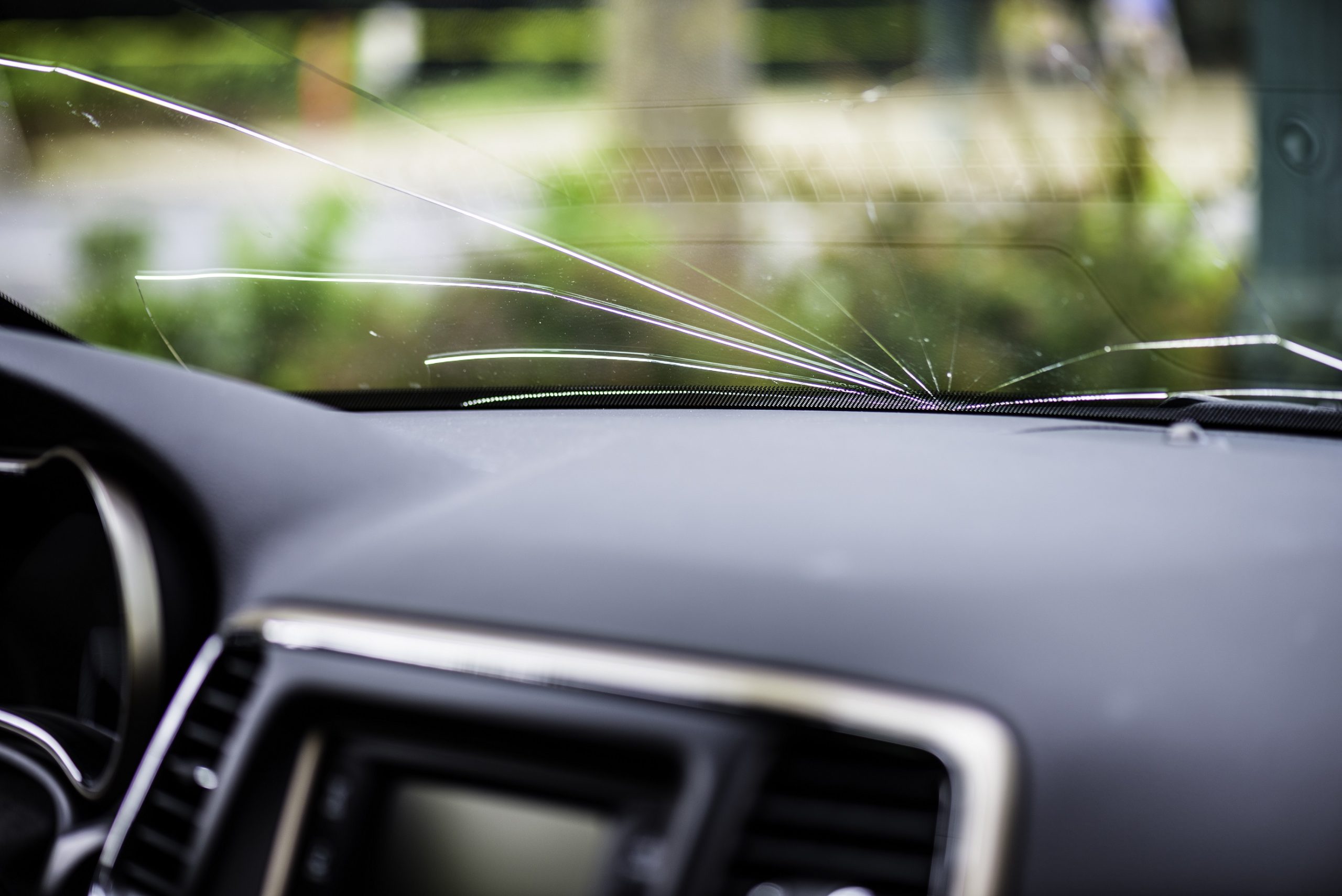
You’re driving down the road one day behind a big gravel truck, and it hits a bump. Bam! A flying rock just hit your windshield, leaving a two-inch crack in its wake. You feel your stomach tighten up as your mind starts racing. Can it be repaired, or will the entire windshield have to be replaced? Windshield glass damage comes in various forms, and fortunately auto glass repair shops are now able to fix most in-lieu-of a total replacement. What follows are the different types of damage they see.   

Cracks

Auto glass technicians treat cracks frequently, and a crack will first appear as a line in your windshield. Some cracks look like small, straight lines with starting and ending points, or they can be longer with several branches protruding from the main line. There are also subcategories of windshield cracks, including:

  • Stress crack. These oftentimes form without anything even hitting the windshield because of large temperature fluctuations. For example, a windshield that’s exposed to the sun’s intense summertime rays, or covered in ice during extreme cold, can get a stress crack.
  • Edge crack. An edge crack starts within 2” of the windshield’s edge, or extends out to it. These usually form quickly and are between 10” and 12” in length.
  • Floater crack. A floater crack starts in the middle of the windshield more than 2” from the glass’ edge. These cracks can be of varying lengths, including longer ones that extend across most of your windshield. Extreme temperatures can cause a floater crack to get worse.
  • Crack chip. These smaller cracks have an impact point that’s less than a quarter in diameter.  

In general, cracks that are less than 3” in length can usually be repaired.

Chips

Also called “dings” by drivers, a chip is usually formed by a flying rock and its appearance means that a small piece of glass is missing. For that reason, a chip is also referred to as a “stone break” or “pit” by professionals. If the chip doesn’t have any longer cracks extending from it, is less than an inch in diameter, and didn’t penetrate all the way through the glass, it can usually be filled by a technician.

Bulls-Eye

Another type of windshield damage that results from an object’s impact is called a “bulls-eye”

because the resulting circular pattern looks like a dart board. Bulls-eyes are like chips in that a piece of glass was removed upon impact, but they’re usually much larger and non- repairable. There are also partial bulls-eye cracks, or “half-moons”, that are similar in appearance but not completely symmetrical.

Stars

Windshields can also sustain damage known as “stars”. Those are typically small chips with multiple cracks radiating out from the center that resemble a fireworks explosion. Smaller star patterns can usually be repaired, but after the affected area is filled in it will always be slightly visible. For that reason, when you’re ready to sell it could lower your vehicle’s value.

Combination

As the name implies, combination damage refers to a diagnosis where the glass is suffering from two or more of the aforementioned-types. Repairs in these instances are also more complicated, and oftentimes a total windshield replacement is recommended.

Should You Repair or Replace?

A trained auto glass specialist will inspect your windshield’s damage and then let you know if it can be fixed safely versus a total replacement. If repairs are possible, the technician will first clean all dust and debris from your windshield, and do some drilling to prepare the area. Once a smooth surface has been created, they’ll inject a clear resin material into the opening, allow it to cure, and then polish it up like new.  

Your auto insurance policy may include coverage for windshield damage repairs or replacements, so check with your agent if you’re not sure. And, most auto glass repair shops offer mobile on-site services for your convenience!

Find Good Auto Body and Glass Repair Shops Nearby

Finding a good auto body or glass repair shop nearby can be challenging, and that’s why we started the nationwide Carwise referral network. All repair shops listed through Carwise employ ASE and I-CAR certified technicians with the training, experience and equipment to restore your vehicle like-new again promptly and reliably. Most shops work directly with insurance companies, so you don’t have to, and warranty their outcomes to put your mind at ease.

Search your zip code now for a customer-reviewed auto body or glass repair shop nearby: www.carwise.com.

Read More
10 Reasons Why Spring Driving Conditions are Dangerous

10 Reasons Why Spring Driving Conditions are Dangerous

March’s arrival can only mean that the much-anticipated sights and sounds of spring are just around the corner. But springtime also ushers in seasonal driving challenges like wet pavement, motorcyclists, and foraging animals who’ve emerged from their winter shelters. Staying safer on the roads during the spring starts with a driver’s ability to identify the potential threats they’re up against. To help make your springtime commutes safer ones, here are 10 of the more common driving hazards to watch out for.

Active Animals

Many animals in colder climates dramatically reduce their activity, or even hibernate, during winter. When spring arrives, those animals start moving around again while mating and foraging for food. Animals crossing the road in front of your car can happen without warning, and many species, including deer, are more active at dusk and dawn when it’s harder to see.

Allergy Medications

Millions of spring drivers suffer from seasonal allergies that cause runny noses, itchy eyes and scratchy throats. To treat those symptoms, many rely on OTC allergy medications that induce drowsiness which then places them at risk behind the wheel. Before combining any allergy medication with driving, read the label or consult your pharmacist.

Bicyclists

Warmer weather attracts bicyclists, and that means sharing the road with them as a driver. When approaching or passing bicyclists who are using the shoulder, make sure to allow them plenty of room.

Driving too Fast

For some reason when the temperatures start to rise road speeds tend to also increase. Be extra careful to watch your speed, especially in school zones or other areas where pedestrians or bicyclists are present. When driving on wet pavement it’s always wise to slow down.  

Hailstorms

Spring hailstorms are common, and even small hailstones can shatter windshields when you’re traveling fast. Ice fragments left over from hailstorms can also quickly create hazardous driving conditions. Before hitting the road, always check your local weather report for hail warnings.

Rain

Heavy rainfall and spring are synonymous terms in many regions, and that means wet

pavement with slippery oil residue that can induce hydroplaning. According to the Federal Highway Administration (www.fhwa.dot.gov), nearly half of all weather-related accidents occur while it’s raining. To stay safer when driving in rain, make sure your tires have adequate tread, turn on your headlights, and reduce your speed.

Motorcyclists

Warmer weather also brings out motorcyclists that drivers need to watch out for. Always give motorcyclists a wide berth when you pass, and stay back from motorcycles at least one car length per 10 mph while operating your vehicle.   

Potholes

In areas that get a lot of snow, snowplow and road salt use combine to create potholes. Driving over deeper ones can cause serious damage to your tires, steering and suspension. Standing water can also shield potholes from drivers. As a result, slow down when approaching large puddles on the road, and avoid potholes and chunks of broken pavement whenever possible.

Underinflated Tires

Many drivers don’t check the air pressure in their tires like they should, especially during winter months when it’s cold. Hitting potholes can also cause your tires to lose air, and that’s why it’s important to check your tire pressure weekly. Underinflated tires can cause vehicle handling problems and speed up tire tread wear.   

Worn Wiper Blades  

Removing wintertime ice and snow from your windshield can quickly wear out wiper blades, especially if they’re cheaper ones. It’s always smart to replace worn wiper blades in the spring with a fresh set. With all the rain that spring brings, you’ll want to make certain that your wipers are up to the challenge!  

Promptly Find Reliable Spring Accident Collision Repairs Here   

Even when staying informed about spring driving hazards, accidents happen. When you’re involved in one, promptly take your vehicle to an auto body or glass repair shop featured in the nationwide Carwise referral network. ASE and I-CAR certified technicians there will have the training, equipment and know-how to restore your vehicle like-new again promptly and reliably. Most collision repair shops in the Carwise network deal directly with insurance companies, so you don’t have to, and warranty their work to put your mind at ease.

Search your zip code now for a customer-reviewed auto body or glass repair shop nearby: www.carwise.com.
Read More
5 Driving Navigation Apps that Help You Avoid Travel Delays

5 Driving Navigation Apps that Help You Avoid Travel Delays

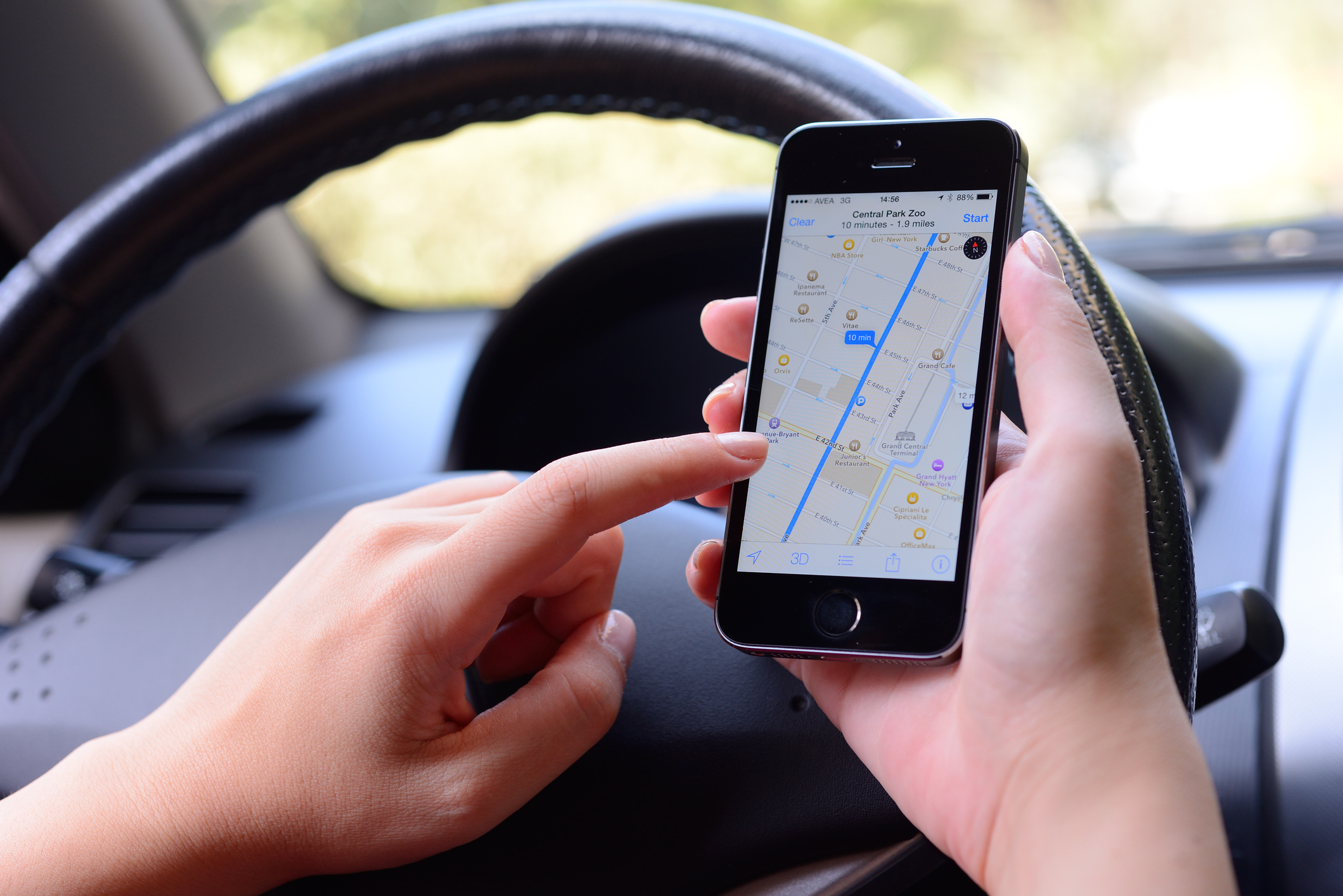
When you were a kid your parents probably used folding road maps to navigate on long car trips. In addition to being cumbersome to use, those maps couldn’t alert drivers about closed roads or impending traffic backups. Being late and getting lost was common, and many drivers dreamed of a day when travel delays would be easier to avoid. Fortunately, that time has now come, as there are several driving navigation apps available that simplify getting around. Here are 5 of the better ones.  

Apple Maps

Every iPhone now comes with Apple Maps built into it, which makes it the default system when tapping on map links inside other opened apps. The nice thing about Apple Maps is that it works flawlessly in the screen’s background, and that it can continue providing you with updates even on your Lock screen.

Although older versions of Maps did sometimes lead drivers astray, the newer iOS 10 has a complete redesign with Hooked apps right into Maps which can further be integrated with Siri for voice-aided travel assistance. And, with or without Siri’s reassuring voice, you can even book a reservation or request a ride directly through the Maps app.

Google Maps

Because Google’s the largest and most-detailed search engine in the world, Google Maps is also one of the best apps for showing various routes to the same destination, complete with an ETA for each. Google Maps affords those traveling by car, foot, bicycle, or public transit voice-guided, turn-by-turn navigation instructions, including the locations of nearby businesses and attractions. As of 2019, all these GPS-enhanced Google Maps features are now easily accessible by travelers in hundreds of countries worldwide.  

MAPS.ME

Available in the App Store, MAPS.ME was developed by My.com and is completely free of charge. So far MAPS.ME has been very positively embraced by users because it features highly reliable and detailed maps complete with turn-by-turn navigation instructions. It also shows the locations for points of interest, like restaurants and historic sites, which can be bookmarked and shared later with others via social media or text message.

And finally, MAPS.ME also allows you to book hotel reservations through Booking.com, which makes this navigation app the perfect traveling companion!  

Sygic

Boasting over 50 million users, Sygic is an offline GPS navigation app with several unique user-

friendly tools. To get started, a traveler needs to install and run the Sygic app on their mobile device. After doing so, they’ll be asked to download maps specific to their location, including detailed versions provided by TomTom for many parts of the world. Some of the interesting Sygic features available to drivers, hikers, and other travelers include:

  • 2D and 3D maps of Australia, Africa, India, North and South America, Russia, New Zealand, the Middle East, and other global destinations
  • Alternative travels paths when one’s current path is congested
  • Live status reports on police activity, car accidents, and more
  • Real-time updates on the shortest routes to a specific destination
  • A locator for gas stations offering special promotions and discounts
  • It stills works when a user’s mobile data or WiFi connection has stopped working

Waze

Waze is a powerful, community-based GPS navigation smart app that allows users to share traffic updates for roads they’re traveling on with other drivers, along with informative details about local attractions and businesses. It’s very effective at helping drivers avoid congested or closed roads, while providing the shortest alternative routes available. Status updates that Waze shares include impending travel delays like accidents, speed traps and construction zones. To use Waze, you’ll simply need to activate the data connection and GPS on your mobile device.

Find Nearby Auto Body Shops Using the Carwise App

Although these navigation apps help drivers arrive more safely at their destinations, accidents can still happen. When you’re involved in one, the Carwise app can help you locate a customer-reviewed auto body or glass repair shop nearby in minutes by simply searching your zip code. All the shops featured in the nationwide Carwise network employ I-CAR and ASE-certified technicians with the training, equipment and experience to restore your vehicle like new again promptly and reliably.  

Search your zip code now for a customer-reviewed auto body or glass repair shop nearby: www.carwise.com.

Read More
Why ASE and I-CAR Certifications Matter

Why ASE and I-CAR Certifications Matter

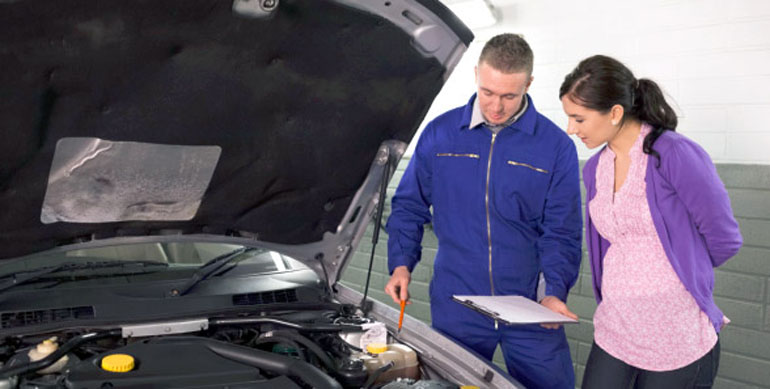
Your car was just involved in an accident requiring auto body and engine repairs. Being unfamiliar with repair shops in your area, you searched online for options. The search results reveal that there are only a few shops that feature both “I-CAR” and “ASE” Certifications on their websites. Does that really matter? When it comes to your safety, a low-quality repair job using inferior parts could put you, and others, in a potentially life-threatening situation. Here’s why choosing an I-CAR and ASE-certified shop can make a world of difference.

Earning an I-CAR Certification

Started in 1979, the Inter-Industry Conference on Auto Collision Repairs, or “I-CAR”, is a global nonprofit training and certification entity dedicated to improving the quality, safety and efficiency of auto body and glass repairs. With today’s highly sophisticated vehicles, repair technicians need to stay constantly updated on every aspect of the repair job, including new technologies, equipment and methods. I-CAR not only provides that essential training for technicians, but also for insurance providers, shop estimators, shop managers, and even their front office staff.

Once a shop’s certified through I-CAR, it’s an ongoing process. To continue displaying the I-CAR shield of excellence, employees there must pass annual training courses on numerous topics related to the newest repair techniques. Because I-CAR is mostly funded through student tuition, their courses and services on an industry-wide scale remain unbiased. They also manage an open collision repair communication forum for anyone who’s interested. The training programs I-CAR offers to those in the collision repair industry fall within these categories:  

  • Hands-On Skills Development
  • Industry Training Alliance
  • Introduction to Collision Repair Services
  • Professional Development Program (PDP)
  • Repairability Technical Support
  • Vehicle and Technology Specific Training
  • Welding Training and Certification

As you can see, when you take your vehicle to a repair shop that proudly displays the I-CAR logo in its waiting area and on its website, you can rest assured that they have the expertise to keep your ride looking and performing optimally for many years to come!  

How Technicians Become ASE-Certified

Up until the early 1970s, drivers were oftentimes caught up in a nail-biting guessing game when it came time to find a reliable technician to work on their vehicle’s mechanical parts. In 1972 the independent, non-profit National Institute for Automotive Service Excellence (ASE) was formed to eliminate much of that frustrating, and sometimes costly, guesswork. ASE exists to promote excellence for vehicle repair, service and parts distribution that ultimately protects consumers, shop owners and technicians.

To become ASE-certified, a technician must first have two years of on-the-job training, or one year of on-the-job training plus a two-year degree in automotive repair. Then, and only then, can they apply to take an ASE Certification test. But passing those tests is not easy, as one-third of the participants fail on their first attempt. Those challenging exams are written during annual workshops attended by seasoned automotive industry professionals and executives with relevant expertise as:

  • Actively-employed technicians
  • Automobile manufacturers
  • Aftermarket manufacturers
  • Educators

None of the test developers work directly for ASE, which helps ensure that the exam material is non-biased while also reflecting changes in auto repair technology, methods and needs. ASE’s more than 40 exams are categorized based on these repair sub-specialties:

  • Collision-related repairs
  • Automobiles
  • Medium/heavy trucks
  • Truck equipment
  • School buses  

At present, there are roughly 300,000 professionals employed in the auto repair industry that are ASE-certified. For shop owners, knowing that a technician has earned their ASE Certification allows them to better gauge their expertise and knowledge before hiring them. For drivers, it gives them peace-of-mind knowing that the care of their vehicle is being entrusted to a pro who proudly wears the blue ASE patch on their sleeve!

Promptly Find Certified Auto Body and Glass Repairs Here

As has been pointed out, ASE and I-CAR Certifications really do make a difference when searching for an auto body or glass repair shop to restore your vehicle. At Carwise, we’ve simplified that search process by quickly linking consumers with over 19,000 I-CAR and ASE-certified collision and auto glass repair shops nationwide. By conveniently visiting our website, or downloading the Carwise app, you’ll be quickly connected to dependable shops in your area.

Search your zip code now for a customer-reviewed auto body or glass repair shop nearby: www.carwise.com.
Read More
5 Safe Driving Tips for Older Drivers  

5 Safe Driving Tips for Older Drivers  

Don’t look now, but the person behind the wheel of that shiny new sports car next to you might be somebody’s grandparent, or even great grandparent. Millions of Baby Boomers are reaching retirement age every year, resulting in more senior drivers using our roadways. In fact, a 2013 joint study(1) by the University of Florida and AAA estimated that by 2020 the U.S. will have over 40 million licensed drivers aged 65-and-over. On the flip side, senior drivers present unique safety challenges brought on by the aging process itself. If you’re an older driver, or know one, here are some reliable ways to stay safer on the roads.  

Challenges Older Drivers Face

Many older drivers have medical conditions that can affect their senses and reaction times, including these:

  • Cognitive impairment caused by a stroke or dementia
  • Movement-related problems due to arthritis, hip and joint replacements
  • Vision problems from cataracts, age-related macular degeneration and glaucoma

According to the AAA/University of Florida study, older persons also face a higher risk of being injured, or even killed, in auto accidents because their fragile bodies are more susceptible to injury. Certain prescription and OTC medications can also impair drivers, so it’s important for a senior to consult with their doctor before hitting the road. Because of these physical limitations many older drivers choose to limit their driving hours, or avoid driving after dark altogether.

Driving Tips for Seniors

Here are 5 ways that seniors can help improve their odds of not being involved in an accident:

Get Regular Hearing and Vision Tests

Hearing and vision loss tend to occur as we age, so for seniors it’s wise to have a doctor test those key senses every year. Impaired hearing could cause an older driver to pull out in front of a train or emergency vehicle, while compromised vision can interfere with their ability to see oncoming vehicles, pedestrians and traffic signs. An audiologist may recommend hearing aids if a hearing deficiency is found, while an eye doctor might suggest limiting driving to daylight hours, or prescribe corrective lenses, when a senior’s vision is not what it used to be.

Stay Physically Fit

Regular exercise helps improve strength and flexibility, both of which come in handy while driving. Staying physically fit makes it easier for a senior to turn the steering wheel, look over their shoulder, and to carry out other movements while driving and parking. Walking, water aerobics, Yoga and Tai Chi are healthy low-impact exercises for older people to engage in, with the added benefit they could help avoid accidents later.

Know Your Limitations

Seniors should listen to their bodies when it comes to driving limitations. For example, if their hands hurt while gripping the wheel due to arthritis, using a steering wheel cover will make holding and turning it more comfortable. And, a vehicle with a larger and easier-to-read dashboard display might be safer for someone with a visual impairment. Most newer cars now come with safety advancements like lane change and blind spot sensors that alert older drivers when dangers are present.

Consider Driver and Road Conditions

When there’s snow, ice or poor visibility, it’s probably best for seniors to stay off the road. Bad night vision means avoid driving after dark. Driving when one is tired or upset is never good, and when it comes to “conditions”, drivers of all ages should never get behind the wheel while under the influence of mind-altering substances like alcohol and some medications.

Keep Your Driving Skills Sharp

Just because someone has held a driver’s license for 50 years doesn’t mean they’re still capable. It’s not a bad idea for drivers over 65 to take a driving refresher course periodically to keep their skills sharp, and doing so could also possibly earn them a car insurance discount. If you’re the family member of a senior who’s driving has got you worried it might be time for them to turn over their car keys and start using public transportation or a ride-sharing service instead.

Nearby Collision Repairs for Drivers of All Ages    

Even when using these safe driving tips, drivers of all ages can still be involved in accidents. When one happens to you, take your vehicle to a collision repair shop nearby featured in the nationwide Carwise referral network. Once there, ASE and I-CAR certified technicians will restore your vehicle like-new again promptly and reliably. Most work directly with insurance companies, so you don’t have to, and warranty their repairs to put your mind at ease.

Search your zip code now for a customer-reviewed auto body or glass repair shop nearby: www.carwise.com.
Reference:

Read More
1 10 11 12 13 14 21