How Can I Protect My Car from Road Salt Damage?

How Can I Protect My Car from Road Salt Damage?

If you drive in an area where snow and ice are common, then you’re also familiar with the road salt that DOT crews put down to help ensure safer commutes. Road salt is the raw material from which our table salt comes, and its bluish gray color is due to the various impurities it contains. When spread on roads, salt melts ice and snow particles by raising their water temperature above the freezing point. And although road salt does keep drivers safer, its chemicals can be quite harmful to your car’s surfaces when they’re exposed to it.   

Road Salt Targets These Vehicle Areas

There are numerous nooks and crannies found around your vehicle where road salt particles can hide from view, and later inflict damage when you least expect it. Once in place, those tiny pulverized particles begin to dissolve, releasing sodium and chloride through a process that’s accelerated by warmer temperatures and moisture. Here are some of the many ways that road salt’s chemicals can harm your car:  

The undercarriage

This is the underside of your vehicle that you rarely see. Salt imbedded within metal undercarriage structures, like the exhaust system, axles, and coil springs, can rapidly speed up the corrosive process that causes rust. A rusted undercarriage can be very expensive to repair, and if you live in a state that requires annual safety inspections, excessive rust can cause your vehicle to fail.

Your paint

Salt targets your beautiful paint job by weakening its protective coatings, which then allows moisture to invade and start corroding the metal that lies beneath. The longer the salt is left on your paint’s surface, the greater the likelihood that rust can form. Paint chips and cracks are inviting areas for salt’s chemicals to infiltrate paint layers.   

Wheels

Your wheels aren’t painted like your car body is, which leaves them highly susceptible to rust formation that’s facilitated by road salt, warmer temps, and moisture.  

The interior

Salt-filled snow and ice sticks to the soles of your shoes and then gets ground into cloth floor mat and upholstery material found inside your car’s cabin. Abrasive salt particles speed up wear-and-tear to the upholstery, while creating unsightly stains that are very difficult to remove.  

Preventing Road Salt Damage

If you drive in a cold weather state, the key to protecting your vehicle from salt lies in being proactive long before the first snowfall arrives. To protect its exterior all winter long, car care professionals recommend these steps:

  • Wash your car, including the undercarriage, every 2 weeks during the winter months, or immediately after a snowfall. However, experts advise not washing it until temperatures rise above freezing.
  • Wax your car with a high-quality product every 3 months during the year, and apply a ceramic coating for added paint protection. A good ceramic coat should last for several years.
  • Promptly touch up paint chips larger than a pinpoint to help stop corrosion.
  • Avoid driving through mud puddles or standing water where salt has accumulated.
  • Try to keep your distance when following snow plows, salt trucks and semis, as they can splatter large amounts of salt-filled water all over your vehicle.    

Use these steps to protect your car’s interior from salt:

  • Vacuum out your car frequently during winter months, especially after you’ve tracked in a lot of salt.
  • Apply professional detailing products to your vehicle’s upholstery to create a protective barrier against moisture, dirt and salt.

Quickly Locate Road Salt Damage Experts Nearby   

Protecting your car from road salt damage can be hard, and once unsightly rust begins to appear on your vehicle, it lowers its curb appeal and resale value. Don’t allow damaging rust to ruin your ride. Instead, keep it protected all year long by taking it to a nearby auto body shop featured in the nationwide Carwise referral network. Rust prevention experts there have the professional detailing products, services, and advice you need to keep your car protected.  

Search your zip code now for a customer-reviewed auto body or glass repair shop nearby: www.carwise.com.

Read More
How Can I Find an Honest Auto Body Shop?

How Can I Find an Honest Auto Body Shop?

We’ve all heard stories from other drivers about collision repairs that didn’t quite meet their expectations, making them a little leery about using that shop again. And when you’re involved in an accident, finding an honest and reliable auto body repair shop for your car will help alleviate your concerns well after the work is through. To help you find a shop that’s more likely to meet your expectations, use these tips from the pros.

Do They Provide Written Estimates?  

It’s always wise to get written repair estimates from several shops, and to find out if they will honor their original estimate, and for how long. All other factors being equal, shops that don’t provide written estimates may be ones to avoid. When getting a written estimate, ask about any potential costs that may not show up on the original invoice, as repair needs can change once the technicians start “breaking down” your car’s exterior. If you have any doubts about the estimate, don’t be afraid to ask the shop manager how they arrived at their figures.

Are They Certified?

Better body shops and their technicians are usually certified by professional collision repair organizations like the National Institute for Automotive Service Excellence (ASE) and I-Car. That just means they have met I-Car and ASE quality and testing standards, which are re-evaluated every few years. So as a consumer, look for shops that proudly carry the ASE and I-Car certification labels.

Will They Patiently Answer Questions?

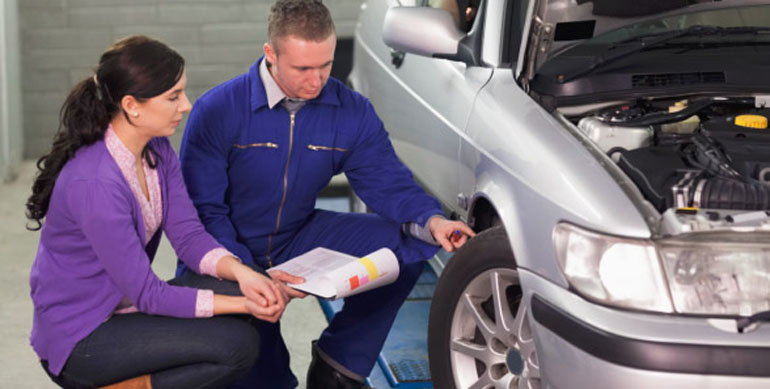
Collision repair shop “lingo” can be confusing, so find a business with technicians that will take the time to patiently respond to any questions you might have. Some shop managers or owners will physically bring you into the repair bay and point out what they’ve found, along with repairs that need to be done to correct the problem. When a shop doesn’t take the time to address your concerns, or let you see your vehicle once the repairs are underway, that tends to leave doubts in your mind.

Do They Admit Their Limitations?

Many shops don’t have the repair equipment or facilities to perform certain jobs, like fixing

aluminum body panels or frame straightening. Look for a shop that’s not afraid to refer you to another one down-the-street if they feel it’s outside their expertise. Other shops specialize in auto glass repairs, for example, and maintain reciprocal relationships with their competitors to ensure the highest-quality outcomes for all. That’s just smart business, and when it comes to your vehicle, find a shop that’s not afraid to admit their limitations.

What Do Their Past Customers Say?  

One of the best ways to determine the quality of a shop’s work is to read their customer reviews and customer satisfaction (or not!) feedback. That information is readily available through online sites like the Better Business Bureau (BBB), American Automobile Association (AAA), Angie’s List, Yelp!, or Google Reviews. Word-of-mouth is another reliable way to gauge a collision repair shop’s reputation, good or bad. In the end, don’t rely on just one or two reviews, but instead consult multiple sources.

Does the Shop Warranty Their Work?

Another aspect to consider is if the body shop warranties their work, in writing, and for how long. Better shops usually back their repair outcomes with a written warranty for a specified amount of time or miles after the work is completed. And, as a driver, nothing says peace-of-mind quite like having a warranty when you drive away with your newly-restored car!  

Promptly Find an Honest Body Shop by Using Carwise   

Finding an honest collision repair shop when your vehicle’s future weighs in the balance can be frustrating. At Carwise, we’ve simplified the process with our online auto body and glass repair business locator features. By conveniently using our website or downloadable Smartphone app, finding an honest and reliable body shop is easier than ever before. All the shops in the nationwide Carwise referral network are I-Car and ASE-certified, and most warranty their work to put your mind at ease.

Search your zip code now for a customer-reviewed auto body or glass repair shop nearby: www.carwise.com.
Read More
3 Futuristic Car Safety Features that May Be Here Soon

3 Futuristic Car Safety Features that May Be Here Soon

Self-driving cars, cars that “talk” to one another, and vehicles with augmented reality displays have long been the fantasies of popcorn-munching Sci-Fi moviegoers. But are those futuristic safety technologies merely the creations of Hollywood minds, or ones that will soon be as commonplace as airbags and seatbelts? In-actuality, there are several revolutionary car safety advancements that are much closer than you might think. Here are 3 that could be appearing soon at a dealership near you.

Augmented Reality Dashboards

We’re all familiar with Terminator movies, in which hi-tech robots look at a person or object and then quickly access information about who or what they are. Augmented Reality (AR) will function in much the same way for drivers, as critical information about what they’re viewing pops up on the windshield right before their eyes. In other words, AR will supply additional information to enhance what a driver’s senses normally take in.  

For example, if you are approaching another vehicle too fast, a red box will appear on the AR display with arrows showing you how to safely maneuver around it, avoiding a collision. When coupled with an AR GPS system, the safest lane would also be highlighted on your windshield to guide you out of harm’s way. In addition, engineers are looking at ways for cars to notify drivers when to turn without having to take their eyes off the road.

Some manufacturers, like Toyota, are also looking into AR for vehicle passengers. This would allow them to use a touch screen to zoom in on objects outside the vehicle, select and identify those objects, and then acquire car-to-object distances. And finally, auto makers like BMW are researching AR for automotive technicians, which allows them to wear special AR glasses to locate defective parts, and then access a display with instructions on how to replace them.

Communicating Cars

You’re quickly approaching a busy intersection as another vehicle runs the red light and enters your path. You didn’t see them, but your car did, as it warns you of the impending collision while automatically applying the brakes. Welcome to vehicle-to-vehicle communication, or “V2V” for short. Studies by the National Highway Traffic Safety Administration (NHTSA; www.nhtsa.gov) identify human error as the number one cause of traffic accidents. (1)

To overcome those human mistakes, V2V works when a vehicle transmits a wireless signal about its location, direction and speed. That information is then received by surrounding vehicles, which use it to calculate safe driving distances. Engineers are also working on V2V applications that would allow a car to take evasive measures should another vehicle enter its path. And, researchers are now testing vehicle-to-infrastructure capabilities, or “V2I”.

V2I picks up signals from stationary objects like road signs or traffic lights, and then notifies its driver to be alert. V2I could also be used to obtain road condition information from traffic management systems, and then relay to drivers the best possible route to take for smoother journeys.

Self-Driving Cars

Many drivers spend countless hours commuting back and forth to work. Wouldn’t it be great if your car would drive for you, allowing you to sit back and relax? Welcome to self-driving vehicles, a concept that may be available soon if Google engineers have their way. In fact, Google has already been testing this technology In several states during the past few years.

Some of Google’s cars “learn” the details of a given road by driving on it several times first with a human operator. After that learning process, the cars then drive themselves based on the data they’ve acquired. They also “remember” pedestrian crossings, and to stop when approaching them. In addition to recording images of the road, Google cars use built-in computerized maps to “see” road signs and traffic lights well before humans can, and to choose alternate routes.

To do so, they rely on lasers, cameras and radar to identify and process information about their surroundings much more quickly than drivers can. If self-driving cars become mainstream, they could end up driving in packs on busy roads using a system called “platooning”; essentially performing as one cohesive unit. Some researchers believe that platooning would lead to fewer traffic jams, accidents, and shorter commutes for all.

Innovative Collision Repairs Only a “Click” Away

Although these futuristic safety features show great promise in reducing human error-related collisions, until then accidents are still going to occur. When one happens to you, take your vehicle to a collision repair shop nearby featured in the nationwide Carwise referral network. There highly trained technicians using the latest collision repair innovations and equipment will restore your vehicle promptly and reliably.

Search your zip code now for a customer-reviewed auto body or glass repair shop nearby: www.carwise.com.
Read More
Why Is My Car’s Paint Peeling?

Why Is My Car’s Paint Peeling?

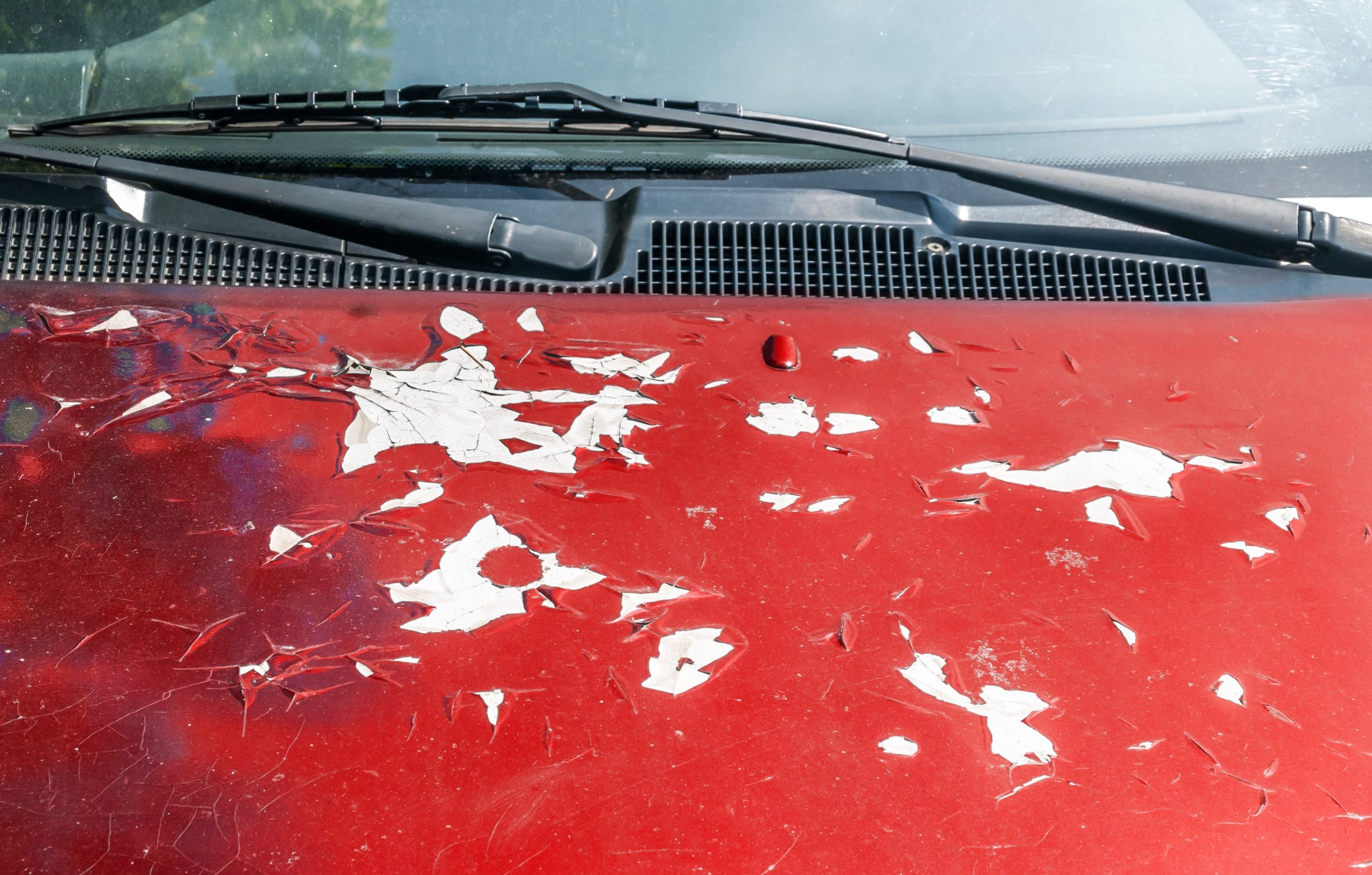
You take much pride in your car’s appearance, and wash, wax and detail it faithfully. In fact, you even picked up some touch-up paint, and have been applying it to rock chips and scratches when they appear. But recently you’ve noticed some small areas on the front bumper and hood where the paint is starting to peel, and you’re concerned. Even when keeping a car’s painted surfaces detailed, certain factors can commonly cause paint peeling, or “delamination”. Left unchecked, delamination will ultimately decrease your vehicle’s curb appeal and resale value.

Your Car’s Finish Has Many Layers

Today’s vehicles have glossy finishes created by many layers of coatings, including:

  • Primer. The primer serves as a base layer for the paint, assists with paint adhesion, and provides a reliable surface for additional coats; all while protecting the underlying metal.
  • Base coat. Several layers of automotive paint are meticulously applied at the factory to give the base coat its unique coloration and look.  
  • Clear coat. This final layer provides a hard shell that protects the paint over the years from oxidation (causes rust), minor chips and scratches, and other environmental forces; while preserving the appearance of the original factory paint job.  

What Causes Paint Delamination?  

Delamination occurs when one or more of the aforementioned-layers stop binding to the surface below it. For example, the primer stops adhering to the bare metal. Eventually, this lack of required adhesion can cause small circles of paint flaking, and later for even larger areas of paint to start peeling off. Once that happens, you’ve got a problem. The two main culprits that initiate this paint-peeling cascade are:

  • An improperly prepared paint surface

This typically occurs during a DIY paint application, or when the original factory paint job wasn’t done correctly. If you own a vehicle manufactured in the late 1980s to mid-1990s, Chrysler, Ford and General Motors (GM) all experienced production-related issues that caused their vehicles to prematurely experience paint delamination. Improperly prepared body panel surfaces can compromise adhesion, starting with the primer layer.

  • A compromised paint seal  

The second major cause of paint peeling is when the clear coat, base coat, and primer seal all get compromised by a deep rock chip, ding, or scratch. Once that occurs, moisture, road salt, and other contaminants begin working their way through the coatings, starting the delamination process. Even a small chip in the clear coat can facilitate serious paint peeling when the area is exposed to additional external forces like high-pressure washing or direct sunlight.  

In addition to noticeable peeling on your paint’s surface, rust can also start forming on the underlying metal, and eventually weaken its structural integrity. And, the presence of paint peeling and rust most definitely lower your vehicle’s curb appeal and resale value!  

Can Peeling Paint Areas be Repaired?

No matter how careful you are, paint peeling is possible on any vehicle- notably if it’s older and/or spends a lot of time in direct sunlight. When you first start noticing delamination, there are some things to consider when it comes to repairing it. To make the best repair decision, consider the following:     

  • Is the peeled area deep? A compromised clear coat layer is one thing, but when the paint beneath starts peeling badly, that’s a more serious problem. Once that happens, you’ll need to promptly have the affected area repainted.
  • How widespread is the peeling? If the peeling is confined to just a small, coin-sized area, it can easily be spot repainted. But if there are several delamination areas located around the vehicle, your best bet is to have the whole body redone so that it matches.  
  • Is the entire body at-risk for peeling? Again, keep in mind that your car may have received a faulty factory paint job which will be apparent over the whole body after a while. Was it made in the early 1980s to mid-1990s by one of the “Big 3” U.S. automakers? Has it been repainted by a DIYer that may not have done the job correctly? If either scenario is true, you may want to have the entire body repainted by a pro before it gets worse.

Paint Restoring Experts are Only a Click Away

When your car’s exterior is experiencing unsightly paint peeling issues, take it to a nearby auto body shop featured within the nationwide Carwise network. Whether it’s just a small touch-up that’s needed or a complete repainting job, technicians there have the right facilities, application methods, and expertise to promptly, affordable, and reliably restore your vehicle’s finish back to its original factory condition.

Search your zip code now for a customer-reviewed auto body or glass repair shop nearby: www.carwise.com

Read More
Does Your Car’s Body Suffer From “Polymer Degradation”?

Does Your Car’s Body Suffer From “Polymer Degradation”?

Every year across America millions of car bodies suffer from a noticeable condition called “polymer degradation” (PD). For many vehicles, the symptoms are as subtle as a slightly faded bumper. Others experience more serious signs like cracked trim or molding around their windows or wheel wells. And, if you operate a vehicle in an area that’s prone to excessive heat, sunlight, or air pollution, and it’s more than 5 years old, its exterior is probably already showing signs of PD. What exactly is polymer degradation, and is it preventable?

Auto Body Polymers and How They’re Used

As they relate to the auto industry, polymers are large manmade molecules that are chemically bonded together to create materials used for vehicle body components. Polymer materials include rubber, vinyl, and various plastics, and end up in exterior car parts like:

  • Bumpers
  • Black trim around windows, fenders, and windshields
  • Spoilers, air dams, and other aerodynamic body features

Design engineers use polymers to improve a vehicle exteriors:

  • Appearance (aesthetics)
  • Design flexibility
  • Functionality (corrosion resistance, strength, reduced weight, etc.)

You’ve probably noticed that some vehicles have more polymers incorporated into their designs than others, and oftentimes those parts are left unpainted for added curb appeal. Unfortunately, all polymers- painted or not- are vulnerable to environmental forces that can cause polymer degradation.

What Causes Polymers to Degrade?

Because of their composition, polymers tend to break down faster than the surrounding metal body panels when exposed to certain elements like sunlight, air pollution, road tar, oxygen, grime, and oil. And if your car sits outside in the heat and direct sunlight for lengthy periods of time, polymer degradation is accelerated due to a process known as “photodegradation”. Photodegradation is caused primarily by the sun’s UV rays and can speed up the degradation process caused by other forces including the ones mentioned above.

Why is Polymer Degradation Bad?

When a car’s body part, like a bumper, is made from a polymer and starts to degrade, it causes premature aging to that part which further leads to:

  • Fading, discoloration, and loss of its glossy appearance
  • Reduced strength  
  • Decreased flexibility
  • Less scratch resistance
  • Cracking

Black polymer trim materials experiencing PD will start showing a faded gray look. PD is oftentimes confused with detailing polish, wax, or sealants that have been mistakenly allowed to dry on the polymer’s surface, leaving a chalky residue. And, that’s a whole different topic. In addition to just plain looking bad and compromising the intended function of the affected part(s), PD can also reduce the afflicted vehicle’s resale value.  

Is PD Preventable?

The good news is that polymer degradation is oftentimes preventable if you’re willing to invest the necessary time, elbow grease, and money. The important thing is to consistently and continually maintain the plastic, rubber, and vinyl surfaces of your car. That means keeping those areas clean of dirt, tar, dust, and other road debris, along with applying the right detailing product, based upon the material, to leave a layer of protection. And finally, keeping your car out of direct sunlight as much as possible is important.  

Certain detergents used for car washing are too strong for polymers, and can actually speed up the degradation process. Cheaper detailing products sold at big box stores may not be the best either, so read the labels carefully before applying those to your vehicle. For unpainted plastic parts, some of the best surface restorers and protectants are:

  • Armor All
  • TriNova
  • Meguiar’s G15812
  • Gtechniq C4
  • 303 (30326)
  • Forever Black

With-the-exception-of Armor All, which will need to be used more frequently, the other products should deliver reliable protection for up to 12 months after application. If any of your painted plastic parts, notable bumpers, have already started to noticeably fade, you may want to have them repainted by a pro.

Auto Body Shops Nearby Have the PD Cure

Unfortunately, many vehicles end up experiencing polymer degradation. If it’s happened to your car or truck, take it to a nearby auto body shop in the nationwide Carwise referral network. Technicians there have the professional detailing products, experience, and know-how to restore your vehicle’s polymer features like-new again promptly, reliably, and affordable. If you have areas that need to be repainted, they can expertly tackle that too!

Search your zip code now for a customer-reviewed auto body or glass repair shop nearby: www.carwise.com.
Read More
5 Safe Driving New Year’s Resolutions for 2019

5 Safe Driving New Year’s Resolutions for 2019

As 2019 dawns, countless Americans will make New Year’s resolutions to lose weight, exercise more, and abolish bad habits. However, one of the areas we all could improve in is our driving. According to the National Safety Council (NSC; www.nsc.org), over 40,000 Americans perished in motor vehicle accidents during 2017 (2018 figures aren’t available at this time).

Additionally, 4.6 million were injured seriously enough to require medical attention, and societal losses from 2017 accidents exceeded $413 billion. With that said, what if we all made New Year’s resolutions to drive more safely next year? If you agree, here are 5 ways to make it happen as 2019 unfolds.

Stop Driving While Distracted

Ask any auto insurance adjuster, and they’ll tell you that distracted driving is a major problem; especially for younger drivers. Here are some ways that you can safely stay focused on the road:  

  • Don’t eat and drive. That burger or taco will still taste good later.
  • Set aside your cell phone and other electronic devices. That text message from your friend won’t disappear just because you’re driving.
  • Turn down the radio. How can you hear emergency vehicles when your radio’s blaring?
  • Don’t reach for dropped items. Again, the world won’t end when you drop your cell phone on the floor.
  • Secure pets in the back seat. Put Fido in a car carrier, or use a pet gate to keep them in the back. Also, never drive with a pet on your lap!  

Don’t Drive When Impaired

Nearly all of us know someone who was seriously injured in a car accident caused by an impaired driver, usually one under the influence of alcohol or illegal drugs. Prescription opioid and legal marijuana-related vehicle crashes are on the rise, and with all the ride-sharing services available today, like Uber and Lyft, why would anyone risk a wreck when under the influence of these substances?

In addition, another form of impaired driving is being too tired while behind the wheel, like when you’re on a long trip. Stop along the way at a rest area or hotel, grab a few hours of shut-eye, and then hit the road again refreshed and awake!  

Drive More Defensively

Because of the increase in distracted and impaired drivers, it’s doubly important to drive defensively in order to avoid an accident. To do so, use these tips:

  • Slow down. Based on road conditions, like snow and ice in winter, or construction zones in summer, adjust your speed accordingly. You should keep a 2-second cushion between you and the car in front of you at-all-times, and double that interval if weather conditions are poor.   
  • Anticipate hazards. Always anticipate that other motorists, or pedestrians, will do something careless.
  • Utilize vehicle safety features. Newer cars and trucks have built-in safety features like backup cameras, blind spot sensors, and cross traffic alert sensors. Learn how to use yours effectively.

Adjust to Weather Conditions

As was mentioned earlier, the number one rule when driving in poor weather conditions is slow down. In addition, here are some other weather-related precautions you should take to help keep you and your occupants safer.

  • Clean off your windows. If your windows are covered by a film in warm months, or snow during winter, you can’t see other vehicles properly. Take a few minutes to clean off all your windows.
  • Use headlights. When any form of precipitation is falling, it’s foggy, or the sun’s not out, turn on your headlights so others can see you, and you can see them.
  • Fit your vehicle with reliable tires. Make sure that your tires are up to the task by having them inspected by a pro, notably before a long trip. In addition to tire tread, also check the pressure routinely.

Maintain Your Vehicle

You need to make sure that your vehicle is always in safe operating condition, and that means routine inspections and maintenance by a trusted mechanic. Have them check these systems based upon manufacturer-recommended intervals found in your owner’s manual:

  • Brakes and brake lights
  • Oil and oil filter
  • Suspension, steering and alignment
  • Wiper blades
  • Fluid levels, hoses and belts
  • Transmission and transmission fluid
  • Radiator, coolant and hoses

When Accidents in 2019 Happen, We’ll Be Ready  

Even when making a resolution to drive more safely in 2019, accidents will happen. If one happens to you, take your vehicle to a reliable collision repair shop within the nationwide Carwise referral network. Technicians there have the equipment, training, and experience to restore your vehicle like-new again promptly and reliably.

Search your zip code now for a customer-reviewed auto body or glass repair shop nearby: www.carwise.com.
Read More
Protecting Your Car From Parking Lot Accidents

Protecting Your Car From Parking Lot Accidents

You’ve just finished some Holiday shopping at the mall, and are backing out of the parking space with your next destination already fresh in your mind. Bam! Another driver smacks into your car’s right rear quarter panel, jolting you back to reality. What happened? According to the National Safety Council (NSC), one-in-five car accidents every year take place in parking lots or parking garages. Over 60,000 people are injured in those mishaps, many of them pedestrians, and 500 people die as a result. But why are parking lot accidents so common, and what can we all do to avoid them? Here’s what auto insurance industry experts have to say.  

Parking Lot Accident Causes

When backing out of a parking space, are you also talking on the phone? Are you singing along with the radio while pulling into a spot? Distracted drivers, like in most other driving situations, are the number one cause of parking lot mishaps. Other reasons why parking lots are unusually hazardous include:

  • Presence of pedestrians, notably at night
  • Drivers going too fast
  • Poor field-of-vision due to parked vehicles
  • Bad lighting and drivers not using their headlights
  • Piles of scooped snow in the wintertime  
  • Impaired drivers or pedestrians due to alcohol or drugs

All drivers probably experience at least some, if not all, of these accident-contributing factors. Now let’s investigate how we can make parking lots a safer place to be.

Slow Down and Be Extra Cautious

Although it’s simply common sense, many drivers don’t take the necessary precautions when driving in parking lots, starting with slowing down. You should drive at school-zone speeds while operating a vehicle in any parking area, including garages, and take a few extra seconds checking all your mirrors, backup camera, and blind spots before backing out of a space. That’s all notably important to avoid hitting a young child who may have wandered behind your car. And finally, turn on your headlights even during daylight hours.

Embrace Your Vehicle’s Safety Technology

Newer cars and trucks have some amazing onboard safety technology to assist drivers. What better place to put these innovative features to work than in a crowded parking lot? To avoid runaway shopping carts, running children and other vehicles, use these onboard systems to guide you:

  • Rearview backup camera
  • Radar and ultrasonic warnings that beep when an object is detected
  • Cross traffic alert sensors that trigger warnings, or even apply the brakes automatically, when another vehicle is approaching or too close

Parking Lot Logistics

How many times have you driven around a lot for several minutes and the only open spot is next to someone who parked crooked? You know how frustrating that can be, along with the fact there could be a fresh ding adorning your door when you return from shopping. Don’t be that inconsiderate driver. Pull straight into parking spaces, while centering your vehicle between the yellow lines. In addition to that form of parking courtesy, use these lot logistic tips to protect you and your vehicle:

  • Look for a pull-through spot, so you won’t have to back out later
  • Park far away from other vehicles if possible. Walking is good for you anyway, and it’ll reduce the odds of your car getting hit by another driver, or dinged by a stray door. But on the flipside, as a pedestrian watch for drivers who aren’t watching for you.
  • Keep an eye out for stray carts, especially on windy days. They can do several hundred dollars of body damage to your car if they get a good rolling start.

Find Reliable Parking Lot Accident Repairs Nearby

Even when taking all these parking lot accident precautions, mishaps happen. If you’re involved in one, take your vehicle right away to one of the 19,000+ auto body and glass repair shops featured in the nationwide Carwise referral network. Technicians there have the equipment, know-how and experience to restore your damaged vehicle like new again promptly and reliably.

Search your zip code now for a customer-reviewed auto body or glass repair shop nearby: www.carwise.com.

Read More
A Beginner’s Guide to Auto Repair “Shop Talk”

A Beginner’s Guide to Auto Repair “Shop Talk”

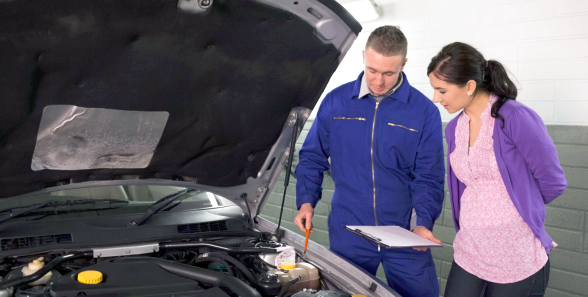
When speaking with your car’s mechanic, does it seem sometimes like they’re using a foreign language? Have you ever been at the collision repair shop and wondered what in the world the technicians were saying about your vehicle? In addition to being frustrating, you may miss out on some important information that could cost you later. Cutting through all the repair shop “lingo” isn’t difficult once you understand the jargon the technicians use. To help you along, here are some common “shop talk” terms you might overhear at a repair shop.   

Terms Mechanics Use

Mechanics go to school to learn the following terms, so as a driver getting “schooled” in them will help you communicate more effectively the next time your vehicle’s in the shop:

  • Engine knock. This describes the metallic pinging noise made by your engine when there’s leftover fuel and air in the combustion chamber while the spark plug is firing. If you’re hearing this sound it could reduce your engine’s life, so take it promptly to a mechanic.
  • Fast idle. This higher revving of your engine typically happens when its cold first thing in the morning, or after your car sits all day. The idle speed will automatically increase to maximize engine performance until it warms up.
  • Fuel injectors. Decades ago, cars had carburetors to control the fuel and air mixture. Today’s vehicles use fuel “injectors” to deliver that mixture more efficiently into the intake manifold of your engine.
  • Hesitation. This is the temporary loss of power you feel when you initially accelerate. If there’s too much hesitation it could mean a problem with the fuel and air mixture as it’s being delivered into the manifold.
  • N/A. In “auto speak” terms, N/A refers to a “non-aspirated” engine, or, in other words, one that isn’t turbo or supercharged.
  • Play. Used to describe the amount of slack you feel in the steering wheel before your wheels start to turn. Play is usually mentioned when referencing your car’s suspension or steering, notably when their components are getting worn.
  • Pull. When applying the brakes or just driving down the road, if your vehicle tracks to one side or the other it is called “pulling”, and usually means that your car needs an alignment.
  • Torque steer. Many cars today are front-wheel drive (FWD). During fast acceleration, if your steering wheel begins to turn in one direction this is called “torque steer”. Accelerating too quickly in a FWD vehicle can cause you to lose control when torque steering goes awry.

Body Shop Jargon

When you’re looking over your car’s collision repair estimate, or speaking to an insurance adjuster or shop manager, it would be wise to know these body shop terms:

Aftermarket parts. These are parts made and sold by companies other than the original equipment manufacturer (OEM) of your vehicle. Most aftermarket parts meet the same quality standards that OEM parts do if the supplier is reliable. Be advised that the use of non-approved parts could jeopardize your vehicle’s factory warranty, so ask the shop manager or your insurance adjuster for details.  

Beltline. Also known as the “waistline”, the beltline describes the body area that separates the top of your car from the bottom, and is formed where the lower edges of your vehicle’s windows end.   

Betterment. This term is used by insurance adjusters to describe the fact replacement parts on your car are new, and therefore improve its overall condition. In rare instances, the insurance company may ask you to pay a portion of the repair costs because your vehicle’s market value increased.

OEM. As was mentioned earlier, the term “original equipment manufacturer”, or simply “OEM”, means that the repair parts for your car were made by the company that built it in the first place. If your Toyota Camry got a new OEM grill, the shop ordered it directly from Toyota, or from an authorized Toyota OEM parts supplier.

Collision Repair Shops That Speak Your Language      

If your car’s in the body shop for some accident repairs, the terms used there can be confusing. Simplify your life by taking your vehicle to one of the certified auto body and glass repair shops found in the Carwise nationwide network. The knowledgeable technicians there will clearly explain the work that’s required, and patiently answer your questions to put your mind at-ease. They’ll honestly “speak your language” while restoring your vehicle like-new again promptly and reliably.

Search your zip code now for a customer-reviewed auto body or glass repair shop nearby: www.carwise.com.
Read More
5 Simple Car Maintenance Tips for Winter

5 Simple Car Maintenance Tips for Winter

Most drivers across the U.S. will face challenging wintertime driving conditions, including extreme cold, snow and ice. As a result, their cars need to be up to the challenge, especially with lengthy Holiday road trips just around the corner. Making sure that your vehicle is “winter-ready” only takes a few minutes, and can be a difference maker if you get caught in a nasty blizzard, or your car sits outside overnight in the bitter cold. To help ensure that you arrive at your destination safely, check off these 5 simple winter car maintenance tips first.

Antifreeze

Also known as your engine’s summertime “coolant”, the antifreeze in most newer cars is designed to last up to 5 years or 150K miles, so consult your owner’s manual for details. But if you drive an older vehicle that hasn’t had the antifreeze serviced for years, you may want to have a “flush-and-fill” done at a car care shop, or dealership, to ensure the engine components don’t freeze up. They will also inspect your radiator and hoses, and check the antifreeze level in your overflow reservoir.    

Battery

Cold weather starts are harder on your battery than warm weather ones. That means that if your battery was giving you trouble during the summer, it’s more likely to fail you when temps drop below freezing. Most good batteries last up to 5 years, but if you have doubts it’s best to have someone run a voltage test on it. If it isn’t holding much of a charge, replace it with a new battery before you get surprised one cold morning, or after some Holiday shopping. Your battery’s terminals (+ and -) also need to be corrosion-free to ensure reliable starts.

See and Be Seen

During the winter, you’ll probably be spending more commuting time behind the wheel when the sun’s not out. As a result, make sure that all your car’s lights are in working order, especially the headlights. Other vision inhibitors, like snow and ice, also need to be addressed so that you can see other vehicles. Increase visibility by taking these precautions:

  • Cold weather washer fluid. Add washer fluid to your reservoir that contains antifreeze to keep it from icing up on your windshield, or not coming out at all.
  • Wiper blades. Replace your worn blades with ones designed to effectively remove ice and snow without streaking or coming apart. 
  • Brush and scraper. Always carry a sturdy brush and scraper in your vehicle, and take time to clean off all windows after it snows to give you a clear field-of-vision.
  • Window deicer. It’s not a bad idea to purchase a can or spray bottle of window deicer. If your vehicle still requires a key to open, invest in some lock deicer too.

Survival Kit

Okay, this is more about your maintenance than that of your vehicle. Pack a winter survival kit for your car, notably if you’re about to leave on a long trip when snow is forecast. The last thing you want to happen, especially when you have kids in tow, is getting stranded empty-handed on the highway for several hours in a blinding snowstorm. You need to carry a survival kit that includes these items:

  • Warm blankets
  • Flashlight and extra batteries
  • Jumper cables (Should always carry a set)
  • Survival knife
  • First-aid kit
  • Bottled water
  • 12-volt port-compatible cellphone charger

Tires and Tire Pressure

Many vehicles today are 4-wheel drive, all-wheel drive, or equipped with anti-skid features. That’s great, but your tires still need to grip what’s underneath them. If you aren’t going with full-blown winter tires, make sure that your car has a reliable set of all-season ones with adequate tread. If you don’t know what that looks like, take your vehicle to a tire shop and they’ll inspect them. Also, your tires lose one pound of pressure per every 10 degrees Fahrenheit drop in temperature. Underinflated tires can’t grip the road properly. Make sure you check your tire pressure regularly during the wintertime, notably before embarking on a long trip.

Wintertime Accident Repair Experts Stand Ready

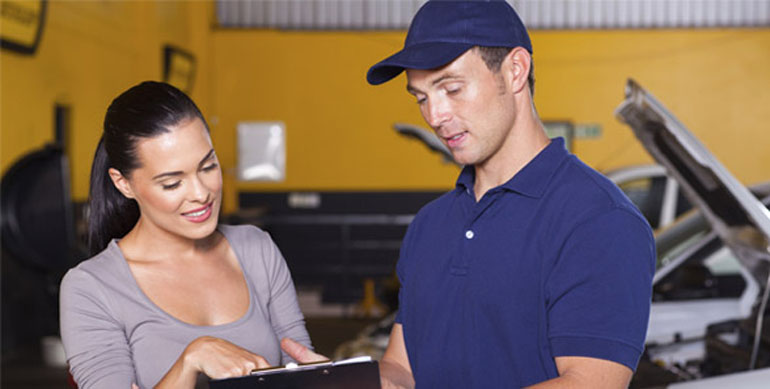
Even when taking all these driving precautions, wintertime accidents occur. When your vehicle has been involved in one, bring it to a better auto body shop in your area that’s part of the Carwise referral network. Technicians there have the training, equipment and experience to restore your vehicle like new again and get you back on the road promptly and reliably.

Search your zip code now for a customer-reviewed auto body or glass repair shop nearby: www.carwise.com.
Read More
Why is My Car’s Paint Chipping?

Why is My Car’s Paint Chipping?

Your car’s paint not only makes it look nice but also protects the body from nasty weather and other external factors, some of which can cause oxidation (rust). You’ve had your vehicle for several years now and recently noticed some paint chips on the front of the hood that have got you worried. You wonder under your breath how that could have happened as you find another chipped and bubbled area on one of the quarter panels. There are several sinister forces that can cause your paint to start chipping. What follows are some of the more common ones.

Accidents

Were you involved in a fender-bender recently? Accidents between two vehicles are the most obvious ways to damage a car’s paint. Then there’s that careless motorist opening their car door into yours, or times when you get distracted and bump into a concrete barrier or metal pole. Whenever your car’s paint sustains blunt force, it can cause damage to the underlying layers above-and-beyond what’s noticeable on the surface.  

Environmental Forces  

There are times when your car is exposed to moisture in the form of dirty rain, sleet, snow and ice that can damage paint. Other potentially paint-damaging environmental forces that your vehicle encounters include:

  • Sun’s UV rays
  • Bird droppings
  • Dirt, dust and pollen
  • Fallen berries or leaves
  • Road salt  
  • Splattered bugs
  • Temperature changes (More on this later)

Harsh Chemicals

Many commercially sold car cleaners and soaps contain harsh chemicals, and although they’re great at getting bug splatters, tar, and road grime off your car’s finish, they’re not very “paint-friendly”. In addition to removing the dirt and debris, they can also take off the top layer of paint, and weaken the underlying layers just enough to promote chipping. Always read the label before using any cleansers or soaps to detail your car’s finish.  

Paint Job Itself

In the past, durable lead-based automotive paints were used by manufacturers and body shops. Today’s cars are painted with more eco-friendly water-based paints that don’t hold up as well as their predecessors did. Although better for the environment, water-based paints are notoriously more vulnerable to accident impacts and environmental forces. Shoddy DIY paint jobs can also leave a vehicle more susceptible to chips and cracks.

Road Debris

How many times have you been driving behind a gravel truck that hits a bump and then watched as small rocks bounced off your hood? And, what about those dust-choked, summer road construction zones? In addition to rocks and dust, other forms of flying road debris that can cause paint chipping include broken glass, pieces of loose concrete, metal car parts, chunks of tire rubber, sand and road salt.    

Sharp Objects

Have you ever accidentally hit your car with the jagged metal corner of a ladder or heavy tool? In addition to those owner-induced examples, many vehicles each year experience random acts of vandalism involving keys, razors, knives and scissors. The resulting scratches compromise the paint’s hard protective shell, exposing the more vulnerable lower layers to chipping.

Temperature Fluctuations

Your car’s paint expands and contracts in response to air temperature changes, and rapid oscillations between heat and cold affect it the most. For example, if you go from sub-zero winter temperatures through a heated car wash, and then back out into the bitter cold, your car’s paint shell quickly shrinks and grows in response. Intense heat can also cause paint bubbling.

How Can I Protect My Paint?

There are several ways to help protect your car’s paint from cracking, notably when you live in places with drastic temperature fluctuations. These are some of the better methods to use:

  • Park your car out of direct sunlight
  • Wash your car frequently using mild soaps and cleaners
  • Immediately remove bug splotches, bird droppings, leaves and berry stains
  • Keep it garaged or use a car cover
  • Wax it annually with a professional detailing product
  • Only take it through “touchless” car washes

Find an Auto Body Paint Expert Nearby

When your car’s once-beautiful paint job has been marred by unsightly cracking, take it to a reliable auto body shop in your neighborhood that’s in the Carwise network. Certified technicians there have the training, experience and equipment to restore your car’s paint like-new again, promptly and affordable. Reliable collision repair shops warranty their work for your protection, and if the paint was damaged from an accident or act of vandalism, most work directly with insurance companies so you don’t have to.

Search your zip code now for a customer-reviewed auto body or glass repair shop nearby: www.carwise.com.

Read More
1 11 12 13 14 15 21