5 Strange Sounds that Could Mean Car Trouble

5 Strange Sounds that Could Mean Car Trouble

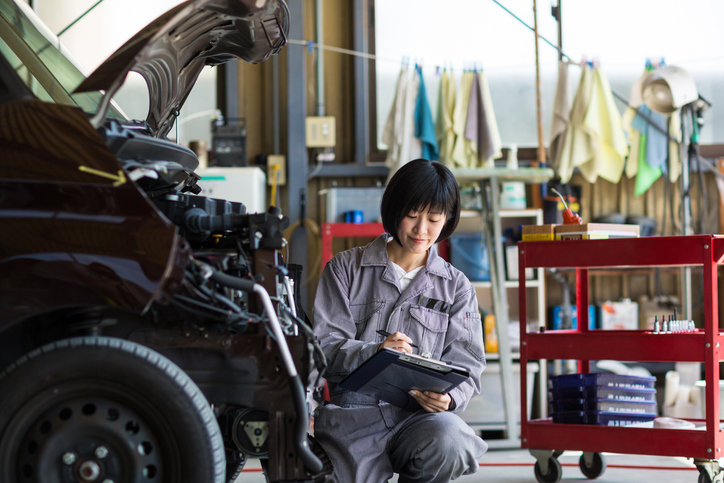
You’re cruising across town one warm, sunny day with your window down, and as you approach a red light you bring your car to a stop.  Suddenly, your ears hear some unusual rattling noises coming from somewhere underneath the vehicle.  You immediately turn off the radio, but the strange racket is still there.  A pit forms in your stomach as you imagine what could possibly be wrong with your car.  Is it my engine?  My brakes?  Exhaust?  Knowing the warning sounds of a potentially costly, or even dangerous, vehicle problem is important, and could help save you much trouble later.  To assist your efforts, here are 5 strange noises that could indicate something’s wrong with your car.

Knocking or Pinging

As your engine runs, fuel is ignited inside each cylinder.  A metallic knocking or pinging sound is probably due to an ignition malfunction caused by one or more of the following:

  • Clogged or defective fuel injector
  • Clogged or bad fuel filter
  • Misfiring spark plugs
  • Worn spark plug wires
  • Cracked distributor cap

When you hear a knocking or pinging noise originating from under your hood, it’s best to take it in promptly to a mechanic for a check-up.

“Popping”

There are several engine components that can start making a “popping” sound when something’s gone bad, including:

  • Dirty air filter
  • Spark plugs that are worn or corroded
  • Defective spark plug wires
  • Clogged fuel filter
  • Internal ignition wiring or related ignition issue

A popping sound when your car’s running is simply not good.  Take it to an auto repair shop and have them give it a “once-over”.

Ticking or Clicking

Ticking noises are best left to clocks, and a clicking sound is great when you’re fastening your seatbelt.  But when your car’s making these sounds while running, something’s usually wrong.

Ticking or clicking sounds can mean:

  • Low engine oil
  • Worn fuel injectors
  • Worn out struts
  • Bad pushrods

In this situation try a DIY fix of adding some oil to your engine first.  If the clicking or ticking persists, take it into a shop and let a pro inspect your ride.

Grinding or Rubbing

More-often-than-not, when you hear grinding and rubbing, especially when you’re stopping your vehicle, it’s related to your brakes.  Those sounds usually indicate your brakes pads are completely worn down, and that the metal calipers and rotors are rubbing together every time you apply the brakes.  Besides the obnoxious metallic rubbing sound, other signs of excessive brake wear include:

  • Takes progressively longer to stop your car
  • Brake pedal goes almost down to the floor when braking
  • When you brake the pedal and/or steering wheel vibrate or pulsate

Brakes that are making grinding or rubbing noises are nothing to ignore.  Take your vehicle immediately to an automotive technician and have them inspected.

Rattling Beneath Your Car

This is usually a symptom of a worn exhaust system, as they tend to rust out over time.  Does your car’s engine also sound louder or “throaty” when you accelerate?  If your exhaust system has sprung a leak, the exhaust fumes can filter up into the passenger compartment, and that’s not safe.  Parts found within your exhaust system that may need to be replaced include:

  • Catalytic converter
  • A section of crossover or tailpipe
  • Muffler
  • Brackets and/or gaskets
  • Manifold

Once your exhaust starts to rattle and gets progressively louder, you run the risk of part of it falling off while driving.  So, if you suspect that your exhaust system needs some repairs, take it promptly to a shop that specializes in those repairs.

We’ll Handle Any Accident-Related Noises

When your vehicle starts making the strange sounds listed above, take it to a mechanic and have it inspected.  If you’re involved in an accident, bring it instead to a reliable auto body shop to have those damages repaired by technicians who specialize in accident-related noises.  Pros at a collision repair shop nearby have the training, experience and equipment to restore your vehicle and peace-of-mind, and then get you back on the road promptly and safely.  Most shops warranty their repairs, so if you hear an unusual noise after the work is done, simply bring it back in and they’ll get it resolved.  Most body shops also work directly with insurance companies so you don’t have to.  To search your zip code now for a better auto body shop in your area, visit: www.carwise.com.

Read More
Buying the Right Car for a College Student

Buying the Right Car for a College Student

Over the next few weeks millions of students will be heading off to college; many for the very first time.  And as that annual rite of passage plays out, countless American families will be scrambling to find safe and reliable transportation for their loved ones before they hit the road.  Driving back and forth from college with passengers in tow through various driving conditions takes a toll on a vehicle, and then you’ve got other operating expenses to consider.  As college costs continue to rise every year, the last thing you want is investing a lot of money into an unreliable vehicle.  With all that in mind, here are some key factors to consider when buying the right car for a college student.

Reliability

In most cases, you’ll be purchasing a used vehicle for your college student.  First, you’ll want to ensure that its reliable using these steps:

Inspect the vehicle

Walk around the car and look for signs of major body repairs, assess the condition of the tires, and then check underneath for any suspicious fluid leaks.  Then pop the hood and look the engine over for any worn parts.  Also inspect the interior for damage that indicates excessive wear-and-tear.

Check the vehicle history report (VHR)

VHRs serve as a kind of “rap sheet”, while revealing information like accidents, servicing and repair records, number of owners, and whether the vehicle was ever salvaged (“totaled out” by an insurer).  Most sellers now provide a free VHR.  If not, Carfax (carfax.com) offers them for a small fee.

Test drive it

Have the intended driver slide behind the wheel to get a feel for the pedals, controls, leg and headroom, and field-of-vision.  Before hitting the road, test all the systems including the stereo, heater and A/C, lights, power windows and door locks.  Then take it for a test drive with the radio off.  Listen for strange noises, assess the ride comfort, steering and suspension.  Does it shift smoothly?  Do the brakes and cruise control work okay?

Consumer reviews

Read online reviews from actual vehicle owners for reliability feedback and any commonly-reported problems.

Have a mechanic inspect it

The final step is to pay a professional to inspect all the major systems, inside and out.

Affordability

To initially avoid overpaying for a vehicle, search the fair market value for similar cars in your area using the make, model and year on sites like Autotrader (www.autotrader.com) and Kelly Blue Book (www.kbb.com).  Factors like higher mileage, multiple owners, and accidents can reduce the price.  Other affordability issues to think about are:

Gas mileage

Notably, when your student will be frequently making long commutes, check out the miles per gallon (MPG) before buying.  You really don’t need to buy them a gas-guzzling SUV when an economical 4-cylinder sedan or compact with ample room, notably a hybrid, makes more sense.

Insurance premiums

Check with your agent before signing on the dotted line about rates and then decide if the premiums will work within your budget.

Future upkeep costs

Read online mechanic blogs, driving enthusiast websites and consumer reviews to get a feel for what the future maintenance costs might be.

Safety

Obviously, this is important when you’re buying a car for any family member.  When it’s for a younger, less-experienced one who’ll be driving through all types of weather, you’ve got to be extra cautious.  To better ensure their road safety, look for these vehicle features:

Engine size

Bigger, more powerful engines will simply encourage faster driving, and they eat gas.  Buy a vehicle with a smaller engine that delivers adequate performance.

 Avoid ultra-light cars

While balancing fuel economy with this decision, stay away from extremely lightweight vehicles that will afford less collision protection.

 Electronic stability control (ESC)

This is a must for younger drivers, as ESC helps the tires track better on curves and slippery pavement.

 Other safety features

Look for cars with safety enhancements like multiple airbags, Bluetooth, lane change sensors, and other accident-avoidance systems.


We Wrote the “Textbook” on Collision Repairs

Even when taking all the safety precautions listed above, the car you purchase for your college student can still be involved in an accident.  When that happens, rest assured that a good auto body shop in your area can expertly fix the damage promptly, and then get your loved one safely and reliably back to school again.  They have the training, experience and equipment to get the repairs done right, and restore your peace-of-mind.  Most shops will also work directly with insurance companies so you don’t have to.   To search your zip code for a better auto body shop in your area that specializes in top-quality repairs, visit: www.carwise.com now.

Read More
How to Reduce Lower Back Pain on Road Trips

How to Reduce Lower Back Pain on Road Trips

Road trips are intended to be fun, as you excitedly drive across the vast expanses of America with your family and friends in tow.  But for many of us riding in the car can quickly become painful when the uninvited travel partner known as lower back pain shows up.  Many travelers use poor posture when slouched behind the wheel or scrunched down in the passenger’s seat, which leads to lower back pain flare-ups.  Driving countless hours on congested roads also causes stress, which can trigger or exacerbate back pain. The good news is that there are several proven ways to help ward off lower back pain while on the road, or at the very least relieve the symptoms.

Get Positioned Comfortably

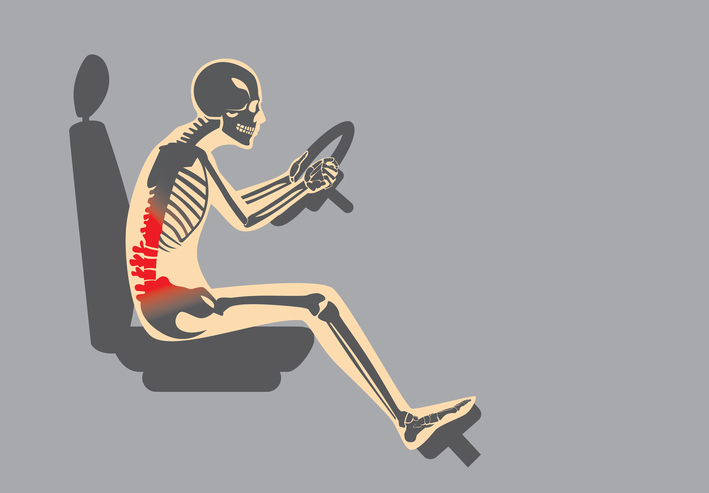
Before embarking on your trip, carefully adjust the seats to maximize support for your body’s contours, especially your lower back (lumbar).  If you’re driving, sit close to the wheel because prolonged arm extending places undo stress on your back muscles and spine.  Remove objects from your back pockets like Smartphones, wallets or keys, as they also place pressure on your posterior spine.  Sit up straight with your chin up and out, and shoulders back.  If your body feels uncomfortable while seated, listen to what it’s telling you.

Smooth Out Your Ride

Okay, it’s impossible to totally avoid potholes or rough patches of road.  But to create a smoother overall ride that will reduce the likelihood for lower back problems, there are steps you can take prior to embarking, such as:

  • Take a newer passenger car instead of a rickety older one, even if it means renting. For example, riding in an old pickup truck for many miles is just asking for back trouble.
  • Have the vehicle’s shocks, struts and tires checked out by a mechanic
  • Sit upon a back-supporting seat cushion or use a lumbar support seat pillow

Especially on longer trips, using these measures will go a long way in preventing lower back pain as the miles add up.

Take Frequent Stretch Breaks

Our bodies were designed to walk upright, so forcing yours into a seated position for untold hours is simply asking for lower back muscle tightening, aches and spasms.  If you suffer from back pain, plan breaks in advance for every hour or two.  Use these outside-the-car “timeouts” to walk and stretch out the stiffness, and make sure to stand up straight while doing so.  These timeouts are also a great way to reduce driving-related stress.   Beforehand, give your travel companion(s) a heads-up regarding your pain-reducing regimen, how often you’ll need to break, and encourage them to join you so that their backs will be happier and healthier too!

Don’t Forget to Pack Heat (and Cold)!

If lower back pain has already “crashed” your road trip party, apply heat or cold to the afflicted area to alleviate discomfort.  On most road trips you’ll have a cooler in the car, so try rotating two or more ice packs in there while using one of them on your pain area while seated.  Back pain experts also recommend heat to soothe an inflamed lower back when pain persists.  To do so, bring along a heating pad with a power converter that can be inserted into an onboard 12-volt port.  Then, place the pad between the seat back and your lower back while sitting.  Note: Always wear your seatbelt and shoulder harness while using a cold pack or heating pad!

We Take the Pain Out of Collision Repairs!   

Collision repair shops in your area don’t know much about lower back issues, but they are experts in reducing your emotional pain after an accident.  Body shop pros have the training, experience and equipment to restore your vehicle like new again while promptly getting you back on the road.  They’ll work directly with your insurance company so you don’t have to, and will make the entire repair process as seamless and stress-free as possible to put your mind at-ease.  If you were involved in an accident on your last road trip, or just need some expert advice about collision repairs, search your zip code now for a better body shop in your area at: www.carwise.com.

Read More
5 Simple Ways to Make Your Car Last Longer

5 Simple Ways to Make Your Car Last Longer

Most of us want our cars to look and run great for as long as possible.  And, keeping your vehicle in tip-top condition, inside and out, also increases its value when it’s time to sell or trade in.  Many drivers understand the importance of routine vehicle maintenance and upkeep like oil changes, tire rotations, replacing worn brake pads, belts and hoses.  But in addition to those, most owners are not aware that there are several other easy ways to help ensure that your car ages well as the miles add up.  Here are 5 of the more simpler ones now.

  1. Lighten Your Load

All vehicles have a maximum carrying capacity that can be found in the owner’s manual.  Exceeding that specified weight limit, notably on long trips, can cause serious damage to your car.  That’s because the more a vehicle weighs, the harder the engine, transmission and brakes have to work.  For example, if you’re towing a heavy trailer cross-country with a subcompact that’s full of passengers, you’re just asking for trouble.

  1. Transmissions Need Love Too

Your car’s transmission consists of hundreds of moving parts that get your vehicle moving, and that takes a lot of force and friction.  Transmission fluid cools and lubricates all those various components.  Changing your transmission fluid and filter at the manufacturer-recommended intervals located in the owner’s manual will keep your vehicle performing smoothly.  A failure to do so can lead to problems like sluggish acceleration, poor shifting, and even a total transmission failure.

  1. Let it Warm Up

Oil serves as the lifeblood of your car’s engine, and when your vehicle’s been sitting for several hours you need to let it circulate first before heading out on the road.  After starting your car, let it idle for at least 30 seconds to allow for the oil pump to do its job, the fluid to warm up, and the motor’s moving parts to lubricate.  Not doing so creates added friction within the engine components, which leads to faster wear times.  Also, get an oil and filter change every 3500 to 4000 miles.  Taking these simple steps will prolong your engine’s lifespan.

  1. “Punch it” Occasionally

Remember when you first learned to drive, and your parents would warn you about having a “lead foot” whenever you accelerated too fast?  Over time today’s engines get carbon buildup which can diminish performance.  Every few hundred miles you need to accelerate your vehicle quickly until the engine revolutions, measured in RPMs, “redline” (usually 6,000 RPMs) on your dash’s tachometer.  This is best done while merging onto an expressway, but never do so unless the engine is fully warmed up.  “Punching” the accelerator occasionally will help prevent carbon gunk from building up in your engine and prolong its life.

  1. Don’t Forget the Details

Your car’s exterior takes a beating year-around from paint-damaging forces like road salt, the sun, bird droppings, bug guts and more.  The interior also gets its share of abuse from dirt, pets, spilled beverages, heat and cold.  As a result, it’s wise to detail your car inside and out several times a year to remove harmful substances and protect all the exposed surfaces.  If you don’t have the time or interest in doing it yourself, there are professional detailers available that will keep your vehicle’s interior and exterior looking new and lasting longer.

Take it to a shop for repairs and upkeep

When your car’s been in even a minor fender bender, you need to have it inspected at a reliable body shop nearby to ensure that it lasts longer.  If there’s been even slight damage to the body, rust can form later.  Even low-impact accidents can compromise your car’s electrical and warning systems, along with your suspension and frame.  It’s also a good idea to have a collision repair shop inspect the engine and other mechanical parts to ensure your safety and restore your peace-of-mind.  Don’t take chances with your vehicle’s future when body shop technicians have the training, equipment and experience to ensure that your car will look and perform better for many years to come.  Most collision repair shops also provide affordable auto detailing services for your convenience.  To search your zip code now for a better auto body shop in your area, visit: www.carwise.com.
Read More
Don’t Be Fooled by these 4 Collision Repair Myths

Don’t Be Fooled by these 4 Collision Repair Myths

The period right after you’re involved in a car accident can be confusing and stressful, especially when it’s your first one.  And within a short amount of time you’ll be asked to make some important decisions about your damaged vehicle’s collision repairs.  Unfortunately, there are a lot of myths floating around that can influence where and how you have your car repaired.  As a car owner, it’s important to know the truth when it comes to getting your vehicle’s appearance and performance promptly and reliably restored like new again.  To keep you from getting fooled, here are responses to 4 of the more common collision repair myths out there.

  1. You Must Use a Shop Your Insurance Company Chooses

As an insured driver, you have the legal right to pick any body shop that you want.  Insurance companies would prefer that you go to a less-expensive one, and most providers have agreements with specific shops in a given area to lower repair costs and speed up the process.  But insurance adjusters know that you still can take your car to a body shop of your choosing, and they will honor your decision while covering any accident-related repair costs.

  1. Only a Dealer Can Repair Your Car Right  

Misconception number two is that only a dealership that sells the same vehicle make (Ford, Chevy, etc.) as yours has the ability and original (OEM) parts to fix your car the right way.  That’s just simply not true.  Non-dealer-affiliated collision repair shops can order the same parts and their technicians have the training, equipment and experience to work on all makes and models of vehicles… including yours.

  1. A Damaged Frame Can’t Be Repaired

Even minor fender benders can cause frame damage, so if this myth were true cars would be getting totaled out by insurance companies all the time.  If the frame was bent but not structurally weakened, it can probably be fixed.  In fact, many newer vehicles have unibody frames which are routinely repairable.  Your best bet is to have your frame inspected at a body shop to assess the damage and then they will repair it if can be done so safely.

  1. Insurance Pays for All the Repairs

This final myth is one that many car owners fall for, as it depends completely upon your insurance policy’s terms.  That’s why you should always read your policy over carefully, notably when your insurer has made changes.  If the wreck was your fault, you’ll have to pay a specified deductible up front when picking up your repaired vehicle.  If another driver was responsible, their insurance company should pay all your accident-related repair bills.  For example, “collision” coverage under a policy pays for repairs resulting from the accident, but nothing that existed prior to it.  “Liability only” policies will take care of the other person’s car if you caused the accident, but not cover your repairs.

Collision Repair Shops Nearby are Myth-Busters  

When you’re involved in an accident, don’t fall victim to some of the collision repair myths out there.  Bring it to a reliable collision repair shop in your area instead, where the shop manager can expertly answer your questions about any potential repairs, and what to expect when dealing with your insurance company.  In fact, most body shops work directly with insurance adjusters so that you don’t have to.  Local body shop technicians have the training, experience and equipment to repair your vehicle in a prompt and dependable fashion while getting you safely back on the road again.  And having your car restored right the first time will save you time and money later.  To search your zip code for the best collision repair shops in your area, visit: www.carwise.com now.

Read More
5 Steps to Take After Witnessing a Car Accident

5 Steps to Take After Witnessing a Car Accident

You’re driving home on a busy road after work one day approaching a traffic light.  Just before you reach the intersection you see an auto accident unfold right before your eyes.  What should you do?  It’s been a long day and your first instinct is to drive away and ignore what you saw.  But then you consider how you’d feel if the tables were turned and you were one of the shaken drivers still strapped inside your freshly-damaged vehicle.  So as a good citizen you decide to stop your car and lend assistance.  But doing the wrong thing when you’re at a crash scene can actually make the situation worse for all parties involved, and even endanger you.  On the positive side, there are some actions you can take that will help ensure the victims’ safety, and that the authorities have the information they need.  Based upon the advice of insurance industry experts, here are some key steps to take after witnessing a car accident.

  1. Get Yourself out of Harm’s Way

All around the damaged vehicles could be broken glass, coolant, metal debris and leaking fuel.  There will also be passing cars to contend with.  To protect yourself from danger, pull your car to the side of the road at least 100 feet from the accident scene, and turn on your hazard lights.  Make sure that your vehicle is well away from moving traffic.

  1. Dial 911 and Provide Details

Never assume that another party called 911, and especially if one or more vehicles is on fire.  Call 911 immediately and tell the operator you’ve witness an accident, the location, number of vehicles and persons involved, possible injuries, and any other useful information.

  1. Calmly Check the Victims

Remaining calm, walk over to the vehicles and check on the victims.  Look for small children and infants in the back seat.  Calmly ask the drivers to place their cars in “park” and to turn off the ignition.  Don’t play judge regarding who’s at fault, but rather focus on the initial safety of all parties involved.  If there’s an immediate fire risk try to get the victims out of harm’s way.  Otherwise, never attempt to move an injured person, but instead comfort and reassure them until trained medical personnel arrive.

  1. Talk to the Police

Once the police arrive at the scene, let them know you are a witness and provide them with honest, relevant details about what you observed leading up to the accident.  Do not mention anything about who might have been at-fault to the involved drivers, as there could be backlash directed towards you later.  Instead, give the police those details so that they can conduct an accurate investigation.  They will also want your name and contact information.  If you have specifics that would benefit the medical personnel at the scene, let them know as well.  Always remember to tell the truth based upon what you saw.

  1. Make Yourself Available Later

Even after your leave the accident scene, you could be contacted later for a statement by medical authorities, insurance adjusters or police officers.  Always honestly and factually relate what you observed to the best of your ability.  In the end, rest assured that you did the right thing as a responsible witness, and that someday someone might repay the favor for you!

Body Shops Nearby Repair Accident Damage

When you’re involved in a car accident it’s stressful.  The first step is to ensure that you and your passengers get the medical attention you need.  After that’s done, bring your vehicle to a reliable auto body shop in your area and they’ll fix the collision damage expertly and promptly, while restoring your peace-of-mind.  Body shop technicians have the experience, know-how and training to get your car looking and performing like new again, and quickly get you safely back on the road.  To search your zip code now for a better collision repair shop in your area, visit: www.carwise.com.
Read More
Safe Driving Tips when Traveling with a Dog

Safe Driving Tips when Traveling with a Dog

Many dog owners enjoy bringing their pets along in the car when they travel, whether it’s a short trip to the store or a cross-country adventure.  But driving around with your dog can sometimes be dangerous for both of you.   A loose animal inside the passenger compartment can distract your eyes from the road, causing an accident.  Small dogs roaming around on the floor can disrupt your ability to operate the foot pedals, and larger animals can inadvertently knock your shifter out of gear or interfere with your steering.  And then you have the issue of keeping your loveable pet safe when the vehicle’s moving, or if you need to leave them unattended for a while when it’s not.  Traveling with a dog in your car can be complicated at times- especially on longer trips- and the key is careful planning before you hit the road.  In an effort to make it a safer experience for you both, here are some reliable driving tips to use when traveling with a dog.

Use Restraint

Before heading out, the first thing you should do is ensure that your furry friend has a safe and comfortable area to ride in which will also keep them from interfering with your driving, and protect your dog in an accident.  Here are some pet restraining methods to use:

Place them in a well-ventilated crate or carrier

Make sure it has enough room for your pet to stand, sit, lie down and turn around.  Secure the crate itself so that it won’t slide around if you turn sharply or stop abruptly.  Crates also work well for cats.

Secure them in a harness

These are basically seat belts for dogs, and are designed to attach to the ones in your car.  Always harness your pooch to a back seat, as air bag deployments can cause serious injury- or even worse- to an animal.

Set up a doggie barrier

These can be purchased at pet stores or online, and are adjustable gates that fit most all vehicle types.  Commercially-sold pet barriers also allow your dog to still see you so that they won’t panic.  

Ensure Your Pet’s Wellbeing

Now that you’ve figured out how to transport your dog safely so that you can focus your attention on the road, it’s time to consider their wellbeing throughout the trip.  To keep your pet safer, remember to follow these tips:

Keep their heads inside the car

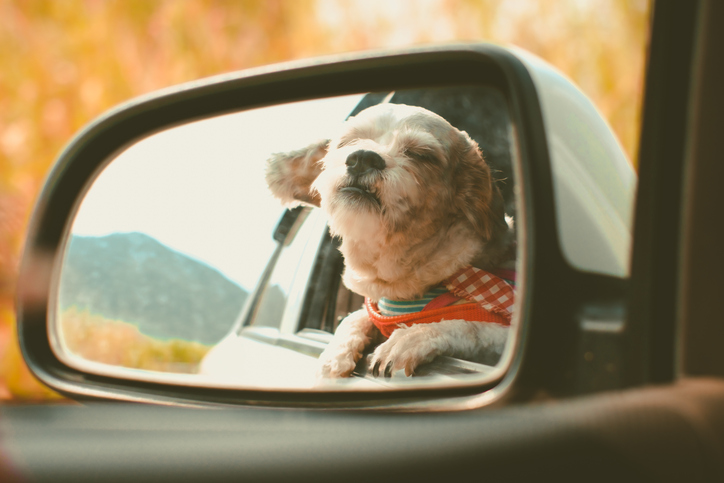
 We’ve all seen a dog with its head sticking out of a moving vehicle, ears and tongue flapping in the wind.  But that’s simply not safe for them, as their face could violently impact a solid object.  Riding in a pickup truck bed is also not safe, and thousands of dogs are injured annually from falls when doing so.

Pack a travel kit for your pet

Especially on longer road trips, bring along a bowl, leash, food, pooper scooper, disposal bags, bottled water, their medications, grooming supplies, and any vaccination records if traveling across state lines.  Having your dog’s favorite toy, blanket or pillow along will also calm them down.  

Don’t leave your dog in the car very long

Summertime temperatures inside your car can exceed 120 degrees, and during the winter your vehicle’s interior can become an icebox within minutes.  Leaving your dog in these conditions can cause serious harm and even death.  If you have to leave your pet in the car for just a few minutes, keep it running and have someone you trust stay with them.  Unattended dogs are also targets for pet thieves and walk-by harassers.

Beware of “car phobia”

 Some dogs experience travel anxiety when in the car, so monitor your pet for symptoms including loud vocalizing, excessive panting, and pacing nervously.  Anxiety can lead to full-blown panic, so if your dog suffers from “car phobia” talk to your vet about a safe traveling sedative they can take prior to embarking on the trip.  A licensed dog trainer can also work with your pet to manage their travel anxiety.

In the end, using these proven methods should result in a safer, healthier and more enjoyable trip for you and your loveable companion!

When Accidents Happen Find a Body Shop Nearby

Even when using the safe driving tips mentioned above, accidents happen.  When they do, rest assured that a reliable auto body shop nearby can expertly repair the damage, and get you and your pet back on the road again in no time.  They have the know-how, training and equipment to restore your car’s appearance and performance like-new using a seamless process that’s prompt, dependable and stress-free.  Collision repair shop professionals will also work directly with your insurance company so that you don’t have to.  To quickly search your zip code for a better auto body shop in your area, visit: www.carwise.com now.

Read More
The Role Human Error Plays in Car Accidents 

The Role Human Error Plays in Car Accidents 

According to the National Safety Council (NSC), over 40,000 Americans died in motor vehicle accidents last year.  Over two million others were injured, and the estimated economic impact from car crashes now exceeds $300 billion annually; not to mention the long-term pain, suffering and legal bills for all parties involved.  Insurance companies typically pick up the tab for most accidents, and that ultimately means higher insurance rates for everyone.  And according to insurance industry insiders, the common thread that’s found within most car wrecks each year is us.  That’s right- it seems that most accidents are due to human error, and are therefore quite preventable.  So in an effort to make us all into safer and more responsible drivers, here are some of the most common reasons for car accidents, along with the role that human error plays in each.

Distracted Driving

Diverting your attention away from the road while driving, also known as “distracted driving”, is the largest cause of car accidents annually.  That happens when we text, eat, read or apply makeup while operating our vehicles.  So please don’t do any of those, and remember to only talk on your cell phone when it’s hands-free.

Speeding

There’s an old saying that “speed kills”.  Many of us exceed the posted speed limits while driving, but keep in mind that speeding is the second most common cause of car accidents every year.  For one, the faster you’re traveling the harder it is to stop or swerve your vehicle to avoid a hazard.  So the next time you’re tempted to drive with a “lead foot”, think twice about the consequences.

Drunk and Drugged Driving

Causing an accident while driving under the influence of alcohol, prescription, or recreational drugs is not only common, it’s the number one reason for fatal wrecks on our nation’s roadways every year.  When you’re impaired by these substances, give your car keys to someone who’s not, or call a taxi or ride-sharing service before you climb behind the wheel.

Reckless Driving

Excessively exceeding the posted speed limit, tailgating, and weaving in and out of traffic are all types of reckless driving, and can cause horrific and oftentimes fatal crashes.  “Road rage” also quite commonly leads to reckless driving.  Don’t engage in these kinds of activities, and instead take your time and remain calm while driving to arrive safely at your destination.

Driving at Night

Nearly twice as many car wrecks happen at night than during daylight hours due to poorly lit roads combined with the fact a lot of drivers can’t see as well in the dark.  As a result, it’s harder to pick up potential road hazards, or for other drivers to see your vehicle.  Drive slower at night, use your headlights between sundown and sunrise, and don’t drive after dark if you have poor night vision.

Running Red Lights and Stop Signs

Red means “stop” when you are approaching an intersection.  But how many times have you seen a car run a red light or stop sign and nearly cause a serious wreck?  Disregarding traffic signals because of distracted driving or just being in too big of a hurry is a major cause of rollover and side impact car accidents every year.  Reduce your speed when approaching intersections, stay focused on the road ahead of you, and stop when you see red.

Wet Roads

Water on the road means slicker driving conditions and slower braking times, whether it’s rain, sleet, snow or ice.  Slow down when the pavement is wet, or avoid driving altogether when precipitation makes the road exceedingly unsafe.  And always drive with your headlights on when water is falling in any form.

Five Good Driving Habits to Prevent Accidents

There are many kinds of bad driving habits that can lead to auto accidents, including distracted driving. But there may be something less obvious that you are doing (or not doing) that can put you at risk. Here are five tips that will help keep you out of the auto body shop:

AVOID CELL PHONE USE WHILE DRIVING

Studies suggest that talking on a cell phone roughly quadruples a person’s risk of being involved in a crash. Other studies have shown that driving while using a cell phone, be it handheld or hands-free, may impair a driver’s reaction equally as a blood alcohol content of .08.

ADJUST YOUR CAR MIRRORS

Most of us think that the best way to position your car’s side mirrors is to angle them to display the flank of the car and the road behind it. However, safety experts say that side mirrors should be positioned so that no part of your car appears in them. They should slightly overlap the field of view of view in the center-mounted rearview mirror. Adjusting your mirrors this way can negate blind spots that require you to turn your head when changing lanes.

AVOID DRIVING IN A HOT CAR

The discomfort you feel when you get into a hot car that’s been parked in the sun can be a distraction while driving. A quick and simple way to cool down your car is to first roll down one of the windows all the way down, then walk to the other side of the car and open and close the door five to ten times. This creates a circulation of air flow that forces the trapped hot air out of the car and can actually help drop the inside temperature as much as 10 degrees.

KEEP YOUR KEYCHAIN LIGHT

Keyed ignitions are fragile, and when too much weight is put onto the key inside, it pulls downward and can wear out your ignition switch. The function of the ignition switch is not only to start the car but also to maintain the electrical circuit. If the switch fails while you are driving, your whole car can shut off and might cause an accident.

AVOID EATING OR DRINKING WHILE DRIVING

Eating and drinking can cause you to take your eyes off the road, your hands off the wheel, or distract your mind away from driving. You can become especially distracted if you spill or drop food, and one-handed driving means less control of the steering wheel.

When Accidents Happen Body Shops Stand Ready

No matter how careful you are on the road car accidents can still happen.  When you’re involved in one, take your vehicle into a reliable body shop nearby and they’ll promptly get you back on the road again.  Most collision repair shops work directly with insurance companies so that you don’t have to, and their technicians have the expertise and know-how to restore your car, and your peace-of-mind, like new again.  To search your zip code now for a better auto body shop in your area, visit: www.carwise.com.
Sources
AAA Foundation
stoptextsstopwrecks.org

Read More
Is Custom Window Tinting Right for Your Car?

Is Custom Window Tinting Right for Your Car?

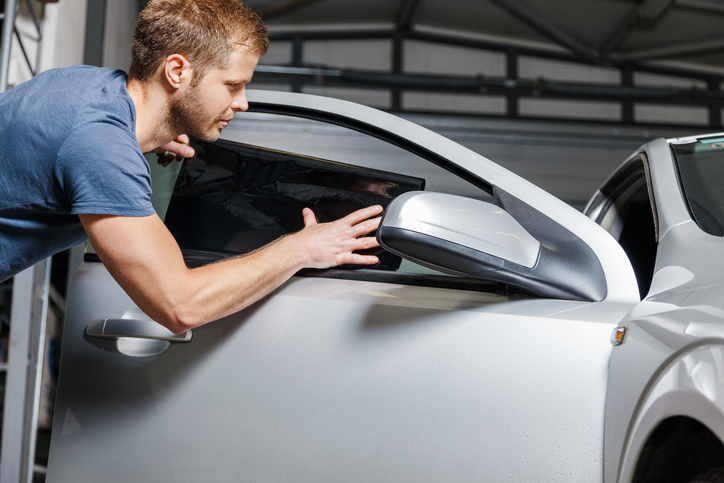
How many times have you gotten into your car on a hot summer’s day after it’s been sitting for several hours and it felt like a sauna?  In addition to making you feel like a boiling lobster, the sun’s heat and powerful UV rays can also crack and fade your vehicle’s seats, dash and other upholstery features.   A relatively inexpensive way to keep your car cooler is to have the windows custom tinted, an aftermarket service that most auto body shops provide.  And if you stop by a local shop looking for a quote, don’t be surprised if the shop manager asks you several questions in return about your tinting goals.  That’s because custom window tinting comes in a menu of colors, protection levels and tint types that can be specifically tailored to your individual needs.  But before all that, you’ll need to decide if custom window tinting is right for your vehicle in the first place.

Benefits of Custom Window Tinting

If you are considering aftermarket custom window tinting for your vehicle, here are some of the benefits that it provides:

  • Sunlight heat protection. Studies have found that window tinting can lower your car’s interior temperature by nearly 30%.  That’s not only more comfortable, but it also means using the A/C less during the summer, which improves your fuel economy.
  • Blocks UV rays. Intense UV rays can harm you and your vehicle’s interior.  Window tinting forms a barrier that blocks up to 99% of those damaging rays from penetrating into your car.  Not only is that safer for you and your passengers, but your interior will look newer and last longer, while boosting your vehicle’s resale value.
  • Reduces “smash and grabs”. Notably when you park your car in high crime areas, not being able to see your valuables inside will make it less likely for potential “smash and grab” thieves to target you.
  • Enhanced accident safety. Upon impact, rear and side windows can shatter into small pieces that have the potential to injure you and your passengers.  Tinting helps hold the glass shards together, reducing the likelihood those fragments will do harm.

Custom Window Tinting Options

To start with, you’ll need to choose a tint color.  Black is the most popular, as it never goes out of style and works well with all paint jobs.  In addition, bronze and amber are also common color choice options.  Next, you’ll be asked to choose a shade on a scale from 5%, which blocks out the most sunlight, to 50%, which inhibits the least.  This is referred to by body shop technicians as the “visible light transmission”, or VLT, rate.  Before choosing your shade level, always refer to your state’s DMV window tinting standards for windshields, side and rear windows, as they vary.  With that said, these are the types of custom tinting that are available:

  • Dyed film tint: This is the most popular form of aftermarket tinting, and uses a thin polymer film that is custom-shaded with dyes based upon your preferences.  Consumers can also choose between flat, reflective, metallic or mirrored film tint looks.  Dyed film tinting is the least-expensive method, and will last about 5 years before you could see some cracking, peeling or discoloration.
  • Ceramic film tint: A little more expensive than basic film tinting, this process does not use dyes and won’t change color over time.  Ceramic tinting also acts as a more efficient barrier against heat and glare than does a base film. 
  • Metallic window films: The materials used in this process contain tiny metal particles that reflect the sun’s heat and UV rays very effectively away from your windows.  However, some drivers have found that metallic film tinting disrupts GPS, radio, WiFi and cell phone signals.
  • Coating tint: As the name implies, a special solution is sprayed on your windows and dries as a protective coating.  However, most body shops don’t provide this service because it requires removing the entire window before applying.  Glass specialty shops are your best bet for coating tints, and it will cost more than the other processes.  The upside is that coating tint will last longer when compared to other tinting methods.

Custom window tinting usually takes 24 to 48 hours to complete at a body shop, and the average cost will be $100 to $600, depending upon the number of windows you want tinted, the type of tint used, and size of vehicle you have.

Local Body Shops Do Custom Window Tinting 

When you’ve finally made the decision to get your car windows custom-tinted, auto body shops in your area have the top-quality products, training and experience to get the job done right.  The qualified technicians there will be happy to explain the various aftermarket tinting options available, and provide you with additional information like the manufacturer’s warranty and your state’s DMV tinting standards.  To search your zip code for a reliable auto body shop in your area that does expert custom window tinting, visit: www.carwise.com now.


Read More
How to Make Your Car Smell Great Again

How to Make Your Car Smell Great Again

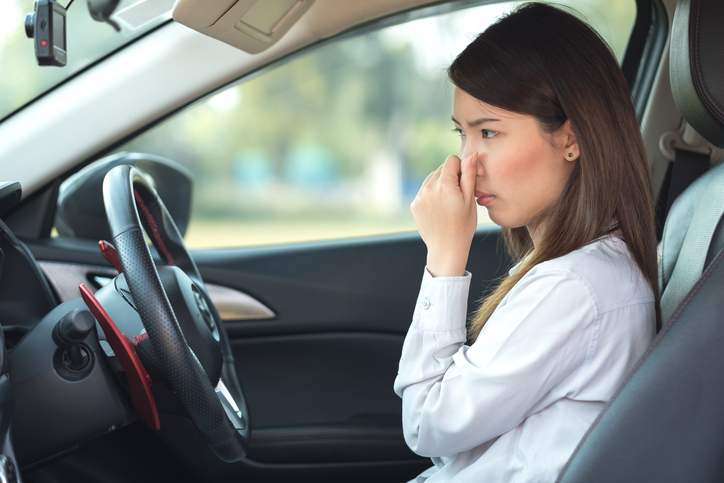
There are few things more disgusting than getting in your sealed up car after it’s been sitting all day and it smells like a trash dumpster.  And when you’re driving around passengers that odor’s not only embarrassing, it can make you all feel downright nauseous.  Mold, mildew, cigarette smoke, old food, dirty clothes and pet scents can all insidiously combine to fill your vehicle’s interior with lingering odors that won’t go away no matter how hard you try.  Driving around with the windows down or hanging one of those little pine trees from your rearview mirror might help temporarily, but they won’t get to the root of your odor problems.  What follows are several proven ways to get your car smelling great again using common everyday household items.

Dryer Sheets

That’s right, not only do dryer sheets keep your clothes smelling better, but they can also be used to eliminate car odors.  Simply open a new box of dryer sheets and place it under your front seat to make the cabin air smell refreshed.  For a slower release of the scent, keep the box sealed and punch a couple of holes in its top and sides.

Scented Candles

Who doesn’t love the smell of lit scented candles around their home?  When you’re trying to make your car smell better place a few smaller unlit scented candles underneath the front seats.  Tea light or votive-sized candles work well, and come in hundreds of fragrances for your enjoyment.  Avoid using candles that come in jars, as you won’t be able to smell those.

Baking Soda           

Grab that box of baking soda off your kitchen shelf and generously sprinkle some around the inside of your car.  Get all of the upholstery including the seats, carpeting and floor mats.  Baking soda absorbs odors, including musty cigarette smoke, from all around your car’s interior.  Let the baking soda sit for 3 to 4 hours after applying, and then carefully vacuum it all out to get your car smelling fresh again.

Vinegar and Water

Another household odor eliminator is vinegar and water.  Using a clean spray bottle, mix up a 50/50 solution of white vinegar and water, and then spray down the seats with it, one at a time.  After applying the mixture to the first seat, immediately wipe it down with a lint-free cloth.  Repeat this process for the other seats, and then the dash, carpeting, floor mats, roof liner, and rest of the upholstery.  You may notice a slight vinegar smell for a few days, but when that’s gone the unpleasant odors should be too!

Wash the Floor Mats with Dish Soap

Most drivers remember to vacuum their floor mats when cleaning out the inside of their cars,  but to truly eliminate nasty odors trapped in the material you need to wash the mats with a brush, water and dish soap.  Give your mats a good scrubbing with the soapy water after vacuuming them off first.  Then rinse the mats with water from a garden hose or power washer.  Allow the mats to air-dry by hanging them over a railing or on a clothesline.

Keep Your Car Deodorized   

Once you’ve initially removed the bad odors, in addition to dryer sheets and scented candles, there are other deodorizers that you can use to keep the obnoxious smells from coming back.  Those include:

  • Charcoal’s important when it’s time to grill out, but placing a couple of lumps under the driver or passenger seat of your car also works well as a deodorizer.
  • Orange peels. Eating oranges is healthy for us, and scattering a few orange peels under your front seats will also keep your car smelling healthier too!
  • Ground coffee beans. These act as an effective deodorizer when placed in an old sock, or inside a glass jar with a plastic lid that you’ve poked some holes in.  Then put the sock or jar in your glove box or under one of the front seats.

Get it Detailed at a Local Body Shop

When your car smells like a trash dumpster on the inside it’s no fun for you or your passengers.  If you don’t have time to use the odor-eliminating tips mentioned above, bring it to a local auto body shop instead for some expert interior detailing, and they’ll get it looking and smelling like-new again fast.  Body shop pros have the experience and know-how to get the job done right, while restoring your peace-of-mind.  Could the outside of your vehicle also use some expert detailing?  No problem, as body shops also provide top-quality exterior detailing services that are affordable and dependable.  For more information on the reliable auto detailing services that collision repair shops provide, or to search your zip code for a better auto body shop in your area, visit: www.carwise.com now.

Read More
1 13 14 15 16 17 21