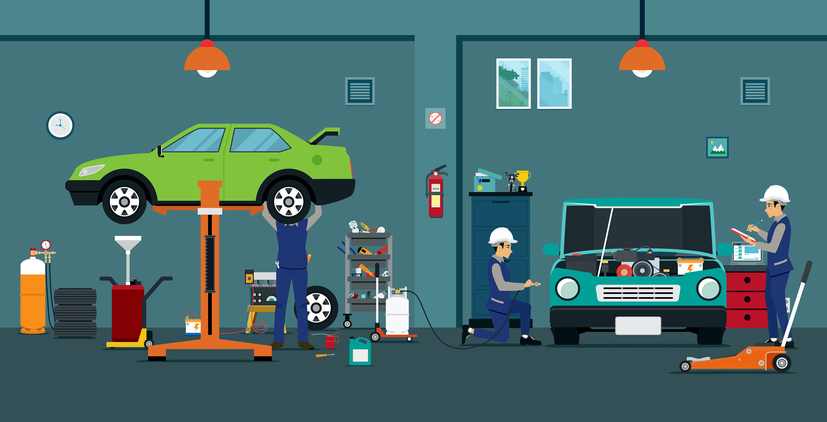
Collision Repair Shops Nearby are Myth-Busters

Don’t Be Fooled by these 4 Collision Repair Myths

The period right after you’re involved in a car accident can be confusing and stressful, especially when it’s your first one.  And within a short amount of time you’ll be asked to make some important decisions about your damaged vehicle’s collision repairs.  Unfortunately, there are a lot of myths floating around that can influence where and how you have your car repaired.  As a car owner, it’s important to know the truth when it comes to getting your vehicle’s appearance and performance promptly and reliably restored like new again.  To keep you from getting fooled, here are responses to 4 of the more common collision repair myths out there.

  1. You Must Use a Shop Your Insurance Company Chooses

As an insured driver, you have the legal right to pick any body shop that you want.  Insurance companies would prefer that you go to a less-expensive one, and most providers have agreements with specific shops in a given area to lower repair costs and speed up the process.  But insurance adjusters know that you still can take your car to a body shop of your choosing, and they will honor your decision while covering any accident-related repair costs.

  1. Only a Dealer Can Repair Your Car Right  

Misconception number two is that only a dealership that sells the same vehicle make (Ford, Chevy, etc.) as yours has the ability and original (OEM) parts to fix your car the right way.  That’s just simply not true.  Non-dealer-affiliated collision repair shops can order the same parts and their technicians have the training, equipment and experience to work on all makes and models of vehicles… including yours.

  1. A Damaged Frame Can’t Be Repaired

Even minor fender benders can cause frame damage, so if this myth were true cars would be getting totaled out by insurance companies all the time.  If the frame was bent but not structurally weakened, it can probably be fixed.  In fact, many newer vehicles have unibody frames which are routinely repairable.  Your best bet is to have your frame inspected at a body shop to assess the damage and then they will repair it if can be done so safely.

  1. Insurance Pays for All the Repairs

This final myth is one that many car owners fall for, as it depends completely upon your insurance policy’s terms.  That’s why you should always read your policy over carefully, notably when your insurer has made changes.  If the wreck was your fault, you’ll have to pay a specified deductible up front when picking up your repaired vehicle.  If another driver was responsible, their insurance company should pay all your accident-related repair bills.  For example, “collision” coverage under a policy pays for repairs resulting from the accident, but nothing that existed prior to it.  “Liability only” policies will take care of the other person’s car if you caused the accident, but not cover your repairs.

Collision Repair Shops Nearby are Myth-Busters  

When you’re involved in an accident, don’t fall victim to some of the collision repair myths out there.  Bring it to a reliable collision repair shop in your area instead, where the shop manager can expertly answer your questions about any potential repairs, and what to expect when dealing with your insurance company.  In fact, most body shops work directly with insurance adjusters so that you don’t have to.  Local body shop technicians have the training, experience and equipment to repair your vehicle in a prompt and dependable fashion while getting you safely back on the road again.  And having your car restored right the first time will save you time and money later.  To search your zip code for the best collision repair shops in your area, visit: www.carwise.com now.

Read More
5 Steps to Take After Witnessing a Car Accident

5 Steps to Take After Witnessing a Car Accident

You’re driving home on a busy road after work one day approaching a traffic light.  Just before you reach the intersection you see an auto accident unfold right before your eyes.  What should you do?  It’s been a long day and your first instinct is to drive away and ignore what you saw.  But then you consider how you’d feel if the tables were turned and you were one of the shaken drivers still strapped inside your freshly-damaged vehicle.  So as a good citizen you decide to stop your car and lend assistance.  But doing the wrong thing when you’re at a crash scene can actually make the situation worse for all parties involved, and even endanger you.  On the positive side, there are some actions you can take that will help ensure the victims’ safety, and that the authorities have the information they need.  Based upon the advice of insurance industry experts, here are some key steps to take after witnessing a car accident.

  1. Get Yourself out of Harm’s Way

All around the damaged vehicles could be broken glass, coolant, metal debris and leaking fuel.  There will also be passing cars to contend with.  To protect yourself from danger, pull your car to the side of the road at least 100 feet from the accident scene, and turn on your hazard lights.  Make sure that your vehicle is well away from moving traffic.

  1. Dial 911 and Provide Details

Never assume that another party called 911, and especially if one or more vehicles is on fire.  Call 911 immediately and tell the operator you’ve witness an accident, the location, number of vehicles and persons involved, possible injuries, and any other useful information.

  1. Calmly Check the Victims

Remaining calm, walk over to the vehicles and check on the victims.  Look for small children and infants in the back seat.  Calmly ask the drivers to place their cars in “park” and to turn off the ignition.  Don’t play judge regarding who’s at fault, but rather focus on the initial safety of all parties involved.  If there’s an immediate fire risk try to get the victims out of harm’s way.  Otherwise, never attempt to move an injured person, but instead comfort and reassure them until trained medical personnel arrive.

  1. Talk to the Police

Once the police arrive at the scene, let them know you are a witness and provide them with honest, relevant details about what you observed leading up to the accident.  Do not mention anything about who might have been at-fault to the involved drivers, as there could be backlash directed towards you later.  Instead, give the police those details so that they can conduct an accurate investigation.  They will also want your name and contact information.  If you have specifics that would benefit the medical personnel at the scene, let them know as well.  Always remember to tell the truth based upon what you saw.

  1. Make Yourself Available Later

Even after your leave the accident scene, you could be contacted later for a statement by medical authorities, insurance adjusters or police officers.  Always honestly and factually relate what you observed to the best of your ability.  In the end, rest assured that you did the right thing as a responsible witness, and that someday someone might repay the favor for you!

Body Shops Nearby Repair Accident Damage

When you’re involved in a car accident it’s stressful.  The first step is to ensure that you and your passengers get the medical attention you need.  After that’s done, bring your vehicle to a reliable auto body shop in your area and they’ll fix the collision damage expertly and promptly, while restoring your peace-of-mind.  Body shop technicians have the experience, know-how and training to get your car looking and performing like new again, and quickly get you safely back on the road.  To search your zip code now for a better collision repair shop in your area, visit: www.carwise.com.

Read More
Driving with Dogs - Car Safety

Safe Driving Tips when Traveling with a Dog

Many dog owners enjoy bringing their pets along in the car when they travel, whether it’s a short trip to the store or a cross-country adventure.  But driving around with your dog can sometimes be dangerous for both of you.   A loose animal inside the passenger compartment can distract your eyes from the road, causing an accident.  Small dogs roaming around on the floor can disrupt your ability to operate the foot pedals, and larger animals can inadvertently knock your shifter out of gear or interfere with your steering.  And then you have the issue of keeping your loveable pet safe when the vehicle’s moving, or if you need to leave them unattended for a while when it’s not.  Traveling with a dog in your car can be complicated at times- especially on longer trips- and the key is careful planning before you hit the road.  In an effort to make it a safer experience for you both, here are some reliable driving tips to use when traveling with a dog.

Use Restraint

Before heading out, the first thing you should do is ensure that your furry friend has a safe and comfortable area to ride in which will also keep them from interfering with your driving, and protect your dog in an accident.  Here are some pet restraining methods to use:

Place them in a well-ventilated crate or carrier

Make sure it has enough room for your pet to stand, sit, lie down and turn around.  Secure the crate itself so that it won’t slide around if you turn sharply or stop abruptly.  Crates also work well for cats.


Secure them in a harness

These are basically seat belts for dogs, and are designed to attach to the ones in your car.  Always harness your pooch to a back seat, as air bag deployments can cause serious injury- or even worse- to an animal.


Set up a doggie barrier

These can be purchased at pet stores or online, and are adjustable gates that fit most all vehicle types.  Commercially-sold pet barriers also allow your dog to still see you so that they won’t panic.  

Ensure Your Pet’s Wellbeing

Now that you’ve figured out how to transport your dog safely so that you can focus your attention on the road, it’s time to consider their wellbeing throughout the trip.  To keep your pet safer, remember to follow these tips:

Keep their heads inside the car

 We’ve all seen a dog with its head sticking out of a moving vehicle, ears and tongue flapping in the wind.  But that’s simply not safe for them, as their face could violently impact a solid object.  Riding in a pickup truck bed is also not safe, and thousands of dogs are injured annually from falls when doing so.


Pack a travel kit for your pet

Especially on longer road trips, bring along a bowl, leash, food, pooper scooper, disposal bags, bottled water, their medications, grooming supplies, and any vaccination records if traveling across state lines.  Having your dog’s favorite toy, blanket or pillow along will also calm them down.  


Don’t leave your dog in the car very long

Summertime temperatures inside your car can exceed 120 degrees, and during the winter your vehicle’s interior can become an icebox within minutes.  Leaving your dog in these conditions can cause serious harm and even death.  If you have to leave your pet in the car for just a few minutes, keep it running and have someone you trust stay with them.  Unattended dogs are also targets for pet thieves and walk-by harassers.


Beware of “car phobia”

 Some dogs experience travel anxiety when in the car, so monitor your pet for symptoms including loud vocalizing, excessive panting, and pacing nervously.  Anxiety can lead to full-blown panic, so if your dog suffers from “car phobia” talk to your vet about a safe traveling sedative they can take prior to embarking on the trip.  A licensed dog trainer can also work with your pet to manage their travel anxiety.

In the end, using these proven methods should result in a safer, healthier and more enjoyable trip for you and your loveable companion!

When Accidents Happen Find a Body Shop Nearby

Even when using the safe driving tips mentioned above, accidents happen.  When they do, rest assured that a reliable auto body shop nearby can expertly repair the damage, and get you and your pet back on the road again in no time.  They have the know-how, training and equipment to restore your car’s appearance and performance like-new using a seamless process that’s prompt, dependable and stress-free.  Collision repair shop professionals will also work directly with your insurance company so that you don’t have to.  To quickly search your zip code for a better auto body shop in your area, visit: www.carwise.com now.


Read More
Human Error in Car Accidents

The Role Human Error Plays in Car Accidents 

According to the National Safety Council (NSC), over 40,000 Americans died in motor vehicle accidents last year.  Over two million others were injured, and the estimated economic impact from car crashes now exceeds $300 billion annually; not to mention the long-term pain, suffering and legal bills for all parties involved.  Insurance companies typically pick up the tab for most accidents, and that ultimately means higher insurance rates for everyone.  And according to insurance industry insiders, the common thread that’s found within most car wrecks each year is us.  That’s right- it seems that most accidents are due to human error, and are therefore quite preventable.  So in an effort to make us all into safer and more responsible drivers, here are some of the most common reasons for car accidents, along with the role that human error plays in each.

Distracted Driving

Diverting your attention away from the road while driving, also known as “distracted driving”, is the largest cause of car accidents annually.  That happens when we text, eat, read or apply makeup while operating our vehicles.  So please don’t do any of those, and remember to only talk on your cell phone when it’s hands-free.

Speeding

There’s an old saying that “speed kills”.  Many of us exceed the posted speed limits while driving, but keep in mind that speeding is the second most common cause of car accidents every year.  For one, the faster you’re traveling the harder it is to stop or swerve your vehicle to avoid a hazard.  So the next time you’re tempted to drive with a “lead foot”, think twice about the consequences.

Drunk and Drugged Driving

Causing an accident while driving under the influence of alcohol, prescription, or recreational drugs is not only common, it’s the number one reason for fatal wrecks on our nation’s roadways every year.  When you’re impaired by these substances, give your car keys to someone who’s not, or call a taxi or ride-sharing service before you climb behind the wheel.

Reckless Driving

Excessively exceeding the posted speed limit, tailgating, and weaving in and out of traffic are all types of reckless driving, and can cause horrific and oftentimes fatal crashes.  “Road rage” also quite commonly leads to reckless driving.  Don’t engage in these kinds of activities, and instead take your time and remain calm while driving to arrive safely at your destination.

Driving at Night

Nearly twice as many car wrecks happen at night than during daylight hours due to poorly lit roads combined with the fact a lot of drivers can’t see as well in the dark.  As a result, it’s harder to pick up potential road hazards, or for other drivers to see your vehicle.  Drive slower at night, use your headlights between sundown and sunrise, and don’t drive after dark if you have poor night vision.

Running Red Lights and Stop Signs

Red means “stop” when you are approaching an intersection.  But how many times have you seen a car run a red light or stop sign and nearly cause a serious wreck?  Disregarding traffic signals because of distracted driving or just being in too big of a hurry is a major cause of rollover and side impact car accidents every year.  Reduce your speed when approaching intersections, stay focused on the road ahead of you, and stop when you see red.

Wet Roads

Water on the road means slicker driving conditions and slower braking times, whether it’s rain, sleet, snow or ice.  Slow down when the pavement is wet, or avoid driving altogether when precipitation makes the road exceedingly unsafe.  And always drive with your headlights on when water is falling in any form.

Five Good Driving Habits to Prevent Accidents

There are many kinds of bad driving habits that can lead to auto accidents, including distracted driving. But there may be something less obvious that you are doing (or not doing) that can put you at risk. Here are five tips that will help keep you out of the auto body shop:

AVOID CELL PHONE USE WHILE DRIVING

Studies suggest that talking on a cell phone roughly quadruples a person’s risk of being involved in a crash. Other studies have shown that driving while using a cell phone, be it handheld or hands-free, may impair a driver’s reaction equally as a blood alcohol content of .08.

ADJUST YOUR CAR MIRRORS

Most of us think that the best way to position your car’s side mirrors is to angle them to display the flank of the car and the road behind it. However, safety experts say that side mirrors should be positioned so that no part of your car appears in them. They should slightly overlap the field of view of view in the center-mounted rearview mirror. Adjusting your mirrors this way can negate blind spots that require you to turn your head when changing lanes.

AVOID DRIVING IN A HOT CAR

The discomfort you feel when you get into a hot car that’s been parked in the sun can be a distraction while driving. A quick and simple way to cool down your car is to first roll down one of the windows all the way down, then walk to the other side of the car and open and close the door five to ten times. This creates a circulation of air flow that forces the trapped hot air out of the car and can actually help drop the inside temperature as much as 10 degrees.

KEEP YOUR KEYCHAIN LIGHT

Keyed ignitions are fragile, and when too much weight is put onto the key inside, it pulls downward and can wear out your ignition switch. The function of the ignition switch is not only to start the car but also to maintain the electrical circuit. If the switch fails while you are driving, your whole car can shut off and might cause an accident.

AVOID EATING OR DRINKING WHILE DRIVING

Eating and drinking can cause you to take your eyes off the road, your hands off the wheel, or distract your mind away from driving. You can become especially distracted if you spill or drop food, and one-handed driving means less control of the steering wheel.


When Accidents Happen Body Shops Stand Ready

No matter how careful you are on the road car accidents can still happen.  When you’re involved in one, take your vehicle into a reliable body shop nearby and they’ll promptly get you back on the road again.  Most collision repair shops work directly with insurance companies so that you don’t have to, and their technicians have the expertise and know-how to restore your car, and your peace-of-mind, like new again.  To search your zip code now for a better auto body shop in your area, visit: www.carwise.com.

Sources
AAA Foundation
stoptextsstopwrecks.org

Read More
Custom Window Tinting - Carwise

Is Custom Window Tinting Right for Your Car?

How many times have you gotten into your car on a hot summer’s day after it’s been sitting for several hours and it felt like a sauna?  In addition to making you feel like a boiling lobster, the sun’s heat and powerful UV rays can also crack and fade your vehicle’s seats, dash and other upholstery features.   A relatively inexpensive way to keep your car cooler is to have the windows custom tinted, an aftermarket service that most auto body shops provide.  And if you stop by a local shop looking for a quote, don’t be surprised if the shop manager asks you several questions in return about your tinting goals.  That’s because custom window tinting comes in a menu of colors, protection levels and tint types that can be specifically tailored to your individual needs.  But before all that, you’ll need to decide if custom window tinting is right for your vehicle in the first place.

Benefits of Custom Window Tinting

If you are considering aftermarket custom window tinting for your vehicle, here are some of the benefits that it provides:

  • Sunlight heat protection. Studies have found that window tinting can lower your car’s interior temperature by nearly 30%.  That’s not only more comfortable, but it also means using the A/C less during the summer, which improves your fuel economy.
  • Blocks UV rays. Intense UV rays can harm you and your vehicle’s interior.  Window tinting forms a barrier that blocks up to 99% of those damaging rays from penetrating into your car.  Not only is that safer for you and your passengers, but your interior will look newer and last longer, while boosting your vehicle’s resale value.
  • Reduces “smash and grabs”. Notably when you park your car in high crime areas, not being able to see your valuables inside will make it less likely for potential “smash and grab” thieves to target you.
  • Enhanced accident safety. Upon impact, rear and side windows can shatter into small pieces that have the potential to injure you and your passengers.  Tinting helps hold the glass shards together, reducing the likelihood those fragments will do harm.

Custom Window Tinting Options

To start with, you’ll need to choose a tint color.  Black is the most popular, as it never goes out of style and works well with all paint jobs.  In addition, bronze and amber are also common color choice options.  Next, you’ll be asked to choose a shade on a scale from 5%, which blocks out the most sunlight, to 50%, which inhibits the least.  This is referred to by body shop technicians as the “visible light transmission”, or VLT, rate.  Before choosing your shade level, always refer to your state’s DMV window tinting standards for windshields, side and rear windows, as they vary.  With that said, these are the types of custom tinting that are available:

  • Dyed film tint: This is the most popular form of aftermarket tinting, and uses a thin polymer film that is custom-shaded with dyes based upon your preferences.  Consumers can also choose between flat, reflective, metallic or mirrored film tint looks.  Dyed film tinting is the least-expensive method, and will last about 5 years before you could see some cracking, peeling or discoloration.
  • Ceramic film tint: A little more expensive than basic film tinting, this process does not use dyes and won’t change color over time.  Ceramic tinting also acts as a more efficient barrier against heat and glare than does a base film. 
  • Metallic window films: The materials used in this process contain tiny metal particles that reflect the sun’s heat and UV rays very effectively away from your windows.  However, some drivers have found that metallic film tinting disrupts GPS, radio, WiFi and cell phone signals.
  • Coating tint: As the name implies, a special solution is sprayed on your windows and dries as a protective coating.  However, most body shops don’t provide this service because it requires removing the entire window before applying.  Glass specialty shops are your best bet for coating tints, and it will cost more than the other processes.  The upside is that coating tint will last longer when compared to other tinting methods.

Custom window tinting usually takes 24 to 48 hours to complete at a body shop, and the average cost will be $100 to $600, depending upon the number of windows you want tinted, the type of tint used, and size of vehicle you have.

Local Body Shops Do Custom Window Tinting 

When you’ve finally made the decision to get your car windows custom-tinted, auto body shops in your area have the top-quality products, training and experience to get the job done right.  The qualified technicians there will be happy to explain the various aftermarket tinting options available, and provide you with additional information like the manufacturer’s warranty and your state’s DMV tinting standards.  To search your zip code for a reliable auto body shop in your area that does expert custom window tinting, visit: www.carwise.com now.


Read More
Car Smell - How to Make Your Car Smell Great Again

How to Make Your Car Smell Great Again

There are few things more disgusting than getting in your sealed up car after it’s been sitting all day and it smells like a trash dumpster.  And when you’re driving around passengers that odor’s not only embarrassing, it can make you all feel downright nauseous.  Mold, mildew, cigarette smoke, old food, dirty clothes and pet scents can all insidiously combine to fill your vehicle’s interior with lingering odors that won’t go away no matter how hard you try.  Driving around with the windows down or hanging one of those little pine trees from your rearview mirror might help temporarily, but they won’t get to the root of your odor problems.  What follows are several proven ways to get your car smelling great again using common everyday household items.

Dryer Sheets

That’s right, not only do dryer sheets keep your clothes smelling better, but they can also be used to eliminate car odors.  Simply open a new box of dryer sheets and place it under your front seat to make the cabin air smell refreshed.  For a slower release of the scent, keep the box sealed and punch a couple of holes in its top and sides.

Scented Candles

Who doesn’t love the smell of lit scented candles around their home?  When you’re trying to make your car smell better place a few smaller unlit scented candles underneath the front seats.  Tea light or votive-sized candles work well, and come in hundreds of fragrances for your enjoyment.  Avoid using candles that come in jars, as you won’t be able to smell those.

Baking Soda           

Grab that box of baking soda off your kitchen shelf and generously sprinkle some around the inside of your car.  Get all of the upholstery including the seats, carpeting and floor mats.  Baking soda absorbs odors, including musty cigarette smoke, from all around your car’s interior.  Let the baking soda sit for 3 to 4 hours after applying, and then carefully vacuum it all out to get your car smelling fresh again.

Vinegar and Water

Another household odor eliminator is vinegar and water.  Using a clean spray bottle, mix up a 50/50 solution of white vinegar and water, and then spray down the seats with it, one at a time.  After applying the mixture to the first seat, immediately wipe it down with a lint-free cloth.  Repeat this process for the other seats, and then the dash, carpeting, floor mats, roof liner, and rest of the upholstery.  You may notice a slight vinegar smell for a few days, but when that’s gone the unpleasant odors should be too!

Wash the Floor Mats with Dish Soap

Most drivers remember to vacuum their floor mats when cleaning out the inside of their cars,  but to truly eliminate nasty odors trapped in the material you need to wash the mats with a brush, water and dish soap.  Give your mats a good scrubbing with the soapy water after vacuuming them off first.  Then rinse the mats with water from a garden hose or power washer.  Allow the mats to air-dry by hanging them over a railing or on a clothesline.

Keep Your Car Deodorized   

Once you’ve initially removed the bad odors, in addition to dryer sheets and scented candles, there are other deodorizers that you can use to keep the obnoxious smells from coming back.  Those include:

  • Charcoal’s important when it’s time to grill out, but placing a couple of lumps under the driver or passenger seat of your car also works well as a deodorizer.
  • Orange peels. Eating oranges is healthy for us, and scattering a few orange peels under your front seats will also keep your car smelling healthier too!
  • Ground coffee beans. These act as an effective deodorizer when placed in an old sock, or inside a glass jar with a plastic lid that you’ve poked some holes in.  Then put the sock or jar in your glove box or under one of the front seats.

Get it Detailed at a Local Body Shop

When your car smells like a trash dumpster on the inside it’s no fun for you or your passengers.  If you don’t have time to use the odor-eliminating tips mentioned above, bring it to a local auto body shop instead for some expert interior detailing, and they’ll get it looking and smelling like-new again fast.  Body shop pros have the experience and know-how to get the job done right, while restoring your peace-of-mind.  Could the outside of your vehicle also use some expert detailing?  No problem, as body shops also provide top-quality exterior detailing services that are affordable and dependable.  For more information on the reliable auto detailing services that collision repair shops provide, or to search your zip code for a better auto body shop in your area, visit: www.carwise.com now.

Read More
Sun Damage - Auto Body Repair

How to Protect Your Car from Sun Damage

The sun constantly supplies us with warmth, daylight and renewable energy.  But for anyone that has ventured to the beach on a hot July day, you realize just how quickly the sun’s powerful ultraviolet (UV) rays can burn and dehydrate exposed skin.  Not only are our bodies vulnerable to sun damage, your car’s exterior and interior can also experience drying and accelerated aging from the sun’s rays and resulting heat.  If you’re not careful, your vehicle’s once-prized appearance will be marred by fading, cracking, unsightly spots and other permanent reminders of the sun’s strength.  The good news is that there are several proven ways to protect your car from the sun’s harmful rays.  Let’s take a look at some of the more important ones now.

Protecting Your Car’s Interior    

When your car sits outside on an average summer day, its metal shell absorbs the heat and traps hot air inside like an oven.  That heated air can reach 140 degrees or more.  In addition, materials that comprise your car’s interior, like vinyl, plastic and leather, are all susceptible to direct sunlight and will eventually fade, crack and stain due to the sun’s powerful rays.  To help protect your car’s interior, use these tips:

  • Park in the shade. By parking your car out of the direct sunlight, you’ll keep it from overheating and shield your dash and other trim from its powerful rays.  It’s also a good idea to crack your window open slightly, which will help allow heated air to escape to the outside.
  • Deploy sun panels. Car windows act like a magnifying glass which intensifies the sun’s bleaching effects.  Place sun panels inside your windshield, rear and side windows, and their reflective qualities will keep your car’s interior cooler all day long while blocking the sun’s rays from reaching your dash, seats and other exposed areas.
  • Buy seat covers. Depending on the material, seat covers will protect your leather and fabric seats from the sun while also keeping them much cooler to the touch. 
  • Use protectants and conditioners. Numerous commercial products are available that can be used to clean, revitalize and protect interior components from the sun.  If your seats and trim are leather, use a specified conditioner to keep the material moisturized against cracking and fading.
  • Clean out the inside. Dust, dirt particles and food on your dashboard, seats, trim and carpeting can actually get baked into the material, leading to permanent stains.  To prevent that from happening, vacuum out your vehicle frequently, and then wipe down the inside with a clean microfiber cloth and automotive detailing product.

Ways to Protect Your Car’s Exterior

In addition to road dirt and grime, the summer air contains pollen and other air particles floating around.  Bugs and bird droppings also get splattered on your car’s paint.  When exposed to intense heat, all of these can get baked into the finish and cause permanent stains.  The sun’s UV rays can also discolor your car’s once-glossy finish and trim if it isn’t protected properly.  To keep it looking like new, here are some ways to safeguard your vehicle’s exterior from the sun:

  • Wash it often. Wash the outside of your car with a gentle soap and water often, and any time after it’s rained.  This will remove all of the dirt, dust and other paint-damaging materials.  Dry your car immediately after washing with a soft microfiber cloth before the water droplets evaporate and form spots.
  • Wax your car. Once or twice a year after a thorough washing, wax your car with a high-quality product.  Waxing locks in the paint’s oils, and serves as a barrier against the sun’s UV rays.  However, be careful not to apply wax in direct sunlight.  There are also paint protection film products available that work like waxing, while protecting your finish from the elements year-around.  
  • Keep it shaded. Parking your car in the shade will keep your vehicle’s painted finish from being directly targeted by the sun’s punishing rays.  Keep it garaged, under a carport or other shady spot.  If you leave it under a tree, remember to check it for tree sap or bird droppings later and wash them off promptly when found.

Reliable Body Shops Nearby Know Sun Damage   

There are many ways to protect your car’s interior and exterior from the sun’s powerful UV rays.  Experienced collision repair shop technicians understand the sun’s damaging effects.  And when your vehicle has been marred by the sun, better auto body shops know how to repair the damage, inside and out.  So whether you need a fresh paint job, a cracked dash restored, or even a leather seat cover replaced, a local body shop has the reliable, affordable and prompt services you need.  And if you don’t have time to detail your car like you should, collision repair shops also provide high-quality interior and exterior auto detailing services that’ll help protect your car from the sun all year long.  To search your zip code now for a reliable body shop in your area that understands sun damage prevention and repairs, visit: www.carwise.com now.

Read More
Checking your car before school

5 Safe Driving Tips for Summer Vacations

For most Americans Memorial Day represents the de facto start to summer, a time of year chocked full of fun activities including highly-anticipated family vacations.  According to the National Highway Traffic Safety Administration (NHTSA), nearly 90% of us will take to the roads at least once during the summer months for a fun-filled family get-away.  On the downside, the NHTSA points out that more traffic accidents occur in summer than any other season, primarily due to the fact more people are driving.  In addition to congested roads, other summer driving challenges include construction zones, vehicle mechanical failures and nasty weather.  As a result, careful planning to ensure a safer and more enjoyable vacation journey is always important.  To assist your efforts, here are 5 summer vacation safe driving tips to use before hitting the road.

  1. Get Your Vehicle Road-Ready

Prior to embarking on your vacation have a mechanic inspect your vehicle’s brakes, tires, belts, hoses, fluid levels, A/C, transmission and oil.  In the summer heat it’s also important to make sure that your car stays hydrated just like your body.  That means inspecting the radiator, radiator hoses and coolant level.  Right before setting out on your trip also check the following:

  • Tire pressure including the spare
  • Wiper blades
  • Battery strength and cable connections
  • Oil level
  • Look for suspicious fluid leaks underneath the vehicle
  • Headlights, brake lights, turn signals and emergency signals

The last thing you need while transporting your family cross-country is to get stranded alongside the road in the blistering heat.  Instead, make sure that your car is as road-ready as possible.

  1. Plan for Roadside Emergencies

Planning in advance will still never totally eliminate the occasional travel emergency, but you can be ready for anything the road sends your way.  Make sure that your car is stocked with these items:

  • Jumper cables
  • Flashlight
  • Tire tools and a road-ready spare
  • First aid kit
  • Cell phone charger
  • Plenty of water
  • Hazard triangle or road flares

If you are going to be traveling many miles across sparsely-inhabited areas, like a desert, it’s also not a bad idea to pack some non-perishable food items and warm blankets.

  1. Safely Secure Kids and Pets

Any parent who’s gone on a summer car vacation with kids knows that Johnny and Susie oftentimes end up fighting in the back seat.  Insurance industry studies have found that kids and loose pets can be up to 12X more distracting to a driver than a cellphone.  To improve those odds, make sure that your family pets are secure in the vehicle before setting out, and that the kids are comfortably spaced about inside the interior.  Bring along plenty of entertainment items for them like books, games, IPads, movies and music.  And don’t forget to pack lots of healthy snacks and drinks for your family members, including the non-human ones!

  1. Pack Your Car Carefully

When the average family goes on a driving vacation their vehicle is usually stuffed full of personal items, and oftentimes cars get packed in a hurry.  Take time to make sure that the weight is distributed evenly, and that the driver has a clean line-of-sight all around the vehicle.  If you are placing bicycles, kayaks, or other “toys” on the roof rack, know how high those items stick up if you encounter low bridges or tree limbs, along with the weight limit of the rack itself.

  1. Take Regular Driving Breaks

It seems that most men are programmed with the notion that they have to do most of the vacation driving.  Unfortunately, they get fatigued like everyone else, and when that happens the likelihood of an accident goes way up as reaction times and concentration suffer.  On long trips when there’s only one driver in the vehicle, it’s advisable to stop at a rest area and allow them to take a stretch break every 2 to 3 hours.  If other drivers are available, everyone should take turns behind the wheel while others nap or simply relax for a while.  A fresh driver is a safer driver no matter how you slice it!

When You’re Involved in a Summer Accident…     

Even when you use the vacation safe driving tips mentioned above, accidents happen.  When they do, the good news is that a reliable collision repair shop nearby can get your car fixed and promptly back on the road again.  They have the know-how and experience to get the job done right, while restoring your peace-of-mind.  And if after the vacation your car’s interior and exterior could use some expert clean-up, dependable body shops also provide high-quality and affordable auto detailing services that’ll get your car looking like new again, inside and out.  To search your zip code for a better body shop in your area, visit www.carwise.com now.

Read More
Car interior repair - Carwise

How Body Shop Car Interior Repairs Benefit You   

It’s a fact that the average car interior experiences a lot of wear-and-tear.  Pets, kids, sharp objects, mud, food, spilled beverages, and even the sun’s rays all team up to damage your vehicle’s interior.  Body shop technicians collectively refer to a car’s interior features, including the seats, dashboard, steering wheel, carpeting, headliner, consoles, levers, knobs and visors, as its “upholstery”.  When you combine the aforementioned factors with aging, your car’s upholstery is vulnerable to scratches, tears, cracks, stains, fading and scuffs.  But the good news is there are several restorative techniques available that allow car care professionals to revitalize your vehicle’s upholstery, and keep it looking great for many years to come.  Let’s take a look at a few of those now, along with how those interior repairs benefit you.

Interior Repairs Body Shops Provide

Your car’s interior features a wide-variety of materials and fabrics, and each requires a slightly different type of care.  For example, seat covers can be made from natural fabrics, like leather or linen, or synthetic ones such as vinyl or nylon.  Then there are plastic parts constructed from various polymers located throughout the passenger compartment.  When those show signs of wear, here are some of the more common upholstery restorations that body shops provide:

  • Scratches and Scuffs– These can be found on your steering wheel, dash, door panels, consoles and more. Professionals remove these surface blemishes with special cleaners and buffing processes.


  • Carpet Reconditioning– Located on a vehicle’s floor, door panels or in the trunk, automotive carpeting is designed to be very durable and stain-resistant. But yours can still get worn and dirty.  As a result, body shop professionals use special shampoos and extraction methods to target ground in debris and recondition your carpeting like new.


  • Leather Restorations- For anyone who’s owned a vehicle with leather inside, it looks great but has unique care challenges. Leather is used for seat and steering wheel covers, on dashboards, consoles and door panels.  It can get dirty, scratched, cracked and faded, so detailers use special cleaners, brushes and conditioners to revitalize leather.


  • Seat Covers- Seat coverings are crafted from leather, vinyl, cloth, or a combination of those. When they’re stained, ripped, frayed or suffer a burn hole, technicians use various techniques to clean and repair the seat covers, while putting your mind at-ease.


  • Food, Beverage and Pet Stains- Let’s face it, if you have kids or pets you’ll have stains inside your car that are difficult to remove. Lingering odors sometimes accompany those stains which also need to be addressed.  As a result, the pros use stain-dissolving cleaners, along with deodorizers and extraction techniques to get them out.


  • Plastic and Hard Vinyl Cracks- These can be particularly troublesome for a novice to repair, but body shops use special crack fillers and buffing tricks so you can’t even tell that the area’s been fixed.


  • Headliners- Located above the passenger compartment, this area of your upholstery often gets ignored. But headliners can get dirty, torn or start to sag.  Body shops have the equipment to clean your headliner with special shampoo, or repair it if tears or sagging occur.

Industry insiders recommend having your vehicle professionally detailed inside and out at least once a year to stay ahead of some of the upholstery problems listed above.  And that’s a service that most body shops provide.

How Interior Repairs Benefit You 

Getting your car’s interior professionally cleaned and repaired returns the following benefits to you as its owner:

  • Improves your car’s ride comfort
  • Restores its appearance to “like-new” condition
  • Delivers a high return-on-investment by increasing its resale value
  • Interior repairs cost much less than replacements

On occasion, an upholstery component may be simply too damaged to repair.  When that happens, a collision repair shop can affordably replace that part with a new one, and get you confidently on the road again.

Locate a Body Shop in Seconds  

When your car’s interior starts showing signs of aging, take it to a reliable auto body shop nearby and allow them to clean, repair and restore the affected areas affordably and promptly.  If you have some upholstery that needs to be replaced, body shop technicians have the expertise to get the job done right.  Collision repair shops also offer professional detailing services that help protect your car’s interior year-around from wear-and-tear.  In the end, don’t spend another day driving around in a car with an embarrassing interior.  Instead, let an auto body shop in your neighborhood restore your peace-of-mind with some top-quality upholstery repairs.  To quickly search your zip code now for body shops in your area that specialize in expert interior repairs, visit: www.carwise.com.

Read More
Many Benefits of Body Shop Plastic Repairs

The Many Benefits of Body Shop Plastic Repairs

Your car features a lot of plastic parts- many of which you may be unaware of.  In fact, durable plastic polymers are now used for bumpers, body and door panels, trim, light covers, windows, equipment housings and more.  Introduced on cars in the late 1960s, plastic parts reduce a vehicle’s weight while improving its fuel efficiency.  In addition, plastics minimize corrosion, allow for more design creativity and are easier to recycle than metals.  When your car is involved in a collision, naturally some of its plastic parts can get damaged and require repairs.  Newer plastic repair innovations now allow body shops to oftentimes fix and reuse the original part rather than replacing it.  Here’s how those plastic repair benefits play out for you.

You the Driver

When your car’s in the shop after an accident, it’s a hassle to be without it.  For example, let’s say that your plastic bumper was cracked in a minor fender bender and needs to be repaired.  In the past, a replacement bumper would have been ordered, a large batch of paint mixed and applied, and the new part installed.  With the high-tech plastic repairs used today, body shop technicians can oftentimes patch the existing bumper and spot blend a little paint; which means faster turnaround times and lower bills.  That’s important when you are paying out-of-pocket for repairs, and/or have to come up with the cash yourself for a rental car.  The many benefits of plastic repairs for you as a driver include:

  • Faster turnaround time
  • Less stress
  • Increased resale value when original equipment stays on the vehicle
  • Overall higher satisfaction with the repair job

In the end, all of these factors add up to a more seamless and worry-free repair experience for the driver.  But in addition to drivers, who else in the equation benefits from plastic repairs?

Body Shops Nearby Know Plastic Repairs 

When your car’s in the body shop, plastic repairs on original parts in-lieu-of replacements benefits you, the shop and your insurance company.  Reputable collision repair shops in your area have the training, equipment and know-how to make those plastic repairs happen, while restoring your car’s appearance like new.  In the end, you should get your vehicle back faster while enjoying a higher level of overall satisfaction with the repair process.  To search your zip code now for reliable body shops in your area that specialize in plastic repairs, visit: www.carwise.com.

Read More