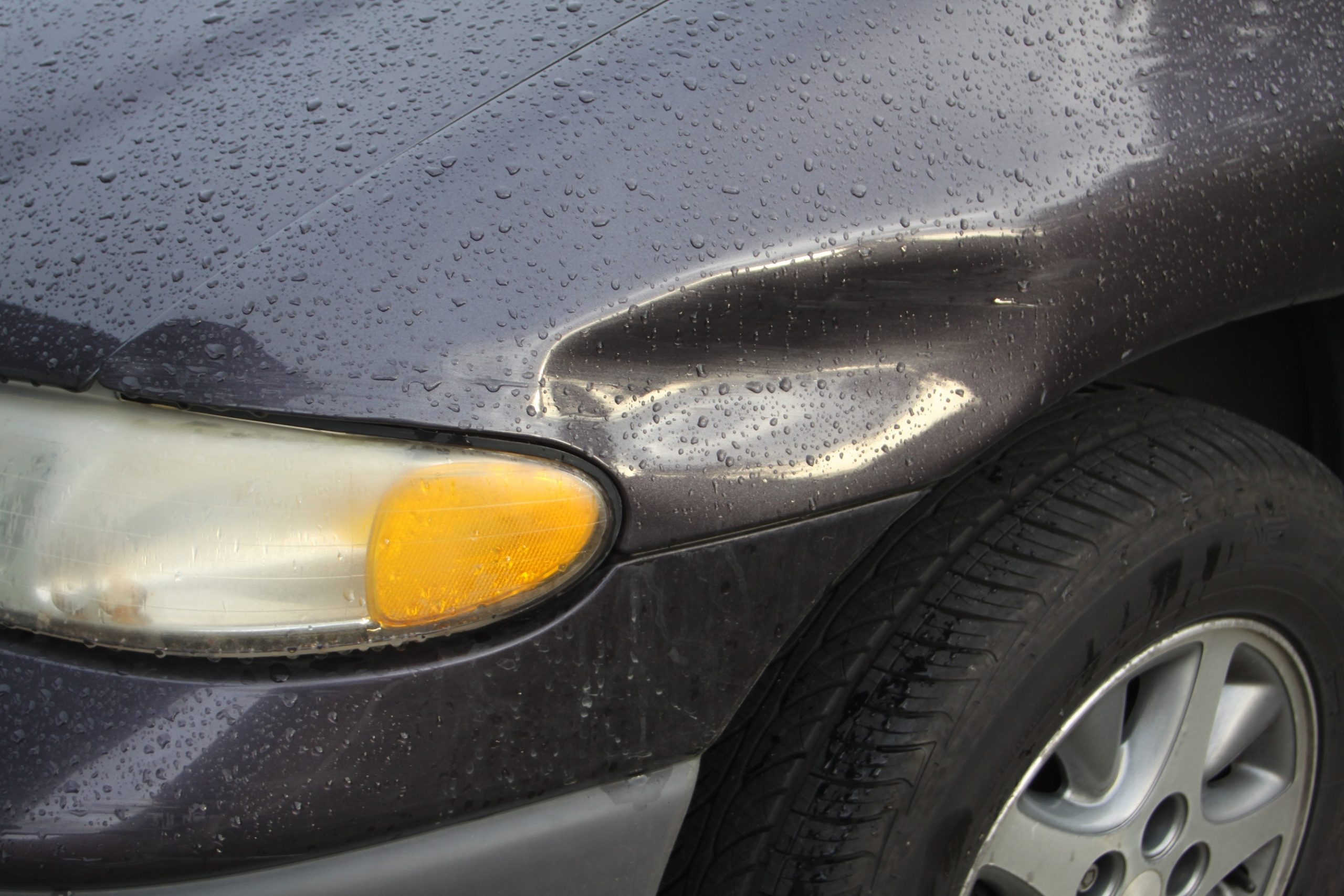
How are Auto Body Repair Shops Going Green?

How Are Auto Body Repair Shops Going Green?

Many of us share a passion for protecting the earth’s environment by using increasingly “green” behaviors and technologies.  Many collision repair shops are also now adopting more eco-friendly processes and materials in an effort to do so.   Here are a few of the green practices now being used at an auto body repair shop near you.

Eco-Friendly Auto Body Paints

In the past, body shops used solvent-based paints and coatings.  Those contain chemicals like xylene, toluene and methyl ethyl ketone which are classified as Volatile Organic Compounds (VOCs).  VOCs are hazardous to humans and contaminate our water and air supplies.  Today, more and more collision repair shops use earth-friendly waterborne paint systems on vehicles.

Water-based paints still provide vibrant colors, meet OEM factory standards, and result in tough acrylic paint finishes that protect well.  Other advantages of green painting methods include:

  • Better air quality for the repair technicians and environment
  • Reduce hazardous waste amounts
  • Lower costs because no additives or hardeners are required

The next time your car needs collision repairs, ask the shop first if they’ve gone green with their painting processes.

Collision Repair Shops are Recycling Parts  

Whenever a vehicle has been involved in an accident, there are parts that need to be replaced, and old ones that must be disposed of.  Decades ago many of those would end up cluttering landfills, while possibly releasing harmful chemicals into the surrounding environment.  Today, auto body shops routinely send used materials to recycling centers, including:

  • Scrap metals like aluminum and steel
  • Plastic bumper covers
  • Batteries
  • Radiators
  • Tires & wheels
  • Glass
  • Paint & paint solvents

These materials are being recycled whenever possible, and then reused again by auto replacement part and paint suppliers.  In the end, the Earth stays healthier.

Other Green Auto Body Repair Advancements

In addition to the environmentally-friendly methods mentioned above, collision repair businesses are doing the following in an attempt to produce less waste:

  • Employing paintless dent repair that uses existing body parts rather than replacing them
  • Purchasing materials like oil, cleaning solutions and antifreeze in large bulk containers versus individual plastic bottles
  • Using biodegradable cleaners to tackle spills and clean bay floors with
  • Properly disposing of potentially hazardous materials such as oil, A/C refrigerant, antifreeze and chemical solvents

All of the advancements mentioned above are not only making auto body shops safer and healthier places to work, but also are protecting the world outside their walls as green practices become more widely accepted.

Finding Green Collision Repair Shops Near You

All of us desire for our families an environment that’s cleaner and healthier.  Auto body shops are now doing their part while helping to save the earth one greener repair process at a time.  For a list of green collision repair shops in your area, search your zip code on: www.carwise.com now.

Read More
protect car from road salt

Winter Driving Tips to Keep You Safe

Driving can be dangerous when wintertime rolls around, starting with the bad weather and nasty road conditions.  Other danger factors include more hours of darkness, mechanical failures owing to cold and driver fatigue.  All can exacerbate your odds of experiencing an accident.  Motorists should know the safe winter driving rules for dealing with winter road emergencies. Winter driving presents a number of challenges to both you and your vehicle. Your vehicle’s mechanical abilities are tested by the cold weather, and dangerous winter driving conditions test your abilities as a driver.

Here are safety tips for winter driving:

Visibility Works Both Ways

In addition to there being fewer daylight hours in winter, other reduced visibility factors include snow, rain and sleet.  It’s also true that many drivers simply can’t see as well at night.  With those in mind, here are some actions you can take to make your journey safer:

  • Use your headlights at all times, not just for low light situations.
  • Double your normal vehicle following interval in poor visibility and on wet pavement.
  • Install new wiper blades.
  • Clean off your windows, head and taillights thoroughly when it snows.

A good rule of thumb is: If you can’t see the other driver they probably can’t see you!

Get a Vehicle Checkup

Before winter, have your car thoroughly inspected by a mechanic, especially if you live in regions prone to cold, snow and ice.  They should check the following on your vehicle:

  • Battery
  • Tires and tread wear
  • Antifreeze level, integrity and radiator hoses
  • Heating system
  • Exhaust system for leaks

Neglecting a preventative checkup leaves you open to mechanical failures, which could strand you by the roadside. If this occurs during bad winter weather conditions, your odds for a roadside crash increase.

When traveling for the holidays, whether it’s a drive across town or a road trip across multiple states, your car should be ready for winter weather with a good tune-up. Always make sure your vehicle is in peak operating condition by checking your tire pressure, wiper blades, windshield wiper fluid, batter and charging system, and cooling system.Keep at least half a tank of gasoline in your vehicle at all times, and get your car serviced to prepare for the winter driving season.

Stay Awake at the Wheel

Cold weather, illnesses and reduced sunlight means that many people are less active in the winter months.  Inactivity promotes drowsiness which, when combined with poor wintertime driving conditions, greatly increases your collision odds.

The holiday season can be a stressful time. Often, that stress contributes to slower reaction times behind the wheel, lack of concentration, or even nodding off.  In an effort to stay alert while on the road and especially on those long holiday trips, get plenty of sleep, increase your caffeine intake, and keep your mind stimulated with conversation and noise.  Crack the window a bit if it’s cold outside so that the frosty air can keep you alert and awake.

If you’re sleepy, distracted, or have been drinking it’s a wise decision not to get behind the wheel. If you plan on drinking, designate a sober driver. Aside from having to deal with possible winter driving conditions, it’s simply common sense. Our phones can be just as dangerous as drunk driving, so make sure you have a hands-free device should you need to make a call, and avoid texting completely.

These tips should help minimize stress while keeping you and your loved ones safe on the road. In addition, the National Safety Council has many general holiday safety tips.

Winter Weather and Traffic Reports

Watch weather reports prior to driving to anticipate the weather conditions expected. Traffic reports also help you prepare for your trip by notifying you of hazards, delays, and travel times. Traffic can be extremely heavy during the holidays. Plan on leaving early or staying later to avoid stressful traffic jams. Also, pay attention to traffic reports when you plan your trip to best avoid crowded highways and roads or roads that have yet to be cleared of snow and ice

Be Prepared if Stranded in a Winter Storm

In case you do get stranded, make sure you always have a cell phone, blankets, gloves, hats, food, water, and any medication you may need in your vehicle. Stay with your vehicle until help arrives, because it provides temporary shelter and makes it easier for rescuers to locate you. Don’t try to journey out on foot in a severe storm. It’s easy to walk away, lose sight of your vehicle in blowing snow and become lost.

Prepare a Vehicle Emergency Kit

Just as you may have a tornado or severe storm kit in your basement, it’s a good idea to keep an emergency kit in your car in case of extreme conditions.  In the winter months especially, there are many items that could prove to be very useful in an unfortunate weather-related situation or accident that causes you to be exposed to extreme temperatures.

Start your kit with some basic essentials, such as non-perishable food items (i.e. canned goods or snacks), and bottled water.   Pack enough for all the people typically in your car.

Next, a few handy tools to add to your kit include:

  • A windshield ice scraper
  • A multi-purpose utility tool, such as a pocket knife
  • An LED flashlight with spare batteries
  • And a bag of cat litter

Yes, you read that right.  Cat litter is a great, lightweight alternative to salt or sand that can be used to free your car from snow banks or icy patches.

A classic first-aid kit may be in your car already, but it’s worth a second look to ensure it still has a full supply.  Lastly, tucking a warm blanket in your trunk is also a good idea in case your car won’t start, or you have to wait for assistance in cold temperatures.

Take a look at which of these items you already have in your car, and consider adding the ones you don’t.  You will be happy you did if you ever come across a situation when you need them.  Leave a comment below with any items you would add to our list!

Brake Appropriately

When driving in winter conditions, accelerate and decelerate slowly. Applying the gas slowly to accelerate is the best way for regaining traction and avoiding skids. It takes longer to slow down on icy roads, so take time to brake sooner and slowly before coming to a stop light. Drive slowly. Everything takes longer on snow-covered roads. Accelerating, stopping, turning – nothing happens as quickly as on dry pavement. Give yourself time to maneuver by driving slowly. Know your brakes. Whether you have anti-lock brakes or not, the best way to stop is threshold breaking. Keep the heel of your foot on the floor and use the ball of your foot to apply firm, steady pressure on the brake pedal.

Don’t Take Risks During Winter Storms

Stay home. If you really don’t have to go out, don’t. Even if you can drive well in the snow, not everyone else can. Don’t tempt fate: If you don’t have somewhere you have to be, watch the snow from indoors.

If Winter Accidents Happen, Help is Nearby

These tips should help minimize stress while keeping you and your loved ones safe on the road. In addition, the National Safety Council has many general holiday safety tips. However, even if you implement these winter safe driving tips,  getting in an accident is still an unfortunate possibility.  If that happens, take heart in knowing that there are a number of top-quality auto body repair shops near you  that can get you back on the road quickly, reliably and affordably.  For a list of collision repair professionals in your area and consumer reviews, just enter your zip code here: https://www.carwise.com/auto-body-shops/ Visit AAA’s YouTube page for more videos on winter driving tips.

Read More
Computer Aided Auto Body Repair

Computer-Aided Auto Body Repair Enhancements

As Computer-Aided Design (CAD) has made automobiles more innovative, collision repair shops have also embraced computerized auto body repair techniques that result in higher-quality outcomes for your vehicle.  From minor dent removals to major auto repair jobs like paint matching, frame straightening and alignments, computer-enhanced auto body improvements are leading the way.  Here are some computerized repair approaches to expect when you take your car into a local collision repair shop.

Computerized Collision Repair Estimates

The first step in any auto body repair process is to have your vehicle inspected for damage, and an estimate generated.  Computers have streamlined that entire process.  Computer-aided estimates save time, as the auto body shop estimator can quickly determine replacement part availability, communicate with insurance adjusters and calculate the total repair costs involved.  Remote estimates at your home or business can now be conducted using mobile computer technology, saving you time.  In the end, estimate processes that used to take hours now can be more accurately completed in minutes.

Computerized Auto Body Paint Matching

In the past, it was nearly impossible for technicians at an auto body shop to exactly match your car’s factory paint.  Not any longer, as computer-aided paint matching technology has changed collision repair for the better.  These computer-directed advancements now allow body shops to perfectly match the exact shade, flake, tint and finish of your vehicle’s original paint job.  As a result, it’s now very hard to notice where your car was damaged in the first place.

Computerized Vehicle Frame Straightening

When you’re involved in a more serious accident, there will probably be structural damage incurred to the suspension and vehicle’s frame.  Frame straightening is another area where computers are now being employed by technicians to ensure precision and safety in the end.  Restoring bent frames to the original manufacturing specifications was nearly unthinkable in the past, but thanks to computerized frame straightening advancements this has become a reality.

Computerized Auto Alignments

If your vehicle’s frame and/or suspension have been damaged in a collision, it will be improperly

aligned afterwards.  This will cause problems when you’re driving your car, while negatively affecting handling, lead to uneven tire wear and reduce ride comfort.  New computerized vehicle alignment technologies allow the technicians to precisely align your auto to a state of perfect balance.  In the end, this will provide you with a safer and more comfortable driving experience.

Computerized Auto Body Repair Improves Results

When your vehicle needs reliable collision repairs, it’s good to know that computerized auto body innovations are improving outcomes while also saving time and money.  Visit www.carwise.com today to locate a collision repair shop near you that utilizes the latest computer-aided auto body repair methods.

Read More

Windshield Crack Repair and Replacement

A crack in your windshield or any window in your car can be extremely frustrating, as it is not a problem you can avoid fixing right away.  Many small cracks in vehicle windows can easily grow into large, unrepairable cracks very quickly if not repaired quickly and properly.   If you do have a small crack, or a crack that is less than 6 inches in length, it is likely you will not need to get a full windshield replacement.  Many collision repair shops offer glass repair services and will be able to assess the crack damage to your window or windshield to quickly determine if it will require repair or total replacement.   There are many at home auto glass repair options, as well, if you fancy yourself to be handy with repairs.  It is recommended that you use these kits on very minor cracks that are not deep in order to ensure complete repair.

Windshield glass repair is a fairly simple process.  The collision repair shop technician will first assess the total crack damage in the glass, taking into account the age of the windshield, depth, and length of the crack, and placement.  Many times, if the damage is in the line of sight of the driver shops will recommend that a full replacement take place.  Likewise if a crack is deep enough to penetrate the clear layer of plastic that prevents windshield glass from shattering.  If they determine that the windshield can be repaired, they will clean the surface entirely before applying a sturdy glue that will dry clear.   If done properly, windshield crack repair is a safe and permanent solution to a damaged piece of glass.

Consumers will also be happy to know that windshield glass repair is an affordable option.  Most times, full auto glass replacement is also not an extremely pricey fix, either.  Search Carwise.com today to find a collision repair shop near you that can perform auto glass replacement and repair.

Read More

When to Consider Paintless Dent Repair

Paintless Dent Repair is a popular and usually more cost-effective alternative to full replacement repairs at auto body shops.  Paintless dent repair, or PDR, is a technique used to remove minor dents and dings from car panels, doors, and roofs while leaving the original paint intact.   To do this, technicians will access the back side of the damaged panel and then massage and shrink the dent with unique and specialized rods and tools.  Eliminating the time spent on ordering replacement parts, PDR is faster than conventional repairs and does not use traditional auto body methods like sanding, body fillers in order to maintain your car’s original finish.

Are you unsure if paintless dent repair is an option for you?  

Dents in areas that suffered paint damage or, similarly, dents that have caused your vehicle’s paint to chip or crack are not eligible for paintless dent repair.  It is possible that the process could still be completed, but the cost benefit of PDR may be nominal with the added expense of paint repair.  These are important questions to ask a technician during your estimating process, as it can vary per repair. This method tends to work best when the affected area is on an original panel (has not been previously replaced), when the damage is not near the edge of a panel, and on newer cars, typically with model years of 1990 or later.

Read More

Book an appointment online using Carwise

As many as 35% of online appointments are now made online after hours.  This is why we have updated Carwise.com to include appointment booking, allowing you to complete the entire process of finding and making an appointment with a body shop in your area in one place.  All open appointment slots at participating repair facilities will show up directly within the search results, so you can easily find both a shop and appointment time that work best for you, no need to pick up the phone or wait on hold with the shop.

Online booking gives you the flexibility to make an appointment online at the shop you choose, at any time of day.  Plus, all appointment slots are updated in real-time, providing a smooth end-to-end experience for you.

Read More

Keeping Pets Safe in Cars

Summer is here and for many of us that means trips to the park or the beach, anywhere to spend some quality time outdoors.  If you plan to bring your furry friends with you for the ride, please remember some simple safety tips for keeping your animal, and yourself, safe.  It is best to restrain your animal while they are in the car with you, this protects you from the distraction of a pet roaming around your car, and also keeps them safer in case of an accident.  It is recommended that you put smaller animals, like cats or rabbits, in a carrying case in the back seat of your car.  You can also restrain dogs this way, or there are many seat belt restraint options online for your dog, allowing them to still enjoy fresh air from the car window while also keeping them safer during an accident.

If you plan to be traveling or outside with your pet on a warm day, remember to bring plenty of water and some extra food along.  Your pet can easily overheat in the warm weather.  Lastly, remember that cars heat up quickly, even with the windows cracked.  Please do not leave pets unattended in your car in the summer heat.

Read More

Maintenance Tips for Cars with Over 100k Miles

More Americans are keeping their cars longer, with most consumers now using cars with as much as one to two hundred thousand miles on them.  So, how should you care for your car differently as it ages?  There are a few things to keep in mind to ensure your car safe and running smoothly as the odometer increases:

Do not delay on oil changes and other routine maintenance

As your vehicle ages, routine appointments and oil changes are necessary to keep your car running in top shape. Try adding reminders to your calendar to stay on top of them.

Keep track of your gas mileage

If you notice a change in fuel efficiency beyond a couple miles per gallon between fill-ups, this may be a sign of a leaking tank or other problem that requires the attention of a repair shop.

Monitor the cooling system

You have put the engine of your car to the test over the years, and the cooling system has worked just as hard to regulate the heat it radiates.  If you notice green fluid leaking from the front of your vehicle or if you have never replaced the cooling pumps in your car, you may consider a call to a local shop to get it looked at.  Better to err on the side of caution here, as the engine is the life

If your vehicle is making strange noises, not starting immediately every time, or jerking while in gear these may be signs of a larger issue.  Search Carwise for a shop near you to have it examined by a professional.  As always, we welcome you to add to our list in the comment section below!

Read More

U.S. Road Trip Destinations and Tips

Summer will be here before we know it, and the thought of getaways and vacations are abound.  We’ve compiled a list of some of the most popular road trip destinations in the U.S. and some safety tips to review before you hit the road.

Top Road Trip Destinations in the U.S.

  • Grand Canyon
  • Mount Rushmore
  • Yellowstone
  • Nashville, TN
  • Denver, CO
  • California Coast – Highway 1

Before you leave on any trip, make sure to check the “vitals” of your vehicle.  Fill up the tires, top off all liquids, and test the air conditioning and/or heat to make sure they are functioning properly.  Especially if you’ll be driving through barren lands to reach your destination, or plan to make minimal stops, pack bottles of water and plenty of snacks for the road.  Staying hydrated will also help to keep you alert and awake on your journey.  We also recommend that you have a spare tire and a full tire kit in your vehicle for emergencies.  For road trips and beyond, it’s a good idea to take time to learn how to properly replace a tire in case of an emergency.  On road trips especially, you must consider that you may not be near an exit, let alone a repair facility, if you have car trouble.  Remember, you can search for repair shops near your current location right here on Carwise if you find yourself in that situation.  We hope you enjoy your trip, and please comment below with your own tips for a safe road trip!

Read More

Driving in Icy Weather

The holidays are over, but the snowy road conditions will be around for many of us for a couple more months.  Start the New Year with a quick refresher on safe driving in bad road conditions.  We’ve compiled a list here of a few tips to stay calm and safe if you must drive in the worst of conditions.


Drive slowly

This will give you more time to react to icy patches and avoid accidents.  If you are fishtailing or sliding it usually means you are going too fast.


Know your brakes

Understanding how your car, and brakes specifically, react to ice and snow is imperative to your safety.  Find an empty parking lot to test them out.

If you are sliding, calmly turn your car wheels in the opposite direction.

Avoid overcorrecting by not jerking the wheel


Avoid driving in bad conditions if at all possible


Always wear your seatbelt


We hope you find these tips useful and that you stay safe on the roads this winter. Comment below with anything you would add to our list!

Read More