Winter Driving Crash Course

Winter brings a whole new set of challenges when it comes to driving safety.  Let’s take a moment to review some extra precautions we should take when driving in the winter season, and some tips for prepping your vehicle to hold its own in the icy, snowy conditions.

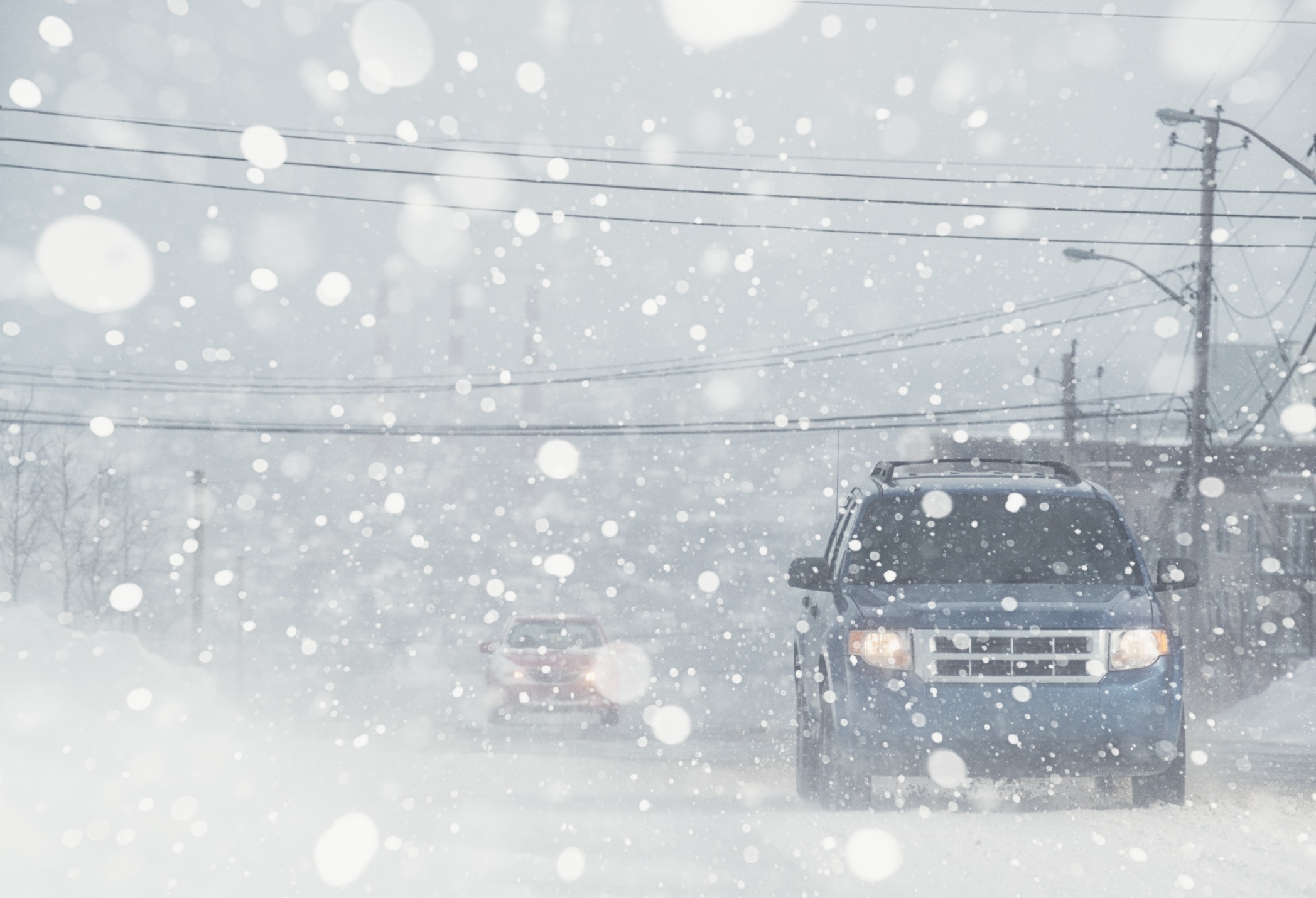
There are a few things to look out for while on the road in snowy conditions.  Know what to do when your vehicle encounters ice, as it may vary vehicle to vehicle.  If you see cars swerving in front of you, slow down and consider an alternative route, if possible.  When on the highway in low visibility situations, leave twice as much room as normal between you and the driver ahead of you and make sure to not exceed the speed limit.

To prep your vehicle for the winter ahead, do a scan of the following key areas to make sure you won’t be left in the cold.  Tires loose air pressure in the cold, so double check your levels and check back often to ensure your tires are properly filled.  Double check your wiper blades, if they produce streaks or leave large areas unclean, consider a replacement for winter.  Speaking of visibility, give your defroster a test run.  If it is not working properly take it to a shop for repair, as this is one of the most commonly used features during the cold months to ensure visibility. Lastly, top off all fluids. It is likely you will use quite a bit more windshield washer fluid due to the salt on the roads and snowy weather.

If your vehicle is in need of repair to make it safe to drive in the winter, search on Carwise to find a body shop near you.

Read More

How much does a car paint job cost?

Are you thinking about getting a fresh color on your car, or just looking to patch up an area of rust or scratch on your hood?   It’s hard to know what to expect in terms of cost, as this is not something we often do.  Good news is many auto body and collision repair shops offer free estimates on paint jobs.   We recommend getting quotes from a couple shops before making a decision, as costs can vary greatly.

So, you might be wondering, what all is involved in painting a car anyway?  There are a few steps to the process.  First, the car must be prepped for a new coat of paint.  This includes a power wash, a layer of grease remover, and the car is sanded down completely. Then, the car is prepped with plastic covering to protect all areas that should not be painted; including: tires, windows, headlights, etc.  Once complete, the car is ready for paint.  The color paint is applied in even coats, then a clear coat is applied at the end.  The clear coat is what gives cars a shiny finish, the color alone is a matte finish.  Finally, the cars are parked in huge dryers, allowing the paint to set and dry completely.

A fresh paint job might be just what your car needs to make it feel new again either for your personal use or to help you spruce it up to sell.

Sources:

http://www.carsdirect.com/car-maintenance/how-to-properly-spray-paint-a-car-for-a-professional-look

Read More

Preparing your Vehicle for Summer Heat

With the hot summer months still ahead of us, it’s a good time to take a few minutes to make sure your car is in proper condition to safely endure the hot temperatures.   The most important mechanism for cooling down your car’s engine is the radiator.  Make sure the fluid levels are sufficient, and check back frequently throughout the hot months, as more fluid is used during this time to keep the engine cool.

Also, check that your air conditioning system is working properly.   The most noticeable sign of an A/C problem is if no cold air blows through the system, implying a low level of refrigerant, or a more serious issue with the system.  If you notice leaking from under the front of the car in addition to the A/C not blowing cold air as expected, this could be a sign that the refrigerant is leaking.

Your vehicle’s tires get a lot more wear in the summer, so make sure they have the correct about of tire pressure to avoid more unnecessary wear.  Tires can lose about 1 psi each month, so be sure to check back regularly to ensure the inflation level is where it should be.  The proper level for your vehicle can usually be found on a sticker on the inner driver-side door.  Don’t forget about your spare tire!  Ensure your spare is safe and ready to use in case of an emergency, this may mean it could use some more air, too.

While we don’t want to think about emergencies, especially during the fun summer months while driving to the pool, it’s always a good idea to have an emergency kit prepared.  For the summer especially, include bottled water, small battery-operated fans, and sunscreen in your kit.

Click here for more tips on safe summer driving.

Read More

1 Million Reviews Written on Carwise!

Today marks an important milestone in Carwise history, we’ve reached 1 million shop reviews!  Since its start in 2012, Carwise has been making it easy to get real-time updates on the repair status of your vehicle.  Since then we’ve expanded to a platform that allows you to also find the right body shop in your area by displaying ratings and reviews from real customers that have had their vehicles repaired recently.  With our growing popularity, we’re on track to reach 2 million reviews before this time next year!

Here at Carwise, we believe in real, honest reviews our customers can count on.  None of which would be possible without the support of our body shop partners and the clients that share their candid thoughts on their experiences.  So for that we say thank you.  We’re looking forward to the next million and more!  Cheers to the journey ahead.

Read More

City Driving Tips

Driving in the city poses many challenges and obstacles that can make the city-driving experience overwhelming. Consider the following safety tips before hitting these streets, especially those accustomed to suburban or rural streets.


Familiarize yourself with directions

Limit the glances at your GPS. Keeping your eyes on the road at all times is very important when driving in the city, where there are many sudden stops and pedestrians.


Be aware of one-way streets

Make sure you read all street signs to ensure you are not only following the law, but enforcing safe driving too. One-way streets are common, and non-city folks can find themselves swerving at the last minute, once they realize they are about to turn down the wrong direction. Be mindful of them at all times.


Do your research

Not all laws are posted on street signs. Look up the driving laws in the state you will be driving in to ensure compliance.  Many city intersections do not allow right turns on a red light, so that’s a good place to start.


Yield to bikers

Cyclists flood city streets, especially in nice weather. Be sure to keep an eye out for them, especially when making turns, changing lanes, and opening your door when parked on the street.


Brush up on your parallel parking skills

This comes in handy for city parking. And if you have an SUV or larger vehicle, it may take a few drives up and down the block to find one that fits your car.


Carry change

You’re likely to encounter a toll booth or need some spare quarters for parking during your time in the city.

It’s worthwhile to point out that native city-drivers and cab drivers tend to be very aggressive and impatient.  It’s important for you to remain calm and take your time to ensure your safety, and the safety of those around you. Don’t let the honks fluster you!

Any tips we missed that you would add to the list?  Let us know in the comments!

Read More
Car safety

Common Reasons Why your Car May Not be Starting

Car won’t start? This could be caused by a variety of things, so we’ve compiled a list of some of the most common reasons and tips for troubleshooting the cause. Typically, there are subtle distinctions between the causes, as listed below, and it can save you some time at a repair shop if you know what the issue is upfront.
Here are the most common reasons your car may not start:

The battery is dead

If your car makes a clicking noise but won’t start, it is likely that your battery is dead. This is an easy fix, regardless if you need a new one, or to charge your existing battery.

The alternator is bad

The alternator is responsible for charging your battery while the car engine is running. There are a few signs of a bad alternator; including, dimmed headlights, illuminated dash lights, or a growling sound. If left untreated, you may find yourself with a car that won’t start, because the battery has not been charging properly.

Fuel system issues

If the engine cranks but won’t start it possibly caused by a blocked fuel filter or a fuel pump failure.

The ignition switch is bad

This switch is what sends energy from the battery to spark the starter and begin burning gas. If this switch goes bad, none of this process can start. This issue is typically characterized by flickering dash lights, and difficulty turning the key.

The starter is faulty

A faulty starter causes a high-pitched screeching sound, similar to that of when a car is running and the starter is accidentally hit again.

A repair shop in your area will be able to fully diagnose the issue and provide the solutions to get your vehicle up-and-running again. Be sure to browse reviews written by real customers on Carwise to find a shop that is best for your needs.

Read More

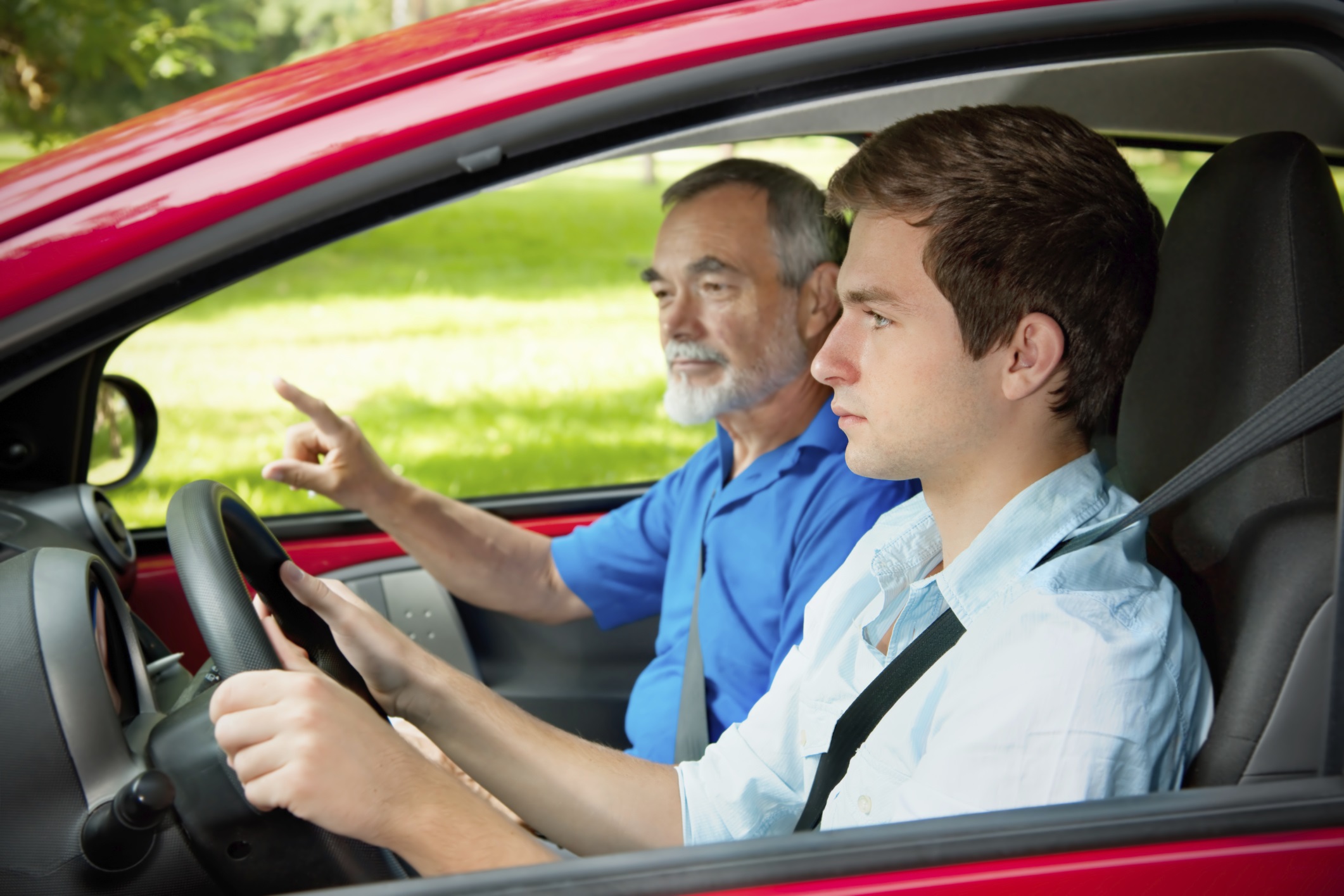
Tips for Teaching Your Teen to Drive

If you have a teenager learning to drive, you know that many rules and tips for the road have changed since you were in driver’s education class and getting behind the wheel for the first time.  For that reason, we compiled a list of a few driving tips to pass along to your millennial teen.  Ingraining these tips from the beginning is the best way to ensure lasting, good habits and safe driving practices.


Seat belts are important

One of the most noteworthy laws that has been put in place in the past 25 years is the mandating of seatbelts.  While it is important for your teen driver and all occupants of a car to wear a seatbelt, there are many other safety guidelines and laws for driving today that didn’t exist just a few years back.  Restricting cell phone usage is a great example of this.  Using a phone while driving is extremely dangerous and, in many states, a punishable act.  It’s important to set rules and expectations with your teen surrounding cell phone usage in the car.  As it is smart for your young driver to have a phone with them in case of emergencies or for directions, it is useful to map out guidelines for when and where using a phone is appropriate and safe.


Steering wheel hand placement

Optimal hand placement on the steering wheel has also seen a few updates in recent years.  It’s likely that you were taught to place your hands at 2 o’clock and 10 o’clock on the wheel, but experts have now agreed that placing hands at 3 and 9 are safer in case of an accident.  Bent and relaxed arms at 3 and 9 provide a lower chance of arms being injured by airbag deployment, as they would be on the outer edge of the bag, not the top as they would be if placed at 2 and 10.

Also, recent studies have shown that having other teens in the car creates the most dangerous driving condition for a young driver’s safety.  Please make sure to discuss focus and responsibility while driving with friends.

We wish you the best in your coaching! Leave a comment below with any tips you would add to this list.

Read More

Driving Safety Tips for Seniors, Kids, and Drowsiness 

SENIOR DRIVING SAFETY TIPS

Safe driving is something that we discuss frequently at Carwise. Even though we try to connect everyone with a quality body shop when they need one, we also want everyone to be aware of driving safety issues. More often than not, senior drivers are overlooked when discussing driver safety.

Read More
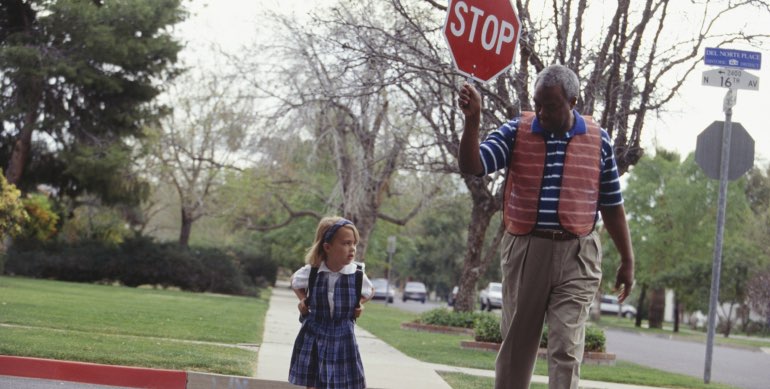
Child being escorted by crossing guard

Back to School Driving Tips

At Carwise, we encourage all drivers to stay up to speed on driving safety. With school back in session, drivers should take extra precautions.

Extra care needs to be taken when dropping off kids at school, as well as driving near schools where children and increased traffic are present. School busses are also back on the road, and drivers must know when to stop for them so that students can get on and off safely. If you’re by a school, you’re likely sharing the road with more pedestrians and bicyclists.

Read More