Does the Color of My Car Really Matter?

One of the deciding factors, when you’re looking to replace your old vehicle with another, is color.  Certain exterior colors are more popular than others, which makes them harder to find. Minivans, for example, don’t look good in bright reds and yellows, but high-performance sports cars do.  And, is it true that bright red cars get pulled over more often for speeding? In the end, does the color of your vehicle really matter when it comes to avoiding accidents, insurance rates, resale value, or just simply keeping it clean?  According to auto industry experts, it does. Now let’s explore in more detail the role a car’s color plays, and why.  

Which Colors are Most Popular?

Studies have found that color is a major factor when consumers are shopping for products.  In fact, the social research firm Yankelovich Partners discovered several years ago that 39% of consumers would rather switch brands entirely if they couldn’t find a given product in their favorite color.  According to retail auto sales figures, the most popular colors across all categories for new and used vehicles sold annually in the U.S. are:

  • Silver 23%
  • White 15%
  • Black 12%

For trucks, SUVs, and minivans, white reigns supreme, and for all other passenger vehicle types silver ranks first.  So, what does this all mean for you? For starters, color plays a powerful role in determining a vehicle’s resale value, with all other factors being equal.  The more popular the vehicle’s color, the harder it is to find and higher its market value. And let’s be honest… if your car is orange or bright green, it may be difficult to get rid of later!  

Accidents

Black is a popular vehicle color, but by far it’s also the most dangerous in terms of accidents, including fatal ones.  In fact, based upon DMV accident statistics, black vehicles are 47% more likely to be involved in mishaps, day or night, than any other color, and 12% more likely than white ones during peak daylight hours.  That’s because black projects a low-visibility signature to other drivers, especially around dusk or dawn. Other less-safe colors with similar “camouflage” characteristics include gray, silver, blue and dark green.   

Insurance Rates

Fortunately for drivers who own black vehicles, insurance companies are color blind when it comes to setting rates.  Instead, insurers charge premiums based on a car’s make, model, year, body type, and engine size, along with one’s personal driving record.  However, if you decide to paint your car a different color, notify your friendly agent immediately or your policy could be invalid. Oh, and bright red vehicles don’t get ticketed by cops for speeding more often than other colors.  That’s simply untrue.

Showing Dirt and Damage

Ask any experienced auto detailer, and they’ll relate that darker colors like black, blue, charcoal gray or green highlight paint finish imperfections, including dirt, dents, scratches, swirl marks and dings, worse than lighter hues.  On the other hand, more neutral color tones, notably ones with metallic finishes, hide blemishes better, including:

  • Champagne
  • Beige
  • Pewter
  • Lighter grays
  • Light gold
  • Silver

White and black vehicles show dirt, dust and bug splatter the most, and for these reasons:  

  • White.  White reflects light more completely than any other color.  As a result, you get the maximum contrast, at all eye angles and in any lighting, between dirt and paint.  
  • Black.  Black paint absorbs light better than any other color, which means most of the light detected by your eyes is coming from dirt splotches or dust present on the car body’s surface.  

Does paint color matter when your vehicle’s being painted at a body shop?  No, because all paint finishes require the same mixing, matching and application methods by technicians.  

Find Auto Body Paint Restoration Experts Here  

When your vehicle’s been involved in an accident or just needs a new paint job, take it to a better collision repair shop nearby.  Highly-skilled body shop technicians there have the training, experience and equipment to repair your vehicle, including its finish, like-new again promptly and reliably.  Most body shops also work directly with insurance companies so you don’t have to, and will communicate openly and honestly throughout to restore your peace-of-mind. And, if you just need your car or truck’s finish professionally detailed, most collision shops provide affordable detailing services too!  To search your zip code here for a customer-reviewed collision repair shop in your area, visit www.carwise.com now.

Read More
Does Auto Detailing Increase My Car’s Value? blog header

Why Does My Car’s Finish Have Swirl Marks?

You just spent several hours hand-washing, waxing and buffing your car, and now you’ve stepped back to admire your handiwork.  But as the sunlight reflects off its finish, you notice some unsightly swirl marks on the hood. Moving in closer, you discover more “spider web” patterns on the trunk, door panels and fenders.  Suddenly you feel a knot forming in your stomach. Take heart in the fact you’re not alone, as swirl marks can be found on most vehicles, even newer ones, and are more noticeable on darker finishes.  And unfortunately, they are not totally preventable. But what causes swirl marks, and is there any way to remove them? The answers to those questions may surprise you.

Causes of Swirl Marks

Swirl marks are actually microscopic scratches in the clear coat of your car’s finish that can form in any pattern; not just a circular one.  Believe it or not, the most common source of swirl marks is hand-drying your vehicle with a towel that’s too abrasive. Even using a soft microfiber towel or chamois won’t guarantee that you’ll avoid swirl marks if they contain dust or dirt.  Other causes of swirl marks include:

  • Car washing.  Scratches oftentimes result when you don’t rinse your sponge often enough, go through an automated car wash that uses brushes and cloth wipers, and even when using a dirty wash mitt.  
  • Buffing.  Buffing or polishing your vehicle’s finish with the wrong type of pad can leave swirl marks.  
  • Waxing.  Some commercial waxes, notably the old carnauba pastes, are hard to apply and buff out, and that results in too much pressure on your car’s clear coat finish.  
  • Dusting.  Cheaper car dusters simply drag the dust and dirt around on the surface, leaving scratches.  And, using a common bath towel to dust off your car is simply asking for trouble.
  • Car covers.  These help protect your car from the elements, but if one is applied to a freshly-washed vehicle that’s been driven at all there could be dust and dirt trapped on the paint’s surface.  As the cover moves around, like from a brisk wind or human re-positioning, debris can rub against the finish, leaving scratches.
  • Paint cleaners and polishes.  Some of these products contain harsh compounds that cause scratches when you’re rubbing them on the paint.  
  • Detailing wipes.  Beware of commercially-available cleaning products that tout their “spray-and-wipe” capabilities without using water and soap.  In many instances, you are just swirling dirt all over the clear coat, leaving marks behind.

Swirl Mark Prevention

As was mentioned earlier, swirl marks cannot be totally prevented.  But the good news is there are some car washing and drying precautions you can take to reduce the likelihood of scratches occurring, such as:

  • Use a high-quality, clean wash mitt and mild soap on your car.  Fill two buckets prior to washing, with one containing soapy water and the second just water.  
  • Before washing, gently rinse all surfaces to remove heavier dirt and debris.
  • Dip your wash mitt into the soapy water, and then wash an area using a circular motion.  Then, rinse off the mitt in the bucket containing only water. Repeat this method on each new area of the car as you move around it.  
  • Rinse off your soapy car using as little water pressure as possible.  This works best by first removing the hose nozzle, and never use a power washer!    
  • As you’re drying off your car, a good rule-of-thumb is the less force, the better.  Only dry it off with a top-quality, clean microfiber cloth. Body shop pros also recommend using a cordless leaf blower to dry off the finish, as that will safely remove most of the water.  

Expert Swirl Mark Removal Near You

Even when taking all these precautions, swirl marks can still mar your car’s finish.  At that point, the only proven way to remove them is to polish the paint using a non-abrasive buffer pad and polishing compound.  Although you can try it yourself, in most cases it probably won’t look professional afterward. If you’re looking for some expert swirl mark removal, take your car to a collision repair shop instead and they’ll get your car’s finish restored like-new again promptly and reliably.  Technicians there have the professional products, equipment and experience to remove swirl marks from your vehicle’s exterior, while also restoring your peace-of-mind! Why drive around any longer in a vehicle with unattractive swirl marks? To search your zip code now for a better auto body shop in your area, visit: www.carwise.com.  

Read More

What Should I Do About My Cracked Windshield?

You’re casually driving down the road one day behind a gravel truck, and… thwack!  A good-sized rock smacks your windshield, instantly causing an ugly crack. Outside of car accidents, flying rocks and metal debris are the main culprits when it comes to windshield cracks.  What should you do? If you choose to ignore the windshield crack, oftentimes seasonal temperature changes will make it worse. Moisture and dirt invading the cracked glass can also cause it to spread.  Windshield cracks become dangerous once they’re large enough to interfere with your field-of-vision, and in many states, you can be ticketed if a cop deems your cracked windshield to be unsafe. Additionally, there are several hidden reasons why driving around with a cracked windshield simply isn’t wise.  


Cracked Windshield Dangers

In addition to impeding your ability to see the road, a cracked windshield carries these unseen dangers; some of which are potentially life-threatening:  


  • Greater likelihood of rollover accident injury.  Cracked glass becomes weakened structurally, and during a rollover accident, your vehicle’s roof is more likely to collapse if the windshield doesn’t hold up to the weight as it was intended to.  


  • Higher front-end collision danger risk.  Intact windshields are designed to transfer the force of a frontal collision down into the chassis, which lessens the impact you and your passengers feel.  Cracked glass can also shatter more easily during a front-end accident, fly around the passenger compartment, and cause injuries.


  • Increased risk of a frontal ejection.  When you aren’t wearing a seat belt, the impact from a front-end accident can forcibly throw you into the windshield.  Uncracked windshield glass is designed to not shatter upon impact, but glass that’s already cracked can give way, allowing an occupant to be thrown through.    


  • Botched airbag deployment.   When a collision triggers an airbag, the windshield serves as the backdrop that directs the inflated bag towards the vehicle occupant(s).  A cracked windshield is less-likely to hold up to the force, possibly resulting in an ineffective airbag deployment leading to more serious injuries, or even death.  


Temporary Windshield Fixes

Windshields with cracks of any size need to be repaired or replaced as soon as possible.  Many auto insurance policies cover glass repairs because insurers understand their safety benefits.  And when you’re ready, most glass repair shops offer on-site services for your convenience. But do-it-yourself (DIY) windshield replacements are never wise for several reasons.  When you’re in the process of scheduling a professional repair or replacement, there are some temporary measures you can take to help keep the crack from spreading, such as:


  • Super glue or nail polish.  After wiping the area with a clean, dry cloth, apply some super glue or nail polish over the crack to keep out dirt and moisture.  


  • Protect the glass.  Park in the shade when it’s hot, like in a covered area such as a garage or carport whenever possible to protect your windshield from water and direct sunlight.  


  • Try a windshield repair kit.  If you’re handy and the crack is very small, or it’s only a chip, auto parts stores sell resin-containing glass repair kits you can try.  In many cases, DIY repairs don’t hold up like those done by a pro, and the crack later spreads anyway.

Should I repair or Replace  the windshield

Chips and cracks in a windshield or vehicle windows are some of the more common repairs that send customers into repair shops.  Without proper repair, small scratches, nicks and cracks can easily develop into larger, and ultimately more expensive repairs.  Not to mention the safety concerns that arise when a driver’s vision is impaired by a large crack.  So, if you notice a crack or chip in the glass of your vehicle, we recommend getting the repair done sooner rather than later to avoid more issues down the road.


In the past, having a chipped or cracked windshield meant that you would certainly need to have it replaced. However, modern-day auto glass repair makes windshields more repairable depending on the size, location and the severity of the damage. When deciding whether to repair or replace your damaged auto glass, it is helpful to understand the differences between repair and replacement. However, it is best to ask your local auto body and glass repair shop for a professional recommendation. 

Read More
Understanding Your Auto Insurance Coverage

Understanding Your Auto Insurance Coverage     

Most of us value our vehicles, and we purchase auto insurance to protect them against damage or loss.  States also mandate the minimum amounts of insurance coverage drivers must carry to use their roads.  But let’s face it, the wording found in the average policy can be confusing.  Knowing what your auto insurance policy covers is important, and most notably when you’ve been involved in an accident and your car is at the body shop.  Understanding your policy can help you ask the right questions as the collision repairs move forward, too.  To assist your efforts, here’s some coverage terminology you might find in your policy, along with what it means.

Collision


Collision insurance covers any accident-related structural or mechanical damage that your vehicle sustains while you’re driving it.  That damage could be from other vehicles, or objects like a fence, telephone pole or tree.  Collision insurance does not cover damage from hitting animals or when another person is driving your car.  Your policy carries a collision deductible, typically from $250 to $1,000, which will be your out-of-pocket cost to have it repaired when the accident was your fault.

Comprehensive

This type of insurance protects your vehicle when you aren’t driving it, like when it’s parked, or another driver is using it.  For example, hail damage would fall under comprehensive coverage.  This insurance also covers glass repairs, and damage from hitting an animal.  Fire, theft and vandalism are other examples where a comprehensive claim would be filed, and your policy has a deductible that you’ll have to pay first when the repairs are completed.

Liability

Liability insurance covers claims for people and property when your negligence inflicted the damage.  Those damages could be to another person’s car, fence, house, or to them or their passengers.  Most states set minimums for liability coverage, and your policy has a maximum amount your insurer will pay out if you were at-fault.  It’s very important to carry enough liability insurance in case you cause an accident involving several vehicles and occupants.  If not, you could be sued by the victim(s) for any damages exceeding your policy’s payout limits.


Medical Payments

Also known as “PIP” in several states, this insurance pays for injuries and medical payments for you or your passengers resulting from an accident involving your vehicle.  In some states this coverage will pay medical expenses regardless of who was at-fault, so ask your agent for details.  If someone in another vehicle is injured during an accident you caused, their injuries would be covered under your liability insurance.


Underinsured and Uninsured Motorists  

If your policy contains an underinsured rider, this coverage applies to claims where a driver who’s at-fault hits your vehicle, but they don’t carry enough liability insurance to cover all your repairs and medical bills.  There is also uninsured motorist insurance that pays your bills when an at-fault driver without any insurance damages your vehicle, or when a hit-and-run occurs.  Many states require you to carry uninsured motorist coverage, so check with your insurer for details.


Other Types of Auto Insurance

There are a few kinds of specialty auto insurance that your policy may already contain, or that you may wish to consider.  Those include:


  • Gap insurance. This coverage is wise when you’re leasing, or when you owe more on your vehicle’s loan than it’s worth.  In the event it’s totaled out by the insurance company, Gap insurance will pay the difference between the loan balance and its actual cash value (ACV).


  • Umbrella coverage. If you have a lot of financial assets, this type of insurance can protect those once your liability limit has been exhausted.  For example, if you have $500,000 maximum in liability coverage but cause injuries totaling $1 million, your umbrella policy would pay the difference.


  • Commercial insurance. This coverage protects your vehicle when it’s used to earn a living, for example as an Uber driver or sales rep.  This coverage usually features higher payout limits due to the increased driving risks associated with your job.


We Work Directly with Insurance Providers

Being a responsible driver means carrying adequate auto insurance on your vehicle.  And, understanding what’s in your policy can be frustrating.  When you’re involved in an accident, bring your car or truck to a dependable collision repair shop nearby, and they’ll get it expertly restored like-new again.  The professionals there have the training, equipment and experience to fix it promptly and reliably, while restoring your peace-of-mind.   Don’t feel like dealing with your insurance adjuster?  Most body shops work directly with your insurance company so that you don’t have to.  To search your zip code now for a better collision or glass repair shop in your area, visit: www.carwise.com.


Read More
5 American Muscle Car Classics Collectors Wish They Had blog header

5 American Muscle Car Classics Collectors Wish They Had

The 1960s in America was a transformative decade punctuated by rock-and-roll, the hippie movement and Vietnam War.  It was also an era defined by the appearance on American roadways of muscle cars, with their powerful, gas-guzzling engines and break-neck speeds.  Muscle cars ruled into the early 1970s, bolstered by the popularity of NASCAR, cheap gas prices, and lack of environmental emission standards.  Since those bygone days of muscle car dominance, American car manufacturers have kept our driving palates satisfied periodically with sports car re-introductions, allowing Baby Boomers to longingly relive their pasts.  To help facilitate that memory lane experience, here are 5 American muscle car classics that every collector would love to own.


1967 Ford Mustang Shelby GT 500


Legendary race car designer Carroll Shelby is a sacred name within classic car circles.  In the mid-1960s his Shelby American racing team collaborated with Ford Motor Co. to produce one of the most memorable collector cars of all-time, the 1967 Mustang Shelby GT 500.  In addition to its racing-inspired trim, black bucket seats and cool instrumentation, the Shelby GT 500 was just plain fast.  Here are some of its highlights:


  • 428 cu in (7.0 liter) V-8 engine with dual 600 CFM Holley 4-barrel carburetors
  • 355 hp
  • 0 to 60 mph in 6.5 seconds


Produced in limited quantities, this car back in 1967 was $5,000.  Today?  If you can find a Mustang Shelby GT 500 in excellent condition at a collectors’ auction, you’ll probably have to fork out over $200K.


1969 Dodge Charger Daytona


In the late 60s, if an American car company sold over 500 units of a given model they could enter race-modified versions of it in NASCAR events.  With that in mind, Dodge beefed up the ‘69 Charger with a special edition Daytona package.  Its most distinguishing physical features were its 2-foot tall rear wing, flush rear window, and long, sloped nose cone- all contributing to amazing aerodynamics.  Other features of the 1969 Dodge Charger Daytona included:


  • 426 cu in (7.0 liter) Hemi Torque Flite V-8 engine (3-spd automatic)
  • 375 hp
  • 0 to 60 mph in 5.6 seconds


If you’d bought your Dodge Daytona hot off the assembly line, it would have set you back about 5 grand.  One today in pristine condition with low miles will run you about 30 times that amount.


1970 Oldsmobile 442


Inspired by the sales of its Cutlass model, Oldsmobile launched the 442 in 1964 as a trim package and slight engine upgrade only.  But in 1970, GM decided to infuse the 442 with an exceedingly-robust engine, 4-barrelled carburetor, 4-speed manual transmission and dual exhausts (“4-4-2”).  And if that wasn’t enough, Oldsmobile even a offered a W30 performance upgrade for drivers who truly desired dragster-like acceleration.  Soon thereafter, the ’70 442 became further ingrained in American muscle car lore.  Its features included:


  • 455 cubic inch (7.5 liter) V-8 engine delivering 500 foot-pounds of torque
  • 360 hp (W30 upgrade)
  • 0 to 60 mph in 5.9 seconds

Forty-eight years ago, a 442 would have cost about $3,000.  Today, the going rate for the same car in good to excellent condition is $30,000 to $65,000.


1978 Pontiac Firebird Trans-Am


With sales inflated by the appearance of a 1977 version in the popular film Smokey and the Bandit, Pontiac decided to also boost the horsepower of its 1978 Trans-Am release by 20%, add a special W6 sport-tuned suspension, handling package, wider wheels, and improved steering.  The resulting muscle car outperformed most of its competition, including the much more expensive Corvette.  The Firebird Trans-Am was also known for its stock Hurst T-tops which, when removed, nearly duplicated a convertible feel.  Most car enthusiasts today can also rattle off these facts about the ’78 Trans-Am:


  • 400 cubic inch (6.6 liter) W72 V-8 engine
  • 220 hp
  • 0 to 60 mph in 6.3 seconds


A darling at auto shows today, in 1978 the Trans-Am would have set you back roughly 5500 bucks.  Nowadays, they routinely sell for over $50,000 at collector’s auctions.


1989 Chevrolet Corvette ZR1


Back in 1982, GM executives realized that the performance of the Chevy Corvette didn’t match it hefty price tag.  In fact, Chevrolet took a sabbatical from producing the Corvette the next year, as their engineers toyed with various new engine designs, including a rotary version found under the hood of Mazda’s RX-7s.  In 1984, a new-and-improved ‘Vette was introduced, and then in 1989 the genie was completely released from its bottle as the ultra-performance ZR1 version.  Boasting a racing-style body, wide tires and sub 3,000-pound curb weight, the ZR1 backed up its head-turning look with handling and braking superior to any sports car in its class.  Features of the ’89 Corvette ZR1 included:


  • 350 cubic inch (5.7 liter), 32-valve LT5 V-8 engine
  • 475 hp
  • 0 to 60 in 4.9 seconds

In addition to its amazing acceleration and road-hugging capabilities, the ZR1 also boasted an inflated price tag of $59,000.  The good news today is that with the availability of used ’89 ZR1s, coupled with the fact the model isn’t even 30 years old yet, you can probably buy one in very good shape for less than it cost new.


Reliable Collision Repairs for Muscle Cars to Minivans    


If you own a classic American muscle car and need some body repairs, or your family minivan was just involved in a fender bender, a collision repair shop nearby has the restorative services you need.  Auto body shop technicians have the training, experience and equipment to fix your vehicle reliably, even when it’s a classic, and get you back confidently and promptly on the road again.  Most shops warranty their outcomes, and communicate directly with insurance companies so you don’t have to.  To search your zip code now for a better collision repair shop in your area, visit: www.carwise.com.

Read More
4 Hidden Problems Caused by Rear-End Collisions - Carwise Blog

4 Hidden Problems Caused by Rear-End Collisions

Have you ever had your car rear-ended while stopped at an intersection, or know someone who has?  Is so, take heart in the fact you’re not alone.  According to the National Transportation Safety Board (NTSB), of the over 6 million traffic accidents each year in the U.S., 40% involve rear-end collisions.  Most are not serious, and the resulting damage to the rear-ended vehicle is usually superficial, like a broken tail light or cracked bumper.  But unfortunately, even minor rear-end fender benders can cause more serious, underlying problems to your car that may not show up for a while- ones that could place your safety, and that of your passengers, in jeopardy.  With that said, here are 4 common hidden complications caused by rear-end collisions.


Trunk Malfunctions

There are several trunk-related glitches that can arise after a rear-end accident, even when your car looks fine, such as:

Lid pops open unexpectedly

You could be driving briskly down the highway one day and the trunk lid flies open, obstructing your rearview mirror’s field-of-vision.


Doesn’t stay locked

This isn’t good when your car’s left unattended for several hours in a strange area where there might be potential thieves around.


Water Seepage

Rear-end collisions can compromise the trunk lid’s seal, allowing potentially-harmful moisture to enter the compartment.


Opening difficulties

It’s no fun if you’re standing in the pouring rain and can’t get the trunk to open with your key fob or the trunk release inside the vehicle.


Unrepaired trunk malfunctions can also reduce your car’s resale value, so after an accident promptly take it to a reliable body shop to have the problem diagnosed and fixed.

Misaligned Wheels

When your wheels are out-of-alignment, you’ll notice these driving abnormalities:


Car tracks unevenly down the road

This makes driving down winding roads trickier.


Steering wheel seems wobbly

Could interfere with your ability to swerve, if needed.


Unusual vibrations

This causes reduced ride comfort for you and your passengers.


In addition to not being safe, a vehicle that’s misaligned causes premature, uneven tire wear

requiring costly replacements.

Electrical Problems

Even a low-impact collision can loosen wires that comprise the various electrical systems that keep your car operating.  Over time, loose wire connections can affect your vehicle’s:

Sound system speakers

No driver likes to be without their tunes.


Brake and tail lights

Drivers behind your car won’t see your tail lights when you’re coming to a stop or traveling in front of them during poor visibility conditions.


An unexpectedly-dead battery

This could leave you stranded alongside the road.

All these potential unseen electrical problems are good reasons to have the wiring checked out at a collision repair shop whenever your car gets rear-ended.

Frame Bending

Your car’s bumpers are plastic that’s been painted to match the rest of your vehicle.  When the bumper gets dented or cracked during an accident, that means the impact’s force may have reached the frame beneath.  Even minor accidents can slightly bend your frame.  Unaddressed frame damage can lead to future safety problems like:


Warning system sensor misalignment

Bent frames can cause cameras and sensors that make up your onboard driver warning and safety systems to be out of alignment, including your air bags.


Reduced frame strength

In the event of a subsequent, high-impact collision, a previously-weakened frame could give way and not protect you as it was designed to.


Whenever your car has sustained any type of damage from a rear-end impact, get the frame inspected promptly at an auto body shop in your area.

Don’t Take Chances After a Rear-End Collision

When your car has been involved in any type of rear-end collision, even when the damage seems superficial, don’t take chances with hidden problems that can jeopardize your safety later.  Instead, bring it to a dependable auto body shop to have the damage inspected, inside and out.  Body shop technicians have the training, experience and equipment to locate and repair underlying issues and get you back on the road promptly and safely again.  Most collision repair shops work directly with insurance companies so you don’t have to, and warranty their work to ensure your peace-of-mind for countless miles after the repairs are done.  To search your zip code now for a better auto body shop in your area, visit: www.carwise.com.  


Read More
5 Strange Sounds that Could Mean Car Trouble

5 Strange Sounds that Could Mean Car Trouble

You’re cruising across town one warm, sunny day with your window down, and as you approach a red light you bring your car to a stop.  Suddenly, your ears hear some unusual rattling noises coming from somewhere underneath the vehicle.  You immediately turn off the radio, but the strange racket is still there.  A pit forms in your stomach as you imagine what could possibly be wrong with your car.  Is it my engine?  My brakes?  Exhaust?  Knowing the warning sounds of a potentially costly, or even dangerous, vehicle problem is important, and could help save you much trouble later.  To assist your efforts, here are 5 strange noises that could indicate something’s wrong with your car.

Knocking or Pinging

As your engine runs, fuel is ignited inside each cylinder.  A metallic knocking or pinging sound is probably due to an ignition malfunction caused by one or more of the following:

  • Clogged or defective fuel injector
  • Clogged or bad fuel filter
  • Misfiring spark plugs
  • Worn spark plug wires
  • Cracked distributor cap

When you hear a knocking or pinging noise originating from under your hood, it’s best to take it in promptly to a mechanic for a check-up.

“Popping”

There are several engine components that can start making a “popping” sound when something’s gone bad, including:

  • Dirty air filter
  • Spark plugs that are worn or corroded
  • Defective spark plug wires
  • Clogged fuel filter
  • Internal ignition wiring or related ignition issue

A popping sound when your car’s running is simply not good.  Take it to an auto repair shop and have them give it a “once-over”.

Ticking or Clicking

Ticking noises are best left to clocks, and a clicking sound is great when you’re fastening your seatbelt.  But when your car’s making these sounds while running, something’s usually wrong.

Ticking or clicking sounds can mean:

  • Low engine oil
  • Worn fuel injectors
  • Worn out struts
  • Bad pushrods

In this situation try a DIY fix of adding some oil to your engine first.  If the clicking or ticking persists, take it into a shop and let a pro inspect your ride.

Grinding or Rubbing

More-often-than-not, when you hear grinding and rubbing, especially when you’re stopping your vehicle, it’s related to your brakes.  Those sounds usually indicate your brakes pads are completely worn down, and that the metal calipers and rotors are rubbing together every time you apply the brakes.  Besides the obnoxious metallic rubbing sound, other signs of excessive brake wear include:

  • Takes progressively longer to stop your car
  • Brake pedal goes almost down to the floor when braking
  • When you brake the pedal and/or steering wheel vibrate or pulsate

Brakes that are making grinding or rubbing noises are nothing to ignore.  Take your vehicle immediately to an automotive technician and have them inspected.

Rattling Beneath Your Car

This is usually a symptom of a worn exhaust system, as they tend to rust out over time.  Does your car’s engine also sound louder or “throaty” when you accelerate?  If your exhaust system has sprung a leak, the exhaust fumes can filter up into the passenger compartment, and that’s not safe.  Parts found within your exhaust system that may need to be replaced include:

  • Catalytic converter
  • A section of crossover or tailpipe
  • Muffler
  • Brackets and/or gaskets
  • Manifold

Once your exhaust starts to rattle and gets progressively louder, you run the risk of part of it falling off while driving.  So, if you suspect that your exhaust system needs some repairs, take it promptly to a shop that specializes in those repairs.

We’ll Handle Any Accident-Related Noises

When your vehicle starts making the strange sounds listed above, take it to a mechanic and have it inspected.  If you’re involved in an accident, bring it instead to a reliable auto body shop to have those damages repaired by technicians who specialize in accident-related noises.  Pros at a collision repair shop nearby have the training, experience and equipment to restore your vehicle and peace-of-mind, and then get you back on the road promptly and safely.  Most shops warranty their repairs, so if you hear an unusual noise after the work is done, simply bring it back in and they’ll get it resolved.  Most body shops also work directly with insurance companies so you don’t have to.  To search your zip code now for a better auto body shop in your area, visit: www.carwise.com.

Read More
Buying the Right Car for a College Student

Buying the Right Car for a College Student

Over the next few weeks millions of students will be heading off to college; many for the very first time.  And as that annual rite of passage plays out, countless American families will be scrambling to find safe and reliable transportation for their loved ones before they hit the road.  Driving back and forth from college with passengers in tow through various driving conditions takes a toll on a vehicle, and then you’ve got other operating expenses to consider.  As college costs continue to rise every year, the last thing you want is investing a lot of money into an unreliable vehicle.  With all that in mind, here are some key factors to consider when buying the right car for a college student.


Reliability


In most cases, you’ll be purchasing a used vehicle for your college student.  First, you’ll want to ensure that its reliable using these steps:

Inspect the vehicle

Walk around the car and look for signs of major body repairs, assess the condition of the tires, and then check underneath for any suspicious fluid leaks.  Then pop the hood and look the engine over for any worn parts.  Also inspect the interior for damage that indicates excessive wear-and-tear.

Check the vehicle history report (VHR)

VHRs serve as a kind of “rap sheet”, while revealing information like accidents, servicing and repair records, number of owners, and whether the vehicle was ever salvaged (“totaled out” by an insurer).  Most sellers now provide a free VHR.  If not, Carfax (carfax.com) offers them for a small fee.

Test drive it

Have the intended driver slide behind the wheel to get a feel for the pedals, controls, leg and headroom, and field-of-vision.  Before hitting the road, test all the systems including the stereo, heater and A/C, lights, power windows and door locks.  Then take it for a test drive with the radio off.  Listen for strange noises, assess the ride comfort, steering and suspension.  Does it shift smoothly?  Do the brakes and cruise control work okay?

Consumer reviews

Read online reviews from actual vehicle owners for reliability feedback and any commonly-reported problems.

Have a mechanic inspect it

The final step is to pay a professional to inspect all the major systems, inside and out.


Affordability


To initially avoid overpaying for a vehicle, search the fair market value for similar cars in your area using the make, model and year on sites like Autotrader (www.autotrader.com) and Kelly Blue Book (www.kbb.com).  Factors like higher mileage, multiple owners, and accidents can reduce the price.  Other affordability issues to think about are:

Gas mileage

Notably, when your student will be frequently making long commutes, check out the miles per gallon (MPG) before buying.  You really don’t need to buy them a gas-guzzling SUV when an economical 4-cylinder sedan or compact with ample room, notably a hybrid, makes more sense.

Insurance premiums

Check with your agent before signing on the dotted line about rates and then decide if the premiums will work within your budget.

Future upkeep costs

Read online mechanic blogs, driving enthusiast websites and consumer reviews to get a feel for what the future maintenance costs might be.


Safety


Obviously, this is important when you’re buying a car for any family member.  When it’s for a younger, less-experienced one who’ll be driving through all types of weather, you’ve got to be extra cautious.  To better ensure their road safety, look for these vehicle features:

Engine size

Bigger, more powerful engines will simply encourage faster driving, and they eat gas.  Buy a vehicle with a smaller engine that delivers adequate performance.

 Avoid ultra-light cars

While balancing fuel economy with this decision, stay away from extremely lightweight vehicles that will afford less collision protection.

 Electronic stability control (ESC)

This is a must for younger drivers, as ESC helps the tires track better on curves and slippery pavement.

 Other safety features

Look for cars with safety enhancements like multiple airbags, Bluetooth, lane change sensors, and other accident-avoidance systems.


We Wrote the “Textbook” on Collision Repairs


Even when taking all the safety precautions listed above, the car you purchase for your college student can still be involved in an accident.  When that happens, rest assured that a good auto body shop in your area can expertly fix the damage promptly, and then get your loved one safely and reliably back to school again.  They have the training, experience and equipment to get the repairs done right, and restore your peace-of-mind.  Most shops will also work directly with insurance companies so you don’t have to.   To search your zip code for a better auto body shop in your area that specializes in top-quality repairs, visit: www.carwise.com now.

Read More
How to Reduce Lower Back Pain on Road Trips blog header

How to Reduce Lower Back Pain on Road Trips

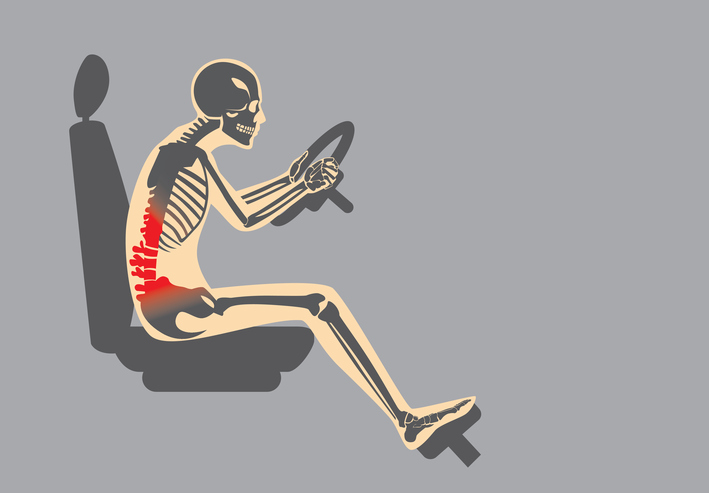
Road trips are intended to be fun, as you excitedly drive across the vast expanses of America with your family and friends in tow.  But for many of us riding in the car can quickly become painful when the uninvited travel partner known as lower back pain shows up.  Many travelers use poor posture when slouched behind the wheel or scrunched down in the passenger’s seat, which leads to lower back pain flare-ups.  Driving countless hours on congested roads also causes stress, which can trigger or exacerbate back pain. The good news is that there are several proven ways to help ward off lower back pain while on the road, or at the very least relieve the symptoms.

Get Positioned Comfortably

Before embarking on your trip, carefully adjust the seats to maximize support for your body’s contours, especially your lower back (lumbar).  If you’re driving, sit close to the wheel because prolonged arm extending places undo stress on your back muscles and spine.  Remove objects from your back pockets like Smartphones, wallets or keys, as they also place pressure on your posterior spine.  Sit up straight with your chin up and out, and shoulders back.  If your body feels uncomfortable while seated, listen to what it’s telling you.

Smooth Out Your Ride

Okay, it’s impossible to totally avoid potholes or rough patches of road.  But to create a smoother overall ride that will reduce the likelihood for lower back problems, there are steps you can take prior to embarking, such as:

  • Take a newer passenger car instead of a rickety older one, even if it means renting. For example, riding in an old pickup truck for many miles is just asking for back trouble.
  • Have the vehicle’s shocks, struts and tires checked out by a mechanic
  • Sit upon a back-supporting seat cushion or use a lumbar support seat pillow

Especially on longer trips, using these measures will go a long way in preventing lower back pain as the miles add up.

Take Frequent Stretch Breaks

Our bodies were designed to walk upright, so forcing yours into a seated position for untold hours is simply asking for lower back muscle tightening, aches and spasms.  If you suffer from back pain, plan breaks in advance for every hour or two.  Use these outside-the-car “timeouts” to walk and stretch out the stiffness, and make sure to stand up straight while doing so.  These timeouts are also a great way to reduce driving-related stress.   Beforehand, give your travel companion(s) a heads-up regarding your pain-reducing regimen, how often you’ll need to break, and encourage them to join you so that their backs will be happier and healthier too!

Don’t Forget to Pack Heat (and Cold)!

If lower back pain has already “crashed” your road trip party, apply heat or cold to the afflicted area to alleviate discomfort.  On most road trips you’ll have a cooler in the car, so try rotating two or more ice packs in there while using one of them on your pain area while seated.  Back pain experts also recommend heat to soothe an inflamed lower back when pain persists.  To do so, bring along a heating pad with a power converter that can be inserted into an onboard 12-volt port.  Then, place the pad between the seat back and your lower back while sitting.  Note: Always wear your seatbelt and shoulder harness while using a cold pack or heating pad!

We Take the Pain Out of Collision Repairs!   

Collision repair shops in your area don’t know much about lower back issues, but they are experts in reducing your emotional pain after an accident.  Body shop pros have the training, experience and equipment to restore your vehicle like new again while promptly getting you back on the road.  They’ll work directly with your insurance company so you don’t have to, and will make the entire repair process as seamless and stress-free as possible to put your mind at-ease.  If you were involved in an accident on your last road trip, or just need some expert advice about collision repairs, search your zip code now for a better body shop in your area at: www.carwise.com.

Read More
5 Simple Ways to Make Your Car Last Longer

5 Simple Ways to Make Your Car Last Longer

Most of us want our cars to look and run great for as long as possible.  And, keeping your vehicle in tip-top condition, inside and out, also increases its value when it’s time to sell or trade in.  Many drivers understand the importance of routine vehicle maintenance and upkeep like oil changes, tire rotations, replacing worn brake pads, belts and hoses.  But in addition to those, most owners are not aware that there are several other easy ways to help ensure that your car ages well as the miles add up.  Here are 5 of the more simpler ones now.

  1. Lighten Your Load

All vehicles have a maximum carrying capacity that can be found in the owner’s manual.  Exceeding that specified weight limit, notably on long trips, can cause serious damage to your car.  That’s because the more a vehicle weighs, the harder the engine, transmission and brakes have to work.  For example, if you’re towing a heavy trailer cross-country with a subcompact that’s full of passengers, you’re just asking for trouble.

  1. Transmissions Need Love Too

Your car’s transmission consists of hundreds of moving parts that get your vehicle moving, and that takes a lot of force and friction.  Transmission fluid cools and lubricates all those various components.  Changing your transmission fluid and filter at the manufacturer-recommended intervals located in the owner’s manual will keep your vehicle performing smoothly.  A failure to do so can lead to problems like sluggish acceleration, poor shifting, and even a total transmission failure.

  1. Let it Warm Up

Oil serves as the lifeblood of your car’s engine, and when your vehicle’s been sitting for several hours you need to let it circulate first before heading out on the road.  After starting your car, let it idle for at least 30 seconds to allow for the oil pump to do its job, the fluid to warm up, and the motor’s moving parts to lubricate.  Not doing so creates added friction within the engine components, which leads to faster wear times.  Also, get an oil and filter change every 3500 to 4000 miles.  Taking these simple steps will prolong your engine’s lifespan.

  1. “Punch it” Occasionally

Remember when you first learned to drive, and your parents would warn you about having a “lead foot” whenever you accelerated too fast?  Over time today’s engines get carbon buildup which can diminish performance.  Every few hundred miles you need to accelerate your vehicle quickly until the engine revolutions, measured in RPMs, “redline” (usually 6,000 RPMs) on your dash’s tachometer.  This is best done while merging onto an expressway, but never do so unless the engine is fully warmed up.  “Punching” the accelerator occasionally will help prevent carbon gunk from building up in your engine and prolong its life.

  1. Don’t Forget the Details

Your car’s exterior takes a beating year-around from paint-damaging forces like road salt, the sun, bird droppings, bug guts and more.  The interior also gets its share of abuse from dirt, pets, spilled beverages, heat and cold.  As a result, it’s wise to detail your car inside and out several times a year to remove harmful substances and protect all the exposed surfaces.  If you don’t have the time or interest in doing it yourself, there are professional detailers available that will keep your vehicle’s interior and exterior looking new and lasting longer.

Take it to a shop for repairs and upkeep

When your car’s been in even a minor fender bender, you need to have it inspected at a reliable body shop nearby to ensure that it lasts longer.  If there’s been even slight damage to the body, rust can form later.  Even low-impact accidents can compromise your car’s electrical and warning systems, along with your suspension and frame.  It’s also a good idea to have a collision repair shop inspect the engine and other mechanical parts to ensure your safety and restore your peace-of-mind.  Don’t take chances with your vehicle’s future when body shop technicians have the training, equipment and experience to ensure that your car will look and perform better for many years to come.  Most collision repair shops also provide affordable auto detailing services for your convenience.  To search your zip code now for a better auto body shop in your area, visit: www.carwise.com.

Read More