How Can You Drive More Safely in the Fall?

Most people eagerly anticipate the arrival of fall because of its colorful foliage, warm bonfires and cooler temperatures. But for many drivers across the country, autumn’s appearance also means more dangerous road conditions that they must face during their daily commutes. Leaf-covered roads, back-to-school traffic and fewer daylight hours all combine to make fall driving more challenging. Fortunately, there are several reliable ways to stay safer when driving during the autumn months, starting with these.

Why is Autumn Driving Dangerous?

For starters, weather conditions in the fall can be more unpredictable. A bright, sunny day can suddenly turn cold and rainy right before your evening commute. In addition to sudden weather changes, here are some other reasons why autumn driving can be dangerous:

Slippery leaves

Although autumn foliage is beautiful, falling leaves can cover the roads and hide pavement markers and potholes. Wet leaves are also slippery and can cause your car to start hydroplaning unexpectedly.  

Heavier traffic

When schools are back in session there’s more traffic on the roads. That means drivers must watch for small children who are walking to and from school, or waiting at the bus stop. Fall is also harvest time, which places busy farmers operating heavy machinery onto already dangerous country roads.

Active wildlife

Fall is also a busy time for deer and other wildlife to mate, migrate and forage for food. If you live near a wooded area, you already know that many animals like to cross the roads after dark.

Sun glare

As summer slowly fades away, the angle of the sun in the sky also changes, which oftentimes makes early morning and late afternoon glare more intense. If you’re not careful, sun “blindness” can keep you from seeing oncoming vehicles or pedestrians. 

Fog and frost

During autumn, nighttime temperatures tend to dip below freezing, which then leaves hazardous frost on bridges and overpasses during early morning commutes. Those cooler fall mornings can also bring fog that limits your visibility and distance perception.

Safe Driving Tips for Fall

Here are some proven ways to stay safer behind the wheel during the fall season:

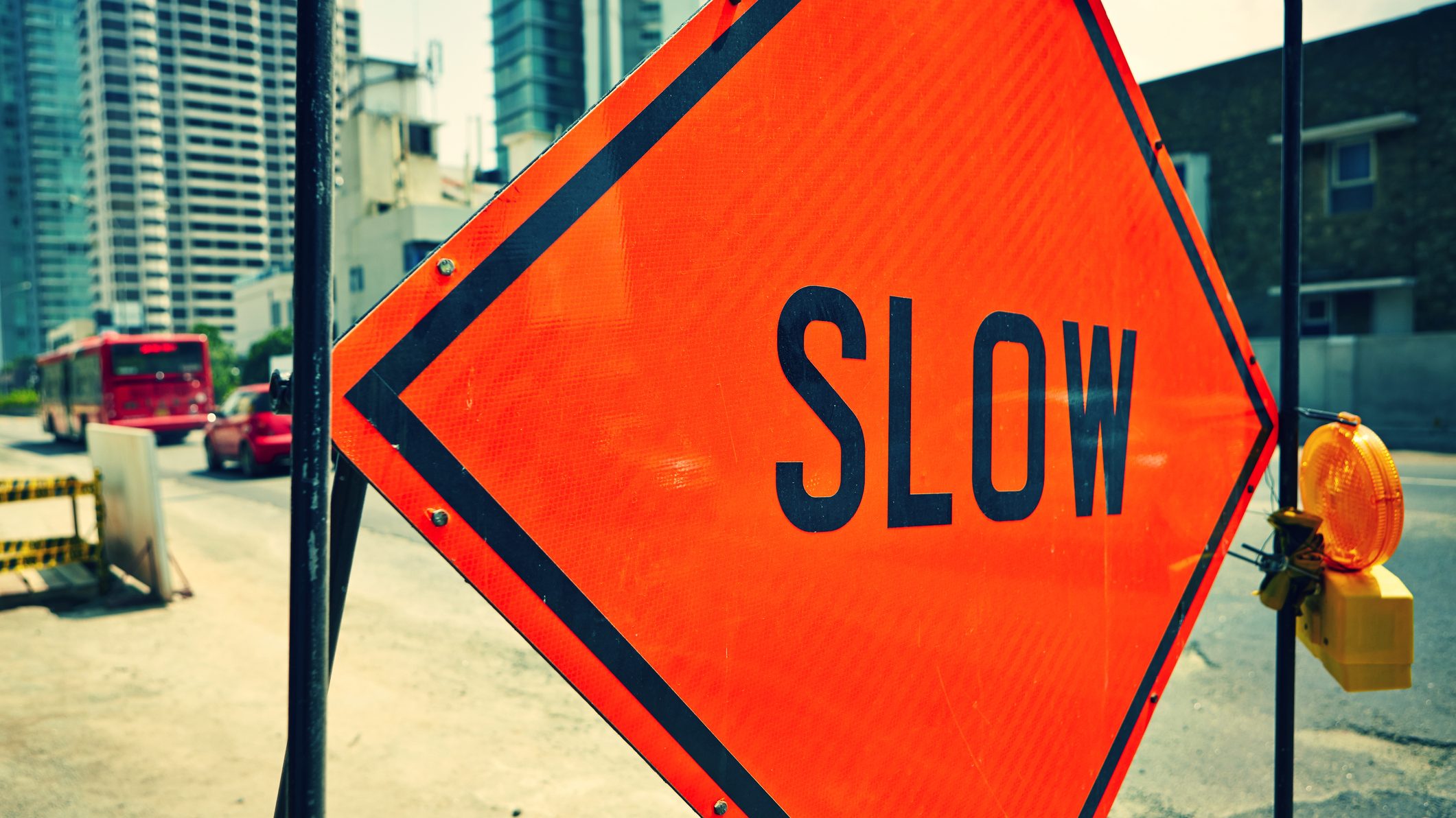
Slow down

Reducing your speed whenever there’s fog, frost or leaves on the road is important. And, that also means obeying the posted speed limits, notably when passing through school zones or driving near school buses.

Check your tires

Make sure that your tires have adequate tread to help prevent skidding on wet pavement and slippery leaves. As temperatures drop, check your tire pressure weekly and keep them properly inflated based on the manufacturer’s guidelines.

Watch for wildlife

Hitting a deer or other large animal will seriously damage your vehicle and place you at risk. To avoid doing so, slow down while passing through wildlife areas while glancing quickly from side to side for moving animals.  

 Keep a safe distance

Always stay back one car length for every 10 mph from the vehicle in front of you. Increase that interval when it’s foggy or when there are leaves or frost on the pavement, as taking these precautions will give you more time to react if you need to stop. When passing slow-moving farm machinery, give them a wide berth.

Clear off your windshield

Keep your windshield clean without using products that accentuate the sun’s glare. Replace your old wiper blades with fresh ones to eliminate streaking, and always scrape off any frost in the morning before hitting the road.

Use your headlights

Make sure that your headlights work, and then turn them on whenever it’s foggy, raining, or while driving between dusk and dawn. And, when driving in fog only use low beam settings so you won’t blind oncoming drivers, or yourself.

Find Reliable Collision Repairs for Fall Accidents Here

Even when taking these fall driving precautions, accidents happen. When your ride gets dinged up, promptly take it to a nearby auto body or glass repair shop featured in the nationwide Carwise referral network. Once there, I-CAR and ASE-certified technicians will get started using the latest repair equipment and services to restore your vehicle like new again promptly and reliably.

Search your zip code now for a customer-reviewed auto body or glass repair shop nearby: www.carwise.com

Read More

How Can I Avoid a Road Rage Collision?

While driving home from work one day, another vehicle cuts you off. Not being in the best of moods, you decide to retaliate by tailgating and laying on your horn. But is operating a vehicle when you’re angry a good idea? Although it might make you feel better temporarily, angry and aggressive driving, or “road rage”, happens way too often on American roads. In fact, according to one study (1), nearly 80% of all U.S. drivers experience road rage every year. Thankfully, avoiding a road rage collision is possible when you use these tips from the pros. 

Why is Road Rage So Dangerous?

The National Highway Traffic Safety Administration (NHTSA) defines overly aggressive driving (i.e. “road rage”) as that which occurs when “an individual commits a combination of moving traffic offenses so as to endanger other persons or property; or assault with a motor vehicle or other dangerous weapon by the operator or passenger of one motor vehicle upon the operator or passengers of another motor vehicle”.

Based on statistics compiled by the NHTSA’s Fatal Accident Report System (FARS), road rage is a contributing factor in over half of all fatal traffic accidents in the United States (2). Driving safety experts also point out that road rage can cause distracted driving, and that alcohol and drugs are oftentimes associated with road rage-related crashes.    

Examples of Road Rage

When one driver gets angry and tries to retaliate against the occupants of another vehicle, they oftentimes use these road rage-fueled driving maneuvers:

  • Yelling and using angry hand gestures
  • Tailgating
  • Speeding
  • Swerving in front of another driver
  • Intentionally bumping or ramming another vehicle
  • Exiting their vehicle to confront another driver
  • Honking excessively
  • Slamming on their brakes
  • Blocking another vehicle from changing lanes

For starters, if you don’t want to be involved in a road rage accident, don’t engage in any of these driving behaviors- including “flipping off” another driver because they cut you off! 

Road Rage Accident Prevention

Although you can’t control other drivers, there are some preventative measures you can take behind the wheel to reduce the likelihood of being involved in a road rage incident:

Don’t make assumptions

If the car in front of you is moving slowly, the driver might be lost, or they could be experiencing mechanical problems.

Don’t rush

Allow yourself plenty of time to get to work or school, and check the traffic reports before leaving home.

Don’t tailgate

Follow the “one second rule” at-all-times to maintain a safe distance from the vehicle in front of you.

Don’t drive angry

If another driver angers you, pull over until you’ve calmed down.

Don’t lay on the horn

Use your horn briefly to warn another driver that you’re there without sending the message that you’re angry.   

Don’t use offensive hand gestures

It’s okay to thank a thoughtful driver with a friendly wave, but otherwise avoid using offensive hand gestures that could incite a road rage incident.

Don’t confront other drivers

If you exit your vehicle to confront the driver behind you, you could be placing yourself, and your passengers, at serious risk for bodily harm.

Don’t retaliate

Ignore the temptation to retaliate against a careless driver, as it could cause an already volatile situation to escalate. Instead, avoid eye contact and back off the accelerator. And, that means no “brake-checking” when a vehicle’s following too closely!

Don’t panic

If it seems like an agitated driver is following you, keep your doors locked and proceed to the nearest police station. Or, dial 911 and request assistance.

Reliable Road Rage Collision Repairs Found Here

Even when taking these driving precautions, you can still be involved in a road rage crash. When an accident damages your ride, promptly take it to an auto body or glass repair shop featured in the nationwide Carwise referral network. Once there, I-CAR and ASE-certified technicians using the latest equipment, techniques and services will promptly and reliably restore your vehicle like new again.

Search your zip code now for a customer-reviewed auto body or glass repair shop nearby: www.carwise.com

References:

  1. Publication from the AAA Foundation for Traffic Safety: Prevalence of Self-Reported Aggressive Driving Behavior: United States, 2014
  2. Article from the Insurance Information Institute: Fact + Statistics: Aggressive Driving
Read More

What Are the 10 Worst U.S. Cities to Drive In?

Most Americans enjoy bragging about their respective cities when it comes to sports, music and restaurants. But for those living in larger metropolitan areas, getting around by car can be a major hassle. If your city features daily commutes that push your stress level to the limit, driving conditions there are probably not one of its more brag-worthy qualities. But is it the worst? Recently, the personal-finance website WalletHub analyzed (1) how “driver-friendly” the 100 largest U.S. cities are. Based on what they found, these are the 10 worst for drivers.

What Criteria Did WalletHub Use?   

WalletHub first selected the 100 U.S. cities with the highest population, excluding their surrounding metropolitan areas. Then, they began ranking those cities using these 4 metrics:

  • Traffic and infrastructure
  • Annual cost of vehicle ownership and maintenance
  • Safety
  • Access to vehicles and maintenance

WalletHub’s team then took those 4 major driving categories and broke each down further for a grand total of 29 subcategories. That allowed them to consider more specific driving factors like the annual number of car thefts, price per gallon of gas, auto repair shops per capita and total number of motor vehicle fatalities.

Based on those 29 subcategories, each city was then assigned a weighted score. The higher the score, the more “driver-friendly” the city. When the list was finished it contained several of the usual suspects, and some notable surprises.  

Is Your City in the “Bottom 10”?   

According to WalletHub, these are the 10 worst U.S. cities for drivers:

#1 Detroit, Michigan

Thanks to scoring badly in traffic congestion, safety, and the average cost of ownership, it turns out that the “Motor City” is the least friendly of all for motorists.

#2 San Francisco, California

Because it’s on a peninsula, San Francisco drivers face limited land access to the south, not enough bridges and hilly streets. For these reasons and others, the city scored poorly in “traffic and infrastructure”, along with “cost of ownership and maintenance”.

#3 Oakland, California

Right across the bay from San Francisco sits Oakland, which ranked near the bottom in “cost of ownership and maintenance”. And, it’s also one of the nation’s worst cities for car thefts.

#4 Philadelphia, Pennsylvania

Turns out that the “City of Brotherly Love” isn’t so friendly to drivers due to its poor safety rating, traffic congestion and high cost of vehicle ownership.

#5 Seattle, Washington

Downtown Seattle is surrounded by several lakes and peninsulas which force daily commuters into endless chokepoints. In addition to traffic congestion, the city also ranked low in “cost of ownership and maintenance”.

#6 Boston, Massachusetts

Boston’s confusing old road designs cause frequent traffic tie ups. Throw in the harsh winters and its poor showing in the “access to vehicles and maintenance” department, and you’ve got the “perfect storm” for driver frustration.

#7 New York City

No shocker here, as New York has now leapfrogged Los Angeles when it comes to worst “traffic and infrastructure”. In fact, the city’s Friday evening commutes are legendary for their brutality.

#8 Newark, New Jersey

Combine Newark’s proximity to New York City with its busy international airport and you get a recipe for traffic congestion that’s hard to beat. And, Newark isn’t exactly the safest place for drivers to be either.

#9 Los Angeles, California

The “City of Angels” earned this hellish distinction because of its infamous traffic congestion and high cost of ownership. The only real surprise is that L.A. didn’t finish lower.

#10 Chicago, Illinois

Thanks mostly to its poor infrastructure and ubiquitous traffic congestion, the “Windy City” takes the “air out of the sails” for millions of Chicago drivers.

In case you’re wondering, the top 10 best cities to drive are all located in North Carolina, Texas and Florida. Visit: www.wallethub.com to view WalletHub’s complete list.

Promptly Find “A-list” Collision Repair Shops Here

No matter where you drive, accidents happen. When your ride’s been damaged, promptly take it to one of the “A-list” auto body or glass repair shop featured in the nationwide Carwise referral network. Shops listed on Carwise are all I-CAR and ASE-certified, which means they have the top-quality collision repair services you need to restore your ride like new again promptly and reliably.

Search your zip code now for a customer-reviewed auto body or glass repair shop nearby: www.carwise.com.    

Reference:

  1. 2018’s Best & Worst Cities to Drive In; WalletHub.com (www.wallethub.com); July 10, 2018.
Read More

How Should I Get My Car Ready for College?

Another school year is right around the corner, which means millions of college students will soon be loading up their cars and heading off to campuses all across the country. As a student, before doing so it’s important to make sure that your ride’s “road ready”. If you’re the parent or guardian of a college-bound student, they may need some maintenance advice to prepare their car for those long commutes and cold-weather starts. Either way, getting a car ready for college should go more smoothly than a P.E. midterm when using these tips from the pros.      

Check Under the Hood

First, pop the hood and check:

Fluid levels

Using the owner’s manual as a guide, check the fluid levels for the engine oil, coolant, transmission, brake and power steering systems. If low, top off the fluids only with products that are in accordance with the manufacturer’s specifications.    

For fluid leaks

Look under the vehicle and on the engine for fluid leaks. If you see any, the color should help indicate its location and source. High-mileage cars tend to leak a little oil, so don’t panic if that’s the case. Instead, make sure you know how to check the oil level and add more when it’s low.

Your battery

Test the battery with a voltmeter and replace it if it’s old or defective. Then, clean any corrosion off the battery terminals, check the wires and make sure all connections are tight.

belts and hoses

Inspect the engine’s hoses and drive belt for excessive wear-and-tear, and have any worn-out parts replaced.   

Tires and Brakes

Inspect the tread depth of all your tires and look for uneven tread wear or nails. Make sure the spare tire is aired up and that there are tire tools and a jack in the trunk. Check each tire’s pressure with a gauge to ensure they’re inflated based on the manufacturer’s recommendations.

Drive the car around, apply the brakes and listen for any strange sounds. Does the vehicle brake smoothly and in a straight line without any play or grab in the brake pedal? If you detect any problems with the brakes, promptly get them inspected by a mechanic.

Lights

This is a two-person job, as one of you needs to sit in the passenger seat and switch on the headlights, turn signals and emergency flashers while the other person walks around the vehicle to see if they’re working. Test the high and low-beam headlights, and then the brake lights by having one of you push on the brake pedal while the other stands behind the car. If found, replace any burnt-out bulbs with new ones.

Other Car Care Tips  

Once you’ve completed the other steps, here are a few more maintenance items to check off your list:

Windshield wipers

Test the wipers to make sure they work without streaking the windshield. If the old blades are worn, get some high-quality, all-season replacements.

Emergency kit

All college-bound drivers need to carry an emergency kit with roadside flares, a flashlight and batteries, jumper cables, kitty litter (for traction), bottled water and non-perishable snacks.  

Detail it inside and out

Not only will this make your ride look great, but it will also protect the finish and upholstery from things like road salt, food spills, the sun’s UV rays, and moisture. If you don’t want to detail it yourself, most auto body shops will for a fee.  

Find car services near your school

Some universities offer free roadside assistance to students with vehicle problems that occur on or near campus. But you will still need the contact information for reliable auto repair shops in the area.

Find Reliable Collision Repairs for College Students Here  

Even well-maintained vehicles can be involved in traffic accidents. When one damages your ride, bring it to an auto body or glass repair shop featured in the nationwide Carwise referral network. All shops listed on Carwise are I-CAR and ASE-certified, which means they have the highly trained technicians, equipment and services needed to repair your vehicle like new again promptly and reliably.

Search your zip code now for a customer-reviewed auto body or glass repair shop nearby: www.carwise.com

Read More

How Can I Keep My Car from Getting Stolen?

It’s a lousy feeling to wake up one morning and discover that your car’s missing. According to recent figures from the FBI’s Uniform Crime Reporting data base (1), every year over 770,000 vehicles are stolen in the U.S. Combined losses from those motor vehicle thefts cost consumers and insurance companies over $6 billion, or roughly $7,700 per crime. Fortunately, there are several reliable ways to keep your vehicle from becoming a statistic, starting with these.

Car Theft Tactics

As OEM security systems on newer vehicles have improved, the sophisticated tactics of wily car thieves have also gotten better. But the strategies of most criminals still rely on a pair of age-old approaches. The first strategy takes advantage of an immediate opportunity, and the second, or “planned heist”, involves careful planning and preparation while waiting for the right moment to strike. 

Car thieves usually use the first tactic if, and only if, there’s virtually no chance they’ll get caught. The second strategy is more common, less risky and usually very well thought out. Like most criminals, car thieves tend to take the path of least resistance.      

How to Discourage Car Thieves

Although no theft-deterrent is 100% foolproof, using these proven methods can help discourage curious car thieves:

Turn Off Your Engine

Have you ever left your car running while inside the local convenience store or letting it warm up on the driveway? Unoccupied running vehicles play right into the hands of thieves looking for an easy opportunity as they wait in the shadows for you to make this common mistake.

Windows Up and Doors Locked

Especially while stuck in stop-and-go traffic, always keep your windows rolled up tight and doors locked to keep car jackers out. It’s also wise to do so anytime you park your car- even right outside your home. If a thief is working their way through a parking lot or neighborhood and your vehicle is locked up tight, they’ll probably move on.

Choose Parking Spots Wisely

Most criminals prefer operating in the shadows, so when parking your vehicle avoid dimly lit, isolated areas. This will not only deter most thieves, it will also allow any lot security camera footage or witnesses to ID the perpetrator(s) more easily if your car is targeted.

Don’t Leave Valuables Inside

Not only will leaving valuables in plain sight attract car thieves, they’ll also get the attention of “smash-and-grab” burglars. And, if a car thief sees your purse or wallet lying on the front seat, they may just decide to steal the whole car to make it worth their while.   

Hide All Personal Documents

Most drivers carry a copy of their car registration, proof of insurance and driver’s license inside their vehicles. If a police officer pulls over a thief who’s taken your car, they may let them go if shown your insurance and registration cards. Keep them locked up inside the glovebox, or, better yet, carry them with you at-all-times.

Scan Your Surroundings

Situational awareness is an invaluable tool, so constantly scan your surroundings for signs of suspicious activity. Doing so will heighten your senses and help you remember which car theft precautions you should take, especially when in an unfamiliar area.

Install an Alarm

If you live in a high-crime area or own a frequently targeted car make and model, invest in a top-quality alarm system. This added layer of security will probably deter the average criminal, and many security systems today can be paired with mobile device apps that will promptly notify you if your car’s being tampered with. You can also place a cruciform lock on your vehicle’s steering wheel when it’s parked.

Reliable Auto Body & Glass Repairs Found Here

When your vehicle’s been damaged by a car thief or collision, you can promptly locate a reliable auto body or glass repair shop nearby by using the nationwide Carwise referral network. All shops listed on Carwise are I-CAR and ASE-certified, which means they have the driver-trusted technicians, equipment and services you need to restore your ride, and peace-of-mind, like new again.

Search your zip code now for a customer-reviewed auto body or glass repair shop nearby: www.carwise.com

Reference:

  1. FBI report: 2017 Crime in the United States- Motor Vehicle Theft; https://ucr.fbi.gov/crime-in-the-u.s/2017/crime-in-the-u.s.-2017/topic-pages/motor-vehicle-theft
Read More

How Can You Drive More Safely in Work Zones?


No matter where you drive this summer, you’ll probably encounter road construction. Bridge and road work zones can be very dangerous, especially at night or when there’s traffic congestion. According to the Federal Highway Administration (1), in an average year, work zone accidents in the U.S. result in approximately 40,000 injuries and 900 deaths. Regrettably, many of those crashes are preventable because they’re caused by careless or impatient drivers. But navigating more safely through road construction sites is possible by using these tips.   

Work Zone Accident Facts 

Every year, the U.S. Department of Transportation’s Federal Highway Administration (www.fhwa.dot.gov) compiles data on work zone-related traffic accidents. Based on their findings, here are some sobering facts that you should know before hitting the road:  

  • Fatal work zone crashes occur more frequently in the summer and fall.
  • Most fatal work zone crashes take place on roadways with speed limits in excess of 50 mph.
  • Drivers are the ones most oftentimes killed in work zone-related crashes. 
  • Most work zone injuries and deaths occur to working-age adult drivers. 
  • Rear-end collisions are the most common type of work zone crash, and most of those occur when drivers are tailgating or pull suddenly in front of another vehicle.  
  • Many accidents are caused by drivers who disregard posted warning signs and speed limits, and/or because they’re impaired or distracted. 

Anyone who drives knows how frustrating and stressful road construction zones can be, especially when heading home after work. But the key to arriving at your destination unscathed is to separate those negative feelings from your driving habits.  

Driving Safer in Work Zones 

When operating a vehicle in road construction zones, careless actions not only endanger yourself but also the workers and drivers around you. With that in mind, use these safe driving tips: 

  • Slow down. Over a third of fatal work zone accidents involve speeding, so stay safer by paying attention to posted speed limits. 
  • Obey road crew flaggers and roadside signs. Flaggers and road signs are there for a reason. Traffic will flow more smoothly and safely when you obey them.
  • Merge into the proper lane. Pay attention to designated traffic patterns and merge into the proper lane well in advance of the zone itself. And, never attempt to pass stopped traffic on the shoulder or squeeze in at the last possible moment.  
  • Maintain a safe following distance. Rear-end work zone collisions are common, including fatal ones. To avoid them, always maintain a safe following distance between you and other vehicles, including construction trucks. A good rule-of-thumb is one car length for every 10 mph. 
  • Keep your head “on a swivel”. When entering a road construction site, always stay alert for the unexpected. Traffic could come to a halt without warning, or workers and equipment pop out from nowhere. Be aware and be prepared. 
  • Stay off your phone. When at a standstill, some drivers immediately reach for their cellphones to text or check messages. Don’t, as being distracted for one second could cost someone their life, including you. 
  • Keep up with traffic flow. Avoid slowing down to watch workers, as that could result in your vehicle getting rear-ended. Also, don’t tailgate because the driver in front of you may have to suddenly apply their brakes. 
  • Plan-ahead. Check-in advance to see if there are any scheduled road repairs along your intended route, and choose an alternative route whenever possible. If that’s not feasible, allow yourself plenty of extra time. 
  • Practice patience. While roadwork can be frustrating, always remember that the crews are out there to improve the roadways and make your future commutes as safe and smooth as possible! 

Promptly Find Reliable Work Zone Collision Repairs Here

No matter how careful you are while driving through road construction sites, accidents happen. When your ride gets damaged, promptly locate a customer-reviewed auto body or glass repair shop featured in the nationwide Carwise referral network. All shops found on Carwise have the I-CAR and ASE-certified technicians, services and equipment to restore your vehicle like new again promptly and reliably. 

Search your zip code now for a customer-reviewed auto body or glass repair shop nearby: www.carwise.com

References:

  1. Report from the Federal Highway Administration: Work Zone Safety: Everybody’s Responsibility; https://safety.fhwa.dot.gov/wz/resources/fhwasa03012/ 
Read More

How Can Drivers Avoid Rear-End Collisions?

If you drive, at some point you’ll probably be involved in a rear-end collision. According to a recent study from the National Transportation Safety Board (NTSB) (1), nearly half of all two-vehicle crashes in the U.S. every year are of the rear-end variety. And, those accidents cause thousands of injuries, hundreds of deaths, and billions of dollars annually in collision-related losses. Sadly, most rear-end motor vehicle accidents are avoidable if drivers would simply use the following safe driving tips.   

Keep Your Distance

Whether you’re driving on a city street, highway, rural road, or through a work zone, the first step in preventing a rear-end collision is keeping a safe distance between you and the car in front of you. That will give you enough time to react and brake your vehicle safely if the other driver suddenly stops or swerves.  

While driving in normal road conditions, use this “3-second rule”:

  1. Pick out a stationary object near the road, like a tree, sign or overpass.
  • As soon as the rear end of the vehicle you’re following passes that object, start counting: one thousand one, one thousand two, one thousand three.
  • If you pass the object before you finish “one thousand three”, you’re following too close.   

Driving in more dangerous situations means adjusting your following distance to at least 4 seconds. Here are times when that becomes necessary: 

  • Slippery roads. Rain, ice, snow or even fallen leaves can cause slick pavement.
  • Poor visibility. In addition to falling precipitation, you could also have trouble seeing because of fog, flying dust or the sun’s glare. 
  • Following a large vehicle. If you’re behind a big semi with an oversized load, hang back further to stay out of their blind spots and to give yourself room to see.
  • Behind a motorcycle. A motorcycle can stop much faster than you can, so allow plenty of room when you’re behind one.
  • Following vehicles that stop frequently. School buses, garbage trucks and postal vehicles stop frequently. Some also stop at all railroad crossings, so always give yourself a following cushion of 4 or more seconds.

 Expect the Unexpected

Stay alert for unexpected road hazards, like debris, stalled cars or large potholes so that you will have time to evade them without slamming on your brakes or veering suddenly into another lane. Other ways to prepare for the unexpected include:

  • Stay out of other drivers’ blind spots, as they may not see you when switching lanes.
  • Check your mirrors frequently while driving, notably before turning, while merging or changing lanes.
  • When you come to a stop at a traffic signal, leave enough space between your car and the vehicle in front of you just in case you need to pull to the side of the road or change lanes quickly- like when an emergency vehicle is approaching from behind.

Drive Predictably

Don’t leave other drivers guessing when you’re turning, stopping or changing lanes. Instead, drive more “predictably” by:

  • Not slamming on your brakes, but rather slowing down gradually when approaching a stop sign, red light, or preparing to turn.
  • Making sure that your brake lights and headlights are in good working order.
  • Activating your turn signal well before your intended turn to alert the driver behind you.
  • Not squeezing in front of another driver when changing lanes, but instead always give them ample notice by signaling.

Other Driving Tips

Here are some additional ways to help prevent rear-end collisions:

  • Follow the posted speed limits, especially in school and work zones.
  • Buy a vehicle with rear-end crash avoidance safety technologies.
  • Avoid distracted driving, like texting or talking on your phone.  
  • Never drive while under the influence of alcohol or drugs, as those slow down your reaction time.

Getting Your Car Repaired After It’s Been Rear-Ended

Even when using these rear-end crash prevention tips, accidents happen. When your ride’s been rear-ended, promptly take it to one of the auto body or glass repair shops featured in the nationwide Carwise referral network. All shops listed through Carwise are I-CAR and ASE-certified, and have the technicians, equipment and services to restore your ride like new again promptly and reliably.

Search your zip code now for a customer-reviewed auto body or glass repair shop nearby: www.carwise.com

Reference:

  1. Special investigation report from the National Traffic Safety Board; 2015: The Use of Forward Collision Avoidance Systems to Prevent and Mitigate Rear-End Crashes.
Read More
Carwise Shop Finder auto body shop owners

What Should I Do Right After a Hit-and-Run Accident?

While stopped at a traffic light one day your car gets rear-ended by another vehicle. After the initial shock wears off, you get out to inspect the damage and check on the other driver. Much to your surprise, they take off and speed away from the accident scene. Looking down at your car’s crumpled bumper, a queasy feeling forms in the pit of your stomach. Who’s going to pay for the repairs? Being victimized by a hit-and-run driver is a helpless feeling, but knowing what to do immediately afterwards will help make the entire process go more smoothly.

Why Hit-and-Run Drivers Flee  

A hit-and-run accident is when a driver hits a pedestrian, another motorist or bicyclist and then leaves the scene without presenting identification or offering their assistance. Hit-and-run drivers usually flee the accident scene for these reasons:

  • Under the influence of alcohol and/or drugs
  • Not having a valid driver’s license, or driving on a suspended license
  • The vehicle is transporting illegal goods, including drugs
  • They don’t have auto insurance
  • The vehicle is stolen, or they used it without permission
  • The driver has an outstanding arrest warrant
  • They’re driving an employer-owned vehicle and want to hide the fact it was involved in a crash

No matter the reason, a driver who flees the scene of an accident in any state faces harsh consequences if caught.

Fleeing Drivers Face Stiff Penalties

Leaving an accident scene prematurely, regardless of who’s at fault, may result in one or more of these penalties:

  • Criminal charges
  • Fines
  • Jail time
  • Driver’s license revocation

In addition to these actions, the victim(s) can also sue the negligent driver for damages. Several states now consider it hit-and-run when you merely clip an unoccupied car in a parking lot and don’t leave a note. And in some states, it’s even illegal to hit an animal without stopping and reporting it. So, when your initial reaction is to leave the scene of an accident prematurely, don’t!

Take these Steps After an Accident  

Always try to remain calm and collected right after you’re involved in a collision, even when

the other driver decides to take off. First, check to make sure that you and your passenger(s)

are okay. If not, call 911 for immediate medical assistance.

If possible, also request that a police officer be dispatched so they can investigate the scene and issue an accident report. Whether or not a hit-and-run driver is involved, always remember to take these steps after an accident:

  • Try to make out the make, model and license plate number of the other vehicle.
  • Do not attempt to follow them, but instead remain at the scene until help arrives.
  • If you or anyone else remaining at the scene are seriously injured, promptly call 911 to seek medical attention.
  • Look for any witnesses who can provide more details to the police.
  • Contact the local police department to report the incident, including what you know about the other driver, vehicle and any potential witnesses.
  • Call your insurance company and report the accident. They will walk you through how to get your injuries treated and car repaired.

Will My Insurance Cover the Damages?

Unfortunately, many hit-and-run drivers are never caught. However, your car repairs should be paid for if you have collision coverage in your policy, although you may have to pay a deductible. Another option starts with the fact that in most states a driver that flees the accident scene is classified as an “uninsured” motorist. As a result, if you have uninsured motorist (UM) coverage your repair costs, minus the deductible, should be picked up by your insurer. To better protect yourself beforehand, include both collision and UM coverage in your policy.

Your Collision Repair Solution for Hit-and-Run Drivers

Having your car damaged by a hit-and-run driver is stressful, but promptly locating a good collision repair shop featured in the nationwide Carwise referral network will help put your mind at ease. All auto body and glass repair shops listed through Carwise are I-CAR and ASE-certified, which means they have the technicians, equipment and services necessary to get your ride looking and performing like new again.

Search your zip code now for a customer-reviewed auto body or glass repair shop nearby: www.carwise.com.

Read More
driving while flooded

How Can I Drive Safely on Flooded Roads?

Many areas of the U.S., especially in the Midwest, have received torrential amounts of rainfall this year that has led to widespread flooding. As a result, water-covered roadways have entrapped many careless drivers who disregarded local flood warnings, causing countless injuries and even some fatalities. Because many people in flood-impacted areas still need to work and reach their homes, driving through floodwaters is sometimes unavoidable. If this describes you, use these safety tips for driving on flooded roads from the experts.   

Why are Flood Waters Dangerous?   

According to FEMA (www.fema.gov), most flood-related deaths happen when people try to drive through rising waters rather than around them. Rushing water crossing a roadway can generate a tremendous amount of force, while even standing water poses a threat to larger vehicles and their occupants. Based on pavement water levels, here are some potential driving hazards floodwaters create: 

  • Six inches. This will cause a vehicle’s tires to lose traction and slide out of control.
  • Twelve inches. Most passenger cars will start floating in a foot of water. Once that happens, you can’t steer or brake. Moving floodwaters can then quickly carry you downstream or into an obstacle. 
  • Two feet. These floodwaters are risky for even the largest vehicles, like pickup trucks and SUVs, as they produce enough force to wash them away. 
  • Over two feet. In addition to the risk for getting swept away, if you attempt to navigate two feet or more of water your vehicle may experience what’s called “hydrolocking”. Hydrolock occurs when water enters your motor’s combustion chamber and prevents it from running. Once the engine stalls out, you’ll be hopelessly stranded. 

Even minimal amounts of standing water on the pavement can induce dangerous hydroplaning, causing you to hit a passing vehicle or stationary object. 

Staying Safe on Flooded Roads 

Now that you’ve seen the potential dangers of driving on flooded roads, here are some safety tips:

Obey Barricades 

There’s an old saying for those who live and drive in flood zones: “Turn around, don’t drown.” In other words, if there’s a DOT barricade set up, don’t ignore it. Instead, turn around and take an alternate route.

Avoid Standing Water 

As was mentioned earlier, even small amounts of standing water can cause hazardous road conditions. Avoid driving through standing water unless you know how deep it is, and what lies beneath. And, that also includes parking lots. 

If You Have No Other Choice 

There may be situations, for example, if you’re a first responder, where you have no choice but to pass through floodwaters. If no other alternate route is available, take these precautions: 

  • Try to estimate the depth of the water. For example, observe passing cars and how far up the water comes on their wheels. 
  • Drive slowly and methodically through the water.
  • Be aware of any downed power lines that have contacted the water because electric current can easily pass through water and into your metal-encased vehicle. 
  • Watch for large items, like logs, that are moving downstream, as those can trap or crush your vehicle and its occupants. 
  • Stay off your phone unless it’s an emergency. Floods are no time for distracted driving!
  • Once you emerge from water that’s at least at tire-rim level, dry your brake pads off at a low speed by gently braking while on a clear patch of road. 
  • If your vehicle stalls out in deeper water, try restarting it. Keep in mind that by doing so before the engine is dried out it could seriously damage it. 
  • If your vehicle won’t restart while you’re trapped in water, immediately abandon it and seek higher ground, like a nearby tree. Roll down the window or open the door to escape the vehicle, and call 911 or flag down a passing vehicle for help. 

Promptly Find Flood-Related Auto Body Repairs Here 

Not only are flood waters dangerous, they can also damage your vehicle’s interior and exterior. When you need some flood-related repairs, promptly locate a good auto body or glass repair shop through the nationwide Carwise referral network. Collision repair shops listed on Carwise have the I-CAR and ASE-certified technicians, services and know-how to restore your ride like new again promptly and reliably. 

Search your zip code now for a customer-reviewed auto body or glass repair shop nearby: www.carwise.com.

Read More

How Can I Entertain My Kids on Summer Road Trips?

If your family is like most, sometime this summer you’ll be embarking on a long road trip with several energetic children in tow. And, since most kids don’t like to be confined for hours, you’ll probably hear constant refrains of: “Are we almost there yet?” coming from the back seat. As a parent, keeping your kids entertained in the car, while also ensuring your safety and sanity, takes some resourcefulness. Fortunately, it is possible when you use these creative summer road trip entertainment ideas from your friends at Carwise.

Minimize “Screen-Time”

Although your first instinct will be to load a movie on Susie’s tablet, or put a new Gameboy in Johnny’s hands, it’ll be more memorable for you all to minimize the “screen-time” and stow away the electronic devices. After all, you probably didn’t have any of those high-tech gizmos when you were a kid, and you turned out just fine. Because summer road trips are a rite-of-passage for most families, find some other ways to keep your kids entertained. Who knows? They might even pass them down to their kids.

With that said, here are some fun ways to keep everyone’s attention focused on something other than that endless traffic jam you seem to be stuck in:

License Plate Lingo

This game is simple, good for a few laughs and lets participants use their imaginations. License Plate Lingo is played by taking turns coming up with a meaning for letters on certain car license plates. For example, “OBE” might stand for “onion-biting elephant”, or “ostriches buy eggs”. You can even make it a contest with a “prize” for the person who comes up with the most creative acronym.

The Celebrity Game

The Celebrity Game starts by having one family member think of the first and last names of a real celebrity, famous historical figure or movie character. After sharing it with the group, the next player must then come up with a different personality whose first name begins with the first letter of the previous character’s last name. So, if player one chooses “Abraham Lincoln”, player two could go with “LeBron James”, and so forth.

The Quiet Game

A favorite of parents everywhere, The Quiet Game challenges competitors to be the quietest for the longest. Whoever speaks is out, and the other participants continue in silence until there’s a winner.

Animal Spotting

Hold a contest to see who can spot the most different types of animals during the trip. Any creature that walks or flies is fair game, like deer, livestock and birds. Pick someone to write down each player’s findings, and then award a prize to the one who’s compiled the largest list when arriving at your destination.

I-Spy

Around for generations, this game is still a favorite with road travelers today. To get started, one participant secretly picks an object inside the car and uses a verbal clue like “I spy something green”, or “I spy something that’s shiny and red”. The first person who correctly guesses what the object is gets to choose the next item of interest.

Books

As a great substitute for electronic gadgets, books on topics that interest your kids will keep their minds engaged for hours. As a side benefit, reading a book might even make them want to nap! Before hitting the road, hit the local library first and have the kids pick out some books that they’ll eagerly anticipate reading in the car.

Pipe Cleaners

Hand the kids a bag of colorful pipe cleaners and watch their creativity go. They’ll stay occupied for hours crafting animals, flowers, letters, unusual shapes and even fake glasses to wear when you stop for a bite to eat.

Reliable Summer Road Trip Accident Repairs Start Here

It’s not uncommon when taking a summer road trip for your ride’s paint job to get a little dinged up, or your windshield tainted. When you need some repairs, promptly locate a better auto body or glass repair shop by using the nationwide Carwise referral network. All shops on Carwise feature I-CAR and ASE-certified technicians with the tools, training and experience to restore your ride like new again promptly and reliably. Most shops speak directly with insurance companies, so you don’t have to, and warranty their work to put your mind at ease.

Search your zip code now for a customer-reviewed auto body or glass repair shop nearby: www.carwise.com.

Read More